What Is an IR Illuminator and How It Enhances Night Vision
An IR illuminator is a device that emits infrared light, which is invisible to the human eye but detectable by night vision cameras and devices. It is used to improve visibility in low-light or completely dark environments by illuminating the scene with infrared radiation, allowing cameras to capture clearer images without visible light.
These devices play a significant role in enhancing the performance of security cameras, wildlife observation equipment, and night vision goggles. Instead of relying on visible lighting, which can be intrusive or alert subjects, IR illuminators provide stealthy illumination, making them essential for discreet surveillance and tactical operations.
This article will explain the types of IR illuminators available, how they work together with night vision technologies, practical applications, and key factors to consider when choosing an IR illuminator for various needs. Understanding these aspects helps users optimize their surveillance or observation setups.
Understanding IR Illuminator Technology
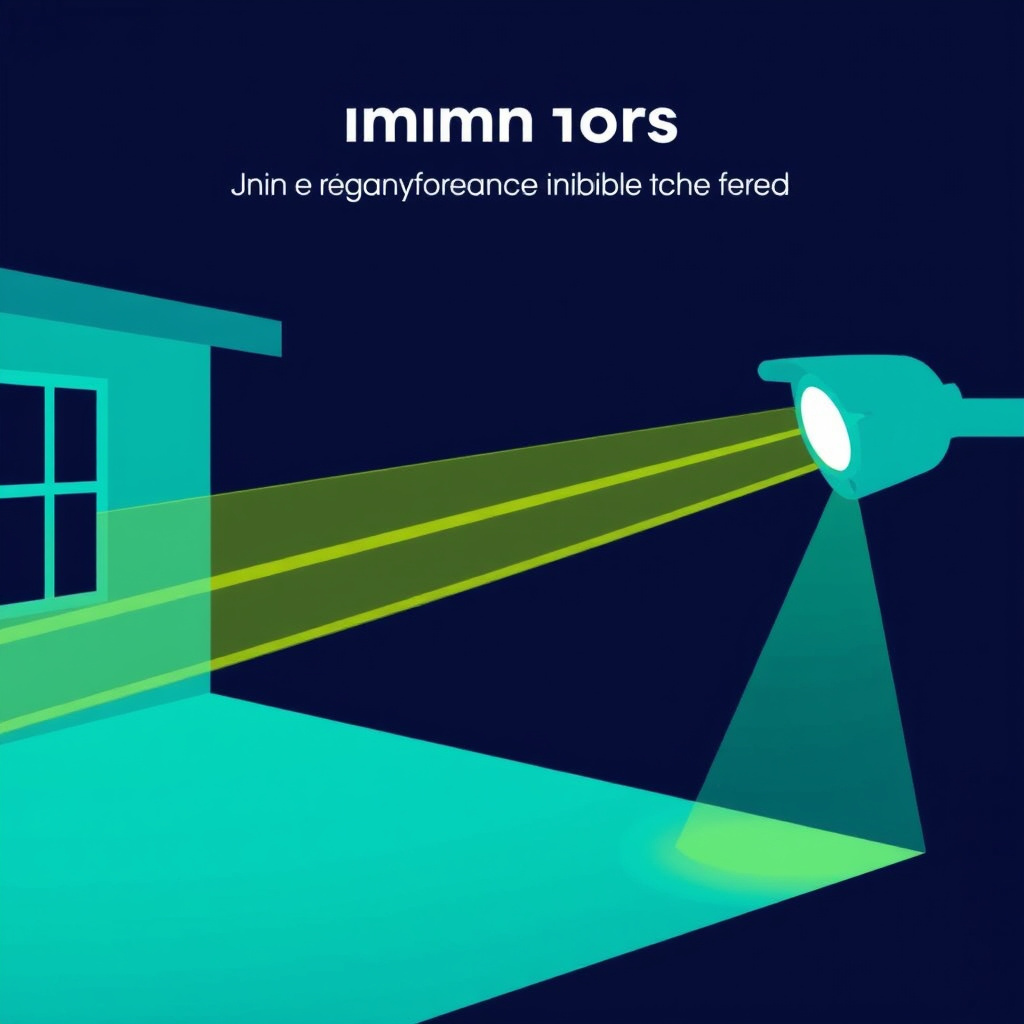
How Infrared Light Works
Infrared light is a part of the electromagnetic spectrum with wavelengths longer than visible light, typically between 700 nm and 1000 nm. IR illuminators use LEDs or lasers to emit this light, which penetrates darkness without producing visible illumination.
This characteristic makes infrared ideal for night vision applications because it does not disturb the environment or alert subjects to the presence of surveillance. Instead, it strengthens the camera sensor’s ability to detect images under zero or low-light conditions.
Types of IR Illuminators
The most common IR illuminators include LED-based and laser-based models. LED illuminators provide wide-angle coverage and tend to be more affordable, making them suitable for general security purposes.
Laser illuminators offer longer range and more focused beams, ideal for specialized surveillance or military use. Each type varies in beam distance, wavelength, and power consumption, impacting their ideal uses.
- LED illuminators: wide coverage, affordable
- Laser illuminators: long range, focused beam
Applications of IR Illuminators
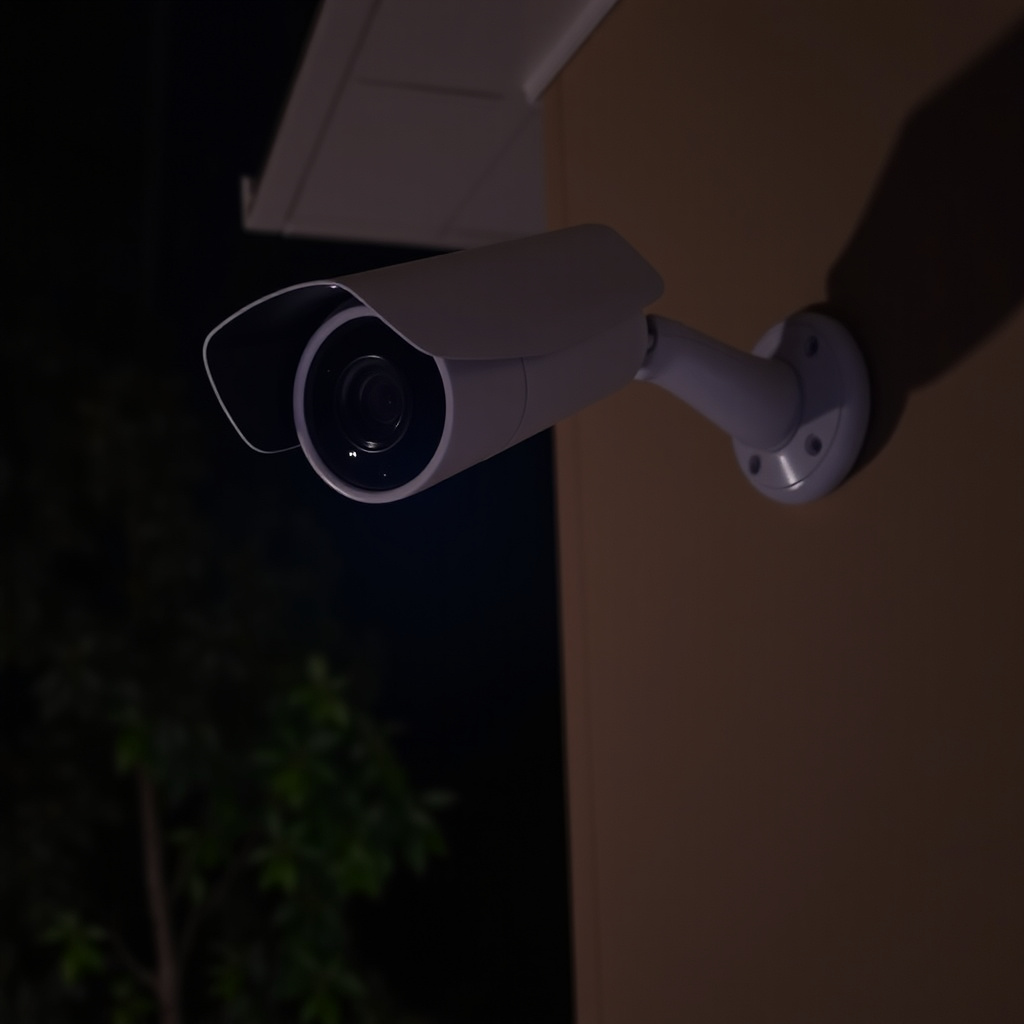
Security and Surveillance
IR illuminators are widely used in security cameras to extend their night vision range. Without IR lighting, cameras can only capture grainy or dark footage at night.
By enhancing infrared illumination, intruders or movements become easier to detect in complete darkness, helping secure homes, businesses, and public spaces effectively.
Wildlife Observation and Research
Researchers and wildlife enthusiasts use IR illuminators to observe nocturnal animals without disturbing them. Since infrared light is invisible to animals, it allows natural behavior to be recorded or watched peacefully.
This application is valuable for studying animal habits, tracking movements, and capturing images or videos during nighttime hours without interference.
Choosing the Right IR Illuminator for Your Needs
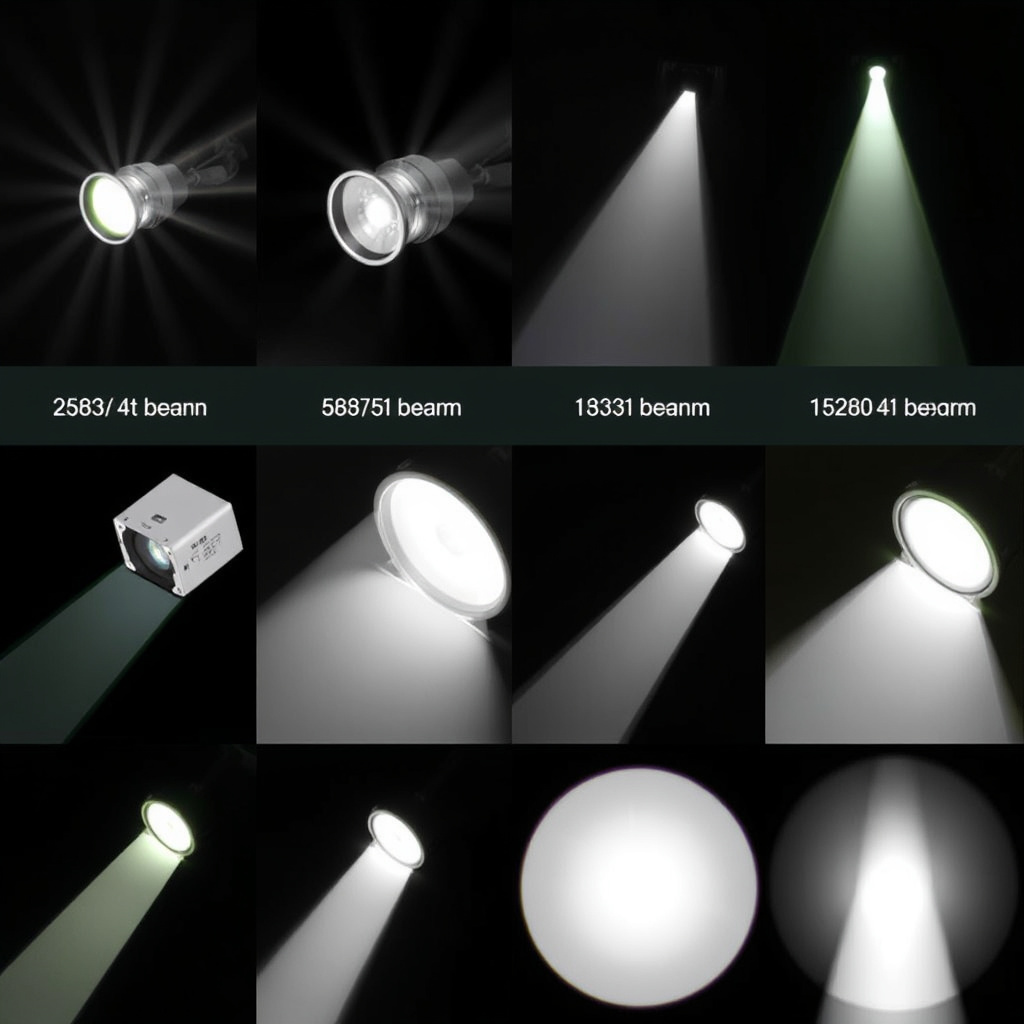
Assessing Range and Beam Angle
The effective range of an IR illuminator determines how far its infrared light can illuminate for camera detection. Longer ranges are necessary for large properties or areas where distant coverage is essential.
Beam angle also matters; a wide-angle illuminator covers larger fields at lower distances, while narrow beams focus light farther but cover less area. Decide based on your specific surveillance or observation zone.
For more on this, see our related guide: How Do Night Vision Goggles Work: Understanding Their Technology and Uses.
Power and Compatibility
Ensure the IR illuminator is compatible with your night vision device’s wavelength, usually around 850 nm or 940 nm. Using an incompatible wavelength can reduce the effectiveness of night vision.
Also consider the power source, whether it's battery-operated for portability or wired for continuous use. Power consumption affects how long your IR illuminator can operate without recharging or replacement.
Maintaining and Installing IR Illuminators

Installation Tips
Position your IR illuminator near the camera but offset to avoid reflection or glare affecting image quality. The device should cover the camera’s field of view without blind spots.
Ensure the illuminator is weatherproof if used outdoors and mounted securely to prevent movement that might disrupt lighting angles.
- Mount close but angled relative to the camera
- Weatherproof housing for outdoor use
- Stable mounting to avoid misalignment
Routine Maintenance
Clean IR illuminator lenses regularly to remove dust, dirt, and moisture which can reduce infrared light transmission efficiency. Check for any damage or water ingress in outdoor units.
Test the illuminator periodically night times to verify consistent performance and replace batteries or repair wiring as necessary to maintain proper function.
Troubleshooting Common Issues with IR Illuminators
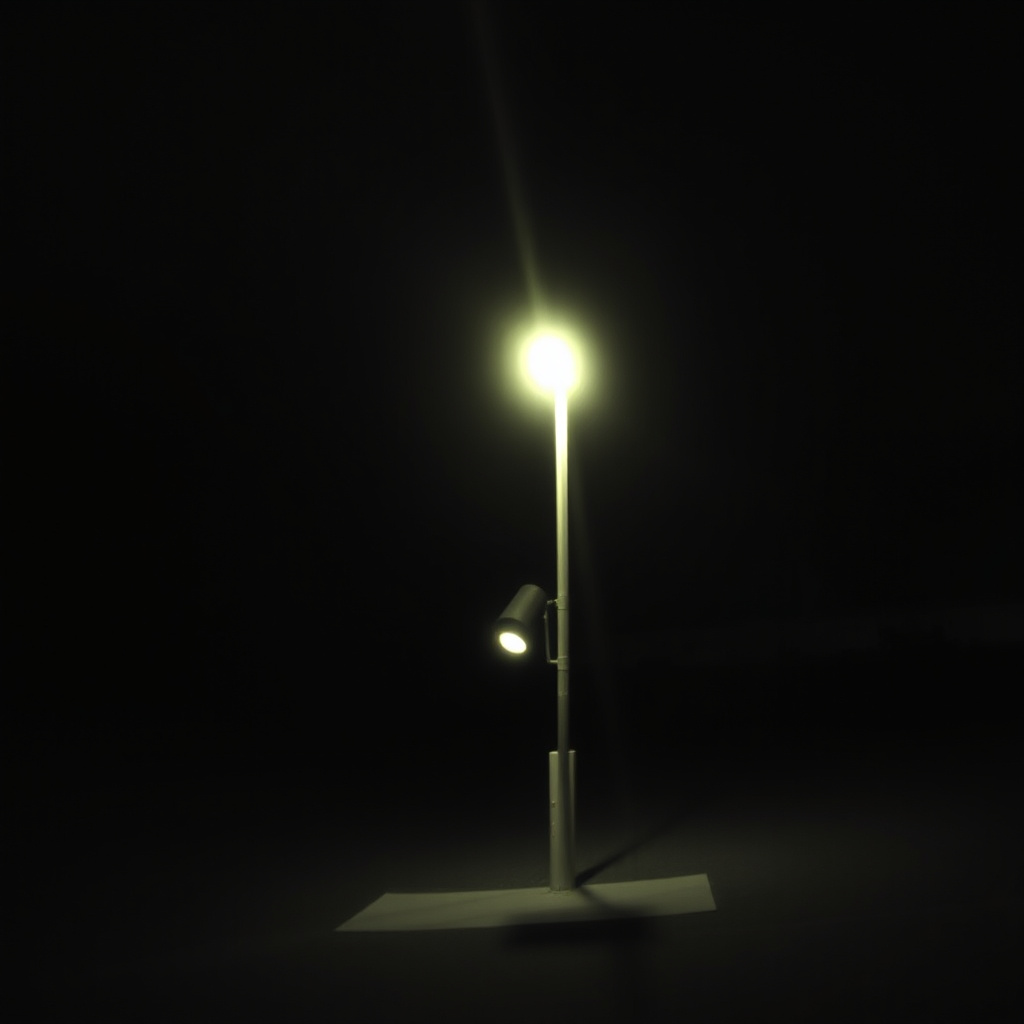
Glare and Overexposure Problems
Sometimes IR illuminators can cause glare if placed too close or at the wrong angle relative to the camera lens, washing out images. Adjusting the placement or using anti-glare filters can solve this issue.
Overexposure happens when the infrared light intensity is too high for the camera sensor, resulting in loss of detail in close objects. Use dimmer illuminators or distance adjustments to balance illumination.
For more on this, see our related guide: When Were Night Vision Goggles Invented? A Deep Dive Into Their Origin and Evolution.
Reduced Effectiveness in Certain Conditions
Fog, rain, dust, or smoke can scatter infrared light, reducing the visible range on cameras. In such cases, higher power IR illuminators or multiple units might be necessary.
Also, some animals or reflective surfaces can absorb or refract infrared light, so testing system setup in target conditions is recommended for reliable performance.
Comparison of IR Illuminators and Other Night Vision Solutions
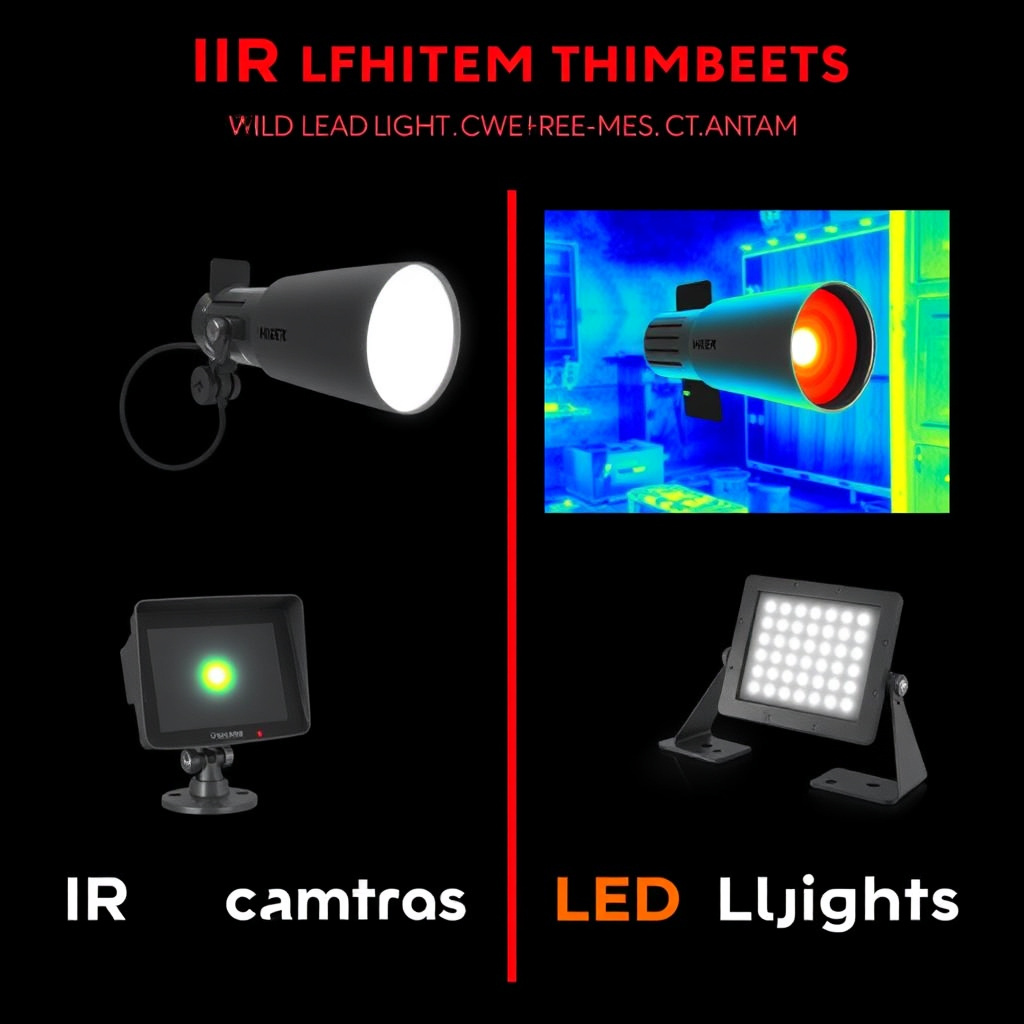
IR Illuminators vs Thermal Imaging
Infrared illuminators enhance traditional night vision by shining light cameras detect; thermal imaging uses heat signatures and works without any light source.
While thermal can see through some obstructions and varying light conditions, IR illuminators provide clearer image details in total darkness when paired with compatible cameras.
For more detailed technical background, refer to the infrared illuminator information on Wikipedia. infrared illuminator information on Wikipedia.
IR Illuminators vs Visible Light Floodlights
Visible light floodlights illuminate areas for CCTV but alert subjects due to brightness. IR illuminators silently provide illumination invisible to humans, making them better for covert security.
Floodlights consume more power and disturb natural environments, contrary to IR illuminators which are energy-efficient and preserve darkness aesthetics.
IR Illuminator Types and Night Vision Enhancer Comparison
Here is a comparison of various IR illuminators and other night vision technologies on key aspects that affect performance and use cases.
| Category | Range | Beam Angle | Power Source | Typical Use |
|---|---|---|---|---|
| LED IR Illuminator | Up to 100m | Wide (30°-90°) | Wired or Battery | General security cameras |
| Laser IR Illuminator | Up to 300m+ | Narrow (<20°) | Wired | Long-range surveillance |
| Thermal Camera | Varies (100m+) | Variable | Battery/Wired | Heat detection in darkness |
| Visible Light Floodlight | Up to 50m | Wide | Wired | Illumination for CCTV |
| 940nm IR Illuminator | Up to 50m | Medium (30°) | Battery/Wired | Stealth security, no red glow |
Frequently Asked Questions
Can IR illuminators be detected by people?
Most IR illuminators emit light at wavelengths invisible to the human eye, so people generally cannot see them. However, some emit a faint red glow that might be noticeable in total darkness.
What is the difference between 850nm and 940nm IR illuminators?
850nm IR illuminators emit a faint red glow and provide longer illumination distances, while 940nm illuminators are completely invisible but have a shorter effective range.
Do IR illuminators work with all night vision cameras?
IR illuminators must match the camera's sensitivity wavelength for best results. Most night vision cameras work with 850nm or 940nm, so compatibility should be verified before purchase.
Can weather conditions affect IR illuminator performance?
Yes, fog, rain, and dust can scatter infrared light, reducing effective illumination distance and image clarity. Higher power illuminators or multiple units may help mitigate this.
Are IR illuminators energy efficient?
Most modern IR illuminators use LED technology that consumes low power, making them energy efficient for continuous or extended use in security systems.
Key Takeaways
- IR illuminators emit invisible infrared light to boost night vision in low-light environments.
- Choosing the right illuminator depends on range, beam angle, power source, and wavelength compatibility.
- Applications include security surveillance, wildlife study, and tactical operations.
- Proper installation and maintenance improve IR illuminator effectiveness and image clarity.
Conclusion
Selecting an IR illuminator involves balancing several factors such as range, beam spread, wavelength, and power source to match your specific night vision requirements. Understanding how these devices function and interact with your camera system will help you get better nighttime coverage and image quality, whether for security, research, or recreational observation.
For typical home or business security setups, LED IR illuminators with moderate range and wide beams are highly suitable, providing clear images for common camera models. On the other hand, specialized applications like long-distance surveillance or tactical operations benefit from laser IR illuminators’ focused, long-range capabilities. Wildlife observers often prefer 940nm wavelength models to remain inconspicuous to animals while capturing natural night activity.
To improve performance in the field, install your IR illuminator at the correct angle and location relative to your camera, keep it clean and functional, and consider environmental factors like fog or rain that may affect infrared visibility. With careful choice and upkeep, IR illuminators can significantly enhance your night vision capabilities, letting you see clearly in darkness without visible light.


One Comment