How Do Night Vision Goggles Work: Understanding Their Technology and Uses
Night vision goggles work by amplifying available light, including near-infrared light, to make dark environments visible to the human eye. They use image intensifier tubes to convert tiny amounts of ambient light into electrons, then back into visible light, creating a clear green-hued image even in near-total darkness.
This technology is vital for military operations, wildlife observation, and security applications, providing enhanced vision without exposing the user to bright light sources that could reveal their position or disturb nocturnal animals. Unlike thermal imaging, night vision goggles focus on amplifying existing light to generate usable images in real-time.
In this article, we will explore the main components and principles behind night vision goggles, compare different types available on the market, discuss their practical applications, and review key features to consider when selecting a pair.
The Core Technology Behind Night Vision Goggles
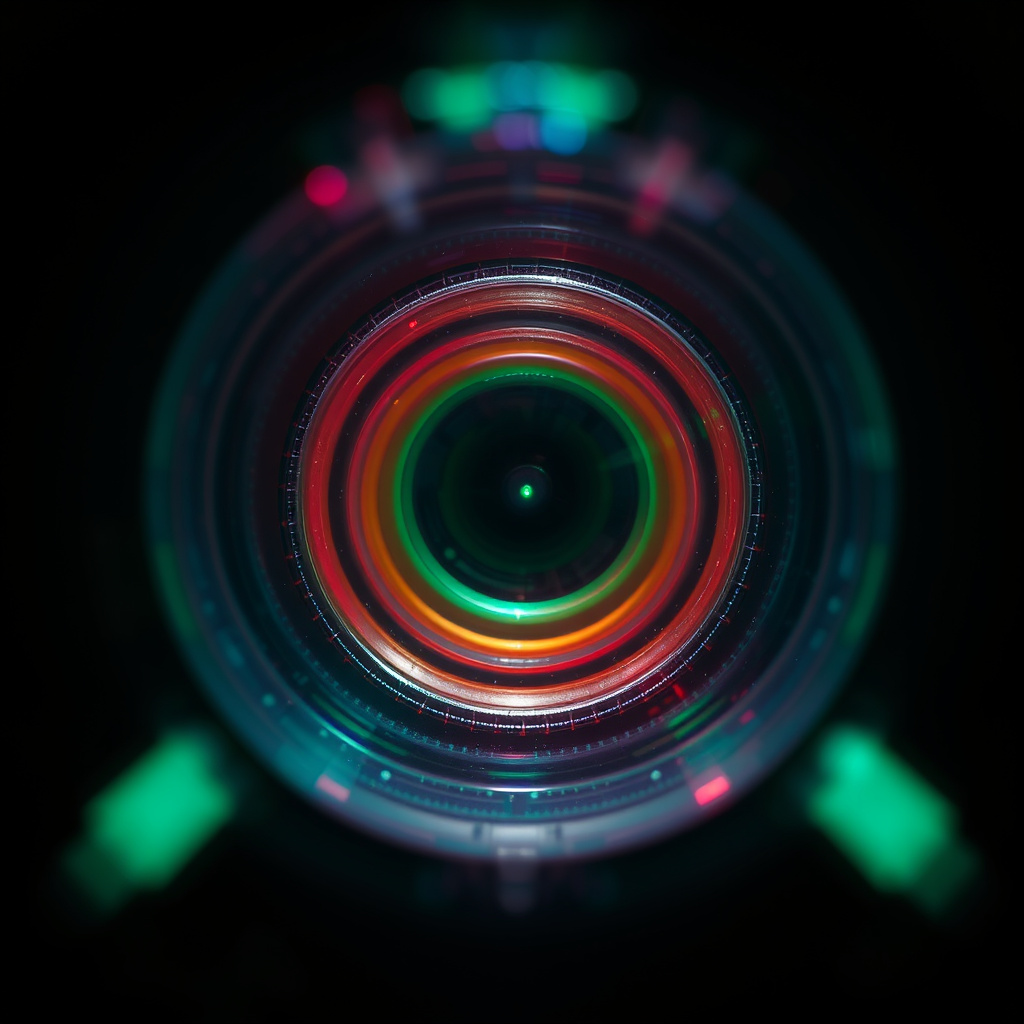
Image Intensifier Tubes: The Heart of Night Vision
Image intensifier tubes detect minimal photons of light, including infrared light that is invisible to the naked eye. When these photons enter the tube, a photocathode converts them into electrons. These electrons are then accelerated and amplified through a microchannel plate, multiplying them thousands of times.
Finally, the multiplied electrons strike a phosphor screen inside the tube, converting them back to visible light. The result is a bright, high-contrast image with the characteristic green glow, visible through the goggles' eyepiece.
- Photocathode converts photons to electrons
- Microchannel plate amplifies electron signal
- Phosphor screen converts electrons back to light
Light Amplification and Infrared Sensitivity
Night vision goggles gather ambient light from stars, the moon, or faint man-made sources. They also detect near-infrared light, which is outside visible spectrum but can be prevalent in most outdoor settings. The goggles amplify both visible and infrared light to improve image clarity at night.
Some models include an infrared illuminator, a low-key light source invisible to the naked eye, to brighten scenes with little natural light. This technique relies on the goggles’ ability to detect infrared wavelengths, enhancing vision without alerting subjects to the user's presence.
Types of Night Vision Goggles and Their Capabilities
Analog vs. Digital Night Vision Goggles
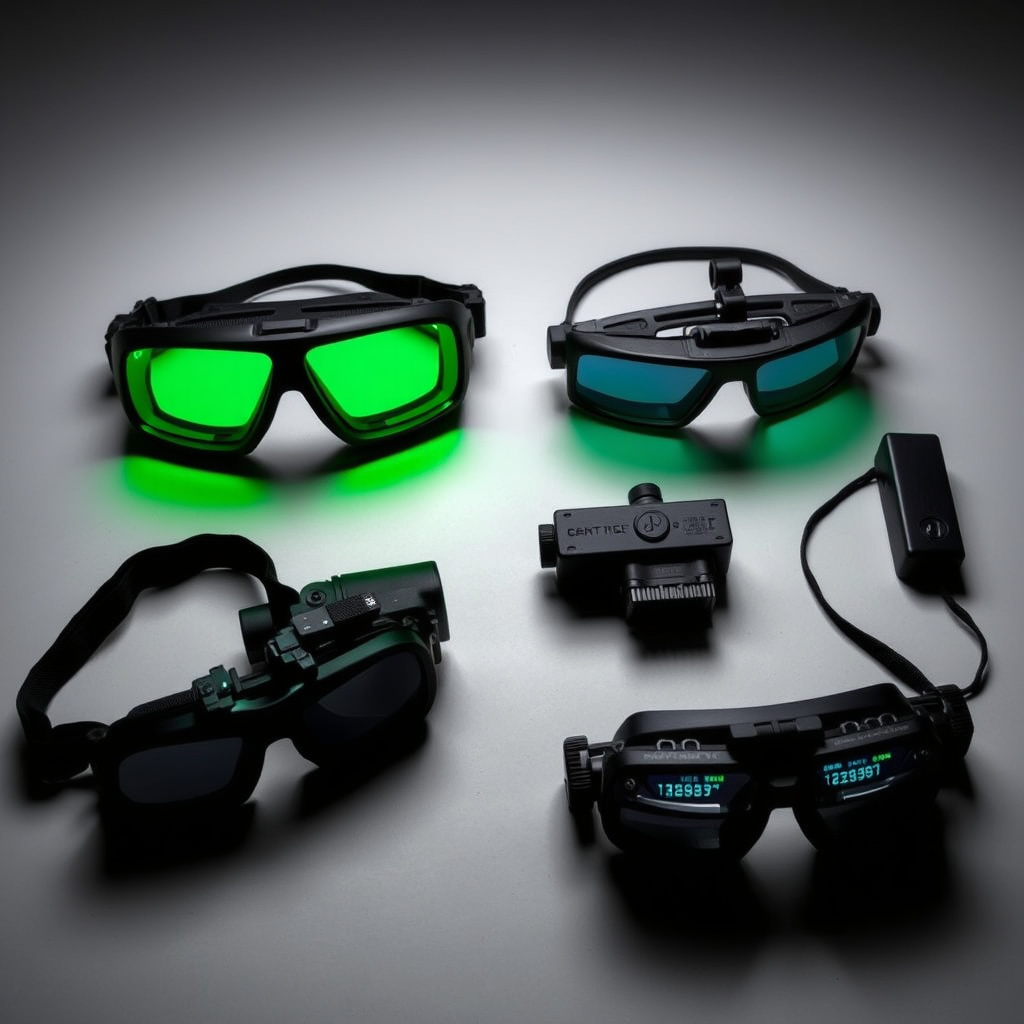
Analog night vision goggles use traditional image intensifier tubes to amplify light and produce an image directly visible to the eye. These devices typically have a green phosphor screen for improved contrast and visual acuity in dark environments.
Digital night vision goggles use a camera sensor to capture the scene and display it on a digital screen inside the goggles. They can offer features like video recording and brightness adjustment but may have lower resolution or slightly increased lag compared to analog models.
- Analog: real-time image intensification
- Digital: video display and additional features
- Trade-offs in resolution and response time
For more on this, see our related guide: When Were Night Vision Goggles Invented? A Deep Dive Into Their Origin and Evolution.
Generation Classifications: Gen 1 to Gen 3
Night vision goggles are often categorized into generations based on the technology inside. Gen 1 devices are entry-level, using basic image intensifiers with limited clarity and higher distortion. Gen 2 improves amplification and introduces microchannel plates.
Gen 3 represents professional-grade goggles with superior sensitivity, resolution, and longevity, thanks to advanced photocathodes and gated power supplies. Military and law enforcement frequently use Gen 3 for its effectiveness under extremely low-light conditions.
- Gen 1: affordable, lower image quality
- Gen 2: better brightness and durability
- Gen 3: high sensitivity, military standard
Applications and Practical Uses of Night Vision Goggles
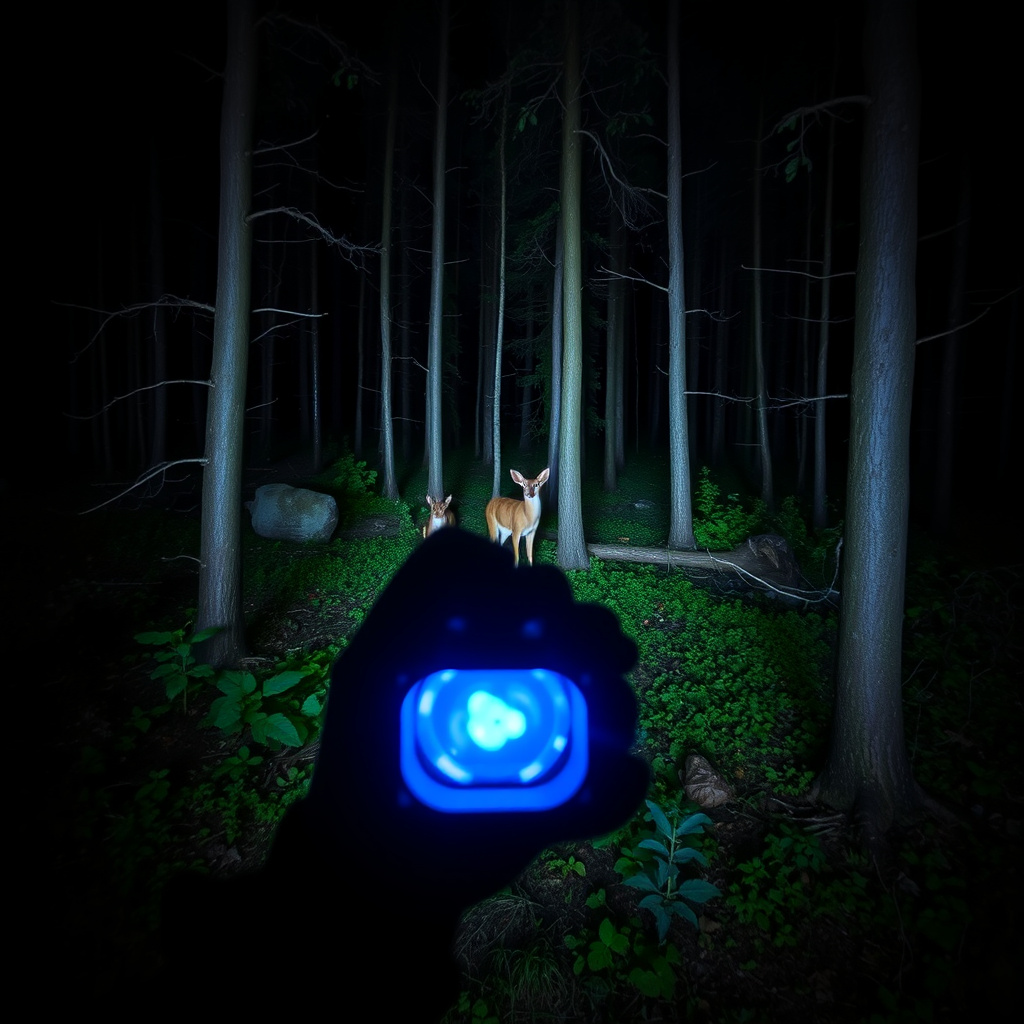
Military and Tactical Operations
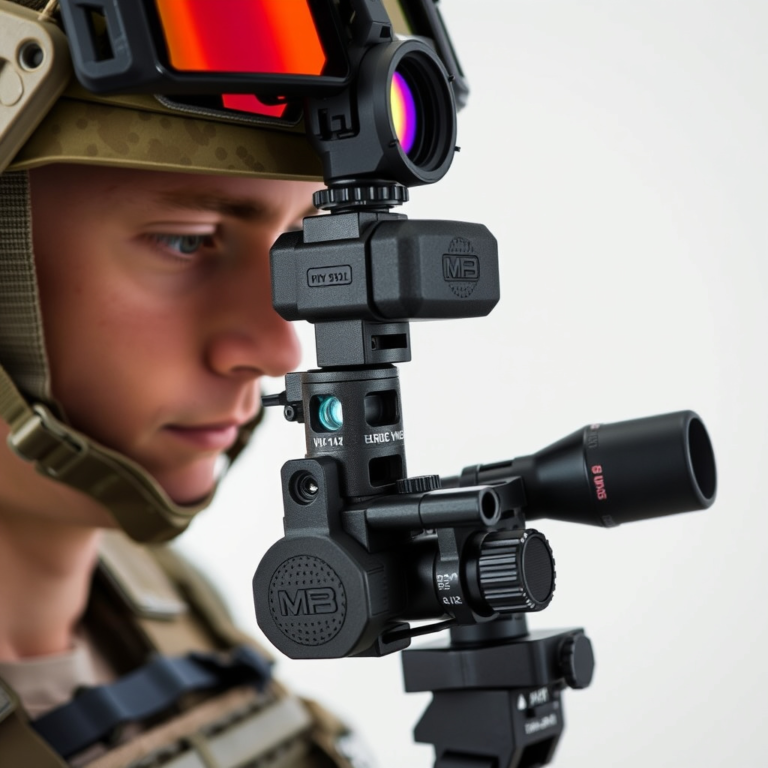
Military personnel rely heavily on night vision goggles for operations in darkness, as they provide crucial situational awareness without using visible light. This technology enables navigation, target identification, and threat detection in complete darkness or low-light conditions.
Tactical law enforcement teams use night vision for stealth movements and surveillance at night, enhancing safety and mission success. The ability to see in the dark without exposing oneself to detection makes these goggles an indispensable tool for security forces.
Wildlife Observation and Outdoor Activities
Wildlife enthusiasts use night vision goggles to watch nocturnal animals without disturbing their natural behavior by using visible light. These devices help identify creatures in their natural habitat and gather data safely after sunset.
Additionally, hunters and campers employ night vision goggles to navigate and monitor surroundings at night, improving safety and effectiveness while minimizing light pollution. Infrared night vision technology adapts well to various outdoor lighting conditions.
Key Features to Evaluate When Choosing Night Vision Goggles
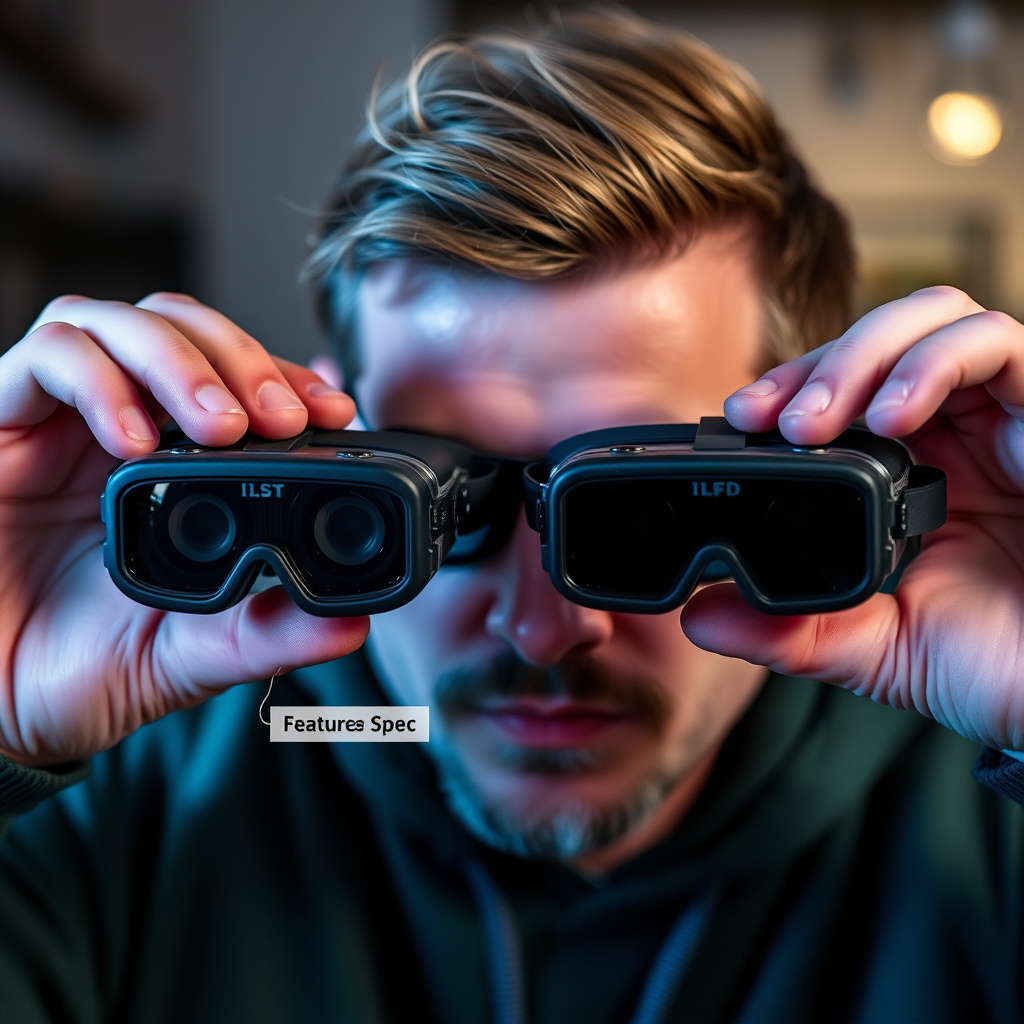
Resolution and Field of View
Higher resolution in night vision goggles means a clearer and more detailed image, which is crucial for identifying objects or targets at night. The field of view determines how wide an area you can see through the goggles, affecting situational awareness.
Trade-offs exist: wider fields of view reduce magnification, while narrower scopes provide more detail but limit peripheral vision. The ideal balance depends on your intended use, whether it’s surveillance, navigation, or target acquisition.
- Resolution impacts image clarity
- Field of view affects situational awareness
- Balance between magnification and view area
For more on this, see our related guide: How to Make Night Vision Glasses: Step-by-Step DIY Guide for Beginners.
Battery Life and Weight Considerations
Battery life dictates how long you can use night vision goggles in the field, particularly when reliant on infrared illuminators or digital displays. Longer battery life means better endurance for extended operations or outdoor activities.
Weight influences comfort and mobility during prolonged use. Lightweight goggles reduce fatigue but may sacrifice robustness or advanced features. Many users prioritize an ergonomic design to maintain operational effectiveness over time.
- Long battery life for extended use
- Lighter weight improves comfort
- Ergonomic design enhances wearability
Maintenance and Care for Night Vision Goggles
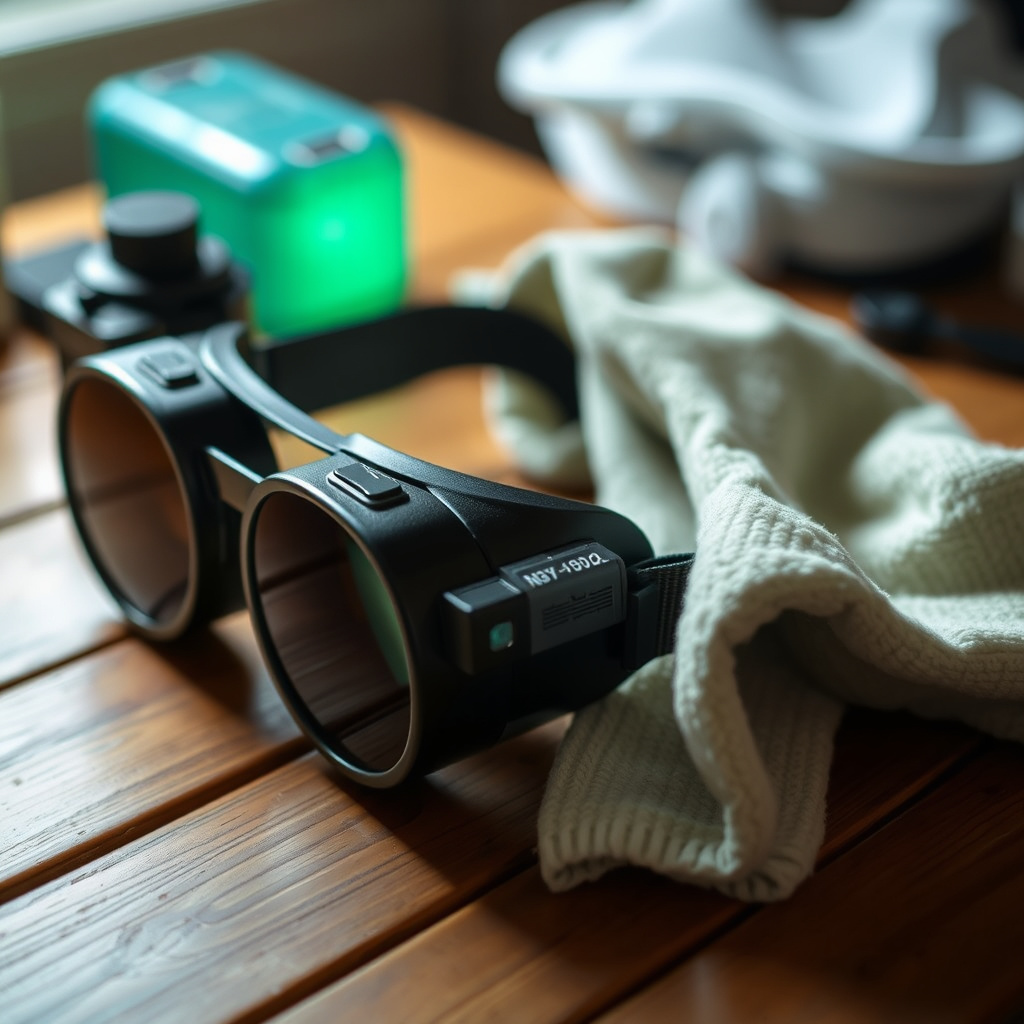
Proper Cleaning and Storage
To maintain optimal performance, regularly clean lenses with a soft, lint-free cloth to avoid scratches. Avoid harsh chemicals; use lens cleaning solutions designed for optical devices to preserve coating integrity.
Store goggles in a dry, padded case to protect them from moisture, dust, and impact when not in use. Keep them away from prolonged exposure to bright light sources, which can damage delicate image intensifier tubes.
For a detailed understanding of night vision technology, consult this comprehensive night vision technology overview. Night vision technology overview.
Handling Precautions and Troubleshooting
Night vision goggles are sensitive instruments requiring careful handling. Avoid dropping or exposing them to extreme temperatures. If image quality degrades, check battery status and lens cleanliness first.
Many models allow minor alignment adjustments; follow manufacturer guidelines for calibration. Persistent issues may require professional servicing to maintain device reliability and safety.
Night Vision Goggle Types Comparison
This table contrasts analog and digital night vision goggles across key features to help you decide which suits your needs best.
| Type | Image Quality | Features | Battery Life | Typical Cost |
|---|---|---|---|---|
| Gen 1 Analog | Moderate, green image | Basic amplification | 8-12 hours | $400-$800 |
| Gen 2 Analog | Improved clarity | Microchannel plate | 12-20 hours | $1,000-$2,500 |
| Gen 3 Analog | High resolution | Enhanced photocathode | 20-40 hours | $3,000-$6,000 |
| Digital Night Vision | Variable resolution | Video, recording, adjustable brightness | 6-10 hours | $300-$1,500 |
Frequently Asked Questions
Can night vision goggles be used in total darkness?
Night vision goggles require some ambient light or infrared illumination to work. In complete darkness without an infrared light source, they cannot produce a visible image.
What causes the green color in night vision images?
The green glow comes from the phosphor screen inside the image intensifier tubes, chosen because the human eye can differentiate more shades of green, improving image detail and contrast.
How long do the batteries last in night vision goggles?
Battery life varies by model and usage but typically ranges from 6 to 40 hours, depending on factors like infrared illuminator use and device generation.
Are night vision goggles waterproof?
Many night vision goggles offer some water resistance or waterproofing, but this depends on the model. Always check specifications before exposure to wet conditions.
Can night vision goggles be used for daytime activities?
Using night vision goggles in bright conditions can damage the image intensifier tubes. Some models include automatic brightness protection, but generally, they are not designed for daylight use.
Key Takeaways
- Night vision goggles amplify available light and near-infrared to enable vision in darkness.
- Image intensifier tubes convert photons to electrons, then back to visible light for a green image.
- Different generations offer varying clarity, sensitivity, and features for diverse needs.
- Battery life, weight, and resolution are critical factors when selecting night vision goggles.
Conclusion
Understanding how night vision goggles work empowers you to select the right equipment for specific scenarios. These devices amplify faint ambient and infrared light into visible images, relying on specialized image intensifier tubes. Consider your use case carefully, as the differences in generations and technology impact performance, durability, and price. A thoughtful approach to features like resolution, field of view, and battery life will help you balance clarity, comfort, and endurance effectively.
For basic night activities or casual wildlife observation, Gen 1 or digital night vision goggles provide affordable access to enhanced night visibility. Professionals or serious enthusiasts benefit more from Gen 2 or Gen 3 models, which deliver sharper images and better sensitivity in near-total darkness. Tactical operators will prioritize features like durability and advanced optics found mainly in higher-generation devices. Integrating infrared night vision technology carefully tailored to your environment improves situational awareness without compromising stealth or safety.
If you’re considering purchasing night vision goggles, start by defining your primary application, then compare models against technical criteria such as image quality and battery life. Try to test devices firsthand if possible to evaluate comfort and usability. Maintenance and safe handling ensure lasting performance. For those new to night vision equipment, reading manufacturer guides and trusted reviews will provide additional practical advice about optimizing your experience.