When Were Night Vision Goggles Invented? A Historical Overview
Night vision goggles were first invented during World War II, around the early 1940s. The initial designs emerged as a military technology allowing soldiers to see in low-light conditions at night. These early models used active infrared technology, which projected infrared light onto a scene and then captured the reflected light through a specialized sensor.
The invention of night vision goggles marked a major shift in nighttime military operations, providing significant advantages in navigation, surveillance, and combat. Over time, the technology matured rapidly, moving from bulky, heavy devices to more compact and efficient systems that use passive image intensification methods.
This article explores the timeline of night vision goggles' invention and development, highlighting key technological milestones, types of night vision systems, and their applications over time.
Origins of Night Vision Technology
Military Roots in World War II
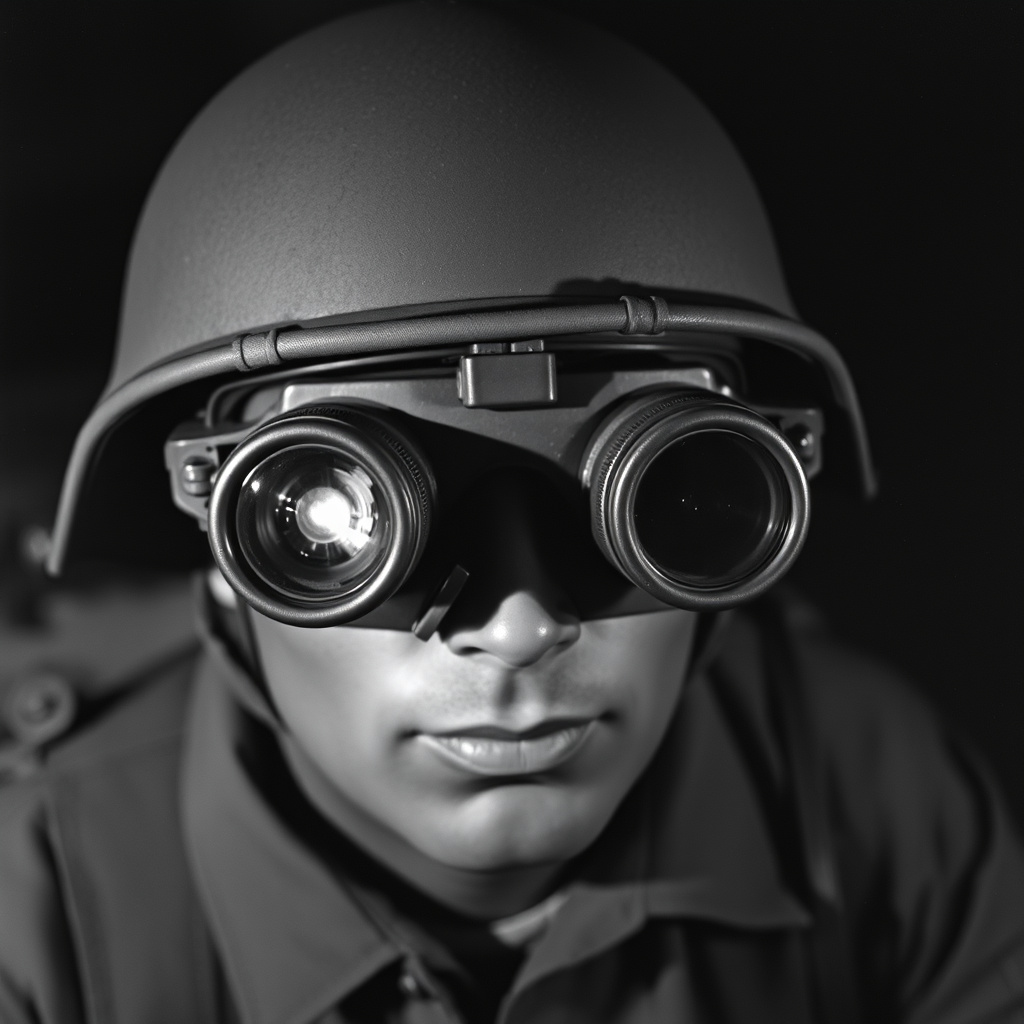
The earliest night vision devices were developed by the German army during World War II, debuting around 1939-1940. These first-generation devices used active infrared technology, where an infrared spotlight illuminated the scene while a sensor converted the reflected light into a visible image.
Despite their innovation, these initial night vision goggles were bulky and required external infrared light sources, limiting their range and usability. However, they laid the groundwork for more advanced developments in low-light imaging.
- German development circa 1939
- Active infrared illumination method
- Limited range and high weight
Early American Developments
The U.S. began its night vision research shortly after, focusing on enhancing infrared detection without visible light. By the late 1940s, the American military had produced prototypes combining infrared sensors with improved optics, which formed the basis for modern night vision devices.
These innovations aimed to increase the effectiveness and portability of night vision goggles, shifting gradually from active to passive systems by amplifying ambient light instead of relying on infrared emitters.
- U.S. research in late 1940s
- Move towards passive night vision
- Focus on portability and efficiency
Advancements in Night Vision Technology
Transition from Active to Passive Systems
In the 1950s and 1960s, advances in electronics introduced image intensifier tubes, allowing devices to amplify existing light rather than relying on infrared emitters. This passive system made night vision goggles lighter, more discreet, and more effective in natural low-light conditions.
The introduction of the Gen 1 image intensifier tube revolutionized night vision by removing dependence on infrared light sources, increasing practical battlefield applications during night operations.
- Introduction of Gen 1 tubes
- Amplification of ambient light
- Reduced device size and power use
Generations of Night Vision Technology
Subsequent generations (Gen 2 and Gen 3) improved image clarity, sensitivity, and tube lifespan. Gen 2 introduced microchannel plates to enhance brightness, while Gen 3 used gallium arsenide photocathodes to boost low-light sensitivity significantly.
Modern night vision goggles now offer high resolution, low distortion, and enhanced durability, making them essential tools in military, law enforcement, and increasingly civilian applications.
- Microchannel plates in Gen 2
- Gallium arsenide in Gen 3
- Extended device operational lifespan
Types of Night Vision Goggles

Active Infrared Night Vision
Active infrared systems use an IR light source to illuminate a scene. This type was common in the earliest night vision goggles but has limitations such as detectability by others and reduced range in open environments.
Though largely replaced by passive systems in modern military gear, active infrared remains relevant in certain security and wildlife observation settings where IR illumination can be controlled.
- Requires infrared emitter
- Detectable by IR-sensitive devices
- Limited range
For more on this, see our related guide: When Were Night Vision Goggles Invented? A Deep Dive Into Their Origin and Evolution.
Passive Image Intensification
Passive goggles amplify the limited ambient light present, such as starlight or moonlight, using image intensifier tubes. This type is standard in contemporary military and law enforcement night vision equipment due to its stealth and efficiency.
These systems do not emit light, making them harder to detect and thus better suited for covert operations and low-light surveillance.
- Amplifies existing light
- Stealthy and efficient
- Widely used in military applications
Applications Beyond Military Use
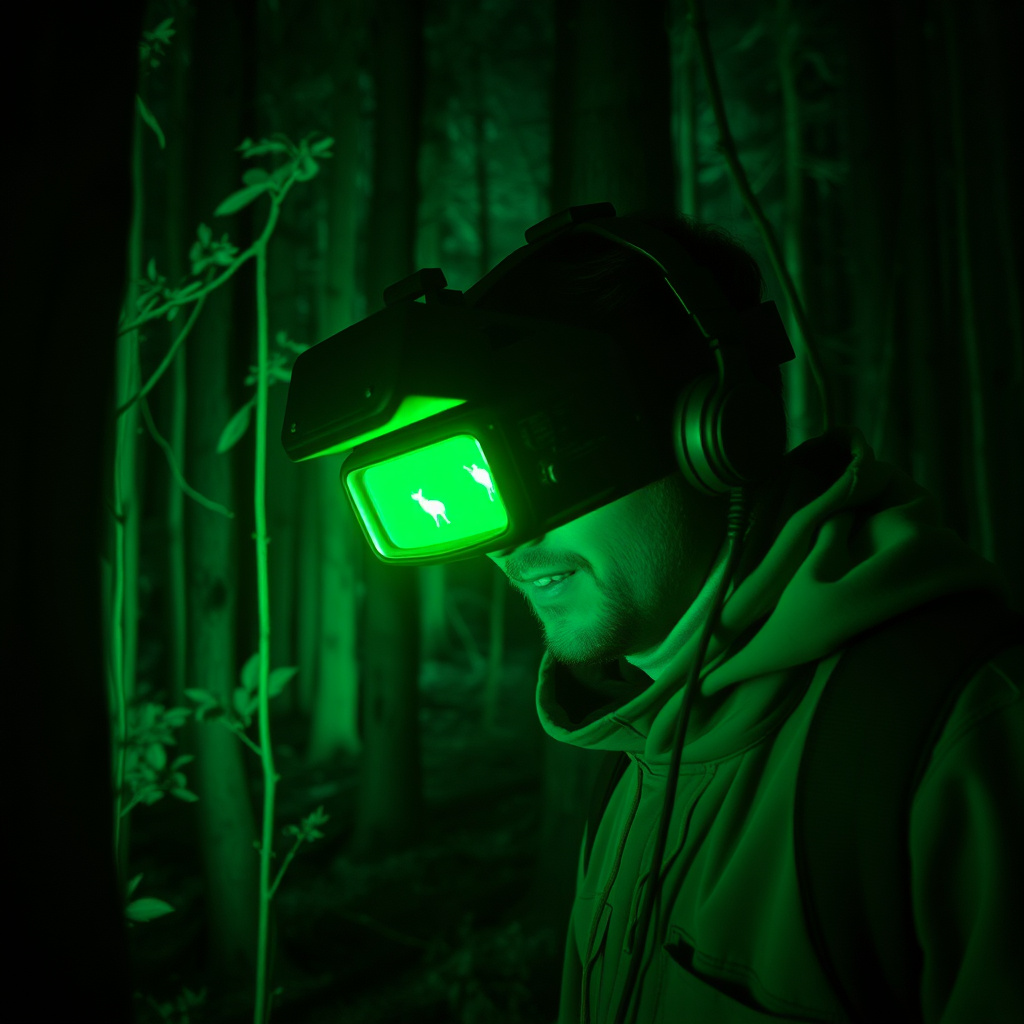
Law Enforcement and Security
Since their military inception, night vision goggles have become invaluable for police tactical units, border patrol, and surveillance personnel. These devices enable operations during nighttime without relying on artificial lighting.
The compact size, better image resolution, and integration with other gear have made night vision goggles staple equipment for many law enforcement agencies globally.
- Police tactical operations
- Border and perimeter security
- Nighttime surveillance
Wildlife Observation and Outdoor Activities
Outdoor enthusiasts, biologists, and hunters also use night vision goggles to observe nocturnal animals and navigate in the dark. Technological improvements have brought more affordable, user-friendly models to civilian markets.
These goggles help enhance safety and awareness in low-light environments during hiking, camping, or nocturnal research.
- Wildlife monitoring
- Hiking and camping safety
- Amateur astronomy
Maintaining and Caring for Night Vision Goggles

Handling and Storage Tips
Proper handling involves avoiding exposure to bright light sources which can damage image intensifiers. Goggles should be stored in protective cases, away from moisture and extreme temperatures to preserve tube functionality.
Routine inspections and correct battery usage also help maintain performance and extend device lifespan.
- Store in dry, cool places
- Avoid exposure to sunlight
- Regularly check and replace batteries
For more on this, see our related guide: When Was Night Vision Invented? A Complete Historical Overview.
Cleaning Procedures
Use a soft, lint-free cloth and lens cleaner suitable for optical devices to clean lenses gently. Never apply pressure directly on the intensifier tube or use abrasive materials, as this can cause permanent damage.
Regular cleaning ensures clear imagery and prevents dirt buildup that can obstruct visibility.
- Use optical lens cleaner
- Avoid abrasive materials
- Clean lenses gently and regularly
Future Trends in Night Vision Technology
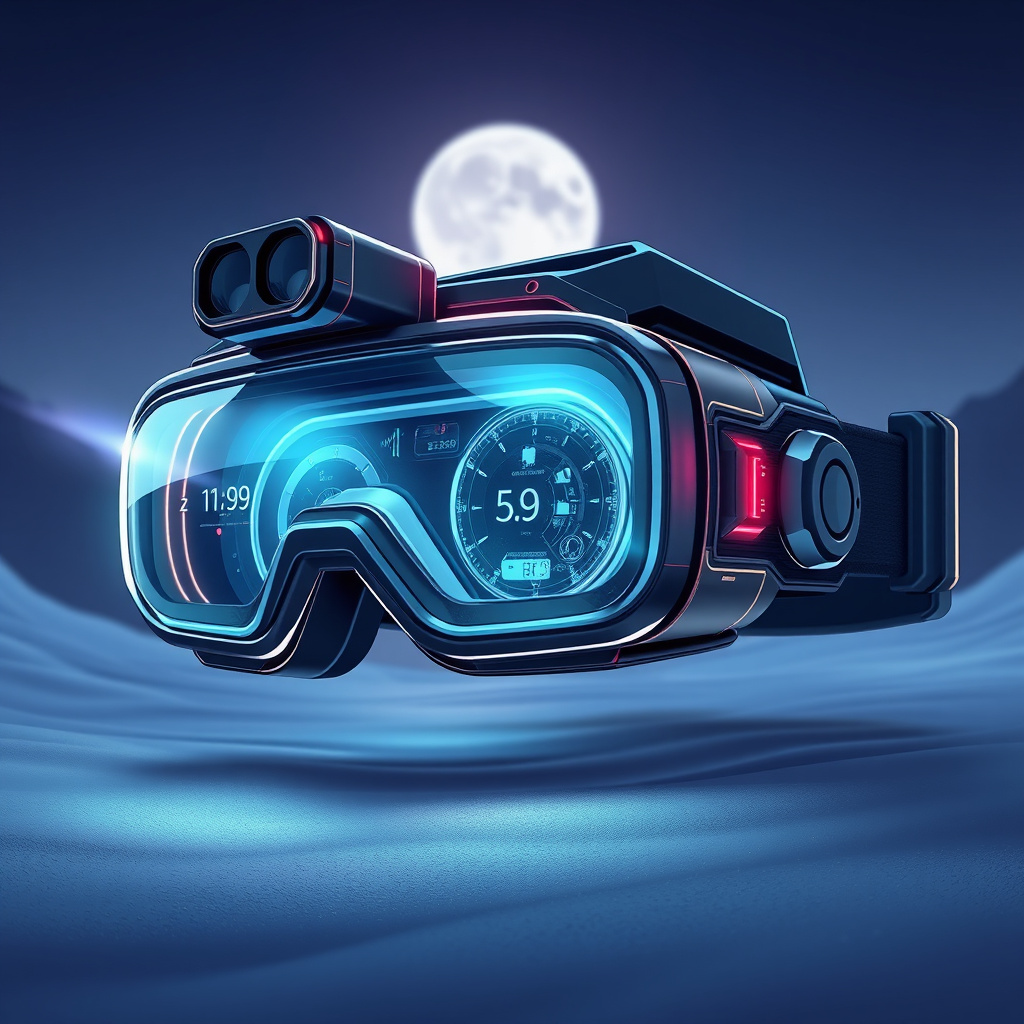
Integration with Augmented Reality
Emerging night vision systems are being combined with augmented reality (AR) to overlay navigational and targeting information directly within the user's field of view. This integration promises enhanced situational awareness for users.
AR-enabled night vision goggles may transform how operators interact with environments, merging digital data with enhanced night visuals seamlessly.
- AR overlays of maps and data
- Improved tactical decision-making
- Enhanced user interface
For more detailed historical background, see the Wikipedia entry on the history of night vision technology. History of Night Vision.
Miniaturization and Power Efficiency
Ongoing advancements aim to reduce the size and weight of night vision goggles while extending battery life. Improvements in semiconductor materials and optics contribute to more compact and longer-lasting devices.
This trend benefits both military operators and civilian users by increasing comfort and operational endurance.
- Smaller image intensifier tubes
- Lower power consumption
- Lightweight device designs
Night Vision Goggles Generation Comparison
This table compares the characteristics of different night vision goggle generations to highlight their improvements over time.
| Generation | Technology Used | Image Quality | Power Requirements | Typical Applications |
|---|---|---|---|---|
| Gen 1 | Active infrared and early image intensifiers | Low resolution, grainy | High (IR emitters required) | WWII-era military, basic field use |
| Gen 2 | Image intensifier with microchannel plate | Improved resolution and brightness | Moderate | Military operations, law enforcement |
| Gen 3 | Gallium arsenide photocathode intensifier | High clarity and sensitivity | Lower than Gen 2 | Advanced military and professional use |
| Gen 4 (Filmless & gated) | Improved photocathode with gating | Superior resolution and low light performance | Efficient, longer battery life | Special operations, research |
Frequently Asked Questions
Who invented the first night vision goggles?
The first practical night vision goggles were developed by the German military during World War II in the early 1940s, utilizing active infrared technology.
What is the main difference between active and passive night vision goggles?
Active night vision uses an infrared light source to illuminate scenes, while passive systems amplify existing ambient light to produce an image.
Why did night vision technology evolve from active to passive systems?
Passive systems are preferred because they do not emit light, making them stealthier and allowing use in a wider variety of conditions without revealing the user's position.
Are night vision goggles used outside the military?
Yes, law enforcement, security, wildlife researchers, and outdoor enthusiasts use night vision goggles for nighttime surveillance, observation, and navigation.
What should I avoid to maintain night vision goggles properly?
Avoid exposing them to bright light sources, extreme temperatures, and moisture; handle lenses and intensifier tubes carefully to prevent damage.
Key Takeaways
- Night vision goggles were first invented in the early 1940s by German forces during WWII.
- Technology shifted from active infrared to passive image intensification over time.
- Modern goggles use generations of image intensifier tubes to improve clarity and efficiency.
- Applications now include military, law enforcement, and civilian outdoor activities.
Conclusion
Determining when night vision goggles were invented guides our understanding of their technological evolution. Originating in WWII with active infrared models, their design has progressively advanced to passive systems that amplify ambient light. This history reflects continuous efforts to enhance nighttime visibility under diverse conditions and applications. Recognizing this trajectory helps in evaluating the latest devices and anticipating future improvements.
For users today, the choice of night vision goggles depends on the intended use case. Military and professional users benefit from Gen 2 and Gen 3 devices with superior image quality and durability, while outdoor enthusiasts may select more affordable, compact models focused on usability. Deciding between active infrared or passive image intensification aligns with operational stealth requirements and environmental conditions encountered.
Anyone interested in acquiring night vision goggles should consider legacy and innovation, balancing cost, performance, and specific needs. Starting with an understanding of their invention and development history provides valuable perspective. Exploring trusted technology options and reputable suppliers will ensure you access devices that meet your expectations for nighttime performance.