
What Is a Preliminary Investigation? A Comprehensive Guide to Early Case Assessment
A preliminary investigation is the initial phase of inquiry and fact-finding that takes place as soon as a potential crime or incident is reported. Its main goal is to quickly determine whether there’s credible evidence of wrongdoing and to lay the groundwork for a more detailed, full-scale investigation if needed. Investigators gather essential information, secure evidence, interview key witnesses, and assess the reliability of available facts to avoid costly errors and ensure that valuable time is not wasted.
The importance of a preliminary investigation cannot be overstated—it is the crucial first step that shapes the direction of any criminal or civil case. By clarifying basic facts, identifying leads, and assessing risks, investigators can decide whether to proceed with further investigative efforts or close the matter quickly. This not only streamlines justice processes but also protects individual rights and conserves resources.
In this guide, we’ll break down what a preliminary investigation entails, outline the stages involved, discuss key techniques used during this initial phase, compare different approaches across case types, answer frequently asked questions, and offer actionable advice for professionals and anyone interested in investigative procedures.
Understanding the Preliminary Investigation Process
Definition and Core Objectives

A preliminary investigation serves as a fast but systematic review of the initial circumstances around a reported event. The objective is not to solve the case entirely but to establish if there’s enough evidence to warrant further action or a deeper probe. This stage filters unfounded claims and prioritizes cases with merit.
Typical outcomes include case closure due to insufficient grounds or referral for a full investigation. The main keyword, what is a preliminary investigation, refers to this targeted and efficient process that supports justice systems and organizations alike.
- Establish factual grounds for further action
- Assess credibility of complaints or reports
- Prevent escalation of unfounded issues
Scope and Limitations

The scope of a preliminary investigation is deliberately narrow. Investigators concentrate only on collecting enough information to make a go-or-no-go decision, not on exhaustive fact-gathering or forensic analysis at this stage.
Limitations are necessary to prevent overreach, respect legal thresholds, and protect individuals from unwarranted scrutiny or reputational harm. Guidelines typically outline what can and cannot be done during this phase.
Key Steps in Conducting a Preliminary Investigation
Reception and Initial Assessment

All investigations begin with the receipt of a report, whether from victims, witnesses, or other sources. The investigator’s job is to verify the basic facts, such as time, location, involved parties, and nature of the incident.
Early assessment helps quickly determine if the case falls within the jurisdiction and whether it requires urgent intervention, specialist resources, or immediate escalation.
- Log preliminary details
- Determine jurisdiction
- Flag urgent cases for quick response
Evidence Collection and Witness Interviews

Even in this early stage, securing physical and digital evidence is essential. Photos, documents, and statements must be collected quickly before they can be lost or tampered with.
Interviewing witnesses during preliminary investigations establishes an initial narrative and helps gauge the seriousness of the situation. Notes are meticulously documented for later reference.
- Photograph and secure scene
- Collect physical/digital items
- Identify and interview key individuals
Roles and Responsibilities in Preliminary Investigations
Lead Investigator Duties

The lead investigator is responsible for coordinating the entire preliminary investigation, ensuring all steps are executed efficiently and within legal bounds. This person delegates tasks, reviews findings, and decides whether to recommend escalation.
Accountability is paramount, as decisions made in this stage can affect the integrity of the entire case. All actions are documented and reviewed for transparency.
- Assign tasks to team members
- Ensure legal compliance
- Make recommendations for next steps
Role of Supporting Staff and Specialists

Administrative staff, forensic specialists, and legal advisors may be called upon even during a preliminary investigation. Their expertise aids in initial evidence evaluation and upholding proper protocol.
Collaboration between varied roles ensures the investigation is thorough, unbiased, and respects the rights of all involved parties.
Legal and Ethical Considerations in Preliminary Investigations
Privacy and Rights
Legal frameworks strictly govern what can be done during the preliminary investigation phase. Investigators must obtain evidence lawfully and ensure that individuals’ constitutional or organizational rights are respected at every step.
Improper handling of privacy issues can result in cases being dismissed, civil lawsuits, or organizational disciplinary action. Clear protocols help shield investigators and organizations from liability.
- Observe probable cause standards
- Avoid unauthorized searches
- Respect confidentiality agreements
Ethical Standards and Bias Prevention

Upholding ethical standards is as crucial as following the law. Investigators must strive for objectivity and guard against bias, whether conscious or unconscious, especially since early findings can influence all subsequent actions.
Training in ethics and periodic review of investigation techniques are vital to maintaining the integrity of the process.
Preliminary Investigation in Criminal Versus Civil Contexts
Criminal Cases
In criminal investigations, the preliminary phase is highly structured and must comply with local laws, such as adhering to the chain of custody for evidence. Decisions made here can determine whether charges are brought or suspects are released.
This phase emphasizes the secondary keyword, stages of a criminal investigation, as the foundation for all subsequent legal proceedings.
- Secure crime scene promptly
- Conduct basic forensics
- Coordinate with prosecutors
Civil and Corporate Investigations

Preliminary investigations in civil or corporate cases often focus on allegations like harassment, fraud, or regulatory violations. These processes aim to determine whether there’s enough basis to take disciplinary or legal action—or to resolve matters internally.
Though not always governed by the same rules as criminal cases, thorough documentation and fairness remain essential to avoid future disputes.
Challenges and Common Pitfalls of Preliminary Investigations
Overlooking Key Evidence
Time pressure and overwhelming caseloads can lead to missed details during preliminary investigations. Failing to secure evidence early may prevent accurate resolutions or hamper future prosecution.
Using checklists and quality-control protocols can mitigate these risks and ensure thoroughness even under pressure.
- Develop investigation checklists
- Conduct peer review for major cases
For further reading on structured investigative procedures, see this overview of the criminal investigation process. criminal investigation process.
Misjudging Case Validity

Prematurely dismissing a case based on incomplete facts is a frequent pitfall. Minimizing bias and employing objective decision-making tools can aid in fair assessment.
Continuous training in critical thinking and legal updates helps investigators avoid costly errors that may affect outcomes for all parties.
Preliminary Investigation Category Comparison
Below is a comparison of preliminary investigations across different contexts, highlighting key differences in objectives, procedures, and outcomes.
| Category | Main Purpose | Typical Duration | Primary Stakeholders | Key Legal Considerations |
|---|---|---|---|---|
| Criminal | Establish grounds for prosecution | Hours to days | Police, prosecutors | Chain of custody, probable cause |
| Civil | Assess basis for civil suit | Days to weeks | Parties, attorneys | Preponderance of evidence, privacy |
| Corporate | Fact-finding for HR or compliance | Days | HR, management, legal counsel | Internal policy, confidentiality |
| Regulatory | Check for rule violations | Days to weeks | Regulators, compliance officers | Disclosure requirements, reporting |
| Insurance | Evaluate claim validity | Days | Adjusters, claimants | Fraud detection, claims process |
Frequently Asked Questions
What is included in a preliminary investigation report?
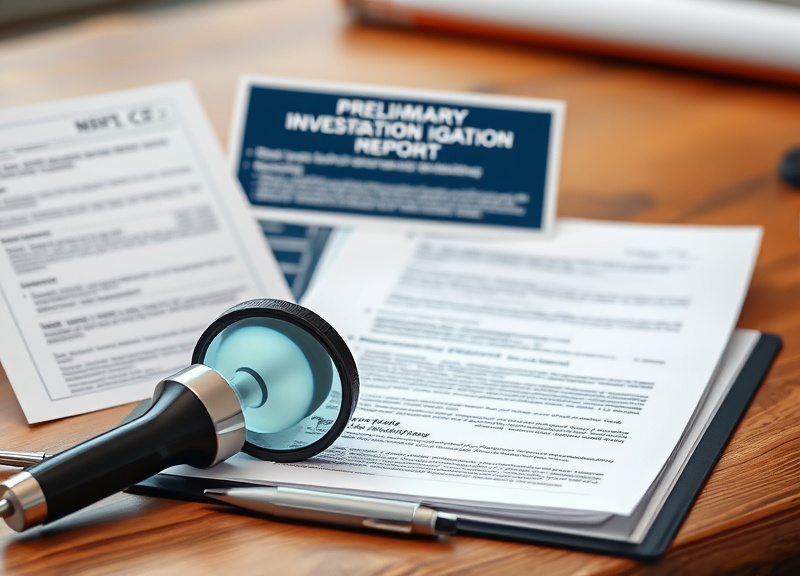
A preliminary investigation report typically contains a summary of initial facts, witness statements, collected evidence, and the investigator’s recommendation on whether further action is warranted.
Who conducts a preliminary investigation?
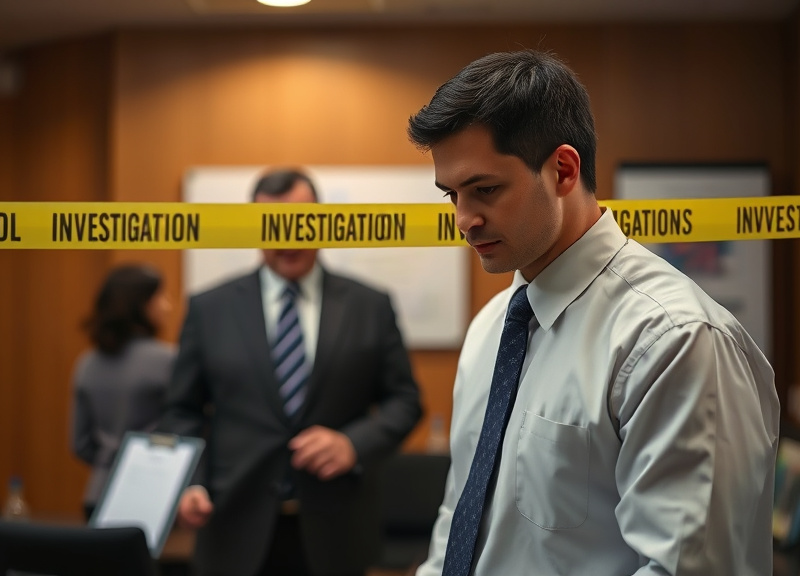
Preliminary investigations are usually conducted by law enforcement officers, internal investigators, or trained professionals within an organization, depending on the nature of the incident or case.
Can a case be closed after a preliminary investigation?

Yes, if there is insufficient evidence or the claim is found to be baseless during the preliminary investigation, the case can be closed at this stage without further proceedings.
How does a preliminary investigation differ from a full investigation?
A preliminary investigation is concise and focuses on verifying basic facts, while a full investigation is more comprehensive, involving exhaustive collection, examination, and analysis of all possible evidence.
Are preliminary investigations mandatory for all reported incidents?
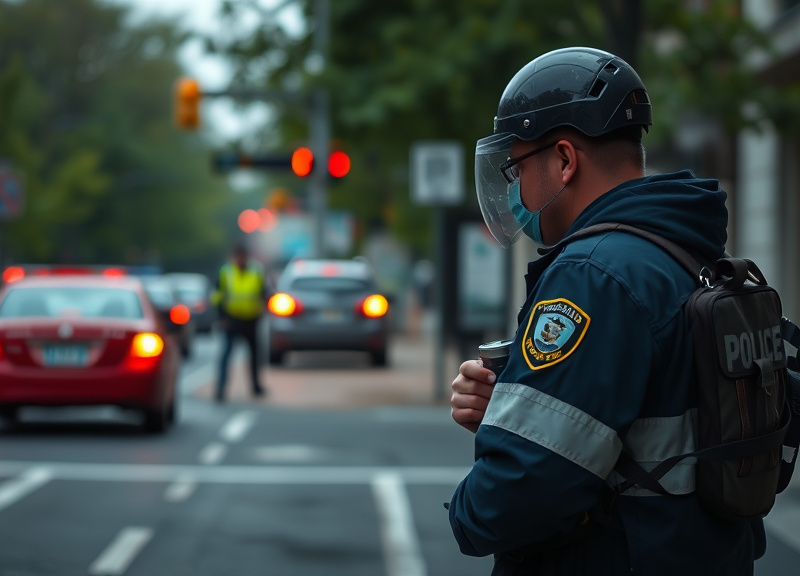
Preliminary investigations are standard for most reported incidents but may be bypassed in clear-cut or urgent situations requiring immediate full-scale intervention or action.
Key Takeaways
- A preliminary investigation quickly assesses whether a case merits further exploration.
- It is vital for efficient justice and helping avoid unnecessary or unfounded inquiries.
- Proper handling ensures legal and ethical compliance during early case assessment.
- Understanding differences across case types enhances effective investigative response.
Conclusion
The core value of the preliminary investigation process lies in its ability to act as an informed filter at the very start of any inquiry. By focusing on rapid evidence gathering, early risk assessment, and careful case evaluation, investigators conserve critical resources, prevent unnecessary legal action, and set the tone for fair, just outcomes. This approach ensures that only cases with credible bases move forward, upholding trust in legal, civil, and corporate systems.
For example, law enforcement agencies use preliminary investigations in the stages of a criminal investigation to determine whether to escalate or close a file. Similarly, companies may resolve minor HR grievances internally, while only moving forward with formal disciplinary action after a substantiated initial inquiry. Investigators in regulatory and insurance sectors also rely on this step to differentiate meritless claims from genuinely actionable cases. Selecting the right strategy during preliminary investigations significantly enhances efficiency, accuracy, and stakeholder protection.
As you engage with any investigative scenario—whether as a professional, organizational leader, or interested observer—commit to mastering the procedures and ethical considerations of preliminary investigations. If faced with a potential incident or report, establish clear protocols, maintain thorough documentation, and be diligent in your early assessments. This foundational diligence is the best safeguard for both individuals’ rights and broader organizational or societal interests.


One Comment