How Can I Write a Complaint Letter That Gets Results?
If you need to resolve a problem with a business or service and want real action, writing an effective complaint letter is a proven strategy. Clearly state your issue in detail, be polite yet firm, and specify exactly what you expect as a resolution. By organizing your thoughts and being direct, you increase your chances of a prompt, positive response.
Grievances—whether about products, services, or policies—are best addressed in writing. A well-crafted complaint letter creates a paper trail, focuses attention on your case, and shows you’re serious about getting a solution. Writing a complaint letter often leads to faster, more favorable outcomes than informal phone calls or emails.
This article covers everything you need: what to include in a complaint letter, structuring your message, practical tips for tone and clarity, and several sample complaint letter format options for different scenarios. You'll also find answers to common questions and a comparison of complaint letter types.
What Should You Include in a Complaint Letter?
Essential Elements for an Effective Letter
Every strong complaint letter has a few key elements: your contact information, the recipient’s details, a clear subject line, an explanation of the situation, supporting evidence, your requested resolution, and an appropriate closing. Start with an introduction stating who you are and why you are writing.
Midway, describe the problem factually—include specific dates, amounts, product names, and previous communication if applicable. Conclude by stating what steps you want taken, such as a refund or replacement, and set a reasonable deadline for a reply.
- Date and your contact info
- Recipient’s name and position
- Clear explanation of the issue
- Enclosed copies of relevant documents
- Specific solution request
Structuring Your Complaint Letter
Begin with a formal salutation. After your introduction and problem statement, organize your facts chronologically for clarity. Use clear, concise sentences and avoid emotional language. Bullet points can help outline complex issues.
Finish with a polite closing ("Sincerely," "Yours faithfully") followed by your name and, if necessary, your signature. Keep your letter to one page if possible for greater impact and easier readability.
Tone and Language: How to Be Firm but Polite
Balancing Firmness and Courtesy

It’s important to express frustration without resorting to insults or blame. Use respectful language throughout. For example, instead of saying, "Your service was terrible," write, "I am disappointed with the service I received."
A professional yet assertive tone gets better results because companies are more likely to help customers who present logical requests and remain civil. Evidence of courtesy can work in your favor if you need to escalate the issue later.
- Use "I am concerned" instead of "I am angry"
- Replace blame with facts
- Open and end with polite phrases
Phrases That Make a Difference

Certain key sentences can help frame your complaint positively. Use phrases like "I appreciate your prompt attention to this matter" or "I would welcome a swift solution." These show willingness to work together for resolution, which increases your credibility.
Direct requests such as, "I request a replacement within 14 days," are also more effective than vague demands. Having a specific deadline helps prompt action from the recipient.
- “I am writing to bring to your attention…”
- “Enclosed, please find copies of…”
- “I trust this will be resolved promptly.”
Sample Complaint Letter Format
Classic Formal Complaint Letter
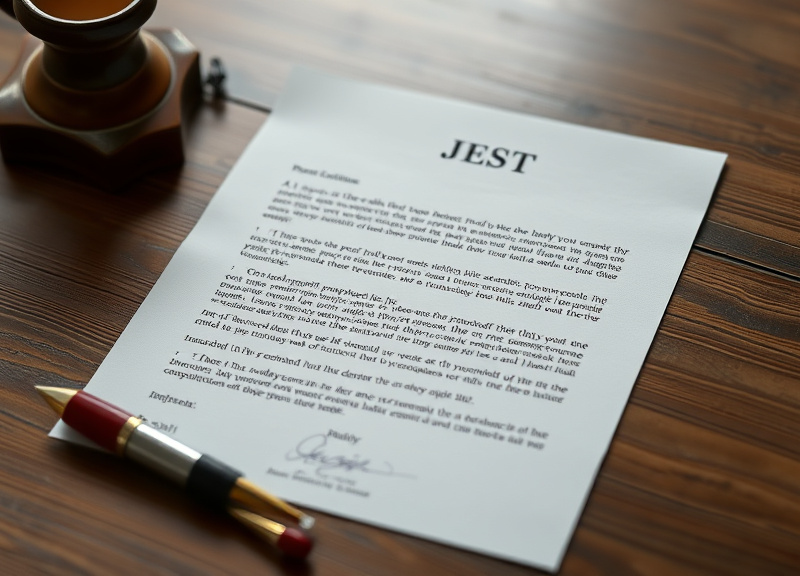
Start with your address, the date, and the company’s address. Use a subject line indicating the complaint. The body begins with a salutation, followed by a brief statement of purpose. State the facts, your expectations, and end with a respectful closing.
Attach copies (not originals) of receipts or correspondence. Enclose all relevant documents to support your case. For detailed guidance, follow a sample complaint letter format from a reputable source or consumer advocacy agency.
- Your address
- Date
- Recipient address
- Subject line
- Body with details and request
- Closing signature
Email and Online Complaints

Most modern complaints are sent by email or via online forms. Subject lines are even more important here; include an order number or account reference. Keep paragraphs short and scannable. Attach supporting files digitally.
For email, add your contact details at both the start and end, as signatures sometimes get lost in forwarding. Save a copy for your records in case you need to follow up or escalate.
- Clear, concise subject line
- Brief, organized body
- Digital attachments
- Polite closing
Following Up: Ensuring Your Letter Gets Attention
When to Send a Follow-Up

If you don’t receive a reply within 10–14 business days, it’s appropriate to send a gentle reminder. Reference your original letter and attach a copy. This shows you are organized and persistent but not confrontational.
State that you are awaiting a response and reiterate your initial request or ask for an update. If the matter is urgent, mention your readiness to escalate to consumer protection agencies.
- Wait 10–14 business days
- Send a copy of the original letter
- Politely ask for a resolution update
Escalation Tactics if You're Ignored

If politeness doesn’t result in action, escalate by addressing higher management or including consumer advocacy groups. Always keep records of previous correspondence and note attempted resolutions.
Some companies have ombudsmen or dispute resolution bodies. Mention your willingness to take your case further. This often encourages companies to settle before the issue escalates.
- Write to customer service head
- Contact external agencies
- Consider legal escalation
Common Mistakes to Avoid When Writing a Complaint Letter
Overly Emotional or Vague Letters

Highly emotional language can damage your credibility and cause your letter to be dismissed or ignored. Avoid threats and personal attacks. Instead, calmly state the facts and the impact the issue has had on you.
Similarly, vagueness creates confusion, making it easier for your request to be overlooked. Always give specific details: order numbers, dates, and descriptions of the faulty service or product.
Missing Documentation and Poor Formatting
A clear, accessible format makes your letter easier to process. Paragraph breaks, sections, bullet points—these all enhance readability. Missing receipts or contract copies can greatly slow resolution.
Retaining copies for your own records is equally vital. A sample complaint letter format can help ensure you don’t omit key sections or evidence.
- Attach photocopies of documents
- Use clear headings and bullet points
- Keep a file copy for yourself
How Can I Write a Complaint Letter for Different Scenarios?
Consumer Product and Service Complaints

When complaining about consumer products (like electronics, appliances, or apparel), include model numbers, purchase receipts, and photos if possible. For services (like repair, hospitality), describe exactly what went wrong, who was involved, and the impact on your plans or finances.
Reference terms of service or guarantees to support your position. If you use a sample complaint letter format tailored for consumer issues, it will be more persuasive.
- Model and serial numbers
- Terms of service references
- Impact and requested resolution
For additional templates and detailed tips, see this comprehensive complaint letter advice from the UK's Citizens Advice. complaint letter advice from the UK's Citizens Advice.
Workplace and Formal Organization Complaints

Complaints in professional settings—such as HR or school administrators—should prioritize factual, unemotional reporting. Specify policy breaches or safety concerns, and keep all evidence confidential. Use a respectful tone and address your letter to the appropriate authority.
Outline prior attempts to resolve the issue, and make clear what response you expect, such as an investigation or mediation.
- Confidentiality statement
- Reference to relevant policies
- Timeline of events
Complaint Letter Types Comparison
Below is a table comparing common types of complaint letters by context, ideal tone, evidence required, and response timeframe.
| Type | Ideal Tone | Key Evidence Needed | Typical Response Time |
|---|---|---|---|
| Product Complaint | Polite, direct | Receipts, photos, serial number | 7-14 business days |
| Service Complaint | Courteous, specific | Booking reference, statements, dates | 5-10 business days |
| Workplace Grievance | Formal, factual | HR policies, records, witness statements | Varies (1-4 weeks) |
| Online Retail Dispute | Brief, firm | Order confirmation, screenshots, correspondence | 3-7 business days |
| Utility/Bill Complaint | Empathetic, precise | Billing statements, account numbers | Up to 30 days |
Frequently Asked Questions
What is the best way to start a complaint letter?
Begin with your name, address, and date, then address the recipient formally. In the first sentence, clearly state the reason for writing, referencing your account or order details as needed.
How long should I wait for a response to a complaint letter?
Most organizations reply to complaint letters within 7 to 14 business days. If you don’t receive a reply by then, follow up and consider escalating if needed to ensure your complaint is addressed.
Should I send original documents with my complaint letter?
Always send copies of original documents—such as receipts or contracts—not the originals. Keep the originals for your own records in case there are disputes or you need to provide proof again.
Is email or postal mail more effective for complaint letters?

Both can be effective, but email is usually faster and easier to track. For serious or legal matters, sending a letter by certified mail ensures you have proof of delivery and may carry more weight.
Can I use a complaint letter template or sample?

Yes, using a sample complaint letter format helps you include all key details and provides a professional structure. Adapt it to your situation and personalize the language for the best results.
Key Takeaways
- A clear, concise complaint letter increases your chance of resolution.
- Use a respectful, direct tone and support your case with documentation.
- Follow up if you don’t receive a reply within 7–14 days.
- Sample complaint letter formats are helpful for structuring your letter effectively.
Conclusion
Writing an effective complaint letter is about presenting facts clearly, staying polite yet assertive, and specifying the resolution you expect. By organizing your letter with essential elements and avoiding common pitfalls, you can substantially increase the likelihood of a swift and positive response. Knowing when to escalate and how to follow up also plays an important role in seeing your complaint through to resolution.
If you’re dealing with a product issue, attaching photos and receipts can accelerate the process. For workplace grievances, focus on company policy references and maintain confidentiality. In every situation, personalizing a sample complaint letter format will make your communication more persuasive and easier for the recipient to handle. Always adapt your approach depending on whether you are writing to a retailer, a service provider, or a formal organization.
Don’t let unresolved issues linger—draft your letter, assemble your evidence, and send it off. Patience and persistence are key. If you do not get a response within a reasonable time, remember to follow up and escalate when necessary. With the right preparation and attitude, you’ll be far more likely to get the results you deserve.