
Is the California Bureau of Investigation Real? The Truth Behind the CBI
The California Bureau of Investigation is indeed a real law enforcement agency, but it isn’t quite as widely recognized as its fictional portrayals suggest. The real CBI operates under the California Department of Justice, handling major criminal investigations across the state. While it's often dramatized in TV shows, the core functions of the actual CBI focus on supporting local law enforcement with expertise in complex cases.
Many people wonder about the CBI after seeing fictional detectives on shows like The Mentalist, where the 'California Bureau of Investigation' is front and center. But unlike the Federal Bureau of Investigation (FBI), the CBI's real-world profile is much lower. Its legitimate role, though less flashy than in prime time, is vital to California’s statewide crime solving and justice system.
In this article, we’ll clarify the true nature of the California Bureau of Investigation, explore how it differs from what you see on TV, explain its connection to the California Department of Justice, compare it to other investigative agencies, and answer the most common questions people have about its existence and responsibilities.
Understanding the California Bureau of Investigation: Myth vs. Reality
Fictional Portrayals of the CBI

TV shows and movies often feature the California Bureau of Investigation as a high-profile agency, sometimes depicted as California's answer to the FBI. These portrayals, such as in The Mentalist, create a dramatic image of the CBI, with agents handling everything from serial killers to complex conspiracies. This fictionalized CBI operates independently and is often given national-level resources.
While engaging, these depictions tend to exaggerate the CBI's scope and autonomy. In reality, the CBI focuses on supporting local jurisdictions rather than running headline-grabbing, independent investigations. This difference can cause confusion among viewers regarding what the CBI actually does.
- CBI in The Mentalist
- Overstated authority and case scope
- Frequent comparison to the FBI
The Real CBI: History and Status

The California Bureau of Investigation—often called the CBI—has its origins as the Bureau of Criminal Identification and Investigation, founded in 1918. It is one of the oldest statewide investigative bureaus in the U.S., evolving to meet new crime trends and investigative needs. Today, it operates under the California Department of Justice.
The real CBI handles a range of cases: organized crime, political corruption, major felonies, and some high-profile or multi-jurisdictional cases. Its operations, while crucial, are less glamorous than TV would have you believe.
What Does the California Bureau of Investigation Actually Do?
Core Duties of the CBI
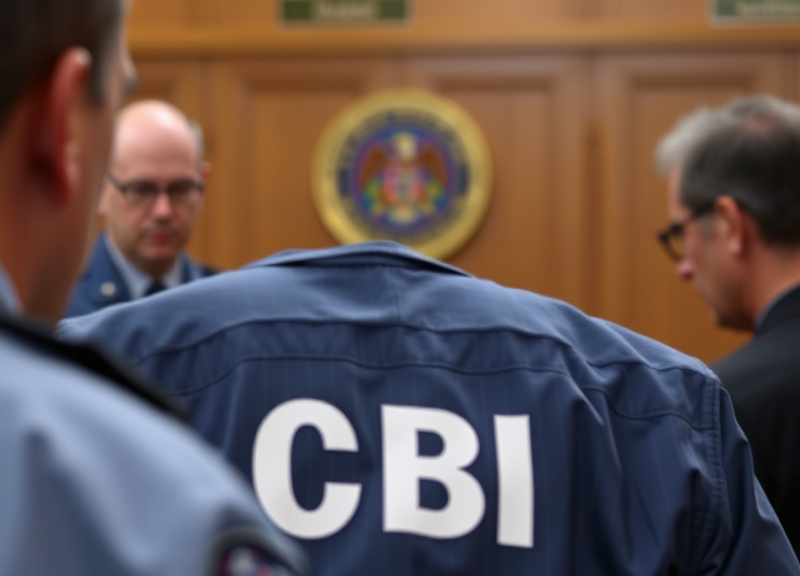
The CBI provides expert investigative services that support local and state agencies throughout California. Their work includes criminal investigations for homicide, human trafficking, public corruption, cybercrime, and large-scale fraud.
CBI agents work side-by-side with district attorneys, police departments, and federal entities to bring specialized investigative skills to cases that exceed local resources or expertise.
- Major felony investigations
- Cold case reviews
- Cybercrime response
- Cooperation with other agencies
How the CBI Differs from the California Department of Justice

The CBI operates as a division within the larger structure of the California Department of Justice—or DOJ. While the DOJ oversees legal processes, consumer protection, and enforcement of state law, the CBI is specifically tasked with hands-on investigative work.
The California Department of Justice houses multiple bureaus such as the Bureau of Firearms, Bureau of Gambling Control, and the CBI, each focused on their own specialties. The CBI often supports the DOJ's broader mission of promoting public safety and legal integrity.
Structure and Organization of the Real CBI
Divisions Within the CBI
CBI is organized into several investigative teams specializing in different areas: special investigations, major crimes, cybercrime, fraud, and human trafficking. Each division is staffed by law enforcement professionals with expertise in their assigned discipline.
These divisions coordinate not only within the state but also with local and sometimes federal agencies. The CBI can deploy task forces for particularly complex or multi-jurisdictional investigations, making their organizational flexibility one of their key strengths.
- Special Investigations
- Major Crimes Unit
- Cybercrime Task Force
- Fraud and Financial Crimes Team
For more on this, see our related guide: How Can I Get a Criminal Background Check? A Step-by-Step Guide for Individuals.
Leadership and Oversight
At the top of the CBI is the Chief, who reports to the Director of the Division of Law Enforcement within the California DOJ. This ensures accountability and a clear chain of command.
Oversight is rigorous: the CBI must operate within state policies and is accountable to both the Attorney General and the public, maintaining standards of transparency and effectiveness.
The CBI and Its Relationship to Other Law Enforcement Agencies
Partnering with Local Police
The California Bureau of Investigation frequently works hand in hand with city and county law enforcement. When a case has elements that extend beyond one jurisdiction, or requires specialized knowledge, the CBI is called in to coordinate efforts and share resources.
Though the CBI doesn't replace local police, their advanced tools and training can be instrumental in complex cases that span multiple regions.
- Joint task forces
- Resource sharing
- Training and technical assistance
Federal Collaboration
When crimes overlap with federal jurisdiction or cross state lines, the CBI collaborates closely with agencies like the FBI, DEA, and Homeland Security. Such partnerships are common in cybercrime, drug trafficking, and terrorism cases.
These collaborations maximize the impact of state resources while enhancing information sharing critical to tackling large-scale crime.
Comparing the CBI to Its Counterparts: FBI, State Bureaus, and More
CBI vs. the FBI
While the California Bureau of Investigation is a state-level agency, the Federal Bureau of Investigation operates nationwide on federal crimes. The CBI’s authority is limited to California and serves primarily to assist local law enforcement with expertise and resources.
The FBI, meanwhile, investigates crimes that cross state borders or involve federal law. Despite some overlapping skillsets, their missions and jurisdictional reach are fundamentally different.
- CBI is state-level; FBI is federal
- FBI handles national security
- CBI focuses on state and local cases
Other State Investigative Bureaus
Several other U.S. states have similar agencies, like the Texas Rangers or the Colorado Bureau of Investigation. While their names and organizational structures vary, they share the mission of providing specialized investigative support within their states.
California’s CBI stands out for its size and diversity of specialized units compared to many other states.
- Texas Rangers
- Colorado Bureau of Investigation
- Georgia Bureau of Investigation
Career Paths and Requirements to Join the California Bureau of Investigation
Qualifications and Training
CBI agents are experienced law enforcement officers—typically with backgrounds in policing, investigations, or forensic science. Applicants must meet California POST (Peace Officer Standards and Training) requirements, including academy graduation, field experience, and ongoing professional development.
Additional training in advanced investigative techniques, cybercrime forensics, and inter-agency coordination is mandatory for those accepted into the bureau.
- California POST certification
- Relevant law enforcement experience
- Specialized investigative training
You can read more about the agency’s structure and history in this comprehensive overview from Wikipedia. California Bureau of Investigation on Wikipedia.
Opportunities and Career Growth
There are multiple career avenues within the CBI, from entry-level Special Agent positions to unit supervisors and division chiefs. Developing a specialty—such as financial crimes, cyber investigations, or human trafficking—can accelerate advancement.
CBI agents often participate in state and national task forces, enhancing both skills and professional networks.
CBI and Comparable Investigative Agencies: A Category Comparison
Let’s see how the California Bureau of Investigation compares to other major investigative organizations at both the state and federal level in function, scope, and authority.
| Agency | Jurisdiction | Primary Focus | Oversight | Fictional Portrayals |
|---|---|---|---|---|
| California Bureau of Investigation (CBI) | Statewide (California) | Major crimes, support for local law enforcement | CA DOJ/Attorney General | Frequently (e.g., The Mentalist) |
| Federal Bureau of Investigation (FBI) | National (USA) | Federal crimes, national security | U.S. Department of Justice | Very frequently |
| Texas Rangers | Statewide (Texas) | Major crime, cold cases | Texas DPS | Occasionally |
| Colorado Bureau of Investigation | Statewide (Colorado) | Criminal investigations, forensics | CO Dept. of Public Safety | Rarely |
| Georgia Bureau of Investigation | Statewide (Georgia) | Assisting local agencies, specialized crime | GA Bureau of Investigation | Rarely |
| Local Police Detective Division | Municipal/County | Crime within jurisdiction | City/County Government | Commonly |
Frequently Asked Questions
Is the California Bureau of Investigation a real law enforcement agency?
Yes, the California Bureau of Investigation is a real division under the California Department of Justice, providing statewide investigative support for complex and major crimes.
What kinds of cases does the CBI handle?
The CBI investigates organized crime, homicide, public corruption, human trafficking, cybercrime, and financial crimes, often working joint cases with local and federal partners.
How is the California Bureau of Investigation different from the FBI?
The main distinction is jurisdiction: the CBI operates only in California and supports local agencies, while the FBI handles federal crimes and national security across the country.
Are there other agencies like the CBI in the United States?
Yes, many states have their own investigative bureaus, such as the Texas Rangers in Texas and the Colorado Bureau of Investigation, each serving similar roles within their state.
How can someone become a CBI agent?
Candidates must be experienced law enforcement officers, meet California POST certification standards, and undergo specialized training after being accepted into the California Bureau of Investigation.
Key Takeaways
- The California Bureau of Investigation is a real, state-level agency under the California DOJ.
- Its main role is supporting local law enforcement with complex investigations.
- It differs from the FBI, focusing solely on California and not federal crimes.
- Many states have similar investigative agencies, each with unique scopes and expertise.
Conclusion
Understanding whether the California Bureau of Investigation is real requires separating popular fiction from fact. While TV and film have certainly glamorized agencies like the CBI, the organization does indeed exist and provides vital services within California’s justice system. The real CBI is structured within the California Department of Justice, focusing its efforts on large-scale or specialized investigations that often exceed the resources of local law enforcement. By prioritizing collaboration and expertise, the CBI ensures that California’s most complex crimes do not go unsolved.
If you’re considering a career in investigative law enforcement or just curious about the mechanics of justice in California, it’s helpful to compare what the CBI does to agencies like the FBI or other state bureaus. For instance, aspiring agents might aim for CBI roles if their focus is on serving statewide rather than national interests. Similarly, cases involving major crimes, multi-county jurisdictions, or organized crime often necessitate the specialized resources the CBI can provide—making the bureau indispensable for municipalities across the state.
For anyone wanting to learn more or pursue further involvement, the best step is to explore the California Department of Justice’s recruitment resources and public records about the CBI’s recent work. Whether you aim to join the bureau or simply hope to better understand its impact, knowing the real scope, mission, and legacy of the California Bureau of Investigation helps clarify how California ensures justice beyond what’s seen on TV.