What Is an IR Light? Understanding Infrared Lighting Technology
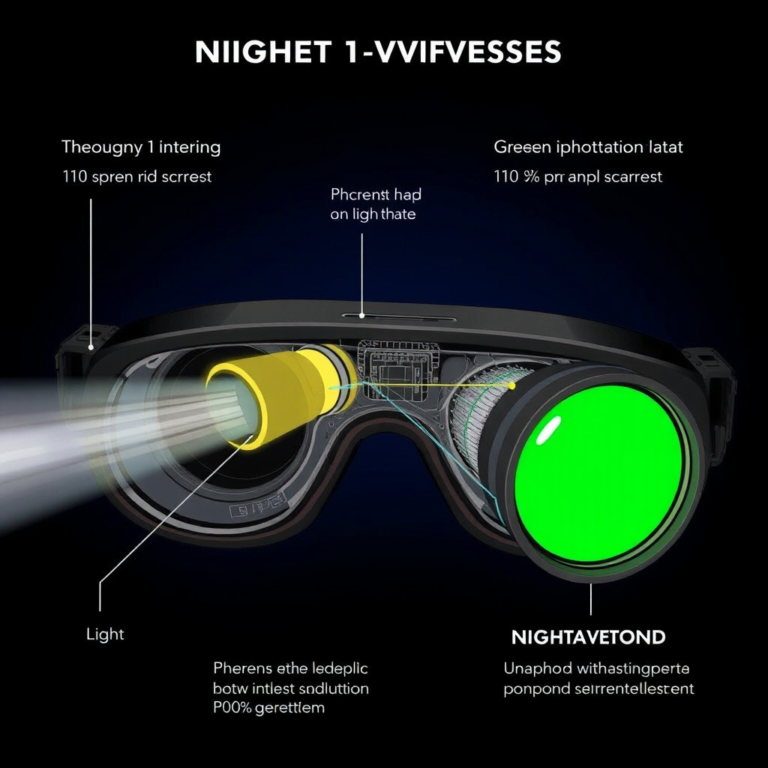
An IR light, or infrared light, is a type of electromagnetic radiation with wavelengths longer than visible light but shorter than microwaves, typically ranging from 700 nm to 1 mm. Unlike visible light, IR light is invisible to the human eye but can be detected by specialized equipment such as night vision cameras or sensors. IR lights are widely used to illuminate dark environments without visible light, enabling devices like security cameras and remote controls to function discreetly.
The importance of IR lights lies in their ability to provide illumination beyond the visible spectrum. This makes them essential in areas where visible light would be disruptive or impractical, such as nighttime surveillance, wildlife monitoring, and certain medical treatments. By emitting infrared radiation, IR lights allow cameras and sensors to capture images or detect heat signatures in total darkness.
This article will explore how IR lights work, their common applications, different types of IR lighting technologies, and how to choose the right IR light for specific needs. We'll also compare various IR light categories and address common questions related to infrared lighting.
How IR Lights Work
Basic Principles of Infrared Radiation
Infrared radiation is emitted by all objects based on their temperature, with warmer objects emitting more IR energy. IR lights generate this radiation artificially to illuminate an area invisibly to human eyes. The devices use LEDs or incandescent sources to convert electrical energy into infrared waves, which can be detected by cameras equipped with IR sensors.
IR light works by transmitting wavelengths that are absorbed or reflected differently by various materials. Because it does not rely on visible light, IR illumination is useful for observing environments in darkness or adverse lighting conditions without alerting subjects or disturbing natural surroundings.
Infrared Spectrum and Wavelengths
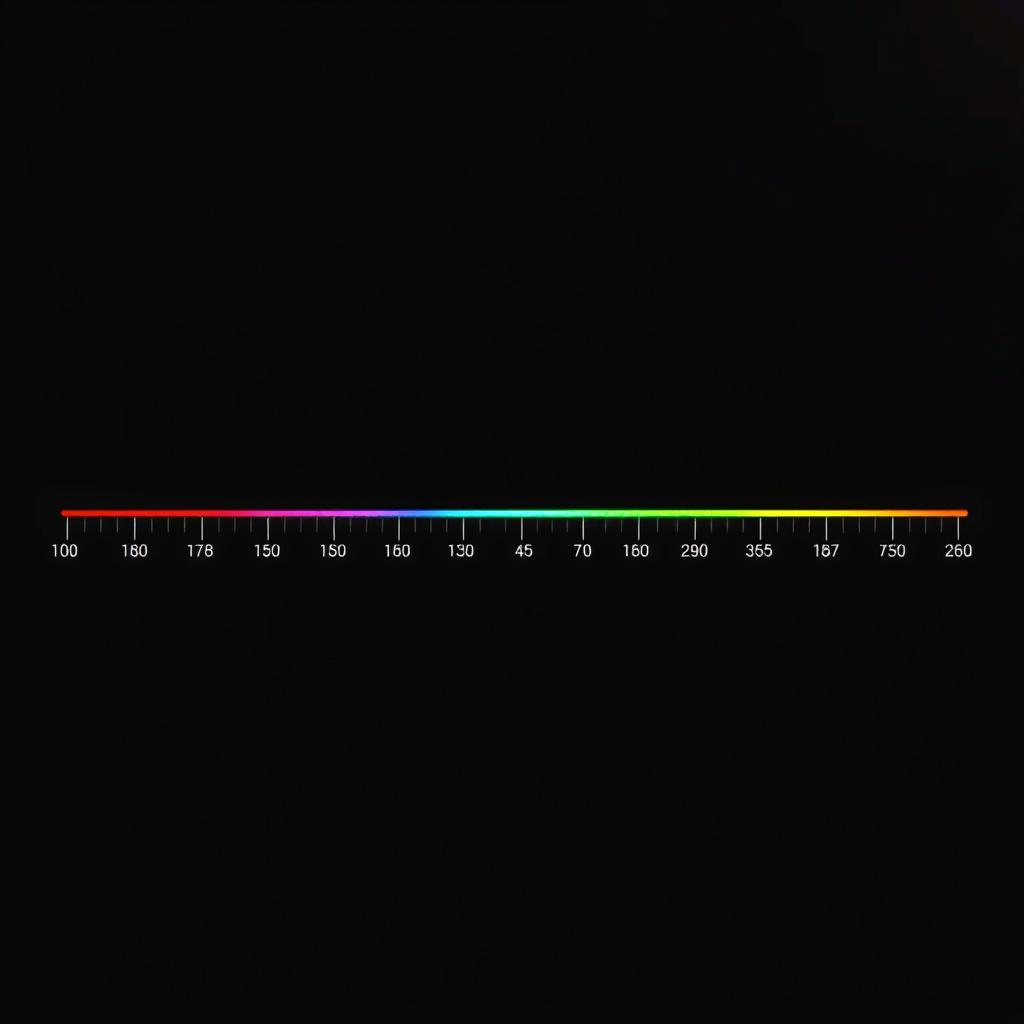
The infrared spectrum divides into near, mid, and far infrared, each with distinct wavelength ranges. Near-infrared typically ranges from 700 to 1400 nanometers and is commonly used in IR lights for night vision and remote sensing. Mid and far infrared wavelengths are longer and often used in thermal imaging and industrial applications.
Choosing an IR light involves understanding these different ranges since the wavelength affects how far the light can travel and what types of sensors can detect it. Shorter near-infrared wavelengths are better for close-range illumination, while longer IR wavelengths can penetrate fog, smoke, or other obscurants more effectively.
Common Infrared Light Applications
Security and Surveillance
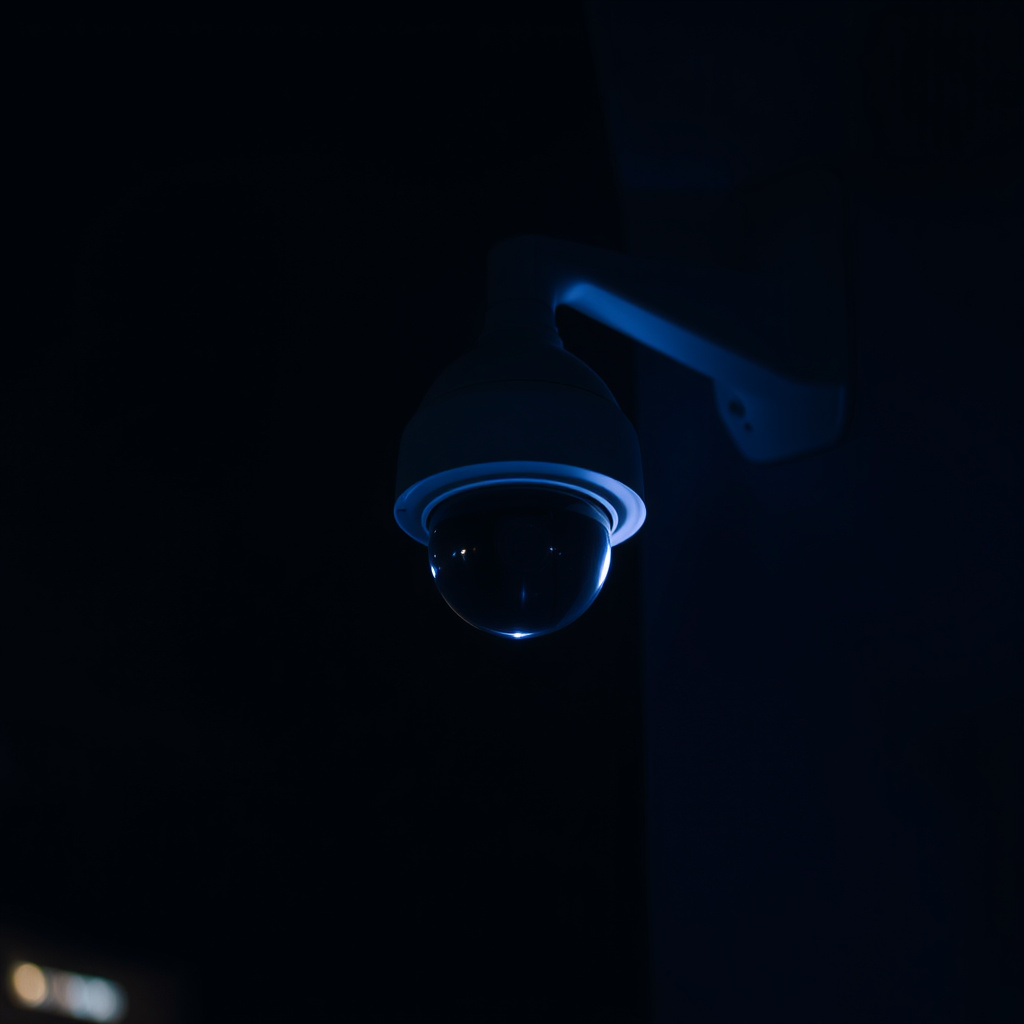
Infrared lights are extensively used in security cameras to provide night vision capabilities. These IR LEDs emit light invisible to intruders, allowing cameras to capture clear footage in total darkness. This makes IR lighting a discreet and effective tool for monitoring homes, businesses, and public spaces after hours.
Many modern security cameras switch automatically between visible light and IR illumination depending on ambient lighting conditions. This combination ensures continuous surveillance 24/7, aiding in crime prevention and evidence collection.
Remote Controls and Communication
IR light is the backbone of many remote control devices, such as those for televisions, air conditioners, and other electronics. These devices send signals encoded in infrared pulses, which receivers detect and interpret to command functions.
This application benefits from IR light's invisibility to humans, preventing distraction and enabling devices to communicate wirelessly within a room. The low power and focused emission make IR communication efficient for short distances.
Types of IR Light Sources
Infrared LEDs
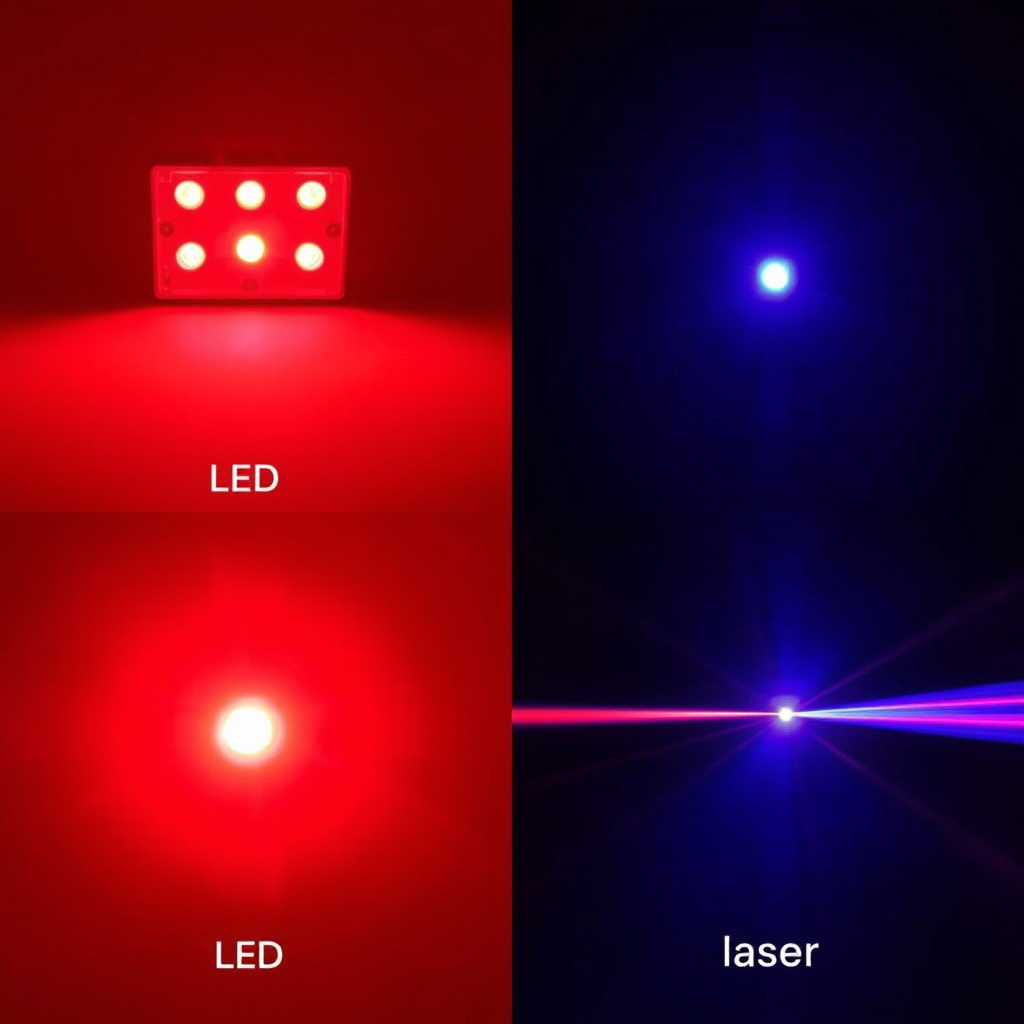
Infrared light-emitting diodes (LEDs) are the most common IR light sources, valued for their longevity, low power consumption, and compact size. They emit light at specific wavelengths, typically near-infrared, and are widely used in night vision devices and remote controls.
Their focused beam and ability to turn on and off instantly make IR LEDs versatile for many applications, including medical treatments and optical communications.
- High efficiency
- Compact form factor
- Instant on/off capability
For more on this, see our related guide: Do Humans Have Night Vision? Understanding Our Low-Light Sight Capabilities.
Incandescent and Laser IR Sources
Incandescent IR sources produce a broad infrared spectrum by heating a filament, but they consume more power and generate heat, making them less suitable for compact or energy-efficient applications.
Laser-based IR lights offer coherent, intense beams with precise wavelength control, used in specialized fields like scientific research, telecommunications, and military equipment. However, they tend to be more expensive and complex.
- Broad spectrum (incandescent)
- High intensity and coherence (laser)
- Higher cost (laser)
Choosing the Right IR Light
Assessing Application Needs
Selecting an IR light depends on intended use—security cameras require different characteristics than medical therapies or remote controls. Consider factors like wavelength, range, power output, and beam angle to match the device's requirements.
For long-range illumination in outdoor surveillance, LEDs with higher power and narrow beam angles work better. Short-range applications may prioritize low power consumption and wide coverage.
Other Considerations
Durability, energy efficiency, and compatibility with existing equipment also influence the choice of IR light. Environmental conditions matter too, as weatherproof or ruggedized IR lights might be necessary outdoors.
Additionally, regulations on IR emission levels can vary by region, so checking compliance ensures safe usage.
Installation and Maintenance of IR Lights
Proper Installation Techniques
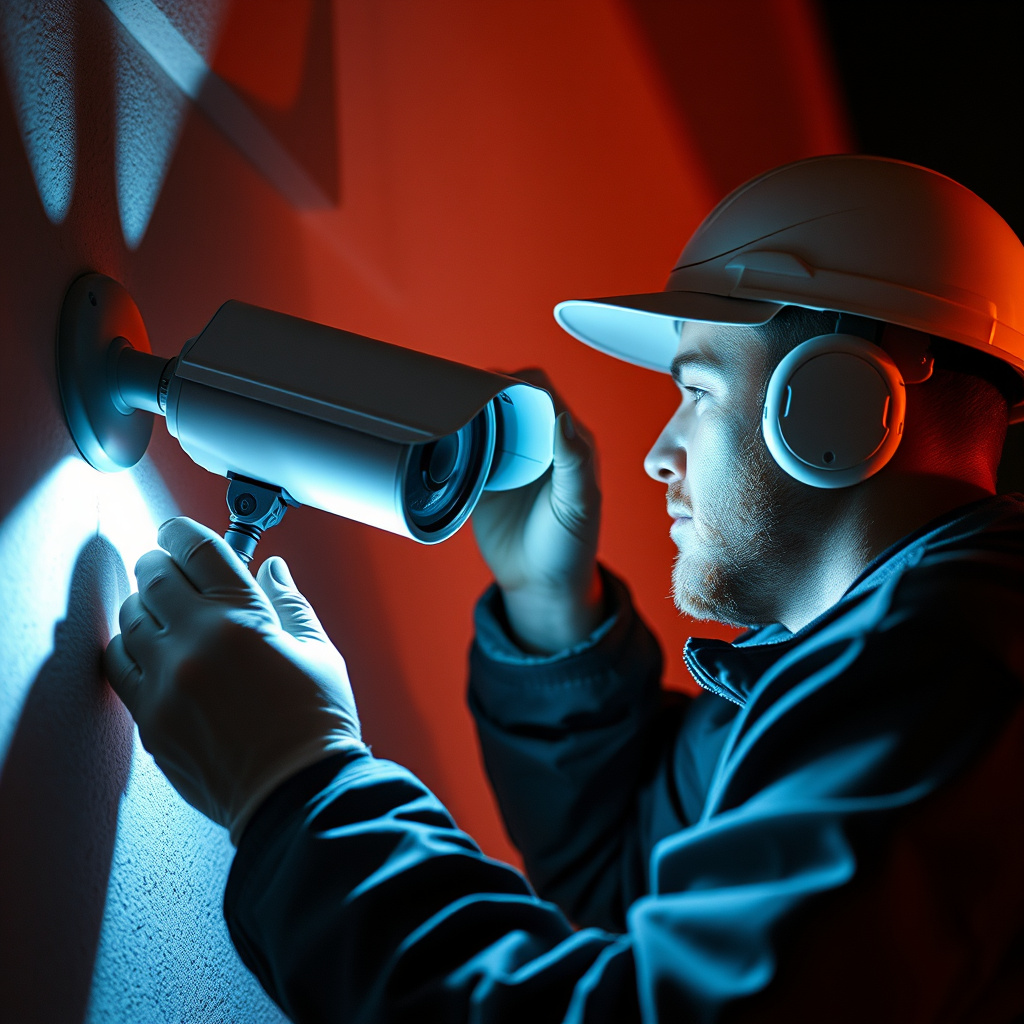
Mount IR lights at angles that maximize coverage without causing glare or reflection that could impair camera sensors. Power supply and wiring should follow manufacturer specifications to prevent damage or interruptions.
Positioning is key; placing IR lights too close or too far from the camera can reduce image quality or waste energy.
- Correct angle placement
- Stable mounting
- Proper power supply
For more on this, see our related guide: How Do Night Vision Goggles Work: Understanding Their Technology and Uses.
Maintaining Performance Over Time
Regular cleaning of the IR light lens and sensor surfaces prevents dust or grime buildup that can weaken IR transmission. Periodic checks for loose connections and corrosion extend device life.
Replacing components like LEDs before failure avoids unexpected downtime, ensuring ongoing functionality especially in security setups.
- Lens cleaning
- Connection inspection
- Scheduled component replacement
Emerging Trends in IR Lighting
Advances in IR LED Technology
Recent improvements in infrared LED efficiency and wavelength tuning have expanded their capabilities, enabling longer-range and more precise illumination. Miniaturization allows integration into smaller devices without compromising performance.
These advances open possibilities in automotive night vision, healthcare diagnostics, and augmented reality.
- Higher efficiency LEDs
- Custom wavelength tuning
- Miniaturized form factors
For a detailed scientific explanation of infrared radiation and its properties, visit the Infrared radiation article on Wikipedia. Infrared radiation on Wikipedia.
Integration with Smart Technologies
Smart home security systems increasingly incorporate IR lighting combined with AI analytics to detect threats even in total darkness. These systems automate IR intensity based on environmental conditions to optimize power use.
Integration with smartphones and cloud networks allows remote control and monitoring of IR-lit devices, enhancing user convenience and security.
- AI-enhanced detection
- Automated IR adjustment
- Remote monitoring via apps
Infrared Light Source Comparison
This table compares the main types of infrared light sources highlighting key properties and typical usage scenarios.
| Type | Wavelength Range | Power Consumption | Typical Applications | Cost |
|---|---|---|---|---|
| Infrared LED | 700–1200 nm (near-IR) | Low | Night vision, remote controls, medical devices | Low |
| Incandescent IR | Broad spectrum, 700 nm–1 mm | High | Heat lamps, industrial heating | Moderate |
| Infrared Laser | Varies, precise wavelength | Moderate to High | Scientific research, communications, military | High |
| Quantum Cascade Laser | Mid-IR range (4–12 μm) | Moderate | Gas sensing, spectroscopy | Very High |
Frequently Asked Questions
Can humans see infrared light?
Humans cannot see infrared light because its wavelengths are longer than those of visible light, making IR radiation invisible to the naked eye.
What devices commonly use IR light?
Common devices that use IR light include security cameras with night vision, remote controls, thermal cameras, and medical imaging equipment.
Is IR light harmful to humans?
Most IR light used in consumer devices is safe at typical exposure levels, though intense or prolonged exposure to strong IR sources can cause thermal burns or eye damage.
How far can IR light travel?
The range of IR light depends on the wavelength and power; near-infrared LEDs can illuminate several meters to tens of meters, while laser IR sources can reach much longer distances.
Do IR lights work in outdoor environments?
Yes, many IR lights are designed for outdoor use, often featuring weatherproof and rugged designs to maintain performance in various weather conditions.
Key Takeaways
- IR lights emit invisible infrared radiation useful for illumination and communication in darkness.
- Infrared LEDs are the most common and energy-efficient IR light source.
- Applications include security cameras, remote controls, and medical devices.
- Choosing the right IR light depends on wavelength, power, and specific use cases.
Conclusion
Understanding what an IR light is involves recognizing that it is a source of invisible infrared radiation used to illuminate scenes beyond the visible spectrum. This technology enables cameras and sensors to operate in complete darkness, enhancing capabilities in surveillance, communication, and medical diagnostics. When deciding on an IR light, focusing on the appropriate wavelength needed for the application is vital, because it directly affects range and compatibility with detection devices.
For practical selection, infrared LEDs are the best choice for night vision surveillance and remote control devices due to their efficiency, affordability, and compact size. Incandescent IR lights suit heat-related applications, while laser IR sources excel in specialized fields requiring precise and high-intensity infrared beams. Consider your environment, required range, and power availability when choosing the category of IR light.
After identifying your needs, test or consult specifications for prospective IR lights to confirm they produce the right wavelength and output for your task. Whether installing security cameras or using IR communication devices, proper setup and maintenance ensure reliable performance. Familiarity with IR light basics makes it easier to harness this invisible but powerful technology effectively.