Can a Felon Own a Crossbow in Arkansas? Complete Legal Guide & Hunting Rules
Can a felon own a crossbow in Arkansas? Generally, felons are prohibited from possessing firearms, but crossbows fall under different state regulations that may allow ownership depending on the circumstances. Understanding Arkansas laws on crossbow ownership, hunting restrictions, and rights restoration is essential for felons interested in legal hunting activities.
This guide addresses specific rules about crossbow equipment, hunting permits, and legal limits for felons in Arkansas. It is designed for felons who want clear information on owning and using crossbows while complying with state and federal laws.
Key Takeaways
- Felons in Arkansas may own crossbows if not prohibited by specific federal or state restrictions on weapons possession.
- Hunting crossbows must have a minimum 125-pound draw weight and a working safety to be legal in Arkansas.
- Crossbow bolts must be at least 16 inches long with broadheads having two steel cutting edges at least 7/8 inches wide.
- Crossbows with multiple strings are banned; the draw length must be at least 14 inches from knock point to bow front.
- Crossbow hunters need proper licenses and must adhere to season and equipment regulations set by the Arkansas Game and Fish Commission.
- Felons should verify federal firearm restrictions as some convictions prohibit owning any hunting equipment resembling firearms.
Can Felons Legally Own Crossbows in Arkansas?

Felons in Arkansas can legally own and possess crossbows under both federal and state laws, with specific distinctions that influence this right. Crossbows are generally not classified as firearms under federal law, which means that the usual prohibitions preventing felons from owning firearms do not apply to crossbows. Since a crossbow does not meet the legal definition of a firearm, federal restrictions that bar felons from possessing firearms do not extend to crossbow ownership. This distinction is important because federal law establishes a baseline for firearm possession prohibitions, but it does not regulate crossbows in the same way.
Arkansas state law aligns with the federal stance by not categorizing crossbows as firearms and not imposing prohibitions on felons regarding crossbow possession directly. The state does not have any specific statutes that prohibit individuals with felony convictions from owning or using crossbows for hunting or sport shooting. However, Arkansas follows federal firearm laws concerning firearms possession, including provisions relating to felons, but these do not cover crossbows.
The absence of state or federal restrictions for felons owning crossbows means you may legally buy, possess, and use a crossbow, regardless of felony status, as long as you comply with other relevant hunting regulations and local laws. You should verify that your particular use follows Arkansas hunting seasons and equipment requirements because lawful possession of a crossbow does not grant unlimited use in all hunting contexts. For example, certain permitted seasons and age or disability-based allowances determine how and when a crossbow may be used in hunting.
Decision making about crossbow possession can rely on this clear rule: since crossbows are not firearms, the felony-related firearm bans in federal law do not apply. For you, this means no federal firearms license or special approval is required to acquire or own a crossbow, even if you have a felony conviction. Arkansas also does not add separate restrictions on felon ownership of crossbows, making ownership legal under state law.
A checklist to confirm your legal right to own a crossbow in Arkansas includes these key points. First, your felony conviction does not prohibit crossbow possession because crossbows are not firearms under federal law. Second, Arkansas law does not specifically bar felons from possessing crossbows or similar hunting equipment. Third, you must still follow general hunting laws, crossbow equipment standards, and permit requirements for crossbow hunting. Should you decide to hunt, having the proper permits and abiding by season regulations is mandatory.
You should remember that while owning and using a crossbow is legal for felons in Arkansas, rules do exist about the use of crossbows around firearms, residency, and constructive possession. For instance, if a person convicted of a felony lives with a family member who owns firearms, it could lead to legal complications related to constructive possession of a firearm under federal law. Consulting with a licensed attorney familiar with Arkansas hunting and firearms law can help clarify individual situations and ensure compliance.
Arkansas Crossbow Hunting Regulations and Equipment Requirements
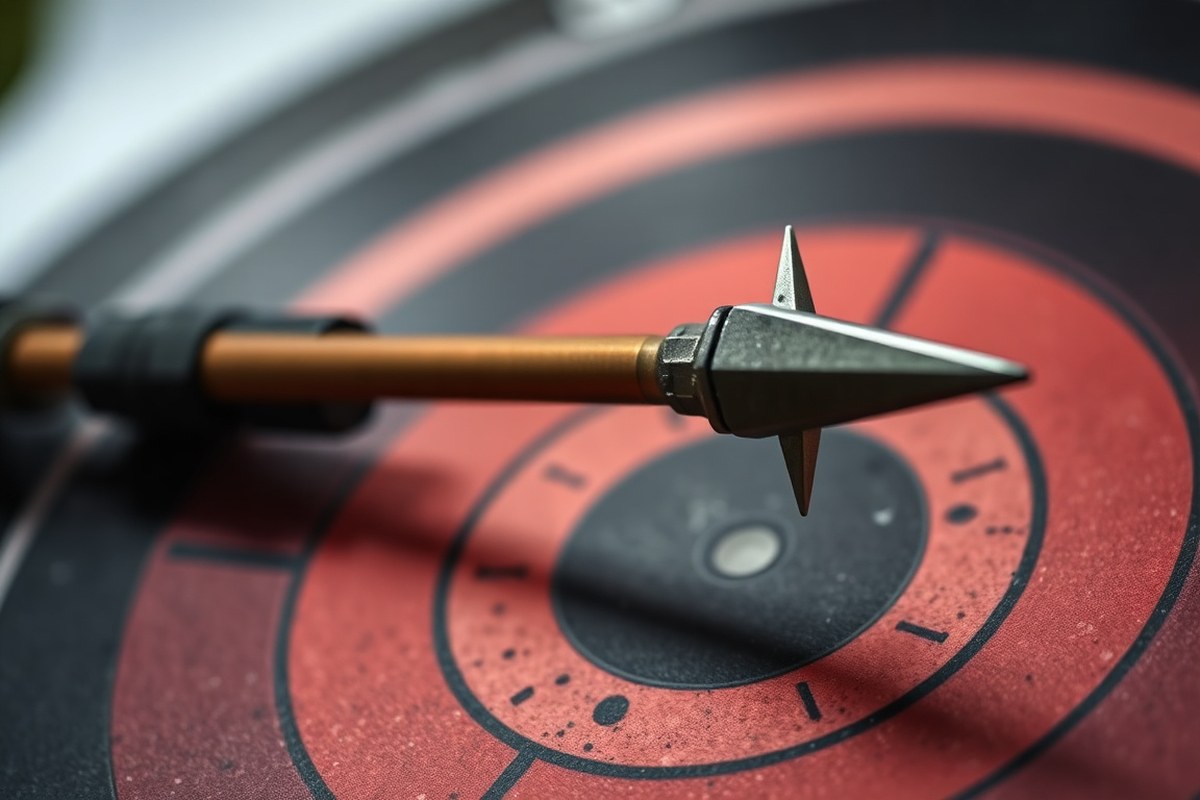
Arkansas requires that crossbows used for hunting meet specific standards to ensure safety and effectiveness. A legal hunting crossbow must have a minimum draw weight of 125 pounds. This ensures the bolt has enough power to ethically take game like deer and bear. The crossbow also needs a working mechanical safety device, such as a trigger safety, to prevent accidental firing. Stocks must be fixed rifle-type and can be adjustable but must not fold. The overall length from the butt of the stock to the front of the limbs must be at least 24 to 25 inches, helping with balance and aiming.
Bolt specifications are equally important. Bolts must be at least 14 inches long, excluding the broadhead tip, although deer-specific bolts are recommended to be 18 inches long with fletching for stability. Broadhead tips are required to be hunting-type, fixed blade or mechanical, with a cutting edge width no less than 7/8 inch (about 2 cm). Explosive or chemical tips are prohibited, keeping the hunt ethical and legal. These bolt standards ensure enough penetration and humane kills while complying with Arkansas hunting laws. The following table summarizes legal and illegal crossbow equipment for Arkansas hunting:
| Specification | Legal | Not Legal |
|---|---|---|
| Draw Weight | Minimum 125 pounds | Below 125 pounds |
| Stock Type | Fixed rifle-type, adjustable allowed | Folding stocks |
| Safety Device | Working mechanical trigger safety | No safety or nonfunctional safety |
| Crossbow Length | At least 24 to 25 inches total | Shorter than 24 inches |
| Bolt Length | At least 14 inches, 18 inches recommended for deer | Under 14 inches |
| Broadhead Width | At least 7/8 inch wide | Narrower than 7/8 inch |
| Bolt Tip Type | Fixed or mechanical hunting broadheads | Explosive or chemical tips |
Always verify that your crossbow’s safety mechanism functions before each hunt, as failing to do so can lead to accidental discharge and legal issues.
Modifications that remove or disable the safety device or alter the stock into a folding style make the crossbow illegal. Crossbows must be either compound or recurve mounted on a shoulder stock. Using bolts without sufficient length, broadhead size, or with prohibited tips can result in penalties and an unethical hunt. Following these equipment rules protects your hunting privileges and aligns with Arkansas game laws.
How Federal Firearms Laws Affect Felons and Crossbow Ownership
Federal firearm laws prohibit felons from possessing firearms but typically do not classify crossbows as firearms. Under 18 U.S.C. § 922(g)(1), anyone convicted of a felony is barred from owning, possessing, or using firearms. This law applies to guns, rifles, and shotguns but does not extend to crossbows because federal regulations do not list crossbows as firearms. Therefore, felons remain prohibited from firearms but usually can possess crossbows without violating federal law.
The key federal statute, 18 U.S.C. § 922(g)(1), defines firearms broadly but excludes devices like crossbows. The law aims to restrict felons’ access to weapons designed to fire projectiles by explosive force. Crossbows use mechanical means to launch bolts and fall under a different category. This distinction allows felons to legally hold and potentially hunt with crossbows, subject to state rules.
Arkansas follows federal firearm prohibitions closely and also has state laws that adopt similar restrictions on felons possessing firearms. However, Arkansas does not classify crossbows as firearms, aligning with the federal stance. This means the federal ban on firearm possession for felons does not affect crossbow ownership or use. Still, felons should remain cautious and comply with state hunting regulations to avoid legal issues. Understanding how federal laws apply requires comparing firearms and crossbows by definition. Here’s a straightforward comparison of weapon classifications relevant to felons:
| Weapon Type | Classified as Firearm under Federal Law? | Felon Possession Prohibited? | Examples |
|---|---|---|---|
| Handguns | Yes | Yes | Pistols, revolvers |
| Rifles and Shotguns | Yes | Yes | Hunting rifles, shotguns |
| Crossbows | No | No federal prohibition | Compound crossbows, recurve crossbows |
| Bows (Longbows, Recurve) | No | No federal prohibition | Traditional archery bows |
| Swords and Spears | No | No federal prohibition | Spears, swords |
Knowing these classifications helps you handle the legal boundaries around weapons possession. You should avoid handling firearms as a felon and ensure you follow Arkansas crossbow hunting laws closely. This eliminates federal legal risks while allowing you to pursue hunting activities using crossbows.
Clarify legal rules by reviewing both federal and state laws thoroughly. Federal law under 18 U.S.C. § 922(g)(1) restricts firearm possession by felons, while Arkansas state laws offer different criteria for crossbows, like separate seasons, age limits, and permit requirements. Check with the Arkansas Game and Fish Commission or get legal advice to verify your eligibility before using a crossbow.
Arkansas State Restrictions on Felons Possessing Hunting Equipment
Arkansas law restricts felony offenders from possessing weapons, including hunting equipment like crossbows, especially under certain legal conditions. State statutes and parole or probation rules can specifically impact whether a felon can legally own or use a crossbow. Understanding these laws and how supervised release conditions influence possession rights is essential to remaining compliant and avoiding legal trouble.
Relevant Arkansas Statutes on Felon Possession of Weapons
Arkansas Code § 5-73-103 prohibits convicted felons from possessing firearms or other dangerous weapons while serving a sentence, on parole, or probation. Although crossbows are not firearms, the statute’s broad language covers “deadly weapons,” which can include crossbows due to their potential lethality. The Arkansas Game and Fish Commission follows these restrictions in regulating hunting equipment possession by felons. The relevant sections to review include Arkansas Code §§ 5-73-103, 5-4-104, and 14-54-103 concerning unlawful carrying of weapons and restrictions on persons under supervision.
Arkansas does not explicitly name crossbows in felon possession prohibitions. However, rules on “dangerous weapons” typically extend to crossbows given their functional capabilities. This approach means felony restrictions on weapons often apply broadly rather than naming specific items. You should confirm your status regarding these statutes and consult legal advice if unsure.
How Parole and Probation Impact Crossbow Possession
During parole or probation, conditions can explicitly ban possession of dangerous weapons, including crossbows, regardless of general state laws. These supervised release terms often impose more restrictions than state statutes alone. If your parole or probation officer includes language prohibiting any weapon possession, owning or using a crossbow is unlawful while under such supervision.
Failure to comply with these conditions risks penalties such as extended supervision, returning to prison, or new criminal charges. To avoid unintentional violations, carefully review your supervision paperwork. Confirming approval of crossbow possession with your parole or probation officer before obtaining or using one is a practical step.
Checklist for Complying with Arkansas Restrictions
First, verify that your felony sentence is fully completed, including any supervised release, to understand your legal baseline. Confirm that your Arkansas voting and hunting rights have been restored, which happens automatically after sentence completion but does not guarantee weapon possession rights. Second, carefully check parole or probation documents for any weapons restrictions.
Third, recognize that Arkansas Game and Fish regulations allow crossbows for hunting only if you meet general state hunting requirements and are not barred under supervision. Fourth, maintain documentation proving your cleared status in case law enforcement questions your equipment possession. This documentation includes release papers, permission letters, or court orders. Following this checklist helps prevent inadvertent violations, allowing you to hunt lawfully and safely.
Enforcement and Legal Consequences for Violations
Enforcement of these restrictions is handled by Arkansas law enforcement and wildlife officers. Possession of a crossbow or other hunting equipment while violating felony restrictions or supervised release terms can lead to misdemeanor or felony charges under Arkansas Code § 5-73-103. Penalties include fines, jail time, or revocation of parole or probation.
Authorities routinely check hunters’ compliance during wildlife enforcement patrols. Being unaware of applicable restrictions does not exempt you from penalties. Promptly addressing any questions about your legal eligibility before purchasing or carrying a crossbow protects you from serious consequences.
Variations Based on Individual Circumstances
The exact rules affecting your ability to own a crossbow depend on factors such as the type of felony conviction, time since release, and whether you are under active supervision. Some felonies related to violent crimes carry stricter prohibitions. Others may allow possession after a specific waiting period or successful petition to restore rights.
Consulting a licensed attorney familiar with Arkansas firearm and hunting law is recommended to navigate these nuances. You can also inquire with your parole officer and the Arkansas Game and Fish Commission for guidance on your specific situation. Taking these steps ensures you understand your legal position clearly and avoid inadvertent violations.
Steps to Restore Rights for Felons Regarding Crossbow and Firearm Possession
Regaining legal possession rights for crossbows and firearms in Arkansas after a felony conviction involves petitioning the court for restoration of rights. Eligibility depends on the type of felony, the time elapsed since completing the sentence, and whether the crime was violent. The process requires specific documentation, interaction with court and state agencies, and typically takes several months.
Eligibility Criteria for Rights Restoration
Arkansas currently considers restoration of firearm rights for persons convicted of non-violent felonies after a 10-year waiting period, pending court approval. Violent felonies are generally excluded from eligibility. You must have completed all parts of your sentence including probation and parole. In 2025, legislation like HB1057 aims to formalize these rules, but requirements can vary based on your conviction details and any current laws in force.
Restoration helps legally possess crossbows, which are often treated like firearms under Arkansas law despite their technical differences. Ensuring eligibility before filing is important, as courts only restore rights if all legal criteria are met and no outstanding charges or penalties exist.
Required Documentation and Application Process
Start by gathering official records such as court documents showing sentence completion, your criminal record, proof of residency in Arkansas, and identification. You will also need to prepare a written petition requesting restoration of your rights. This petition goes to the circuit court in the county where you reside or where you were convicted. The process typically looks like this:
- Obtain certified copies of your conviction and sentencing records from the clerk of court.
- Gather proof of sentence completion, such as parole or probation release documents.
- Write a clear petition stating your request for rights restoration, including reasons and rehabilitation evidence.
- File your petition with the appropriate circuit court and pay any filing fees that may apply (usually under $100).
- Serve copies of your petition to the prosecuting attorney, who may object or support your petition.
- Attend a court hearing where a judge will review evidence and listen to arguments.
- Receive the court’s decision in writing, which can take weeks to a few months.
Make sure to double-check all court deadlines and serve documents properly to avoid delays or dismissal of your petition.
Typical Timeline and Follow-Up Steps
Processing restoration petitions in Arkansas generally requires 3 to 6 months, depending on court schedules and complexity of your case. The waiting period starts after sentence completion, plus any mandatory wait (currently around 10 years for non-violent felonies). After filing, the attorney general or prosecutor has time to respond or object, which can add several weeks.
Once approved, carry the court order with you when possessing a crossbow or firearm. Restoration does not reinstate all rights automatically; certain restrictions may still apply. If your petition is denied, you can ask for reconsideration or consult a lawyer for potential appeals.
Licenses and Permits Required for Crossbow Hunting in Arkansas
To hunt with a crossbow in Arkansas, you must have a valid hunting license and the proper permits or tags for the game you plan to hunt. Felons may face challenges obtaining these licenses since eligibility depends on their legal status and any restrictions imposed by state and federal law. Arkansas law requires archery licenses for crossbow hunters, but no separate crossbow permit is needed. Understanding which licenses you need and your eligibility as a felon is critical for legally hunting with a crossbow.
Required Licenses for Crossbow Hunting
In Arkansas, using a crossbow for big game hunting requires an archery hunting license. The archery license covers both traditional bow and crossbow use, so you do not have to purchase a separate crossbow permit. In addition to the archery license, you must obtain the appropriate game tags or permits for each animal you intend to hunt, such as deer tags or turkey permits.
First-time archery hunters are also required to complete a bowhunter education course before purchasing their license. This training is mandatory to ensure hunters understand safe and ethical hunting practices.
Felon Eligibility for Hunting Licenses and Permits
Felons can generally apply for Arkansas hunting licenses if they have completed all sentencing requirements, including probation or parole. Check with the Arkansas Game and Fish Commission (AGFC) for any specific restrictions applicable to your conviction. Certain felony convictions may restrict weapon possession, which might impact your ability to legally carry or use a crossbow for hunting.
Applications for hunting licenses can usually be completed online or at authorized vendors across Arkansas. You will need to provide personal identification, proof of residency, and confirmation of completed hunter education if applicable.
Steps to Obtain an Archery License and Tags
- Complete a bowhunter education course if required (new archery hunters or hunting specific game like turkeys).
- Visit the Arkansas Game and Fish Commission website or a licensed vendor to apply for your archery hunting license.
- Select and purchase the appropriate game permits or tags for the animals you plan to hunt (for example, deer permits).
- Pay required fees, which vary but are typically around $20 to $40 for archery licenses, plus additional fees for tags.
- Carry your license and game tags with you when hunting, along with proof of completion of bowhunter education.
Special Permits or Exemptions for Restricted Persons
The state of Arkansas does not currently offer exemptions or special crossbow permits specifically for felons or other restricted persons. All hunters must follow the same licensing requirements. You cannot circumvent restrictions by applying for a special crossbow permit as a felon. Persons with felony convictions should consult with a legal professional and the AGFC to verify their eligibility before purchasing a license or attempting to hunt with a crossbow, as violations may carry legal consequences.
Helpful Arkansas Game and Fish Commission Resources
The Arkansas Game and Fish Commission provides complete information and online services related to hunting licenses and permits. Use the following official resources to verify current rules and apply for your licenses:
- AGFC Online License Sales, apply for licenses and permits online
- Arkansas Hunting Regulations, read season dates and specific hunting rules
- Hunter Education Programs, find bowhunter safety course information and schedules
- Types of Hunting in Arkansas, details on archery and crossbow hunting seasons
Reviewing these resources thoroughly will help you maintain compliance with Arkansas hunting laws and avoid penalties related to illegal crossbow use.
Age, Safety, and Usage Restrictions for Crossbows in Arkansas
In Arkansas, you must be at least 16 years old to legally own and use a crossbow for hunting. This age restriction helps ensure users have the maturity and understanding necessary to practice safe and responsible hunting. Crossbows used in Arkansas must meet specific safety standards, including having a mechanical safety device to prevent accidental firing. This mechanical safety is essential to reduce the risk of injury during handling and transport.
Crossbows intended for deer hunting must have a minimum draw weight of 125 pounds. Also, scopes are allowed to improve aiming accuracy, but all equipment must comply with state rules. Hunters should always engage the mechanical safety when not actively aiming or shooting to avoid accidents. Proper handling includes ensuring the crossbow is unloaded when moving between locations and using a secure quiver or case for transportation.
Arkansas allows crossbow hunting during specific seasons aligned with archery and firearm hunting seasons. Crossbows can be used in all archery deer seasons, archery turkey seasons, and during the primitive-weapons hunting periods. However, during firearm deer seasons, crossbow use is permitted only if the hunter complies with firearm-season rules, including wearing hunter-orange clothing where required.
- Minimum age for crossbow ownership and use: 16 years.
- Crossbow must have at least a 125-pound draw weight for deer hunting.
- Mechanical safety devices are mandatory on all hunting crossbows.
- Scopes are allowed to improve accuracy during hunting.
- Crossbows are legal during archery deer, turkey, and primitive-weapons hunting seasons.
- Crossbow use during firearm seasons requires compliance with firearm-season regulations.
- Hunter-orange must be worn during firearm seasons when using a crossbow.
To handle crossbows safely, always verify the safety is engaged before walking or climbing. Practice clear communication with others in your hunting party to avoid accidents. Store and transport your crossbow unloaded and in a protective case. Following these safety measures reduces risks and ensures your hunting experience follows Arkansas regulations.
Common Legal Mistakes Felons Make with Crossbow Possession in Arkansas
One common mistake felons make is assuming crossbows are exempt from regulations applying to firearms or hunting weapons, leading them to possess or use one illegally in Arkansas. The law treats crossbows differently from firearms, but felons must still avoid possessing them unless explicitly allowed. Not knowing the exact definitions and permitted equipment can cause unintentional violations. For example, using a crossbow that lacks a mechanical trigger or safety, or firing bolts shorter than 18 inches, can be illegal under state law.
Family members’ involvement can also trigger legal issues. Felons sometimes store or borrow crossbows from relatives, thinking this avoids possession prohibitions. However, having direct or constructive possession, even if the crossbow is at a family member’s home, may count as illegal possession. This can result in imprisonment for up to three years or fines up to ¥500,000, so sharing or storing crossbows with household members who are felons requires caution.
Penalties for illegal crossbow possession or use in Arkansas are severe. State law allows imprisonment or heavy fines, and law enforcement actively enforces crossbow regulations during hunting seasons. Repeat offenses or combining illegal possession with other crimes can increase penalties. Felons should understand these risks clearly before handling crossbows.
- Assuming no restrictions apply because crossbows are not firearms, check state rules carefully.
- Using crossbows without proper mechanical triggers and safeties, always verify equipment meets legal definitions.
- Possessing bolts shorter than the legal minimum length of 18 inches, only use certified bolts.
- Keeping crossbows at family members’ homes without clear non-possession, avoid shared or borrowed equipment when restricted.
- Ignoring state and local hunting regulations on crossbow use, follow all season and permit requirements.
- Failing to get legal counseling or rights restoration help, seek professional advice to clarify your status.
Always keep documentation of any legal permissions or licenses you hold related to crossbows with you to avoid misunderstandings during enforcement checks.
Avoiding these mistakes requires understanding Arkansas’s precise legal definitions and how possession is interpreted. Consulting a licensed attorney or local wildlife officials can prove essential to navigate crossbow laws effectively. Being proactive about compliance lowers the risk of penalties and supports safe, lawful hunting practices for felons who qualify to use crossbows under the law.
Step-by-Step Action Plan for Felons Interested in Crossbow Hunting in Arkansas
Follow these steps to understand and comply with Arkansas laws on crossbow ownership and hunting as a felon.
- Before you begin: Confirm your felony status and review your criminal record to know your exact legal position. This helps determine restrictions on crossbow ownership or use.
- Week 1: Research Arkansas hunting regulations specific to crossbows on the Arkansas Game and Fish Commission website. Verify any age, permit, or equipment requirements to stay compliant.
- Week 2: Check federal laws to see if your felony conviction restricts crossbow possession. Contact a legal professional if you’re unsure about how federal and state laws interact in your case.
- Week 3: Investigate the procedure for restoring your rights in Arkansas related to hunting equipment and firearm possession. Apply for restoration through the Arkansas Board of Pardons and Parole if eligible.
- Week 4: Obtain all necessary hunting licenses and crossbow permits from the Arkansas Game and Fish Commission. Confirm receipt of your permits to legally hunt with a crossbow.
- Month 2: Complete any required hunter safety courses that include crossbow use. A certificate proves your knowledge and complies with state requirements.
- Ongoing: Follow all hunting seasons, location restrictions, and equipment rules during crossbow use. Regularly review updates from state authorities to avoid legal issues.
Frequently Asked Questions
Can a Felon Own a Gun After 10 Years in Arkansas?
Felons generally cannot own guns in Arkansas, even after 10 years, unless their rights are restored through a formal legal process. Restoration involves court procedures and sometimes a pardon, but the default prohibition remains until then.
What Weapons Are Felons Allowed to Have?
Felons are not allowed to possess firearms but may legally own non-firearm weapons like archery bows and crossbows under state law. However, federal restrictions still apply to certain weapons, so check both Arkansas and federal rules before possession.
Can Felons Own Archery Bows?
Yes, felons in Arkansas can own archery bows, including crossbows, since these are classified separately from firearms. Ownership does not require special permits, but you must follow all hunting regulations when using them.
Can I Carry My Gun If My Friend Is a Felon?
You can carry your own gun legally if you are licensed, but your felon friend cannot carry or possess a firearm under federal and state law. Always keep firearms secure and separate to avoid legal issues.
Are Crossbows Considered Firearms Under Arkansas Law?
No, crossbows are not classified as firearms in Arkansas; they are treated like bows or air guns. This means different rules apply, and felons can own them, but must follow specific hunting regulations.
Does Arkansas Require a Permit to Use a Crossbow for Hunting?
Arkansas does not require a separate permit just to possess or use a crossbow for hunting, but hunters must have proper hunting licenses and follow equipment rules for the specific season.
Wrapping Up
Felons in Arkansas can own or use crossbows for hunting only after carefully meeting state and federal legal conditions, including rights restoration and proper licensing. Taking these steps ensures you hunt responsibly within the law. Your next move should be confirming your eligibility for rights restoration to begin the process toward lawful crossbow ownership.