What Is Brace Height on a Compound Bow: A Complete Guide for Beginners
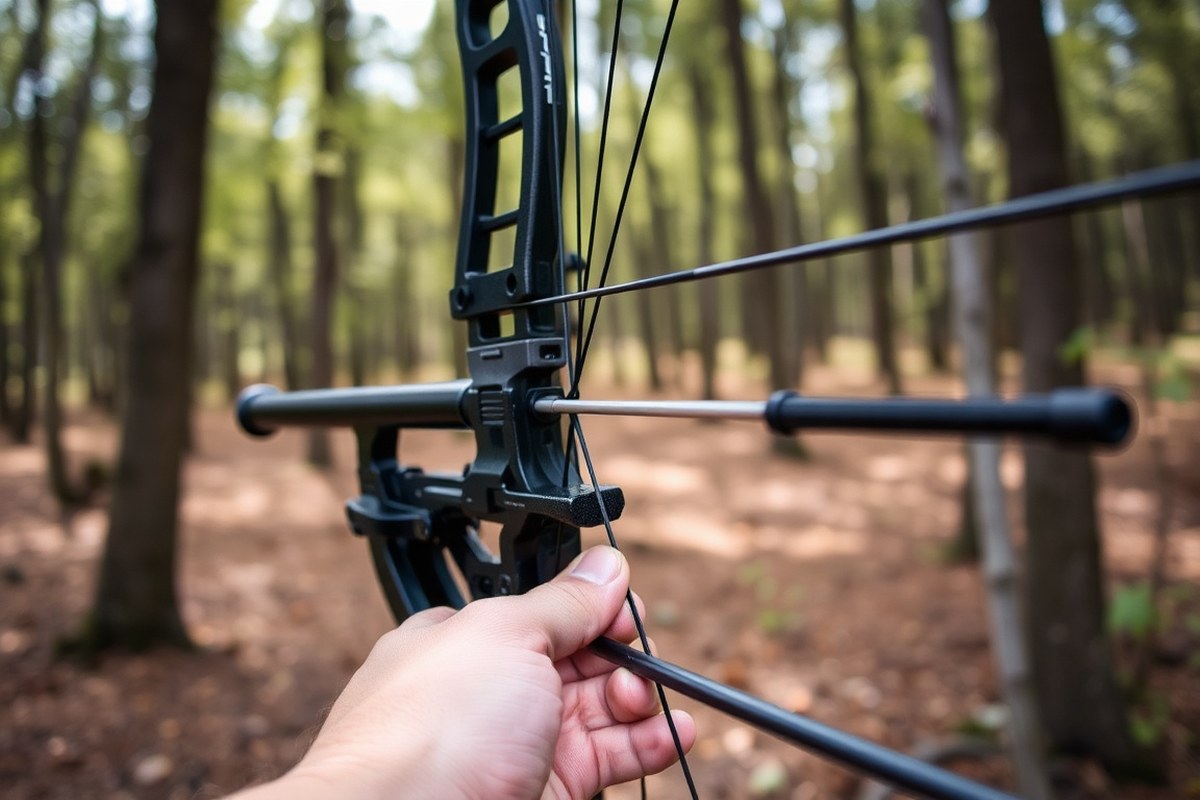
Brace height on a compound bow refers to the gap between the bowstring and the grip while the bow is unstrung or at rest. Modern compound bows usually have a brace height between 5.75 and 8 inches. This distance affects how fast your arrow will fly, how accurate your shots are, and how comfortable the bow feels when shooting. Knowing the ideal brace height aids you in adjusting your bow for improved shooting results.
This information suits archers who want to improve their shooting by adjusting or choosing the right brace height. You will find clear explanations on measuring, ideal ranges, and how adjustments impact your bow’s behavior for hunting or target shooting.
Key Takeaways
- Measure brace height from the grip to the string when the bow is undrawn and at rest.
- Stick to the manufacturer’s specified brace height for your compound bow to maintain safe and optimal performance.
- Brace height between 6 and 7 inches suits most balanced hunting compound bows.
- Shorter brace heights increase arrow speed but reduce forgiveness and accuracy.
- Longer brace heights improve shooting consistency and forgiveness but lower speed by about 10 fps per inch added.
- Check brace height regularly since string stretch and limb fatigue can gradually change it.
What Is Brace Height on a Compound Bow?
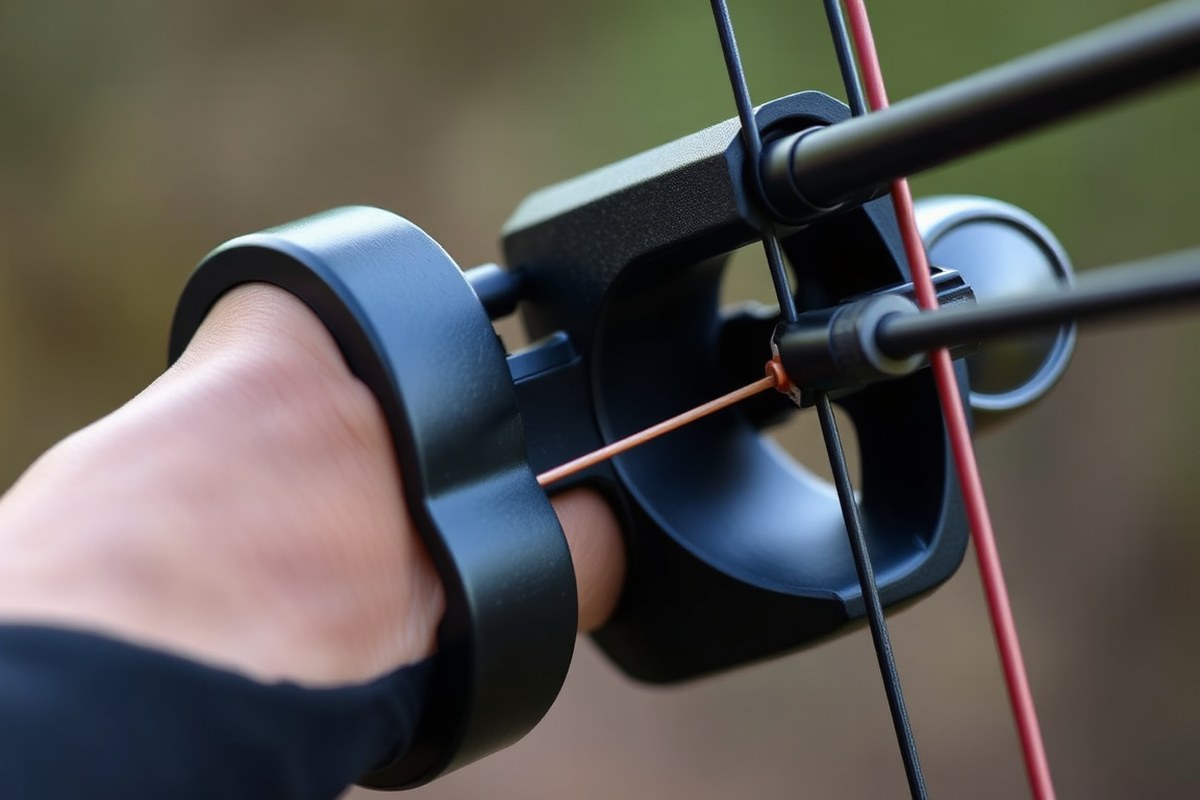
Brace height on a compound bow measures the space between the bow’s grip or riser and the string when the bow isn’t drawn. This distance impacts the bow’s overall performance, influencing its speed, accuracy, and how easy it is to shoot accurately. To find the brace height, use a bow square by positioning it at the lowest point of the grip and then measure straight to the string at the spot where the arrow sits.
To measure brace height, hold the bow vertically with the grip facing you. Attach a bow square so one arm rests against the riser’s front, positioned exactly at the pivot point or center of the grip. The other arm should extend to touch the inner side of the bowstring where the arrow nock would sit. The bow square then directly shows the brace height distance in inches. This measurement is a key tuning reference and must be done carefully for precision, usually taking just 1 to 2 minutes with a basic bow square costing $10 to $20.
Typical brace heights on modern compound bows range from 5.75 inches to 8 inches. Most hunting-style compounds fall between 6 and 7 inches, balancing speed and forgiveness, while longer brace heights near 7 to 7.5 inches are common on target-oriented compound bows that prioritise steady accuracy and easier shooting. Lower values approaching 5.75 to 6 inches appear on speed-focused models designed to shoot faster but demand more precise form. Matching your bow’s brace height to your shooting needs and manufacturer’s specifications is essential to getting the best performance and maintaining safety.
Always follow the manufacturer’s recommended brace height settings. Adjusting or using a brace height outside of these ranges can cause poor arrow flight or damage to the bow. A good brace height also ensures proper string clearance and comfortable handling during draw and release. Understanding and measuring the brace height correctly sets a foundation for tuning your bow and improving your shooting experience.
How to Measure Brace Height Correctly on Your Bow
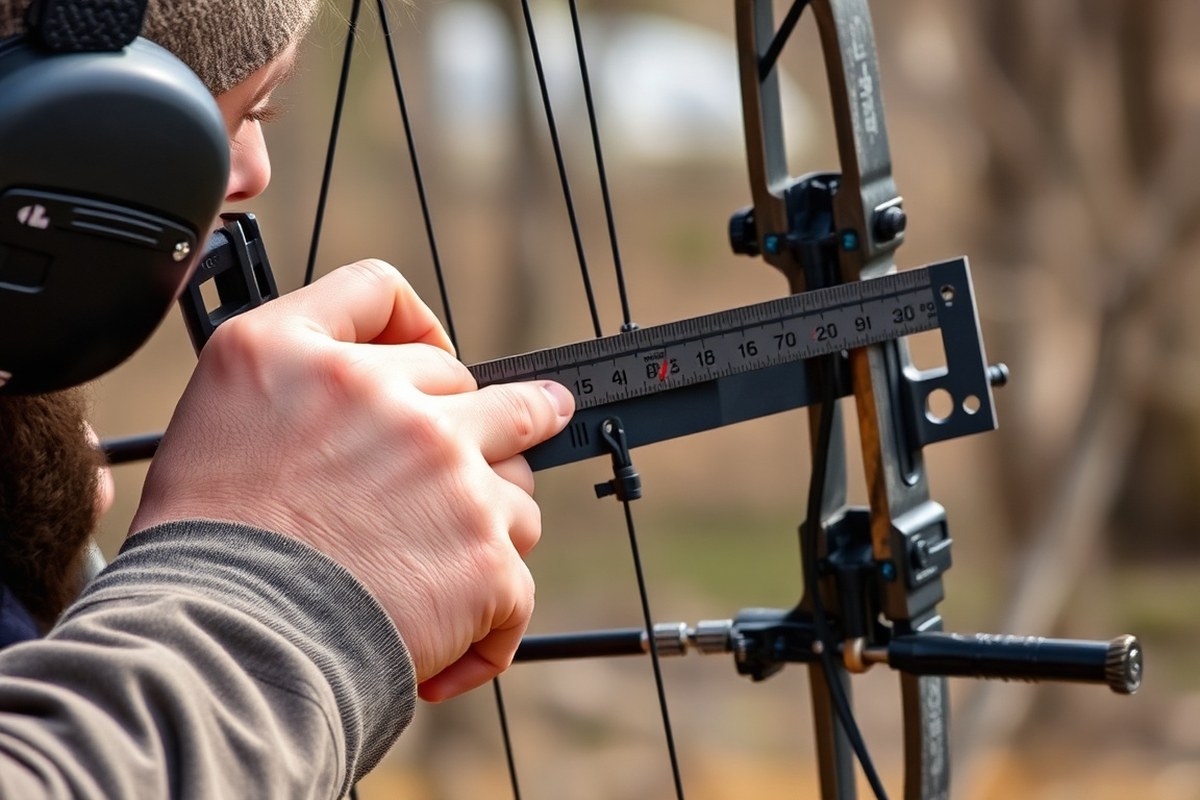
Measuring the brace height on your compound bow is straightforward when you use the right tools and follow accurate steps. You can either use a specialized bow square or a simple ruler for rough estimates. Avoid rushing or guessing, as precise measurements help maintain your bow’s performance and safety.
Using a Bow Square for Precise Measurement
A bow square is the most reliable tool for measuring brace height on a compound bow. It consists of a T-shaped ruler that clips onto your bowstring and rests against the riser, giving you a precise reading. Always measure after the bowstring has settled, ideally right after stringing the bow safely and letting it stabilize. Follow these steps to measure brace height accurately with a bow square:
- String your bow properly and ensure the string is settled without slack or excessive tension.
- Clip the bow square’s small hook onto the bowstring at the nocking point or center of the string.
- Lay the flat edge of the bow square against the pivot point of the grip, where the riser is widest and the bow rotates slightly.
- Hold the bow steady and read the measurement on the bow square from the grip pivot to the nearest point on the string. This distance is your brace height.
- Compare this measurement to your bow manufacturer’s specification, which usually ranges between 6.5 and 7.5 inches for compound bows.
Tip: Measure brace height in a well-lit area and keep the bow relaxed to avoid errors caused by string tension variations.
Measuring Brace Height Without Tools
If you don’t have a bow square, a standard ruler can provide a rough estimate of your brace height. Though less precise, this method helps you get close enough to check if your bow is roughly within specification. To estimate without specialized tools, follow these steps:
- Place your bow on a flat surface, strung and stable.
- Measure straight down from the pivot point of the grip to the closest point on the string at rest.
- Use your fist as a quick reference: simply measure how many fist-widths fit between the grip and string; an average fist width approximates an inch.
Remember that this method is prone to error, especially if you cannot hold the ruler perfectly perpendicular or if your bow is resting unevenly.
Common Measurement Mistakes to Avoid
Brace height measurements can be off due to a few common mistakes. One major error is not allowing the bowstring to settle before measuring, which leads to inaccurate tension and length readings. Always measure after the bow has been strung for several minutes.
Another mistake is improper tool placement. Ensure the bow square clips firmly on the string and the flat edge aligns exactly with the highest point of the grip pivot. Misalignment can skew your reading by up to half an inch or more.
A third error is measuring from the wrong parts of the bow or string. Only measure from the pivot point of the grip to the string, not to the limbs or cams. Any deviation from this standard location means your measurement won’t match manufacturer specs or tuning targets.
Warning: Don’t guess or eyeball brace height. Inaccurate measurements can cause poor shooting performance or damage to your bow over time.
Why Brace Height Matters: Impact on Speed, Accuracy, and Forgiveness
Brace height affects the balance between arrow speed, accuracy, and forgiveness in compound bow shooting. A brace height in the range of 6 to 6.5 inches shortens the gap between the bow grip and string, letting the string travel farther during the shot and increasing the arrow’s speed. For instance, a bow with a 6-inch brace height can shoot a 400-grain arrow at 70 pounds at speeds close to 310 feet per second (fps). This faster arrow speed comes from a longer power stroke that delivers more energy to the arrow. On the downside, lower brace heights reduce forgiveness because small errors in grip or release timing have a larger effect on the arrow’s flight, lowering overall accuracy.
On the other hand, a longer brace height of about 7 to 8 inches shortens the power stroke, which reduces arrow speed slightly. The arrow spends less time in contact with the string, so the bow is less sensitive to form errors. This means you get more forgiveness, the arrow’s flight remains more stable even if your shot execution isn’t perfect. Many target archers prefer longer brace heights because the consistency gained helps in scoring rounds where precision is key. Hunting bows often use shorter brace heights to prioritize speed and a flatter arrow trajectory, but they also require a more refined shooting technique to maintain accuracy.
In terms of speed versus forgiveness, the difference in arrow velocity between short and long brace heights can range from 5 to 15 percent depending on bow design, draw weight, and arrow weight. Longer brace heights typically drop arrow speed slightly but reduce the effects of torque and misalignment during the shot. This makes it easier to achieve consistent grouping and reduces tuning headaches. A shorter brace height might be preferable if you need to make fast shots under pressure, such as in hunting scenarios where quick reaction times matter more than pinpoint consistency. For controlled target shooting or indoor competitions, the added forgiveness of a longer brace height generally yields better results.
Adjusting brace height also influences tuning, especially arrow spine requirements. A higher brace height makes your arrows act “weaker,” requiring you to possibly choose stiffer arrows or adjust your rest and nocking point for optimal flight. Checking your brace height every few months, especially after string replacements or changes in arrow performance, helps maintain this balance. This routine ensures your setup matches your shooting goals and keeps the tradeoffs between speed and forgiveness aligned with your style.
Ideal Brace Height Ranges for Different Compound Bow Types and Uses
Brace height recommendations vary significantly based on the type of compound bow and its intended use. Hunting bows typically require shorter brace heights, usually between 5 and 7 inches, because they benefit from faster arrow speeds. On the other hand, target or 3D shooting bows often feature longer brace heights, commonly from 7 to 9 inches, to improve accuracy and forgiveness during sustained shooting sessions. Manufacturer guidelines are an important factor, as bow design and riser shape heavily influence the ideal range of brace heights for each model.
Most compound bows allow only a slight adjustment to brace height, typically within a 0.25 to 0.5-inch range. This is done by twisting or untwisting the bowstring, but it must stay within the manufacturer’s specified limits to avoid negatively affecting performance or safety. Since riser shape varies, brace height numbers aren’t directly comparable across different bow brands or styles, so starting with the manufacturer’s recommended range is critical.
| Bow Type / Use | Typical Brace Height Range (inches) | Main Performance Focus |
|---|---|---|
| Hunting Bows | 5.0, 7.0 | Faster arrow speed for longer shots |
| 3D Target Bows | 5.0, 7.0 | Balance speed and accuracy for realistic hunting simulations |
| Target / Competition Bows | 7.0, 9.0 | Greater accuracy and forgiveness over multiple shots |
| Professional Bowhunters | 6.5, 7.5 | Custom balance suited to individual hunting style |
Following manufacturer specifications ensures that you select a brace height that matches your bow’s design and your shooting goals. For example, using a brace height outside the recommended range can reduce accuracy or speed. It also helps to start within the suggested range and then fine-tune the brace height in small increments while keeping all other tuning factors constant, including arrow setup, nocking point, and shooting form. Adjustments beyond the typical 0.25 to 0.5-inch range are not advisable as they may lead to bow damage or inconsistent performance.
How to Adjust Brace Height on a Compound Bow Safely
Adjusting brace height on a compound bow by twisting the string is not practical because the brace height is fixed by the bow’s cams and limbs. Unlike recurves or traditional bows, compound bows require a different approach. However, understanding brace height and inspecting your string can help you maintain safe and accurate shooting.
Preparing Your Bow for Brace Height Adjustment
Brace height on a compound bow is set during manufacturing, so you cannot adjust it simply by twisting the string. Instead, you should first make sure your bow is in good condition and safely prepared before inspecting the string or considering adjustments through other means like cable tuning or cam timing. Always check your bow for damage, and avoid excessive force when handling the string or limbs.
Use a bow press only if you are skilled and equipped with manufacturer-approved tools; improper use can damage cams and limbs. A safe setup includes a stable workbench, proper lighting, and clean hands. Wear safety glasses to protect your eyes from the potential snapback of strings or cables during work.
Twisting the String to Increase or Decrease Brace Height
On compound bows, twisting the string does not effectively change brace height. The design of cams and limbs fixes this measurement for consistent arrow flight and limb stress. Conversely, twisting the string is a common method to adjust brace height on recurve bows, where adding two twists raises it about ¼ inch. Compound bow strings are made to a specific length and tension that supports the bow’s mechanics.
Trying to increase brace height by twisting the string on a compound bow can cause uneven tension on cables and strings, leading to poor performance or damage. Instead, any needed performance adjustments should come from tuning the cams, cables, or changing the draw length with professional guidance.
Do not attempt to twist your compound bow string to change brace height; this can cause dangerous limb stress or string derailment.
Knowing When to Replace Rather Than Adjust Your String
Brace height changes greater than ¼ inch are beyond string twisting methods even on traditional bows, and on compound bows, major changes require professional service or new parts. Your bow’s brace height might be off, or the string could be frayed, worn, or losing tension. Replacing the string is safer and more effective than trying to adjust it yourself. Regular replacement intervals vary but often range from 1 to 2 years of frequent use.
Signs you need a new string include visible wear on the strands, fuzziness, stretched appearance, or if the string length no longer matches manufacturer specs, potentially altering brace height indirectly. Investing $50 to $100 in a quality replacement string is a practical way to keep performance consistent and safe.
- Unstring your bow using a bow press or manufacturer-recommended tool to relieve limb tension safely.
- Inspect your string and cables for wear, fraying, or changes in length.
- Measure your brace height with a bow square to confirm if it meets your bow’s specifications.
- Minor adjustments to other bow parts require consulting professional tuning guides or a certified technician.
- When string wear or length problems show up, get a replacement string that fits your bow’s model and specs.
- Restring your bow following all safety and manufacturer guidelines, then remeasure brace height.
- Perform a test shot to ensure the bow’s speed, accuracy, and feel meet your expectations.
How Often to Check Brace Height and Why It Changes over Time
Check your compound bow’s brace height regularly to keep your shooting consistent and your equipment in good condition. The best routine is to measure the brace height every time you replace the string or cables, as well as before and after each shooting session. New strings stretch the most during the first 100 to 200 shots, so check again after the initial break-in period within the first week of use. This frequent monitoring helps catch any changes early.
Brace height changes mainly because the bowstring and cables stretch with use. Twists in the string may relax, the serving material can compress, and cables can stretch over time. These factors cause the brace height to drop compared to its original specification, which in turn affects the bow’s performance. A lower brace height means the string travels further forward at full draw, potentially causing the string to hit your bow arm or clothing, and increasing noise and vibration.
Pay attention to performance signs that suggest a brace height check is needed. Excessive noise, especially a loud slap at the string’s release, often points to a brace height that’s too low. A sudden shift in your arrow’s point of impact or harsher vibrations can also indicate that the string has stretched or that your bow’s tuning has changed. In these cases, stop shooting and measure the brace height before making adjustments.
To measure your brace height accurately, use a bow square or a ruler designed for this purpose. Place the ruler perpendicular to the grip, measuring the distance from the deepest part of the grip to the string’s closest point. Compare this measurement to your bow’s factory specifications found in the manual or on the manufacturer’s website. Adjustments are possible by changing the string’s length or repositioning the cables during a professional tune-up.
Maintenance also includes inspecting the string and cables for wear or damage. Strings typically last about 1,000 to 2,000 shots, depending on use and conditions, so plan replacements accordingly to avoid inconsistent brace height and potential failure. Regularly checking for frayed strands or broken serving can prevent unexpected issues on the range or in the field.
The performance cost of ignoring brace height changes includes reduced arrow speed, less forgiving shots, and increased wear on the bow’s limbs and cams. Shooting with a poorly set brace height can also lead to discomfort from string slap or noisy releases that may spook game during hunting. Monitoring and adjusting brace height keeps you shooting smoothly, protects your equipment, and supports consistent accuracy.
Common Mistakes and How to Fix Brace Height Issues
One frequent error causing inaccurate brace height measurement is using the wrong point of reference on the bow. Measuring from the deepest part of the grip shelf to the string’s main loop is standard. Using other points or bending the string during measurement introduces errors that misrepresent the actual brace height. This can lead to an incorrect baseline for tuning your bow. Another mistake is measuring without the bow properly assembled or strung, which compromises accuracy.
Setting the brace height too short usually happens when archers chase more speed without considering shooting ability. A shorter brace height places the string closer to the grip, reducing forgiveness and requiring better timing and form. Conversely, a brace height that’s too long slows arrow speed and can make the bow feel sluggish. Both extremes impair accuracy and shot consistency, making it difficult to improve your aim or hit tight groups.
Fixing brace height issues requires adjusting the bow’s string length or using a new string with the correct length specified by the manufacturer. Since changing brace height also affects draw weight and draw length, as Easton highlights, it’s best to follow the bow maker’s specs or get help from a pro shop. Trying to tweak brace height frequently or beyond recommended ranges can worsen performance or cause improper limb stress.
To troubleshoot brace height problems, check if your measured value matches the manufacturer’s specs. Also, inspect the string for stretching or damage, which can alter brace height over time. Adjust only if you experience shot inconsistencies, unusual hand shock, or noticeable changes in arrow flight. Remember that frequent bow assembly and string installation errors can shift brace height readings temporarily.
- Measure brace height from the deepest grip shelf point to the main loop on the string
- Avoid bending or compressing the string when measuring
- Use a string length recommended by the manufacturer or a pro shop
- Don’t adjust brace height to extremes chasing arrow speed over accuracy
- Inspect for string stretch or damage that can affect brace height
- Confirm bow assembly and string installations are consistent before measuring
- Seek professional tuning to balance brace height, draw length, and draw weight
Implementing these steps keeps your bow tuned and shooting at its designed potential. Quick fixes include swapping to a new string with the right length or having a technician reset limb alignment rather than guessing adjustments yourself. Avoid prioritizing speed above all because a well-matched brace height improves shooting consistency, which matters most as you advance in skill.
How Brace Height Influences Draw Weight and Limb Preload
Changing the brace height on a compound bow affects the limb preload, which directly influences the draw weight and overall bow performance. Increasing brace height raises limb tension and, as a result, the draw weight, while decreasing brace height reduces both. Understanding this relationship helps you optimize your bow’s feel and power without risking damage or injury.
Understanding Limb Preload in Compound Bows
Limb preload refers to the amount of tension already present in the limbs of a compound bow when the bow is at rest. Brace height plays a key role in setting this preload because it determines the initial distance between the string and the bow’s grip. Raising the brace height increases limb preload by effectively forcing the limbs to bend more at rest, which adds to the bow’s poundage when fully drawn.
This added preload means the limbs resist the draw more strongly, increasing the force you must apply. Conversely, if you lower the brace height, the limbs bend less at rest, reducing preload and lowering draw weight. Changing limb preload also influences cam timing and the bow’s power stroke, so it affects both the feel of the draw and the efficiency of energy transfer to the arrow.
Calculating Draw Weight Impact from Brace Height Changes
Draw weight changes caused by adjusting brace height can be estimated with simple proportions, though the exact amount varies by bow model due to different riser and cam designs. According to archery manufacturers like Easton, a modest increase in brace height of about ½ inch can raise draw weight by roughly 3 to 5 pounds on average compound bows.
For example, if your bow’s recommended brace height is 8 inches with a draw weight of 60 pounds at full draw, increasing the brace height by 0.5 inches (to 8.5 inches) might increase draw weight to approximately 63 to 65 pounds. This is because the increased preload creates more limb strain, requiring more force to pull the string fully. The reverse applies for decreasing brace height; a 0.5-inch drop could lower draw weight by a similar range.
Keep in mind that large brace height adjustments often require re-tuning your bow system, including cam timing and draw length settings, because those components depend on string tension and limb geometry to function correctly. Minor brace height tweaks are more manageable but still impact performance noticeably.
Safe Practices When Adjusting Brace Height and Draw Weight
Changing the brace height alters draw weight and limb preload, meaning safety considerations are critical. Exceeding the manufacturer’s recommended brace height can cause excessive limb stress, increasing the risk of limb damage or failure during use. It also affects cam timing and synchronization, which can cause uneven limb loading and unpredictable shooting behavior.
Always follow your bow’s specified brace height range, typically listed in the owner’s manual or on the manufacturer’s website, generally around 7.5 to 8.25 inches for most compound bows. Use proper tools and techniques to adjust brace height safely, such as twisting the bowstring or adjusting cable length with care, because improper adjustment may void warranties or cause injury.
In addition to structural concerns, a sudden increase in draw weight changes could strain your muscles or affect your shooting form. Gradually adapting to changes and checking your bow’s performance after adjustments ensures consistent accuracy and reduces the risk of mishaps.
Always verify your bow’s recommended brace height range and make adjustments gradually to maintain safe limb stress and consistent bow performance.
Step-by-Step Action Plan to Optimize Your Compound Bow’s Brace Height
Use this plan to check, adjust, and evaluate your brace height for better shooting performance.
- Before You Shoot: Measure your bow’s current brace height with a bow square. Confirm the measurement matches the manufacturer’s specified range.
- Day 1: If the brace height is outside the recommended range, adjust the bowstring twists carefully to bring it within range. Improvement in noise and vibration when shooting indicates success.
- Week 1: After adjustments, shoot a group of arrows at a target 20 yards away. Notice changes in accuracy and arrow flight consistency.
- Week 2: Recheck your brace height to ensure the string tension remains stable. Adjust again if necessary to maintain consistent performance.
- Monthly: Regularly inspect brace height as strings and cables stretch or compress over time. Make minor adjustments to prevent performance drop-off.
- When Changing Parts: After installing new strings, cables, or limbs, immediately measure and reset brace height as needed to maintain your bow’s ideal setup.
- Before Hunting or Competition: Verify your brace height one last time to avoid surprises. Consistent brace height ensures predictable draw weight and shot feel.
Frequently Asked Questions
Can You Increase Brace Height on a Compound Bow to Improve Accuracy?
You can adjust brace height slightly, but major changes may harm performance and safety. Manufacturers set brace height based on bow design, so stick close to their specs for best results.
Does Brace Height Affect the Noise Level When Shooting a Compound Bow?
Yes, a shorter brace height can make the bow noisier due to increased vibration. A proper brace height reduces vibration and noise, improving stealth during hunting.
Is Brace Height the Same on All Compound Bows?
No, brace height varies by model and purpose, often between 5.75 and 8 inches. Manufacturers design different brace heights depending on intended use like hunting or target shooting.
How Does Brace Height Impact Arrow Trajectory in Compound Bows?
Brace height influences how smoothly the arrow leaves the bow, affecting its flight path. A proper brace height improves arrow consistency and helps maintain a flatter trajectory.
Does String Type Affect Brace Height on a Compound Bow?
The string can slightly affect brace height as it stretches or wears, but its impact is minimal compared to limb and cam setup. Regular string maintenance helps keep brace height stable.
Can I Use My Compound Bow If the Brace Height Is Below the Manufacturer’s Recommended Minimum?
Using a bow with below-spec brace height risks damage and less consistent shots. Always keep brace height at or above the minimum to ensure safety and performance.
Key Points to Remember
Your brace height affects more than just how your compound bow feels, it plays a key role in how accurate, fast, and forgiving your shots are. Regular measurements and careful adjustments keep your bow shooting like it should, helping you build confidence and consistency. Start by checking your current brace height today to see if it matches your bow’s recommended specs, then take small steps to optimize from there.