What Is an Investigation? Understanding Its Purpose and Process
An investigation is a systematic process used to uncover facts, examine evidence, and determine what happened in a specific situation. Whether addressing a crime, workplace incident, or scientific curiosity, the goal is to gather reliable information to reach reasoned conclusions. Investigations apply structured methods to ensure findings are accurate and unbiased.
The significance of understanding what an investigation entails extends beyond law enforcement. In fields ranging from academia to corporate environments, investigations help establish accountability, maintain fairness, and improve processes. They serve as the backbone for uncovering truth, resolving disputes, and preventing future issues.
This article breaks down the definition of an investigation, explores its main types, outlines key stages, and highlights tips for conducting effective inquiries. You'll learn about steps of an investigation, compare investigation types, and find answers to common questions to gain clarity on how investigations work in practice.
Defining an Investigation: What It Means and Why It Matters
The Core Elements of an Investigation
An investigation revolves around searching for facts related to an event, allegation, or concern. It requires a methodical approach, where investigators collect evidence, analyze data, interview witnesses, and document findings. Objectivity and thoroughness are crucial to ensure results can stand up to scrutiny.
A sound investigation distinguishes between facts and assumptions, often using interviews, physical evidence, and records. The credibility of the process depends on transparency and consistent procedures. This approach enables investigators to arrive at conclusions rooted in evidence, not speculation.
- Evidence collection
- Interviewing witnesses
- Data analysis
- Documenting findings
Why Investigations Are Essential

Investigations are critical because they provide clarity and accountability when incidents or allegations occur. Without systematic inquiries, rumors and misinformation can spread, hampering fair resolution and eroding trust within organizations or society.
The results of a proper investigation often form the basis for disciplinary, legal, or corrective action. They help establish the truth, ensuring personal and organizational decisions are informed and justified.
Major Types of Investigation Across Fields
Criminal Investigations
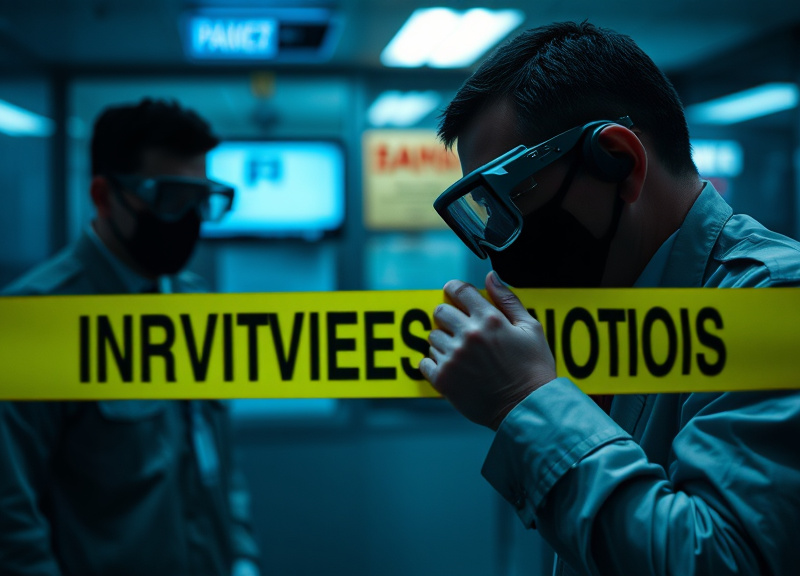
Criminal investigations focus on detecting, gathering, and analyzing evidence of potential crimes. Law enforcement agencies use standardized procedures to reconstruct events, apprehend suspects, and support prosecution.
Common tools include forensic analysis, surveillance, interviews, and scene reconstruction. Criminal investigations must balance thoroughness with legal rights and procedures to ensure fairness.
- Crime scene analysis
- Forensic evidence examination
- Suspect interviews
- Witness statements
Workplace and Internal Investigations

Companies conduct workplace investigations to address employee complaints, policy violations, or misconduct. These inquiries emphasize maintaining confidentiality, impartiality, and documenting each step meticulously.
The steps of an investigation in the workplace often involve gathering documentation, interviewing employees, and creating a clear report outlining findings and recommendations.
- Reviewing company policies
- Confidential interviews
- Report preparation
The Investigation Process: Key Stages Explained
Preparation and Planning

Every effective investigation starts with proper planning. Investigators define objectives, clarify the scope, and identify potential sources of information. This strategic groundwork sets the direction for evidence collection and resource allocation.
Well-defined planning can help prevent missed details or unnecessary complications. It may also involve risk assessments to ensure the safety and integrity of all involved parties.
- Setting objectives
- Listing required resources
- Risk assessment
For more on this, see our related guide: What Is the Goal of a Crime Scene Investigation? Understanding the Process and Its Purpose.
Conducting the Investigation
The core phase involves actively gathering facts, interviewing witnesses, securing physical and digital evidence, and organizing materials. Consistent documentation throughout ensures findings are traceable and transparent.
Employing best practices, such as maintaining a chain of custody for evidence, helps preserve the reliability of the investigation. This phase builds the foundation for the final report and conclusions.
- Fact-finding interviews
- Evidence handling
- Maintaining documentation
Roles and Responsibilities in Conducting an Investigation
The Investigator’s Duties
The lead investigator manages the overall inquiry, ensuring proper methodology and ethical standards. Their responsibilities include planning, collecting evidence, interviewing witnesses, and drafting the final report.
Investigators must remain impartial and avoid conflicts of interest. Clear communication and confidentiality are key to building trust and maintaining the integrity of the investigation process.
- Project management
- Evidence integrity
- Confidentiality
Support and Subject Roles
Support roles, such as legal advisors or technical experts, assist the primary investigator by interpreting regulations or analyzing technical data. Subjects and witnesses provide necessary facts, each with their own rights and responsibilities.
A good investigation respects the roles of all involved parties, ensuring fair treatment and accurate collection of information throughout the process.
Best Practices for Effective Investigations
Maintaining Objectivity and Confidentiality
Objectivity is essential—investigators must approach every step free from personal bias. This drives credibility and reliability in findings. Confidentiality also protects the rights of all involved parties throughout the steps of an investigation.
Implementing procedures to safeguard sensitive data, such as restricted files or password protection, forms part of an ethical investigative approach.
- Avoid biased assumptions
- Use secure documentation
- Protect witness identities
For more on this, see our related guide: How to Conduct an HR Investigation: A Practical Step-by-Step Guide.
Thorough Documentation and Follow-Up
Comprehensive documentation ensures that the investigation’s actions and rationale are clear and defensible. Recording every interview, evidence item, and action provides a clear path for reviewing or challenging findings if needed.
Follow-up may include recommendations for corrective actions, policy changes, or further review, securing long-term improvements after the investigation concludes.
Outcomes and Reporting: Wrapping Up an Investigation
Drawing Conclusions and Making Recommendations
At the close of an investigation, the findings are synthesized into clear, actionable conclusions. Recommendations may include changes to policy, disciplinary actions, or referrals for further review. Transparency is vital for building trust with stakeholders.
The final report should separate factual findings from opinion, clearly outlining the evidence that supports each conclusion. This ensures results are defensible if challenged.
- Clear summary of findings
- Evidence-backed conclusions
- Actionable recommendations
For broader context and various applications of investigations, explore this comprehensive investigation overview on Wikipedia. investigation overview on Wikipedia.
Communicating Results to Stakeholders
Effective reporting involves tailoring communication to different audiences—management, legal teams, or external authorities—without compromising confidentiality. Key findings may be shared more broadly if policy or systemic issues are revealed.
Choosing the right format (written report, presentation, or meeting) ensures the findings are understood and acted upon appropriately, leading to closure or further necessary action.
Types of Investigation Comparison
Each investigation type serves unique purposes and follows distinct procedures. Review the key differences between major investigation categories in the table below.
| Type | Purpose | Typical Participants | Common Tools | Reporting |
|---|---|---|---|---|
| Criminal Investigation | Determine if a crime occurred and identify the perpetrator | Police, forensic experts, witnesses | Forensics, interviews, surveillance | Formal criminal report, court evidence |
| Workplace Investigation | Resolve employee complaints or policy violations | HR, managers, witnesses, employees | Interviews, document reviews, email audits | Internal report, recommendations |
| Academic Investigation | Authenticate research or resolve misconduct | Academic staff, ethics boards, students | Data analysis, plagiarism software, interviews | Research integrity report |
| Scientific Investigation | Test hypotheses and verify results | Scientists, lab assistants | Experiments, measurements, peer review | Published papers, lab reports |
| Regulatory Investigation | Enforce compliance with laws and standards | Regulators, inspectors, legal counsel | Audits, inspections, data collection | Compliance report, fines or sanctions |
Frequently Asked Questions
What are the first steps in starting an investigation?
The first steps include clarifying the investigation’s objective, planning the approach, gathering relevant documents, and identifying potential witnesses or sources of evidence for further inquiry.
How long does an investigation usually take?
The duration varies by complexity and type—some investigations, like simple workplace issues, may take days, while criminal or regulatory cases can last weeks or months due to greater depth and broader scope.
What qualifications are needed to conduct an investigation?
Qualifications depend on the field. Criminal investigations require law enforcement training; internal or workplace investigations often involve HR or legal experts, while scientific investigations require subject-matter expertise.
Can an investigation be reopened after closure?
Yes, if new evidence emerges or procedural issues are found, an investigation may be reopened to ensure all relevant facts are adequately examined and justice or accuracy is fully achieved.
What is the difference between an inquiry and an investigation?
An inquiry is generally a preliminary or informal review to decide if a full-scale investigation is warranted, while an investigation is a thorough, formal process for uncovering all relevant facts.
Key Takeaways
- An investigation systematically uncovers facts through structured procedures.
- Types include criminal, workplace, academic, scientific, and regulatory investigations.
- Essential stages: planning, evidence collection, reporting, and recommendations.
- Objectivity, thorough documentation, and clear communication are crucial for success.
Conclusion
Making sense of what an investigation is involves recognizing its core principles: objectivity, structure, and evidence-based reasoning. Regardless of the domain—be it law enforcement, corporate HR, or scientific inquiry—investigations rely on defined steps to reach defensible conclusions. Understanding these fundamentals helps anyone involved in or affected by an investigation approach the process with greater confidence and insight.
For straightforward fact-finding, such as workplace complaints or minor policy breaches, an internal investigation guided by HR protocols is typically sufficient. More complex or high-stakes scenarios, like criminal acts or regulatory violations, require specialized bodies and adherence to legal standards. Choosing the right processes and participants—like involving subject-matter experts or legal counsel—ensures both fairness and thoroughness in diverse contexts.
The path forward is to approach any potential investigation with clarity, thorough preparation, and an insistence on ethical standards. Before beginning, stake out a clear plan and ensure communication with all parties is professional and documented. Careful adherence to proper steps not only protects the rights of those involved but also yields findings you can trust—making every investigation a step towards improved safety, justice, or knowledge.