Can Felons Have Compound Bows? A Complete Guide to Legal Ownership and Hunting
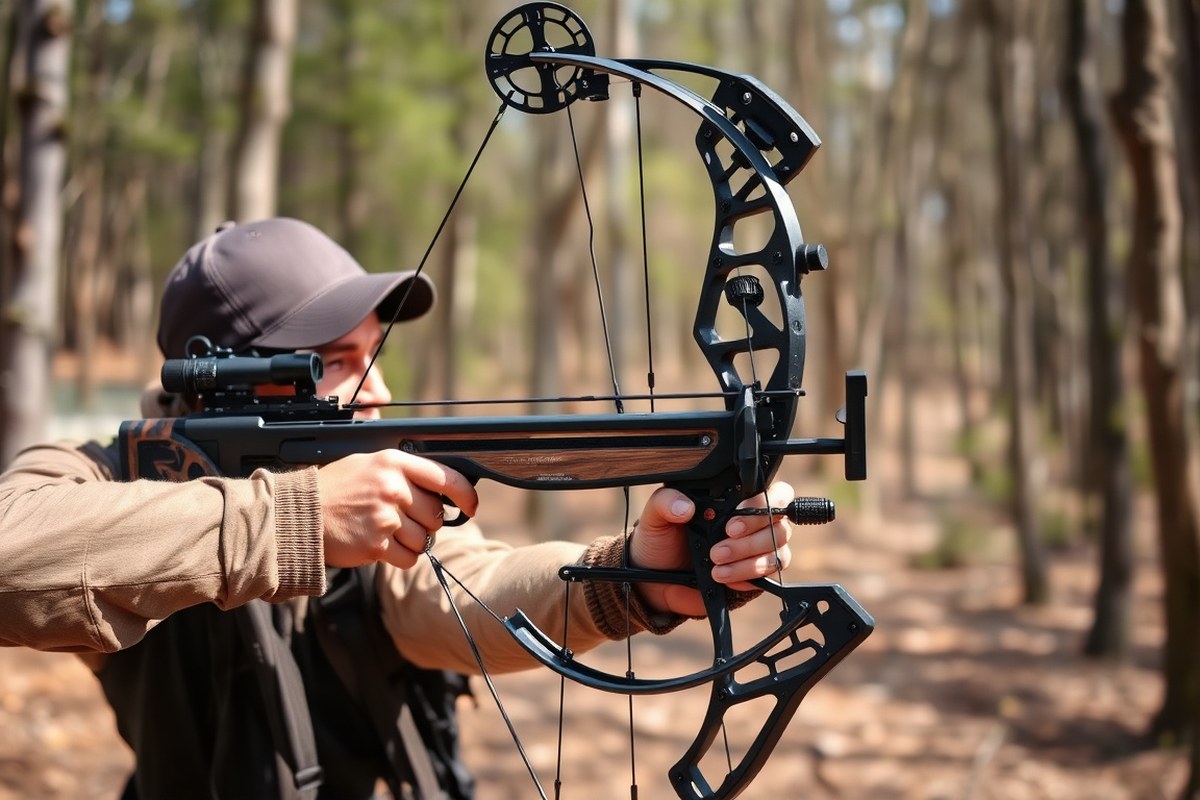
Can felons have compound bows? Yes, felons can legally own and use compound bows in all 50 states since federal law does not restrict bow ownership, only firearms. This applies regardless of conviction, making bows a viable option for hunting or recreational use. This information is essential for felons interested in bow hunting or archery who want a clear understanding of their rights and any limitations tied to their status.
This guide focuses on felons curious about owning compound bows and using them for hunting. It covers key legal points, how state laws vary, the impact of hunting licenses and supervision, and practical advice on bow specifications and compliance. You will get straightforward information to help you handle the legal landscape without confusion.
Key Takeaways
- Federal law allows all felons to own compound bows as they are not classified as firearms.
- Most states require a minimum bow draw weight of 30 to 40 pounds for hunting use.
- State laws on felons’ bow ownership vary but generally treat bows similarly to non-felons’ rights.
- Holding a valid hunting license usually does not change your legal ability to use compound bows.
- Probation or parole conditions may restrict bow ownership; always check with your supervising officer.
- Compound bows have a mechanical let-off feature, reducing holding weight during use; for example, an 80% let-off on a 50-pound draw equal 10 pounds held.
Can Felons Own and Use Compound Bows Legally?
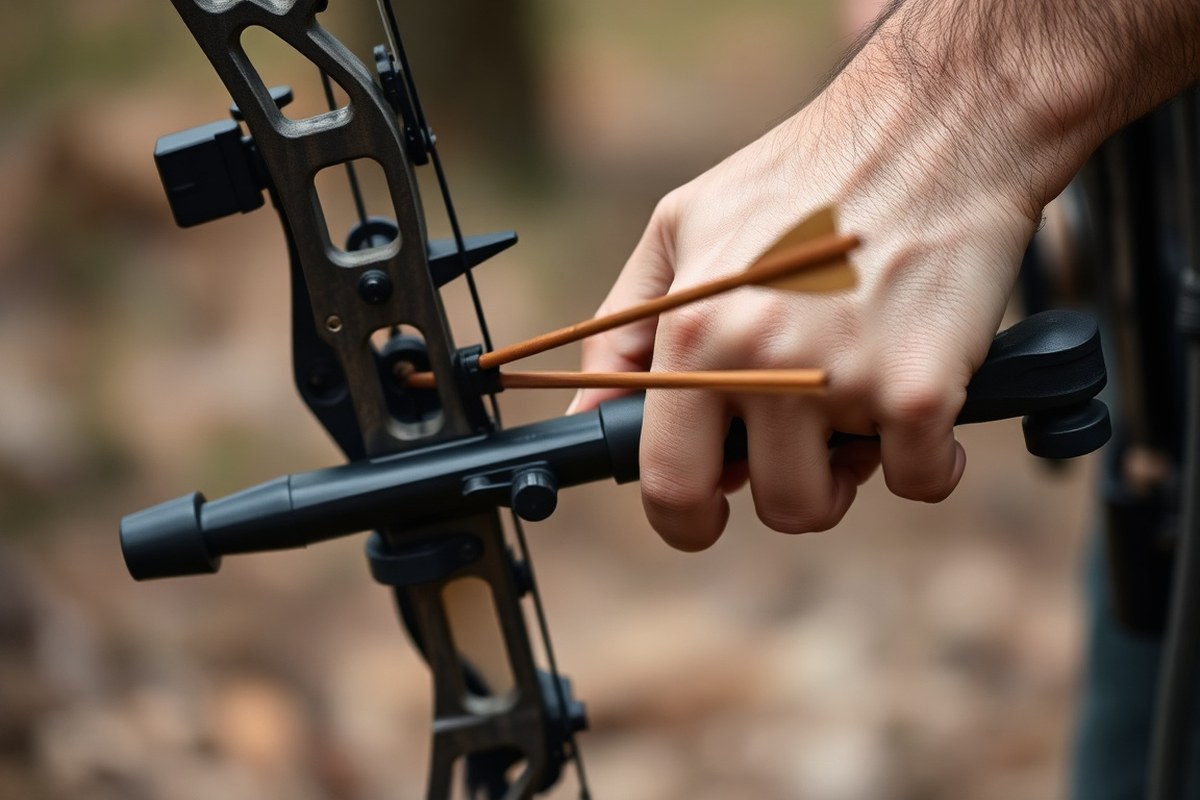
Federal regulations do not prohibit felons from having or using compound bows because these devices are not considered firearms. According to 18 U.S.C. § 922(g)(1) of the Gun Control Act of 1968, felons cannot have firearms but this law explicitly excludes bows, crossbows, and arrows. This means you can legally purchase, possess, and use a compound bow for hunting without violating federal statutes. The ATF verifies that bows are not classified as firearms under federal law, so felons can obtain and use them legally.
Understanding that a compound bow is not a firearm is essential because it explains why federal restrictions on felons do not apply. The distinction matters since the law governing firearm possession by felons does not extend to bows. Despite the similarities in potential lethality, the legal system treats bows differently than guns. That said, it’s your responsibility to ensure that your use of compound bows complies with state and local laws, which can vary widely and impose their own limits or requirements.
Federal statutes are clear in their terms: only firearms and related accessories fall under the prohibitions for felons, not archery equipment. This legal framework means purchasing a compound bow requires no additional federal permits or background checks tied to your felony status. However, any arrows or archery accessories you buy are also not restricted under these laws. Your troubles arise mainly from state regulations rather than federal ones.
While federal law allows your ownership and use of compound bows, some states impose restrictions or contrasting interpretations. States like Texas and Pennsylvania permit felons to own bows, whereas others like Colorado ban felons from possessing compound bows, classifying them as deadly weapons worthy of restriction. In states with limits, you may need permits or face hunting season restrictions. Your best approach is to contact your state wildlife agency or legal counsel to get precise rules before acquiring or using a compound bow.
The process to legally own and use a compound bow as a felon under federal guidelines is straightforward. You can buy a compound bow from retailers without fingerprinting or background checks tied to your felony conviction. Costs vary with bow quality but generally start around $200 for entry-level models. Good results come from following state hunting regulations and any local ordinances regarding bow use. Avoiding areas or activities unlawful for felons prevents legal troubles. When things go wrong, it usually stems from misunderstanding or ignoring state rules rather than federal prohibitions.
How State Laws Vary on Felons Owning Bows and Crossbows
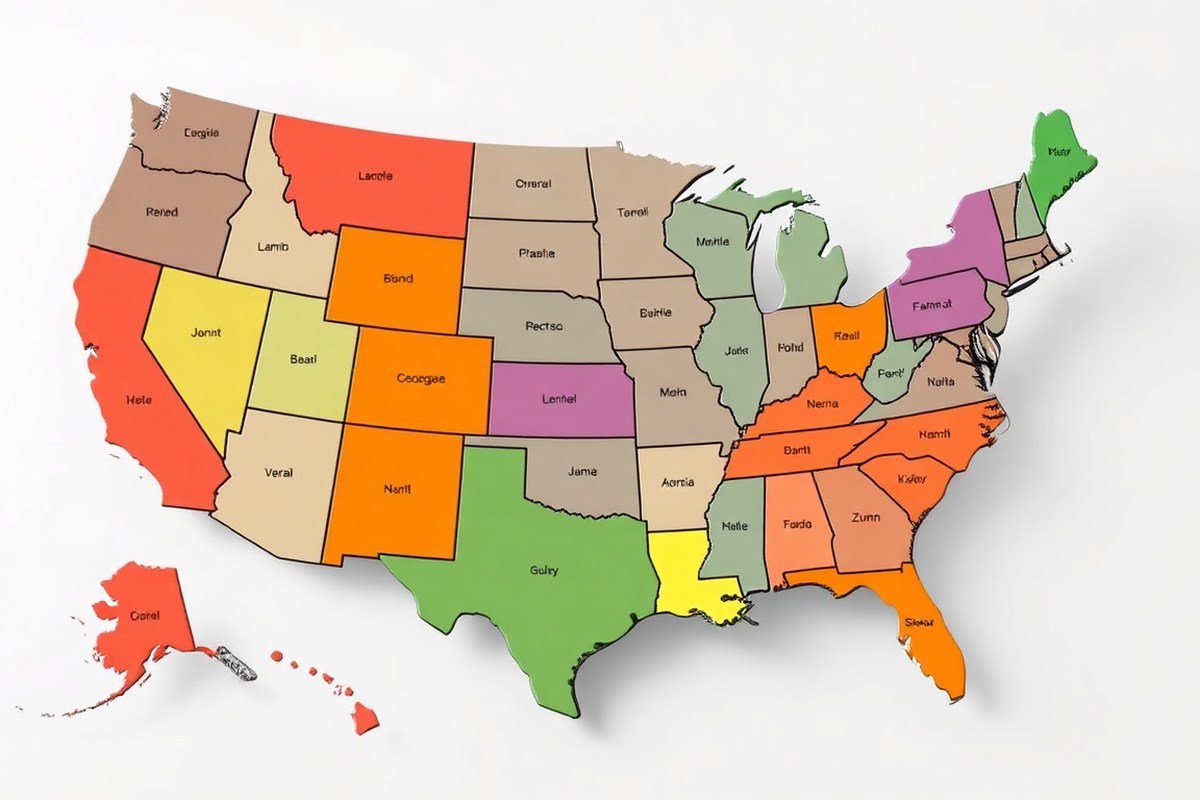
State laws on felons owning compound bows and crossbows can differ widely. At the federal level, the 1968 Gun Control Act does not classify bows as firearms, so felons generally may own them without violating gun restrictions. However, some states impose specific rules that restrict or ban felons from possessing bows, especially crossbows, while others allow felons to own and hunt with these weapons without much limitation.
In states like California and New York, felons may face restrictions on crossbows, even if compound bows are less regulated. Other states prohibit felons from possessing any type of weapon, which can include both compound bows and crossbows. Several states offer hunting licenses to felons, but the right to own or use bows depends on the state’s criminal and wildlife regulations, probation or parole conditions, and local laws.
| State | Compound Bow Ownership for Felons | Crossbow Ownership for Felons | Additional Notes |
|---|---|---|---|
| California | Restricted or banned for felons | More strictly regulated or banned | Some felons prohibited from owning any weapon |
| New York | Restrictions apply; case-by-case | Often subject to stricter rules | Crossbows sometimes treated as firearms |
| Mississippi | Allowed for felons who did not break law after 2004 | Allowed under similar conditions | Specific laws exclude bows from muzzleloader restrictions |
| Most Other States | Generally allowed | Generally allowed | Few restrictions besides those on firearms |
To figure out your state’s exact rules, start by searching your state’s wildlife or hunting regulatory agency website for felon restrictions on hunting equipment. You may also check the state penal code sections on weapon possession or contact a lawyer who specializes in local criminal or hunting law for clear guidance. Directly consulting these sources can avoid costly misunderstandings or legal trouble.
Always verify whether your probation or parole conditions include restrictions on weapon possession, as they can supersede state hunting laws and affect your ability to own compound bows or crossbows.
State laws often treat crossbows and compound bows differently because crossbows are sometimes classified closer to firearms. This means even if you can legally own a compound bow, owning or using a crossbow could still be banned. Clarifying this distinction beforehand will ensure compliance and prevent unintentional violations.
Remember, hunting licenses do not necessarily grant felons the right to own or possess bows if state law prohibits it. Checking both hunting regulations and weapon possession laws in your state is important. Costs for legal consultation or applying for rights restoration vary by location but typically range from a few hundred to several thousand dollars and can take several months.
Does Owning a Hunting License Change What Felons Can Do?
Felons can often obtain hunting licenses that allow bow hunting, including with compound bows, but these licenses come with specific conditions and restrictions. Hunting license eligibility varies by state, and following all rules is critical to stay legal and safe. License status directly affects your ability to hunt with a bow and what types of bows and arrows you may use during allowed hunting seasons.
How to Apply for a Hunting License as a Felon
Start by checking your state’s Department of Natural Resources or Fish and Wildlife website for eligibility guidelines specific to felons. Most states will issue hunting licenses to felons, granting permission to hunt with legal weapons such as compound bows, providing you meet any additional criteria. Common criteria include having completed your sentence, parole, or probation, and sometimes passing a hunter education course.
Application steps generally include filling out an online or paper form, providing proof of identity and residency, and paying a fee. Fees typically range from $15 to $50 but vary by state and the type of license. Some states may require extra permits or clearance if your felony involved violent crimes or gun-related charges.
- Confirm you have fully served your sentence and any parole or probation terms
- Complete a hunter safety education course if required
- Gather necessary identification and residency proof
- Submit an application with the relevant state agency
- Pay applicable fees and await license approval
Ensure you verify whether additional restrictions or permits apply in your area, especially if your felony affects firearm ownership rights, which can influence hunting license conditions.
License Restrictions Specific to Bow Hunting
While compound bows are legal for felons to use in most states, hunting licenses often impose limits on bow types, arrows, hunting seasons, and designated areas. Some states allow regular hunting seasons for compound bow use, while others require special permits or restrict bow hunting to specific zones. Restrictions serve to maintain public safety and comply with conservation rules.
For example, Florida allows felons to use compound bows during the bow hunting season without extra permits, but some states may restrict arrow types or minimum draw weights. Crossbows, though not firearms, sometimes have additional legal hurdles for felons compared to compound bows. Your hunting license will spell out these details, and breaking any conditions can lead to license revocation or legal consequences.
- Check permitted bow and arrow types, compound bows are widely accepted
- Observe assigned hunting seasons designated for bow hunting
- Follow specific hunting area rules and boundaries
- Be aware of local restrictions on draw weight and arrow specifications
- Understand that crossbows may have stricter rules than compound bows
Make sure to read your hunting license terms carefully, since even with a valid license, violating bow hunting rules can affect your legal standing and future hunting privileges.
Renewal and Compliance Tips for Licensed Felon Hunters
Renew your hunting license by the deadline to avoid lapses that could invalidate your privileges. Many states offer online renewals, and fees are usually similar to the initial cost. Staying up to date with hunter safety courses and changes to bow hunting laws also helps keep you compliant.
Maintain thorough records of your license, permits, and any correspondence with wildlife agencies. Obey all hunting regulations and report any violations immediately to avoid complications. Noncompliance can result in fines, loss of hunting rights, or additional legal action.
- Mark renewal dates on a calendar or set reminders
- Check state websites annually for updated hunting regulations
- Keep proof of completed education or permits handy during hunts
- Follow all reporting and documentation requirements
- Contact your local wildlife agency if unsure about any restrictions
Following these steps helps keep your bow hunting rights intact and ensures you remain a responsible, law-abiding hunter.
Probation, Parole, and Supervision: How They Affect Bow Ownership
Your ability to own or carry a compound bow during probation or parole depends mainly on the rules your supervision officer sets and your state’s laws. These conditions often include weapon restrictions that may or may not mention bows explicitly. To avoid violating your supervision terms, you need to communicate clearly with your probation or parole officer and understand both legal and supervisory limits before purchasing or hunting with a compound bow.
Typical Probation/Parole Restrictions on Weapons
Probation and parole officers frequently impose restrictions on possessing weapons, which can include firearms, knives, and sometimes extend to bows or crossbows. Although federal law prohibits felons from owning firearms, bows do not fall under this federal restriction unless your supervision terms say otherwise. Many officers adopt a broad interpretation of “weapons,” and this can include compound bows, given their potential as a hunting tool. Your conditions may prohibit carrying any dangerous weapons, which often means you cannot carry or use a compound bow while supervised.
The rationale behind these restrictions is public safety and ensuring compliance with court-mandated rules. Violating these terms can lead to consequences like revocation of probation or parole, which might include imprisonment. Supervision restrictions can range from a full weapon ban to more specific limits, so thoroughly reviewing your probation or parole documentation is essential.
Negotiating Permissions with Supervision Officers
Communicating with your probation or parole officer is important before attempting to own or carry a compound bow. Start by clearly explaining your intention to use the bow for legal activities such as hunting or target practice. Ask if your current supervision terms explicitly prohibit bows or crossbows. Vague conditions should lead you to ask for a written clarification or modification to prevent confusion.
In some cases, officers may allow hunting with a compound bow if you can prove it is for lawful, recreational purposes and if you comply with all state hunting laws, including having a valid hunting license. Providing documentation such as your hunting license, bow registration if required, and a plan to store and transport the bow safely can demonstrate responsibility. This approach can sometimes lead to formal permission or a condition modification, especially if hunting is part of a rehabilitation plan or positive community engagement.
Examples of State Rules with Supervision Conditions
State laws vary widely, and probation or parole conditions can supersede general state allowances for felons owning or using bows. For example, Florida law permits felons to hunt with bows or crossbows where legal but advises individuals on probation or parole to check with their officers first. In California, convicted felons are generally allowed to hunt with bows and crossbows if it is legal and their supervision conditions don’t forbid weapon possession. This shows how state allowances can exist but still be limited by individual supervision terms.
In situations where you reside in a state with favorable laws, like being allowed to use a compound bow for hunting, your compliance still hinges on your officer’s specific conditions. Clarifying these conditions early helps avoid surprises. Uncertainty about your conditions means you should meet with your supervision officer to clearly explain your interest in bow hunting and have their position recorded. This process often protects you from unintentional violations and can open the door to approved recreational use under supervision.
State Requirements for Compound Bow Specifications and Use
States set specific technical requirements for compound bows that impact felons who want to legally own or hunt with them. These rules usually focus on draw weight, bow length, and let-off percentage to ensure the equipment meets minimum safety and effectiveness standards during hunting activities. Understanding these limits helps you select a compound bow that complies with state regulations and avoids legal trouble.
Draw weight often has a minimum range between 30 and 40 pounds depending on the state. This ensures the bow is powerful enough to be used fairly for hunting purposes. Let-off, a feature unique to compound bows that reduces holding weight at full draw, is commonly capped at 80% or less in many states, including South Dakota. States may also specify overall bow length to ensure proper handling and safety. Make sure to confirm all these factors before purchasing.
Selecting a legal compound bow involves checking your state’s hunting or wildlife agency website for exact rules. Your local hunting or sporting goods store can help you find bows pre-approved or easily adjusted to meet your state’s restrictions. Consider these points as a practical checklist before buying or using a bow:
- Verify minimum draw weight required for your state’s hunting season (typically 30-40 lbs)
- Confirm maximum allowed let-off percentage; many states do not allow more than 80%
- Check if there is a minimum or maximum length for bows
- Ensure the bow type and accessories are not specifically restricted for felons in your state
- Obtain a valid hunting license matching the use of the bow
- Consult a professional at a local store for bows that meet all technical requirements
- Review state laws periodically since specifications can be updated
Always double-check your bow’s specifications against the latest state regulations to avoid fines or loss of privileges while hunting.
Choosing a compound bow that fits these technical requirements matters because it aligns with legal standards and increases your chances of a safe, successful hunting experience. Skipping this step risks non-compliance, which could lead to legal penalties or loss of hunting privileges, especially given the heightened scrutiny felons often face. Costs can vary widely depending on brand and features, but focusing on legal compliance first will guide you toward models that meet your financial and regulatory needs.
For felons, targeting bows with a draw weight just above the minimum and a let-off near but not exceeding 80% is a solid approach. A proper length improves handling comfort and accuracy, important for hunting. These selections keep you within legal limits while ensuring you use a bow suited to your strength and skill level.
Differences Between Compound Bows and Crossbows for Felons
Felons face different legal treatments when it comes to compound bows versus crossbows. Both are generally not classified as firearms, so felons can often own and use them for target practice and hunting. However, states vary in how they regulate these weapons, particularly crossbows. Crossbows sometimes receive unique restrictions or require special permits because they are mechanized and can fire bolts with greater power and accuracy than traditional or compound bows.
Most states allow felons to hunt with compound bows and crossbows. Compound bows use a system of pulleys to reduce draw weight, while crossbows are more like handheld rifles that shoot bolts. The key difference lies in legal definitions. Some states have broad weapon laws that may restrict crossbow possession among felons, even if compound bows are allowed. This is the case in Colorado, where felons need special permits to own or hunt with crossbows, while compound bows face fewer restrictions. Below is a comparison table highlighting major legal differences between compound bows and crossbows for felons:
| Feature | Compound Bow | Crossbow |
|---|---|---|
| Legal Classification | Not a firearm; usually treated like traditional bows | Not a firearm; may fall under broad “weapon” definitions |
| Felon Ownership | Generally allowed in most states | Allowed in most states but restricted in some (e.g., Colorado) |
| Hunting Permission | Allowed for felons where hunting license is valid | Allowed in most states; some require special permits |
| Permit or Licensing Requirements | Typically no additional permits beyond hunting license | May require special permits or hunter education in certain states |
| Use Restrictions | Few state-specific restrictions | Varies; some states limit seasons or require specific permits |
Understanding these legal differences helps you choose which weapon fits your status and goals best. Checking state-specific regulations before purchasing or hunting with either weapon is critical since laws can change and differ widely. Applying for any required permits or special licenses must be done through the state wildlife agency, with fees typically around $20 to $50. Waiting periods for permit approval may vary from a few weeks to a couple of months.
Good results come from obtaining proper permits if needed, obeying all hunting season and location rules, and maintaining compliance with supervision or parole conditions. Owning or using a crossbow without required permits in states with restrictions can lead to criminal charges or violation of parole terms. By contrast, compound bows usually carry fewer legal hurdles but still demand adherence to hunting regulations to avoid penalties.
How Felons Can Restore Their Hunting and Bow Ownership Rights
Restoring your rights to own and use a compound bow after a felony conviction involves a legal process that varies by state. You need to understand the steps involved and recognize that bow ownership rights can sometimes be restored separately from firearm rights. This process requires patience and careful compliance with state laws and legal procedures.
Applying for Rights Restoration
To restore your hunting and bow ownership rights, you typically must petition a court or state agency responsible for such matters. The first step is confirming your eligibility, which generally means completing all sentences, probation, or parole, and living without new felony convictions for a certain period. Some states require waiting periods before you can apply; for example, Louisiana allows felons to apply after 10 years from the end of the sentence if no new felonies occurred during that time.
After eligibility, you usually submit an application or petition including your conviction details, current legal status, and reasons for restoring rights. Some states require attending a firearms or bow safety training course as part of the restoration process. Costs vary but expect to pay filing fees that can range from $50 to several hundred dollars, depending on the jurisdiction.
- Verify you have completed all court-ordered sentences, parole, and probation
- Check state-specific waiting periods for rights restoration eligibility
- Prepare and file a petition or application with the appropriate court or agency
- Include documentation of convictions and status updates
- Complete any required safety or hunter education courses
- Pay applicable application or hearing fees
- Attend hearings or other procedural meetings if required
Processing time varies but often takes several months to over a year due to legal reviews and possible hearings. Successful restoration should result in official documentation or court orders confirming your regained rights, enabling legal ownership and use of compound bows for hunting.
Differences Between Firearms and Bow Rights
Bow ownership rights can be separate from firearm rights. Many states allow felons to own traditional bows, including compound bows, even if firearm rights remain suspended. This distinction is important because compound bows are considered mechanical weapons rather than firearms and fall under different legal categories.
Restoring firearm rights is typically more complex and restrictive, involving federal laws and a more rigorous review process. Bow rights restoration usually depends solely on state laws and has fewer barriers. For example, in states like Idaho, hunting with compound bows is illegal without restoration of gun rights, reflecting the close connection some states make between firearms and bows. Other states may have no such requirement, allowing felons to use compound bows for hunting legally without restoring their gun rights.
Common Pitfalls and How to Avoid Them
Restoration applications are sometimes delayed or denied due to incomplete paperwork, missing documents, or failure to meet waiting period requirements. Another common problem is confusing bow rights with firearm rights, leading to legal trouble if you use a compound bow under improper assumptions. Failing to complete required safety courses or misunderstanding state restrictions on bow specifications can also cause issues. To avoid setbacks:
- Double-check all documents and legal completeness before filing
- Verify whether your state requires both firearm and bow rights restoration
- Complete all mandated training courses and keep certificates
- Stay informed on your state’s hunting laws and bow specifications
- Consult an attorney or legal professional if unsure about the process
- Maintain good conduct during waiting periods to avoid new convictions
Following these steps and understanding the specific requirements increases your chances of successful rights restoration. Keeping good records and respecting all hunting laws will help you use a compound bow legally and responsibly after your felony conviction.
Safety, Compliance, and Practical Tips for Felons Using Compound Bows
Using a compound bow safely is critical for your own protection and for following legal rules tied to felons. You need to handle, transport, and use the bow responsibly. This starts by making sure you understand and follow all relevant hunting and weapon laws in your state or locality. Safe use protects you from accidents and legal trouble. Be aware that improper handling or transport can lead to accusations of illegal weapon possession or unsafe hunting practices.
When transporting a compound bow, keep it unstrung or in a hard case, unloaded of arrows, and out of immediate reach, like in a locked vehicle compartment or trunk. This helps you avoid claims of carrying a weapon unlawfully. Carry documentation such as your hunting license or any special permits allowed by the state for felons. Check state requirements regularly, because some states require certain types of cases or storage methods during transport to be compliant.
- Always inspect your bow for damage or wear before use.
- Store your bow securely, away from unauthorized users to prevent theft or misuse.
- Transport the bow separately from arrows, ideally in a locked case.
- Keep copies of permits, hunting licenses, and ID accessible during any bow transport or use.
- Follow all local hunting seasons and regulations carefully, including bow-specific rules.
- Use proper protective gear like arm guards and finger tabs to prevent injuries.
- Join archery clubs that have clear policies supporting compliance and safety for all members.
Joining an archery club can offer supervised sessions to improve your skills in a controlled, safe environment. Many clubs welcome members with various backgrounds, including felons, as long as you provide necessary proof of legal rights to use the equipment and agree to their safety rules. Confirm the club’s policy on membership eligibility beforehand. Participating in a club helps reinforce safe habits and access to professional guidance.
Never assume your bow is allowed in a location, always check local rules for hunting, transport, and club attendance before carrying or shooting a compound bow.
When hunting with a compound bow, take extra care to respect boundaries and obtain permissions for private lands. Mark your shooting areas clearly to prevent accidents. Practice regularly to maintain accuracy and control, reducing risks of stray arrows. Use broadheads only if legally permitted and ensure they comply with local regulations, since some areas restrict blade types and sizes. Costs for protective gear and storage cases vary; budget about $100 to $300 to outfit your setup properly.
Traveling and Purchasing Compound Bows as a Felon
Felons generally do not face federal restrictions on purchasing compound bows since these weapons are not classified as firearms. However, regulations can vary widely by state, so checking local and state laws before buying is important. For example, Colorado imposes stricter rules on bow possession for felons, while most other states treat bows like traditional hunting equipment without added felon-specific restrictions. Confirming that your state allows you to legally buy and own a compound bow is the first step to avoid legal trouble.
Interstate travel with your compound bow also requires careful consideration. While crossing state lines with bows usually doesn’t invoke the federal firearm transportation rules, you must ensure the bow is legal in both your departure and destination states. Checking each state’s wildlife or fish and game agency website for regulations can prevent unexpected confiscation or legal violations. Some states might have specific tagging or transportation rules for hunting equipment that felons need to follow.
Before purchasing, verify the type of bow and accessories comply with your state’s requirements. Some states have limits on draw weight, arrow types, or technology features that affect legality. Confirming the seller’s legitimacy and whether the purchase needs a permit or license in your jurisdiction is equally important. Many states require hunters, felons included, to have a valid hunting license to possess bow hunting equipment.
Maintain a personal checklist to assess compliance and avoid problems: first, research state laws regarding felon rights to own bows; second, confirm that the specific compound bow model meets your state’s design restrictions; third, ensure you have all necessary licenses or permits; and fourth, plan your travel route and final destination’s legal stance on bow possession. This approach will reduce surprises and help keep your hunting activities legal.
Following these steps matters because noncompliance can lead to fines, confiscation, or criminal charges, complicating your record further. Legally owning a compound bow as a felon requires vigilance and up-to-date knowledge of laws in multiple jurisdictions if you plan to travel. Costs may include permit fees, license purchases, and potential legal consultation, but the payoff is maintaining your rights and enjoying compound bow hunting without incident.
A practical decision rule is to purchase only after confirming your eligibility, ensuring the bow and accessories meet state requirements, and having the correct hunting and transport permits. Confirm your destination’s laws when moving your bow across state lines. If any doubt remains, contacting local fish and wildlife authorities or a legal professional can clarify ambiguity and guide purchases and travel safely.
Your First Steps to Legally Own and Use a Compound Bow as a Felon
Follow this practical plan to ensure you comply with laws while pursuing compound bow ownership and hunting rights after a felony conviction.
- Day 1: Research your state’s specific laws on felon ownership of compound bows from official state wildlife or hunting agency websites; confirm if any restrictions or permits apply.
- Week 1: Contact your probation or parole officer to disclose your intent to own or use a compound bow and ask about any supervision conditions related to weapon possession.
- Week 2: Apply for any necessary permits or hunting licenses as required for felons in your state; wait for official approval to proceed legally.
- Week 3: Find a licensed bow dealer familiar with local laws and purchase only compound bows that comply with your state’s specifications and legal restrictions.
- Week 4: Enroll in a certified bow safety and hunter education course to understand legal hunting practices and safe bow usage applicable to felons.
- After 1 Month: Plan a hunting trip strictly following state hunting seasons, laws, and personal legal limitations; carry all permits and documentation while hunting.
- Ongoing: Regularly review updates to local and state laws regarding felons and archery equipment to stay compliant and adjust your practices accordingly.
Frequently Asked Questions
Can Felons Possess Compound Bows Under Federal Law?
Yes, federal law does not classify compound bows as firearms, so felons can usually own them without violating gun laws. This includes all types of bows like recurve and longbows.
Are There Any States Where Felons Cannot Own Compound Bows?
Yes, for example, Colorado prohibits felons from possessing or owning compound bows. You’ll want to check your state’s specific laws for any restrictions.
Does Having a Hunting License Affect Felons’ Right to Use Compound Bows?
Holding a hunting license can allow felons to hunt legally with compound bows in states that permit it. The license confirms you’re following state hunting regulations.
How Does Probation or Parole Affect a Felon’s Ability to Possess a Compound Bow?
Probation and parole conditions may restrict owning or using any weapons, including compound bows. Always review your supervision terms or consult your officer.
Can Felons Buy New Compound Bows from Retailers?
Yes, purchasing compound bows is generally legal for felons because bows are not firearms. However, store policies may vary, so confirm with sellers.
Is There a Way for Felons to Restore Full Rights for Bow Ownership and Hunting?
Yes, rights restoration processes vary by state and can help felons regain hunting privileges. Contact your state wildlife or legal department for guidance.
Wrapping Up
You can legally own and use a compound bow as a felon, but your rights depend heavily on your state’s laws, your conviction details, and supervision terms. Always verify and follow local regulations carefully to avoid legal trouble. Start by confirming your state rules today to take the right steps toward responsible bow ownership and safe hunting.