Top 10 Best Resort Ski Shells You Can’t Miss Out On!
Too often, skiers end up with resort ski shells that either don’t keep out wind and moisture or feel restrictive on the slopes. A poorly chosen shell can let cold air sneak in during a mid-day lift or soak through after a few runs in wet snow. The best resort ski shell strikes a balance between protection and mobility, making a full day on groomed runs comfortable without weighing you down or overheating.
What matters most in a resort ski shell is the material’s waterproof rating and breathability. Look for fabrics with at least 10,000mm waterproofing and 10,000g/m² breathability to handle varying snow and weather conditions.
Fit is equally important, a shell should allow layering underneath but not be so loose that it flaps while skiing. Features like adjustable cuffs and hems also help seal out snow and promote ease of movement without bulk.
Need a Quick Check?
| Image | Product | Price |
|---|---|---|
Our Top Picks 1  | Burton Reserve Jacket | Check Price |
Our Top Picks 2  | North Face Descendit | Check Price |
Our Top Picks 3  | Dakine Gerard Jacket | Check Price |
Our Selected Top 10 Resort Ski Shell for Every Budget
This list features a range of resort ski shells designed for different needs and budgets. Each review explains how the jacket performs on the slopes, who it is best suited for, and highlights its main strengths and weaknesses to help you make an informed choice.
1. Burton Reserve 2-Layer Shell Jacket
Perfect for resort skiers seeking a reliable shell, the Burton Reserve 2-Layer Jacket stands out for its weatherproofing and lightweight design. Its two-layer construction provides solid protection without bulk, ideal for all-day comfort on the mountain.
It suits men who want a balance of style and practical performance in variable conditions.
The jacket’s fit feels natural with just enough room to layer underneath but never bulky. Setup is simple, and the shell handles daily wear well thanks to its straightforward design. Breathability and waterproof qualities work together to keep you dry and comfortable whether you’re cruising groomers or navigating mixed weather.
The solid color matches easily with other gear, making it a versatile choice.
Construction focuses on durability and clearing the elements with a waterproof layer that performs reliably at resorts. It’s built tough enough to handle snowy days and wind without sacrificing weight.
Most praise highlights how well it breathes while keeping moisture out, though some note the style options are a bit limited. The straightforward design prioritizes function over flashy features, which appeals to many but might not suit those wanting more tech details.
Most enjoy how well the shell balances breathability and waterproofing, keeping dry without feeling stuffy. A frequent complaint centers on the plain styling and limited color choices, which may not attract those looking for standout aesthetics.
Men wanting practical, straightforward shell protection at resorts will be satisfied. Those who want more tech features or bolder designs should look elsewhere.
Pros
- Lightweight and breathable shell fabric
- Reliable weather protection for resort conditions
- Simple, comfortable fit with layering space
- Neutral color pairs with various gear
Cons
- Limited style or color options
- Lacks advanced technical pockets and features
| Specification | Details |
|---|---|
| Color | Gray Cloud/Washed Lavender |
| Style | Men’s Reserve 2l Shell Jacket |
| Pattern | Solid |
2. The North Face Descendit Jacket
Cold, windy days on the slopes demand reliable protection that keeps you warm without overheating. Perfect for resort skiers chasing everything from park laps to soft pillow lines, this jacket stands out for its balance of warmth and breathability.
It handles changing conditions thanks to smart features like underarm vents and a goggle wipe.
Putting it on is quick with a regular fit and an anorak silhouette that doesn’t restrict movement. The lightweight synthetic insulation keeps body heat locked in while allowing airflow when you open the vents under the arms.
Having a goggle wipe sewn in saves fumbling around when visibility drops, a handy trick on busy runs. The jacket is ready for cold weather adventures without feeling bulky.
Waterproof and windproof qualities hold up well on blustery days, while the recycled polyester shell with non-PFC durable water repellent keeps moisture at bay. Synthetic HEATSEEKER insulation offers warmth in the body with a bit less in the sleeves and hood to avoid overheating.
Reviews frequently mention comfort and dryness as big positives. One downside is the jacket’s fit may feel a bit roomy for those who prefer a tighter cut.
Comfort and staying dry are repeated strengths praised in reviews, showing the jacket’s weather protection works well on the mountain. The most common critique involves the fit, which some find less tailored, affecting overall style preference. Practical features like vents and goggle wipes help balance warmth and usability during high-energy runs.
People seeking dependable warmth without extra bulk will find this jacket a solid choice for cold resort days. Those who want a more fitted look or more color variety might want to look elsewhere for a ski shell that matches their style better.
Pros
- Effective waterproof and windproof protection
- Lightweight insulation balances warmth without sweating
- Underarm vents improve breathability during activity
- Integrated goggle wipe adds practical convenience
Cons
- Regular fit might feel loose for some wearers
- Limited color options available
| Specification | Details |
|---|---|
| Material | 100% recycled polyester with non-PFC durable water-repellent finish |
| Insulation | 80g synthetic HEATSEEKER in body, 60g in sleeves & hood |
| Fit Type | Regular |
| Coat Silhouette Type | Anorak |
| Climate Suitability | Cold Weather |
| Color | White Dune |
3. Dakine Gerard Beacon Snowboard Jacket
30k waterproof and 25k breathable ratings make the Dakine Gerard Beacon Snowboard Jacket a solid choice for resort skiers who want to stay dry without feeling suffocated. It suits those facing cold weather who need a jacket combining weather protection with comfort and regular fit.
Putting on the jacket, the hooded collar helps lock in warmth around the neck, which is great for windy resort days. The anorak style and long sleeves give decent coverage while the solid pattern keeps it classic. Wearing it across fall, winter, and holiday seasons, it handles moisture and breathability well enough to prevent overheating on active skiing days.
The three-layer construction keeps moisture out while allowing sweat to escape, which works as intended. The jacket is built tough for cold weather conditions, making it a reliable shell during prolonged exposure. Strong points include its waterproofing and breathability, while the regular fit means it may feel a bit bulky for those wanting a slim cut.
Reviews praise the jacket’s ability to keep wearers dry and comfortable in cold, wet conditions thanks to high waterproof and breathability standards. The most frequent downside noted is the tendency for the fit to feel a little bulky, which may not suit those preferring a slim silhouette.
The jacket is an excellent pick for cold weather skiers who prioritize protection from moisture while maintaining warmth. Those looking for a tighter fit or extra venting options should consider other options better tailored to those needs.
Pros
- Excellent waterproof and breathability ratings
- Warm hooded collar for extra wind protection
- Durable 3-layer construction for cold weather
- Classic solid color suits most styles
Cons
- Regular fit can feel bulky for slim preferences
- No standout ventilation features mentioned
| Specification | Details |
|---|---|
| Color | Huckleberry |
| Waterproof Rating | 30k |
| Breathability | 25k |
| Coat Silhouette Type | Anorak |
| Collar Style | Hooded Collar |
| Seasons | Fall, Winter, Holiday |
4. GSOU SNOW Baggy Snowboard Jacket

Anyone spending long days on the slopes who prefers a roomy fit will appreciate the GSOU SNOW Baggy Snowboard Jacket. It stands out for its oversized style, giving plenty of freedom for movement and layering without feeling tight or restrictive.
Getting ready for the mountain involves pulling on a jacket that’s easy to throw over your base layers, thanks to its anorak silhouette and raglan sleeves which don’t bind your arms. The band collar keeps wind out without the bulk of a hood, making it simple to pair with helmets or beanies.
It suits cold weather well, so layering beneath works comfortably for chilly fall or winter rides.
It holds up well against cold, outdoor conditions and the solid black keeps the look clean and simple on the slopes. Materials feel sturdy yet breathable for resort days. The oversized fit is praised for comfort but some users find it less tailored than they’d like for casual wear.
A few mention the lack of more detailed pockets can limit what you can stash close at hand.
Comfortable roomy fit is the most praised feature, allowing plenty of layering space. The main drawback is the limited pocket options which could be inconvenient for storing small items during active use. The jacket’s solid construction fares well in cold weather but may feel bulky to some.
This jacket suits those who want freedom of movement and plan to layer underneath for cold resort days. People seeking a more fitted appearance or extra storage options should explore different styles better suited to those needs.
Pros
- Loose fit allows for easy layering
- Band collar blocks wind without bulk
- Durable material suited for cold weather
- Simple solid black color matches easily
Cons
- Lacks detailed pockets for essentials
- Oversized fit not for those wanting tailored look
| Specification | Details |
|---|---|
| Color | Black |
| Style | Alpine Freestyle |
| Sleeve Type | Raglan Sleeve |
| Coat Silhouette Type | Anorak |
| Seasons | Fall, Winter |
| Fit Type | Oversized |
5. Helly Hansen Crew Hooded Jacket

Helly Hansen Crew Hooded Jacket is made for anyone needing reliable protection against wind and water without feeling weighed down. It suits those who want a straightforward, regular fit shell built to handle mild weather conditions. Its biggest strength lies in its waterproof and breathable HELLY TECH fabric that stays dry and comfortable throughout the day.
Put it on easily with its high neck collar and packable hood ready to shield your head during sudden showers. The jacket’s DWR treatment helps repel water and snow, so you can keep moving without worry.
Wearing it doesn’t feel bulky, making it practical for daily use whether walking around or caught in a light rain while heading to the slopes.
The jacket keeps you dry and blocks wind very well, thanks to its fully seam-sealed construction. The 100% polyester shell and lining make it quite durable, although it’s designed for mild, not extreme, weather.
A common positive remark is how breathable it is for a waterproof shell. However, some note the fit could be more tailored rather than regular.
Wearing this shell delivers dependable waterproof and windproof protection with breathability that keeps you comfortable throughout mild conditions. The regular fit offers room but might feel less tailored for those seeking a slimmer look. The packable hood adds useful versatility during variable weather.
Those looking for a simple, effective jacket for everyday use in mild weather will appreciate its features and build. Those needing a heavier duty shell for severe winter storms might want to look for a jacket with enhanced insulation or a more performance-focused fit.
Pros
- Fully waterproof and windproof fabric
- Breathable with HELLY TECH protection
- Packable hood for convenience
- Durable polymer shell and lining
Cons
- Regular fit may feel loose for some
- Best suited for mild, not harsh weather
| Specification | Details |
|---|---|
| Shell | 100% Polyester |
| Lining | 100% Polyester |
| Style | Crew Hooded Jacket 2.0 |
| Coat Silhouette Type | Rain Coat |
| Climate Suitability | Mild Weather |
| Color | 001 White |
6. 686 Waterproof Hoody

686 Waterproof Hoody is designed for skiers who want comfort and protection without sacrificing style. What stands out most is the infiDRY 10K fabric that keeps you dry while offering breathability, ideal for resort skiing where unpredictable weather meets powder conditions.
Putting the hoody on feels like wearing your favorite sweatshirt, but with the bonus of weatherproofing. The attached face mask adds practical warmth on cold days without extra bulk. Its athletic fit makes layering easy, whether heading out for a quick run or spending hours on the slopes.
The long sleeves and hooded neck keep the chill completely at bay.
Waterproof and wind-resistant, this hoody handles cold, wet weather well thanks to the DWR treatment and polyester fabric. The construction feels durable, and the breathing ability prevents overheating during activity. Some note the fit runs a little tight, which might not suit those wanting a looser layering piece.
It balances technical performance with casual style effectively.
The strongest praise lies in the hoody’s ability to keep wearers dry and warm during skiing, thanks to its waterproof and breathable fabric combined with a convenient attached face mask. A common complaint is the fit tending to be on the snug side, which might not suit those who prefer relaxed layering.
People looking for a technical yet comfortable ski shell that works well in wet and cold conditions will appreciate this hoody. Anyone wanting more color variety or a looser fit might want to consider other options. The balance between protection and casual style makes it suited for everyday resort use.
Pros
- Waterproof and breathable infiDRY 10K fabric
- Attached face mask for added protection
- Athletic fit suitable for layering
- Lightweight yet weather-resistant
Cons
- Fit may run tight for some users
- Limited color option (only white)
| Specification | Details |
|---|---|
| Material | 100% Polyester |
| Fabric Technology | infiDRY 10K + DWR |
| Fit Type | Athletic |
| Neck Style | Hooded Neck |
| Sleeve Type | Long Sleeve |
| Color | White |
7. Womens Waterproof Ski Suit

Bright purple color and casual anorak style make it stand out on the slopes while staying fully waterproof. Designed for cold winter weather, it suits anyone looking for reliable protection during outdoor activities without compromising on comfort and style.
Its most impressive feature is the way it keeps you dry and warm during long days outside.
Putting it on is simple thanks to the long sleeves and roomy anorak fit, which gives enough space for layering underneath. The solid pattern keeps the look clean, while the material feels durable yet flexible enough to move freely. Wearing it daily means less fuss about snow melting through or chilly drafts sneaking in.
It cleans easily and stays looking fresh after use.
It handles wet, cold conditions well, preserving warmth and repelling moisture consistently. The waterproof coating lives up to expectations for winter climates, and the coat silhouette helps shield from wind. The most common praise is for its effective cold weather protection, while some users note the style may feel a bit bulky for very active skiing sessions.
Waterproofing and warmth stand out as top features, making it trustworthy in cold weather. The main drawback is the anorak style feeling a bit bulky during more demanding skiing activities, which might restrict fast movements.
People seeking dependable cold-weather gear with a casual look will appreciate this choice. Those wanting a slim, highly technical fit for aggressive skiing might prefer a different shell designed for maximum mobility.
Pros
- Reliable waterproof performance in cold conditions
- Comfortable long sleeves with easy layering
- Distinctive purple color and solid pattern
- Durable material suitable for winter outdoor use
Cons
- Some find the anorak style bulky for high-intensity skiing
- Limited style options, only available in purple
| Specification | Details |
|---|---|
| Color | Purple |
| Style | Casual |
| Coat Silhouette Type | Anorak |
| Seasons | Winter |
| Climate Suitability | Cold Weather |
8. Helly Hansen Sogn Shell 2.0 Jacket

Great for cold-weather skiing, the Helly Hansen Sogn Shell 2.0 Jacket suits anyone looking for reliable waterproof and breathable protection. Its strongest point is the three-layer HELLY TECH Professional fabric that handles wet and windy mountain days without sacrificing comfort.
Setting it up is straightforward with an adjustable hood that fits well over a helmet and a powder skirt that keeps snow out. Ventilation zippers with mesh allow you to regulate airflow during intense activity. Pockets designed for goggles and ski passes keep essentials within easy reach, making it practical for full days on the slopes.
The jacket excels at keeping water and wind out while allowing sweat to escape, so you stay dry through variable conditions. Articulated sleeves improve mobility, making it easier to move during off-piste runs. Most praise focuses on its durable weatherproofing, while the slightly regular fit can feel bulky compared to slimmer designs.
Strong waterproofing and windproof fabric provide reliable protection on the mountain, praised for durability in rough weather. Most users mention the regular fit can feel a bit bulky, which might limit layering or freedom of movement for slimmer builds.
Those wanting solid protection in cold, wet conditions will appreciate the jacket’s design and features. Skiers looking for a slimmer, more streamlined fit might want to explore other options better tailored for close-fitting gear.
Pros
- Waterproof, windproof, and breathable fabric
- Articulated sleeves for better freedom of movement
- Ventilation zippers double as pockets
- Specific pockets for goggles and ski pass
Cons
- Regular fit may feel bulky for some
- Lacks more color options beyond solid
| Specification | Details |
|---|---|
| Material | 100% Polyamide |
| Weather Protection | 3-LAYER HELLY TECH Professional, fully seam-sealed, DWR treatment |
| Fit Type | Regular |
| Climate Suitability | Cold Weather |
| Key Features | Helmet-compatible adjustable hood, powder skirt, 2-way front zipper |
9. Columbia Snowy Summit Insulated Jacket

Water-resistant fabric and thoughtful insulation make the Columbia Snowy Summit Insulated Jacket a solid pick for cold weather skiing at resorts. It fits a regular silhouette that works well for those who want warmth without bulk. Its biggest strength is keeping you cozy on chilly ski days while maintaining mobility.
Putting it on is easy thanks to the anorak style, which helps shield against wind and snow. The long sleeves cover the arms fully, and the Rainy Day/Phoenix Blue Cross Dye colorway offers a classic look. Wearing it day to day during fall turns into a comfortable experience since the fit isn’t tight and layers slide on underneath without restriction.
Performance-wise, the jacket handles cold weather reliably, trapping heat without overheating. Its build quality is solid, featuring durable materials suited for resort conditions.
Most praise points to how warm it keeps you through long hours outside, while the most common complaint centers around limited seasons suitability, mostly geared for fall rather than true winter extremes.
The warmth during chilly conditions earns strong praise, helping users stay comfortable on cold fall days. On the flip side, many find its season range too narrow, noting it is not designed for the coldest winter resort outings.
Those skiing in moderate cold through fall will appreciate the balance of warmth and flexibility offered by this jacket. Anyone facing harsher winter storms or colder climates should explore heavier, fully winter-rated ski shells instead.
Pros
- Comfortable regular fit allows easy layering
- Long sleeves provide full arm coverage
- Anorak style blocks wind and snow effectively
- Color option suitable for various tastes
Cons
- Best suited for fall, not extreme winter
- Limited color options might not suit all
| Specification | Details |
|---|---|
| Color | Rainy Day/Phoenix Blue Cross Dye |
| Style | Snowy Summit Insulated Jacket |
| Sleeve Type | Long Sleeve |
| Coat Silhouette Type | Anorak |
| Seasons | Fall |
| Fit Type | Regular |
| Climate Suitability | Cold Weather |
10. MAGCOMSEN 3-in-1 Ski Jacket
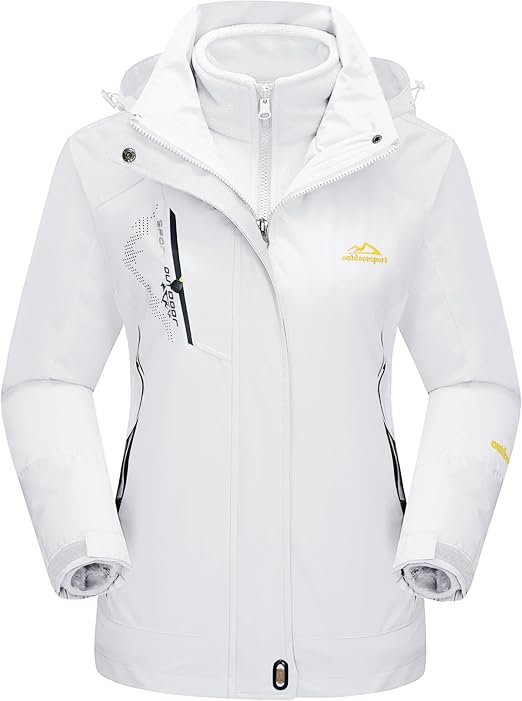
Pure white color and a modern look stand out the most about this 3-in-1 ski jacket, perfect for anyone seeking versatile protection across fall, winter, and spring. Its combination of style and adaptability fits well for resort skiing and casual outdoor occasions alike.
Putting on the jacket is straightforward with the hood adding extra coverage when needed. The regular fit allows room for layering without feeling bulky, and the long sleeves keep you well shielded against wind and snow. The shell can handle a range of temperatures making it suitable for changing weather during ski trips or winter walks.
The jacket performs reliably as a rain coat in colder seasons, handling wet conditions without letting moisture inside. The build feels sturdy with a functional hood collar design.
Most praise goes to its three-in-one design for flexibility, while the biggest complaint is the color’s tendency to show dirt and stains easily.
This jacket is praised for its flexibility to adapt across seasons and weather, making it a practical choice for resort skiers. A common drawback is that the white color easily reveals stains, requiring more frequent cleaning when worn outdoors.
Those who want a stylish yet functional jacket for ski resorts and casual winter use will appreciate the design and fit. People looking for a darker, more stain-resistant option might want to explore other jackets.
Pros
- Versatile 3-in-1 design for multiple seasons
- Regular fit allows comfortable layering
- Hood provides reliable head coverage
- Modern style suits various occasions
Cons
- Pure white color shows dirt quickly
- Rain coat silhouette limits formal use
| Specification | Details |
|---|---|
| Color | Pure White |
| Style | Modern |
| Sleeve Type | Long Sleeve |
| Coat Silhouette Type | Rain Coat |
| Seasons | Fall, Spring, Winter |
| Collar Style | Hooded |
Best Resort Ski Shells Comparison Table
| Product | Color | Seasons | Climate Suitability | Fit Type |
|---|---|---|---|---|
| Burton Reserve Jacket | Gray Cloud/Washed Lavender | – | – | – |
| North Face Descendit | White Dune | Fall | Cold Weather | Regular |
| Dakine Gerard Jacket | Huckleberry | Fall, Winter, Holiday | Cold Weather | Regular |
| GSOU SNOW Baggy Jacket | Black | Fall, Winter | Cold Weather | Oversized |
| Helly Hansen Crew Hoodie | 001 White | Fall | Mild Weather | Regular |
| 686 Waterproof Hoody | White | Winter | – | Athletic |
| Womens Waterproof Ski Suit | Purple | Winter | Cold Weather | – |
| Helly Hansen Sogn 2.0 | 787 Lynx | Winter | Cold Weather | Regular |
| Columbia Snowy Summit | Rainy Day/Phoenix Blue | Fall | Cold Weather | Regular |
| MAGCOMSEN 3-in-1 Jacket | Pure White | Fall, Spring, Winter | – | Regular |
- ColorGray Cloud/Washed Lavender
- Seasons–
- Climate Suitability–
- Fit Type–
- ColorWhite Dune
- SeasonsFall
- Climate SuitabilityCold Weather
- Fit TypeRegular
- ColorHuckleberry
- SeasonsFall, Winter, Holiday
- Climate SuitabilityCold Weather
- Fit TypeRegular
- ColorBlack
- SeasonsFall, Winter
- Climate SuitabilityCold Weather
- Fit TypeOversized
- Color001 White
- SeasonsFall
- Climate SuitabilityMild Weather
- Fit TypeRegular
- ColorWhite
- SeasonsWinter
- Climate Suitability–
- Fit TypeAthletic
- ColorPurple
- SeasonsWinter
- Climate SuitabilityCold Weather
- Fit Type–
- Color787 Lynx
- SeasonsWinter
- Climate SuitabilityCold Weather
- Fit TypeRegular
- ColorRainy Day/Phoenix Blue
- SeasonsFall
- Climate SuitabilityCold Weather
- Fit TypeRegular
- ColorPure White
- SeasonsFall, Spring, Winter
- Climate Suitability–
- Fit TypeRegular
How to Choose the Best Resort Ski Shell
Look for breathable, waterproof materials with adjustable ventilation to stay comfortable in varying weather. A good fit ensures freedom of movement and warmth without bulk. Choosing the right features prevents frequent replacements and keeps you protected on the slopes.
Waterproofness and Breathability
A shell with a waterproof rating below 10,000 mm quickly lets in moisture on heavy snow days or when sitting in wet areas. This leads to damp layers underneath and an uncomfortable experience lasting hours.
A rating of 15,000 mm or more usually holds up well through active days in wet snow or light rain. Breathability matters just as much; without it, sweat accumulates inside the jacket, making you cold once you stop moving. Aim for a breathability rating of at least 10,000 g/m²/24h.
Sealed or taped seams play a crucial role by blocking water entry at stitching points, a weak spot on many shells. They can be spotted on product tags or descriptions and tend to add weight but greatly improve staying dry over repeated use.
Fit and Layering Compatibility
Some shells feel stiff or restrict movement, which makes skiing or hiking awkward, especially around the arms and shoulders. The cut must leave enough room for a base layer and an insulation layer without forcing everything to bulge. Look for adjustable cuffs, hems, and hoods that let you tighten or loosen fit as layers change throughout the day.
Too loose, and cold air sneaks inside; too tight, and it hampers layering or motion. A shell with articulated sleeves or a slight drop-tail hem provides better comfort and coverage.
Trying on multiple sizes or styles that include adjustable elements is best for finding the right balance between freedom and snugness.
Durability and Material Quality
Thin fabrics tend to wear through quickly, especially where poles or backpacks rub against elbows and shoulders. Expect reinforced patches or double-layer fabric in these high-abrasion areas to extend the jacket’s usable life.
Materials like Cordura or ripstop nylon help resist tears but keep weight manageable. Durable shells don’t always mean heavy; some newer fabrics manage to combine lightweight feeling with tough construction. A shell that shows early signs of abrasion or threads pulling often means it wasn’t built for consistent mountain wear.
Checking product tags for fabric weights between 100-150 grams per square meter can hint at reasonable durability without sacrificing comfort.
Ventilation Features
Ventilation options become essential during energetic skiing or hiking, especially when switching between cold slopes and sunny breaks. Gaps behind the arms or chest that open with zippers allow quick airflow to cool down without removing layers. Many shells include pit zips that can be operated even while wearing gloves.
It is important these vents lock tight and don’t leak water when closed, or else the waterproof barrier gets compromised. Features like storm flaps over the zippers help maintain waterproofing.
Without ventilation, a jacket traps heat and moisture, turning breathable fabric inside out and ruining comfort by mid-day.
Packability and Weight
Carrying a bulky, heavy shell all day becomes tiring, especially on multi-hour outings or packing for travel. A shell that folds down into a small pouch or compresses well fits easily into a backpack or luggage without taking excessive room. Fabrics designed for packability usually weigh under 400 grams while still offering solid protection.
Features like removable hoods or minimal interior pockets reduce weight and bulk. Poor packability leads to leaving the shell behind or stuffing it awkwardly, which compromises its protective qualities the next day.
Lightweight and compressible gear can also dry more quickly and stows ready for sudden weather changes.
How to Layer Effectively Under Your Ski Shell for Maximum Warmth
Start with a base layer made of moisture-wicking material, like merino wool or synthetic fibers. These fabrics pull sweat away from your skin, keeping you dry and warm while skiing.
Over that, wear an insulating layer, such as a fleece or lightweight down jacket, to trap heat without bulk. Avoid cotton layers since they retain moisture and cause chill. The ski shell itself should be waterproof and breathable to block wind and prevent snow from entering.
Choose one with adjustable vents so you can regulate temperature on the slopes. Pay attention to how your layers fit; snug but not restrictive allows proper movement.
A well-layered system prevents overheating by letting you add or remove items easily depending on conditions.
Key Tips:
- Base layer must fit close to the skin.
- Use an insulating middle layer suited to the day’s temperature.
- Opt for a shell with vents and cuff adjustments.
- Try layering at home to check comfort before the trip.
Essential Maintenance Tips to Prolong the Life of Your Resort Ski Shell
Wash your ski shell after every few uses to maintain its water repellency. Use a gentle detergent designed for waterproof fabrics to avoid damaging the membrane. Avoid fabric softeners since they clog pores that allow breathability.
Hang dry rather than machine drying to protect the shell’s shape and coatings. Store your shell in a cool, dry place away from direct sunlight to prevent material breakdown.
Regularly check seams and zippers for damage and repair them promptly; intact seals keep moisture out. Reapply a durable water repellent (DWR) spray as the shell starts to lose its water resistance, usually after several days on the mountain.
This upkeep keeps the shell functioning well for seasons instead of just a few trips.
Maintenance Checklist:
- Wash with shell-specific detergent.
- Air dry and avoid heat sources.
- Inspect and mend minor damages quickly.
- Reapply DWR spray as needed.
- Store properly between seasons.
Comparing Resort Ski Shells to Backcountry Shells: Which Is Right for You?
Resort ski shells focus on comfort and convenience, usually offering more breathable fabrics, lighter insulation, and practical features like wrist gaiters and pack-compatible pockets. They are meant for groomed trails and variable weather, where movement and layering flexibility is important.
Backcountry shells, however, prioritize durability and protection against harsher, unpredictable conditions. They often come with reinforced panels, higher waterproof ratings, and additional attachment points for gear. Weight can be heavier to withstand rough terrain.
Consider how often you will ski outside maintained areas versus resorts. A resort shell works well for most skiers focused on downhill runs, while backcountry gear is built for uphill climbs, mixed terrain, and extended exposure to the elements. Skiers primarily staying within ski areas benefit from the lighter, more breathable resort option.
Differences at a glance:
- Resort shells lean toward breathability and comfort.
- Backcountry shells emphasize durability and weather resistance.
- Weight and features reflect intended use environments.
- Choose based on terrain and skiing style.
People Also Asked
How Do I Properly Size a Resort Ski Shell Jacket?
Choose a ski shell jacket that fits comfortably over your base and mid layers without restricting movement. The sleeves should cover your wrists, and the hem should sit around your hips to prevent snow from getting inside. Trying on with your usual ski clothing helps ensure the correct size and fit.
What Is the Best Way to Care for a Ski Shell?
Cleaning a ski shell requires a gentle wash with a mild detergent designed for waterproof fabrics, usually on a cold, delicate cycle. Avoid fabric softeners because they can clog the membrane, reducing breathability. Let it air dry fully, then apply a DWR treatment if water stops beading on the surface.
Are Ski Shells Compatible with Most Ski Helmets?
Most ski shells have hoods designed to fit over helmets, but some are adjustable or removable for versatility. Trying your helmet with the jacket’s hood on ensures there’s enough space without interference for comfort and visibility. Adjusting the hood’s drawstrings can stabilize it during windy runs.
How Long Does a Resort Ski Shell Typically Last?
A well-maintained resort ski shell can last five to seven seasons, depending on use and care. Rough handling or frequent exposure to abrasions can shorten its lifespan. Repairing small tears or reapplying waterproof treatments extends usability significantly.
What Common Problems Should I Watch for with Ski Shells?
Watch for worn areas where waterproofing may fail, such as seams and cuffs. Zippers can stick or leak moisture if not kept clean and lubricated. Sealing tape inside the shell can peel over time, which compromises water resistance and might need re-taping or professional repair.
Conclusion
Look for a ski shell that keeps you dry and warm without being too heavy or bulky. Waterproof and breathable fabrics are key so you stay comfortable in changing weather. Make sure the fit allows room for layering underneath and lets you move freely on the slopes.
Think about how often you’ll use the shell and where you’ll store it. A lighter shell might suit occasional skiers, while a sturdier one fits those hitting the mountain regularly.
Check the comparison table and detailed picks above to find the best fit for your needs and budget.