Where to Mount Red Dot Sights for Maximum Performance on Your Firearm
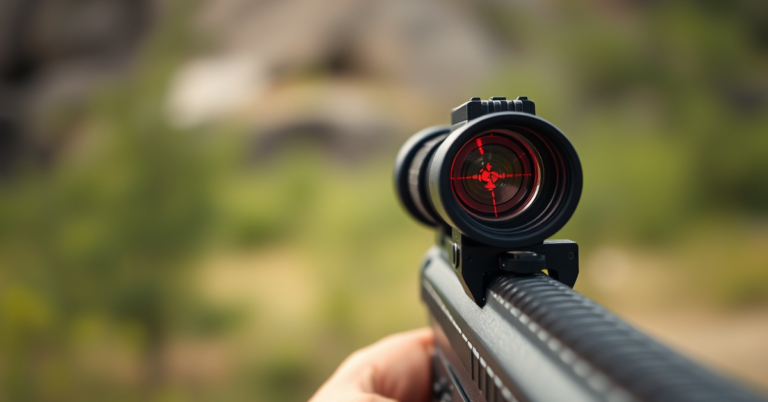
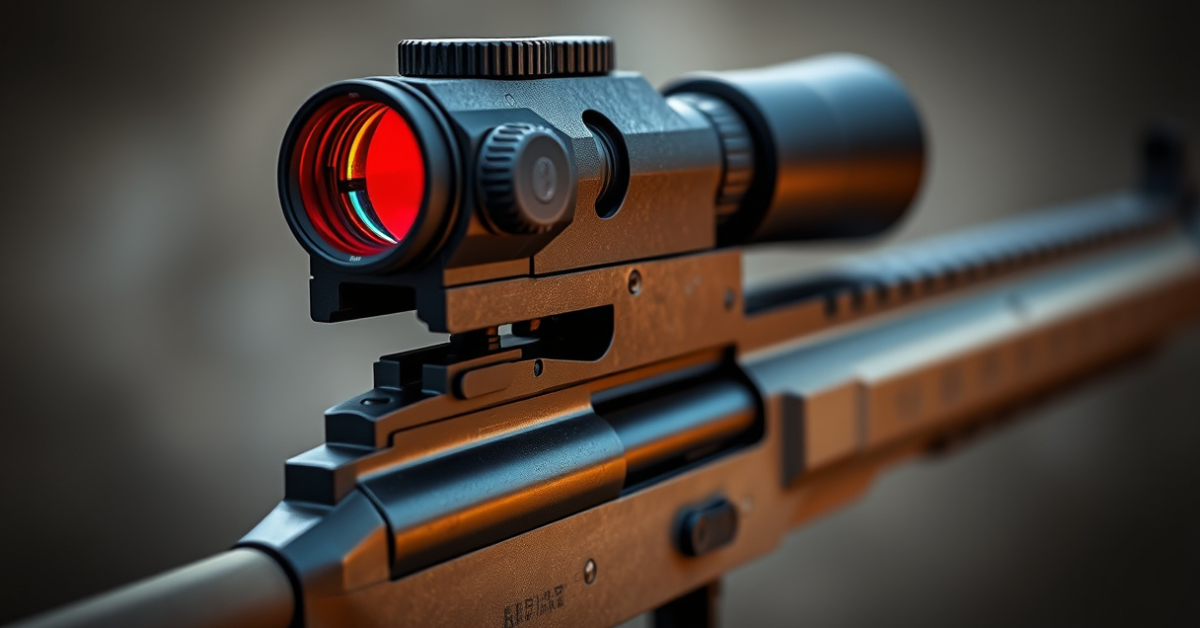
For most shooters, the best place to mount a red dot sight is as far forward on the receiver or rail as possible—without overhanging the barrel or handguard—allowing for both-eyes-open shooting, a wide field of view, and fast target acquisition. Pistols typically favor slide-mounted red dots, while rifles and shotguns use the top receiver rail, close to the bore-axis.
Correct red dot placement enhances accuracy, tracking speed, and comfort. An improper mount can limit your sight picture, slow your response, or even risk damaging your optic. The exact mount location varies not just by firearm type, but also by shooting style, optic model, and desired use-case, from competition to tactical to hunting.
This article will break down mounting positions for rifles, shotguns, and handguns, cover pros and cons of different locations, explain how sight height influences ergonomics, and compare mounting methods and hardware. You'll also find a straightforward comparison chart and practical answers to common red dot mounting questions.
Red Dot Placement on Rifles: Forward Versus Rear Mounting
Forward Mounting Advantages

Mounting a red dot sight toward the forward third of a rifle's rail increases situational awareness and keeps the field of view wide and unobstructed. This position is preferred for both-eyes-open shooting and is especially effective for fast, reactive shooting styles. The further forward the optic, the less it blocks peripheral vision and the easier it becomes to track moving targets, making this ideal for tactical and competition uses.
Additionally, forward mounting can reduce the felt weight over the rifle's balance point, particularly on AR-platforms. However, ensure the sight is not cantilevered past the receiver where it could be more vulnerable to damage or misalignment.
Rear Mounting: Benefits and Drawbacks
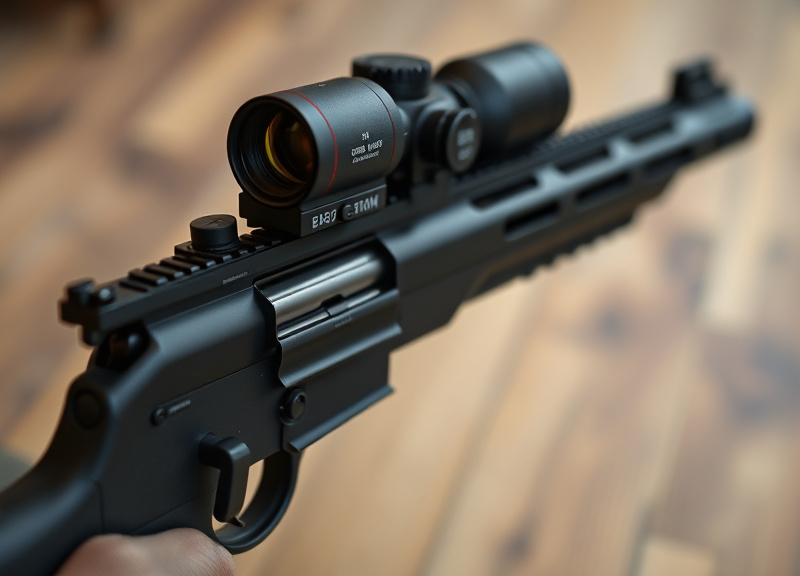
Placing the red dot closer to the shooter's eye allows for faster sight alignment when shouldering the rifle, a common preference for shooters with vision correction needs or for those using magnifiers. This setup also keeps the optic further from environmental hazards at the muzzle end.
On the downside, rearward mounting can limit situational awareness by narrowing the window of the optic. Some shooters may experience 'tube effect,' where the sight picture feels confined or vignetted, which can slow reacquisition of targets.
Where to Mount Red Dot Sights on Shotguns
Receiver-Mounted Red Dots
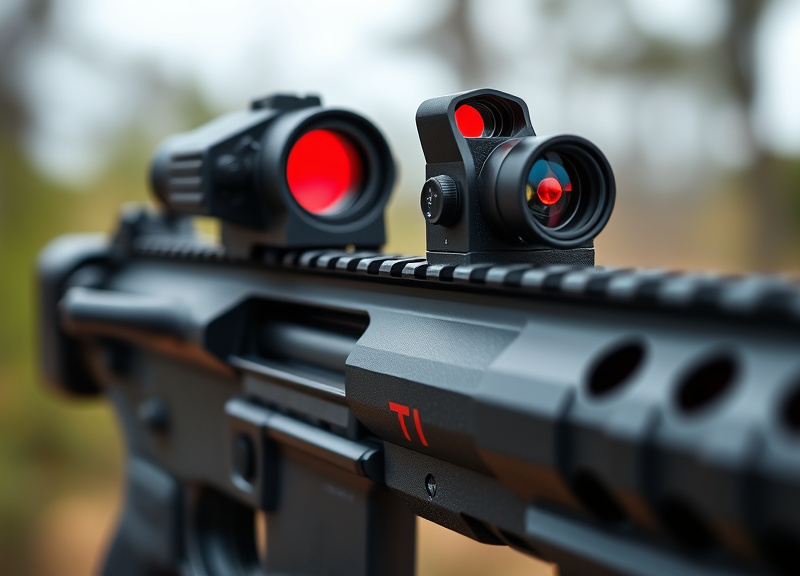
Mounting a red dot sight directly on a shotgun’s receiver is the most common and robust solution. This keeps the sight aligned with the bore, making it less susceptible to shifting from recoil or impacts. Receiver mounts are preferred for home defense and practical competition shotguns.
When using a receiver mount, select a low-profile optic and ensure it sits low enough for natural cheek weld and intuitive aiming. Many manufacturers offer tools or adapter plates for popular receiver footprints.
Barrel and Rib Mounts: Specialized Setups
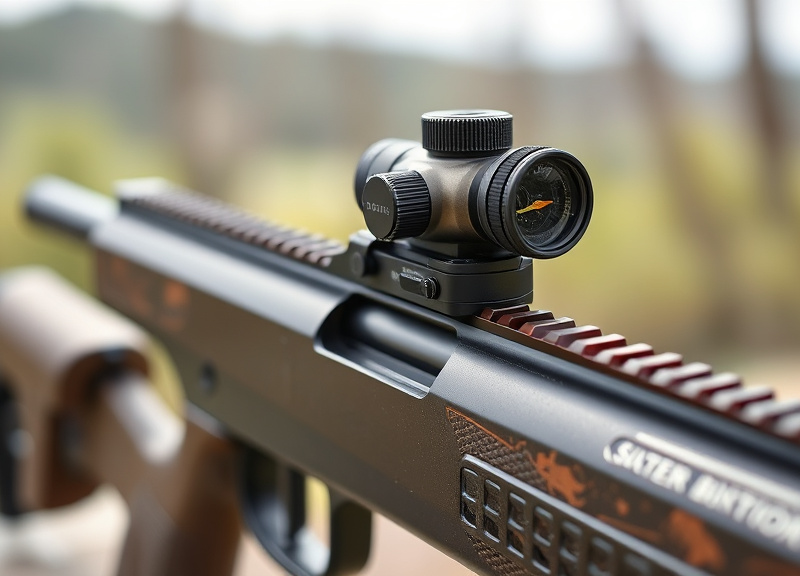
For hunting or clay shooting, some shooters mount a red dot on the barrel rib using clamp-on adapters. This provides a true sight-over-barrel experience, but stability can be a concern since repeated recoil might shift the optic.
Rib mounts should only be considered for light optics and are best suited for specialty shotguns where receiver mounting is not possible. Always check barrel clearance and avoid interfering with moving parts such as pump-action forends.
- Used for specialty setups
- May loosen with recoil
- Needs regular retightening
Pistol Red Dots: Slide Versus Frame Mounting
Slide-Mounted Red Dots
Modern pistols often allow red dot sights to be mounted directly to the slide via milled cuts or optics-ready plates. Slide mounting offers the most compact, streamlined setup and works reliably with holsters designed for optics.
However, because the red dot moves with the slide during recoil, sights must withstand repeated impact cycles. Quality optics designed for pistols are necessary, and co-witnessed iron sights are recommended as backups.
- Fits most modern carry/competition holsters
- Maximizes concealment
For more on this, see our related guide: How to Use a Red Dot on a Pistol: A Practical Guide for Beginners.
Frame-Mounted Solutions
Frame-mounted red dots use rails or custom bridges attached to the grip or dust cover, keeping the optic stationary during slide movement. This can improve sight longevity and allows for larger, more robust optics.
These setups are bulkier and can alter the pistol’s handling. They’re more common in competition settings where speed and minimal return-to-zero drift are crucial, but they rarely suit concealed carry roles.
- Enhanced durability for optics
- Less common for everyday carry
Sight Height and Optic Co-Witnessing
Absolute Versus Lower Third Co-Witness
Choosing between absolute co-witness and lower third co-witness depends on your preferred cheek weld and backup sighting usage. In absolute co-witness, iron sights align perfectly in the red dot window, while lower third co-witness places irons just below the sight picture.
Absolute is beneficial for rapid transitions between electronic and iron sights, but may clutter the view. Lower third allows a clearer optic window, using irons only as backup. This decision affects both red dot mount height and riser choice.
- Absolute: irons and dot at same height
- Lower third: irons slightly below dot
High Versus Low Mounts
High mounts raise the red dot above the bore, favored on AR-pattern rifles for keeping the head upright in body armor or NVG use. Low mounts align more closely with traditional stocks and are better for shotguns or AK platforms.
Selecting the best red dot sight mounting position involves matching the mount height to your shooting posture and the style of firearm. The wrong height can cause neck strain or inconsistent aim.
- High mount: upright head, good with body armor
- Low mount: classic stock alignment
Quick-Detach (QD) Versus Fixed Mounts for Red Dot Sights
Advantages of QD Mounts
Quick-detach mounts allow you to remove and reattach your red dot sight with minimal shift in zero, which is convenient for transport, cleaning, or switching optics in the field. Modern QD designs often include return-to-zero guarantees and sturdy locking levers.
They're ideal for multi-mission rifles or for shooters using the same optic on several firearms. QD systems usually cost more and introduce a minor potential for shifting under heavy recoil if not properly torqued.
- Rapid optic swaps
- Easy return to zero
- Great for multi-purpose rifles
For more on this, see our related guide: How to Calibrate a Red Dot Sight for Maximum Accuracy.
When Fixed Mounts Are Best
Fixed red dot mounts typically sit lower and provide a simpler, lighter, and more rugged attachment. For home defense or hard-use duty guns, minimizing moving parts helps ensure reliability.
Choose a fixed mount for simplicity, or when you don't need to swap or remove the sight regularly. Always check mount screws and thread-lock as recommended to avoid loss of zero.
- Lower profile
- Reduced cost
Choosing the Best Red Dot Sight Mounting Position for Your Needs
Competition and Tactical Applications
Speed and sight clarity matter most in competition and tactical shooting. For rifles, a forward red dot mount enhances sweeping vision and allows seamless movement. Pistol shooters benefit from low slide-mounted optics that facilitate quick sight alignment out of the holster.
Shotgun competitors may opt for receiver or even rib mounts for fast transitions. Remember that the best red dot sight mounting position matches your sport's demands and equipment rules.
- Forward mount favors field of view
- Receiver mount balances speed and durability
For more background on the history and technology of red dot sights, refer to this comprehensive overview. history and technology of red dot sights.
Hunting and Recreation Considerations
Hunters prioritize robust, weatherproof mount locations. Rifle hunters might prefer rearward mounts for easier alignment during field setups, while upland or turkey shotgunners appreciate lightweight receiver mounts or rib adapters that don't snag on brush.
Recreational shooters enjoy flexibility—a QD mount or adjustable riser offers versatility for different conditions. Always check that your mounting solution is compatible with slings, covers, and other field gear.
- Weather-resistant hardware is essential
- Avoid blocking other accessories
Red Dot Sight Mounting Position Comparison
Here's a quick comparison of common red dot sight mounting positions for different firearms, highlighting their typical uses, compatibility, and pros and cons.
| Mounting Position | Firearm Type | Use Case | Field of View | Durability | Ease of Access |
|---|---|---|---|---|---|
| Forward Receiver | Rifle | Tactical/Competition | Excellent | Good | Fast |
| Rear Receiver | Rifle/Shotgun | Hunting/Recreation | Moderate | High | Easy |
| Slide Mount | Pistol | Carry/Competition | Good | Moderate | Fast Draw |
| Frame Mount | Pistol | Competition | Good | High | Bulkier |
| Rib/Barrel Mount | Shotgun | Upland Clays | Excellent | Moderate | May Shift |
Frequently Asked Questions
Can I mount a red dot sight on any firearm?
Most modern firearms can accommodate a red dot sight with the correct mounting hardware. Check your firearm for factory-cut optics mounts, accessory rails, or suitable adapters to ensure compatibility.
Is it better to mount a red dot forward or near the eye?
This depends on your shooting style and needs. Forward mounting usually improves field of view and speed, while rearward mounting may assist with easier alignment or use with magnifiers.
What height should my red dot sight be mounted at?
Optimal height varies by firearm and shooting position. Absolute or lower third co-witness heights are common on rifles, while pistols benefit from ultra-low mounts for the best sight alignment.
Do quick-detach mounts hold zero as well as fixed mounts?
High-quality QD mounts from reputable manufacturers hold zero reliably when removed and reattached. However, fixed mounts offer more simplicity and are preferred for the most rugged, permanent setups.
Can I co-witness iron sights with a red dot?
Yes, co-witnessing means aligning your iron sights with the red dot's window. This provides a backup aiming option if your red dot fails and is popular in defensive and competition setups.
Key Takeaways
- Mount red dot sights as far forward as possible on rifles for a wider field of view.
- Receiver mounting is most stable for shotguns; pistols favor slide-mounted options.
- Choosing the best red dot sight mounting position depends on your firearm and purpose.
- Consider optic height, co-witness preferences, and mounting hardware for comfort and performance.
Conclusion
Finding the right mounting position for your red dot sight is a balance between speed, comfort, field of view, and durability. By understanding your firearm’s platform—whether rifle, shotgun, or pistol—and considering your primary use-case, you can optimize both your sight picture and your handling. Don’t overlook factors like optic height, co-witness options, and mounting hardware, as these can influence your long-term performance and comfort at the range or in the field.
For competition shooters, a forward-mount on rifles and low-mounted red dots on pistols are typically best, offering the fastest target transitions and least restricted view. Hunters and recreational shooters may prefer rearward mounts for alignment ease, while QD mounts offer flexibility for anyone using one optic across several guns. On shotguns, receiver mounts remain the most reliable, but specialized rib mounts serve niche roles. Match your choice to your firearm, your intended use, and physical ergonomics.
Ultimately, take time to test different mounting positions in live-fire scenarios to find the most intuitive setup. Invest in reputable mounts and red dot sights, and check compatibility with your firearm’s features. Remember, your chosen mount position should enhance—not hinder—your shooting experience, so always prioritize comfort, consistency, and personal preference when deciding where to mount red dot optics.