Can You Sell a Compound Bow on Marketplace? A Complete Guide with Pricing, Rules & Tips
You can sell a compound bow on Facebook Marketplace, but certain restrictions apply, especially regarding crossbows with very high draw weights. Traditional and compound bows used for sports and hunting are typically allowed, making Marketplace a convenient platform for individual sellers.
This information benefits archery enthusiasts looking to resell their compound bows online, focusing on how to price, list, and handle sales efficiently. The details cover pricing strategies, Marketplace rules, and practical tips to attract buyers and complete sales safely.
Key Takeaways
- List your compound bow at 40-60% of its original retail price for a competitive edge.
- Exclude crossbows exceeding 200 pounds draw weight to comply with Facebook Marketplace rules.
- Include clear photos showing bow string and cables to highlight good condition and prevent buyer hesitation.
- Expect to sell a fairly priced compound bow within 3 to 14 days in populated areas.
- Use precise keywords like model, draw weight, and condition for better engagement in your listing.
- End communication after 48 hours of buyer silence to avoid wasting time on non-serious inquiries.
Can You Sell a Compound Bow on Facebook Marketplace?
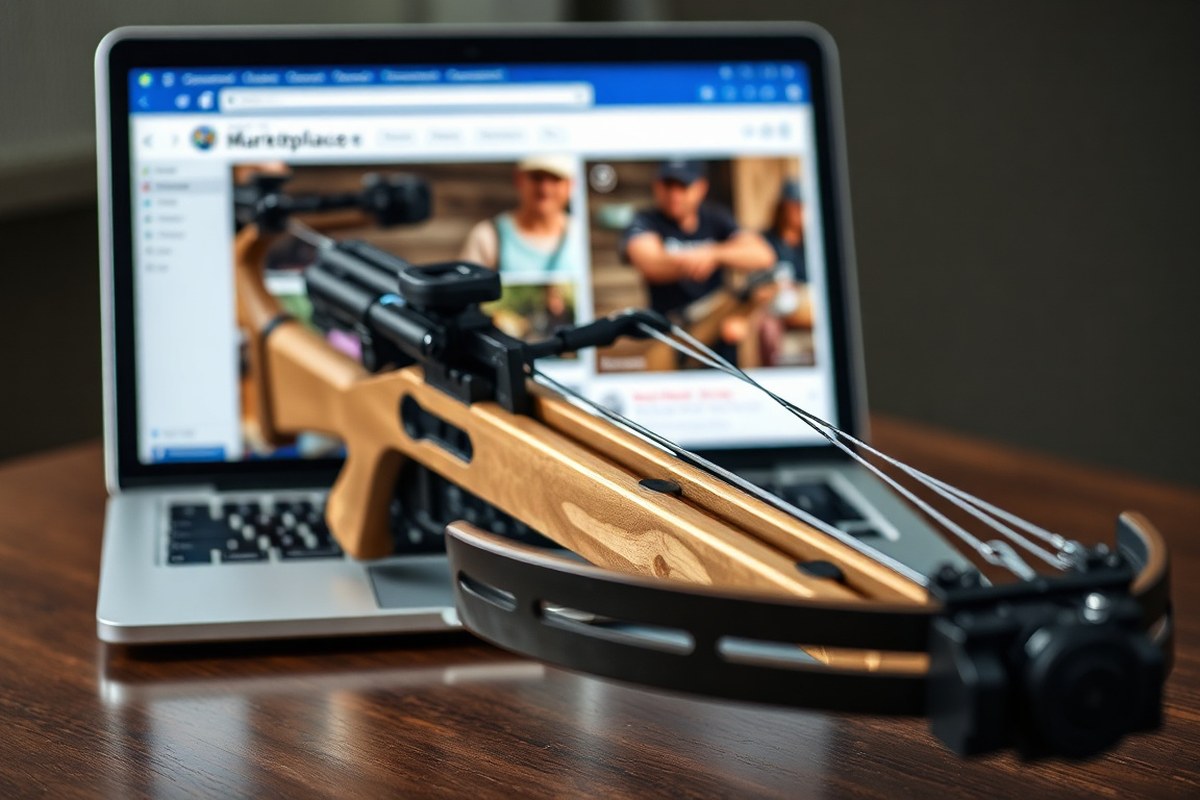
You can sell a compound bow on Facebook Marketplace, provided you follow the platform’s rules and local laws. Facebook allows sales of standard recurve and compound bows as sporting goods without restrictions. The sale must be local because Facebook requires buyers and sellers to handle pickups in person, so shipping across state lines yourself is not permitted. This rule ensures safer and more compliant transactions but might limit your buyer pool compared to platforms that allow shipping.
Facebook strictly forbids selling bows with attached firearm parts or other weapon modifications. Such listings violate Facebook’s weapons policy and can lead to your account suspension or banning. For example, a compound bow with a mounted pistol grip or firearm barrel would be disallowed. Also, some local laws can impact your ability to sell certain bows. In New York City, for instance, crossbows are restricted from possession and transfer, making selling any crossbow there illegal despite Facebook’s policies. Here’s a quick compliance checklist to keep your listing within Facebook Marketplace rules:
Ensure your compound bow has no firearm parts attached. List items locally and arrange for in-person pickup only. Avoid posting if your local laws prohibit transferring the bow type. Use clear, honest descriptions emphasizing sporting or hunting use. Include accessories like arrows, sights, or quivers transparently and as separate items if possible.
Common allowed listings include a standard compound bow with a stabilizer, adjustable sight, and quiver, sold in your town to a local buyer. A disallowed listing would be a crossbow advertised for shipment outside your state or a compound bow modified with firearm components. Businesses selling new bows may need to comply with extra steps, including setting up a business account on Facebook and possibly adhering to additional rules or fees.
Following these rules matters because Facebook monitors listings closely and can remove posts or restrict accounts when policies are broken. For example, attempting to ship a compound bow nationwide through Facebook Marketplace violates their commerce policies, risking your account’s ability to sell in the future. Staying within local pickup and legal boundaries results in smoother sales and fewer disruptions.
By confirming your bow type, avoiding firearm attachments, and focusing on local buyers, you can confidently use Facebook Marketplace to sell your compound bow. Remember to double-check your city and state laws about bow sales, as these vary widely and can affect your ability to complete a sale. This approach helps prevent account issues and legal trouble while connecting you with serious buyers near you.
How to Price Your Used Compound Bow Competitively
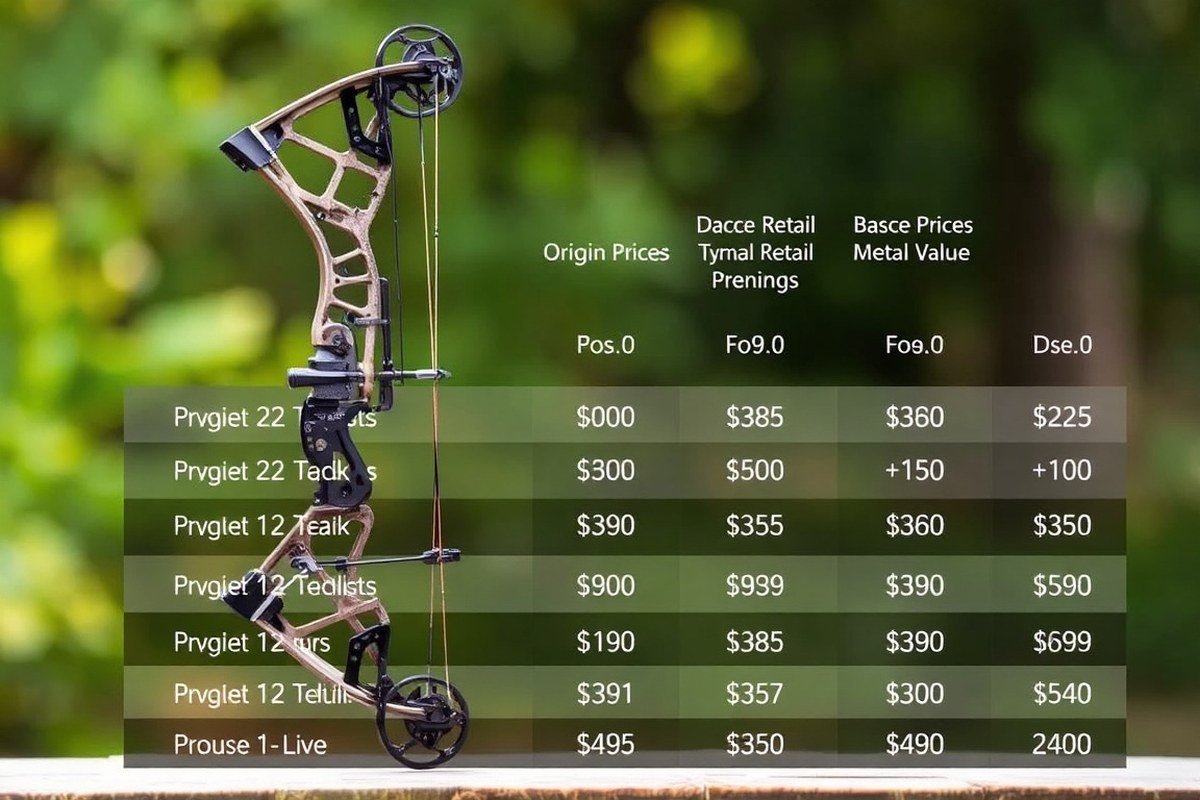
Setting a fair and competitive price for your used compound bow depends on key factors like its original retail price, age, condition, and included accessories. A typical price range for a bow in good condition is between 40% and 60% of the original retail price. Older or heavily used bows generally sell for less, around 30% to 40%, while newer, well-maintained models may fetch closer to 60%. Accessories such as sights, arrow rests, or high-quality strings often increase the asking price, reflecting better overall value.
Consider the bow’s condition carefully, including any wear on strings and cables, because buyers will factor in repair costs. Maintenance history and brand reputation also influence demand. Local market trends and how long your bow has been listed matter too; prices might need to be lowered if it’s been weeks without serious interest, especially in areas with less archery activity.
| Bow Condition and Age | Recommended Price Range (% of Retail) |
|---|---|
| New or current-year flagship, like-new condition | 55% to 60% |
| Lightly used, good condition (1-3 years old) | 40% to 55% |
| Moderately used, fair condition (4-6 years old) | 30% to 40% |
| Older than 6 years or needs repairs | 20% to 30% |
| Includes accessories or recent upgrades | Add 5% to 10% to base price |
To calculate your bow’s price, start with its original retail value, find its age and condition category in the table, then apply the corresponding percentage range. For example, if your 3-year-old compound bow originally sold for $800 and is in good condition, price it between 40% ($320) and 55% ($440). Add 5% to 10% if you include extras like a quiver or scope, so your final range might be around $336 to $484.
Expect some negotiation; buyers often make offers 10% to 15% below your asking price. Decide in advance how low you’re willing to go. If your bow doesn’t sell after three weeks, consider lowering the price by 5% to 10%. Check local listings regularly to see how similar bows are priced, and adjust accordingly to stay competitive in your area.
Clearly state your lowest acceptable price in advance to avoid wasting time on lowball offers and keep negotiations efficient.
Listing Your Compound Bow: Photos, Description, and Keywords
Creating a well-crafted listing for your compound bow on Facebook Marketplace is essential to attract serious buyers quickly. Clear photos paired with a detailed, keyword-optimized description make your listing stand out and build buyer trust. Include accurate details about the bow’s condition and use relevant keywords while avoiding phrases that might flag your listing or mislead buyers.
Photo Tips for Quality and Clarity
Photos are the first thing buyers notice, so good-quality images matter. Clear, well-lit photos from different angles show the bow’s features and condition, reassuring buyers about the item’s value. Avoid images that show the bow drawn or pointed, as these can trigger safety concerns on Facebook Marketplace.
For best results, take photos in natural daylight to avoid shadows or color distortion. Place the bow against a plain, uncluttered background like a white wall or a wooden surface. Use a tripod or steady surface to prevent blur, and capture close-ups of important parts such as the cams, limbs, string, sights, and any wear or damage.
- Set the bow on a plain background in a well-lit area during daytime.
- Take a full photo of the bow from the front, side, and back.
- Capture close-up shots of the cams, limbs, grips, string, and arrow rest.
- Photograph any scratches, nicks, or wear marks openly and honestly.
- Include photos of accessories like quivers, releases, or sight mounts if included.
- Review images to ensure sharp focus and true colors.
Writing an Accurate, Keyword-Rich Description
Your listing description should clearly detail the model, brand, specifications, and condition of your compound bow. Specifics such as draw weight, axle-to-axle length, draw length, and cable guard length help buyers assess compatibility with their needs. Mention any included accessories and whether the bow is suited for hunting, target shooting, or both.
Use keywords that potential buyers search for, like “compound bow,” “adjustable draw weight,” “hunting bow,” “target archery,” “quiet draw,” and brand names such as “Hoyt,” “Bear Archery,” or “Mathews.” Avoid aggressive words like “deadly” or “kill,” which may cause the listing to be flagged. Instead, keep the tone informative and straightforward. Here’s a template for your description:
Brand and Model: [Brand and model name] Draw Weight: [Range in pounds, e.g., 40-60 lbs] Axle-to-Axle Length: [Length in inches] Draw Length: [Range or fixed length in inches] Condition: [New/Used – describe any visible wear] Included Accessories: [List any sights, quivers, arrows, or releases] Recommended Use: [Hunting, target, or both] Location: [City or region for buyer pickup] Feel free to ask any questions or request additional photos.
Common Listing Mistakes to Avoid
One frequent mistake is posting unclear or low-quality photos that leave buyers uncertain about the bow’s condition. Dark or blurry images reduce interest and trust. Avoid using stock photos that don’t match your exact bow, as this leads to complaints or canceled sales.
Another error is leaving the description vague or missing key information such as draw weight or bow size. This can cause back-and-forth messages or lower offers. Using keywords that Facebook marketplace flags, such as “gun” or “shoot,” or showing the bow drawn or pointed in photos, may get your listing removed.
Finally, don’t overprice or misrepresent defects. Be honest about wear and tear and price fairly based on condition and market value. Transparent listings build buyer confidence and speed up the sale process.
Understanding Facebook Marketplace’s Rules for Selling Archery Equipment
Facebook Commerce Policies allow the sale of archery bows, including compound bows and crossbows, under the category of sporting goods. These items are distinct from firearms, which are strictly prohibited. You can list your compound bow on Facebook Marketplace without breaching platform rules, provided the bow is not modified to function as a firearm or weapon. This categorization enables you to reach a broad potential buyer pool while complying with Facebook’s policies.
Local laws play a critical role in what is permissible to sell or buy, sometimes creating restrictions beyond Facebook’s guidelines. For example, certain states require buyers or sellers of bows to be a minimum age, commonly 18 years old, aligning with general legal adult age limits. Some regions may also have specific restrictions on bow types or require permits. The following summary illustrates common variations across regions in the United States:
| Region | Minimum Age to Buy/Sell | Additional Restrictions |
|---|---|---|
| California | 18 years | Restrictions on crossbows during hunting seasons |
| Texas | 18 years | No special license for sales |
| New York | 18 years | Crossbows restricted to disabled hunters |
| Florida | 18 years | No notable restrictions for bows |
Verify your local regulations before listing your compound bow. Selling to a buyer who does not meet the required age limit or in violation of local laws can lead to legal consequences and potential Facebook account penalties. Facebook may remove or flag your item if its automated systems or user reports believe your listing violates the platform’s commerce policies or applicable laws. Usually, you will receive a notification explaining why the listing was removed. You can appeal the decision if you believe the removal was an error, but resolving the issue may take several days.
Deciding whether your bow listing is allowed comes down to two questions: Does the bow fall under Facebook’s sporting goods allowance, and does selling or shipping it comply with local and federal laws? For most compound bows, the answer is yes. However, avoid selling bows with unusual modifications or attachments that could be classified as weapons. Always include accurate descriptions and photos to minimize flagging for misleading content.
The age restriction for buyers and sellers generally requires that both parties be 18 or older. This rule protects minors from entering contracts or purchasing restricted items without adult supervision or consent. Before finalizing a sale, check IDs or ask for age confirmation if the platform or local law doesn’t enforce age verification automatically.
Following these rules and considerations will help you list your compound bow confidently and reduce the risk of having your listing removed. Taking time to research laws in your state or locality and understanding Facebook’s rules ensures your listing stays active longer and reaches the right audience.
Where Else to Sell Your Compound Bow Besides Facebook
Besides Facebook Marketplace, multiple platforms can help you sell your compound bow effectively. Each option matches different needs depending on your prioritization of outreach, fees, and convenience.
Local archery shops often buy used bows, but expect to negotiate hard. Many shops pay significantly less than private buyers, sometimes 40% to 60% of retail value, since they need profit margin for resale. Consigning at a shop usually means slower sales but less effort, as the store handles buyer search and sometimes offers display space.
Online marketplaces vary widely. General platforms like eBay have a large audience but charge listing fees (around $0.35 per item) and take about 10%-15% of the final sale price. Niche archery or hunting forums and buy/sell groups offer targeted audiences who understand bow quality and value well, helping you achieve better prices. However, these often require membership or posting approval, adding effort and potentially smaller buyer pools.
Here’s a comparison table of popular selling channels:
| Platform | Fees | Audience Targeting | Pros | Cons |
|---|---|---|---|---|
| Facebook Marketplace | Free | Local buyers, general public | Zero fees, easy local pickup, fast listings | Buyer quality varies, safety concerns with meetups |
| EBay | $0.35 + 10%-15% final fee | Global, wide range of buyers | High visibility, secure payment processing | Fees reduce profit, shipping required |
| Archery Forums (e.g., Archery Talk, Bowhunting.com) | Usually free | Archery enthusiasts, experienced buyers | Targeted audience, knowledgeable buyers | Requires membership, slower sales |
| Local Archery Shops (Consignment or Trade-In) | Consignment usually 10%-20% cut | Local archery community | Hands-off selling, trusted buyers | Lower sell price, slower turnaround |
| Craigslist | Free | Local buyers, general public | No fees, easy to list | Safety risks, less buyer vetting |
Archery forums such as Archery Talk and Bowhunting.com host classified sections where you can post your bow sale for free, often reaching serious buyers who know the worth of quality equipment. Joining these forums generally requires creating an account and reading posting rules, but the engaged community means clearer communication and smoother transactions.
Consigning your bow at a local archery retailer involves dropping it off for the store to sell on your behalf. The shop usually takes a 10%-20% fee on the sale price, so price your bow competitively considering this. Prepare your bow by cleaning it and including any accessories or documentation. Consignment takes time, some bows sell within weeks, others may sit for months. Call ahead to check if the shop offers consignment and their policies.
Tip: Always clarify all fees and consignment terms in writing before leaving your bow with a retailer to avoid surprises and ensure smooth sales.
Safe Local Transactions: Meeting Buyers for Your Compound Bow
Meeting buyers in person for your compound bow is generally safe when you take specific precautions. Choose public, high-traffic locations during daylight hours and screen buyers beforehand to minimize risks. Following clear safety steps protects both you and the buyer during local transactions.
Pre-Meeting Screening and Communication
Before agreeing to meet, confirm the buyer’s identity and seriousness to reduce the chance of scams or wasted time. Start by asking questions about their archery interest or experience to ensure they are genuine buyers. Use a clear script to vet them efficiently and professionally. Here is a script template to screen buyers via Facebook Marketplace message or text:
Hello, thanks for your interest in the compound bow. Could you please confirm you’re 18 or older and familiar with archery equipment? You can ask me any questions about the bow’s condition or specs before we schedule a meeting. Let me know what works best for you.
This approach helps create a respectful, safety-conscious tone. Refuse to meet anyone who avoids answering basic questions or acts suspiciously.
Choosing a Safe Public Meeting Spot
Pick a public, well-lit location for the transaction, ideally during normal business hours. Avoid secluded or poorly visible areas. Locations with security cameras add an extra layer of safety and deterrence against theft or fraud.
- Police stations or other government buildings with public spaces
- Busy shopping center parking lots near entrances
- Cafes or fast-food restaurants with seating areas
- Local community centers or public parks during the day (if busy)
- Local archery ranges or pro shops (arranged in advance)
Meeting at an archery range or pro shop can provide a relevant environment where buyers can test or see the bow professionally. Always inform a friend or family member about the meeting details and your location.
Handling No-Shows and Buyer Cancellations
Prepare for the possibility that buyers may cancel last minute or fail to show up. These issues can delay your sale and cause inconvenience. To minimize these problems, confirm the appointment time the day before and remind the buyer of the location and time. Use friendly but firm communication such as:
Hi [Buyer’s Name], just confirming our appointment tomorrow at [time] at [location] to view the compound bow. Please let me know if you have any changes. Thanks!
When a buyer doesn’t show up, wait 15 minutes before leaving and send a polite message offering to reschedule. Avoid scheduling multiple meetings at the same time to prevent conflicts and confusion.
- Verify buyer age and intent with a vetting script before setting a meeting.
- Choose a public, busy place with security presence or cameras.
- Set meetings during daylight and regular business hours.
- Inform a trusted person about the meeting time and place.
- Confirm the appointment via message the day before.
- Wait 15 minutes at the location if the buyer is late before leaving.
- Communicate professionally and politely to reschedule if needed.
- Decline meetings with buyers who seem evasive or suspicious.
Packaging and Shipping Compound Bows Securely
Proper packaging and choosing a carrier that accepts compound bows are important for a smooth shipment. You need to protect the bow from damage while following legal and carrier-specific rules. Tracking and insurance help you avoid delivery problems and secure your investment.
Choosing the Right Shipping Carrier
Not all carriers allow the shipment of bows and arrows, so it’s important to verify policies upfront. FedEx and UPS accept compound bows if you meet their packaging requirements, but USPS does not allow bows to be shipped. Checking with the carrier’s customer service can confirm if they allow your specific bow to be shipped and under what conditions.
| Carrier | Allows Compound Bow Shipment | Special Requirements | Notes |
|---|---|---|---|
| FedEx | Yes | Bow must be securely packaged; no loose arrows | Contact customer service if unsure |
| UPS | Yes | Proper packaging required; bows considered sporting equipment | Check weight and size limits |
| USPS | No | Prohibits bows and arrows | Not an option for shipping bows |
Always confirm the latest guidelines since policies may change. Some carriers treat bows as sporting goods, while others classify them under restricted items or weapons.
Step-by-Step Packaging Instructions
Packaging your compound bow properly is the best way to prevent damage during transit. Use sturdy materials and cushion the bow to absorb shocks.
- Disassemble the bow if possible: Remove arrows, stabilizers, and other accessories to reduce bulk and protect fragile parts.
- Wrap the bow: Use bubble wrap or foam to cover the entire bow, focusing on the cams and limbs.
- Use a hard case or a rigid box: A hard case made for compound bows offers the best protection. Otherwise, select a high-quality, heavy-duty cardboard box slightly larger than the wrapped bow.
- Add cushioning inside the box: Fill empty spaces with packing peanuts, foam inserts, or crumpled paper to immobilize the bow inside the container.
- Secure the package: Seal the box with strong packing tape on all edges and seams.
- Label the contents carefully: Mark the package as “Fragile” to help handlers treat it with care.
Handling your compound bow with this method lowers the risk of scratches, bent limbs, or other damage that can negatively affect its performance or value.
Labeling, Insurance, and Tracking Best Practices
Label your package clearly with the buyer’s address and your return address, using a printed shipping label to avoid reading errors. Mark the box with “Fragile” and “This Side Up” to guide handlers.
Purchasing insurance equal to the bow’s value protects you if the package is lost or damaged. Insurance costs vary depending on declared value and carrier policies but usually range from a few dollars to more than $20 for higher-value bows. Always keep the receipt and tracking number.
Tracking your shipment online allows you and the buyer to monitor the bow’s progress. This helps address any delivery delays quickly. For extra security, signature confirmation ensures the package is handed directly to the buyer or an authorized recipient, preventing theft or loss.
Handling Buyer Communications and Common Listing Challenges
Responding quickly to buyer inquiries helps keep interest high and reduces the chance of no-shows or lost sales. When a buyer becomes unresponsive after initial contact, send a polite follow-up message like:
“Hi, just checking if you’re still interested in the compound bow. Let me know if you have any questions or want to arrange a time to meet.” If you get no reply after one follow-up, it’s reasonable to move on. This avoids blocking your listing and wasting time.
Buyers often ask to ‘hold’ an item while they check funds or arrange pickup. Since Facebook Marketplace doesn’t have a built-in hold function, you decide based on how serious the buyer seems. A good rule is to set a time limit for holds, for example:
“I can hold the bow until 5 PM tomorrow, but if I don’t hear from you by then, I’ll need to offer it to others.” Honest communication avoids confusion and frees you from indefinite holds.
When handling price negotiations, be open but firm. Price haggling is common, and expecting offers 10-15% below your asking price is typical. Respond with a script like:
“Thanks for your offer. I’m willing to lower the price to $XX but not below that because of the bow’s condition and brand.” Set your lowest acceptable price before listing, so you’re prepared to say no politely when an offer is too low.
Always keep screenshots and records of your buyer communications to help resolve disputes or report suspicious activity to Facebook Marketplace support.
- Follow up once after 24 hours if buyers go silent; then move on.
- Limit holds to a specific deadline communicated clearly.
- Set a minimum price and stick to it during negotiations.
- Check Facebook Marketplace policies regularly for listing restrictions.
- Use clear photos and honest descriptions to avoid removals for misrepresentation.
- Repost or edit your listing promptly if restricted, changing any problematic terms.
- Avoid using banned words or showing prohibited accessories in your photos.
Review the notification carefully when Facebook restricts or removes your listing. Common reasons include mentioning firearms, prohibited accessories, or using certain keywords. Edit your description and photos to remove flagged items or wording, then relist. Contact Facebook support using the “Report a Problem” feature and include your listing ID when the issue is unclear. Moving quickly reduces downtime and lost sales opportunities. Remaining professional with potential buyers and being flexible with minor edits usually keeps your listing active without significant issues.
Step-by-Step Action Plan for Selling Your Compound Bow
Follow these clear steps to sell your compound bow successfully and safely. Each step includes how to confirm your progress.
- Before you list: Research current prices on Facebook Marketplace and other platforms to set a competitive price. You’ll know you’ve done this right once you have at least three comparable listings.
- Day 1: Take clear, detailed photos of your compound bow from multiple angles, including close-ups of any wear or features. Confirm success by reviewing your photos on a large screen to check clarity.
- Day 2: Create your listing with a keyword-rich title and honest description following Facebook’s rules. You’ll know it’s effective when the listing passes Facebook’s review without flags.
- Week 1: Respond promptly to inquiries, providing additional details or pictures asked by potential buyers. Success shows when buyers keep asking questions or arranging viewings.
- Week 1, 2: Schedule safe local meetups in public places during daylight. Confirm the meetings by exchanging contact details and agreeing on clear times.
- After sale: Complete payment securely before handing over the bow. Know it’s done right when money is verified in your account or wallet first.
- If shipping is requested: Pack the bow carefully using padded materials and a sturdy box, then ship via a reliable carrier with tracking. Track the shipment to ensure delivery confirmation.
Frequently Asked Questions
Can I List a Compound Bow for Sale on Facebook Marketplace?
Yes, you can list a compound bow as long as it’s not a restricted type or firearm attachment. Make sure your listing follows Facebook’s rules to avoid removal.
Is It Legal to Sell a Compound Bow on Facebook Marketplace?
Selling a compound bow on Facebook Marketplace is legal if you comply with local laws and Facebook’s policies. Check your state’s regulations to ensure proper compliance.
How Should I Describe My Compound Bow in a Facebook Marketplace Listing?
Describe your compound bow clearly with brand, model, condition, and included accessories. Accurate details help buyers trust your listing and reduce questions.
What Photos Should I Include When Selling a Compound Bow Online?
Include clear, well-lit photos from multiple angles showing the bow, accessories, and any wear. This builds buyer confidence and sets the right expectations.
What Are Safe Practices When Meeting Buyers from Facebook Marketplace for a Compound Bow Sale?
Meet in a public place during daylight hours. Bring a friend and keep communication on the platform until the sale. This helps ensure your safety.
Can I Ship My Compound Bow After Selling It on Facebook Marketplace?
Yes, but pack it securely with padding and a sturdy box. Insure the package and use a reliable carrier to protect it during transit.
Wrapping Up
You can sell a compound bow on Facebook Marketplace by following the site’s rules, pricing fairly, and ensuring safe, clear communication. Taking time to prepare your listing and meet buyers your way helps protect both parties. Start today by checking current prices so you set the right value from the start.