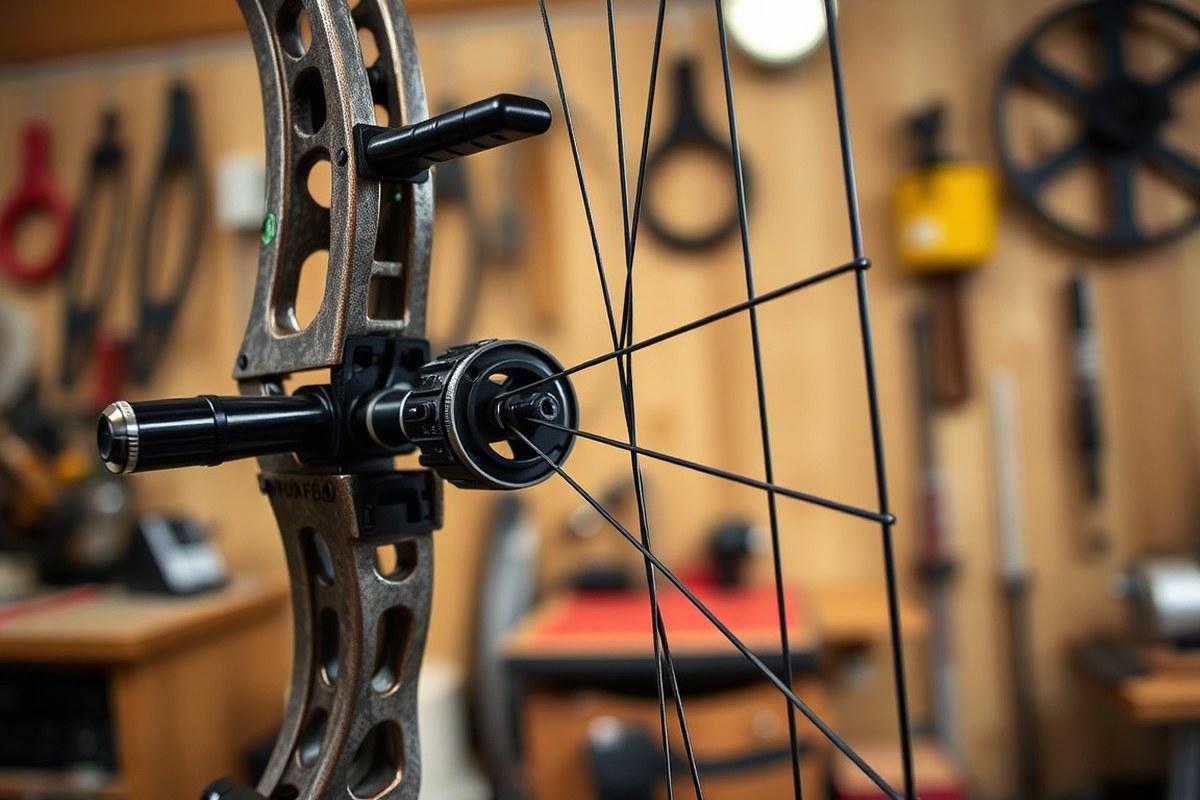
How Often to Restring Compound Bow: Complete Guide with Key Timing Tips
Restring your compound bow every 2 to 3 years, depending on use and condition. Casual archers might stretch that to 3 or 4 years before replacement becomes necessary. Regular inspection and proper maintenance can extend string life and keep your bow performing safely.
This guidance serves compound bow users from beginners to experienced archers and bowhunters. You’ll find clear advice on timing your restring, spotting wear signs, and handling strings safely to maximize your bow’s lifespan and performance.
Key Takeaways
- Replace hunting bow strings every one to two years with moderate use to maintain safety and keep performance at its best.
- Inspect strings regularly for fraying, broken strands, or loss of tension to avoid sudden failure.
- Use a bow press when restringing compound bows to handle high limb tension safely and accurately.
- Apply bowstring wax before installation to protect strands from moisture and abrasion.
- Consider replacing cables along with strings to maintain consistent bow tuning and safety.
- Renting a bow press can cost $10 to $25 per day, making DIY restringing affordable with proper tools.
How Often Should You Restring Your Compound Bow?
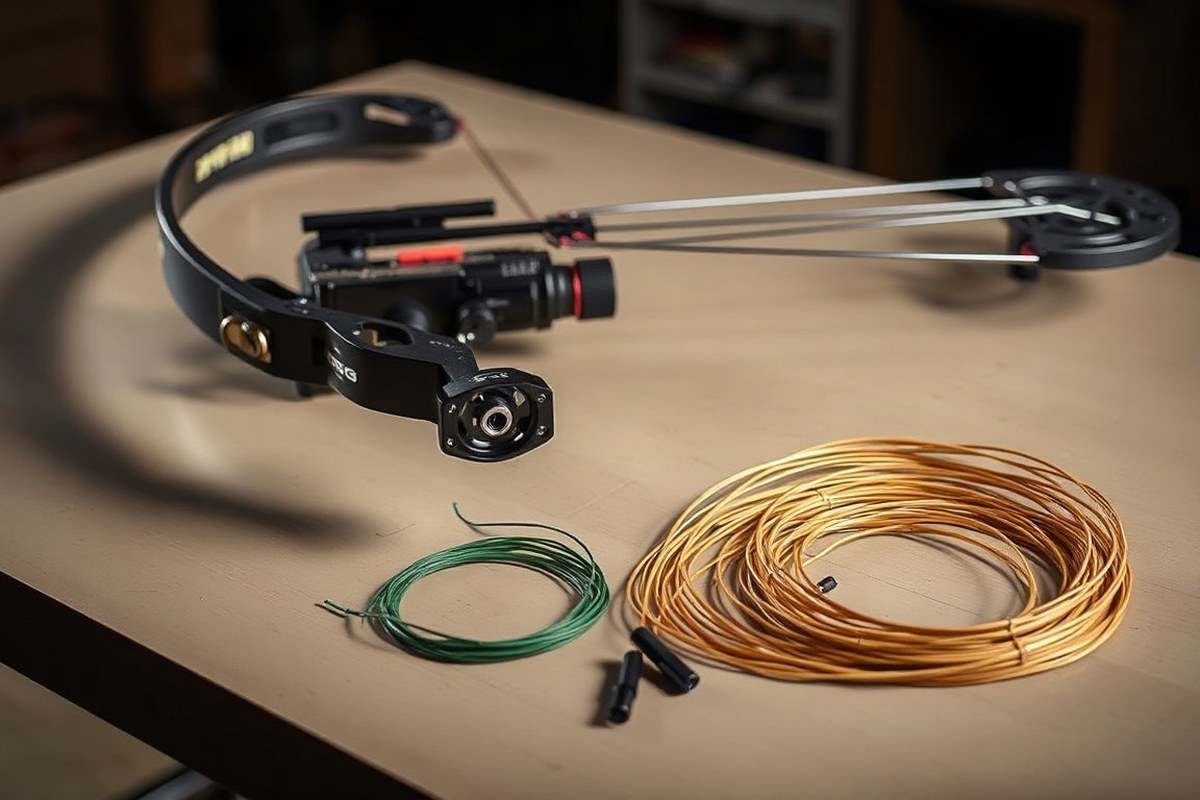
Your compound bow string generally needs replacing every 2 to 3 years or after firing between 2,500 and 5,000 shots, whichever milestone you reach first. This timeline balances the natural wear and material degradation caused by regular use, environmental factors such as humidity and UV exposure, and the stress the string endures during shooting. Even if you shoot infrequently, the synthetic fibers in the string will degrade over time, which affects performance and safety.
Counting your shots helps decide when to restring more precisely. Most compound bow strings withstand at least 2,500 shots before durability becomes an issue. For avid archers shooting several hundred arrows per season, this typically translates into about two to three years of use. Occasionally, bowstrings may fail sooner or last longer depending on your shooting style, how well the string is maintained, and storage conditions.
Maintaining your bowstring with regular waxing and proper storage away from extreme temperatures and moisture extends its lifespan. Without care, even a string with fewer shots can become fragile or lose tension faster. On the other hand, strings used gently and stored indoors in stable conditions may reach or exceed the 5,000-shot upper limit before replacement becomes necessary.
To monitor your exact shot count, keep a log or use an archery-specific app to track every arrow you shoot. Combine this with calendar reminders to check for physical degradation signs after two years. This approach ensures you replace your string before it becomes a safety or accuracy concern. If you notice alignment issues with timing marks on your bow or uneven shooting, these could be warning signs that it’s time to restring, even if the shot count or time frame isn’t fully reached.
Replacing the string yourself is possible but requires a bow press and some knowledge of bow tuning. Professional restringing typically costs between $50 and $150, reflecting the skill and equipment needed, especially since compound bows often have additional cables. DIY replacement strings cost around $20 to $60 but demand careful installation to avoid mistakes that could lead to performance issues or earlier wear.
In short, restring your compound bow every 2 to 3 years or after shooting 2,500 to 5,000 arrows. Tracking your shot count along with time helps you avoid lost accuracy and potential string failure. Taking these steps keeps your compound bow shooting reliably and safely through every season.
What Factors Affect Compound Bow String Lifespan?
How often you shoot significantly affects the lifespan of your compound bow string. High-volume shooters firing 50 or more arrows daily can wear out strings within 6 to 12 months. Casual archers shooting only a few times per week may find their strings last several years, provided they maintain them properly. The mechanical stress from each shot gradually stretches and abrades the string fibers, making frequent shooting the primary driver of replacement timing.
Storage and weather conditions also play a major role in string durability. Heat, humidity, and UV exposure accelerate degradation of string materials, especially synthetic fibers like Dyneema or FastFlight. Keeping your bow in a cool, dry place away from direct sunlight extends string life. Avoid leaving the bow strung during long storage periods, as constant tension combined with heat can weaken the fibers. Living in a humid climate or hunting in wet environments means you should check and wax your string more often to avoid moisture damage.
Material composition and bow setup add further variability. Strings made from higher-quality materials with more strand count tend to resist wear and stretching better. For example, a string with FastFlight cores typically outlasts one made from Dacron under similar conditions. The bow’s cam design and let-off percentage influence string tension and stress points. Bows with aggressive cams may transfer more force onto the string, requiring more frequent replacements. Also, worn cables can affect timing and put extra strain on your main string, so swapping cables along with the string ensures balanced performance.
Maintaining your compound bow string involves regular inspections, applying bowstring wax, and proper storage. Check for signs like fraying, serving separation, or strand breakage every shooting session. Waxing lubricates fibers and repels moisture, slowing wear; experts generally recommend waxing after about every 60 shots or once a week if shooting regularly. Storing your bow outdoors or in a place without climate control calls for more frequent inspections and waxing. Storing the bow unstrung during off-seasons further preserves string integrity.
Always stop shooting and consult a professional if you notice peep rotation, repeated tuning drift, or sudden changes in arrow impact, as these can signal string or cable stretch affecting your bow’s safety and accuracy.
What Are the Signs Your Bow String Needs Replacing?
Recognizing when your compound bow string needs replacing relies on spotting visible damage and noting changes in your bow’s performance. Signs such as fraying strands, peep sight movement, and loss of proper timing or poundage indicate it’s time to restring.
Fraying and Broken Strands
Carefully inspect the string and cables for any fraying, broken strands, or fuzzing, especially near cam grooves where stress concentrates. Use a bright light and run your fingers slowly along the string to feel for rough spots or separation of strands. Broken fibers or sections where strands are visibly splitting or fuzzy serve as immediate red flags for replacement.
Ignoring these signs can lead to string failure, which risks damaging your bow and causing injury. Even minor fraying will worsen with use, so replace the string as soon as you spot it. A routine check should also include the serving, the tightly wound thread around the string that reduces wear; if it is unraveling or delaminated, restringing is necessary.
Peep Sight and Tuning Changes
Peep sight rotation or movement during the draw is a common sign your string has stretched or worn unevenly. Since the peep sight is attached to the string, any twist or shift alters your aiming point. This can lead to inconsistent shots and difficulty maintaining accuracy.
Alongside peep sight issues, noticeable changes in tuning such as inconsistent arrow flight, erratic groupings, or changes to brace height also point to string wear. These performance changes happen because string stretch or uneven wear disrupts cam timing and string tension, affecting how your bow shoots.
- Watch for peep sight rotation when drawing the bow
- Check for inconsistent arrow grouping or flight paths
- Measure brace height loss using a bow square
- Note any sudden changes in draw feel or noise
- Inspect if the serving has loosened or peeled back
Confirming these issues early helps prevent more severe damage and preserves shooting quality.
Bow Timing and Poundage Signs
Compound bows rely on precise cam timing for optimal performance. If your bow’s timing marks no longer line up or the draw poundage is lower than usual despite unchanged settings, your string or cables may be stretched or damaged.
Use a bow scale to measure draw weight and compare it to your typical poundage. A noticeable drop or inconsistent draw force often signals string degradation. Mismatched cam timing results in uneven energy transfer, harming accuracy and increasing wear on limbs and other components.
Addressing timing and poundage issues early, by inspecting strings and possibly replacing them, helps maintain the bow’s reliability and safety. Professional tuning after replacing strings usually resets timing and brings poundage back to design specs.
String Surface Damage and Dirt Accumulation
Surface damage like abrasion, cuts, or chemical exposure weakens the string fibers and shortens string life. Environmental dirt, dust, sap, or moisture can accumulate on the string and serving, accelerating wear. Run your hand along the string to detect rough patches, sticky buildup, or discoloration.
Keep bowstrings clean by regularly applying appropriate bowstring wax to protect fibers. Avoid using solvents or water that can degrade string materials. Excess dirt or damage visible on the string surface indicates it may be time to restring, especially if combined with mechanical signs of wear.
How to Restring a Compound Bow Safely Using a Bow Press
Safely restringing your compound bow with a bow press requires the right tools, careful setup, and attention to safety. Using a bow press reduces risk by relieving limb tension, allowing you to remove and install strings and cables without injury. Follow precise steps to ensure a proper restring that keeps your bow working right and protects you from accidents.
Gathering Tools and New String Materials
You need a reliable bow press designed for compound bows, preferably a double pull press for even limb tension release. A new bowstring and cables compatible with your bow model are essential, usually costing between $30 and $60. Other helpful tools include an Allen wrench set for limb bolts, string wax for lubrication, and safety glasses to protect your eyes from sudden snaps.
Renting a bow press can be a cost-effective choice, usually priced between $10 and $25 daily. Verify that any replacement strings fit your bow’s draw length and draw weight requirements to ensure smooth tuning and performance.
Setting Up and Securing the Bow in the Press
Proper setup prevents damage and injury during restringing. Place your bow securely in the press, aligning it so both limbs sit evenly in the press’s holders. The press must release tension evenly, especially on a double pull model, to avoid warping the limbs or frame.
- Place your compound bow between the press arms, ensuring limbs rest securely in the limb holders.
- Adjust the press arms or limb cups as needed to fit snugly without forcing the bow in.
- Tighten or adjust the press to apply gradual pressure, monitoring tension gauges if available.
- Release the limb tension slowly and evenly until limbs are relaxed and the string slack.
Do not over-compress limbs or force the bow into the press, as this risks limb damage and personal injury. Always wear safety glasses at this stage to guard against string snaps.
Removing Old String and Cables Safely
With limbs relaxed, you can remove the old string and cables without risk of sudden release. Keep your fingers clear of contact points and hold cables firmly to prevent whipping. Bows with teardrop fittings require string removal from these points last to maintain cable stability during maintenance.
- Check that the bow limbs have zero tension before touching the strings.
- Loosen or detach the string loop from the cams or limbs carefully.
- Remove cables cautiously to avoid tangles or sudden movements.
- Inspect cables and components for wear signs to decide if replacement is needed.
Handling cables and strings gently prevents damaging cams, cables, or limbs. Skipping tension release is the main cause of mishaps during restringing.
Installing New String and Cables
Fitting your new string requires patience and precision. Loop the new string according to your bow’s design, attaching it to cams or limbs in the correct order, often starting with the cams for bows with teardrop fittings. Make sure cables are routed correctly to avoid timing issues later.
- Fit the new string onto the cams or limbs as per your bow’s specifications.
- Attach new cables if replacing, ensuring correct orientation and tension.
- Use your bow press to gradually reapply limb tension, keeping the bow steady throughout.
- Check that the string and cables sit properly on cams and are free of twists.
Do not try to force the string onto the cams without limb tension relieved, or you’ll risk damage. Use string wax on the new string to reduce wear and improve lifespan.
Retiming and Tuning After Restringing
Once the new string is installed and the bow tension restored, retiming is critical to restore accuracy and performance. Use a bow press or a timing light to ensure cams turn in sync and cables are correctly positioned. Adjust cable lengths if needed, typically with cable stops, to maintain proper timing.
- Draw the bow slowly and observe cam movement with a timing indicator or light.
- Adjust cable length or modules to synchronize cam rotation fully.
- Perform test shots at low draw weights to check for smooth operation and consistency.
- Fine-tune your bow’s tuning settings after confirming timing is correct.
Skipping retiming can lead to poor shooting accuracy and premature wear on parts. Allow time for string stretch over initial use and recheck timing before heavy shooting.
Should You Replace Your Cables When Restringing?
Replacing cables on a compound bow usually follows a schedule similar to string replacement but can vary depending on use and bow type. Cables often wear out at the same rate as strings because both endure constant tension and friction. Many manufacturers recommend replacing both strings and cables every two to three years or after a set number of shots to keep your bow performing safely and accurately. It is possible to replace just the string without changing the cables, especially if the cables show no signs of wear, but skipping cable replacement too long risks failure that can cause damage or injury.
Inspect cables regularly for defects that demand immediate replacement. Fraying, broken strands, visible core fibers, or severe discoloration are clear signs cables should be replaced right away. Any of these issues reduce the cable’s strength and can lead to sudden breakage during use. Other warning signs include unusual stretching or slipping in the cable loops. Proper maintenance includes checking the cables for these problems at least once a season or sooner if you shoot frequently.
| Source | Bow Type | Replace Strings and Cables |
|---|---|---|
| Hoyt | Compound | Replace the bowstring every two years during regular use or immediately when signs of wear appear. |
| Archery 360 (ATA) | Compound | At least every three years |
| Ravin | Most crossbows | Change your bowstring after 400 shots or within two years, depending on which happens earlier. |
| Ravin R500 and R18 | Crossbows | Switch out your bowstring following 200 shots or every two years, whichever happens first. |
The frequency of string and cable replacement depends on your shooting volume and conditions. Casual archers who shoot infrequently might extend the replacement cycle to three or four years, but that comes with increased risk of silent wear. Professional replacement services typically cost between $100 and $150 and include labor, new strings, cables, and tuning to factory specifications. Having a pro handle cable replacement ensures proper installation and bow performance.
Replacing just the string without changing the cables can be done, especially if the cables look good and haven’t stretched or frayed. This approach saves money and time but demands careful inspection. Always use the right tools, like a bow press, to avoid damaging the cables or the bow while restringing. Modern compound bows without certain design features require these tools, as manual threading is nearly impossible. After replacing cables or strings, thoroughly tune and test your bow to confirm smooth draw cycles and consistent arrow flight.
Don’t ignore early signs of cable wear, waiting too long can lead to sudden failure that may damage your bow or cause injury.
How to Maintain Your Compound Bow String for Longer Life
Maintaining your compound bow string properly can significantly extend its lifespan and keep your bow performing well. Waxing the string every 2 to 4 weeks is essential. Use a wax made specifically for bow strings, applying a small amount along the length of the string and around the loops. Rub the wax in gently with your fingers or a soft cloth until it melts into the fibers. Avoid putting wax directly on the serving to prevent it from becoming slippery. Regular waxing protects the fibers from moisture, UV damage, and friction wear, potentially doubling the string’s life.
Storage plays a key role in preventing string damage. Store your compound bow in a dry place with stable temperatures, ideally between 50°F and 80°F. Extreme heat or cold can weaken the string fibers over time. Avoid leaving your bow in direct sunlight or damp environments, as moisture can cause the string material to degrade. When storing for long periods, loosen the bow’s tension slightly if possible, or use a bow press to relieve pressure on the string and cables, helping to prevent stretching or deformation.
Performing regular visual inspections helps catch problems early. Check the string for fraying, broken strands, or excessive fuzziness each time you handle your bow. Pay attention to the serving; if it starts to unravel or wear thin, that is a sign to re-serve or consider restringing. Look for discoloration or stiffness, which can indicate damage from moisture or UV exposure. A simple checklist before and after shooting sessions could include feeling the string texture, examining the loops where it connects to cams, and testing serving tightness by lightly pulling or twisting it.
Common mistakes that reduce string lifespan include over-waxing or using household waxes, which can build up residue or fail to protect the fibers adequately. Applying too much wax on the serving makes it slippery, affecting the nocking point. Neglecting waxing for over a month increases exposure to wear factors like friction and moisture. Another error is improper storage, such as keeping the bow in a hot car trunk or basement with high humidity, accelerating string breakdown. Also, dry-firing the bow without an arrow puts extreme stress on the string and cables, leading to premature failure.
For a maintenance routine, set calendar reminders to wax your string every 2 to 4 weeks, check the string each time you shoot, and store your bow in a controlled environment consistently. Pick a wax brand recommended by bow manufacturers or archery professionals, which typically costs between $5 and $15 and lasts through many applications. Regular care demands only a few minutes but protects your investment and reduces the need for costly repairs or early restringing.
Common Mistakes That Lead to Premature String Wear
Dry firing a compound bow damages the strings by releasing intense shock forces designed to be absorbed by an arrow. Without an arrow to carry the energy, this shock can cause microscopic tears and weaken the string fibers, significantly reducing the string’s lifespan. Avoid dry firing entirely to prevent costly repairs or replacement of not only the strings but also the limbs, cams, and other moving parts.
Incorrect stringing or handling creates stress points that accelerate string failure. Using improper tools or techniques can twist, over-tighten, or kink the string. For example, twisting the string when applying wax or failing to use a bow press correctly can lead to early fraying and breakage.
Environmental factors like sunlight, humidity, and temperature changes degrade strings even when the bow is unused. Exposure to UV rays breaks down the synthetic fibers, while humidity can cause oxidation and mold buildup. Storing your bow in a dry, shaded place prevents this deterioration.
- Never dry fire your bow; always use an arrow or a proper bow stringer during practice
- Use a bow press designed for your bow model to remove and install strings safely
- Apply wax sparingly and evenly without twisting or overstretching the string
- Keep your bow stored in a cool, dry, dark area away from direct sunlight and moisture
- Regularly check cam alignment to prevent uneven string wear caused by poor arrow flight
- Avoid sharp bends or kinks in the string when unstringing or transporting your bow
- Replace frayed or visibly damaged strings promptly to prevent complete breakage
Following proper string care protects your investment by minimizing early wear and tear. Bow strings typically last a couple of years before needing replacement, but neglect or misuse can shorten that time significantly. Identifying and correcting these common mistakes extends string performance and helps maintain consistent shooting accuracy.
When to Seek Professional Help for Compound Bow String Replacement
Restringing a compound bow can be a straightforward task for experienced archers, but there are situations where leaving it to a professional is safer and more effective. When your bow has complex cams, cable systems, or shows signs of damage and misalignment, a pro’s expertise ensures proper installation, tuning, and safety. Opting for professional help also reduces the risk of costly limb damage or accidents from improper handling.
Signs Your Bow Needs Professional Tuning
Professional assistance is recommended for compound bows featuring complex cam systems such as binary or hybrid cams. Managing cable routing and timing for these designs demands expertise and specialized tools. Archers new to bow maintenance might find it difficult to maintain proper string tension and alignment, which can lead to damage or decreased accuracy.
Physical damage from previous use, including derailed cams or cracked limbs, demands an expert inspection and repair. Professionals can diagnose hidden problems and perform adjustments to restore optimal function. Irregular wear on your bowstring, unusual noises while shooting, or arrow flight that lacks consistency indicate the need for expert tuning and possibly restringing.
Typical Restringing Service Costs and What’s Included
Professional compound bow string replacement typically costs between $100 and $150. This usually covers labor, the new string, and basic tuning to adjust the bow’s draw weight and timing after installation. Some shops offer packages around $50 to $100 that include a full inspection and post-installation accuracy tests such as paper tuning, helping you verify proper arrow flight.
The price variation depends on the string quality, bow complexity, and added services like cable replacement or cam timing adjustments. Strings cost about $50 for basic types and can exceed $150 for high-grade, professionally made ones. Paying for timely restringing is financially prudent since ignoring worn strings might lead to limb damage costing $150 to $400 or more.
Choosing the Right Shop and Scheduling Maintenance
Find a reliable pro shop by looking for archery stores with certified bow technicians experienced in your bow model and cam system. Ask about their restringing process, warranty on their work, and whether they include testing to ensure your bow shoots straight post-service. Reviews and recommendations from local archery clubs or forums help identify trusted technicians.
Schedule restringing during your off-season or before heavy use periods to avoid last-minute issues during hunting or competitions. Regular visits to a pro shop for inspections and preventive maintenance protect your investment and keep your bow performing consistently. Confirm if the shop uses a bow press and follows safe restringing protocols to prevent damage.
Never attempt to restring a bow with damaged limbs or misaligned cams on your own; this can cause serious injury or permanent damage to your bow.
Step-by-Step Action Plan for Restringing Your Compound Bow
Follow these steps to keep your compound bow string in optimal condition and know when to restring it safely.
- Monthly: Inspect your bow string closely for fraying, broken strands, or excessive wear. Replace if you see any damage.
- After about 1500 shots: Plan to restring your bow. Keep track with a log or app to avoid missing this key maintenance point.
- Every 6 months: Apply bow string wax evenly along the entire string to prevent drying and extend string life. Watch for absorption and repeat if string looks dry again.
- Before restringing: Use a bow press and carefully follow manufacturer instructions or seek a professional. Ensure cables are inspected and replaced if frayed or worn during restringing.
- Daily during use: Avoid dry firing your bow and store it unstrung if not shooting for weeks. This prevents unnecessary stress on the string.
- After restringing: Test your bow for proper draw length and smooth function. Confirm the string is secure and all components are aligned with no twists.
- Annually or as needed: Visit a professional archery shop for a full inspection, especially if you notice unusual noises or performance changes.
Frequently Asked Questions
Can I Restring My Compound Bow Without a Bow Press?
Yes, but using a bow press is safer and easier, reducing risk of injury or damage. Without one, extra caution and experience are needed to avoid mistakes that affect bow performance.
How Long Does It Take to Restring a Compound Bow?
Restringing usually takes about 20 to 30 minutes once you have the proper tools and experience. Beginners may need more time and should avoid rushing to prevent errors.
Does Shooting Frequency Affect How Often I Should Restring?
Yes, the more frequently you shoot, the sooner your strings wear out, requiring more frequent restrings. Active archers often replace strings every 1 to 2 years, while casual shooters may stretch replacement intervals.
Are There Differences in String Strands for Compound Bows?
Typically, 28 strands provide good strength and durability for compound strings, but personal shooting style can influence the ideal strand count. More strands may offer extra strength but add weight to the string.
Can I Reuse Old Cables When Restringing My Compound Bow?
Reusing cables is generally not recommended because they wear alongside the string. Replacing them during restringing helps maintain bow timing and performance.
Will Improper Restringing Damage My Compound Bow?
Yes, incorrect restringing can cause poor shot consistency and potential bow damage. Using a bow press and following proper steps minimizes these risks.
Before You Go
Restringing your compound bow regularly depends on your shooting frequency, string condition, and maintenance habits. Maintaining your string and cables not only preserves performance but also ensures your safety. Start by tracking your shot count and inspecting your string monthly for wear. Take action early to avoid damage and keep your bow ready for accurate, safe shooting.