Understanding Infrared Night Vision: How It Works and Why It Matters
Infrared night vision is a technology that allows people and devices to see in low-light or complete darkness by detecting infrared radiation, which is invisible to the naked eye. This technology converts infrared light emitted or reflected by objects into a visible image, enabling clear vision regardless of lighting conditions.
This capability matters because traditional cameras or the human eye cannot see in the dark, limiting surveillance, navigation, and observation tasks at night. Infrared night vision fills this gap by harnessing the heat signature or reflected infrared light, making it invaluable in security systems, wildlife monitoring, and nighttime activities.
In this article, you will learn about how infrared night vision works, its main types and technologies, practical applications, advantages and limitations, and key factors to consider when choosing infrared night vision devices.
How Infrared Night Vision Technology Works
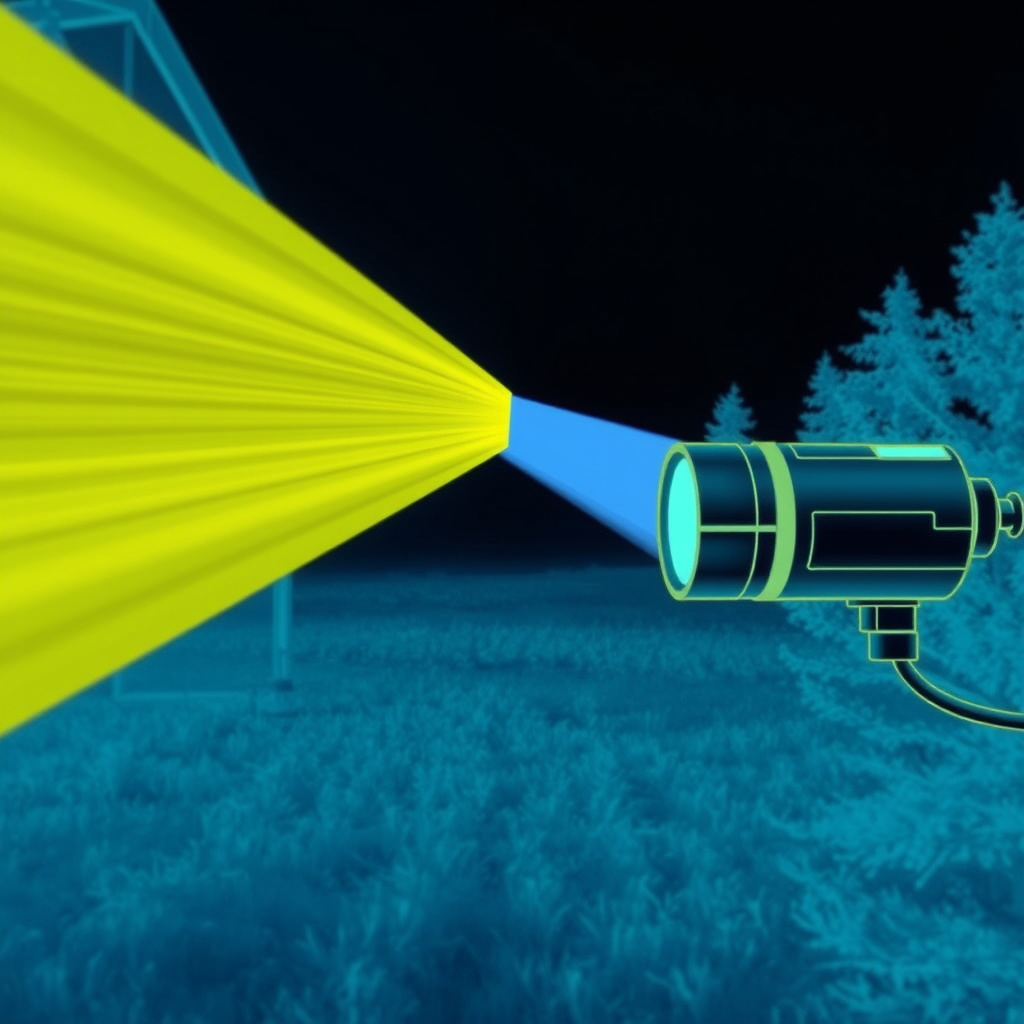
The Basics of Infrared Radiation
Infrared radiation is part of the electromagnetic spectrum, with wavelengths longer than visible light but shorter than microwaves. Objects emit infrared radiation as heat, which devices can detect even in total darkness because heat is always present.
Night vision devices capture this radiation using specialized sensors or image intensifiers. The detected infrared radiation is then processed and translated into a visible image that users can interpret.
Image Intensification and Thermal Imaging
There are two primary infrared night vision methods: image intensification and thermal imaging. Image intensifiers amplify available ambient light, including near-infrared light, to create a brighter image in dark environments.
Thermal imaging sensors, on the other hand, detect mid-to-far infrared wavelengths emitted directly from objects’ heat signatures, producing images based on temperature differences rather than reflected light.
Common Applications of Infrared Night Vision
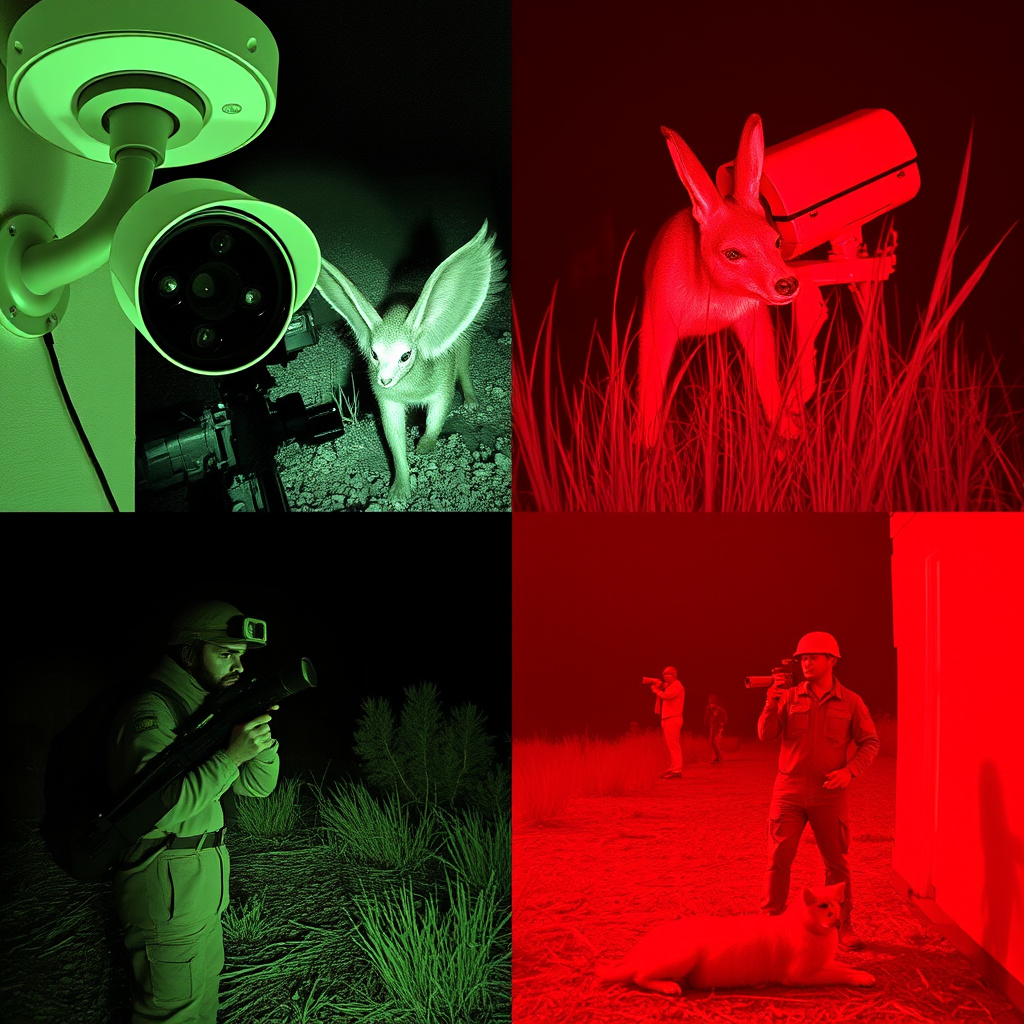
Security and Surveillance
Infrared night vision is widely used in security cameras to monitor homes, businesses, and public spaces at night. Infrared LEDs integrated into cameras emit light invisible to the human eye but visible to the sensors, ensuring clear video images in darkness.
This technology improves safety by allowing continuous monitoring regardless of lighting conditions, detecting motion, and capturing evidence without additional lighting.
Wildlife Observation and Outdoor Activities
Wildlife enthusiasts and researchers use infrared night vision to observe nocturnal animals without disturbing them with visible light. Thermal imaging, in particular, helps detect animals based on heat signatures even when hidden by foliage.
Outdoor enthusiasts also use infrared night vision devices for nighttime navigation, camping, and security during low light hours.
Choosing Infrared Night Vision Devices
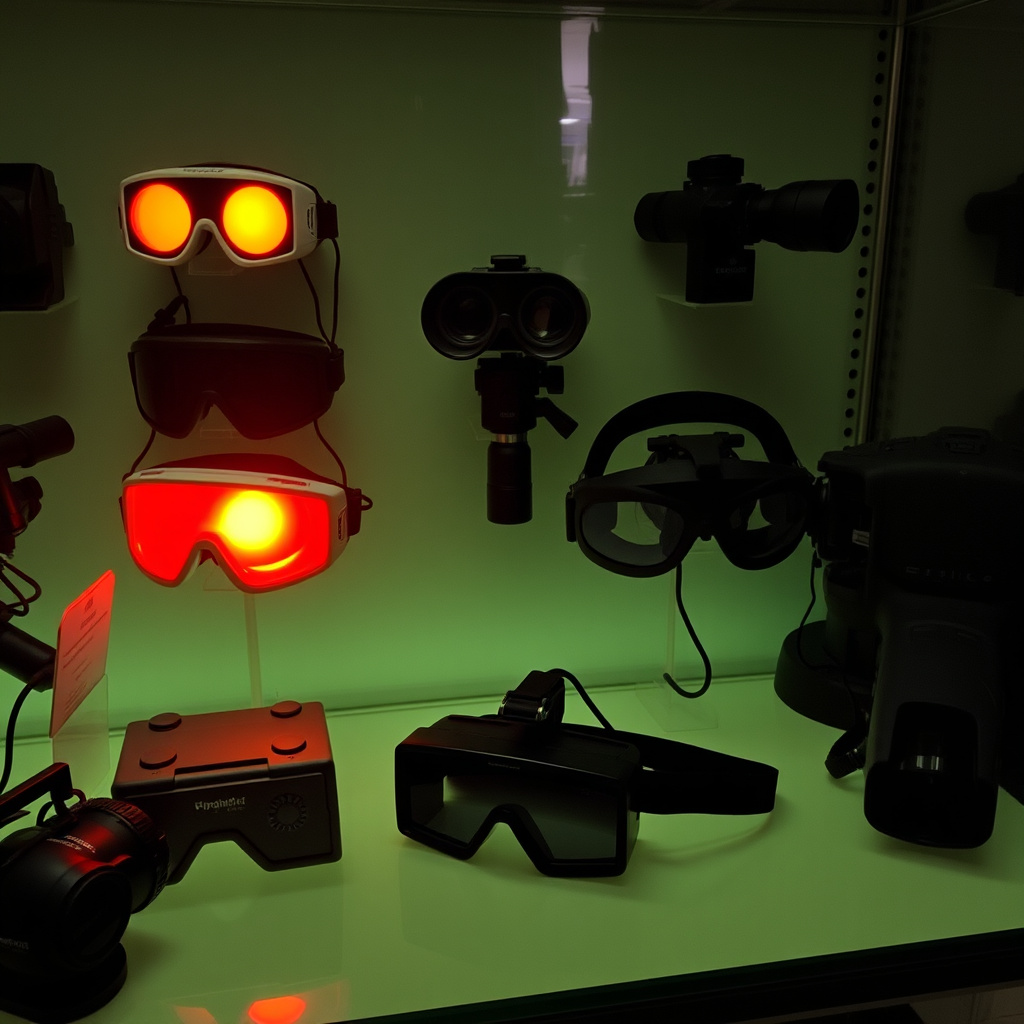
Factors Affecting Device Performance
Resolution, sensitivity, and range are critical performance factors for infrared night vision devices. Higher resolution provides clearer images, while sensor sensitivity influences how well the device detects subtle temperature or light differences.
Range defines how far the device can effectively detect infrared radiation. Device power consumption and durability also influence user experience during extended use.
- Resolution quality
- Sensor sensitivity
- Detection range
- Battery life and build quality
For more on this, see our related guide: Is Night Vision Infrared? Understanding Night Vision Technology.
Types of Infrared Night Vision Equipment
Options include handheld cameras, goggles, weapon sights, and security systems. Each serves different needs, varying in portability, field of view, and image quality.
For instance, goggles offer hands-free viewing for tactical or recreational use, whereas cameras are stationary or handheld for capturing and recording infrared images.
Advantages of Infrared Night Vision
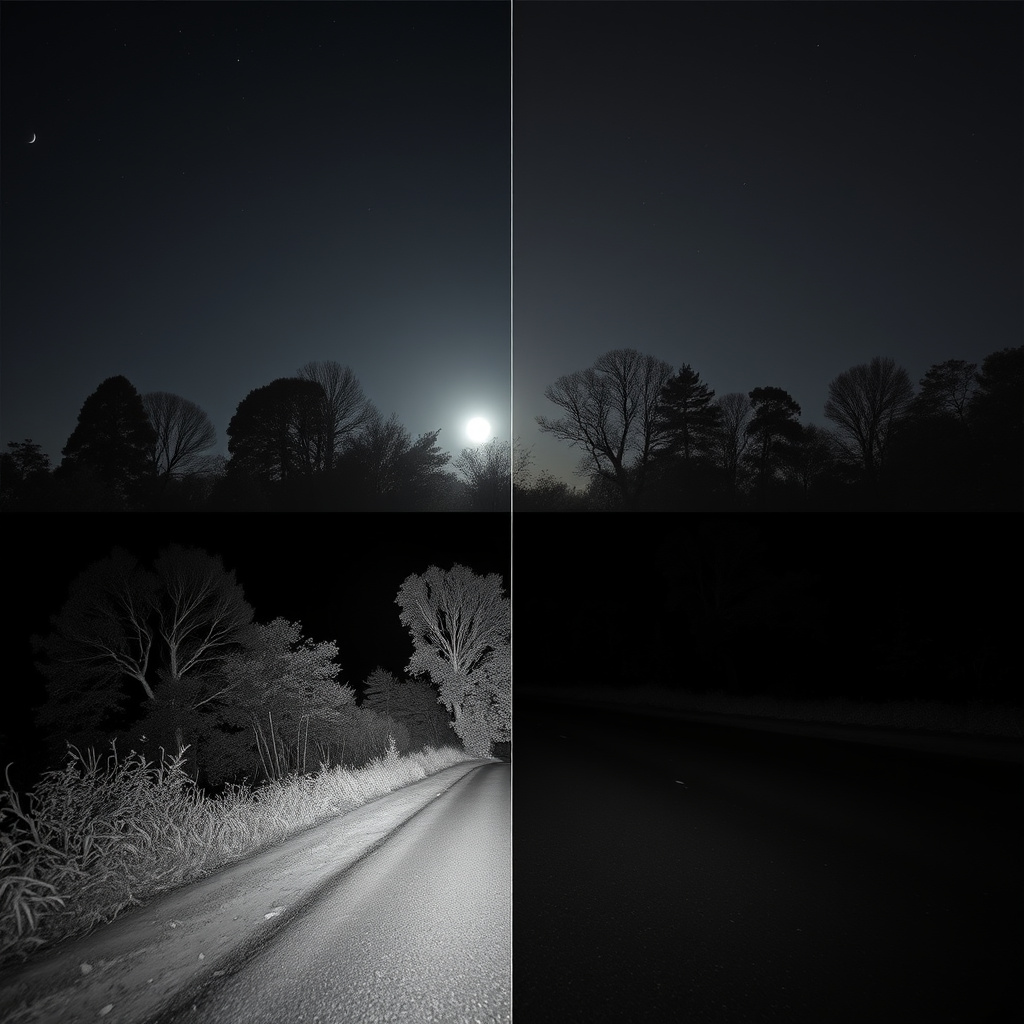
Operating in Total Darkness
Infrared night vision enables visibility where no visible light exists by detecting heat or infrared light. This capability surpasses traditional low-light vision methods that rely on some ambient light.
It offers a significant advantage for security, wildlife viewing, and military applications by maintaining situational awareness regardless of lighting.
Non-Intrusive Observation
Because infrared illumination is invisible to the human eye, users can observe environments discreetly without disturbing animals or alerting intruders.
This makes infrared night vision an ethical and efficient tool in wildlife research and covert operations.
Limitations and Challenges of Infrared Night Vision
Environmental Constraints
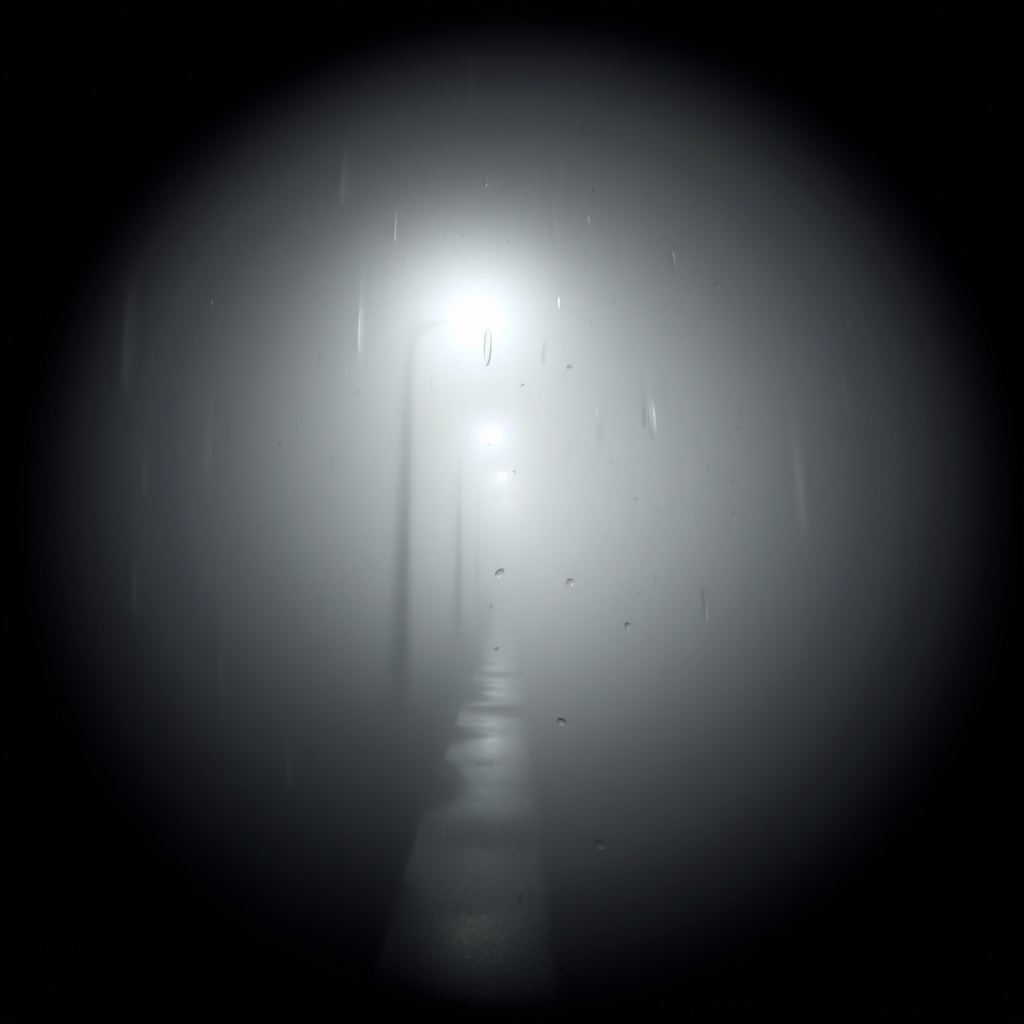
Infrared night vision performance declines in fog, heavy rain, or smoke since these particles absorb or scatter infrared radiation. This interference reduces the clarity and range of the visible image.
Dust and dirt on optics can further degrade image quality, requiring regular maintenance for optimal performance.
For more on this, see our related guide: Is Night Vision Infrared? Understanding How Night Vision Technology Works.
Cost and Power Considerations
High-quality infrared night vision devices can be costly due to advanced sensor technology. Additionally, their power consumption may limit continuous operation without frequent battery replacement or recharging.
Choosing a device requires balancing budget constraints with desired performance and use duration.
Integrating Infrared Night Vision with Other Systems
Smart Home and Security Systems
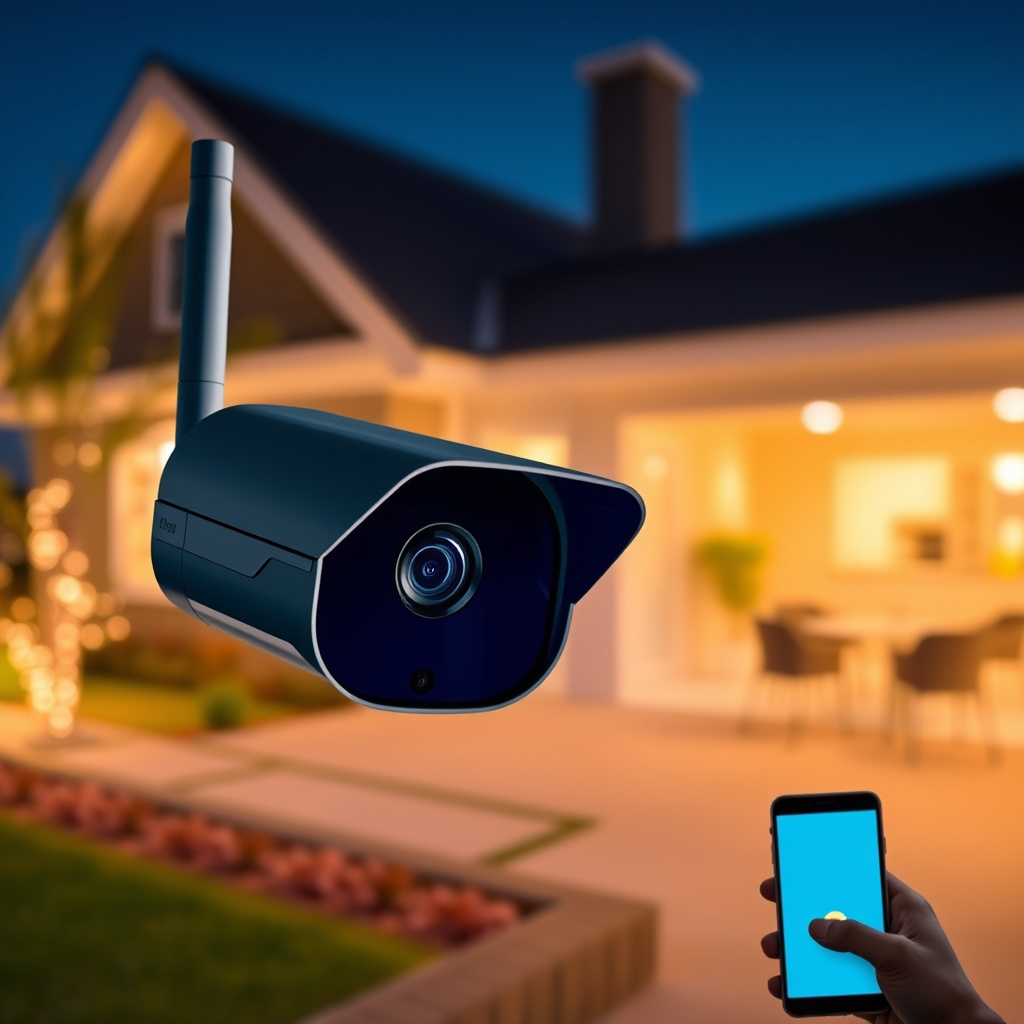
Infrared night vision cameras are often integrated into modern smart home security setups, offering remote monitoring and alerts through mobile apps.
This integration enhances user convenience, allowing surveillance footage to be accessed and managed in real-time from anywhere.
For a deeper understanding of infrared radiation, consult the infrared radiation Wikipedia article. infrared radiation Wikipedia article.
Vehicle and Drone Applications
Infrared night vision technology is increasingly used in vehicles and drones for nighttime navigation, obstacle detection, and search-and-rescue missions.
This integration improves operational safety and efficiency when visibility is compromised by darkness.
Infrared Night Vision Technology Category Comparison
Here is a comparison of common infrared night vision categories, highlighting their key features and typical uses.
| Category | Detection Method | Typical Range | Image Type | Common Applications |
|---|---|---|---|---|
| Image Intensifier | Amplifies available light including near-infrared | 150-300 meters | Green-hued visible image | Military, surveillance, personal use |
| Thermal Imaging | Detects heat radiation | up to 1000 meters | Black and white or false color thermal image | Search and rescue, wildlife, vehicle navigation |
| Infrared Illumination Cameras | Emit IR LED light and capture reflections | 50-100 meters | Monochrome visible image | Home security, outdoor cameras |
| Hybrid Systems | Combine image intensification and thermal sensors | Varies widely | Overlay images for enhanced visibility | Advanced tactical and security operations |
Frequently Asked Questions
Is infrared night vision effective in complete darkness?
Yes, infrared night vision devices detect heat or emit infrared light to create images, allowing vision in total darkness where visible light is absent.
Can infrared night vision see through fog or smoke?
Infrared vision performance is reduced in fog or smoke because these obscure or scatter infrared radiation, limiting image clarity and range.
What is the difference between thermal imaging and image intensification?
Thermal imaging senses heat emitted by objects, while image intensification amplifies existing ambient or infrared near-light to enhance visibility.
Do infrared night vision devices consume a lot of power?
Power consumption varies by device type and technology; thermal imagers generally use more power, affecting battery life during extended use.
Are infrared night vision devices expensive?
Prices range widely. Basic IR illumination cameras are affordable, whereas advanced thermal or hybrid systems can be costly due to sensitive sensor technology.
Key Takeaways
- Infrared night vision detects heat or infrared light to create images in darkness.
- There are two main types: image intensification and thermal imaging.
- Applications range from security cameras to wildlife observation and tactical use.
- Limitations include reduced performance in adverse weather and higher cost for advanced systems.
Conclusion
Infrared night vision offers a powerful solution for seeing in the dark by exploiting the invisible infrared part of the electromagnetic spectrum. Deciding which technology or device to use depends on factors like intended application, required range, image quality, and budget. Careful evaluation of these elements will guide users toward the best fit for their specific needs.
For general home security, infrared illumination cameras provide an affordable and effective option, illuminating scenes with invisible IR light for clear nighttime recording. Wildlife watchers or professionals needing to detect heat signatures may prefer thermal imaging devices that reveal temperature differences. When a combination of clarity and thermal detection is required, hybrid night vision systems deliver versatile performance suited for tactical or complex surveillance tasks.
If you're exploring infrared night vision options, start by identifying your core use case and desired features such as range and image detail. Compare practical results from various technologies and manufacturers, and consider user reviews. This approach will help you select an infrared night vision device that delivers dependable performance, offering enhanced awareness during nocturnal conditions.