Why Do We Need Two Eyes? Understanding Binocular Vision
We need two eyes primarily to achieve binocular vision, which allows us to perceive depth and judge distances accurately. This dual-eye setup enhances our ability to navigate environments, perform tasks, and detect motion effectively.
Having two eyes provides a wider field of view and overlapping visual input that the brain combines for richer spatial understanding. Without two eyes, our perception of distance and three-dimensional space is significantly diminished, impacting activities from driving to sports.
This article will explain the key reasons why humans have two eyes, focusing on binocular vision, depth perception, field of view advantages, and how these features improve our interaction with the world.
How Two Eyes Create Depth Perception
The Role of Stereopsis in Vision
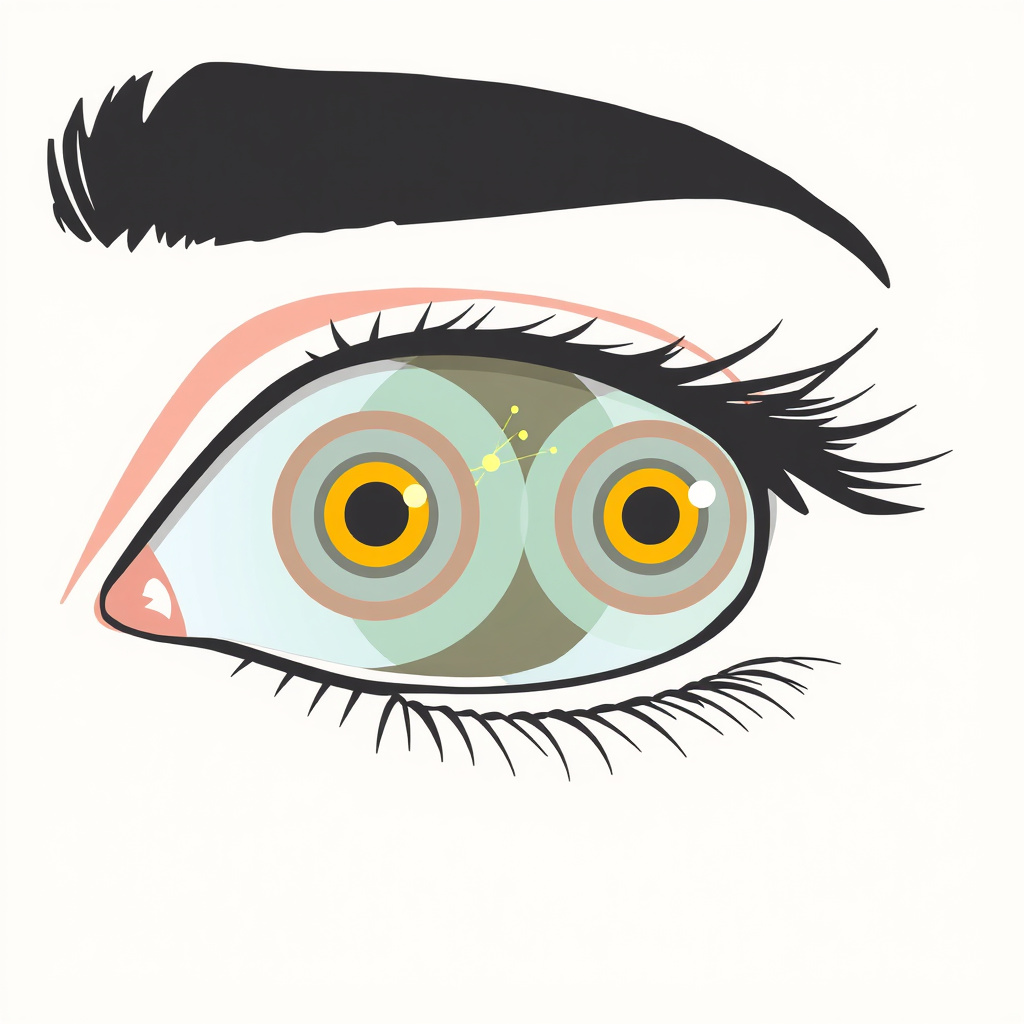
Stereopsis is the process by which the brain merges two slightly different images from each eye into a single three-dimensional perception. This is possible because our eyes are spaced apart, providing unique views of the same scene.
This disparity between images allows the brain to calculate depth accurately, helping us determine how far objects are and enabling precise hand-eye coordination.
- Binocular disparity is the difference between images seen by each eye
- Brain integrates these differences for depth cues
- Essential for judging distances in daily activities
Limitations of Monocular Vision
When using only one eye, depth perception relies on less precise cues like size, perspective, and motion, which can be misleading in certain situations.
Monocular vision may cause difficulties in spatial tasks, such as catching a ball or parking a car, since the brain lacks stereoscopic information to judge exact distances.
Expanded Field of View with Two Eyes
How Two Eyes Widen Visual Coverage
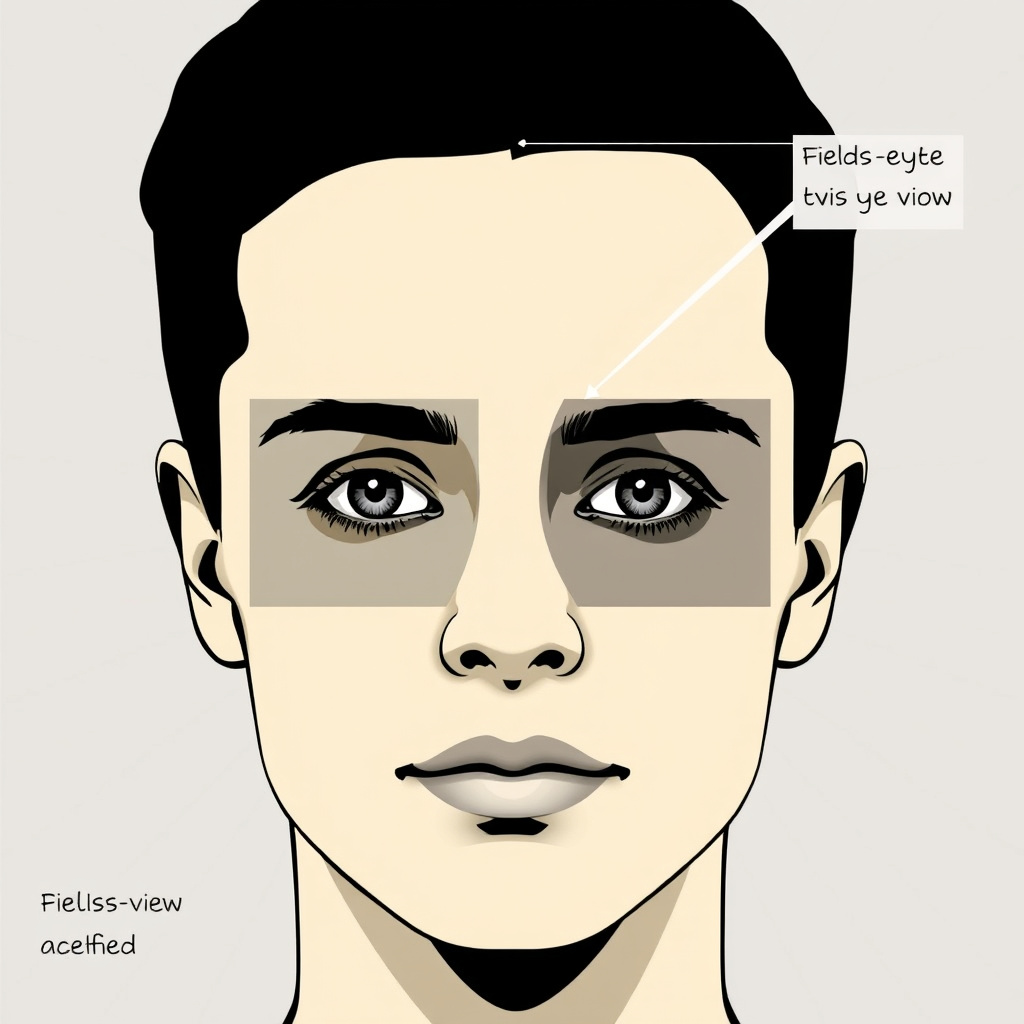
Two eyes positioned on the front of the head provide overlapping visual fields, but also extend peripheral vision compared to a single eye. This wider coverage allows better environmental awareness.
A broad field of view helps detect movement or hazards from the sides, essential for survival and everyday activities such as walking in crowds or driving.
- Approximately 120 degrees of binocular field
- Peripheral vision extends beyond central focus
- Enables early detection of potential dangers
Advantages Over Animals with Lateral Eyes
Animals with eyes on the sides of their heads have an even wider total field of view but less overlap, resulting in weaker depth perception.
Humans benefit from two forward-facing eyes that optimize both depth perception and wide coverage for complex visual processing.
Improved Motion Detection and Visual Processing
Combining Inputs for Motion Sensitivity
With two eyes, the brain compares timing and position differences in moving objects seen from each eye, enhancing sensitivity to motion.
This ability helps in tracking moving targets accurately and reacting swiftly, important in sports and daily safety.
For more on this, see our related guide: Why Do We Need Two Eyes? Exploring the Benefits of Binocular Vision.
Visual Cortex Integration
The visual cortex combines signals from both eyes, improving image clarity and contrast.
This integration refines not only depth and motion perception but also aids in detecting textures and details in complex scenes.
Redundancy and Visual Backup
Safety Net Against Injury
Having two eyes provides a form of redundancy; if one eye is injured or impaired, the other can often maintain some level of vision.
This backup system ensures that visual function is not completely lost, which could be life-threatening in certain circumstances.
- Maintains basic vision if one eye fails
- Allows the brain to adapt to monocular vision over time
Brain Adaptability in Vision Loss
The brain can adjust to losing input from one eye by enhancing the use of monocular cues for depth and spatial understanding.
While depth perception decreases, many people with one eye develop strong compensatory skills.
Evolutionary Perspective on Two Eyes
Advantages in Predatory and Navigational Tasks
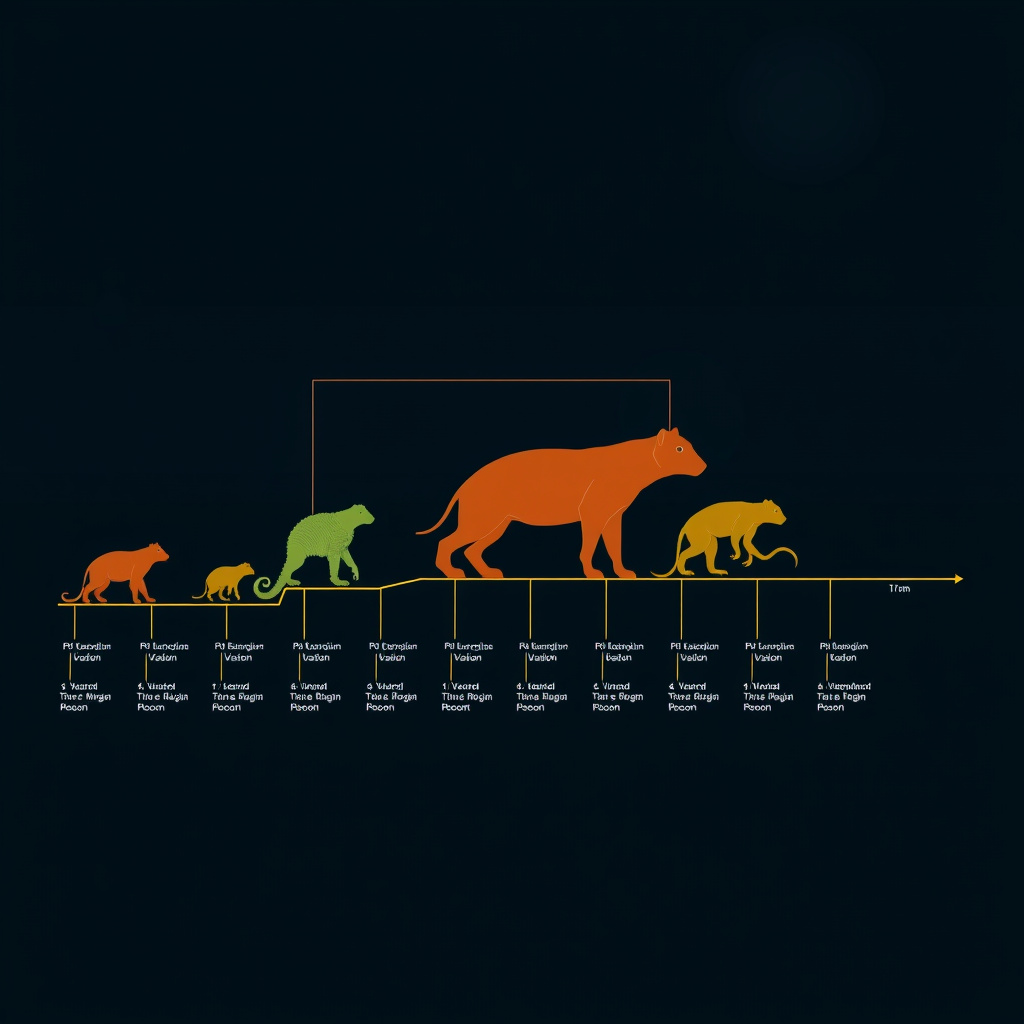
Two forward-facing eyes evolved in predators and primates to improve hunting accuracy and navigation through complex environments like forests.
Depth perception is especially beneficial in judging distances when chasing prey or moving between branches.
For more on this, see our related guide: Why Do We Have Two Eyes? Exploring the Purpose of Human Binocular Vision.
Comparison with Prey Species Eye Placement
Many prey animals have eyes on the sides of their heads to maximize field of view and detect threats from nearly all directions.
This trade-off between field of view and depth perception highlights evolutionary adaptations for different survival strategies.
Common Vision Issues Related to Two Eyes
Strabismus and Its Impact on Depth Vision
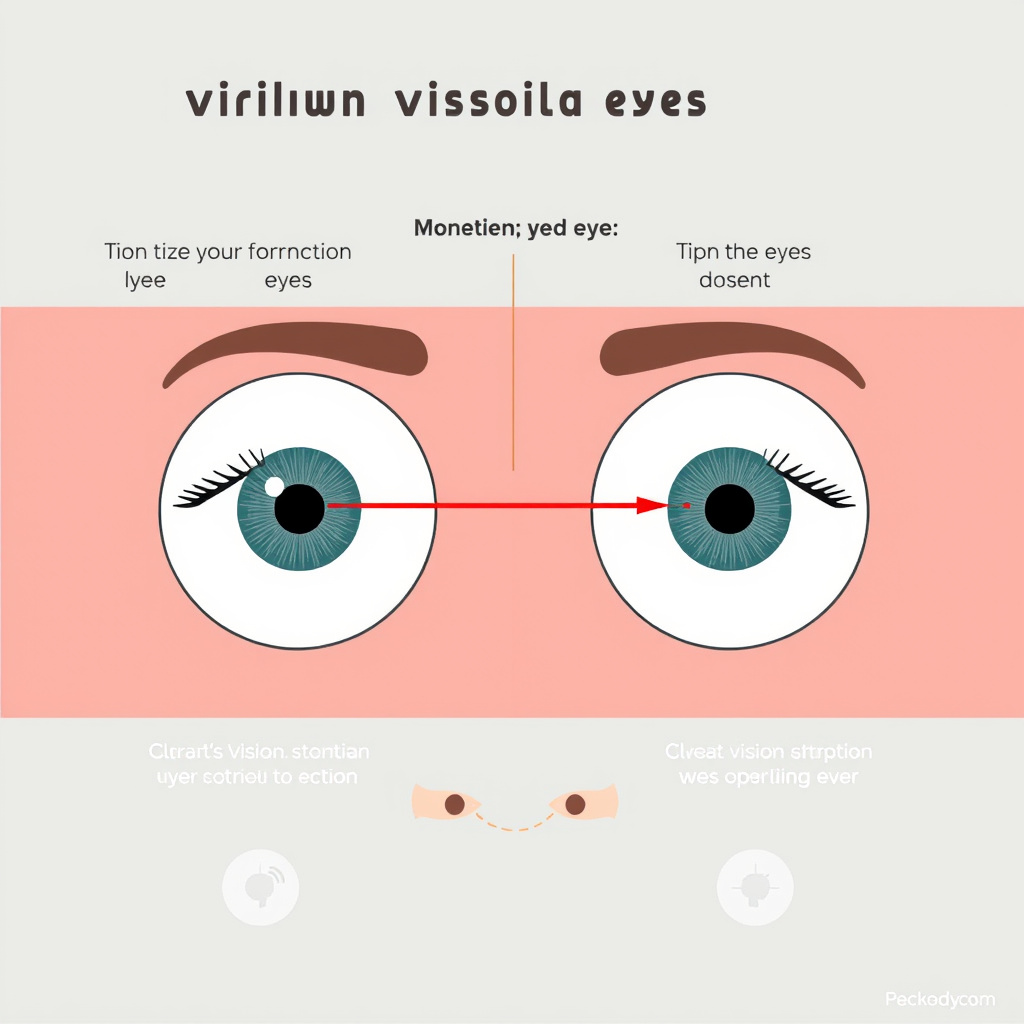
Strabismus, or misalignment of the eyes, can disrupt binocular vision and impair depth perception.
Treatment often focuses on realigning the eyes to restore coordinated vision and improve spatial understanding.
Amblyopia and Reduced Binocular Function
Amblyopia results when one eye is weaker, causing the brain to favor the stronger eye and potentially losing binocular vision benefits.
Early diagnosis and intervention are important to preserve or restore binocular vision and the related advantages.
How the Main Keyword Influences Daily Life
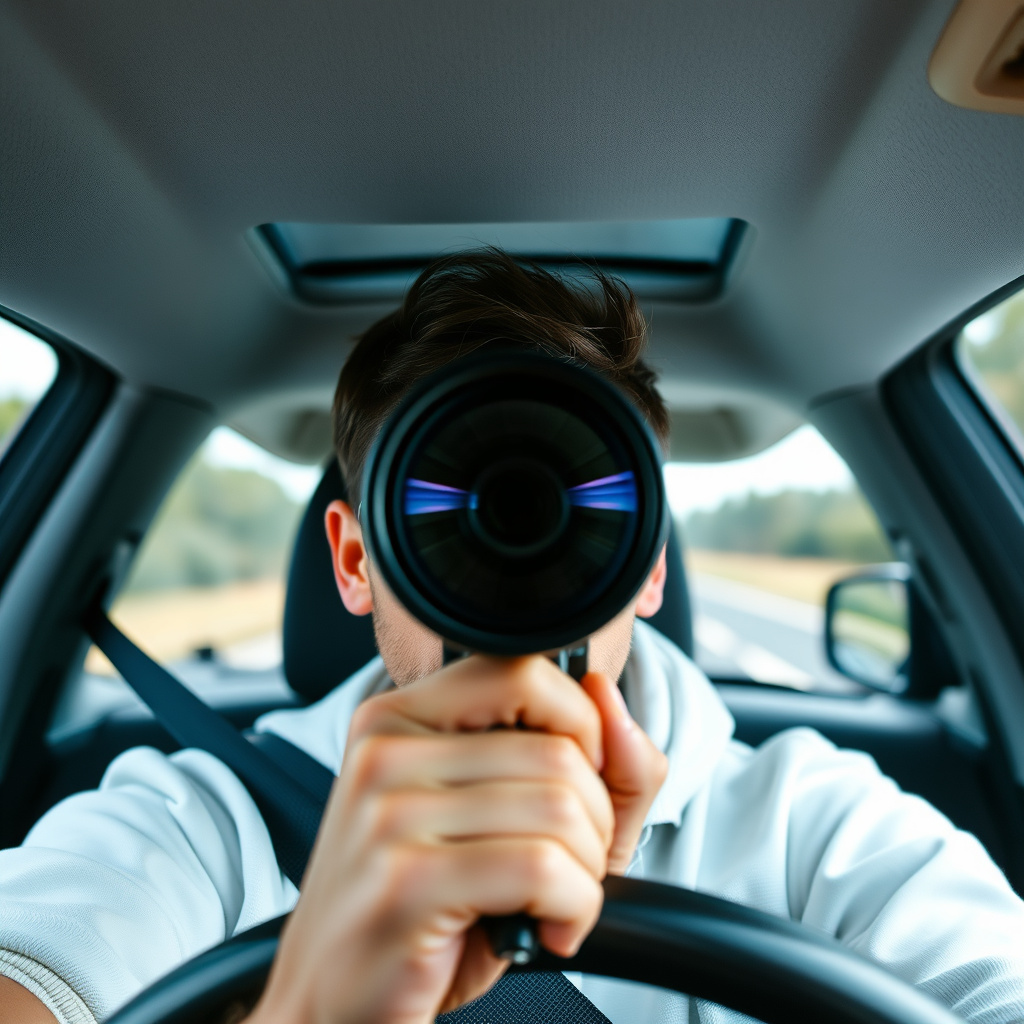
Tasks Enhanced by Having Two Eyes
Binocular vision benefits a variety of daily tasks such as driving, sports, and even simple actions like pouring liquids or walking downstairs.
The ability to judge distances accurately and detect motion helps reduce accidents and improves efficiency in physical activities.
- Sports performance
- Vehicle operation
- Manual tasks
For a detailed explanation of binocular vision and how the eyes work together, check the National Eye Institute binocular vision overview. National Eye Institute binocular vision overview.
Secondary Keyword: Binocular Vision Benefits in Context
The benefits of binocular vision extend beyond depth perception to improved hand-eye coordination and spatial awareness.
These combined advantages have practical importance in both work environments and recreational settings.
Comparison of Vision Types and Eye Configurations
The following table compares different vision types and eye placements across species and their functional advantages.
| Eye Configuration | Field of View | Depth Perception | Common Species |
|---|---|---|---|
| Forward-facing two eyes | ~120 degrees binocular overlap | High depth perception (stereopsis) | Humans, primates, predators |
| Lateral eyes on each side | Up to 300 degrees total field | Low depth perception | Rabbits, deer, many prey animals |
| Single eye (monocular) | Limited field, no binocular overlap | Minimal depth perception | Certain invertebrates |
| Compound eyes (multiple lenses) | 360 degrees in some | Different mechanism for depth | Insects like flies and dragonflies |
Frequently Asked Questions
Why can’t we get good depth perception with one eye?
Depth perception mainly depends on combining two different perspectives from both eyes. One eye alone provides flat, two-dimensional information relying on visual cues, which is less precise for judging exact distances.
Do all animals have two eyes for better vision?
Most animals have two eyes, but eye placement varies. Predators tend to have forward-facing eyes for depth perception, while prey animals often have side eyes for wider fields of view and early threat detection.
Can people with vision in one eye adapt to depth perception challenges?
Yes, people with vision in only one eye often rely on cues like size, motion, and perspective to judge distance and may develop strong compensatory skills over time.
What problems occur if the eyes do not coordinate?
Conditions like strabismus prevent the eyes from working together properly, reducing or eliminating binocular vision and impairing depth perception. Early treatment can help restore coordinated vision.
How does binocular vision affect daily activities?
It improves tasks requiring distance judgment and hand-eye coordination, such as driving, sports, and simple tasks like pouring drinks or navigating stairs, enhancing safety and accuracy.
Key Takeaways
- Two eyes enable precise depth perception through binocular vision.
- Field of view is wider and more informative with two eyes than one.
- Binocular vision enhances motion detection and spatial awareness.
- Eye coordination problems can reduce the benefits of having two eyes.
Conclusion
Understanding why we need two eyes centers on how binocular vision provides depth perception, a vital function for interpreting the three-dimensional world. By combining slightly different views from each eye, the brain creates an accurate sense of distance that drives much of our everyday interaction with our surroundings. This ability to perceive depth allows for safer navigation, effective hand-eye coordination, and recognition of movement, enhancing numerous daily tasks and activities.
Choosing between the natural configurations of eye placement and their evolutionary benefits shows that having two eyes positioned forward is a deliberate adaptation favoring fine depth perception and spatial processing. In practical scenarios, this configuration supports activities like driving, sports, and intricate manual work. For individuals experiencing issues such as strabismus or amblyopia, treatments targeting eye coordination aim to restore binocular vision benefits whenever possible to maintain this critical visual advantage.
If you are curious about your own vision or want to better understand the importance of binocular vision, starting with a comprehensive eye exam is a strong first step. Recognizing how your two eyes work together can improve awareness of visual strengths and challenges. For more detailed explanations about human eye anatomy and vision science, authoritative sources like the National Eye Institute offer valuable information.