How Much Do Night Vision Binoculars Cost? A Complete Pricing Guide
Night vision binoculars typically cost between $150 and $2000, depending largely on their generation technology, features, and build quality. Entry-level models with basic infrared capabilities fall on the lower end, while advanced digital and Gen 2 or Gen 3 optics can push prices into the high hundreds or thousands.
Understanding the price spectrum matters because it directly impacts the image clarity, detection range, and usability during nighttime observation. Cheaper models often work well for casual use but may lack durability and resolution compared to more expensive units designed for professional or tactical applications.
This article will break down the main factors that influence night vision binoculars pricing, compare different categories based on features and budget, and offer practical guidance for selecting the model that best fits your needs.
Night Vision Technology and Cost Implications
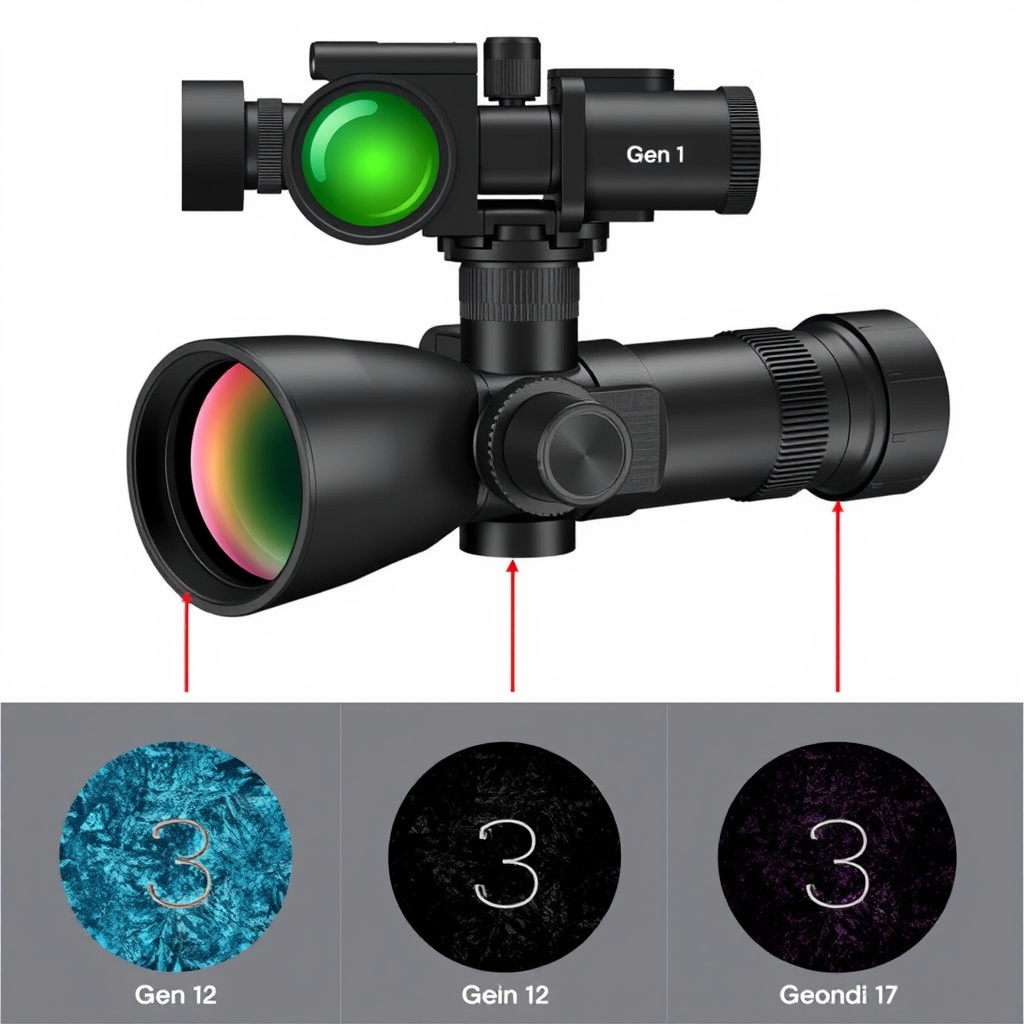
Generation 1 Night Vision Binoculars
Generation 1 is the most affordable night vision technology, typically costing between $150 and $400. These use simple image intensifier tubes with infrared illumination but have limited range and produce lower-resolution images.
These binoculars are ideal for beginners or casual observers, but they often require external IR illuminators in complete darkness, and their tubes tend to have shorter lifespans compared to higher generations.
- Price range: $150–$400
- Shorter detection range
- Lower image clarity
Generation 2 and 3 Night Vision Binoculars
Gen 2 binoculars significantly improve image resolution and sensitivity, with costs ranging from around $600 to $1200. They feature upgraded image tubes and sometimes incorporate built-in infrared illuminators.
Generation 3 models represent professional-grade optics, costing $1500 to $2000 or more, offering superior image quality, longer range detection, and better performance in extremely low light conditions.
- Gen 2 price range: $600–$1200
- Gen 3 price range: $1500–$2000+
- Higher sensitivity and detail
Digital Night Vision Binoculars: A Modern Alternative
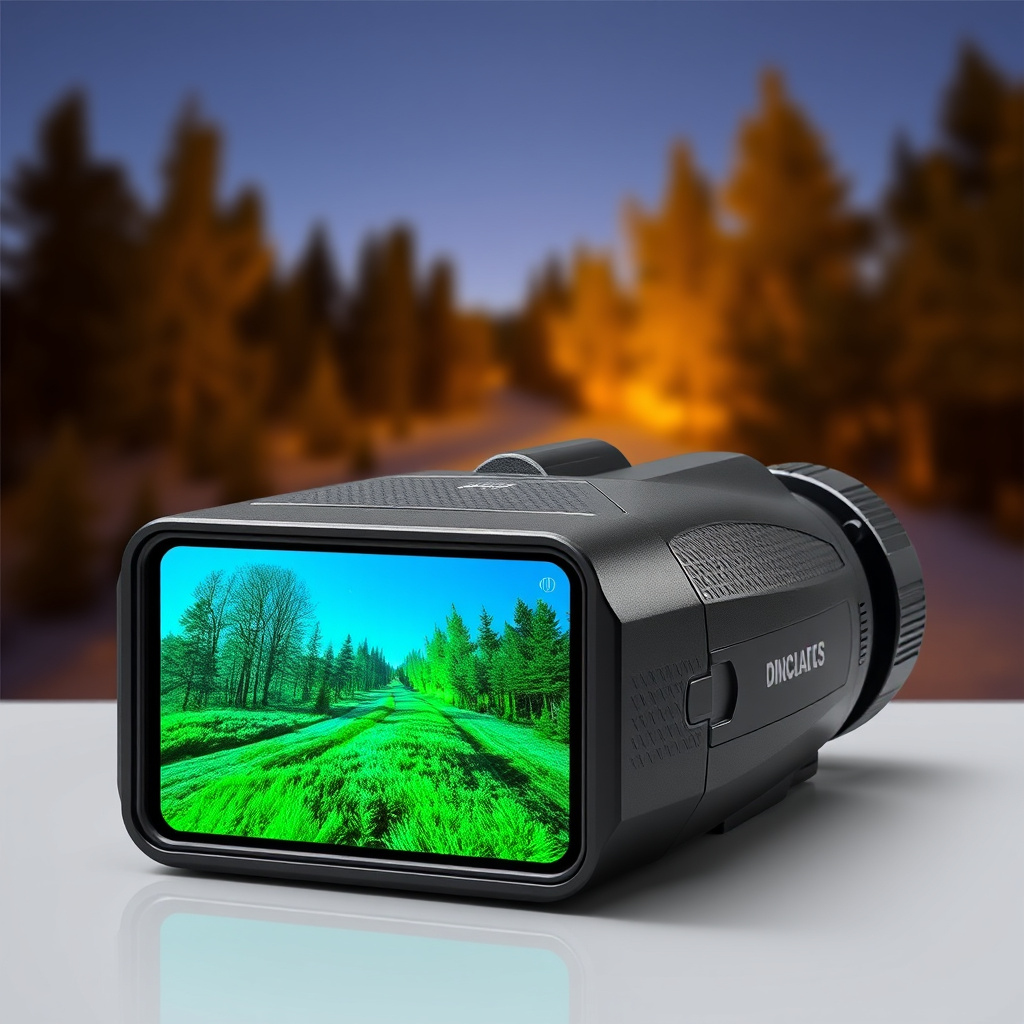
Advantages of Digital Night Vision
Digital night vision binoculars operate by capturing digital images with a sensor, then enhancing them on an LCD screen. They are more affordable than Gen 2 and 3 options, usually priced between $250 and $700.
They allow for daytime use and can record video or take photos, features not available in traditional analog night vision binoculars.
- Usable during day and night
- Built-in recording capabilities
- Lower maintenance costs
For more on this, see our related guide: How Much Does a Security Camera Cost? A Complete 2024 Pricing Guide.
Limitations Affecting Price
While digital units cost less than advanced generation binoculars, they often have shorter battery life and limited range in total darkness when compared to analog Gen 3 optics.
Image lag and screen glare may also impact performance, making them less suitable for professional uses despite their appealing features.
Factors That Affect Night Vision Binoculars Pricing
Build Quality and Durability
Models built with rugged materials, weatherproof or waterproof designs, and shock-resistant housings generally cost more. These are crucial for hunters, military personnel, or outdoor enthusiasts who expose their equipment to harsh conditions.
Affordable binoculars often use lighter plastics and lack robust sealing, which reduces their lifespan when used outdoors in inclement weather.
- Waterproof and fog-proof ratings
- Shock-resistant construction
Additional Features Influencing Cost
Features like built-in IR illuminators, zoom capabilities, image stabilization, and long battery life can increase the price. Some models also come with accessories such as carrying cases, rechargeable batteries, or smartphone integration.
More advanced optics with wider field of view and higher magnification generally command higher prices as well.
- Infrared illuminators
- Magnification and zoom
- Video recording functions
Comparing Night Vision Binocular Categories and Prices
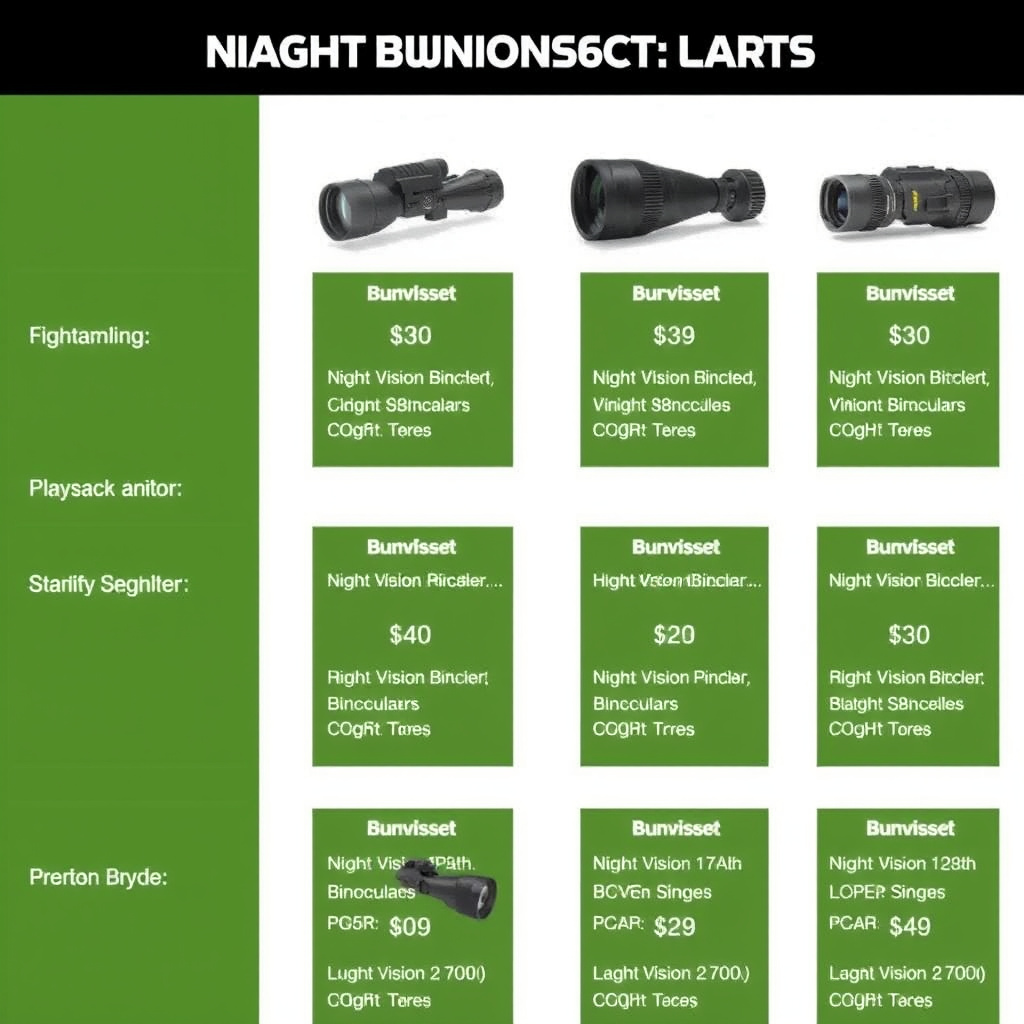
Entry-Level Options for Casual Use
Budget binoculars focusing on basic Gen 1 technology or entry-level digital systems often cost less than $400, suited for casual observers or hobbyists who need no advanced features.
Users should expect limited range and image quality but reasonable usability in low-light conditions.
- Affordable for casual use
- Limited detection range
- Basic image clarity
For more on this, see our related guide: How Do Night Vision Devices Work: The Science Behind Seeing in the Dark.
Professional and Tactical Night Vision Binoculars
High-end Gen 2 and Gen 3 binoculars are well above $1000 and are designed for military, security, or serious wildlife observers requiring high resolution, long-range detection, and durability.
These models often incorporate multi-coated lenses, auto-gating tubes, and advanced waterproof features.
- Superior optical performance
- Enhanced durability
- Advanced night vision features
Where to Buy Night Vision Binoculars and Price Trends
Retailers and Online Marketplaces
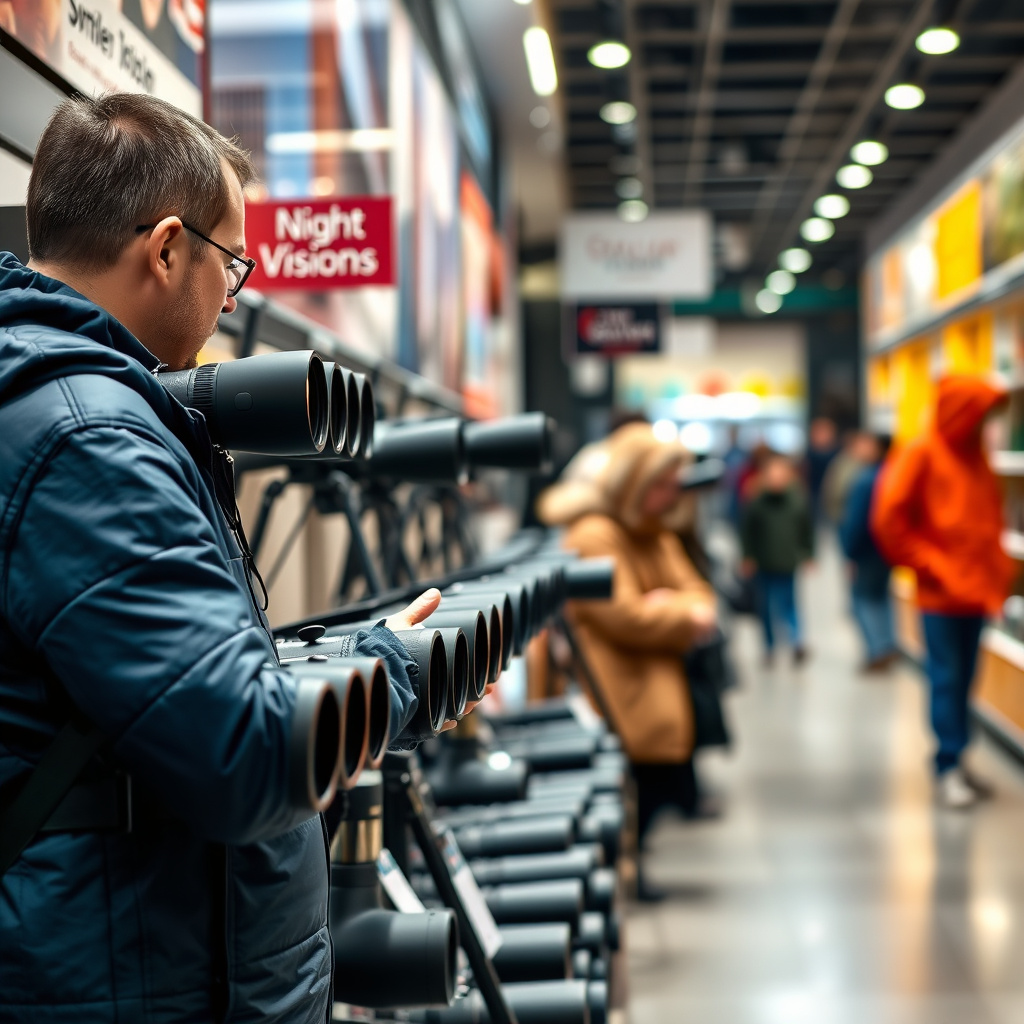
Night vision binoculars are available at specialized outdoor retailers, large electronics stores, and online marketplaces like Amazon and dedicated hunting gear sites, often with competitive pricing.
Authorized dealers typically provide better warranties and customer support for expensive models.
- Outdoor specialty stores
- Online marketplaces
- Authorized dealers
For additional technical details and history, the Night Vision Binoculars Wikipedia page is a reliable resource. Night Vision Binoculars Wikipedia.
Seasonal and Market Price Fluctuations
Prices can vary based on supply, demand, and new model releases. Discounts often occur during hunting seasons or holiday sales, while advanced technology models may see slight price drops as newer generations replace them.
Careful research and timing can yield cost savings.
- Hunting season sales
- New models impact pricing
- Holiday discounts
Night Vision Binoculars Price Category Comparison
This table summarizes typical price ranges and features for various night vision binocular categories to help you understand what's available within your budget.
| Category | Price Range | Technology Generation | Typical Use Case | Image Quality |
|---|---|---|---|---|
| Entry-Level Gen 1 | $150–$400 | Gen 1 | Casual observation, hobbyist | Low to moderate |
| Mid-Range Digital | $250–$700 | Digital | Day/night use with recording | Moderate |
| Advanced Gen 2 | $600–$1200 | Gen 2 | Serious wildlife observers, security | High |
| Professional Gen 3 | $1500–$2000+ | Gen 3 | Military, tactical, long-range detection | Very high |
| Budget Digital | $200–$350 | Digital | Entry-level digital models | Moderate |
Frequently Asked Questions
Are night vision binoculars legal to own and use?
In most countries, owning and using night vision binoculars is legal for civilians, but some regions restrict export or use for hunting. Always check local laws and regulations before buying or using these devices.
How long do night vision binoculars typically last?
The lifespan varies by generation; Gen 1 tubes usually last 1,000 to 1,500 hours, Gen 2 tubes up to 5,000, and Gen 3 tubes can last 10,000 hours or more with proper care.
Can night vision binoculars be used during the day?
Traditional analog night vision binoculars are generally damaged by regular daylight exposure, but many digital models are designed for day and night use without harm.
Do night vision binoculars require special batteries?
Most night vision binoculars use standard AA or CR123 batteries, but some high-end models employ rechargeable battery packs. Battery life depends on device type and usage.
What is the difference between monoculars and binoculars for night vision?
Night vision binoculars provide stereoscopic vision with two lenses for depth perception, while monoculars have a single eyepiece and are usually lighter and more compact.
Key Takeaways
- Night vision binoculars range from $150 to over $2000, depending on technology and features.
- Generation type (Gen 1, 2, 3) greatly influences price and image quality.
- Digital night vision offers video recording but with some performance trade-offs.
- Build quality and extra functions like IR illuminators add to the cost.
Conclusion
Deciding how much to spend on night vision binoculars hinges on intended use, required image quality, and durability needs. Entry-level Gen 1 models deliver basic nighttime viewing on a low budget, but they fall short for advanced or professional work that demands detailed imagery and extended range. Weighing your priorities against prices makes it easier to find a model offering reliable performance within your means.
For casual stargazing or backyard wildlife spotting, entry-level and budget digital binoculars present great value without the high cost. Serious outdoor enthusiasts or security personnel benefit from mid-range Gen 2 units that balance price and enhanced performance. Meanwhile, professional-grade Gen 3 devices serve military or tactical needs with top-tier optics and robustness but require a substantial investment.
Your next step should be to identify features most important to you—such as built-in infrared illumination, zoom, or recording capabilities—and compare models within the price category that fits your budget. Shopping from authorized dealers and watching for deal periods can also stretch your dollars further, helping you acquire the best night vision binoculars for the money.