How Does a Bone Saw Work? A Complete Guide to Types, Safety, and Operation
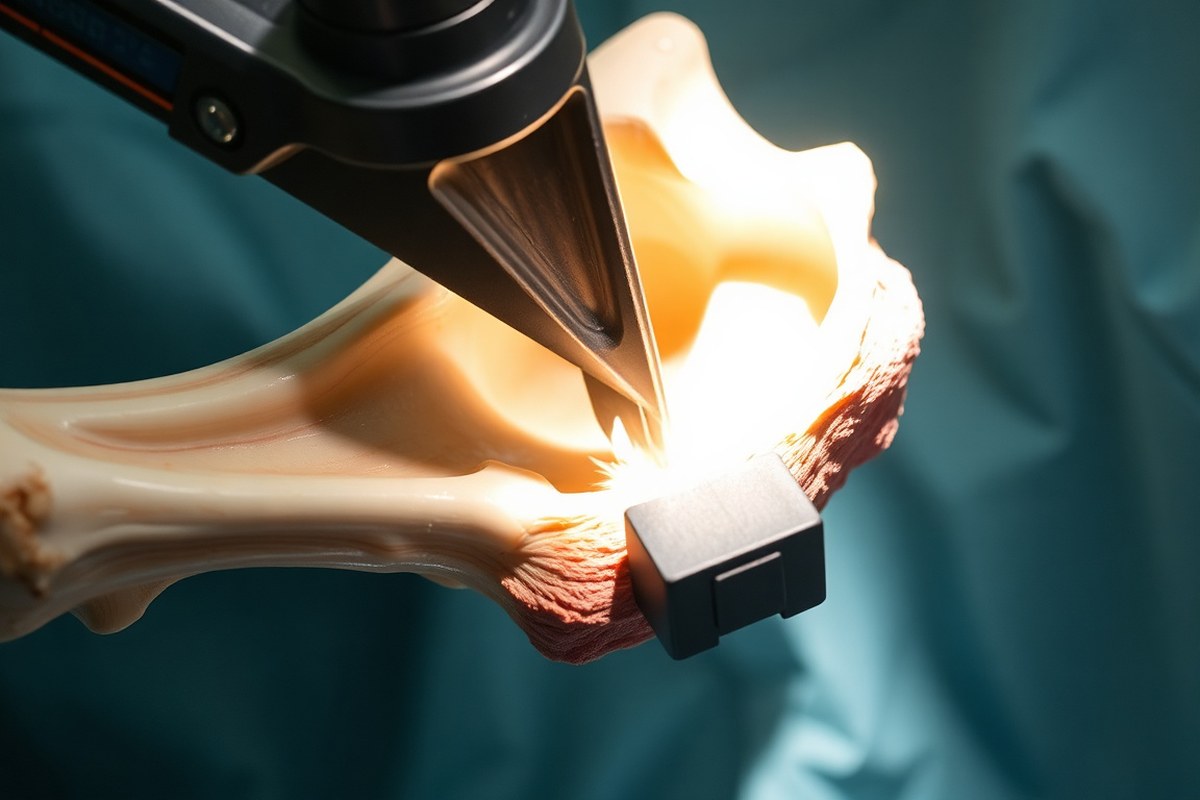
A bone saw works by using sharp, specially designed blades to cut through hard bone while minimizing damage to surrounding soft tissue. It achieves this through precise blade tooth patterns and controlled cutting motions that grip and slice bone without slipping onto skin or muscle. Understanding the mechanics behind these tools helps medical professionals and surgical technicians perform efficient, safe procedures involving bone removal or alteration.
This explanation suits healthcare providers, surgical techs, and bone saw users looking to deepen their knowledge of how these saws function. The following sections cover types of bone saws, blade designs, powered operation, safety practices, and maintenance tips to improve your use of this essential surgical tool.
Key Takeaways
- Bone saws cut bone by using blade teeth designed to grip and slice hard tissue while sparing soft tissue.
- Common bone saw types include manual, powered, and wire saws, each suited for specific surgical or field applications.
- Powered bone saws operate via motor-driven blade movement, offering precise control through oscillating or reciprocating actions.
- Blade designs with 10, 18 teeth per inch and deep gullets work best for cutting bone with minimal effort.
- Wire saws provide full 360° cutting ability, ideal for confined spaces or complex angles in surgery or field use.
- Safety features like guarded blades and proper cutting techniques protect surrounding tissue from accidental injury.
How Does a Bone Saw Cut Through Bone Without Harming Skin?

Bone saws cut through bone without harming the surrounding skin or soft tissue by combining specific blade designs with anatomical factors and tissue properties. The blades have larger, widely spaced teeth, typically 10 to 18 teeth per inch (TPI), with deep gullets that prevent clogging with flesh and create a kerf slightly wider than the blade itself. This kerf avoids pinching and reduces friction, which helps maintain smooth bone cuts without dragging soft tissue into the blade.
In contrast to bone, skin and other soft tissue have much greater elasticity and flexibility. When the saw blade touches skin, the soft tissue tends to deform and move with the blade motion rather than being sliced. This reduces the shear forces on the skin, making it much less prone to injury even with direct contact. Also, the blade’s teeth are designed to cut rigid materials like bone and not soft, pliable tissue that yields under pressure.
Certain bone saw blades also incorporate protective features such as a footplate or guard behind the blade. This keeps soft tissue behind the cutting plane protected, allowing only the bone to be engaged by the blade’s teeth. Wire saw blades, such as the Spyral Saw preferred in surgical settings, pass smoothly through bone by design and are clinically shown not to jam or injure surrounding tissues, making them particularly safe for near-soft-tissue work.
The mechanisms that protect skin during sawing combine mechanical design with tissue biomechanics. Since skin offers less resistance than bone, the saw blade’s cutting action effectively stops or slows significantly upon contacting soft tissue. This dynamic safety feature means the saw only aggressively cuts when it meets rigid structures. To effectively use a bone saw while minimizing skin injury, follow these steps carefully:
- Select the proper blade type: Choose a dedicated bone saw blade with 10, 18 TPI and wider tooth spacing designed for cutting hard tissue.
- Inspect blade condition: Ensure the blade is sharp and free of damage to maintain clean cuts and avoid excessive pulling of soft tissues.
- Position the footplate or guard: Align it so it protects underlying soft tissues behind the bone effectively.
- Apply steady, controlled pressure: Allow the blade to cut the bone gradually without forcing it, preventing unwanted slips onto soft tissue.
- Maintain proper saw speed: Use slower speeds when near skin or soft tissue and faster speeds for bone to maximize precision and safety.
- Observe tissue response: If soft tissue moves away or the blade encounters resistance changes, adjust technique to avoid injury.
- Use wire saws for compact or delicate cuts: Their design prevents jamming and reduces risk to adjacent tissue.
Following these steps helps ensure bone is cut accurately and cleanly while preserving the integrity of skin and soft tissues nearby. In surgeries or procedures involving bony prominences, risks of lacerations increase, so attention to blade design, technique, and anatomy is essential for patient safety.
What Are the Main Types of Bone Saws and How Do They Differ?

Bone saws come in four main types: manual, electric reciprocating, oscillating, and wire saws. Each type cuts bone differently and suits particular surgical or field needs. Manual saws rely on a straight back-and-forth motion powered by the user’s strength, making them simple and reliable for fieldwork but slower in operating rooms. Electric reciprocating saws drive the blade rapidly forward and backward, enabling quicker bone cuts in surgeries requiring speed and precision. Oscillating saws vibrate in a short arc, minimizing tissue damage nearby, which surgeons prefer for delicate or confined areas. Wire saws use a flexible wire blade capable of 360-degree cutting with no frame restrictions, ideal for complex bone contours, limited access, or situations needing skin safety.
Understanding how each saw cuts bone guides selection based on surgical objectives, field conditions, and available power sources. Below is a table outlining these types, how they work mechanically, typical uses, and their benefits.
| Type | Mechanism | Typical Uses | Advantages |
|---|---|---|---|
| Manual Bone Saw | Straight push-pull with frame and blade | Field surgery, remote locations, basic amputations | Durable, no power needed, low cost |
| Electric Reciprocating Saw | Motor-driven blade moves back and forth rapidly | Operating rooms for precise, fast bone cuts | Speed, control, less fatigue |
| Oscillating Saw | Blade vibrates in a short arc side to side | Delicate surgeries, confined spaces | Minimized risk to soft tissue, precise cuts |
| Wire Bone Saw | Flexible wire blade rotated or pulled back and forth | Surgical procedures, field dressing, compact space use | Cutting in any direction, skin-safe, contour adaptability |
The manual bone saw is valued for durability and simplicity, especially when power is unavailable or sterilization procedures are straightforward. Electric saws improve speed but require electricity and maintenance. Oscillating saws reduce soft tissue injury by cutting with a small oscillation rather than a full back-and-forth. Wire saws excel in multi-directional cuts and when working around tight bone shapes or in confined surgical fields. This versatility explains their wide adoption in both surgery and fieldwork, such as backcountry pack-outs where rib and spine separation benefits from flexible cutting angles.
Always secure the bone firmly before sawing to prevent slipping, which can cause inaccurate cuts or tissue injury.
How Do Powered Bone Saws Operate and Control Blade Movement?
Powered bone saws operate through motors that generate rapid blade movements, allowing precise bone cutting while protecting surrounding tissue. Controlling blade oscillation or reciprocation, adjusting speed, and using ergonomic interfaces help surgeons maintain accuracy and safety during procedures.
Power Sources and Motor Types
Electric bone saws are typically powered by AC electrical systems, rechargeable batteries, or pneumatic mechanisms. Battery-powered options provide surgeons with greater mobility around the operating room, reducing cord clutter. Pneumatic systems use compressed air to drive the motor, preferred in settings where electrical sparks must be avoided for safety reasons.
The internal electric motor converts electrical energy into mechanical motion to drive the saw blade. This motor is designed to handle high torque at variable speeds, ensuring consistent cutting performance. Battery-powered models often feature lithium-ion batteries capable of supplying sufficient power for extended surgeries without frequent recharging.
Blade Motion Mechanisms
The key distinction between bone saw blade movements is oscillation versus reciprocation. Oscillating blades move back and forth in a short, angular arc, enabling controlled cuts with minimal risk of soft tissue damage. This motion reduces heat buildup and is common in cast saws and some surgical saws designed for superficial cuts.
Reciprocating blades, as used in sternal saws, move in a linear push-and-pull pattern over short strokes. This action combined with a thin, flat blade effectively cuts dense bone such as the sternum during sternotomies. The protective footplate supports surrounding tissue and helps guide the blade steadily through the bone.
User Controls and Speed Adjustment
Surgeons control blade operation through triggers, dials, or foot pedals providing variable speed adjustment for precision. Trigger controls allow easy starting and stopping of the blade, often with pressure-sensitive modulation to finely tune cutting speed on demand. Speed adjustments typically range from a few hundred to several thousand strokes per minute depending on the saw and blade type.
Footplates not only shield tissue but also serve as physical guides that help steady the saw’s position during cutting, preventing slips. Adjusting blade speed is important to balance cutting efficiency with minimizing thermal damage to bone and adjacent tissues. Lower speeds reduce heat but increase cutting time; faster speeds improve efficiency but can generate more friction and wear. Steps to operate and control a powered bone saw during surgery:
- Secure the correct, approved blade for the intended bone cutting task.
- Power on the saw using the main switch or battery activation.
- Set initial blade speed via dial or control panel based on bone density and surgical requirement.
- Position the footplate or guide against the bone surface to protect adjacent tissue.
- Engage the trigger or foot pedal to start blade motion, increasing speed smoothly if needed.
- Maintain steady pressure and control using ergonomic saw handles, adjusting speed or pause as necessary.
- Stop blade movement immediately when the cut is complete or if slippage risk is detected.
- Remove the saw carefully, inspect the blade for wear, and prepare for subsequent cuts or tool maintenance.
What Blade Designs and Materials Are Best for Cutting Bone?
Bone saw blades perform best with fewer, larger teeth, typically ranging from 10 to 18 teeth per inch (TPI). This coarse tooth count creates bigger teeth with deep gullets between them, which is essential for clearing bone chips, marrow, and sawdust as you cut. Unlike fine-toothed blades (24, 32 TPI) made for metal, these shallow-gulleted blades clog rapidly when cutting bone, reducing efficiency and increasing wear.
The tooth set pattern also plays a important role in cutting performance. Wavy or raker tooth sets are preferred because they bend the teeth laterally, widening the kerf, the cut’s width, so debris clears more easily. This reduces clogging and keeps the blade sharp longer. A blade with no or narrow set would pack marrow and dust into the teeth, turning into an abrasive paste that wears the blade prematurely and slows cutting.
Blade material plays a key role in how long a bone saw blade stays sharp and durable. High-quality blades typically use stainless steel or cobalt-chromium alloys. Stainless steel resists corrosion well and holds an edge after multiple sterilizations. Cobalt-chromium alloys increase hardness and resist wear, keeping the blade sharper for longer periods. Avoid using regular hardware store hacksaw blades, as their metal composition and tooth design suit metal cutting, not bone, resulting in inefficient cuts and quick dulling.
Blade thickness ranges widely depending on the saw type and application but generally falls between 0.006 inches for very thin circular blades to thicker profiles for reciprocating or sagittal saws. Thinner blades offer less resistance and more precise cuts, important in delicate surgical procedures. However, too thin can risk bending or breaking, especially on dense bone. Thicker blades provide strength but may require more power and produce rougher cuts. Adjust thickness choice to balance precision, durability, and cut speed for your specific situation.
To ensure optimal and clog-free bone cutting, follow this checklist: first, select a blade with 10 to 18 TPI for effective chip clearance. Next, choose a wavy or raker tooth set to maintain a wide kerf and reduce clogging. Then, pick blade materials like stainless steel or cobalt-chromium that resist corrosion and hold sharpness. Lastly, match blade thickness to the bone size and procedural precision, thinner for fine cuts, thicker for durability in large bones.
For example, when performing a medium-sized bone cut during orthopedic surgery, use a stainless steel blade with 14 TPI and a raker tooth set. Its deep gullets will evacuate bone dust quickly, maintaining efficient cutting. The blade thickness around 0.015 inches offers a strong yet precise cut. This combination avoids frequent cleaning interruptions and minimizes heat buildup, reducing risks to surrounding tissue.
Using a blade with too fine teeth, like 24 TPI, results in immediate clogging from marrow, requiring frequent blade cleaning and increasing procedure time. On the other hand, very coarse teeth with fewer than 10 TPI may create rough cuts and require more applied force, leading to potential blade damage or injury risk. Choosing the right tooth count, set pattern, material, and thickness based on surgical needs ensures clean, controlled, and efficient bone cutting every time.
What Safety Features and Practices Protect Tissue During Bone Sawing?
Bone saws incorporate specific safety features and established practices to protect surrounding soft tissue and ensure the operator’s safety. Key components like footplates and guards shield deeper tissue from accidental contact with the blade, while strict sterilization and operator protocols reduce infection and injury risks.
Sternal Saw Footplate and Guard Function
The footplate on a sternal saw acts as a physical barrier between the blade and soft tissue beneath the bone. Positioned beneath the blade, it maintains a fixed distance from the bone surface, preventing the saw blade from cutting deeper than intended. This protects important structures such as blood vessels and organs from accidental damage during procedures like a median sternotomy.
Also, most bone saws feature blade guards that cover parts of the blade not actively cutting, reducing accidental contact with the blade’s sharp edges. These guards also help contain bone fragments and dust, limiting dispersal in the operating room. Some models include speed controls to allow more precise cutting, reducing the chance of slipping or loss of control.
- Footplate thickness calibrated to limit cutting depth
- Blade guards covering non-cutting edges
- Speed adjustment mechanisms for controlled operation
- Non-slip handles and ergonomic design to reduce operator fatigue
- Blade tensioners that prevent wobbling during cutting
Check the footplate and guard integrity before each use to ensure no cracks or deformations compromise protection.
Sterilization and Blade Maintenance
Sterilizing bone saw blades and all contact components is essential to prevent infection transmission. Disposable blades offer a single-use option, eliminating contamination risks but increasing ongoing costs. Reusable blades are subjected to strict sterilization cycles, often using autoclaving at 121°C (250°F) for 15, 30 minutes according to hospital protocol. Proper sterilization also preserves blade integrity and cutting efficiency.
Maintaining blade condition prevents tissue trauma caused by blunt or damaged blades. Operators should inspect blades for chips, dullness, or accumulated bone fragments before each procedure. Excessive bone dust or uneven cuts indicate the blade needs replacement or re-tensioning. Dull blades strain the saw motor and increase the risk of slipping, which can damage surrounding tissue.
- Autoclave compatible materials for reusable blades
- Single-use disposable blades to avoid cross-contamination
- Inspection for chips, dull teeth, and debris buildup
- Record keeping of blade use cycles and sterilization logs
- Replacement of blades after signs of wear or damage
Operator Training and Technique
Proper training in bone saw operation dramatically reduces accidental injury risks. Operators should keep hands clear of the blade path and use device-specific safety features like “meat pushers” or stabilizers to hold tissue during cutting. Controlled, steady pressure minimizes sudden slips and excessive bone dust production.
A safety checklist before starting includes inspecting the saw, blade, and guards for damage, confirming blade tension, and ensuring appropriate blade speed settings. During use, stopping immediately to check the blade if the saw pulls excessively or cuts unevenly prevents further risks. Awareness of the saw’s behavior and limits during bone resection improve safe outcomes for both patient and operator.
- Perform pre-use equipment inspection checklist
- Use protective gloves and eye protection
- Avoid hand contact with the blade path at all times
- Maintain steady, moderate cutting pressure
- Stop and inspect if cutting feels irregular or noisy
Never bypass safety devices or guards; they are designed to reduce the chance of serious injury to both the operator and patient.
How to Maintain Bone Saws and Blades for Optimal Performance
Maintaining bone saws and blades is essential to ensure precise cuts and patient safety during surgery. Proper cleaning removes bone debris and biological contaminants that can dull the blade or cause infection. Sterilization protocols depend on blade material; most stainless steel or cobalt-chromium blades tolerate autoclaving at 273°F (134°C) for at least 3 minutes, which effectively eliminates pathogens. Avoid harsh chemicals that can corrode or weaken the blade.
Blade replacement becomes necessary when you notice dullness, chipping of the teeth, or reduced cutting efficiency. Cutting with a worn blade increases heat generation and mechanical stress, risking tissue damage or prolonged operation time. Single-use disposable blades, often preferred for their guaranteed sharpness and sterility, eliminate the risk of cross-contamination but increase supply costs. Reusable blades save cost but require consistent sharpening and inspection to maintain cutting quality. Evaluate the surgical context and budget when choosing between these options.
Sharpening reusable blades requires specialized equipment to restore the original tooth geometry and cutting edge. Incorrect sharpening can alter blade performance, creating rough cuts and impairing accuracy. Facilities commonly schedule sharpening after 5 to 10 uses or when cut quality declines noticeably. Consider outsourcing sharpening to companies specializing in surgical blade maintenance for best results.
- Clean blades immediately after use using enzymatic detergent and soft brushes to remove bone debris.
- Sterilize blades by autoclaving at 273°F (134°C) for 3 minutes or follow manufacturer instructions.
- Inspect blades for dullness, tooth damage, or corrosion before every procedure.
- Replace disposable blades after one surgery; sharpen reusable blades every 5 to 10 uses.
- Store blades dry in protective cases to prevent moisture and mechanical damage.
- Label reusable blades with usage count to track sharpening schedules.
- Consult blade manufacturer guidelines for specific maintenance recommendations.
Storing blades in a controlled environment away from moisture and contaminants preserves their integrity and sharpness. Use dedicated trays or cases with cushioning to prevent nicks and bending during transport or storage. Regular audits of blade inventory help remove damaged blades before they reach the operating room. These practices prolong the blade lifespan, reduce surgical complications, and optimize bone saw performance in medical settings.
Common Mistakes When Using Bone Saws and How to Avoid Them
Using a bone saw effectively requires avoiding common errors like blade binding, incorrect angles, and improper speed. These can slow the procedure, increase risk of injury, or wear out the blade prematurely. Understanding the causes and applying simple fixes ensures cleaner cuts and longer blade life.
Blade Binding and Clogging Causes
Blade binding happens when the saw’s teeth get stuck or clogged with bone dust and tissue, making the cut difficult and unsafe. Applying excessive pressure can force the blade into the bone too aggressively, causing it to jam. Using a dull blade or one with an improper tooth pattern also leads to clogging because it cannot efficiently clear debris.
To prevent binding, maintain a steady, moderate pressure that lets the blade do the cutting without forcing it. Choose blades designed with appropriate tooth sizes and spacing for bone to minimize clog buildup. Frequent pauses to clear debris or irrigate the cutting area can reduce heat buildup and make cutting smoother.
- Apply steady, moderate pressure instead of pushing hard
- Use sharp blades with proper tooth spacing for bone
- Stop periodically to clear blade teeth of debris
- Keep blade cool by irrigating during longer cuts
- Check blade alignment and tension before use
These steps keep the saw moving smoothly and reduce the risk of excessive heat or tooth breakage caused by binding.
Incorrect Cutting Angle and Speed
Cutting at too steep an angle or moving the saw too fast often leads to splintering or unwanted damage to nearby tissues. Bone saw blades designed to oscillate or move precisely need to be aligned with the bone surface to make efficient, clean cuts.
Maintaining an angle near perpendicular to the bone surface ensures the blade teeth engage uniformly, preventing uneven cutting or blade deflection. Adjust speed according to the bone density and saw type; powered saws typically operate best at controlled speeds that balance cut speed with heat production.
Signs of Blade Wear and Replacement Timing
Blade wear becomes evident when cutting slows despite steady pressure, or the blade encounters more resistance than usual. Worn teeth reduce cutting efficiency and increase friction, causing excess heat and risking damage to bone and surrounding tissues.
Replace blades once you notice these signs to maintain optimal performance. Regular inspection before procedures helps spot dull edges or chipped teeth early. The cost of replacing a blade varies by type but is typically justified by improved cutting quality and reduced injury risk.
When and Why Are Wire Saws Favored over Standard Blades?
Wire saws use a thin, flexible wire with sharp abrasive or serrated elements to cut through bone. Unlike rigid blade saws that require straight, controlled strokes, wire saws operate by moving the wire back and forth or in a reciprocal motion around the bone. This design offers angular flexibility, which is essential when working in confined spaces or on irregular bone surfaces. The wire can easily wrap around curved or awkward shapes, allowing you to make cuts that a flat blade would struggle with or even damage surrounding soft tissue trying to reposition.
One of the most significant advantages of wire saws is their 360-degree cutting capability. The wire can encircle part of a bone and cut continuously around it without having to reposition the saw or the patient extensively. This feature is especially useful in surgical situations such as craniotomies or orthopedic procedures where precise, circumferential cuts are necessary and access is limited. For instance, cranial wire saws can smoothly cut the skull in a circle without causing heat buildup that might harm brain tissue, something a powered circular blade might risk.
In field surgery or trauma settings, wire saws prove valuable because they do not require a bulky frame or motorized unit; a simple manual wire saw kit may be all you need, reducing equipment bulk and increasing portability. Their flexibility lets you maneuver around bones splinted by injury or scar tissue. However, wire saws typically demand more operator skill and patience, as they cut slower than powered blades. They also lack the power for very thick bones or multiple layered cuts where a rigid blade would perform better with less effort.
Choosing a wire saw depends on both the cut complexity and operating environment. For angled or confined cuts, a wire saw provides greater control and reduces the risk of slipping or damaging adjacent soft tissues. To use a wire saw effectively, position the wire around the bone carefully, often threading it by passing a thin instrument or feeding it through a pre-drilled hole. Maintain steady reciprocal motion, monitoring tension to avoid wire breakage, which can occur if the wire twists excessively or contacts metal implants. Sterilization of these saws is critical since the wire surface may trap biological debris more than blades.
Only use wire saws designed for bone, as improvised wires can break or cause uneven cuts, increasing trauma risk.
Wire saw kits commonly cost less upfront than powered bone saw systems but require investment in specialized wires that need replacement after limited use due to wire wear and potential loss of abrasiveness. In surgery, expect wire saw cuts to take longer than blade saws, sometimes doubling the cut time depending on bone density and wire condition. Careful planning and patient positioning improve results, especially during minimally invasive or endoscopic procedures where wire saws excel compared to rigid blades that cannot flex into the working space.
Step-by-Step Action Plan for Using and Choosing Bone Saws
This plan guides you through selecting, operating, and maintaining bone saws to ensure precise cuts and patient safety.
- Before you start: Select the appropriate bone saw type and blade material based on the surgical procedure and bone density; confirm blade integrity by inspecting for chips or dullness.
- Immediately before use: Sterilize the bone saw and blades thoroughly; verify safety guards and tissue-protection features are in place and functional.
- During surgery: Use controlled, steady pressure and avoid excessive force to prevent skin or tissue damage; monitor blade temperature to reduce heat injury.
- Right after cutting: Clean the saw and blades to remove bone fragments and debris; observe blade condition for wear signs to decide on replacement.
- Daily or after multiple uses: Lubricate moving parts according to manufacturer instructions to maintain optimal blade movement and prevent mechanical failure.
- Weekly: Perform a detailed inspection of the power source, blade tension, and safety mechanisms; replace worn components promptly to maintain performance.
- After every surgery involving wire saws: Check wire integrity for frays or breaks to avoid intraoperative failure; replace wire saws immediately upon any damage.
- Monthly or as needed: Attend training refreshers or review safety protocols to stay updated with best practices and new equipment features.
Frequently Asked Questions
How Do Bone Saws Not Cut Skin?
Bone saws cut through hard bone but usually leave skin intact because their blades and design target rigid materials, not soft tissue. Some blades, like wire bone saws, have guards or shapes that protect surrounding tissue during surgery.
Are Bone Saws Still Used Today?
Yes, bone saws remain essential in modern surgery for precise bone cutting during amputations, orthopedic procedures, and autopsies. Advances like wire bone saws offer safer, tissue-friendly options in clinical and field settings.
Will a Bone Saw Cut Skin?
Bone saws normally do not cut skin due to blade design and operation tailored for bone hardness. However, care is needed around bony prominences where lacerations can occur if the saw slips.
How Are Bone Saws Used?
Surgeons use bone saws to cut through bone during operations, guided carefully to avoid surrounding tissue. They often employ footplates or guards, especially with wire saws, to protect soft tissue while ensuring clean cuts.
How Does a Bone Saw Work?
A bone saw works by using a serrated blade or wire to scrape or cut through dense bone material, often vibrating or oscillating to reduce tissue damage. Its design concentrates cutting force on hard bone, sparing softer tissues.
What Makes Wire Bone Saws Preferable in Surgery?
Wire bone saws are preferred because their thin, flexible blades minimize damage to nearby tissue and avoid jamming, making them safer and more precise than flat blades in delicate surgical environments.
Key Points to Remember
Bone saws efficiently cut bone while protecting surrounding tissues through careful blade design and controlled operation. Prioritizing equipment selection, maintenance, and safe practices helps you achieve precise cuts essential for successful surgical outcomes. Start by assessing your current tools and training to align them with the latest safety guidelines.