Can You Own a Crossbow as a Felon? Complete Legal Guide with Steps
You can own a crossbow as a felon under federal law because crossbows are not classified as firearms. However, some states have specific restrictions or prohibitions on crossbow ownership for felons. This article is for convicted felons interested in legally owning or hunting with a crossbow, offering clear guidance on federal and state regulations, probation considerations, and responsible steps to follow.
Understanding the legal landscape around crossbow ownership helps you avoid serious penalties and ensures you can hunt legally if permitted. You will also learn how crossbows compare to firearms and traditional bows, where to seek reliable legal advice, and common mistakes felons make regarding crossbow possession.
Key Takeaways
- Federal law does not prohibit felons from owning crossbows since they are not classified as firearms.
- Check your state laws carefully as some states restrict or ban crossbow ownership for felons.
- Probation or parole conditions may forbid crossbow possession even if not illegal under federal or state law.
- Felons wishing to hunt with a crossbow must meet state-specific age and equipment requirements.
- Verify minimum draw weight and bolt length requirements before purchasing a hunting crossbow.
- Consult a licensed attorney to confirm your legal status and avoid costly legal mistakes.
Can Felons Legally Own a Crossbow Under Federal Law?
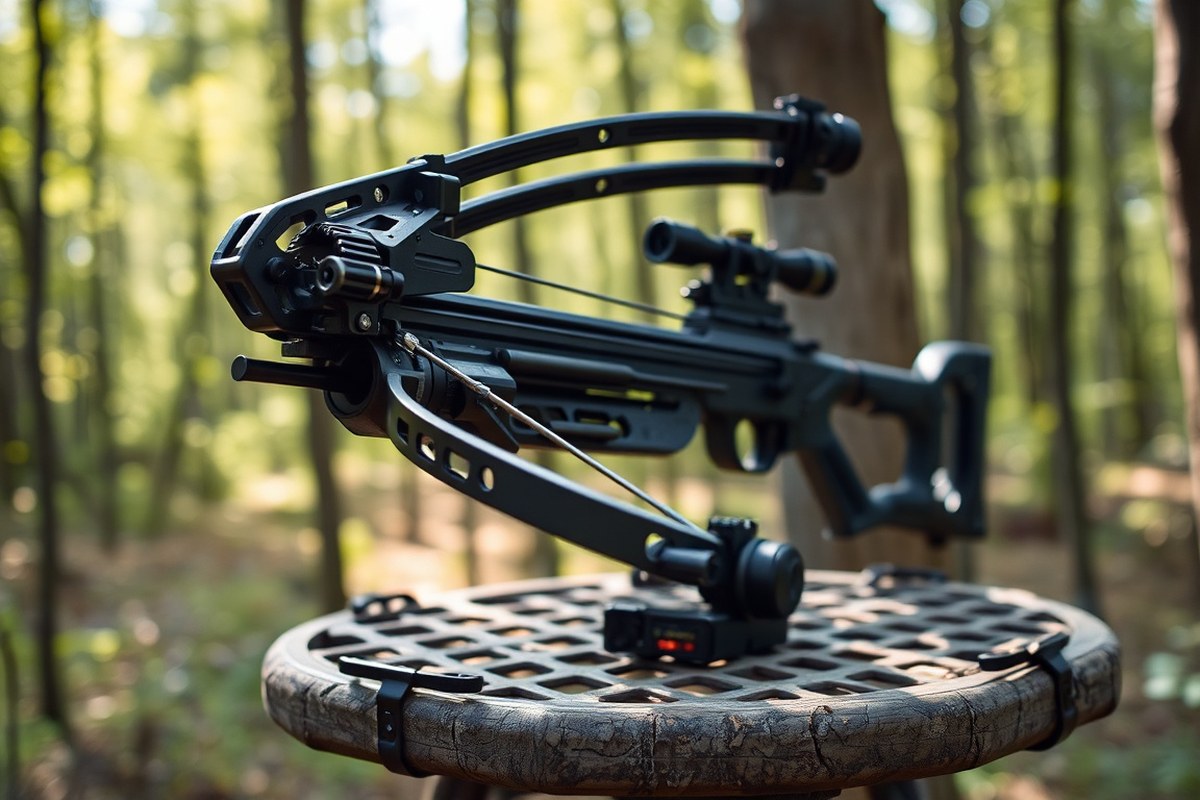
Federal law does not prohibit felons from owning crossbows because crossbows are not classified as firearms under the law. The key statute governing firearm possession by felons is the Gun Control Act of 1968, found in 18 U.S.C. § 922(g)(1). This law explicitly bans convicted felons from possessing firearms but does not include crossbows within the definition of a firearm.
A crossbow operates by launching bolts using mechanical tension, not explosive force, which is why it is legally considered archery equipment rather than a firearm. The Gun Control Act focuses on weapons that expel a projectile by explosive action, such as handguns, rifles, and shotguns, excluding crossbows and other bows. This legal classification means felons’ federal restrictions on firearm ownership do not extend to crossbows.
Understanding this distinction is important because it allows some convicted felons to legally possess and use crossbows under federal law, even though they are barred from owning firearms. For example, a felon cannot buy a handgun or rifle under federal rules, but they can purchase and use a crossbow without violating these federal provisions.
However, federal law sets only a baseline. Crossbows’ classification as non-firearms under federal law means the Gun Control Act’s felony firearm prohibitions do not apply. Yet, the federal statute does not clear the way entirely; state laws and conditions of probation or parole may impose additional restrictions. Because federal law does not regulate crossbow ownership for felons, the legal cost is generally limited to the cost of purchasing a crossbow and following any state requirements.
The most reliable way to confirm your legal standing under federal law is to review the Gun Control Act’s definition of firearms and note its explicit exclusion of crossbows. Always check your state laws and any parole or probation terms for restrictions that could still apply. If compliance is clear, owning a crossbow presents no federal legal risk for felons.
How State Laws Differ on Felon Crossbow Ownership
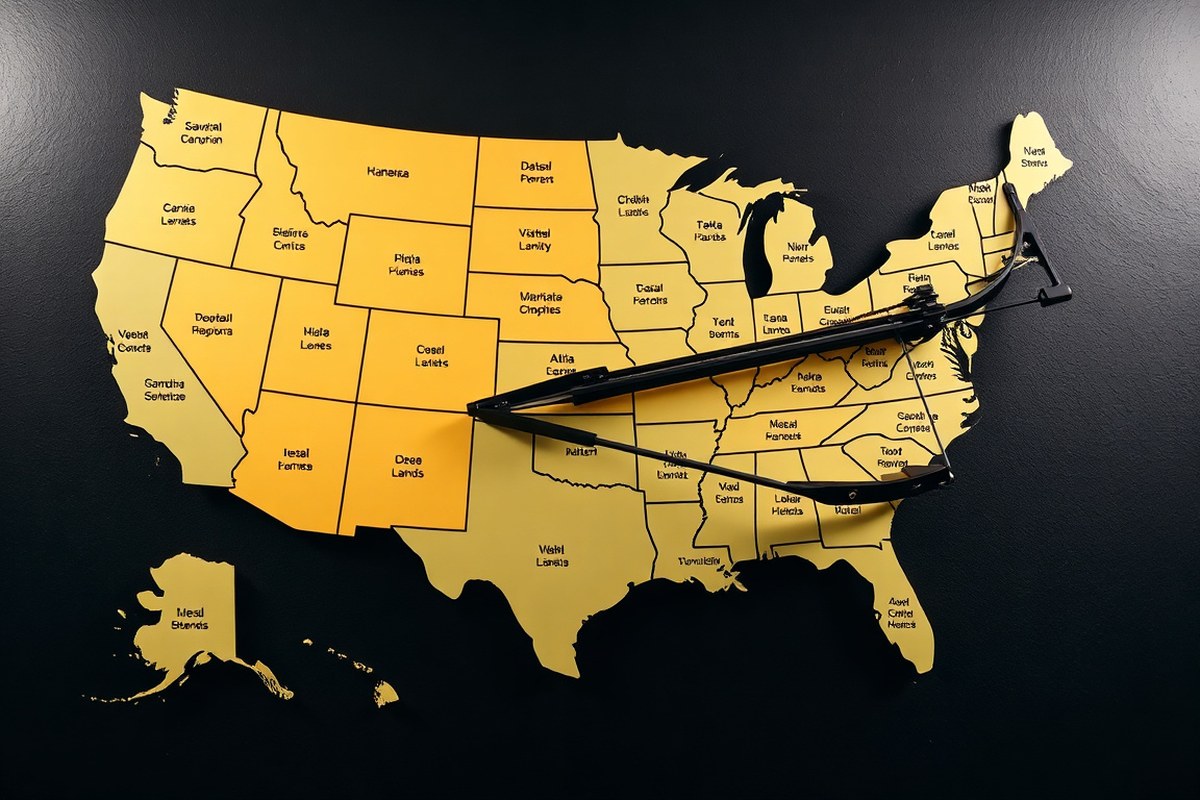
State laws on felon ownership of crossbows vary widely, making it essential to know your state’s specific rules. Some states allow felons to own crossbows with no special restrictions, while others may require permits or issue outright bans. These differences matter because crossbows may be treated like archery equipment, firearms, or weapons, depending on state definitions.
The table below compares how some key states regulate crossbow ownership for felons. This snapshot highlights states that allow ownership, states with conditional rules, and states that prohibit it. Understanding this helps you identify whether you need extra permits, can legally own crossbows, or should avoid possession altogether in your state.
| State | Felon Crossbow Ownership | Notes |
|---|---|---|
| Texas | Yes | No specific restrictions; follow general hunting regulations |
| Pennsylvania | Yes | Allowed with possible seasonal restrictions on crossbow hunting |
| California | Sometimes | Permits may be required, crossbows heavily regulated |
| New York | Sometimes | Varies by county; special permits may be required |
| Illinois | No | Bows and crossbows may be considered weapons; felons prohibited |
| New Jersey | No | Strict laws prohibit felon bow and crossbow ownership |
Beyond these examples, states like Oregon ban crossbow hunting entirely, while Massachusetts and Hawaii restrict crossbow use to individuals with disability permits. In states without explicit crossbow ownership laws for felons, general firearm possession laws may still apply, which can complicate matters. The cost and process of obtaining permits, when required, vary but often include background checks and application fees through the state’s wildlife or natural resources department.
Consulting your state’s hunting or wildlife agency is critical to confirming whether felon possession of crossbows is allowed and what steps must be taken. Some states classify muzzleloaders or air guns differently, and owning those could also affect your legal status.
Contact your state’s wildlife or natural resources department before buying a crossbow to make sure you don’t break any laws that could carry heavy fines or penalties.
Does Probation or Parole Impact Crossbow Possession for Felons?
Your probation or parole conditions often restrict weapon possession, including crossbows, even if owning one is legal under state or federal law. Supervising officers or courts may classify a crossbow as a dangerous weapon and prohibit it. Always review your specific supervision terms before obtaining or using a crossbow.
Types of Supervision Affecting Weapon Possession
Probation, parole, and supervised release frequently include conditions limiting your ability to own or use weapons. These restrictions are common and may broadly ban all weapons, including crossbows, regardless of general hunting or possession laws. State laws can add another layer of regulation on top of supervision terms. Courts or parole officers sometimes impose stricter rules than those found in state statutes.
These conditions vary based on the offenses you were convicted of, the level of supervision, and the jurisdiction. For example, some probation agreements explicitly list weapons like firearms and bows, but may also include “dangerous weapons” as a catchall term that covers crossbows. Others may have specific clauses prohibiting any kind of weapon possession without permission from the supervising officer or judge.
How to Obtain Supervisor Approval
Before buying or possessing a crossbow, get clear permission from your probation or parole officer. Supervisors have discretion to permit or deny weapon possession in your case. Getting written approval protects you from accusations of violating conditions. Follow these steps to check and request permission:
- Locate your written probation, parole, or supervised release conditions. These are usually provided at your sentencing or release and outline any weapon restrictions.
- Identify any terms related to weapons, dangerous items, or general prohibitions on possession.
- Contact your supervising officer or probation/parole department directly via phone or in person to ask about crossbow ownership.
- Submit a formal written request or application if required by your supervision agency. Include why you want to own or use a crossbow and details about the crossbow itself.
- Wait for a written response or documented verbal approval before acquiring the crossbow.
- Keep all communication and approvals on record in case of future scrutiny.
- Check back periodically if your supervision terms change or if you move to a different jurisdiction.
Risks and Penalties for Violations
Violating weapon restrictions on probation or parole can lead to serious consequences. Supervisors and courts often consider possession of a crossbow without approval as a violation of the terms of your release. This can result in warnings, increased supervision, or revocation leading to jail or prison time.
The risk is especially high because crossbows are sometimes treated legally or administratively like firearms or dangerous weapons, even if not classified as such under federal law. Violations can also affect your chances of early release or parole on other charges.
You should never assume crossbow ownership or usage is permitted while under supervision until you have explicit approval. Maintaining open communication and following all conditions will help you avoid costly legal setbacks or new offenses related to weapon possession.
Are Felons Allowed to Hunt with a Crossbow Legally?
Felons who want to hunt with crossbows must first obtain the proper hunting licenses, just like any other hunter. Since most states do not classify crossbows as firearms, owning and using them for hunting generally does not violate firearm restrictions tied to felony convictions. Obtaining the correct hunting license is key because many states regulate crossbow hunting as part of archery seasons, requiring license holders to follow specific seasons, approved game types, and equipment standards. Check your state’s game agency website or office for licensing requirements since fees and qualifications vary.
Hunting with a crossbow involves meeting age minimums and equipment specifications as required by state wildlife regulations. Most states set the minimum age for using a crossbow in hunting at 14 years or older. Michigan allows hunters as young as 10 to use crossbows legally. Equipment rules often include a required minimum draw weight for the crossbow, commonly around 100 pounds, and a minimum arrow length, typically about 14 inches. These requirements ensure ethical hunting practices and proper handling of the equipment.
| State | Minimum Hunting Age | Crossbow Draw Weight Minimum | Arrow Minimum Length | Special Regulations |
|---|---|---|---|---|
| Michigan | 10 years | 100 pounds | 14 inches | N/A |
| Illinois | 14 years | 100 pounds | 14 inches | Crossbows legal for squirrel hunting with archery license |
| Oregon | 14 years | Typically 100 pounds | 14 inches | Crossbow hunting prohibited |
| Massachusetts | 14 years | 100 pounds | 14 inches | Allowed only by disability permit |
| Hawaii | 14 years | 100 pounds | 14 inches | Allowed only by disability permit |
Some states still require disability permits for crossbow hunting, while many have lifted such restrictions in recent years, recognizing crossbows as legitimate archery equipment. Hunting is allowed only during designated seasons that the state wildlife agency sets, so you must research and comply with these time frames to avoid penalties. Felons should also verify whether any special rules apply due to their legal status, although restrictions typically target firearms rather than archery equipment like crossbows. Proper use of safety gear and following all licensing protocols ensures a lawful hunting experience.
Steps Felons Should Take Before Buying a Crossbow
Before buying a crossbow as a felon, you need to confirm that owning one is legal for you in your location. This involves checking federal and state laws, understanding the terms of any parole or probation, and consulting with a qualified attorney. These steps help you avoid legal trouble and ensure responsible ownership.
Check Federal and State Laws
Federal law generally does not consider crossbows as firearms, so no background check is required to purchase one under federal regulations. However, state laws vary widely in how they treat felons owning crossbows. Some states expressly allow felons to own crossbows, while others may restrict or prohibit ownership. It is essential to identify your state’s specific statutes related to felon possession of crossbows.
To verify, start by searching with keywords like “[your state] felon crossbow law” or reviewing your state’s weapons statutes. Official state government or wildlife agency websites often post hunting and weapon laws. Crossbow ownership and hunting rules might be separate, so check both sets of regulations. This ensures you are fully informed before making a purchase.
Review Parole or Probation Rules
If you are on probation or parole, conditions might restrict your ability to possess any weapon, including crossbows. These restrictions can be stricter than state or federal statutes. Parole officers or probation officers often specify what types of weaponry you can legally own or use during your supervision period.
Contact your parole or probation officer to clarify their rules on crossbow possession. Document their response in writing whenever possible. This step prevents unintentional violations that could affect your legal status or freedom.
Consult Qualified Legal Counsel
Legal advice tailored to your situation can save complications. A licensed attorney familiar with weapons laws and felony rights in your state can interpret nuanced legal language and advise you on compliance. They may also help you understand how hunting with a crossbow is regulated federally and locally.
Many attorneys offer initial consultations for a flat fee or affordable hourly rate. Clarify fees upfront and prepare questions about ownership, hunting use, possession restrictions, and any required permits. Reliable legal counsel acts as an informed guide to safely obtaining and using a crossbow. Before purchasing a crossbow, follow this checklist to confirm legal ownership and readiness:
- Research federal laws relating to felon crossbow ownership, confirming no background check is federally required.
- Identify your state’s specific crossbow ownership and hunting regulations using official sources.
- Verify any local ordinances or municipal rules that may add restrictions.
- Consult your probation or parole officer about any weapon possession conditions.
- Obtain advice from a licensed attorney experienced in felon weapons cases.
- Secure any necessary permits or licenses legally required in your state.
- Keep written records of all legal information and communications related to crossbow ownership.
- Purchase the crossbow from a reputable dealer after confirming full compliance with the law.
Never assume state or local rules align perfectly with federal law; always double-check before buying or using a crossbow.
Common Mistakes Felons Make When Possessing Crossbows
Constructive possession is when you don’t physically hold a crossbow but still have control over it, such as storing it in your home or vehicle. This concept matters because the law can treat constructive possession the same as actual possession, potentially leading to criminal charges. For a felon, even if you are not actively using the crossbow, having it accessible can create legal problems, especially in states with strict laws or ambiguous definitions regarding crossbow ownership.
Another frequent mistake is assuming that a crossbow requires the same permits or licenses as firearms. Since federal law doesn’t explicitly ban felons from owning crossbows, some feel this exemption means no rules apply. However, certain states may enforce licensing or registration requirements for crossbows. Possessing or using a crossbow without following these local rules can lead to citations or felony charges, depending on the jurisdiction.
Many felons also misunderstand how state and local laws treat crossbows, mistakenly believing they are entirely unrestricted. This misunderstanding can cause unintentional legal violations, such as hunting out of season, using banned broadheads, or failing to observe local hunting regulations. Enforcement agencies may interpret violations strictly, especially given social perceptions and ethical concerns related to hunting equipment. Keeping clear, up-to-date knowledge of the local laws is essential to avoid these pitfalls.
- Failing to recognize constructive possession risks by storing a crossbow in shared spaces
- Ignoring state-specific licensing or registration requirements for crossbows
- Assuming federal law fully protects crossbow ownership without checking local rules
- Using crossbows for hunting without required permits or during restricted seasons
- Purchasing or transporting crossbows in states that may classify them differently from firearms
- Overlooking parole or probation conditions that restrict all weapon possession, including crossbows
To stay compliant, you should never keep a crossbow in places where others, such as roommates or family members, could claim control or access, as this creates constructive possession risk. Before buying or using a crossbow, confirm the specific regulations in your state, including any hunting licenses needed. Regularly reviewing parole or probation conditions is important since restrictions can extend to non-firearm weapons like crossbows. Avoid making assumptions based on federal firearm laws; crossbow rules often differ and sometimes are stricter on the state or local level.
Understanding these legal nuances requires careful attention to your exact situation and location. The costs of non-compliance include criminal charges, fines, and damage to your reputation, potentially jeopardizing hunting privileges. Staying informed and cautious about where, how, and when you own or use a crossbow reduces the chance of costly legal consequences.
Comparing Legal Status: Crossbows, Firearms, and Bows for Felons
Crossbows are treated differently than firearms under federal law because they are not classified as firearms. Federal statutes mainly restrict felon ownership of guns like pistols, rifles, and shotguns, while crossbows fall under a different weapon category often regulated through hunting laws. This distinction means felons generally retain the right to own crossbows, unlike most firearms.
Felons can legally own bows like compound and recurve models in every state because these are not classified as firearms. Owning a bow is generally simpler than owning a crossbow, as some states impose special limits on crossbows. Muzzleloaders and air rifles follow different regulations, separate from firearms and bows. For instance, muzzleloaders often fall under antique firearm rules and may face fewer restrictions, while air rifles and pellet guns are mostly permitted except where states enforce tighter controls.
| Weapon Type | Federal Classification | Felon Ownership Rights | Notes |
|---|---|---|---|
| Firearms (Pistols, Rifles, Shotguns) | Firearm | Generally prohibited | Felons banned under 18 U.S.C. § 922(g) |
| Crossbows | Not a firearm | Generally allowed, varies by state | Some states impose restrictions; federal law silent |
| Compound Bows / Recurve Bows | Not a firearm | Allowed in all states | Classified as archery equipment, no federal restrictions |
| Muzzleloaders | Antique firearms category | Usually allowed, state-dependent | Often exempt from modern firearm laws |
| Air Rifles / Pellet Guns | Not firearms under federal law | Generally allowed; some state restrictions | Legal in most states for felons |
Understanding these definitions is essential since the legal status of your weapon depends on how it is classified. Crossbows, while powerful and mechanically more complex than traditional bows, are not treated like firearms. This affects ownership rights significantly. Some states may treat crossbows more like firearms for felons, restricting ownership or use, but most allow possession unless explicitly prohibited. Getting a legal opinion is a good step to confirm your situation, as states vary and laws can be ambiguous.
Keeping documentation that proves you legally own any of these weapons is important because your felon status may complicate transfers or interactions with law enforcement. Accurate records support your legal right to possess bows and crossbows and help avoid misunderstandings or potential penalties.
Where to Get Reliable Legal Advice on Crossbow Ownership
Finding trustworthy legal advice on ownership rights for crossbows as a felon requires consulting professionals who understand both felony law and weapons regulations. Reliable guidance comes from specialized attorneys, state wildlife agencies, and up-to-date government resources. Carefully verifying the information helps avoid costly legal issues.
Specialized Attorneys for Felon Rights
Attorneys who focus on felony rights and weapons laws can offer precise advice about your ability to own or hunt with a crossbow. They understand how felony convictions affect weapon restrictions and can interpret complex state codes that vary widely. Hiring a specialized attorney usually involves consultation fees, which can range from $100 to $400 per hour depending on location and expertise.
Look for lawyers with a background in criminal law or firearms regulations. Many attorneys advertise these specialties on their websites. When you contact one, ask about their experience with crossbow cases or related hunting equipment to ensure they’re the right fit for your needs.
Official State and Local Agency Contacts
Your state’s fish and wildlife agency is a key source for information specific to crossbows and hunting regulations. They maintain current rules about which crossbows are legal for hunting and whether felons can possess these weapons under certain conditions. They often provide detailed guides and eligibility criteria for hunting licenses. These agencies normally do not provide personalized legal advice about felon status but can clarify gear restrictions and licensing requirements. To reach out:
- Visit the official state wildlife or natural resources department website
- Call the licensing or regulation office during business hours
- Request printed or digital copies of hunting and crossbow regulations
- Check online hunting handbooks for updated rules
- Attend state-sponsored hunting safety courses, which sometimes cover legal ownership basics
Confirming local firearm laws with the police department or probation officer is also important to ensure compliance with parole or probation terms.
Never rely solely on informal advice or outdated print materials; always check the publication date and official status of regulatory documents.
Reliable Online Resources and Databases
Government websites provide authoritative and current information that can be accessed anytime without appointments. Federal and state government portals list statutes and amendments affecting weapon possession, often organized by type of weapon, including crossbows. To verify the most up-to-date crossbow laws and felon restrictions, use these online resources:
- State legislature websites for legal codes and bill tracking
- Official state fish and wildlife agency pages with hunting regulations
- National databases compiling state weapons restrictions
- Public legal information services like state bar associations offering lawyer referral and legal aid
- Online forums hosted by state agencies or conservation groups providing Q&A sections moderated by legal experts
Regularly revisit these sites since laws can change frequently. Bookmark official pages and subscribe to updates from your state agency to stay informed. Consulting multiple sources helps verify accuracy and triangulate the best interpretation for your situation.
Penalties and Consequences of Illegal Crossbow Possession for Felons
Felons who possess a crossbow in violation of the law face serious criminal penalties. Illegal possession can lead to felony charges, especially when federal firearms restrictions are interpreted to include certain crossbows. Penalties may include fines ranging from hundreds to thousands of dollars, probation, or even imprisonment, depending on the state and circumstances of the offense. For many felons, the risk of being charged with a separate felony simply for owning a crossbow without proper legal clearance is a significant concern.
Penalties tend to be harsher for repeated violations compared to first-time offenses. A first offense may result in a misdemeanor or lower-level felony with limited jail time or probation, whereas repeat offenses often bring higher fines and longer imprisonment. States vary widely in how they classify and punish illegal crossbow possession, so the specific consequences depend heavily on local laws and how aggressively prosecutors choose to pursue the case.
Recent legal cases highlight the risks felons face. In one example, a felon was charged with unlawful possession after being found with a crossbow during a routine search, resulting in an additional felony conviction and prison sentence. Another case involved a felon arguing that possession was legal since the crossbow was not used for hunting or criminal activity; while that defense worked in some courts, many rely on strict interpretation of possession laws. These cases illustrate how courts often focus on possession alone, not just use, when assessing criminal liability.
Mitigating the risk of illegal possession starts with understanding the precise laws in your state and any restrictions tied to your felony status. Consulting with a qualified attorney before acquiring or carrying a crossbow is important. Avoid storing or transporting a crossbow in your vehicle or home without clear legal permission, as this is a common cause of charges. If charged, cooperating with legal counsel to demonstrate a lack of intent to commit new crimes or using the crossbow solely for lawful recreation could influence sentencing.
Felons considering crossbow ownership should follow safety tips to avoid violations: keep the crossbow unloaded and secured when not in use, do not carry it in public spaces where prohibited, and always verify whether any probation or parole conditions further restrict possession. Thorough documentation of compliance with all applicable laws can serve as a defense if questioned. Approaching crossbow ownership with caution, knowledge, and legal advice reduces the chance of penalties and supports a responsible approach to compliance.
Step-by-Step Action Plan for Felons Interested in Owning a Crossbow
Follow these clear steps to make sure owning or using a crossbow stays within the law for your situation.
- Day 1: Check your state’s laws on crossbow ownership for felons by visiting your state’s fish and wildlife or hunting regulatory website. Confirm whether felon restrictions apply specifically to crossbows in your state.
- Day 2-3: Contact a local attorney familiar with firearms and hunting laws to discuss your specific criminal record and crossbow laws. A clear yes or no from legal counsel indicates you’re on the right track.
- Week 1: If on probation or parole, ask your supervising officer in writing whether owning or using a crossbow is allowed under your conditions. Get written permission or denial, which you should keep.
- Week 2: Review hunting regulations in your state to see if felons can legally hunt with a crossbow and how to obtain any required hunting licenses or permits. Successfully applying for a hunting license indicates compliance.
- Before Purchase: Document all legal clearances and permissions related to crossbow ownership, including attorney advice and parole officer rulings, before buying. This documentation protects you if questions arise.
- Day of Purchase: Buy the crossbow only from a licensed dealer who understands local laws related to felons owning weapons. The dealer should verify your identity and legal status properly.
- After Purchase: Store and use the crossbow safely and lawfully. Make sure it is not accessible in restricted areas and avoid public displays that could raise legal issues.
- Ongoing: Periodically review changes in local and state laws affecting felon possession of crossbows and maintain contact with legal counsel for updated advice.
Frequently Asked Questions
Can Felons Own a Crossbow Without a Hunting License?
Yes, felons can own a crossbow without a hunting license, but using it for hunting requires a valid license in most states. Always check state hunting regulations before using a crossbow for hunting activities.
Do Crossbow Ownership Restrictions Apply to All Felons Equally?
No, restrictions vary by state and the nature of the felony. Some states may impose additional limits based on offense type or parole conditions.
Are There Age Limits for Felons Using Crossbows?
Yes, the minimum age for using a crossbow for hunting is usually 14, but states like Michigan allow it from age 10. This applies regardless of felony status.
Can Felons Transport Crossbows Across State Lines?
Transporting a crossbow is generally legal, but checking both states’ laws is wise to avoid violations, especially if felony restrictions differ.
Is There a Difference Between Owning and Using a Crossbow?
Owning a crossbow is legal for many felons, but using it, especially for hunting, may require permits or follow state-specific rules.
Do Hunting Seasons Affect Felons’ Crossbow Use?
Yes, felons must follow state hunting seasons and regulations when using crossbows for hunting, just like any other hunter.
The Bottom Line
You can own a crossbow as a felon only if you carefully follow your state laws and any probation or parole restrictions. Taking legal advice seriously and securing all necessary permissions provides you the best chance to remain compliant. Start by confirming your local rules today, so you know exactly where you stand. That one step will set your path forward for safe and legal crossbow ownership or hunting.