Can a Felon Own a Crossbow in California? Complete Legal Guide and Tips
Can a felon own a crossbow in California? Generally, California does not classify crossbows as firearms, so felons are not explicitly prohibited from owning them under state firearm laws. However, federal and state restrictions on weapons possession, along with parole or probation terms, may affect your ability to legally possess and use a crossbow. Understanding these overlapping rules is essential to avoid legal trouble.
This information is for individuals with felony convictions in California considering crossbow ownership or hunting. It covers key state and federal restrictions, hunting regulations, rights restoration possibilities, and compliance tips to help you navigate crossbow use legally and safely.
Key Takeaways
- California prohibits felons from owning firearms but does not explicitly ban crossbow ownership under state law.
- Federal laws may restrict felons’ possession of crossbows in certain circumstances; check your specific status carefully.
- Parole or probation conditions often limit or forbid possession of weapons, including crossbows; review your terms closely.
- To hunt with a crossbow legally, ensure it meets California’s draw weight and safety requirements for the game you pursue.
- Restoring firearm or weapon rights can affect crossbow possession; explore your options with a licensed attorney.
- Never possess crossbows or any weapons if you have outstanding legal penalties or detainers exceeding $1,000.
Can a Felon Own a Crossbow in California Legally?
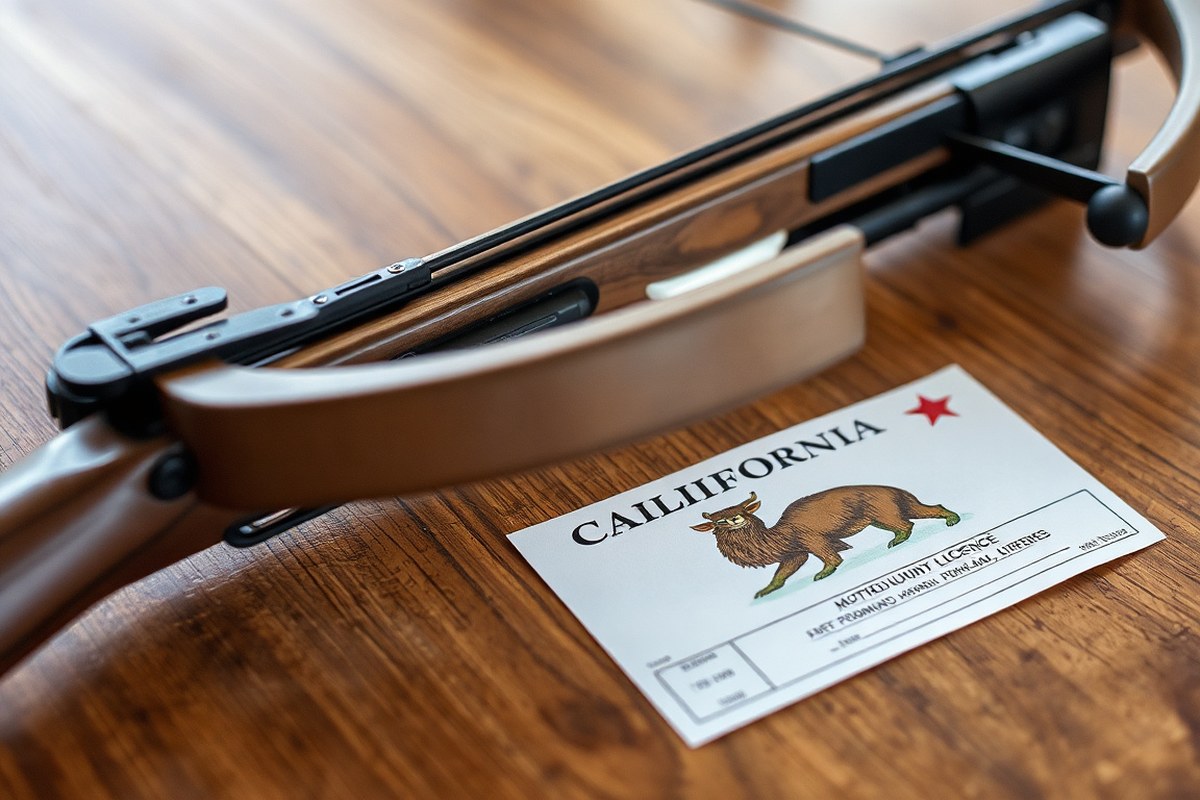
Yes, as a felon in California, you can legally own a crossbow. Both California and federal laws do not classify crossbows as firearms. This distinction matters because firearm possession bans for felons under California Penal Code §29800 and federal law apply strictly to firearms, not to crossbows or other archery equipment.
Federal law does not classify a crossbow as a firearm. Because of this, federal rules that prohibit felons from owning firearms, with penalties reaching 10 years in prison and a $250,000 fine, do not extend to crossbows. This interpretation is consistent across many states, including California, where felons are generally exempt from firearm possession laws when it comes to crossbows.
California law prohibits felons from owning or possessing firearms, which are defined to include handguns, rifles, and shotguns. Crossbows do not fall under this definition, so state firearm possession restrictions for felons do not legally extend to crossbows. However, California’s weapon laws can be broader and may restrict other types of weapons beyond firearms, but crossbows generally remain legal. Below is a simple decision rule to help you understand:
| Weapon Type | Federal Classification | Felon Ownership Allowed in CA? |
|---|---|---|
| Crossbow | Not a firearm | Yes |
| Firearm (Gun, Rifle, Handgun) | Firearm | No |
| Compound Bow, Recurve Bow, Longbow | Not a firearm | Yes |
To legally own a crossbow as a felon in California, keep in mind that while ownership is allowed, other restrictions may apply, such as local ordinances or specific hunting regulations. It is wise to check current laws about where and how you can possess or use a crossbow.
You do not need to apply for special permits related to firearm rights restoration to own a crossbow because the law treats it separately from guns. The key factor is understanding that crossbows are not within the firearm category under either California or federal law, so the serious prohibitions on firearm possession that apply to felons do not apply here.
Still, possessing a crossbow unlawfully in restricted areas or for illegal purposes could lead to criminal charges unrelated to firearm restrictions. Confirm any applicable hunting permits or safety regulations before using a crossbow. Also, keep in mind that probation or parole conditions may specifically restrict weapon possession despite general legal permissions.
California Laws Restricting Felons from Weapons Possession

California penal laws restrict weapon possession by felons primarily through Penal Code § 29800. This law prohibits anyone convicted of a felony from owning, possessing, receiving, purchasing, or having custody or control of a firearm. The statute covers a range of serious crimes and aims to prevent individuals with felony convictions from accessing firearms to reduce public safety risks. Typically, this ban on firearm possession lasts for life unless the person’s rights are formally restored through legal processes.
Penal Code § 29800 makes no explicit mention of crossbows. The law defines “firearm” in a very specific way, focusing on guns that expel a projectile by gunpowder or any explosive. Crossbows, which use mechanical force to launch bolts, are not classified as firearms under California law. This distinction is critical because the restrictions and criminal penalties for felons possessing firearms under § 29800 do not automatically apply to crossbows.
Other parts of California law, such as Penal Code 16590, outline prohibited weapons and deadly devices. This code does include restrictions on certain weapons but does not categorize crossbows alongside firearms or expressly forbid felon ownership. Consequently, possession laws for crossbows may be different from those for firearms. Nevertheless, additional local regulations or specific court orders may further restrict weapon possession, including crossbows, for convicted felons. Here is a checklist to understand if crossbow possession is restricted:
- You have a felony conviction under California law
- California Penal Code § 29800 prohibits your possession of firearms but does not list crossbows
- Crossbows are mechanically-fired weapons, not firearms under California statutes
- Check for any additional restrictions via court orders, parole conditions, or local laws impacting weapon possession
While crossbows are not firearms, you must still review your specific legal situation carefully. Being on parole or having outstanding court orders can limit any weapon possession beyond the general statutes. The difference between firearm and crossbow possession under the law means that a felon prohibits firearm ownership but may not be barred by Penal Code § 29800 from owning a crossbow. However, violating any related regulation could result in legal trouble.
| Aspect | Firearm Possession by Felons | Crossbow Possession by Felons |
|---|---|---|
| Relevant Law | Penal Code § 29800, prohibits ownership, possession, control | No specific restriction under § 29800; not classified as firearm |
| Classification | Firearm (gunpowder or explosive-driven projectile) | Mechanical projectile weapon (not firearm) |
| General Felon Restrictions | Prohibited for life unless rights restored | No explicit prohibition under firearm possession laws |
| Additional Restrictions | Court orders, probation, parole can reinforce bans | May apply if specifically mentioned or ordered |
Always verify current parole or probation terms before possessing any weapon, including crossbows, as individual restrictions may override general laws.
Federal Restrictions on Felons Owning or Using Crossbows
Federal law restricts convicted felons from possessing firearms under 18 U.S.C. § 922(g). This statute makes it illegal for individuals with felony convictions to own, possess, or receive firearms or ammunition. The prohibition is a federal baseline that applies nationwide, regardless of state laws or whether a felony was committed in California or another state. The law includes not only firearms like handguns and rifles but also ammunition. However, crossbows do not fall under the federal definition of firearms, so they are not covered by this ban.
Under federal law, a firearm is defined primarily as a weapon that expels a projectile by the action of an explosive. Mechanical weapons like crossbows use stored mechanical energy, such as tension in a bowstring, rather than explosives. That means typical crossbows are not classified as firearms under federal law and thus are not included in the restrictions that apply to felons. This distinction is important because it allows felons to possess crossbows under federal regulation, while possession of firearms remains illegal.
Felons found in possession of firearms face heavy federal penalties, including fines and jail time. The Gun Control Act allows federal law enforcement to charge unlawful firearm possession with mandatory minimum prison terms. Felons are not barred by federal law from possessing or using crossbows, which carry no federal criminal penalties. Mistaking this can cause legal issues or missed chances for legal hunting and recreation.
California law may impose additional restrictions beyond federal ones, but at the federal level, the rule is straightforward: firearms are banned for felons while crossbows are not considered firearms. You can apply a simple decision rule: if the weapon uses explosive force to launch a projectile, it is a firearm banned under federal law for felons. A mechanical device such as a crossbow that does not rely on explosive force is not classified as a firearm under federal law. Therefore, felons are not banned federally from owning or using it.
For example, if you have a felony conviction, you are federally prohibited from buying or possessing a handgun or rifle. However, you may legally purchase and use a mechanical crossbow since it is not a firearm. This distinction matters if you want to engage in hunting or target shooting without violating federal law. While federal law does not require a special license or registration for mechanical crossbows, be sure to check California state rules for any additional restrictions.
Costs to comply with federal law are minimal since possession of crossbows by felons is not restricted federally, but risks arise if you mistake a firearm for a crossbow or miss state-level rules. A felony conviction permanently restricts your ability to possess firearms under federal law, with no reliable federal restoration process. Any violation of firearm possession prohibitions can lead to federal felony charges. Crossbows offer a legal alternative for felons interested in hunting or shooting sports that involve projectile weapons but do not use explosives.
Crossbow Hunting Regulations and Felon Eligibility in California
In California, felons can hunt with crossbows only by following specific hunting regulations that govern crossbow specifications, licensing, and allowed hunting seasons. Legal crossbow use requires meeting draw weight and bolt size rules, acquiring the proper hunting or archery licenses when eligible, and sometimes securing special permits for disabled hunters. Understanding these regulations helps ensure compliance while hunting with a crossbow.
Draw Weight and Bolt Requirements
In California, regulations for hunting crossbows mandate a minimum draw weight of 125 pounds. These crossbows must have a dependable mechanical safety, come with a rifle-style stock that is either fixed or adjustable, and use only a single string. The bolts should be at least 16 inches long and equipped with broadheads that feature cutting edges no smaller than 7/8 inch, made from metal or metal coated with ceramic.
These requirements help ensure the crossbow is powerful and safe enough for hunting big game. Compliance is essential to avoid penalties and ensure ethical hunting practices. Hunters typically verify these specifications through manufacturer information or by measuring key features like draw weight and bolt length before purchase or use.
Hunting License Options for Felons
Felons in California may obtain a hunting license unless specifically barred for parole or probation reasons. Most felony convictions do not automatically prohibit licensing for hunting with legal weapons such as bows or crossbows. For crossbow hunting, the appropriate license depends on the game and hunting season.
Generally, you need an archery license along with a hunting license for big or trophy game seasons where crossbow use is allowed. The archery license covers both traditional bows and crossbows, eliminating the need for a separate crossbow permit since recent regulation changes.
- Apply for a California hunting license through the Department of Fish and Wildlife (DFW) online or in person.
- Purchase an archery license if planning to hunt big game with a crossbow during archery seasons or special crossbow seasons.
- Complete bowhunter education if you are a first-time archery license buyer or hunting moose or turkey.
- Disclose felony status honestly on applications, as violations can void licenses.
- Check for parole or probation restrictions that may affect eligibility to possess hunting equipment.
Licensing costs vary by license type and residency status. Buying early before seasons start ensures access to preferred hunting periods.
Special Hunting Permits and Situations
Certain exceptions and permits allow felons with disabilities to hunt with crossbows, even when general archery season rules restrict crossbow use. The DFW issues crossbow permits for disabled hunters, who can legally use crossbows during archery deer seasons in designated Wildlife Management Units (WMUs).
These permits require documentation of permanent disability and compliance with specific hunt codes and regulations. Some advanced-age hunters over 68 years old may also access expanded crossbow hunting options under special statewide allowances.
- Obtain a Crossbow Disabled Hunter Permit through DFW with medical certification.
- Identify WMUs where crossbow use is permitted during archery seasons for disabled hunters.
- Ensure you hunt only within the dates and units specified on your permit.
- Keep all permits and licenses on hand during hunting to verify legal compliance.
- Abide by weapon and game-specific restrictions in your permit’s conditions.
These special permits expand legal hunting opportunities but require strict adherence to rules to avoid penalties or permit revocation.
Crossbow Use in Archery and Disabled Hunts
California does not classify crossbows as standard archery equipment. As a result, general archery deer seasons typically do not allow crossbow use except in specific expanded archery areas and for permitted disabled hunters. Crossbows are commonly approved during modern firearm and muzzleloader seasons or any legal sporting arm hunts, depending on species and unit regulations.
Hunters using crossbows in archery or disabled hunts must carry both their archery license and any special crossbow permits, obey draw weight and equipment specs, and hunt only in permitted zones. This careful compliance helps avoid legal issues and supports ethical hunting practices tailored to individual health or age considerations.
- Check hunting zone maps for expanded archery areas where crossbows are allowed during archery deer seasons.
- Confirm if your hunt qualifies for crossbow use under existing licenses or requires additional disabled hunter permits.
- Understand that unauthorized crossbow use during archery season can lead to citations or license suspension.
- Follow mechanical safety device regulations on your crossbow at all times while hunting.
Following these rules lets you hunt legally with a crossbow when otherwise limited during traditional archery seasons.
Restoring Firearm and Weapon Rights After a Felony Conviction
You can restore your firearm rights in California after a felony conviction mainly through a Governor’s pardon. Other options, like reducing a felony to a misdemeanor or expungement, do not restore gun rights on their own. The process involves waiting periods, legal petitions, and sometimes background checks. Restoration of firearm rights is important because it legally permits possession of weapons like crossbows that might otherwise be restricted.
Felony Reduction Under Penal Code § 17(b)
Reducing a felony conviction to a misdemeanor under Penal Code § 17(b) can lower your sentence classification but does not automatically restore your firearm or weapon rights in California. When a felony is reduced to a misdemeanor, you must still wait 10 years from your sentence completion to be eligible for rights restoration. In some cases, individuals addicted to narcotics will not see any restoration of gun rights through reduction alone.
This felony reduction might be a helpful step toward eventual restoration, but it is not sufficient by itself to regain crossbow ownership rights. The law requires more formal relief from the state for full rights restoration.
Governor’s Pardon and Its Effects
The only sure legal path to restoring your firearm rights after a felony in California is receiving a full and unconditional gubernatorial pardon. A pardon can reinstate civil rights, including the right to own, possess, or use weapons such as crossbows. It typically requires demonstrating rehabilitation, good conduct, and compliance with all sentencing terms.
The pardon process can take several years after completing your sentence. It also requires an application to the Governor’s office, which reviews your case individually. Nonviolent felonies have a higher chance of approval, while violent felonies may face greater scrutiny.
Restoration of Rights Application Process
Applying to restore your firearm or crossbow rights after a felony conviction involves several key steps. This process demands patience and attention to detail. The main goal is to obtain a Governor’s pardon or a formal order restoring your rights.
- Complete all sentencing requirements, including parole or probation.
- Wait at least 10 years from sentence completion if your felony was reduced to a misdemeanor.
- Gather required documentation such as court records, proof of rehabilitation, and discharge papers.
- File an application for a gubernatorial pardon or rights restoration with the appropriate state agency.
- Submit fingerprints and background checks as required.
- Provide letters of recommendation or character references if requested.
- Attend any hearings or interviews scheduled by the Pardons Board or Governor’s office.
- Receive official notification of the decision; if approved, keep all documents for your records.
Failing to disclose your felony status or proceeding without legal advice can result in denied applications or criminal charges.
Practical Safety and Compliance Tips for Felons Using Crossbows
Owning a crossbow legally as a felon in California requires careful attention to safety, storage, and usage to avoid legal complications. Always confirm your legal right to possess a crossbow under current state and federal laws before acquisition. When ownership is permitted, follow strict safety practices to protect yourself and others while ensuring compliance with regulations.
Crossbows must never be carried concealed or in public spaces unless explicitly allowed by law or court orders. Transport crossbows unloaded, in a secure case, and separate from bolts or arrows. Carrying a cocked crossbow with an arrow in or on a vehicle on public roads is illegal. This limitation aims to prevent accidental injury or misuse.
Proper storage significantly reduces risks of unauthorized use or theft, which can lead to severe legal consequences, especially for felons. Store your crossbow unloaded in a locked cabinet or safe. Keep bolts and ammunition in a separate locked container. This helps demonstrate responsible ownership if questioned by law enforcement or probation officers.
Common legal mistakes by felons include carrying crossbows openly in public without permission, failing to maintain a working safety mechanism on the crossbow, or transporting a cocked crossbow in vehicles. Using bolts that do not meet length or broadhead requirements can also invalidate legal protection. Also, ignoring parole or probation restrictions on weapons possession can result in revocation or further charges.
- Check crossbow specifications: confirm minimum draw weight (usually 125 pounds for deer hunting) and a working safety.
- Transport crossbows unloaded in a locked hard case; separate bolts and broadheads in another locked container.
- Store all equipment securely in a locked cabinet or safe, away from minors and unauthorized people.
- Never carry a loaded or cocked crossbow in public or in any vehicle on public roads.
- Confirm that bolts meet length requirements (at least 14 inches) and have proper broadhead tips.
- Understand and follow all parole or probation orders relating to weapon possession.
- Consult with a licensed attorney before making any decision about ownership or transport if your legal status is uncertain.
Following these precautions helps minimize legal risks and supports safe use of crossbows under your specific circumstances. Responsible handling, storage, and transport are key to maintaining compliance and avoiding misunderstandings with law enforcement or parole officers.
How Parole, Probation, and Court Orders Affect Crossbow Possession
Parole and probation conditions often impose strict limits on what weapons you can possess, including crossbows. Many supervision agreements explicitly state that you shall not possess any weapons or dangerous instruments. This language is interpreted broadly by California authorities to include not only firearms but also items like bows, crossbows, knives, and tasers. Because of this, possessing a crossbow while on parole or probation could be a violation, even if state law does not categorically ban felons from owning crossbows.
To comply, the first step is to check the exact terms set by your parole or probation officer. You should specifically ask about crossbows or any “dangerous weapons” listed in your conditions. Do not assume that non-firearm weapons are allowed. This check is essential before acquiring or using a crossbow, because violating these conditions can lead to revocation of parole or probation and may cause additional legal trouble.
Court orders can add another layer of restrictions. For example, domestic violence restraining orders often prohibit possession of weapons beyond guns. California Criminal Jury Instructions (CALCRIM 2512) indicate that a court order may forbid you from owning, purchasing, or possessing any type of firearm or weapon. These orders can include language barring crossbows as weapons if the court considers them potentially dangerous under the circumstances of the case. Ensure you carefully review any court orders or legal documents to see if such restrictions apply to your case.
You must treat all supervision conditions seriously and keep documentation of what is allowed and prohibited. This means obtaining written confirmation from your supervising officer or legal counsel about crossbow possession. If you plan to possess or use a crossbow, create a checklist: first, review parole/probation paperwork for weapon restrictions; second, ask your officer in writing about crossbow possession; third, verify no active court orders restrict weapons; finally, keep all responses for your records. This formal approach protects you from unintentionally breaking the law.
Good compliance means not possessing or using any restricted weapons during your supervision period. Once you have completed all sentences and conditions, no less than eight years including parole, probation, or community control, you may find that crossbow possession is no longer prohibited by supervision conditions. Until then, strict adherence is critical. Breaking these rules can result in revoked parole, new charges, or extended supervision. Always clarify your status before purchasing or using a crossbow to avoid legal risks.
Common Legal Misconceptions and When to Consult a Lawyer
Many felons mistakenly believe that owning or using a crossbow in California is automatically prohibited like firearms, but the laws differ. Clarifying these misconceptions and knowing when to seek legal guidance can prevent serious legal and hunting-related consequences. Consulting a qualified attorney is key if your situation involves uncertain restrictions or complex court orders.
Myths About Crossbows and Firearms
One common misconception is that all weapon types fall under the same legal restrictions for felons, equating crossbows with firearms. California law does not classify crossbows as firearms, so typical firearm prohibitions often don’t apply. However, confusion arises because some hunters assume that felony convictions ban all weapons, which is not the case.
Another myth is that felons need to restore firearm rights to legally possess or use a crossbow. Restoration applies only to firearms, not to bows or crossbows, allowing many felons to legally hunt with them without additional rights restoration. Some also believe they can freely hunt with crossbows without checking specific regulations or legal status, potentially risking violations of local hunting laws.
These misunderstandings can lead to unintentional lawbreaking or loss of hunting privileges. Knowing the precise definitions and restrictions applied to crossbows versus firearms helps avoid these issues.
Situations Requiring Legal Advice
Consulting a lawyer is essential if you have any doubt about how felony convictions affect your crossbow ownership or use. Situations that often require professional help include unclear parole or probation conditions, questions about weapons possession beyond statutes, or challenges related to hunting licenses and permits.
Legal advice helps you understand if any specific court orders prohibit possession of weapons beyond firearms or if you risk trespassing federal or state laws. This is especially important because violations might result not only in criminal penalties but also in administrative consequences such as revocation of hunting licenses.
Look for a criminal defense attorney familiar with California firearm restrictions, as they also understand prosecution negotiation and rights protection. They can assess your record carefully, identify “wobblers” or offenses that might impact your rights, and advise you on what is legally permissible.
Request a consultation script: “I want to confirm my legal rights around crossbow ownership and hunting permits given my felony record. Can you review any probation or parole conditions that might affect me and guide me through compliance?”
Protecting Hunting and Possession Rights
Taking proactive steps can safeguard your access to crossbows and hunting privileges. Understanding official crossbow hunting regulations, such as those set by California Fish and Wildlife, helps prevent licensing issues or penalties. Even if the crossbow itself is allowed, improper use or possession during parole can trigger serious consequences.
Consequences extend beyond criminal charges. For example, violations might lead to suspension or loss of hunting privileges, including permits that let you use approved arrows like STING Helical 16-inch or PIERCER 20-inch models necessary to meet legal standards. These administrative losses can limit your ability to hunt legally for years. Practical tips to avoid these pitfalls include:
- Keep detailed records of your crossbow purchases and legal status documentation
- Verify your parole, probation, or court orders explicitly mention or exclude crossbow possession
- Maintain current hunting licenses and adhere strictly to local crossbow hunting rules
- Consult your lawyer before traveling with or transporting your crossbow
- Confirm the specifications of your crossbow and arrows match regulatory requirements for hunting
- Inform yourself regularly about updates to California crossbow laws and federal restrictions
- Avoid using the crossbow in ways that could be misunderstood as firearm possession
Step-by-Step Action Plan for Felons Considering Crossbow Ownership in California
Follow these steps to understand your legal standing and take actions toward possible crossbow ownership or use.
- Before you start: Confirm your felony conviction details to determine if state or federal restrictions apply specifically to your case. Knowing your status helps avoid illegal possession.
- Week 1: Research current California laws on crossbows for felons through official state websites or legal resources to understand your eligibility and any exceptions.
- Week 2: Contact a qualified attorney who specializes in firearm and weapon laws for felons. Verify if restoration of rights or special permits can apply in your situation.
- Week 3: Check your parole or probation conditions to ensure no court orders restrict your crossbow possession or usage during supervision.
- Week 4: If eligible, apply for any permits or rights restoration required under state law. Track application progress to confirm approval before acquiring a crossbow.
- Month 2: Complete any mandatory safety training or hunter education courses associated with crossbow hunting in California to comply with regulations.
- Month 3: Purchase and register your crossbow, if applicable, following all legal steps. Keep documentation proving compliance for future legal protection.
- Ongoing: Regularly review changes in relevant laws or your legal status to maintain compliance with crossbow possession and usage rules.
Frequently Asked Questions
Can a Felon Own a Crossbow in California?
Yes, felons in California can legally own a crossbow since it is not classified as a firearm under federal or state law, but they must follow specific hunting regulations and restrictions tied to their legal status.
Can a Felon Buy a Gun in California After 10 Years?
No, a felony conviction in California generally prohibits gun purchases indefinitely unless rights are officially restored through a court process.
Can I Carry My Gun If My Friend Is a Felon?
Yes, you can carry your gun legally, but your felon friend cannot possess or use it without risking serious legal consequences.
Can Felons Own Archery Bows?
Yes, felons can own traditional archery bows because they are not considered firearms and are legal to possess under federal and state laws.
Does a Felony Go Away After 7 Years in California?
No, felonies do not automatically go away after 7 years; serious convictions remain on your record unless expunged or pardoned.
Can a Felon Hunt with a Crossbow in California?
Yes, felons with a valid hunting license can hunt with a crossbow, provided they comply with state regulations and any court-imposed restrictions.
Key Points to Remember
Felons in California face significant restrictions on owning or using crossbows, but understanding your specific legal situation and following proper legal channels can offer clarity or options. Your next move should be consulting a qualified lawyer familiar with California weapon laws to explore any possibility of rights restoration or safe possession. Taking this step helps ensure you avoid legal risks while pursuing crossbow ownership or hunting opportunities.