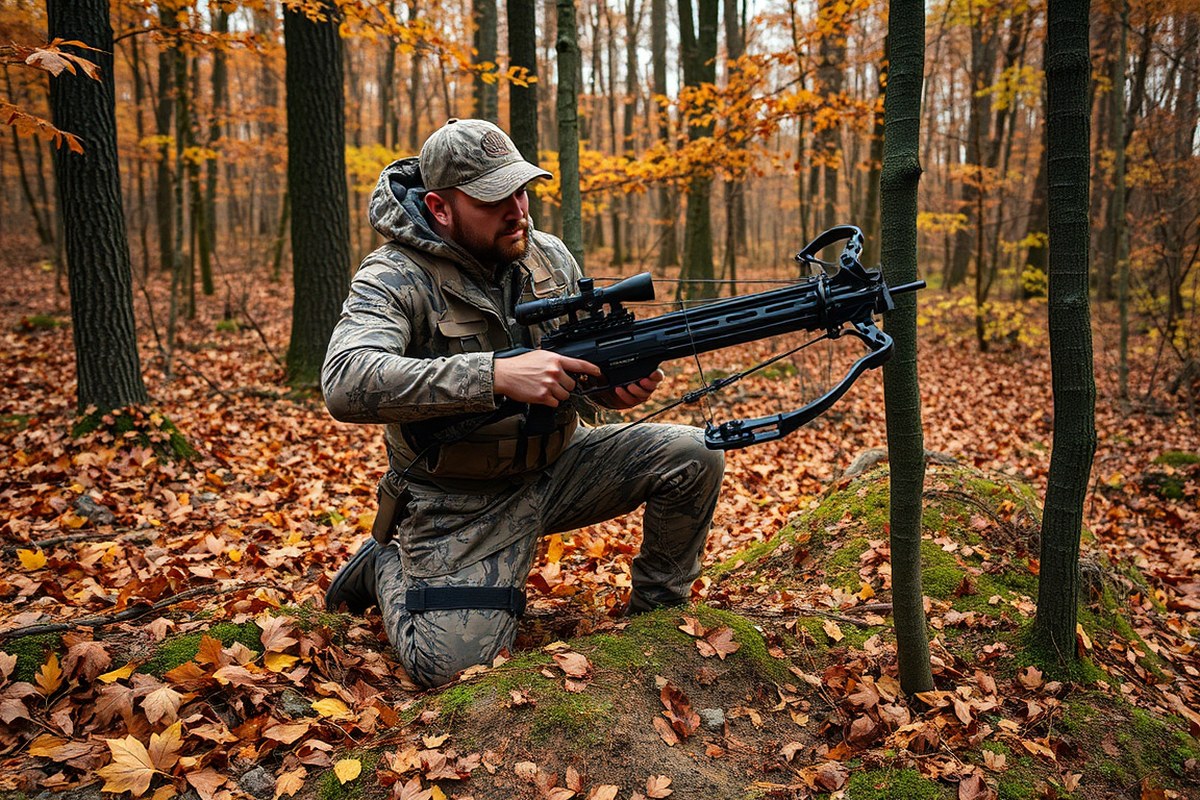
Can a Felon Hunt with a Crossbow in Michigan – What You Must Know
Can a felon hunt with a crossbow in Michigan? Generally, federal law prohibits felons from possessing firearms, but crossbows are classified as archery equipment, not firearms, so many felons can legally hunt with them. Still, state regulations and specific conditions apply, so understanding Michigan’s hunting laws is important for anyone with a felony record considering crossbow hunting.
This information is for felons interested in hunting with crossbows in Michigan. It covers the legal framework including state restrictions, licensing rules, safe use requirements, and what to do if law enforcement questions your hunting activities.
Key Takeaways
- Felons may hunt with crossbows in Michigan as crossbows are not classified as firearms under federal law.
- Michigan law requires a hunting crossbow to have a minimum draw weight of 125 pounds and include a functional safety mechanism to be legal.
- Hunters must be at least 10 years old to use crossbows during firearm seasons but need to be 18 for handgun possession.
- Crossbow bolts used for hunting must measure at least 18 inches excluding the broadhead to comply with regulations.
- Deer must be registered within 48 hours of harvest, and hunters might be asked about the type of bow used.
- Individuals under 16 must be accompanied by an adult while hunting due to safety concerns.
Can Felons Hunt with a Crossbow in Michigan?
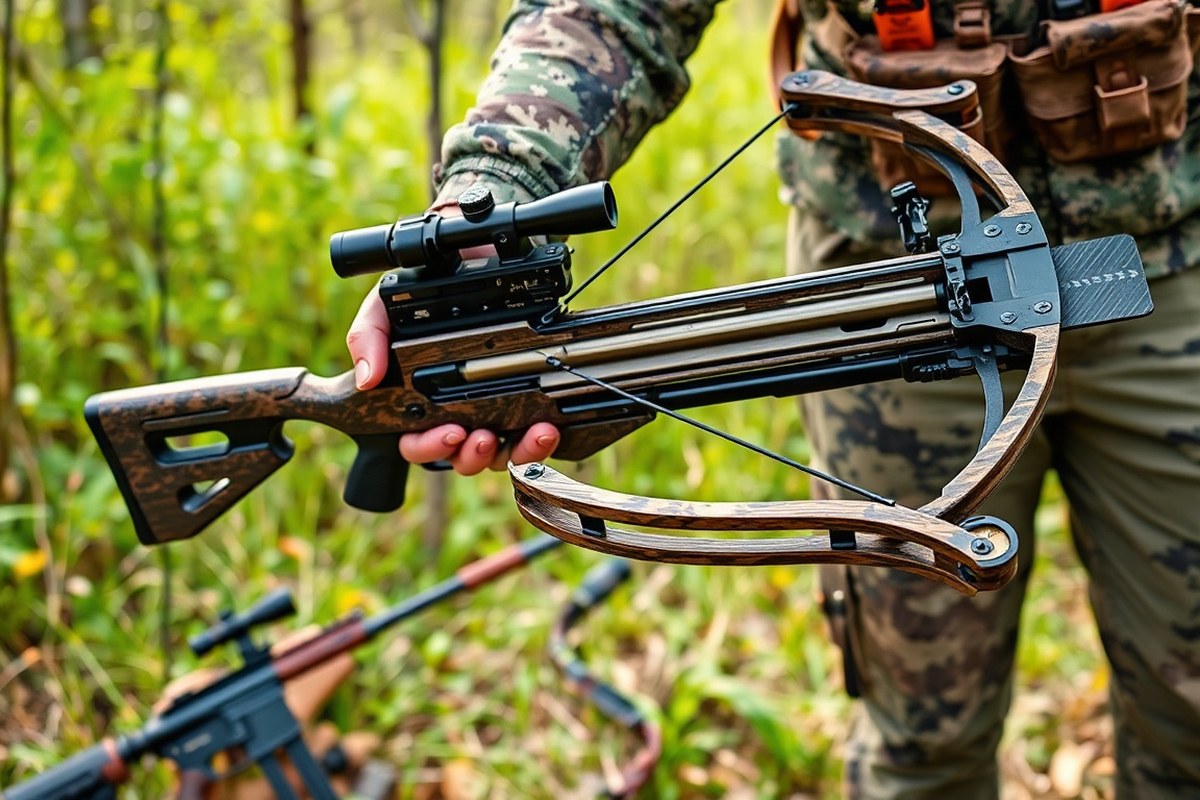
You can legally hunt with a crossbow in Michigan even if you have a felony conviction. Under both federal and Michigan state law, a crossbow is not classified as a firearm. This distinction matters because felons are broadly prohibited from possessing firearms by federal statute 18 U.S.C. § 922(g)(1), but the law does not extend this prohibition to weapons that are not firearms, such as crossbows. Since crossbows fall outside the firearm definition, felons are generally allowed to own and use them for hunting in Michigan.
The federal Gun Control Act defines firearms as weapons that expel a projectile by the action of an explosive, which excludes bows and crossbows. Michigan follows this same principle; its statutes do not classify crossbows as firearms. The Michigan Department of Natural Resources permits crossbow hunting during any “Legal Sporting Arm” season and specific bow or muzzleloader seasons, confirming their legal status for hunting use. The key requirement is following all other hunting regulations, such as having a valid license and adhering to season rules.
However, this legal allowance only applies to the hunting use of crossbows. It is essential to understand that separate laws govern the possession and transport of other weapons, and that firearms possession remains prohibited for felons. Michigan law does restrict felons from possessing devices like stun guns but does not include crossbows in these bans. Since crossbows are mechanical devices powered by tension in the limbs and not by explosive force, they do not meet the legal criteria that define firearms or other restricted weapons.
To comply fully with Michigan hunting laws as a felon using a crossbow, you must obtain a hunter’s education certification and purchase the required hunting licenses. Costs vary by license type but expect fees in the range of $15 to $50 for resident hunting tags. Crossbows used must meet technical specifications, including a minimum draw weight of 125 pounds and a working safety mechanism. Avoid models with more than one string, as these are prohibited.
Using your crossbow legally means carrying all necessary documentation in the field, such as your hunting license, tag, and hunter education certificate. Law enforcement officers may ask to see these papers during a hunt. Violating these rules risks fines or loss of hunting privileges. Employing a crossbow is a straightforward, legal way for felons to participate in Michigan hunting when you respect the state’s equipment and licensing requirements and stay clear of firearms.
Michigan Crossbow Hunting Regulations and Requirements
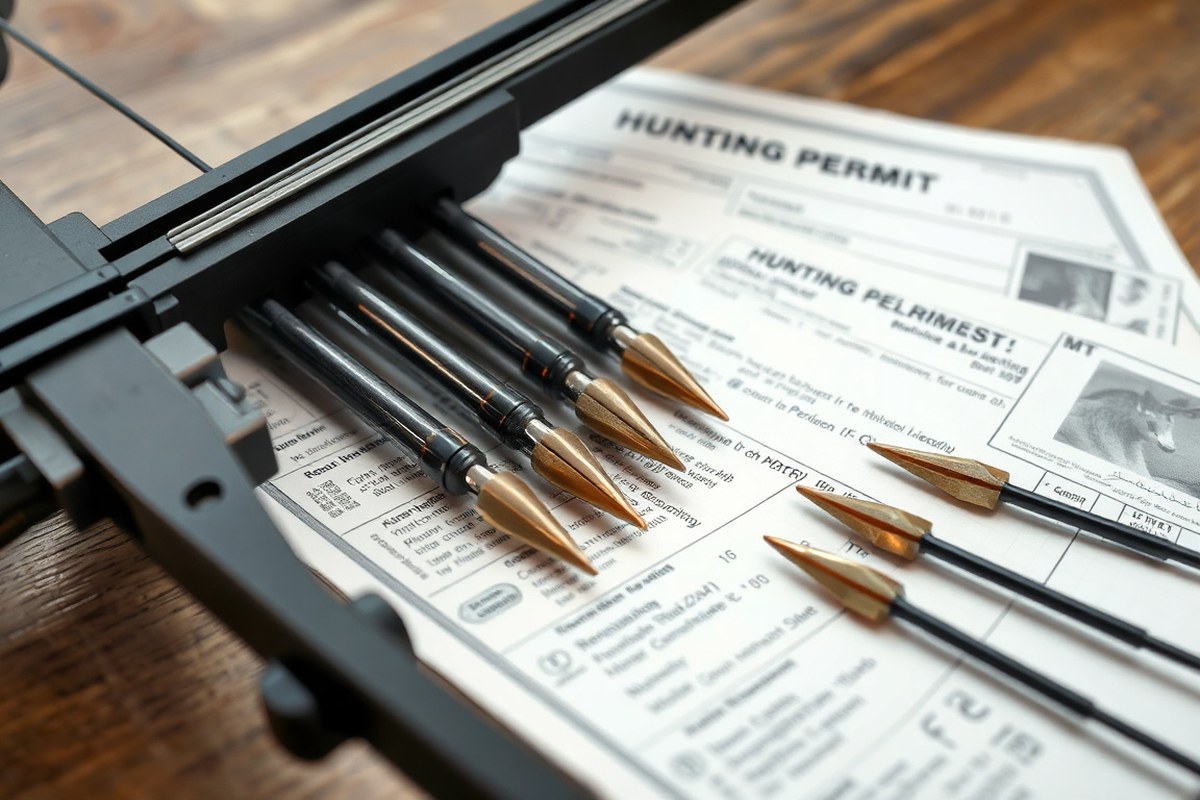
In Michigan, hunting with a crossbow requires meeting specific design standards, carrying the proper licenses, and respecting designated hunting seasons. Legal crossbows must meet minimum draw weight and bolt specifications. You need a valid hunting license along with bowhunting privileges for deer and bear hunting during archery seasons. Crossbows are also allowed during rifle seasons when specified by license and hunt codes.
Michigan Legal Crossbow Specifications
In Michigan, legal crossbows used for hunting need to have a peak draw weight of at least 125 pounds. The crossbow’s total length must measure 24 inches or longer from the stock butt to the front of the limbs. Arrows, also known as bolts, must be fletched and reach a minimum length of 14 inches, not counting the broadhead tip. The broadhead should include a cutting edge that spans at least 7/8 of an inch (2 cm) to promote a quick and ethical kill.
Also, the crossbow must have a working safety mechanism. These requirements help maintain ethical hunting standards by ensuring sufficient power and accuracy to harvest big game effectively without causing undue suffering.
Obtaining the Required Michigan Hunting License
To legally hunt with a crossbow, you first need to purchase your Michigan hunting license. This applies to all hunters regardless of weapon type. You must also acquire the bowhunting privilege, which allows crossbow use during bow seasons for deer and bear. Steps to get your license and privilege:
- Visit the Michigan Department of Natural Resources (DNR) website or an authorized license seller.
- Complete any required hunter safety or bowhunter education courses, especially if you’re a first-time buyer.
- Buy your hunting license, which varies in cost depending on residency and hunt type.
- Purchase the bowhunting privilege, which specifically permits crossbow hunting during archery seasons.
Typical costs can range from $20 to $50 for resident hunting licenses, plus a small fee for bowhunting privileges. You must carry both the license and privilege card while hunting crossbow-accessible game.
Crossbow Hunting Seasons in Michigan
Crossbow use is allowed in multiple Michigan hunting seasons, but the timing and rules depend on the game species and current regulations. The main seasons permitting crossbow hunting include:
- Archery season for deer and bear, where crossbows are legal with a hunting license and bowhunting privilege.
- General firearm (rifle) season for deer and bear, when crossbows are permitted as rifle-associated methods if the license supports it.
- Specific crossbow-only hunts or youth hunts that may have designated dates distinct from other archery or firearm seasons.
Archery season typically runs from early September through December, splitting into different timeframes for antlered and antlerless deer. Rifle seasons usually begin in November. Check annual Michigan DNR hunting brochures for precise dates, which can shift slightly year to year.
Why These Rules Matter
These regulations prevent the use of underpowered or unsafe equipment that could cause inhumane kills or increase hunter injury risk. Licenses generate funds used for wildlife management and conservation programs, helping maintain healthy animal populations and habitat.
Following the draw weight and broadhead size requirements ensures hunters have the proper tools to take game efficiently. Obtaining a hunting license and bowhunting privilege confirms hunters understand state regulations and safety standards.
Always double-check the latest Michigan DNR crossbow hunting regulations before your hunt, as rules and season dates can change annually.
Federal and State Laws on Felon Weapon Possession
Federal law under 18 U.S.C. § 922(g) prohibits felons from possessing firearms and ammunition. This law specifically bars individuals convicted of crimes punishable by imprisonment exceeding one year from owning or possessing firearms. Importantly, the law defines firearms as guns including rifles, shotguns, and handguns, but it does not classify crossbows as firearms. Therefore, federally, felons are not banned from possessing or using crossbows since they are treated differently from guns. This distinction provides felons an option for legal hunting weaponry that avoids the federal firearms prohibition.
Michigan state laws, however, impose additional restrictions on weapons possession by felons. Under Michigan Penal Code, it is unlawful for convicted felons to possess firearms such as rifles and shotguns. Michigan also has specific rules regarding individuals convicted of certain misdemeanor domestic violence offenses, barring them from possessing or purchasing firearms for eight years. Despite this strict stance on firearms, Michigan does not classify crossbows as firearms, so possession of crossbows by felons is not explicitly prohibited under state law. Michigan recognizes crossbows as hunting weapons that are separate from firearms.
Here is a comparison table summarizing federal and Michigan laws relating to felon possession of firearms and crossbows:
| Aspect | Federal Law (18 U.S.C. § 922) | Michigan Law |
|---|---|---|
| Felon possession of firearms | Prohibited for felons convicted of crimes punishable by over 1 year imprisonment | Prohibited for felons, including rifles and shotguns |
| Felon possession of crossbows | Not prohibited; crossbows are not firearms under federal law | Not explicitly prohibited; crossbows treated separately from firearms |
| Possession restriction period for misdemeanor domestic violence | Not specified federally | 8 years prohibition for firearm possession in specified misdemeanor domestic violence cases |
| Licensing requirements for firearms | Federal firearms license required for firearm sales and transfers | Michigan Concealed Pistol License (CPL) required for concealed carry |
| Firearm possession notification on domestic violence incidents | Not specified federally | Law enforcement must notify victim of rights including firearm prohibition orders |
Following both federal and state laws matters because violating firearm possession restrictions can lead to felony charges and additional penalties. In Michigan, felons can legally possess and hunt with crossbows because these weapons are not defined as firearms at the federal or state level. Law enforcement and courts will focus on whether the weapon is a firearm and whether the individual is restricted from possessing it due to their felony or other legal status.
For felons interested in hunting with crossbows, knowing this legal distinction is key. Crossbows do not require a federal firearms license for purchase or possession. Michigan law also does not require special licenses for crossbow possession by felons, but crossbow hunting must comply with general hunting regulations and seasons. This legal landscape allows felons to participate in hunting through crossbows as an alternative to firearms, without running afoul of possession prohibitions that apply strictly to guns.
Licensing and Age Requirements for Crossbow Hunting in Michigan
In Michigan, the minimum age to hunt with a crossbow is generally 18 years old, but youth hunters have specific provisions under the Michigan Youth Hunting Program. Felons face the same licensing requirements as other hunters but must comply with legal hunting restrictions related to their felony status. Understanding the age limits, youth program allowances, and license application steps is essential for legal crossbow hunting.
Minimum Age Requirements for Crossbow Hunting
Michigan law sets the minimum age for hunting with a crossbow at 18 for most game. However, youth hunters under 18 may hunt with a crossbow during limited youth seasons as part of special programs. They must be supervised by a licensed adult at least 21 years old. Youth deer hunters, for instance, may have restrictions against using crossbows during specific youth-only hunting windows.
The age rules exist to ensure younger hunters have proper supervision and training, which reduces risks and promotes safe hunting practices. Hunters under 18 must follow youth program conditions on supervision and permitted equipment.
Michigan Youth Hunting Program and Crossbow Use
The Michigan Youth Hunting Program allows hunters younger than 18 to participate in designated youth seasons, including spring turkey and deer youth hunts. Use of crossbows is permitted under this program but with restrictions. Youth hunters must be accompanied by a non-hunting adult at least 21 years old who holds a valid hunting license. Crossbows used must meet state requirements, such as minimum draw weight and safety features. These programs provide hands-on mentoring and ensure youth hunters meet safety and licensing standards while benefiting from expanded opportunities to hunt with a crossbow under supervision.
License Requirements and Felon Considerations
Anyone hunting with a crossbow in Michigan must have a valid hunting license appropriate for the game hunted. Felons do not have special exemptions; they must obtain licenses in the same way as other residents. Licensing includes purchasing the correct tags or stamps for species like deer or turkey. Those 18 or older must also pay any associated fees, which can vary by license type and residency status.
Felons legally allowed to hunt must still follow all state laws on crossbow use, licensing, and equipment. Any felony convictions related to weapons may restrict lawful possession and must be reviewed carefully to avoid violations.
Step-by-Step License Application Checklist
Obtaining a crossbow hunting license in Michigan involves several clear steps. Following this checklist helps ensure compliance:
- Confirm your eligibility based on age, residency, and felony status.
- Complete any required hunter education courses, including the Michigan Hunter Safety Course.
- Choose the correct license type for your target game (e.g., deer, turkey) and crossbow use.
- Purchase the hunting license and any required tags or stamps online at the Michigan Department of Natural Resources (DNR) website or through authorized vendors.
- Print or download the license and carry it during all hunting activities.
- Follow all specific regulations tied to your license, such as season dates and equipment standards.
Licenses typically cost between $15 and $40, depending on residency and game type. Applying early avoids delays, especially before popular seasons. Failure to obtain the proper license or not carrying it while hunting can lead to fines or legal trouble.
Equipment Standards and Age Variations
Crossbows must have a draw weight of no less than 125 pounds and include a mechanical safety feature. Arrows are required to follow the length and vane size regulations specified by the DNR. Younger hunters might face extra limits on draw weight and equipment during youth hunting periods.
Following these standards safeguards both the hunter and wildlife. Do not attempt to use crossbows that do not meet recommended minimums, as this may void license validity during an inspection or enforcement stop.
Types of Bows and Weapons Felons Can Legally Use in Michigan
Felons in Michigan can legally hunt using bows such as compound bows, recurve bows, and longbows, as these weapons are not classified as firearms. Unlike firearms, bows and crossbows do not require restoration of rights for possession, making them accessible options. Crossbows are treated somewhat like airguns under the law, requiring no special license for ownership or use in hunting, but they must meet specific mechanical standards, such as having a shoulder-type stock, trigger safety, and a minimum draw weight of 100 pounds.
That legal distinction matters because firearms are often restricted or prohibited for felons, while bows and crossbows fall under different regulations. Crossbows share traits with both firearms and traditional bows, which can cause confusion, but they generally follow archery equipment rules in Michigan. Felons should choose weapons that comply precisely with state definitions to avoid legal issues during hunting seasons.
| Weapon Type | Legal for Felons to Own | Legal for Hunting in Michigan | Key Specifications |
|---|---|---|---|
| Compound Bow | Yes | Yes | Minimum 30 lb draw weight within 28-inch draw length |
| Recurve Bow | Yes | Yes | Minimum 30 lb draw weight within 28-inch draw length |
| Longbow | Yes | Yes | Minimum 30 lb draw weight within 28-inch draw length |
| Crossbow | Yes | Yes | Shoulder-type stock, trigger with safety, ≥100 lb peak draw weight |
| Firearms | Generally No for Felons | Yes (with restrictions) | Subject to federal and state restrictions |
| Airguns | Yes | Yes | Varies by type; generally no restoration needed |
Common legal hunting weapons felons can consider include compound bows, recurve bows, longbows, crossbows, and certain types of airguns. These options provide a range of hunting methods without conflicting with federal firearm restrictions. Selection depends on the type of game, hunting season, and personal comfort with the weapon.
- Pick a weapon type that matches Michigan’s legal specifications to avoid penalties.
- Check the draw weight and mechanical safety features before purchasing a crossbow.
- Confirm the hunting season allows the chosen weapon for the game species you intend to hunt.
- Purchase from reputable dealers who verify compliance with legal standards.
Always verify that your crossbow has a working mechanical trigger safety and meets the minimum draw weight to stay within legal limits while hunting as a felon.
Legal Transport and Use of Crossbows for Felons in Michigan
Felons in Michigan must follow specific rules for transporting and carrying crossbows to stay within the law. These include securely storing crossbows during transport, obeying restrictions on carrying them in public or vehicles, and observing safety practices to avoid accidents or legal issues.
How Felons Must Transport Crossbows
Crossbows must be unloaded and safely encased while being transported. The case should fully enclose the crossbow to prevent accidental firing and clearly show the crossbow is not in use. Transporting it across public roads is allowed only if it remains in the case and is not readily accessible. This reduces the risk of violations and ensures safety during travel to hunting sites.
When placing a crossbow in a vehicle, it should be kept in the trunk or another locked compartment. Avoid storing it in passenger areas where it could be quickly accessed. Keeping the crossbow out of sight and securely locked can prevent misunderstandings with law enforcement and protect you from potential legal trouble.
Restrictions on Carrying Crossbows in Public
Carrying a crossbow openly in public spaces or on public roads is generally prohibited. Crossbows are considered weapons, so transporting them outside of hunting areas or designated properties can lead to legal issues. Always ensure the crossbow is stored in a locked case and not loaded when entering public places or traveling through urban areas.
Hunting near or from public roads is illegal in Michigan, and this includes the use of crossbows. Stay clear of highway rights-of-way to avoid violating state regulations. Carry signs of permission when accessing private land to verify your legal right to hunt, which helps if questioned by authorities.
Checklist for Legal Transport of Crossbows
- Unload the crossbow completely, no bolts or loaded mechanisms.
- Place the crossbow in a hard or soft case designed for crossbows.
- Store the crossbow case in the vehicle’s trunk or a locked container.
- Keep the crossbow hidden from plain sight during transit.
- Ensure the mechanical safety is engaged before transport.
- Carry valid hunting licenses and any necessary permits.
- Avoid transporting the crossbow through public areas unless properly encased.
Stepwise Guide to Carrying Crossbows Legally in Michigan
Follow these steps whenever you carry a crossbow to a hunting location or when traveling with it:
- Verify your crossbow meets Michigan legal requirements (minimum 125 lb draw weight, mechanical safety, fixed rifle-type stock).
- Unload the crossbow and engage any mechanical safety devices.
- Place the crossbow in a secure, protective case designed for transport.
- Store the case in a locked compartment within your vehicle, ideally in the trunk.
- Carry all necessary hunting licenses, permits, or documentation.
- Do not remove the crossbow from its case outside of authorized hunting areas or private property.
- Comply with all local ordinances regarding weapons possession when crossing public land or roads.
- Be prepared to show your licenses and permits if law enforcement questions you.
Safety Precautions While Hunting and Transporting
Always keep the crossbow unloaded until you are ready to hunt. Never point it at anything other than your target, even if you believe it is unloaded. Regularly inspect your crossbow for mechanical wear or damage to the safety mechanism to avoid accidental discharges.
Wear visible hunter orange clothing during hunting seasons to reduce the risk of being mistakenly targeted by others. Avoid alcohol or drugs when carrying and using a crossbow, since impairment increases danger and legal risks. Store crossbows safely at home in locked containers when not in use, especially if minors or unauthorized persons live with you.
What to Do If Law Enforcement Questions You While Hunting
Being stopped by law enforcement while hunting with a crossbow can feel intimidating, especially if you have a felony conviction. Staying calm and knowing your rights can prevent misunderstandings and protect you from legal trouble. You have the right to remain silent, the right to refuse any searches without a warrant or your consent, and the right to request a lawyer if questions escalate or you feel uncomfortable.
Use a clear and polite script when answering questions. For example, say:
“Officer, I want to cooperate, but I do not consent to any searches, and I am exercising my right to remain silent. I would like to speak with my attorney before answering further.”
Knowing when to ask for a lawyer is key. If law enforcement asks about your prior convictions, your hunting license status, or crossbow possession in a way that could imply criminal liability, request a lawyer immediately. Do not offer extra information beyond what the law requires. Politely stop talking after you request your attorney. Follow these steps when you are stopped:
- Stay calm and be respectful. Keep your hands visible and speak calmly to avoid escalating the situation.
- Provide identification and necessary permits. Show your hunting license or any required permits upon request to prove legal hunting activity.
- Use the rights script. Say: “Officer, I do not consent to any searches and am exercising my right to remain silent. I want to speak with an attorney before answering further.”
- Do not volunteer extra information. Aside from identification and permits, avoid discussing your felony status or crossbow possession unless your lawyer advises you to.
- Refuse searches politely. Without a warrant or lawful exception, say: “I do not consent to a search.”
- Request a lawyer if asked about felonies or weapon possession. Use the same script to invoke your right to counsel immediately.
- Stay on-site calmly until the interaction ends. Do not argue, flee, or physically resist as this invites more serious charges.
- Contact your lawyer as soon as possible if law enforcement questions your hunting or crossbow possession linked to your felony record. A lawyer can help protect your rights and navigate complex laws in Michigan.
Felons in Michigan may face serious penalties for possessing weapons illegally, including up to five years in prison and fines up to $5,000. Properly using your rights during law enforcement encounters reduces risks and increases your chances of a peaceful resolution. Always carry any permits required for the game hunted to avoid legal complications.
Common Legal Mistakes Felons Make Hunting with Crossbows and Fixes
Felons hunting with crossbows in Michigan often make avoidable legal mistakes. One common error is using a crossbow during a season or in a zone where it’s not permitted. Crossbows are only legal for big-game hunting when the hunt allows any legal weapon. Ignoring this can result in fines or loss of hunting privileges. To avoid this, always check the current Michigan Department of Natural Resources (DNR) regulations before heading out.
Another frequent mistake is failure to obtain the correct hunting licenses and permits. Without them, a felon risks citation and penalties, including license suspension or revocation. Purchase your licenses well in advance through the official DNR website or authorized agents, and carry them while hunting to show law enforcement upon request.
- Using a crossbow in a prohibited hunting season or zone
- Hunting without required licenses or permits
- Failing to confirm that crossbows are legal for the specific hunt type
- Transporting a loaded crossbow in a vehicle
- Not complying with federal firearm restrictions related to felony convictions
Transporting a crossbow properly is important. Michigan law requires crossbows to be uncocked and unloaded while transported. Doing otherwise can lead to charges similar to carrying a weapon illegally, which might have harsher penalties for felons. Secure the crossbow in a case or rack, uncocked and with bolts separate, to minimize risk.
Crossbows are not classified as firearms, but federal law prohibits felons from possessing firearms. Although crossbows fall under Michigan’s legal hunting weapons during approved hunts, misunderstandings can lead to accidental possession violations if the crossbow is confused with a firearm. Consult a licensed attorney if unsure about how federal and state laws apply to avoid serious consequences.
Always verify season dates, zones, and approved weapons before hunting, and never transport a cocked crossbow in your vehicle.
Penalties vary depending on the violation. Using a crossbow outside a legal hunt can result in fines ranging from $100 to over $1,000, along with hunting privilege suspension. Hunting without a license may carry similar fines and loss of future license eligibility. Illegal possession or improper transportation of weapons can lead to misdemeanor or felony charges, especially for felons, emphasizing the need for full compliance to minimize risks.
Your Step-by-Step Action Plan to Hunt with a Crossbow as a Felon in Michigan
Follow these steps carefully to ensure you comply with Michigan laws and avoid legal trouble while hunting with a crossbow.
- Before You Start: Verify your felony status and restrictions by consulting Michigan’s current laws or a legal professional to confirm if you are eligible to own or use a crossbow for hunting. Success means being clear on your legal rights and restrictions.
- Week 1: Apply for and obtain the required Michigan hunting license and crossbow hunting permit from the Michigan Department of Natural Resources (DNR). Confirm your eligibility through the application process.
- Week 2: Learn and memorize the Michigan crossbow hunting season dates and any special regulations applying to felons. Check the latest Michigan DNR guidelines to ensure you know the correct seasons and rules.
- Week 3: Acquire a legal-style crossbow that meets Michigan requirements (e.g., specific draw weight, no modifications prohibited by law). Purchase from a licensed dealer who confirms compliance.
- Week 4: Complete and carry all required documentation, including your hunting license, crossbow permit, and identification, whenever hunting. Conduct a checklist before each hunt to verify all documents are present.
- Before Each Hunt: Plan your transportation route and store your crossbow according to legal transport rules, for example, unloaded and in a case inside a vehicle, to avoid legal issues during stops by law enforcement.
- During Hunting Season: Hunt only in approved areas and at legal times. Comply with firearm and weapon use regulations specific to felons using crossbows to prevent violations.
- After an Encounter with Law Enforcement: Stay calm, provide requested documentation promptly, and avoid volunteer information beyond required facts. Confirm later through legal advice if you believe your rights were violated or if you were unsure about questions asked.
Frequently Asked Questions
Can a Felon Go Deer Hunting with a Crossbow in Michigan?
Yes, felons can hunt deer with a crossbow in Michigan if they have the proper hunting license and bowhunter education certification. Federal law does not classify crossbows as firearms, so they are legal for felons to use in hunting.
Can a Felon Own a Gun After 10 Years in Michigan?
Generally, Michigan law does not automatically restore gun ownership rights after 10 years. You must seek a pardon or court order to regain firearm rights, which is a separate legal process from hunting permissions.
Can a Felon Go to a Gun Range in Michigan?
Felons are prohibited from possessing firearms under both federal and Michigan law, so they cannot legally handle firearms at a gun range. Crossbows and bows are allowed since they are not firearms.
Can a Felon Carry a Knife in Michigan?
Knife laws vary by state and situation; in Michigan, felons can legally carry knives unless used unlawfully or restricted by parole conditions. It’s important to check local rules and parole terms.
Do Felons Need a Special Permit to Hunt with a Crossbow in Michigan?
No special permit beyond a standard hunting license and bowhunter education is needed, but you must have the bowhunting privilege to hunt with a crossbow.
Are Crossbows Considered Firearms Under Michigan Law for Felons?
No, crossbows are not classified as firearms under Michigan or federal law, making them legal for felons to possess and use while hunting.
Before You Go
Hunting with a crossbow as a felon in Michigan requires careful compliance with both state and federal laws, licensing demands, and transport rules. Understanding these constraints helps you avoid legal risks and enjoy hunting safely. Start by confirming your eligibility with local authorities or legal counsel before obtaining your crossbow hunting license.