Top 13 Best Jacket for Backpacking You Can’t Miss!
A jacket that fails to keep moisture out or restricts movement can turn a simple hike into a struggle. Choosing the best jacket for backpacking usually means avoiding those soggy, heavy layers that don’t breathe or weigh too much. The wrong jacket often leads to carrying excess weight or getting cold unexpectedly, which makes the trip less enjoyable and sometimes even unsafe.
The best jackets for backpacking typically focus on three key areas. Waterproof breathability stands out, materials rated with at least 10,000 mm waterproofing keep rain out while allowing sweat to escape. Weight matters too; a jacket closer to 10 to 15 ounces offers protection without overburdening the pack.
Fit is crucial; it needs to allow layering without being bulky, often achieved with adjustable cuffs, hems, and hoods for a secure fit in changing weather.
Need a Quick Check?
| Image | Product | Price |
|---|---|---|
Our Top Picks 1  | Outdoor Ventures Puffer | Check Price |
Our Top Picks 2  | Amazon Essentials Puffer | Check Price |
Our Top Picks 3  | Outdoor Ventures Rain Pullover | Check Price |
Our Selected Top 13 Jacket for Backpacking for Every Budget
This list features a carefully chosen range of jackets ideal for backpacking, covering various budgets and needs. Each review explains how the jacket performs in the outdoors, highlights who it’s best suited for, and outlines its main strengths and weaknesses.
1. Outdoor Ventures Mens Packable Hooded Puffer Jacket
Perfect for cold weather backpacking, the Outdoor Ventures Mens Packable Hooded Puffer Jacket stands out with its compact packability and reliable warmth. Suited for those who need a lightweight, easy-to-carry layer without compromising comfort in winter conditions.
Setting it up is simple since it folds into its own pocket, making it easy to stash during long hikes or sudden weather changes. The regular fit and hood add to daily wear comfort, while the quilted puffer design traps heat well.
Army Green color keeps it low-profile and practical for outdoor use.
The jacket performs solidly against cold weather challenges, thanks to its quilted insulation that keeps warmth in without adding bulk. Most users praise how well it packs down, making it a space-saver in backpacks.
Some find the fit a bit standard and would prefer a more tailored cut, but overall it’s a durable, cozy option for winter adventuring.
The jacket folds conveniently into its own pocket, making it a strong choice for packing light. Most wearers find the warmth sufficient for cold weather trips, but some wish the fit was more form-fitting instead of regular.
Anyone needing a warm, packable winter jacket will appreciate how this handles cold days on the trail. Those who want varied colors or a slimmer cut may want to explore other options better suited for style preferences.
Pros
- Folds into own pocket for easy packing
- Warm quilted insulation for winter
- Regular fit balances comfort and mobility
- Hooded design adds weather protection
Cons
- Fit can feel a bit standard, not tailored
- Limited color options with only army green
| Specification | Details |
|---|---|
| Color | Army Green(fold in Pocket) |
| Style | Puffer Jacket |
| Sleeve Type | Long Sleeve |
| Fit Type | Regular |
| Climate Suitability | Cold Weather |
| Collar Style | Hood |
2. Amazon Essentials Mens Packable Water-Resistant Puffer Jacket
Cold, damp mornings on the trail call for a jacket that keeps you warm without bogging down your pack. Designed for backpackers needing lightweight warmth and compact storage, this jacket is especially good at fitting into tight spaces without losing its insulating power.
It packs down small enough to tuck easily into a backpack or daypack pocket, making it an ideal choice for changing weather conditions. The water-resistant finish helps fend off light rain and moisture, so you stay dry on unpredictable hikes. The fit is comfortable, allowing good mobility whether you’re climbing or walking.
It also zips up quickly with a simple zipper system, ready for quick temperature changes.
The insulation holds heat well on chilly mornings and cool evenings, which is the jacket’s main purpose. Materials feel durable enough for regular outdoor use though it’s not heavy-duty. A common praise is how compact the jacket is when packed, saving space.
Some find the warmth insufficient for very cold or wet conditions, citing its water resistance as limited compared to fully waterproof gear.
Most appreciate how this jacket packs down small and saves space in a backpack while still offering good warmth for its weight. Some mention it does not hold up well in heavy rain or very cold conditions, so it serves best in mild to cool, damp weather.
Anyone looking for a light, warm layer that won’t weigh down their pack will find this jacket useful. Those planning to face extreme cold or wet weather should consider something with heavier insulation or waterproof features.
Pros
- Compresses into small size for easy packing
- Lightweight yet provides decent warmth
- Simple zipper closure for quick use
- Water resistance helps in light rain
Cons
- Not fully waterproof in heavy rain
- May be insufficient warmth in coldest weather
| Specification | Details |
|---|---|
| Material | Water-resistant fabric |
| Insulation type | Puffer style |
| Packability | Packable design |
| Fit | Mens sizing |
| Closure | Zipper |
3. Outdoor Ventures Mens Waterproof Lightweight Rain Pullover
Waterproof capability stands out for the Outdoor Ventures Mens Waterproof Lightweight Rain Pullover, ideal for mild weather backpacking. It suits anyone needing a lightweight, dependable rain jacket that keeps you dry without feeling bulky.
Sliding on the pullover is simple thanks to its regular fit and cuff sleeves that don’t get in the way during activity. The round collar design keeps water from running down your neck. Its solid black color blends well with various outdoor gear, making it a practical choice for all seasons, especially in wet and mild climates.
Rain protection works well with a solid, water-resistant exterior designed for consistent mild weather use. Build quality feels practical with a regular fit that offers comfort but isn’t tailored for heavy insulation or extreme cold.
Praise centers on its lightweight design and dependable waterproofing, while some note that it’s not suited for harsh or very cold conditions.
Most users appreciate the pullover’s lightweight and reliable waterproof material that keeps dryness without excess weight. However, limitations include its unsuitability for cold weather due to lack of insulation, restricting use mainly to mild conditions.
The jacket works well for backpackers facing frequent rain in mild climates who want simple, effective rainwear. Those planning trips in cold or wintery environments might want to look for jackets with additional insulation and more versatile style choices.
Pros
- Lightweight design for ease of movement
- Effective waterproof protection in mild weather
- Cuff sleeves prevent water entry during rain
- Regular fit suits layering underneath
Cons
- Not insulated for cold or winter hiking
- Limited style options beyond solid black
| Specification | Details |
|---|---|
| Color | Black |
| Style | Men’s Rain Jacket |
| Sleeve Type | Cuff Sleeve |
| Coat Silhouette Type | Rain Coat |
| Climate Suitability | Mild Weather |
| Fit Type | Regular |
4. Uposiut Mens Waterproof Windbreaker Jacket

Made for people who need reliable protection from wind and rain while backpacking, this jacket shines in cold weather conditions. Its waterproof and windbreaker design keeps you dry and warm, making it a solid choice for outdoor enthusiasts who want a simple, functional layer that won’t weigh them down.
Putting it on is straightforward thanks to the round collar and long sleeves. The fit is tailored for men, giving enough room for layering without looking bulky. The solid army green color blends well in nature, perfect for those who prefer understated gear.
Its raincoat silhouette is practical, suitable for all seasons but especially helpful in chilly or wet weather.
Durability feels good given the jacket’s purpose, holding up well against wind and water during typical activities. The waterproof feature stands out as the jacket’s biggest strength.
On the downside, some users mention limited breathability as a common drawback. The build decisions favor protection over ventilation, which might make it less comfortable during heavy exertion.
The jacket’s waterproof feature is praised as highly effective, making it reliable in wet conditions. At the same time, breathability is a frequent concern, limiting comfort during strenuous use or warmer weather. This trade-off is clear in daily wear situations where staying dry comes first but temperature regulation proves challenging.
People needing solid wind and rain protection in cold climates will find this jacket a good fit. Those looking for lightweight, highly breathable layers might want to consider other options that prioritize airflow. This coat serves best where weather defense is the main goal over ventilation.
Pros
- Waterproof protection keeps rain out effectively
- Windbreaker style shields against chilly gusts
- Suitable for all seasons, especially cold weather
- Simple design pairs well with many outfits
Cons
- Breathability issues during vigorous activity
- Limited ventilation may cause discomfort
| Specification | Details |
|---|---|
| Color | Army Green |
| Style | Windbreaker |
| Sleeve Type | Long Sleeve |
| Coat Silhouette Type | Rain Coat |
| Seasons | All |
| Climate Suitability | Cold Weather |
5. ANYOO Waterproof Adult Hooded Rain Poncho
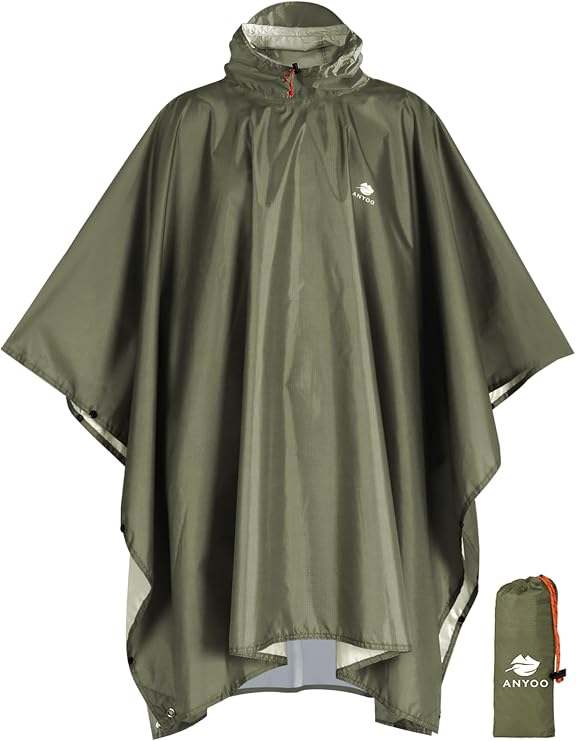
Perfect for backpackers looking for solid rain protection, this poncho stands out with its waterproof rating and roomy design that covers both you and your backpack. Its ability to stay dry in heavy rain makes it an excellent companion for hiking and outdoor travel.
Getting ready for a walk in wet weather is simple with the drawstring hood and adjustable side fasteners that help secure the fit. The loose arm holes and bottom allow air circulation, keeping things from getting overly hot despite the material’s waterproof nature.
It fits easily over a backpack, so your gear stays dry while you stay comfortable and mobile on the trail.
The main job of keeping out rain is handled very well by the 210T ripstop polyester with TPU coating and PU 8000MM waterproof protection. Seam sealing prevents water from sneaking in through the seams, which is crucial during heavy showers.
Most appreciate the secure fit options for different body sizes, though some mention that the loose fit doesn’t work for everyone when it comes to wind resistance.
The waterproof protection rate of PU 8000MM combined with seam sealing makes this poncho effective at keeping water out, even in steady rain. While many find the roomy and adjustable fit helpful, some feel the loose design leaves openings for wind and less warmth around the arms.
Great for hikers carrying backpacks who need reliable rain coverage without overheating. Those looking for snugger arm coverage or wind protection might want a different jacket style with sleeves and a tighter fit.
Pros
- High waterproof rating with seam sealing
- Roomy size fits over a backpack
- Adjustable hood and sides for secure fit
- Good air circulation with loose arm holes
Cons
- Loose fit may allow wind inside
- Sleeveless design offers less arm coverage
| Specification | Details |
|---|---|
| Material | 210T ripstop polyester with TPU coating |
| Waterproof Rating | PU 8000MM |
| Color | Army Green |
| Adjustments | Drawstring hood, side hook-and-loop fasteners, snap fasteners |
| Climate Suitability | Mild Weather |
6. Columbia Mens Ascender Softshell Jacket

Columbia Mens Ascender Softshell Jacket suits anyone needing a reliable midweight layer for fall backpacking. It stands out for keeping you comfortable in mild weather while handling light rain and wind, making it ideal for outdoor activities without overheating.
Putting it on is straightforward thanks to the regular fit and simple band collar. The long sleeves provide ample coverage, and the jacket moves well during hiking or set-up breaks. The solid black color is practical for hiding dirt, and the coat silhouette offers some rain protection without the bulk of a full raincoat.
Softshell fabric breathes nicely and handles breezes decently, though it’s not built for heavy downpours. Construction feels solid with good stitching, but the jacket isn’t insulated, which some find limiting as temperatures drop. Most praise goes to its comfortable fit and weather balance, while many note it’s less effective in harsh rain or very cold conditions.
The strongest praise focuses on its comfortable fit and balance for mild fall weather. The most frequent complaint is that it lacks insulation and isn’t suitable for wet or cold extremes. The jacket handles light rain well but needs layering in chillier conditions.
Backpackers seeking a midweight layer for fall with some rain protection will appreciate it. Those needing full waterproofing or warmth for cold weather should look for heavier or insulated options.
Pros
- Comfortable regular fit for movement
- Effective for mild weather conditions
- Lightweight coat silhouette
- Solid color hides dirt well
Cons
- Not insulated against cold
- Limited rain resistance in heavy downpour
| Specification | Details |
|---|---|
| Color | Black |
| Style | Ascender Softshell Jacket |
| Sleeve Type | Long Sleeve |
| Coat Silhouette Type | Rain Coat |
| Seasons | Fall |
| Climate Suitability | Mild Weather |
7. Pioneer Camp Mens Lightweight Packable Puffer Jacket

Lightweight and surprisingly warm, the Pioneer Camp Mens Lightweight Packable Puffer Jacket works well for cold weather backpacking. Its loose fit and packable design make it easy to layer and carry on chilly winter adventures.
Military Green color also blends nicely into outdoor environments.
Putting on the jacket is simple thanks to its band collar and cuff sleeves that keep warmth in. It feels comfortable during long days on the trail with enough room to move freely without feeling tight. Being packable means it compresses down small for easy storage in your pack when the sun comes out or temperatures rise.
The quilted silhouette holds insulation evenly which helps maintain warmth in cold climates. The jacket performs well to block wind and retain heat, though some note it might lack the thickness needed for extreme cold spells.
Its modern style and solid coloring ensure it looks good both on and off the trail.
Warmth and packability stand out as strong features, making it a good choice for typical cold weather use. Common feedback points to it being less ideal for very harsh winter conditions, especially when extra collar warmth is desired.
Adventurers seeking a lightweight, flexible jacket for normal cold weather will appreciate it. Those facing severe winter temperatures might want to consider gear with heavier insulation or additional protective features around the neck area.
Pros
- Lightweight and easy to pack
- Loose fit for layering comfort
- Warmth suitable for winter
- Military Green blends well outdoors
Cons
- May not suffice in extreme cold
- Limited collar insulation
| Specification | Details |
|---|---|
| Color | Military Green |
| Style | Modern |
| Fit Type | Loose |
| Collar Style | Band |
| Coat Silhouette Type | Quilted |
| Climate Suitability | Cold Weather |
8. The North Face Mens Antora Waterproof Jacket

Perfect for outdoor enthusiasts needing reliable protection, this waterproof jacket is solid in cold weather. Its top feature is windproof and waterproof construction that handles fall conditions well. It fits a regular silhouette, making it practical and comfortable for various activities.
Putting it on is straightforward with a hooded collar and adjustable 3-piece hood that keeps the weather out. Long sleeves and a regular fit provide good mobility without feeling bulky.
The Tnf Black-npf color hides dirt well, so daily use on unpredictable trails remains easy and clean. This jacket suits fall outings where wind and rain come into play.
Built as a rain coat, the shell resists water while blocking wind effectively. The overall feel is sturdy yet not too heavy, keeping you warm but not overheated. Positive feedback highlights dependable weather protection, while some users mention the fit might feel a bit stiff at first.
Its solid construction clearly prioritizes durability.
The jacket is praised for reliable wind and waterproof performance, keeping wearers dry and warm during fall outdoor activities. One drawback noted is the stiff feel when first worn, which may take some time to soften up. The durable build is appreciated for frequent use under demanding weather.
Ideal for anyone needing solid protection from rain and wind in cool weather, especially in fall. Those looking for a lightweight or more flexible jacket might consider other options better suited for mild or multi-season use.
Pros
- Windproof and waterproof in cold, wet conditions
- Adjustable 3-piece hood for better weather protection
- Regular fit offers comfortable mobility
- Durable construction that withstands rough use
Cons
- Initial stiffness in fabric limits immediate comfort
- Limited to fall season for optimal use
| Specification | Details |
|---|---|
| Color | Tnf Black-npf |
| Style | Antora Waterproof Jacket (Standard & Big Size) |
| Sleeve Type | Long Sleeve |
| Coat Silhouette Type | Rain Coat |
| Seasons | Fall |
| Climate Suitability | Cold Weather |
9. Outdoor Ventures Mens Waterproof Softshell Jacket

Waterproof softshell design makes it suitable for cold-weather backpacking in fall, spring, and winter. It fits a regular silhouette with cuff sleeves and a hooded collar, ideal for men looking for a dependable jacket that keeps water out while allowing some breathability during outdoor activities.
Putting on the jacket is straightforward thanks to its anorak style and hood, which offers extra coverage without bulk. Its regular fit and solid black color make it easy to layer over other gear.
The waterproof material handles wet conditions well, and the cuff sleeves help keep wind and moisture from getting in at the wrists.
It does a solid job as a cold-weather shell, blocking water effectively while maintaining reasonable comfort. The build feels sturdy, with durable materials suited for repeated wear in varying conditions. Praise often centers on its reliable waterproof qualities, while some mention the jacket’s regular fit can feel a bit loose for those who prefer a slim, snug fit.
Reliable waterproofing is the most praised quality, providing good protection across cold, wet seasons. The regular fit often leads to some dissatisfaction among those who want a more tailored or snug jacket feel, highlighting a trade-off between comfort and style preference.
Men who need a dependable, weather-resistant softshell for backpacking across chilly, wet days will find this jacket practical and sturdy. Anyone seeking a slim, fashion-forward cut or more color variety might want to consider other options.
Pros
- Waterproof fabric suitable for cold weather
- Hooded collar adds extra protection
- Regular fit allows layering underneath
- Durable materials for frequent use
Cons
- Fit may feel loose for slim preferences
- Limited color options with solid black only
| Specification | Details |
|---|---|
| Color | Black |
| Style | Men’s Softshell Jacket |
| Seasons | Fall, Spring, Winter |
| Fit Type | Regular |
| Collar Style | Hooded |
| Sleeve Type | Cuff Sleeve |
10. Baleaf Mens Water Resistant Cycling Jacket

A water-resistant design is the first thing you’ll notice about this jacket, perfect for cold-weather outdoor activities, especially cycling. Its athletic fit and cocoon style make it suitable for those who want warmth without bulk, standing out for keeping you dry during brisk winter rides or hikes.
Putting it on is straightforward, with a band collar that avoids extra bulk around the neck. The long sleeves provide full coverage, important for chilly days, and its solid black color doesn’t draw extra attention while out on the trail. It works well layered under a heavier coat or worn alone when it’s cold but dry.
Performance-wise, it handles cold weather effectively, thanks to its winter-specific design. The water resistance helps fend off light rain, though it may not be enough for prolonged heavy downpours.
It’s built to fit closely, supporting active movement, though some users note it could be a little snug for layering. It balances warmth and mobility without feeling heavy.
The strongest praise highlights how well it resists water and keeps warmth during outdoor activities, while the most common complaint is that it fits quite tight, limiting layering options. The jacket’s simple design and materials make it good for cold days with light rain but less suitable in harsh weather.
People looking for a lightweight, snug jacket that protects against cold and light rain will appreciate this one. Those needing more room for layers or heavy rain protection should consider other alternatives better suited for those conditions.
Pros
- Water resistant for light rain protection
- Athletic fit supports active movement
- Long sleeves provide full arm coverage
- Band collar adds warmth without bulk
Cons
- May feel snug for layering thicker clothes
- Water resistance not ideal for heavy rain
| Specification | Details |
|---|---|
| Color | Black |
| Style | Cocoon Coat |
| Sleeve Type | Long Sleeve |
| Seasons | Winter |
| Fit Type | Athletic |
| Climate Suitability | Cold Weather |
11. BAERSkin Heavy-Storm Waterproof Rain Jacket

BAERSkin Heavy-Storm Waterproof Rain Jacket is perfect for hikers tackling cold, wet conditions. Its key strength lies in keeping you dry and warm without bulk, making it ideal for backpacking trips where weather can change quickly and staying comfortable matters most.
Getting it ready for use is simple, as the regular fit allows layering underneath without feeling too snug or loose. The long sleeves and rain coat silhouette offer full coverage, while the hunter green color blends well with outdoor settings.
You can wear it nearly all year due to its all-season suitability, making it reliable for various outdoor activities.
The jacket performs solidly in rainy and cold weather thanks to its waterproof design. It’s built to endure heavy storms while maintaining warmth.
Many appreciate how it truly keeps the elements out, though some find it slightly heavier than ultralight alternatives. Its durable fabric supports long-lasting use, but cleaning might require care to maintain waterproof qualities.
Many users highlight how effectively it repels water and retains warmth during storms, which makes it reliable for cold, wet conditions. However, some mention the jacket’s weight as a downside when prioritizing ultralight gear on long treks.
Those venturing into unpredictable weather with a need for dependable protection will be satisfied. Backpackers seeking the lightest possible jacket may want to explore other options designed specifically for minimal weight.
Pros
- Waterproof design keeps you dry in heavy rain
- Regular fit allows comfortable layering underneath
- Suitable for cold weather and all seasons
- Durable fabric for extended use
Cons
- Heavier than ultralight rain jackets
- Cleaning requires care to preserve waterproofing
| Specification | Details |
|---|---|
| Color | Hunter Green |
| Style | Rain Jacket |
| Sleeve Type | Long Sleeve |
| Seasons | All |
| Fit Type | Regular |
| Climate Suitability | Cold Weather |
12. MARMOT Mens Precip Eco Waterproof Rain Jacket
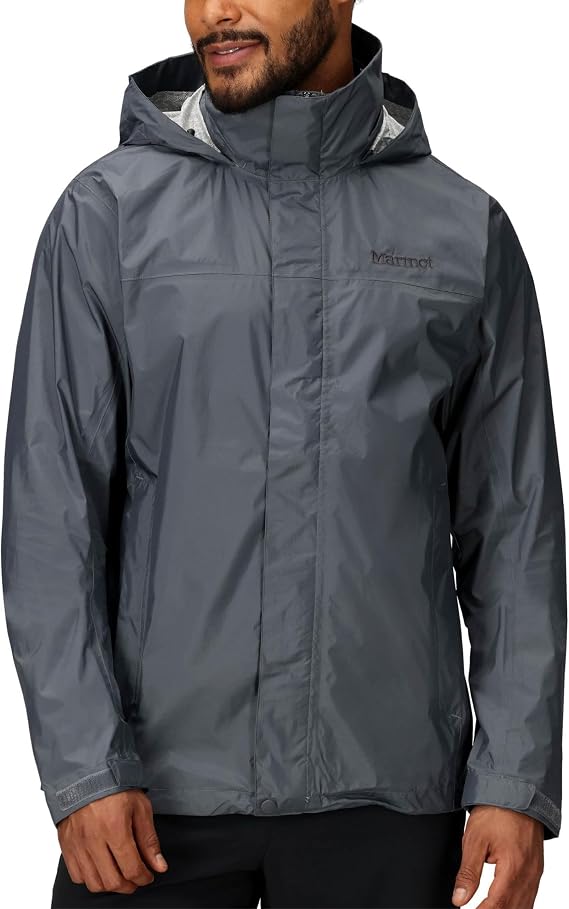
Rainy trail days can quickly ruin a backpacking trip, but a durable waterproof jacket like this keeps you moving dry and comfortable. Ideal for mild weather and outdoor events, it’s designed to take on persistent wet conditions while staying breathable enough for active use.
Its single standout feature is reliable, eco-friendly waterproof protection without weighing you down.
Wearing it on a typical backpacking day feels straightforward, the jacket is light and can be stowed easily into its own pocket when not needed. Adjustable cuffs and a drawcord hem help block drafts, and pit zips come in handy for letting out heat during climbs.
Two zippered hand pockets provide secure spots for small essentials, and the soft chin guard means less irritation around the face on longer outings.
It does its waterproof job well thanks to Marmot’s NanoPro membrane and fully taped seams that stop leaks completely. The environmentally conscious PFC-Free DWR coating keeps water beading off the fabric surface. Most praise notes how reliably dry the jacket keeps you.
The main gripe mentioned is the fit being a bit roomy for some, which may affect layering choices.
Customers commonly highlight how reliably dry this jacket keeps them, thanks to full seam taping and the NanoPro membrane. The most frequent complaint involves the fit being somewhat loose, which is less ideal when layering or for those who prefer a trim cut.
People who want a lightweight, sustainable rain layer for mild fall or winter backpacking will be satisfied with this jacket. Those wanting a more tailored fit or insulation for colder, harsher climates might want to look at other options.
Pros
- Excellent water repellency with eco-friendly DWR
- Lightweight and easy to pack into its own pocket
- Pit zips provide good ventilation control
- Adjustable cuffs and hem block cold drafts
Cons
- Fit runs a bit roomy, not slim
- Best for mild weather, may fall short in harsh cold
| Specification | Details |
|---|---|
| Material | 100% Pre-Consumer Recycled Nylon Ripstop Shell |
| Lining | 100% Post-Consumer Recycled Polyester Mesh |
| Waterproof Technology | Marmot NanoPro membrane |
| Construction | 100% seam-taped |
| Ventilation | Pit zips |
| Season Suitability | Fall/Winter |
13. Mountain Hardwear Ghost Whisperer Hoody

Designed for cold weather outdoor activities, the Mountain Hardwear Ghost Whisperer Hoody offers reliable warmth in a lightweight, regular fit. Its quilted silhouette and hood provide essential insulation without bulk, making it ideal for backpackers needing packable cold-weather protection during fall and winter.
Putting it on is easy thanks to the hooded collar and long sleeves that keep chill out. The solid black color is practical for everyday wear and outdoor trips, while the quilted design helps maintain warmth as you move. Its regular fit strikes a balance between freedom of movement and snug comfort, ideal for layering under or over other gear during long hikes or camp nights.
This jacket keeps you warm while avoiding extra weight, an important factor when carrying a pack. The build feels durable enough for rough use outdoors, though some might find the insulation less warm in extremely cold conditions.
The hood stays secure, and the long sleeves cover well, though ventilation is limited. Most praise focuses on its lightweight warmth, while some note it could be warmer in harsh winter weather.
The jacket excels at providing lightweight warmth suitable for cold weather without adding bulk, which users appreciate for backpacking. Its most frequent drawback is the limited insulation for very harsh winter conditions, where extra layering or a heavier jacket might be required. The hood remains functional and secure during use, adding to overall comfort.
People looking for a packable, warm jacket for fall and winter outdoor activities will find this suitable. Those facing severe cold or seeking more breathability during high-exertion days should explore alternatives with higher insulation or ventilation features.
Pros
- Lightweight warmth for cold conditions
- Hooded design for added protection
- Regular fit allows comfortable layering
- Durable quilted construction
Cons
- May lack warmth in extreme cold
- Limited ventilation during intense activity
| Specification | Details |
|---|---|
| Color | Black – New 2024 |
| Style | Ghost Whisperer Hoody |
| Sleeve Type | Long Sleeve |
| Coat Silhouette Type | Quilted |
| Seasons | Fall, Winter |
| Fit Type | Regular |
Comparison of Best Jackets for Backpacking Reviewed
| Product | Style | Seasons | Climate Suitability | Collar Style |
|---|---|---|---|---|
| Outdoor Ventures Puffer | Puffer Jacket | Winter | Cold Weather | Hood |
| Amazon Essentials Puffer | – | – | – | – |
| Outdoor Ventures Rain Pullover | Men’s Rain Jacket | All | Mild Weather | Round |
| Uposiut Windbreaker | Windbreaker | All | Cold Weather | Round |
| ANYOO Rain Poncho | Outdoor Poncho | All | Mild Weather | Hooded |
| Columbia Ascender Softshell | Ascender Softshell Jacket | Fall | Mild Weather | Band |
| Pioneer Camp Puffer | Modern Quilted | Winter | Cold Weather | Band |
| The North Face Antora | Waterproof Rain Coat | Fall | Cold Weather | Hooded |
| Outdoor Ventures Softshell | Men’s Softshell | Fall,Spring,Winter | Cold Weather | Hooded |
| baleaf Cycling Jacket | Cocoon Coat | Winter | Cold Weather | Band |
| BAERSkin Storm Jacket | Rain Jacket | All | Cold Weather | – |
| MARMOT Precip Eco | Lightweight Waterproof | Fall/Winter | Mild Weather | Round |
| Mountain Hardwear Ghost Whisperer | Quilted | Fall, Winter | Cold Weather | Hooded |
- StylePuffer Jacket
- SeasonsWinter
- Climate SuitabilityCold Weather
- Collar StyleHood
- Style–
- Seasons–
- Climate Suitability–
- Collar Style–
- StyleMen’s Rain Jacket
- SeasonsAll
- Climate SuitabilityMild Weather
- Collar StyleRound
- StyleWindbreaker
- SeasonsAll
- Climate SuitabilityCold Weather
- Collar StyleRound
- StyleOutdoor Poncho
- SeasonsAll
- Climate SuitabilityMild Weather
- Collar StyleHooded
- StyleAscender Softshell Jacket
- SeasonsFall
- Climate SuitabilityMild Weather
- Collar StyleBand
- StyleModern Quilted
- SeasonsWinter
- Climate SuitabilityCold Weather
- Collar StyleBand
- StyleWaterproof Rain Coat
- SeasonsFall
- Climate SuitabilityCold Weather
- Collar StyleHooded
- StyleMen’s Softshell
- SeasonsFall,Spring,Winter
- Climate SuitabilityCold Weather
- Collar StyleHooded
- StyleCocoon Coat
- SeasonsWinter
- Climate SuitabilityCold Weather
- Collar StyleBand
- StyleRain Jacket
- SeasonsAll
- Climate SuitabilityCold Weather
- Collar Style–
- StyleLightweight Waterproof
- SeasonsFall/Winter
- Climate SuitabilityMild Weather
- Collar StyleRound
- StyleQuilted
- SeasonsFall, Winter
- Climate SuitabilityCold Weather
- Collar StyleHooded
How to Choose the Best Backpacking Jacket
Prioritize durability, weather resistance, and breathability to ensure comfort and protection during outdoor activities. Choosing the right jacket prevents unnecessary replacements and keeps you prepared for changing conditions, ultimately saving money and avoiding hassle on the trail.
Material and Insulation
Backpacking jackets often face rough treatment from branches, rocks, and heavy backpacks, so the outer fabric’s durability makes a big difference. A nylon ripstop shell, for example, withstands abrasions better than thinner polyester blends.
Weight also matters since thick fabrics add bulk, slowing you down. Balancing ruggedness with lightness usually means looking for materials in the 20-40 denier range.
Insulation quality directly affects warmth retention during chilly nights or cold winds. Synthetic fills like PrimaLoft dry faster and maintain warmth even when damp, unlike down which loses insulation when wet. Breathability and moisture-wicking features prevent sweat buildup inside the jacket, avoiding clamminess.
Softshells or jackets with specialized membranes help vents move moisture outward while retaining heat.
Weather Resistance
Rain and wind can quickly sap your energy on the trail if your jacket fails. Materials labeled fully waterproof with taped seams keep you dry in persistent rains, while water-resistant fabrics repel light showers but won’t hold up under heavy downpours.
A jacket’s windproof capabilities also matter; tightly woven fabrics or membranes block gusts effectively, preventing chills.
Sealing features like adjustable cuffs, storm flaps over zippers, and drawcord hems lock out wind and water. Performance shifts significantly based on these details. A basic water-resistant jacket might suffice for fair weather hikes, but sustained or unpredictable weather calls for fully sealed designs to stay comfortable.
Fit and Mobility
A jacket that fits too tight or too loose quickly becomes a burden. Proper sizing with enough room for layering, such as a fleece or down vest underneath, is essential for adjusting to changing temperatures. Sizing charts and try-ons help find a balance between snug and roomy.
Active movement requires materials with some stretch or construction that follows body contours, especially in the shoulders and elbows where motion is greatest. Features like adjustable cuffs, hoods, and hems let you tailor the fit, which reduces drafts and prevents sleeves from interfering with hikes or climbs.
Without this flexibility, the jacket may ride up or restrict arm swings.
Packing and Weight
Backpacks only get heavier as you add gear, so a jacket’s weight has an outsized impact on daily comfort. Lightweight fabrics under 10 ounces make a noticeable difference over miles, especially in steep or long trails. Jackets designed for backpacking often compress into small stuff sacks, shrinking to fit inside a backpack’s tight spaces.
Bulkiness affects how easy it is to store the jacket and how quickly you can pull it out when needed. Puffy insulation tends to compress well, while hard shells are less packable but more protective. This trade-off matters depending on your route and weather expectations, so looking at packed size versus warmth balance will reveal if the jacket fits your style.
Ventilation and Comfort
Air circulation inside the jacket can change comfort levels from pleasant to unbearable after moderate exertion. Vents under the arms or zippers along the chest allow airflow during steep climbs or warm conditions, reducing sweat buildup. Their placement and size impact how well heat escapes without letting cold air in.
The interior lining texture also affects comfort over long periods. Smooth fabrics stop irritation and chafing, while lightweight mesh boosts breathability.
Another factor is noise: some shells and linings make a rustling sound with each movement, which can become distracting or annoying over time on quiet trails.
How to Layer Your Jacket for Optimal Comfort During Backpacking Trips
Start layering with a moisture-wicking base layer to keep sweat away from your skin. Choose synthetic fabrics like polyester or merino wool, which dry quickly and prevent chills. Over this, add an insulating layer such as a fleece or lightweight down jacket to trap heat without adding bulk.
The outer shell should be waterproof and windproof to protect against rain and wind. Look for jackets with adjustable hoods and vents to regulate temperature during hiking.
Key points for layering your jacket effectively:
- Keep layers loose enough to allow airflow but snug enough to trap heat
- Prioritize breathability in the shell layer to avoid overheating
- Use layers that compress well to save space in your backpack
- Pack a compact, insulated jacket for cold stops or unexpected weather
This system ensures you stay dry, warm, and comfortable on the trail without carrying unnecessary weight.
Essential Jacket Maintenance Tips to Extend the Life of Your Gear
Regularly cleaning your jacket prevents dirt and oils from clogging the fabric’s pores, which diminishes water repellency. Use a gentle detergent specifically made for technical outdoor gear.
Avoid fabric softeners as they can ruin the waterproof coatings. After washing, reapply a durable water repellent (DWR) treatment to restore the jacket’s ability to shed moisture.
Maintenance tips to prolong your jacket’s life:
- Spot clean minor stains instead of full washes to reduce wear
- Store the jacket uncompressed and in a dry place to maintain insulation loft
- Repair small tears or seam damage quickly using patch kits or tape
- Avoid exposing the jacket to direct heat sources like campfires or radiators
Routine care helps maintain performance and prevents early degradation, saving money over time.
Comparing Jackets for Different Backpacking Climates and Conditions
Jackets designed for wet climates typically feature fully waterproof membranes and taped seams to keep water out during prolonged rain. In contrast, jackets for dry or alpine conditions often prioritize breathability and lightweight insulation to accommodate temperature swings without overheating.
For cold environments, down insulated jackets offer high warmth-to-weight ratios but may need added waterproofing layers for snow or rain.
Choosing jackets based on conditions:
- Rainy or humid areas: waterproof shells with adjustable ventilation
- Cold, dry climates: insulated jackets with windproof outer layers
- Warm weather backpacking: breathable, lightweight shells with sun protection
- Variable conditions: versatile 3-in-1 jackets providing modular layering options
This approach allows backpackers to pick gear that matches their specific trips without carrying excess weight or sacrificing comfort.
People Also Asked
How Do I Properly Size a Backpacking Jacket for Layering?
Choose a jacket that fits comfortably over your mid-layer without feeling tight. Make sure you can move your arms easily and that the hem and sleeves cover you fully to keep out wind and rain without adding bulk.
What Is the Best Way to Care for a Waterproof Jacket?
Wash your waterproof jacket with a gentle detergent designed for technical fabrics, and avoid fabric softeners. Reapply durable water repellent (DWR) treatments periodically to maintain water resistance and prolong the fabric’s effectiveness.
How Long Does a Typical Backpacking Jacket Last with Regular Use?
A backpacking jacket typically lasts around 3 to 5 years with regular use. Durability depends on fabric quality and care, so avoid rough surfaces and store the jacket clean and dry to extend its life.
Are There Safety Features I Should Look for in Hiking Jackets?
Jackets with reflective details help improve visibility in low light. Features like adjustable cuffs, hoods, and secure pockets ensure better weather protection and safety by keeping you warm, dry, and your belongings secure on the trail.
What Common Problems Do Backpackers Experience with Lightweight Jackets?
Lightweight jackets sometimes lack durability and warmth, especially in windy or wet conditions. They may also have less waterproofing, so pairing them with protective layers or carrying an extra shell helps prevent discomfort and damage.
Conclusion
Choosing the right jacket for backpacking mainly comes down to how it handles weather, how much it weighs, and how durable it is on the trail. A good jacket should keep you dry and comfortable in changing conditions without adding too much bulk to your pack. Breathability and ease of movement also matter since you’ll be wearing it during active hiking.
Think about how often you’ll be using the jacket and how much space you have in your pack before making a decision. Keeping those practical points in mind will help you find the best fit for your trips. Check the comparison table above for a clear look at features and read through the choices to see which jacket matches your needs and budget.