Top 13 Best Jacket for Backcountry Skiing You Need Now!
Moisture seeping through a jacket or poor breathability during a steep climb can quickly turn an exciting backcountry skiing trip into an uncomfortable ordeal. The best jacket for backcountry skiing needs to handle unpredictable weather and intense physical activity without overheating or letting snow in.
A lot of cheaper options fail here, leaving you wet and cold or weighed down by unnecessary bulk.
Key features of a solid backcountry skiing jacket include a breathable, waterproof membrane, Gore-Tex or similar, with a rating above 20,000 mm for water resistance. Fit is important too; it should be roomy enough to layer underneath but not so loose that it traps cold air. Ventilation zippers are useful for managing heat without opening the jacket.
Consider features like reinforced fabric in high-wear areas and an adjustable hood compatible with a helmet, which contribute to safety and durability in rough conditions.
Need a Quick Check?
| Image | Product | Price |
|---|---|---|
Our Top Picks 1  | TACVASEN Ski Jacket | Check Price |
Our Top Picks 2 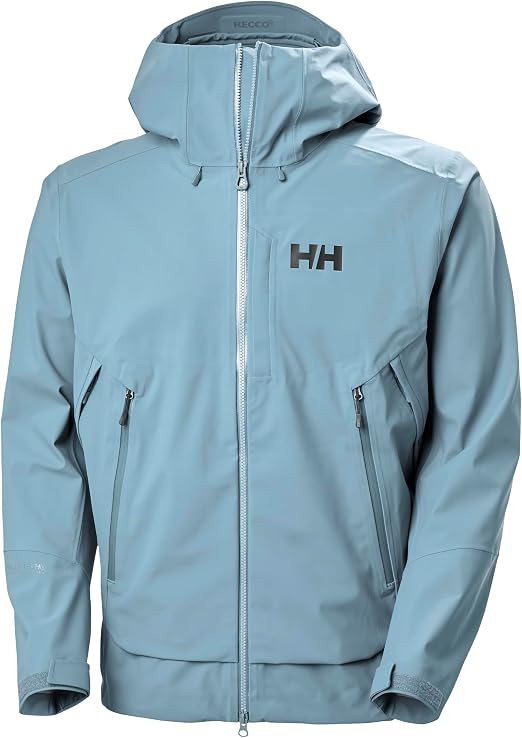 | Helly-Hansen Verglas BC | Check Price |
Our Top Picks 3  | Rab Xenair Alpine | Check Price |
Our Selected Top 13 Jacket for Backcountry Skiing Worth Considering
This list features carefully chosen jackets designed for backcountry skiing, highlighting their performance in harsh mountain conditions. Each review explains who the jacket is best suited for and covers key strengths and drawbacks to help you make an informed choice.
1. TACVASEN Mens Winter Ski Jacket
Backcountry skiing demands protection against cold and wet conditions, and the TACVASEN Mens Winter Ski Jacket suits that role perfectly with its cold-weather climate suitability. Its biggest strength lies in keeping you warm and dry during winter outdoor activities thanks to its loose fit and hooded design.
Putting on the jacket feels comfortable because of its loose fit, which allows layering under it without restriction. The hood helps shield against cold wind and snowfall, while the long sleeves offer full arm coverage. Wearing it throughout the day, the solid black fabric remains low-profile and practical for all your outdoor adventures.
The jacket performs well in keeping out cold air, thanks to its winter collection design aimed at chilly conditions. Construction focuses on durability with a raincoat silhouette that resists moisture effectively. Strong praise comes from its ability to keep users warm in cold weather.
The most common complaint relates to the loose fit sometimes feeling bulky for active movements.
Many appreciate the jacket’s warmth and water resistance, which handle cold weather well during outdoor activities. Common feedback notes the loose fit sometimes feels too roomy, limiting agility in technical skiing situations.
Those wanting solid protection against cold and moisture with a roomy fit will find it fitting for their backcountry excursions. Skiers needing a more tailored or technical design might want to explore other options.
Pros
- Warm and weather-resistant for winter use
- Hooded design adds extra protection
- Loose fit allows flexible layering
- Simple solid color suits any outdoor style
Cons
- Loose fit can feel bulky during intense activity
- Lacks specific technical features like ventilation zippers
| Specification | Details |
|---|---|
| Color | #215 Black |
| Style | Raincoat |
| Fit Type | Loose |
| Collar Style | Hooded |
| Climate Suitability | Cold Weather |
| Season | Winter |
2. Helly-Hansen Mens Verglas BC Jacket
Backcountry skiers looking for a reliable, weather-resistant jacket will appreciate the Helly-Hansen Mens Verglas BC Jacket. It suits those who want durable protection without sacrificing breathability.
Its standout feature is a thoughtful design that balances waterproofing and ventilation.
Putting it on is straightforward, with a few well-placed pockets and adjustable cuffs to keep out snow and cold air. The jacket handles layering well, allowing you to move freely while keeping warmth where it’s needed. A helmet-compatible hood adds convenience on rough mountain days.
Designed with strong waterproof material rated at 15,000 mm, the jacket keeps you dry during wet snowstorms. The breathable fabric ensures sweat doesn’t accumulate when you climb.
Many users find the fit true to size and comfortable for full days outside. Some point out the jacket could be lighter for easier packing.
The waterproof and breathable fabric is praised for keeping skiers dry and comfortable throughout active days. Common complaints focus on the jacket’s weight, making it feel a bit cumbersome for those wanting a lightweight option.
Ideal for skiers who prioritize durable weather protection and easy layering. Those needing a lighter, more compressible jacket may want to explore other options better suited to minimalist packing.
Pros
- Waterproof rating of 15,000 mm keeps heavy snow out
- Breathability rating balances warmth and moisture
- Helmet-compatible hood offers extra head protection
- Multiple pockets for essentials and convenience
Cons
- Heavier than some backcountry jackets
- Some find the fit bulky for intense activity
| Specification | Details |
|---|---|
| Water column | 15,000 mm |
| Breathability | 15,000 g/m²/24h |
| Hood | Helmet compatible |
| Fit | Regular |
| Material | Waterproof Helly Tech Performance |
3. Rab Mens Xenair Alpine Jacket
Designed for cold weather and outdoor activities, this jacket fits well into a casual style while keeping you warm. Its regular fit and long sleeves make it versatile for backcountry skiing, offering reliable comfort without bulk.
The biggest strength lies in its solid construction and suitability for winter conditions.
Putting it on is straightforward thanks to the regular fit that doesn’t restrict movement. The oak color hides dirt well on the mountain, so you don’t need to worry about looking fresh all day.
It works well layered over base layers when the temperature drops, providing steady warmth without overheating during intense activity. The long sleeves cover your wrists properly, helping keep cold air out.
The jacket holds up well in cold weather, maintaining a balance between warmth and breathability for backcountry skiing. Construction feels solid rather than flimsy, built to endure outdoor demands.
Praise often focuses on how reliable the warmth is, while a common drawback is that it leans more toward casual style and may lack some technical features hardcore skiers want.
The jacket provides dependable warmth throughout cold winter days, making it a practical choice for outdoor activities. Many note its casual style and lack of technical extras as a limitation in demanding ski environments. Construction quality stands out as solid but not deluxe.
Those who prefer a straightforward, reliable jacket for backcountry skiing in cold weather will appreciate this one. People needing specialized technical details or a more aggressive fit might want to explore other options better suited for intense alpine conditions.
Pros
- Warm enough for cold winter conditions
- Regular fit allows layering comfortably
- Long sleeves keep wrists well covered
- Oak color hides dirt well outdoors
Cons
- Limited technical features for advanced skiers
- Casual style may not suit all preferences
| Specification | Details |
|---|---|
| Color | Oak |
| Style | Casual |
| Sleeve Type | Long Sleeve |
| Seasons | Winter |
| Fit Type | Regular |
| Climate Suitability | Cold Weather |
4. MAGCOMSEN Mens Winter Ski Jacket

MAGCOMSEN Mens Winter Ski Jacket fits well into backcountry skiing gear by providing reliable protection against extreme cold. Suited for those who need a durable, regular-fit jacket that handles low temperatures without added bulk. Its biggest strength lies in keeping warmth without compromising on comfort or freedom of movement.
Getting ready for a day in cold mountain conditions is straightforward thanks to its regular fit and long sleeves that cover well. The military coat style offers solid coverage, making layering simple. Wearing it every day in winter means staying insulated from the elements without overheating or feeling restricted during active use.
Built to withstand extreme cold climates, it performs admirably in harsh winter settings. The solid black color and raincoat silhouette make it versatile for wet or snowy conditions.
The jacket’s materials hold up well, but some find the design somewhat bulky, which might affect agility. Durability stands out positively, yet occasional complaints mention limited breathability.
The jacket keeps warmth effectively in extreme cold and offers durable protection, but its bulkier design can affect mobility for some. Breathability is a common concern noted during intense activity.
Those looking for strong insulation and coverage in freezing weather will appreciate this jacket. Skiers prioritizing lightweight, highly breathable layers might want to explore alternatives better suited to intense movement and ventilation.
Pros
- Regular fit for comfortable layering
- Good insulation against extreme cold
- Military coat style adds solid coverage
- Long sleeves protect well in harsh conditions
Cons
- Can feel bulky during active skiing
- Limited breathability reported by some
| Specification | Details |
|---|---|
| Color | Black |
| Style | Military Coat |
| Sleeve Type | Long Sleeve |
| Coat Silhouette Type | Rain Coat |
| Seasons | Winter |
| Climate Suitability | Extreme Cold |
5. GSOU SNOW Unisex Baggy Snowboard Ski Jacket

Wearing the GSOU SNOW Unisex Baggy Snowboard Ski Jacket on backcountry trips feels comfortable and roomy, perfect for those who prefer a loose fit and need good protection against extreme cold. It’s a solid choice for anyone spending long hours in harsh winter conditions who values warmth and coverage above all.
The baggy anorak style gives plenty of space to layer underneath, and the raglan sleeves help with freedom of movement while skiing or hiking. The windproof collar keeps chilly gusts out, which comes in handy on windy ridge lines. Putting it on and taking it off is straightforward, thanks to its classic design that doesn’t overcomplicate things.
Made for cold weather, the jacket does well keeping heat in while blocking wind, which is key in backcountry environments. Its solid black color means it won’t show dirt easily after days outside.
The most frequent praise is for its warmth and spacious fit. On the downside, some find the loose design too bulky for more active skiing needing a closer fit.
The jacket is praised most for its warmth and roomy design, making it comfortable in very cold conditions. Common complaints focus on its baggy fit, which some find too bulky and less practical for high-movement activities.
People who want a relaxed fit and reliable cold-weather protection will appreciate this jacket. Those looking for a fitted, performance-oriented ski jacket might want to look elsewhere for a closer cut and potentially lighter weight gear.
Pros
- Loose fit allows layering underneath
- Windproof collar blocks cold gusts
- Unisex design suits many body types
- Solid black hides dirt well
Cons
- Loose fit may feel bulky during active skiing
- No specific insulation details provided
| Specification | Details |
|---|---|
| Color | Black |
| Style | Men’s Women’s Classic Baggy Ski Jacket |
| Sleeve Type | Raglan Sleeve |
| Coat Silhouette Type | Anorak |
| Climate Suitability | Cold Weather, Extreme Cold |
6. Mens Winter Waterproof Ski Jacket

Black, relaxed fit, and built for cold weather, this jacket suits anyone heading out for serious winter outdoor activities. Its biggest strength is keeping you dry in harsh conditions without feeling restrictive, making it ideal for backcountry skiing.
Putting it on is straightforward thanks to the spread collar and long sleeves that offer good coverage. The modern style and relaxed fit allow comfortable layering underneath, which is important on cold days.
Since it’s a rain coat type with solid black color, it works well for daily wear during winter beyond just skiing trips.
Performance-wise, it does an excellent job of protecting against the cold and wet elements with reliable waterproofing. The relaxed fit means movement isn’t limited, which matters when you’re navigating rugged terrain.
Many praise its weather protection, while some find the coat silhouette a bit bulky for more active maneuvers.
The strongest praise highlights how well the jacket keeps wearers dry and warm during cold wet conditions. The most common complaint concerns its bulkiness making it less nimble for high-movement skiing moments. Everyday use benefits from effective weather defense with some trade-offs in agility.
Those planning relaxed-paced backcountry skiing or winter outdoor adventures will appreciate the fit and protection. Skiers needing maximum mobility in their gear may want to explore lighter, more form-fitting options instead.
Pros
- Effective waterproofing for winter conditions
- Comfortable relaxed fit for layering
- Modern style suitable for outdoor and urban use
Cons
- Coat silhouette can feel bulky during intense activity
- Limited color choice with only solid black
| Specification | Details |
|---|---|
| Color | Black |
| Fit Type | Relaxed |
| Climate Suitability | Cold Weather |
| Coat Silhouette Type | Rain Coat |
| Season | Winter |
7. Rab Mens Khroma Latok Gore-Tex Pro Jacket

Gore-Tex Pro fabric stands out in this jacket, making it an excellent choice for backcountry skiing in cold weather. It offers solid protection and breathability, tailored for active outdoor use.
The key strength lies in its durable material ready to handle harsh winter conditions while maintaining comfort.
Wearing it day-to-day lets you appreciate the regular fit and long sleeves that provide full coverage and stay comfortable under layers. Designed with a sporty style, it feels flexible enough for active movements on the slopes.
Black color keeps it subtle while pairing well with most gear. Expect it to handle various weather elements without hassle during your outing.
Performance-wise, the jacket delivers solid protection against wind and snow thanks to the Gore-Tex Pro membrane. The build is sturdy, made to last through tough conditions, which users find reliable. A common downside is that the regular fit may feel a bit roomy for those preferring a slimmer cut, and the weight can feel noticeable when climbing.
The jacket impresses with its durable Gore-Tex Pro build that keeps cold and moisture at bay, making it very dependable in winter backcountry conditions. Most reviews mention the roomy fit as a drawback, with some finding it less ideal for those who want a tighter layering piece.
Those who value solid weather protection combined with free movement will appreciate this jacket, especially for longer cold weather outings. Skiers looking for a very lightweight or slim-fit option might want to explore other jackets better suited to those preferences.
Pros
- Gore-Tex Pro fabric for reliable weather protection
- Regular fit balances comfort and mobility
- Sporty style suitable for outdoor activities
- Long sleeves offer full arm coverage
Cons
- Regular fit may feel loose for some users
- Weight can be noticeable when climbing
| Specification | Details |
|---|---|
| Color | Black |
| Style | Sporty |
| Sleeve Type | Long Sleeve |
| Seasons | Winter |
| Fit Type | Regular |
| Climate Suitability | Cold Weather |
8. Flylow Mens Lone Pine Gore-Tex Ski Jacket

Rye color stands out with a sporty vibe that fits well in backcountry skiing. It suits someone who wants a reliable, regular fit jacket that balances weather protection with comfort. Its biggest strength lies in its tough Gore-Tex material keeping you dry and shielded from harsh conditions.
Slipping the jacket on is simple, and the long sleeves cover well against snow and wind. The regular fit provides movement room without being bulky, which helps during long ski sessions.
The solid pattern keeps things low-key, while the durable fabric handles wear and tear from rough outdoor use easily.
Waterproof Gore-Tex fabric delivers solid weather protection and breathability. The jacket stands up well to wind and moisture, making it true to its job. Positive feedback emphasizes durability, and some find the fit a bit roomy for intense layering.
Nothing about it feels heavy, which is a bonus for extended days outdoors.
Durability stands out, making it a reliable shield against backcountry elements. Roominess during heavy layering appears as the most frequent drawback reported.
Adventurers valuing protection and comfort in moderate layers will appreciate this jacket. Those who prefer tighter fits or need more ventilation might look elsewhere.
Pros
- Durable Gore-Tex material
- Comfortable regular fit
- Long sleeves keep out the cold
- Sporty, eye-catching color
Cons
- Fit can feel roomy during heavy layering
- Lacks detailed ventilation options
| Specification | Details |
|---|---|
| Color | Rye |
| Style | Sporty |
| Sleeve Type | Long Sleeve |
| Pattern | Solid |
| Fit Type | Regular |
9. Helly Hansen Mens Alpha LIFALOFT Ski Jacket

Helly Hansen Mens Alpha LIFALOFT Ski Jacket is designed for serious backcountry skiers who need reliable warmth without sacrificing mobility. Its standout feature is the Lifaloft insulation, which offers solid cold weather protection while keeping the fit relaxed enough for layering and movement during intense outdoor activity.
Wearing it during a typical ski day feels comfortable thanks to the relaxed fit and long sleeves that cover well without feeling tight. The black color makes it versatile for matching other gear. Its round collar stays close to the neck, helping keep the cold out.
The jacket stands up well to brisk fall conditions and is simple to layer with other clothes under it.
Built as a rain coat silhouette, the jacket balances warmth with weather-resistance, making it effective for cold outdoor use. Lifaloft insulation delivers steady warmth on chilly days, though some users mention it might feel a bit heavy compared to lighter options. The relaxed fit appeals for comfort but can feel bulky for skiers focused solely on slim gear.
The main praise is how warm it keeps without looking oversized, while the common complaint involves the weight under long wear.
The strongest praise lies in the jacket’s reliable warmth and comfortable fit during cold outdoor conditions. The most common complaint is that the jacket feels heavier than expected after wearing it for long stretches. It handles cold weather well but might weigh on the skier over an extended backcountry day.
Anyone looking for a warm, durable jacket that fits comfortably over layers will appreciate this model. Those who prefer a lighter, more form-fitting jacket for high-output skiing might want to look at other options better suited for minimal bulk and weight.
Pros
- Warm Lifaloft insulation for cold weather
- Relaxed fit allows easy layering
- Round collar keeps neck warm
- Durable rain coat style
Cons
- Heavier than some other ski jackets
- Relaxed fit can feel bulky during intense activity
| Specification | Details |
|---|---|
| Color | 990 Black |
| Style | Alpha Lifaloft Jacket |
| Sleeve Type | Long Sleeve |
| Coat Silhouette Type | Rain Coat |
| Climate Suitability | Cold Weather |
| Fit Type | Relaxed |
10. Helly-Hansen Mens Steilhang 2.0 Jacket

When backcountry skiing in extreme cold, staying warm and comfortable makes all the difference. Designed for outdoor lifestyles and tough winter conditions, the Helly-Hansen Mens Steilhang 2.0 Jacket suits those who want reliable warmth without sacrificing a relaxed fit. Its biggest strength is how well it manages cold weather with solid construction.
Putting on the jacket feels easy thanks to its anorak style and round collar, which offer good coverage without feeling stiff. The relaxed fit adds room for layering underneath, important for long days outside. The simple, solid black design means it fits well with most ski gear.
Sleeves are long enough to cover wrists well, helping keep snow out when on the move.
Warmth and protection against extreme cold are the key performers here. The jacket is built with materials suited for winter climates, focusing on insulation and durability. Many point out how well it keeps the chill away, while some find it a bit bulky compared to lighter options.
It does its job as a sturdy winter ski jacket, but not everyone prefers the heavier feel.
The jacket’s strongest praise centers on its ability to keep cold out during harsh winter conditions. Common feedback highlights its bulkier feel, which some find less ideal for high-movement activities.
Those who want reliable warmth and don’t mind extra weight will be pleased. Skiers seeking a more streamlined, lightweight jacket might want to look elsewhere.
Pros
- Effective warmth in extreme cold conditions
- Relaxed fit allows for layering
- Long sleeves provide good wrist coverage
- Simple solid black style
Cons
- Bulkier compared to lighter jackets
- Lacks additional ventilation options
| Specification | Details |
|---|---|
| Color | 990 Black |
| Style | Skiing Jacket |
| Sleeve Type | Long Sleeve |
| Coat Silhouette Type | Anorak |
| Climate Suitability | Extreme Cold |
| Fit Type | Relaxed |
11. MAGCOMSEN Mens Winter Ski Jacket

Black Grey military-style jacket designed for winter wear offers a hooded design with long sleeves and a standard fit, ideal for backcountry skiing in cold conditions. Its standout feature is durable construction that fits comfortably while keeping out the elements without bulk.
Wearing this coat throughout the ski day involves managing cold air and snow effectively. The hood keeps your head dry and protected, while the standard fit allows layering underneath without restricting movement.
The solid pattern and military coat silhouette give it a rugged look that suits outdoor activities beyond skiing, like casual winter outings or Christmas occasions.
Built to handle winter weather, the coat holds up as a rain-resistant outer layer, helping block wind and moisture. The toughest point in feedback is how well it sheds snow and rain, with strong praise for warmth retention.
Some find the heavier material less breathable during intense activity. Sturdiness is appreciated, though some wish it weighed less for longer sessions.
The warmth retention and protection against winter weather stand out as major benefits from real-world use, making it reliable in cold, wet conditions. However, the weight and breathability cause some discomfort during vigorous activity, limiting enjoyment for all-day intense skiing sessions.
Skiers needing solid protection and comfortable layering for moderate backcountry days will appreciate it. Those often pushing hard in warm or highly aerobic conditions might prefer lighter, more breathable outerwear options.
Pros
- Durable outer material resists wind and moisture
- Standard fit allows comfortable layering
- Hood provides good head coverage
- Classic military coat design suited for winter
Cons
- Material may feel heavy during high exertion
- Not highly breathable for intense skiing
| Specification | Details |
|---|---|
| Color | Black Grey |
| Style | Military Coat |
| Sleeve Type | Long Sleeve |
| Coat Silhouette Type | Rain Coat |
| Seasons | Winter |
| Collar Style | Hooded |
12. Helly Hansen Mens Juniper 3.0 Jacket

Any backcountry skier looking for a warm, relaxed fit jacket built for cold winter conditions will appreciate the Helly Hansen Mens Juniper 3.0 Jacket. Its strongest point is keeping you comfortable when temperatures drop, thanks to its cold weather design and roomy silhouette.
Putting on the jacket is simple with its long sleeves and rain coat style, fitting loosely without feeling bulky. The solid 718 Sepia color is low-key for those who prefer subtle gear. It’s great for layering underneath since it doesn’t restrict movement, making it suitable for days out on the mountain or casual outdoor lifestyle use.
The Juniper 3.0 performs reliably in cold weather, offering warmth and protection from wind and wet snow. It’s made to last through winter adventures, providing comfort without being too heavy. Strong praise points out the jacket’s relaxed fit and ability to handle cold climates, while some mention that it might lack technical features found in more specialized ski jackets.
The jacket is praised for comfort and warmth in cold conditions, making it a dependable choice for winter use. It commonly draws critique for not having the technical elements that more specialized backcountry ski jackets offer, limiting performance in extreme or highly active scenarios.
Anyone valuing warmth, simplicity, and a loose fit in cold weather will find it useful. Those seeking a more technical, performance-focused jacket for backcountry skiing might want to look elsewhere for features like enhanced waterproofing or ventilation options.
Pros
- Warm and suitable for cold weather
- Comfortable, relaxed fit
- Good layering piece
- Solid, neutral color
Cons
- Lacks advanced ski jacket features
- Fit may feel bulky for some
| Specification | Details |
|---|---|
| Color | 718 Sepia |
| Style | Juniper 3.0 Jacket |
| Sleeve Type | Long Sleeve |
| Coat Silhouette Type | Rain Coat |
| Seasons | Winter |
| Fit Type | Relaxed |
13. Quiksilver Mens Insulated Winter Ski Jacket

Dark brown color and water resistance make this insulated winter ski jacket a solid pick for cold weather backcountry skiing. It fits regularly and offers a reliable layer of warmth suited to most winter conditions.
Its biggest strength lies in balancing insulation with enough mobility for a long day outdoors.
Putting on the jacket feels straightforward thanks to its typical anorak style and long sleeves that cover well against snow and wind. The water-resistant fabric helps keep moisture out during light snowfall or unexpected drizzle. Regular fit provides comfort without being bulky, making it easy to layer underneath or wear alone for active sports.
Designed for cold weather, it performs well at retaining heat without causing overheating during movement. The build focuses on practical protection rather than technical extremes, making it dependable for typical winter skiing days. Most praise goes to its warmth and water resistance.
A common complaint is about limited breathability during intense activity.
The jacket keeps warmth effectively while handling light moisture due to its water-resistant material. Most feedback mentions discomfort when sweat builds up because breathability is lower than desired for active skiing.
The design suits those seeking dependable insulation and weather protection during standard winter outings. Those needing advanced ventilation or stretch for vigorous backcountry skiing could look for alternatives with technical fabrics and more adaptive fits.
Pros
- Water resistant fabric repels moisture well
- Insulated for warmth in cold conditions
- Regular fit allows layering underneath
- Long sleeves provide good arm coverage
Cons
- Limited breathability on high-intensity days
- Anorak style lacks ventilation options
| Specification | Details |
|---|---|
| Color | Dark Brown |
| Style | Water Resistant Insulated Winter Coat Snow Ski Jacket |
| Sleeve Type | Long Sleeve |
| Coat Silhouette Type | Anorak |
| Climate Suitability | Cold Weather |
| Fit Type | Regular |
Best Jackets for Backcountry Skiing Comparison Table
| Product | Style | Fit Type | Climate Suitability | Coat Silhouette Type |
|---|---|---|---|---|
| TACVASEN Ski Jacket | Raincoat | Loose | Cold Weather | Rain Coat |
| Helly-Hansen Verglas BC | – | – | – | – |
| Rab Xenair Alpine | Casual | Regular | Cold Weather | – |
| MAGCOMSEN Ski Jacket | Military Coat | Regular | Extreme Cold | Rain Coat |
| GSOU SNOW Baggy Jacket | Classic Baggy | Loose | Cold Weather, Extreme Cold | Anorak |
| Mens Waterproof Ski | Modern | Relaxed | Cold Weather | Rain Coat |
| Rab Khroma Latok GTX | Sporty | Regular | Cold Weather | – |
| Flylow Lone Pine GTX | Sporty | Regular | – | – |
| Helly Hansen Alpha Lifaloft | Alpha Lifaloft Jacket | Relaxed | Cold Weather | Rain Coat |
| Helly-Hansen Steilhang 2.0 | Skiing Jacket | Relaxed | Extreme Cold | Anorak |
| MAGCOMSEN Winter Jacket | Military Coat | Standard | – | Rain Coat |
| Helly Hansen Juniper 3.0 | Juniper 3.0 Jacket | Relaxed | Cold Weather | Rain Coat |
| Quiksilver Insulated Ski | Water Resistant Insulated | Regular | Cold Weather | Anorak |
- StyleRaincoat
- Fit TypeLoose
- Climate SuitabilityCold Weather
- Coat Silhouette TypeRain Coat
- Style–
- Fit Type–
- Climate Suitability–
- Coat Silhouette Type–
- StyleCasual
- Fit TypeRegular
- Climate SuitabilityCold Weather
- Coat Silhouette Type–
- StyleMilitary Coat
- Fit TypeRegular
- Climate SuitabilityExtreme Cold
- Coat Silhouette TypeRain Coat
- StyleClassic Baggy
- Fit TypeLoose
- Climate SuitabilityCold Weather, Extreme Cold
- Coat Silhouette TypeAnorak
- StyleModern
- Fit TypeRelaxed
- Climate SuitabilityCold Weather
- Coat Silhouette TypeRain Coat
- StyleSporty
- Fit TypeRegular
- Climate SuitabilityCold Weather
- Coat Silhouette Type–
- StyleSporty
- Fit TypeRegular
- Climate Suitability–
- Coat Silhouette Type–
- StyleAlpha Lifaloft Jacket
- Fit TypeRelaxed
- Climate SuitabilityCold Weather
- Coat Silhouette TypeRain Coat
- StyleSkiing Jacket
- Fit TypeRelaxed
- Climate SuitabilityExtreme Cold
- Coat Silhouette TypeAnorak
- StyleMilitary Coat
- Fit TypeStandard
- Climate Suitability–
- Coat Silhouette TypeRain Coat
- StyleJuniper 3.0 Jacket
- Fit TypeRelaxed
- Climate SuitabilityCold Weather
- Coat Silhouette TypeRain Coat
- StyleWater Resistant Insulated
- Fit TypeRegular
- Climate SuitabilityCold Weather
- Coat Silhouette TypeAnorak
How to Choose the Best Backcountry Ski Jacket
Selecting the right backcountry ski jacket means focusing on durability, waterproofing, breathability, and insulation to handle harsh conditions and changing weather. Prioritizing these features ensures comfort, safety, and long-lasting use, ultimately saving money and avoiding unnecessary replacements or discomfort.
Waterproofing and Breathability
On longer tours in wet, heavy snow, a jacket that soaks through quickly ruins the day. Durable waterproof fabrics with a rating of at least 10,000 mm in water column pressure tend to keep moisture out effectively. Many jackets use membranes like Gore-Tex or similar proprietary materials that combine waterproofing with breathability.
Breathability is just as important as waterproofing. During intense climbs, sweat builds up quickly, and fabrics with a breathability rating (MVTR) above 10,000 g/m²/24h prevent moisture from condensing inside.
Without this, the material feels clammy and chills once movement stops. A good jacket balances these factors, ensuring you stay dry both outside and inside the shell.
Insulation and Warmth
Synthetic insulation holds up better when wet but can be bulkier compared to down, which offers better warmth-to-weight ratio but loses insulation if damp. For backcountry use, synthetic often feels more reliable because conditions change rapidly and staying dry isn’t guaranteed.
Bulk is another consideration, too much insulation restricts movement. Jackets with mid-weight synthetic fill or lightweight down panels that are removable offer flexibility. Layering compatibility matters: the jacket should fit comfortably over mid-layers without feeling tight or limiting mobility during skiing.
Fit and Mobility
Skiing technical terrain demands freedom of movement. Jackets designed with articulated sleeves and gusseted underarms allow more natural arm swings. Ergonomic cuts keep the jacket from riding up or binding when reaching or twisting.
Adjustable cuffs, hems, and hoods help keep snow out and jacket secure, especially during fast descents. Sizing that leaves room for at least a synthetic mid-layer and a base layer ensures warmth without restricting motion, which is critical since a tight jacket limits swift reactions.
Ventilation and Temperature Regulation
During tough uphill sections, body heat and sweat buildup become a problem. Jackets with pit zips and mesh-lined pockets let you vent heat quickly without removing layers.
This helps avoid overheating and the damp chill that follows once you stop.
Ventilation openings need to be easy to reach with gloved hands and operable in very cold or windy conditions. Adjustable vents provide control over airflow without exposing skin to cold drafts or snow, which is helpful when transitioning between work and rest phases on the climb.
Durability and Safety Features
Abrasion is common where backpacks rub the shoulders or where falls scrape the elbows. Reinforced panels in these areas add years of use by protecting the shell fabric from tears. This is essential when skiing rough, rocky terrain or carrying heavy gear.
Look for jackets with secure, well-placed pockets for avalanche beacons that keep devices accessible but protected. Reflective details also improve visibility during low light conditions.
Durable zippers and taped seams reduce the chance of leaks and failures that can cut a day short in backcountry conditions.
Caring for Your Backcountry Ski Jacket to Maximize Longevity
Keeping your backcountry ski jacket in good condition extends its performance and lifespan. Frequent use in demanding environments means materials can quickly deteriorate without proper care.
After each trip, remove dirt and salt buildup by washing the jacket according to the manufacturer’s instructions, usually with a gentle, technical detergent that doesn’t strip waterproof coatings.
Proper drying and storage also affect durability:
- Air dry your jacket away from direct heat sources to preserve fabric integrity.
- Store it in a cool, dry place to prevent mold and mildew.
- Occasionally apply a durable water repellent (DWR) spray to restore water resistance after multiple washes.
Repairs like re-stitching seams or fixing zippers should be addressed promptly. Maintaining these aspects ensures the jacket continues to protect you effectively during backcountry adventures.
Safety Considerations When Choosing a Jacket for Backcountry Skiing
Choosing a jacket for backcountry skiing involves more than just comfort or style. Safety features play a critical role in extreme conditions.
For example, jackets with bright or contrasting colors improve visibility in snowy environments, especially during adverse weather or search and rescue situations.
Key safety considerations include:
- Breathable yet waterproof fabrics to regulate moisture and prevent hypothermia.
- Features like helmet-compatible hoods and adjustable cuffs that seal out cold and snow.
- Multiple durable pockets to securely carry essential gear such as avalanche beacons or radios.
- Reflective elements boost visibility in low-light conditions.
Prioritizing these aspects allows the jacket to support your well-being and preparedness on the mountain.
Common Mistakes to Avoid When Using a Backcountry Ski Jacket
Common mistakes with backcountry ski jackets often reduce their effectiveness in demanding conditions. One frequent error is neglecting to properly close zippers and vents, which can let in cold air or moisture.
Other pitfalls to avoid include:
- Over-washing the jacket or using harsh detergents that break down waterproof coatings.
- Failing to ventilate the jacket during high-exertion periods, causing sweat buildup that leads to discomfort and chills.
- Choosing a jacket that is either too tight or too loose, which can restrict movement or allow cold air inside.
- Ignoring necessary repairs, which compromise the jacket’s ability to perform in harsh conditions.
Addressing these issues can keep your jacket functioning properly and improve your overall backcountry experience.
People Also Asked
How Should a Backcountry Skiing Jacket Fit for Optimal Mobility?
A backcountry skiing jacket should have a slim but not tight fit to allow full range of motion without excess material flapping in the wind. The sleeves need enough room for layering and movement while stretching for turns or poling. Look for articulated elbows and gusseted underarms for easier mobility.
What Is the Best Way to Care for a Backcountry Skiing Jacket?
Regular washing with a mild detergent designed for technical fabrics keeps the jacket clean without damaging waterproofing. Avoid fabric softeners and reapply DWR (durable water repellent) treatment every few washes to maintain water resistance. Air drying is best to preserve the jacket’s shape and material integrity.
Are Backcountry Skiing Jackets Compatible with Avalanche Safety Gear?
Most backcountry skiing jackets are designed with enough room and compatible pockets to accommodate avalanche safety gear like airbags and harnesses. Features like reinforced pockets and attachment points for probes or shovels are common. Always check that zippers and closures do not interfere with your safety equipment access.
How Long Does a Typical Backcountry Skiing Jacket Last with Regular Use?
Backcountry skiing jackets typically last 3 to 5 years under regular use, depending on exposure to harsh weather and how well they are maintained. Frequent abrasion against rocks or packing gear can shorten the lifespan. Timely repairs to small tears and consistent care extend the functional life of the jacket.
What Common Problems Do Backcountry Skiing Jackets Have in Extreme Conditions?
Common problems include zipper failures due to ice buildup, loss of waterproof coating after heavy use, and fabric abrasion in rocky terrain. Ventilation can also become inadequate as membranes clog with dirt or sweat residue. Regular cleaning and small repairs help avoid these issues during extreme use.
Conclusion
Durability to handle rough conditions, good insulation for cold weather, and waterproofing to keep you dry are the key factors to consider in a backcountry skiing jacket. Also, ease of movement is important since you need to stay agile on steep terrain.
These features help make sure you stay comfortable and protected during long days outdoors.
Choose a jacket that fits your budget and how often you plan to ski backcountry. Spending more makes sense if you go regularly, but for occasional use, a simpler option may work fine. Check the comparison table and the detailed picks above to find a jacket that matches your needs and preferences.