How Long Does an HR Investigation Take? What to Expect Step by Step
Most HR investigations typically take anywhere from one week to two months to complete, depending on the complexity of the case and the number of people involved. Simple cases—like isolated policy violations—can be resolved quickly, while investigations into harassment, discrimination, or widespread misconduct may require a more extended, detailed process with interviews and reviews.
Understanding the expected duration of an HR investigation matters both for employees seeking resolution and for employers wanting to ensure fairness and compliance. The process can feel opaque, and the waiting is often stressful, especially when the outcome could directly affect your job or workplace culture. Timely, thorough investigations are crucial to fostering trust in the HR process and maintaining legal compliance.
This article breaks down typical HR investigation timelines, factors that speed up or slow down cases, each phase of the process, and what both employees and employers can do to keep things on track. Whether you’re waiting for an outcome or preparing to conduct an inquiry, you’ll find expert insights and practical tips ahead.
Understanding the HR Investigation Process
Initial Complaint and Assessment

The HR investigation kicks off when a complaint is filed or an incident comes to HR’s attention. The first task is to assess the credibility and seriousness of the issue, ensuring there is a clear policy violation or risk. This intake phase also involves determining whether the matter can be resolved informally or requires a formal process.
During this stage, HR often reviews written complaints, gathers preliminary evidence, and may conduct an initial meeting with the reporting party. Prompt acknowledgement—usually within two days—is standard practice, as delays here can affect the workplace investigation timeline.
- Complaint intake and documentation
- Preliminary evidence review
- Initial party interviews when needed
Investigation Planning and Scope Definition
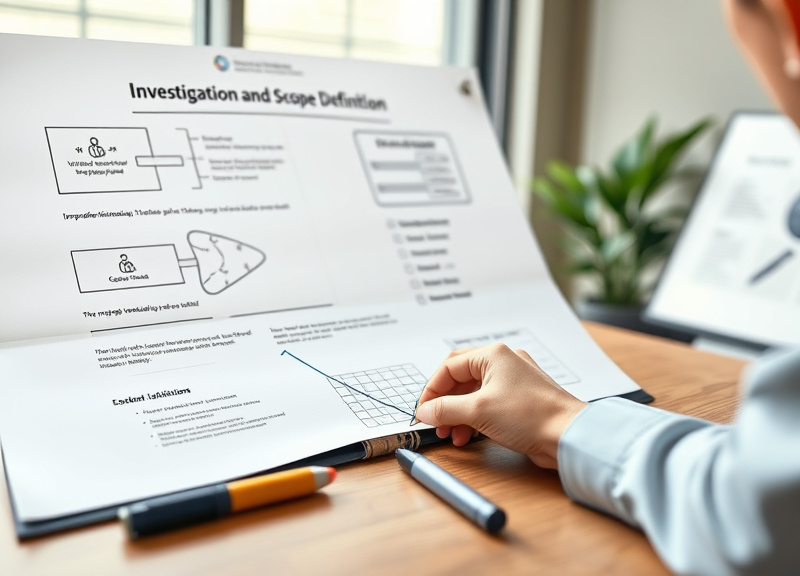
Once a formal investigation is deemed necessary, HR defines the scope: what will be investigated, who will be interviewed, and what evidence is relevant. The plan outlines the timeline goals, allocates resources, and assigns investigators—sometimes using outside professionals for complex or sensitive cases.
A well-structured plan ensures that no crucial evidence or witness is overlooked, and is key for estimating how long the HR investigation will ultimately take. This step sets expectations for both complainants and the accused.
How Long Does an HR Investigation Take: Typical Timelines
Average Durations for Different Case Types
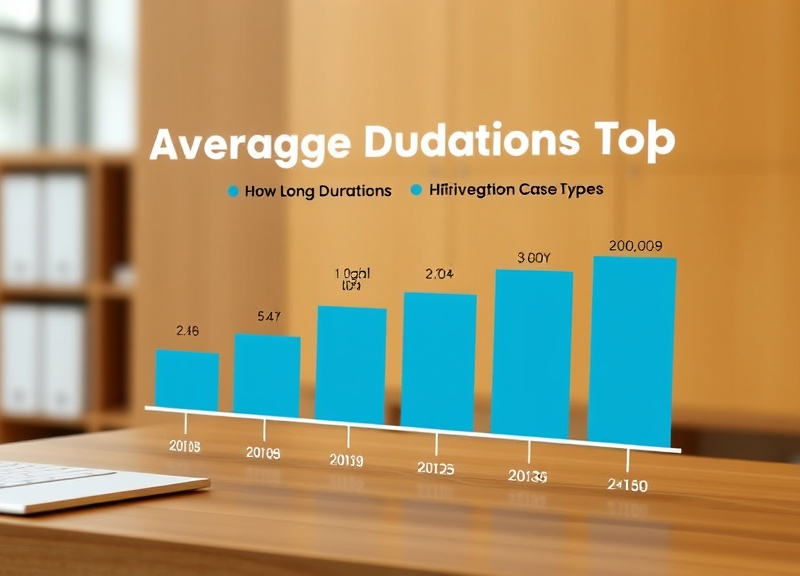
Simple policy violations—such as minor attendance issues—may take 1–2 weeks to investigate and resolve. However, more complex allegations, like workplace harassment or discrimination, often require 4–8 weeks. Some investigations stretch longer due to complicating factors like multiple witnesses, legal entanglements, or highly sensitive topics.
Most organizations strive to resolve cases within 30 business days, but meeting this goal depends on the specifics of the complaint and available HR resources. Timeliness is also shaped by company size and location.
- Minor infractions: 1–2 weeks
- Harassment/discrimination: 4–8 weeks
- Highly complex or legal-sensitive cases: 2–3 months
Factors Influencing Workplace Investigation Timeline

Several elements can accelerate or delay investigations. Key influences include the willingness of witnesses to cooperate, availability of evidence (like emails or video), the caseload of HR staff, and whether external investigators are needed.
Unionized environments, legal counsel involvement, or remote workplaces can extend the process. On the other hand, established protocols and digital evidence management can speed things up.
- Number of involved parties
- Complexity of alleged behavior
- Access to records and documents
- Scheduling witness interviews
Step-by-Step Phases of an HR Investigation
Information Gathering and Interviews
This phase involves reaching out to complainants, respondents, and witnesses for detailed interviews. HR documents their accounts verbatim and cross-checks them with written evidence, digital records, and any physical documentation related to the case.
Interview scheduling is one of the most time-consuming aspects. Availability conflicts can create unintentional delays. The workplace investigation timeline can lengthen especially if parties are reluctant or unavailable.
- Interviews may take several days to schedule
- Collection of emails, memos, or logs
- Potential follow-up questions after initial interviews
For more on this, see our related guide: How to Conduct an HR Investigation: A Practical Step-by-Step Guide.
Analysis and Decision Making
Once all information is gathered, HR conducts a thorough analysis, weighing statements against company policy and legal standards. They may consult legal or compliance teams for complex interpretations.
The outcome—ranging from dismissal of allegations to formal discipline—is based on the preponderance of evidence. The analysis process usually takes a few days to one week after all information is in.
Challenges That Can Extend Investigation Duration
Multiple Allegations or Cross-Complaints
When a single case uncovers several distinct allegations or sparks counter-complaints, the process becomes more complex. HR must investigate each issue thoroughly, to ensure procedural fairness and legal compliance.
Cases involving several employees or departments receive additional scrutiny, sometimes requiring the support of outside mediators or investigators, which can significantly extend the total workplace investigation timeline.
Delays Due to Witness Unavailability
Scheduling interviews with key witnesses can be a logistical headache. Vacations, medical leaves, remote locations, or outright reluctance to participate all add days or weeks to the investigation.
It’s not uncommon for one missed interview to cascade into rescheduling multiple meetings, which can translate into significant extensions, particularly for complex or high-profile cases.
- Difficulty in reaching all parties
- Rescheduled or missed appointments
Best Practices for Timely and Fair HR Investigations
Communicating Timelines to Parties
Transparency is crucial. HR should quickly inform all parties of expected timelines, potential delays, and updates as the case progresses. Establishing regular communication channels—such as weekly status emails—helps manage anxiety and expectations.
If initial estimates change, HR is responsible for providing clear, timely updates. Good communication can also improve cooperation and reduce unnecessary frustration throughout the workplace investigation timeline.
- Send timeline estimates at case opening
- Notify about delays promptly
- Provide milestone updates
For more on this, see our related guide: How Does Fraud Investigation Work: An Inside Look at Methods, Steps, and Best Practices.
Streamlining the Investigation Process
Efficient investigations benefit from standardized forms, digital evidence management, and pre-set interview frameworks. Training HR staff on best practices and using collaboration tools minimizes administrative delays.
Periodic process reviews help HR departments continually refine their approach to keep cases progressing efficiently, benefitting both employees and management.
- Use digital evidence management systems
- Standardize interview procedures
- Conduct post-case process reviews
Legal and Policy Considerations Impacting Timeline
Legal Mandates Affecting Duration
In certain jurisdictions, labor or anti-discrimination laws set maximum timeframes for HR investigations—especially for harassment or Title VII cases. Failing to comply can result in legal liability for the employer.
Some industries require additional investigation steps due to regulatory bodies or union agreements, which usually lengthen the workplace investigation timeline.
- EEOC or regional mandates on case closure
- Compliance with union/industry agreements
For further details on best practices and compliance standards, consult this authoritative guide on workplace investigation procedures. workplace investigation procedures.
Policy-Driven Timelines and Employer Guidelines
Most employers define target durations for completing HR investigations (commonly 30 days) in their HR policies. While these aren’t always legally binding, they set an expectation for employees and help guide process improvements.
Transparent policies and published procedures can help muffle speculation and demonstrate a commitment to a fair, timely approach for all parties.
HR Investigation Timeline Comparison by Case Type
Here’s how different types of HR investigations compare in terms of average duration, complexity, and key influencing factors. Use this table for reference.
| Type of Case | Typical Duration | Complexity | Key Delay Factors |
|---|---|---|---|
| Attendance or Tardiness | 1-2 weeks | Low | Quick fact-checking, minimal interviews |
| Minor Policy Violation | 1-3 weeks | Low-Medium | Scope of evidence, availability of parties |
| Harassment/Discrimination | 4-8 weeks | High | Multiple witnesses, sensitive evidence |
| Wage/Hour Dispute | 3-6 weeks | Medium | Payroll records review, legal review |
| Retaliation Allegation | 5-9 weeks | High | Overlapping complaints, cross-interviews |
Frequently Asked Questions
What is a typical HR investigation timeline?
Most HR investigations are resolved within 1 to 2 months, though some simple cases finish in under two weeks, and complex matters may extend beyond two months.
Can an HR investigation timeline be expedited?
Some cases can be expedited if all parties are available, evidence is clear, and the issue is straightforward. However, thoroughness is prioritized over speed in most workplace investigations.
Do employees have to be notified during the investigation?
Yes, all relevant employees should be informed of their involvement, expected timelines, and their rights throughout the HR investigation process to ensure transparency and due process.
What happens if an HR investigation takes too long?
Extended timelines can erode trust in HR, risk legal non-compliance, and create ongoing workplace tension. Employers should communicate delays and provide updates to minimize negative impacts.
Are there legal deadlines for workplace investigations?
Some jurisdictions or industries have legal requirements or union agreements setting maximum durations for completion, particularly with harassment or discrimination allegations.
Key Takeaways
- HR investigations usually take 1–8 weeks depending on complexity.
- Clear processes and good communication speed up outcomes.
- Multiple factors, like witness cooperation, can extend timelines.
- Legal and employer policies may set investigation deadlines.
Conclusion
Understanding the timeline for an HR investigation helps reduce stress and manage expectations for everyone involved. HR investigations are nuanced processes that balance thoroughness, confidentiality, and timeliness. Monitoring each phase—from initial intake to final decision—ensures that concerns are addressed efficiently and fairly. Whether you’re the complainant, respondent, or an interested bystander, transparency and proactive communication are crucial to maintaining workplace trust.
For simple policy breaches, expect a resolution within a couple of weeks. More complicated issues like harassment or discrimination often require four to eight weeks, especially when additional interviews or outside consultants are necessary. If you’re facing a complex allegation, referencing the typical workplace investigation timeline can help you understand possible waiting periods. Employers should set clear expectations and update parties throughout the process. If your case resembles ‘Harassment/Discrimination’ or ‘Retaliation Allegation’ from the comparison table, anticipate a longer duration and more detailed scrutiny.
If you find an investigation dragging on, don’t hesitate to request updates from HR and review your organization’s published procedures. This helps ensure the timeline stays on track and demonstrates your commitment to constructive resolution. Ultimately, knowing how long does an HR investigation take—and what factors influence each phase—equips you to navigate the process with greater confidence and clarity.