What Are Red Dot Scopes? A Complete Guide for Shooters and Hunters
A red dot scope is a type of non-magnifying reflector sight that displays an illuminated red dot as a reticle, allowing shooters to aim quickly and accurately. Unlike traditional iron sights or magnified scopes, a red dot scope lets you focus on both the target and the aiming point simultaneously, offering fast target acquisition and excellent accuracy at short to mid-range distances. These optics are widely used for tactical, hunting, and competitive shooting applications.
Red dot scopes have gained popularity because they simplify the aiming process, especially in dynamic or fast-paced shooting scenarios. Their low parallax and unlimited eye relief cater to beginners and experts alike, while features like battery life, reticle size, and durability make them suitable for a wide variety of firearms, from handguns to shotguns and rifles.
In this article, you’ll learn exactly how red dot scopes work, their technical advantages and limitations, different types and mounting options, what features to consider, category comparisons, and answers to common questions. Whether you’re after faster follow-up shots, improved accuracy, or just want the best red dot sight for rifles, this guide will help you make an informed choice.
Understanding Red Dot Scopes: How Do They Work?
Principle of Operation
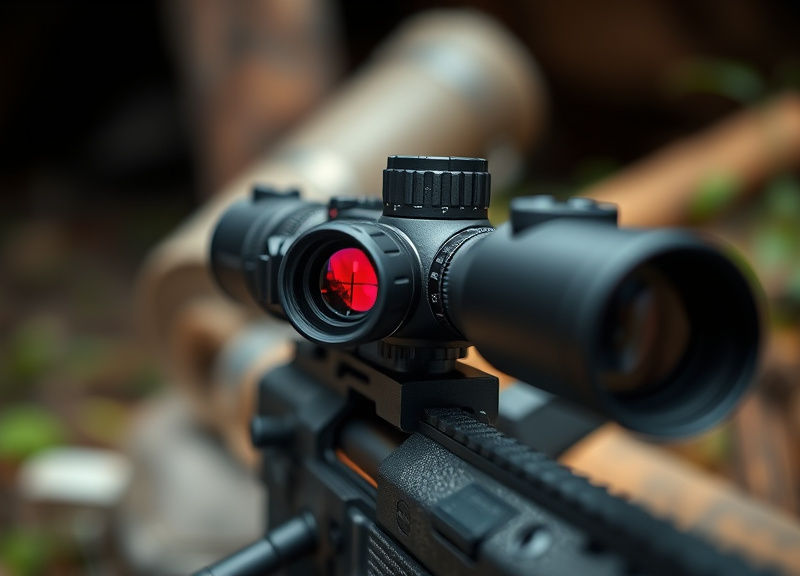
Red dot scopes use a simple optical system—a glass lens, coated with a partial mirror, reflects a red LED’s light back toward your eye. The result is a crisp, illuminated dot appearing superimposed on the target, visible only to the shooter and unaffected by background light.
These sights are parallax-free at a certain distance, so as you reposition your head, the dot stays on target within the sight’s window. This makes red dot optics exceptionally intuitive and fast to use, especially when tracking moving targets.
- LED generates the red dot
- Reflective lens projects the image
- Power source: usually a CR2032 battery
Advantages Over Traditional Sights
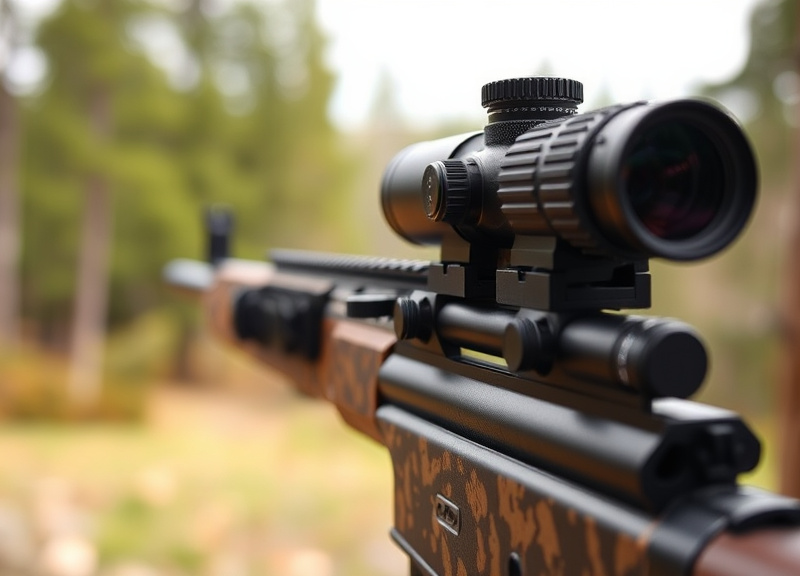
Red dot scopes facilitate faster target acquisition since you only have to look at the dot and the target, not align front and rear sights. Eye relief is virtually unlimited, which means shooters can maintain situational awareness and use the optic from different positions.
Compared to magnified scopes, red dots are lighter, promote rapid follow-up shots, and excel in close to mid-range applications, making them popular with military, law enforcement, hunters, and sport shooters.
- Speed: Immediate sight picture
- Simplicity: Fewer aiming elements
- Versatility: Usable on a variety of firearms
Types of Red Dot Scopes: Tube vs. Open Designs
Tube-Style Red Dot Sights
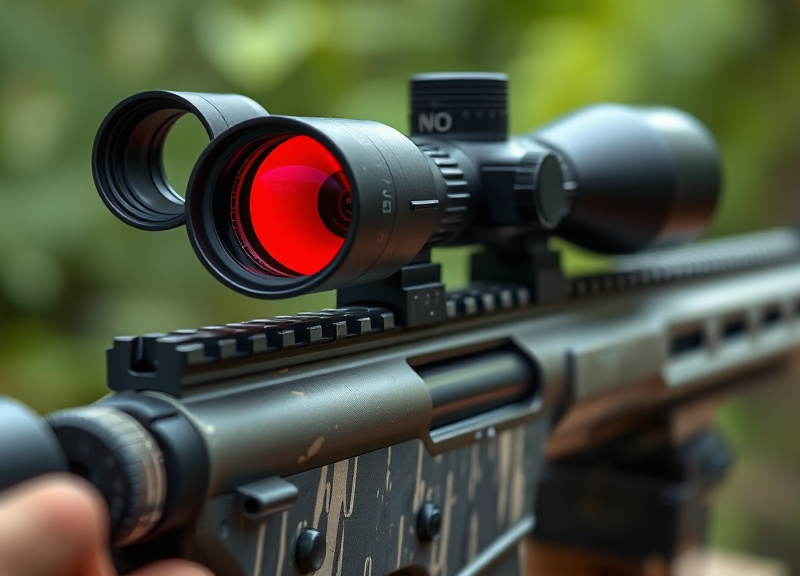
Tube-style red dot scopes resemble traditional rifle scopes, with a cylindrical housing that encloses both the lens and electronics. The tube design enables the use of optional accessories such as anti-glare filters or flip-up lens covers.
These models generally offer better protection against the elements and are favored for rugged field use or situations where lens durability matters. They also shield the electronics from environmental hazards like rain or mud.
- Enclosed design for weather protection
- Accommodates lens accessories
- Often more robust and durable
Open (Reflex) Red Dot Sights
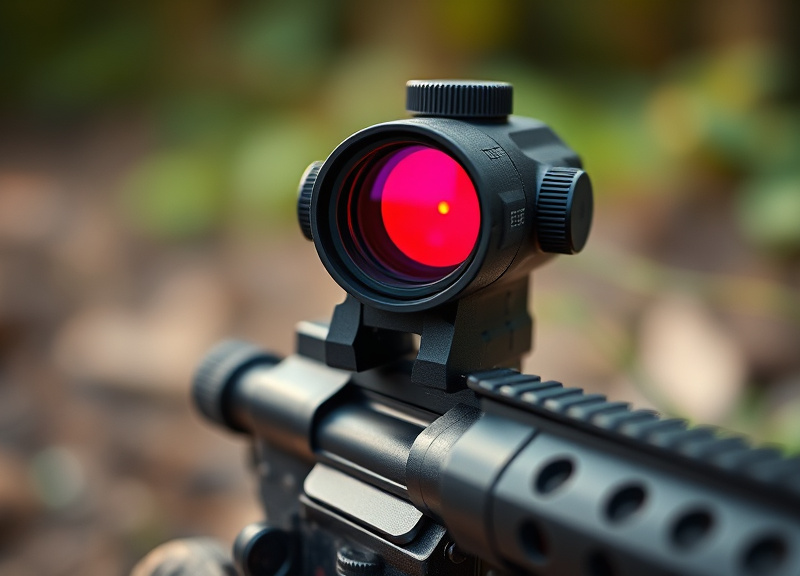
Open or reflex red dot sights feature a minimalistic frame and a single exposed lens where the dot is reflected. The open design reduces weight and bulk, making these sights ideal for pistols, shotguns, or lightweight carbines.
While more compact, their exposed lens is more susceptible to mud or rain. This type is prevalent in handgun competitions and home defense setups where a low profile is advantageous.
- Lightweight construction
- Optimal for pistols or compact firearms
- Quick to draw and acquire targets
Choosing the Best Red Dot Scope Features
Reticle Size and Brightness Settings
Red dot reticle size is measured in Minutes of Angle (MOA). A larger MOA dot provides faster target acquisition but can obscure small targets at distance, while a smaller MOA dot offers more precision for distant shots or small game.
Brightness adjustment is crucial—look for red dot scopes with multiple daylight and night vision-compatible settings for optimal visibility in every environment.
- Common sizes: 2 MOA, 3 MOA, 6 MOA dots
- Brightness: Manual or automatic adjustment
- NV-compatible models for low-light use
For more on this, see our related guide: What is Red Dot Sight? A Complete Guide to Red Dot Optics for Shooters.
Battery Life and Electronics Reliability
Battery life is a key differentiator among red dot scopes. High-quality models can last 20,000–50,000 hours on a single battery, employing features like auto shut-off or motion-sensing activation to further conserve power.
Consider electronics reliability—some red dot scopes use advanced circuitry to withstand recoil from high-caliber firearms and maintain consistent performance in harsh conditions.
- Battery types: CR2032, AAA, proprietary
- Auto shut-off features
- Extreme temperature operation
Mounting Options and Compatibility
Mounting Systems Explained
Red dot scopes typically use Picatinny (MIL-STD-1913) or Weaver rails for attachment, though modern pistols often require specific mounting plates. Some sights include multiple mounting options in the box, making them compatible with a broad range of firearms.
Co-witnessing with iron sights is another consideration. Some mounts position the optic low enough to use backup sights in case of battery failure, enhancing operational reliability.
- Picatinny and Weaver compatibility
- Glock MOS/Smith & Wesson CORE compatibility
- Absolute and lower 1/3 co-witness heights
Purpose-Driven Placement
For rifles and shotguns, positioning the red dot scope farther forward gives a wider field of view and enables both-eyes-open shooting. On handguns, mounting plates are often specific to the pistol model and replace the rear sight or utilize dedicated optic-ready slides.
Matching your mounting solution to your firearm and use case ensures a stable, consistent aiming system and maximizes the benefits of a red dot optic.
Red Dot Scopes for Different Applications
Competitive Shooting and Range Use
Many sport shooters opt for red dot scopes to increase speed in competitions like USPSA or 3-Gun. Faster target transitions and reduced sight alignment allow for improved split times and accuracy under timed conditions.
Open reflex sights are especially popular for pistols, while tube-style red dots see use on AR-15 platforms or carbines. Adjustable brightness and precise MOA dot choices help shooters fine-tune for diverse matches.
- Faster reaction times on competition stages
- Clearer sight picture for dynamic shooting
For more on this, see our related guide: How to Adjust Red Dot Sight for Maximum Accuracy and Ease.
Hunting and Field Use
Hunters value red dot scopes for quick shots on moving game at short to medium distances, such as hog or turkey hunting. Their non-magnified optics shine in wooded environments and low-light conditions.
The best red dot sight for rifles used in hunting features robust construction and extended battery life. Waterproof, fog-resistant construction is also essential for weather resistance.
- Quick shots on fast-moving targets
- Functions well in brush or timber
Common Mistakes and Troubleshooting with Red Dot Scopes
Zeroing and Parallax Issues
A frequent issue for new users is improper zeroing—always follow your specific red dot scope’s instructions for windage and elevation adjustment at your preferred distance, usually 25 or 50 yards/meters for rifles.
While most quality red dots are parallax-free at a specific distance, some budget models can show a shift in point of impact when you move your head. Consistent mounting position minimizes this effect.
- Set zero at practical engagement range
- Check for dot shift at different head positions
For more on the history and technology of reflector sights, see this in-depth overview from Wikipedia. history and technology of reflector sights.
Maintenance and Care Tips
Clean lenses with a microfiber cloth and lens-safe cleaning solution to avoid scratching coatings. Protect open reflex sights from dirt using covers when not in use.
Periodically check the mounting system for tightness and battery freshness. Even long-life batteries should be replaced annually in optics dedicated to defensive or hunting applications.
- Regularly clean and inspect the optic
- Store with battery removed for long-term storage
- Replace battery on a schedule
Red Dot Scope Types Comparison
Below is a table comparing popular categories of red dot scopes, detailing their construction, applications, durability, and average price to help you decide which is right for your needs.
| Category | Enclosed (Tube) Style | Open (Reflex) Style | Mini Red Dot (Micro) | Prismatic Red Dot |
|---|---|---|---|---|
| Optimal Firearm | Rifles, shotguns | Handguns, carbines | Pistols, AR pistols | Rifles, some shotguns |
| Weather Resistance | Excellent (sealed housing) | Moderate (exposed lens) | Varies (often sealed) | Excellent |
| Battery Life | Long (10,000-50,000 hrs) | Short-Moderate (1,000-10,000 hrs) | Moderate | Moderate |
| Durability | High | Fair-High | High (smaller target area) | Very High |
| Average Price (USD) | $150-$400+ | $100-$350 | $100-$300 | $200-$600 |
Frequently Asked Questions
Are red dot scopes good for beginners?
Yes, red dot scopes are highly beginner-friendly. Their simple sight picture and unlimited eye relief make target acquisition intuitive, allowing new shooters to focus on fundamentals with less frustration than iron sights or complicated scopes.
Can red dot scopes be used at long distances?
Red dot scopes are best for close to medium ranges, typically 25–200 yards. Some skilled shooters use them beyond that, but for precise long-range shots, magnified optics or prismatic sights are better suited.
Do red dot sights work at night?
Modern red dot scopes offer multiple brightness settings, some including night vision compatibility. This enables effective use in low-light or nighttime conditions when paired with appropriate equipment, making them versatile for self-defense and night hunting.
Are red dot scopes durable enough for hunting?
Yes, especially tube-style and prismatic red dot scopes, which offer sealed housings and robust construction. Always choose models advertised as waterproof and shockproof for best reliability in tough outdoor environments.
What is the difference between a red dot scope and a holographic sight?
A red dot scope projects an LED dot onto coated glass, while a holographic sight uses lasers and complex optics to create a floating reticle image. Holographic sights generally offer more complex reticles and higher price points.
Key Takeaways
- Red dot scopes improve speed and accuracy for all shooters.
- Choose the type and features based on firearm and intended use.
- Proper zeroing and care maximize performance and lifespan.
- The best red dot sight for rifles offers durability and extended battery life.
Conclusion
Understanding what red dot scopes are and how they function can fundamentally transform your shooting experience. These optics simplify the aiming process, providing both novice and experienced shooters with fast, reliable target acquisition across multiple firearms platforms. By evaluating your needs and learning the differences among types, features, and mounting options, you can select a red dot scope that complements your discipline—whether it's home defense, hunting, or competitive shooting.
For hunters and outdoor use, an enclosed tube-style red dot or a robust prismatic sight brings maximum durability and weather resistance. Competitive shooters may prefer open reflex models for pistols, while tactical and defensive shooters often value long battery life and the best red dot sight for rifles. No matter your platform, focusing on reticle size, ease of mounting, and electronic reliability ensures you’ll get the most out of your optics investment.
If you’re ready for faster, more instinctive shooting, consider trying out red dot scopes firsthand at a local range. Test different styles and features, and consult your firearm’s mounting compatibility before buying. With the right choice, you'll experience increased confidence and improved performance in every shot.