
How to Start an Investigation: Essential Steps for Effective Case-Building
Launching an investigation demands precision and structure: begin by clearly defining the issue, outlining your objectives, and establishing a systematic plan for gathering information and evidence. The most effective investigations start with documenting initial facts, identifying all potential sources, and securing any relevant documentation or physical evidence at once. By following structured protocols at the outset, you can avoid common pitfalls and ensure a thorough, unbiased process.
Why does this initial groundwork matter? Proper preparation shapes the investigation’s accuracy and credibility, influencing key outcomes such as disciplinary actions, criminal prosecution, or even policy changes. Skipping foundational steps can lead to missed evidence, ineffective interviews, or legal vulnerabilities — outcomes that can compromise the trustworthiness of the findings.
This article provides a comprehensive guide on how to start an investigation, covering critical early steps, risk management, best practices for evidence handling, initial communication strategies, and how to tailor your approach according to the investigation’s scale and scope. Whether you’re a corporate compliance officer, an HR manager, or a private investigator, you’ll gain actionable techniques to set your case up for success.
Defining the Scope and Objectives of an Investigation
Clarifying the Issue and Stakeholders

The foundation of any successful case is a clear and concise issue statement. Specify the alleged conduct or incident, identify anyone potentially involved, and determine what rules, policies, or laws may be at stake. Early stakeholder mapping helps you understand who must be interviewed, who might have relevant data, and who has a legal right to updates about the process.
Failing to define the scope leads to drifting investigations, missed evidence, or wasted resources. Setting firm boundaries clarifies your mandate and keeps efforts focused. Use investigative templates or checklists to outline affected departments, locations, and individuals. Update the issue statement if new facts emerge.
Setting Investigation Goals and Desired Outcomes

State the goals: Do you aim to confirm or dismiss allegations, measure compliance, or recommend disciplinary action? Detailed objectives guide what evidence is collected, which procedures are used, and when the investigation is considered complete. Align these goals with applicable legal and organizational standards.
Establishing desired outcomes — such as a written report, recommendations for management, or evidence for law enforcement — helps focus information gathering. Clear objectives also make progress measurable and support fair, consistent decision-making.
- Identify what you hope to achieve: resolution, disciplinary measures, or legal action
- Set deadlines for key milestones
- Decide what documentation is expected at the end
How to Start an Investigation: Initial Planning and Case Setup
Case File Creation and Documentation Strategy
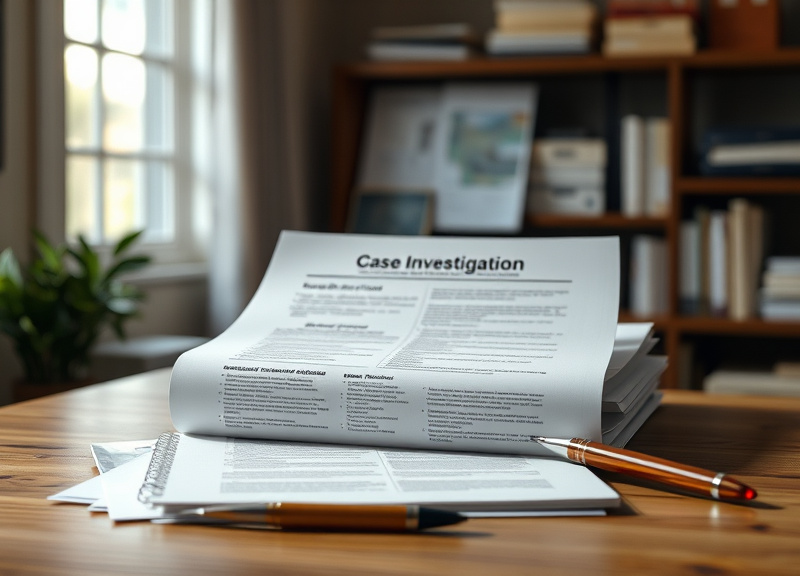
Initializing a formal case file safeguards evidence integrity and streamlines the process. Assign a case number, log the date, and record all known details. Choose secure storage — digital or physical — to maintain confidentiality. Effective documentation not only supports subsequent reviews but also upholds legal sufficiency.
Decide whether your notes are privileged or discoverable. Structure the file with sections for facts, interviews, evidence, and correspondence. A disciplined records approach mitigates the risk of losing documentation or creating gaps that adversaries may exploit during later reviews.
Identifying Immediate Risks and Preservation Actions

The first steps to begin an investigation often involve recognizing immediate threats: evidence tampering, retaliation, or ongoing harm. Assess whether urgent intervention is required, such as securing access logs, suspending involved personnel, or isolating digital devices. Swift action prevents critical loss and ensures fairness.
Document each preservation measure. Notify IT or facilities staff discreetly if custodial steps are warranted. Documenting these actions establishes a transparent chain of custody, strengthening the eventual findings if legal scrutiny arises.
- Secure digital accounts and monitoring logs
- Preserve physical evidence (documents, equipment)
- Limit internal communications to prevent rumor-spreading
Gathering Preliminary Information and Evidence
Locating Documentary and Digital Evidence
Gathering documentary evidence is often the fastest way to start clarifying the factual landscape. Look for emails, physical documents, timesheets, access records, and surveillance footage. Consult IT staff to preserve digital evidence before normal deletion cycles erase it.
Prioritize sources most likely to be altered — such as chat logs or temporary files. Record metadata (timestamps, locations) for each item collected. Maintaining a chain of custody is paramount for ensuring admissibility of digital and physical records.
- Collect emails, memos, and policy documents
- Request access to relevant databases or platforms
- Secure backup copies of digital evidence
For more on this, see our related guide: How to Conduct an HR Investigation: A Practical Step-by-Step Guide.
Conducting Initial Interviews and Subject Briefings
Begin interviews with complainants and key witnesses to confirm timelines and pinpoint further sources of evidence. Document their accounts in real-time and clarify if other parties or locations should be included. Early interviews can reveal contradictions, overlooked documents, or new investigative leads.
Brief subjects about their rights and obligations, especially in employee or regulatory contexts. Maintain impartiality; your role in these early exchanges is to collect, not judge, the information.
Planning Investigation Logistics and Resources
Assembling Your Investigation Team
Identify if the investigation is manageable solo, or needs a multidisciplinary team. High-stakes cases may require legal counsel, IT support, or forensic specialists. Assign roles that play to each investigator’s strengths and confirm training on confidentiality requirements.
A clear team structure fosters accountability and prevents conflicts of interest. Allocate lead and support positions, and define responsibilities for key areas such as interviewing, documentation, or evidence logistics.
- Case lead/investigator
- Forensics/IT support
- Legal or HR advisors
Scheduling and Timeline Management
Map out a provisional timeline with major milestones: interviews, evidence gathering, interim reports, and final recommendations. Regular progress checks keep the investigation focused and reveal any delays or resource gaps before they escalate.
Factor in constraints like staff travel, evidence analysis duration, or legal review periods. Adjust the schedule as new complexities emerge. Transparent scheduling enables coordinated effort and supports defensible deadlines for external review.
Ensuring Objectivity and Legal Compliance
Maintaining Fairness and Avoiding Bias
Remain impartial from the outset. Refrain from jumping to conclusions or expressing judgment before all facts are in. Use standardized questions and procedures for all parties to avoid claims of favoritism or selective inquiry. Document any attempts at undue influence or obstruction.
Encourage your team to raise any conflicts of interest. Outside counsel may be needed if internal bias is a risk. Periodic self-checks help maintain credibility throughout the investigation’s duration.
For more on this, see our related guide: How Does Fraud Investigation Work: An Inside Look at Methods, Steps, and Best Practices.
Adhering to Relevant Laws and Policies
Every investigation, especially those involving employees or criminal matters, must comply with privacy laws, workplace regulations, and internal policies. Missteps can invalidate findings or provoke legal action. Research all requirements before collecting sensitive information.
When in doubt, consult legal experts or compliance officers. Maintain written documentation of how and why each step is taken in accordance with protocol. This is especially important for investigations subject to external audit or litigation.
- Follow organizational policies on investigation conduct
- Comply with local and federal privacy and employment laws
- Document all compliance steps
Communicating and Reporting During the Early Stages
Updating Stakeholders and Maintaining Confidentiality
Establish who should receive updates and on what schedule. In most cases, briefings to HR, legal, or upper management must be provided regularly. Carefully structure communications to protect identities, limit unnecessary disclosures, and comply with organizational guidelines.
Use secure channels for sensitive updates. Make it clear what information is confidential, and remind recipients of their obligations. Transparent communication builds trust and preempts rumors or retaliation.
- Send need-to-know updates only
- Protect witness and subject identities
- Store communications securely
For a deeper understanding of investigation procedures and best practices, you can review resources maintained by major organizations and encyclopedic sources. investigation procedures and best practices.
Early Internal and External Reporting
Some investigations require interim reports—even before the final outcome—to accommodate regulatory bodies or senior leadership. Outline what facts have been established, steps taken to date, and next actions planned. Flag any potential conflicts of interest or resource challenges as early as possible.
For high-profile or criminal investigations, coordinate with outside agencies or counsel before releasing findings externally. Staged reporting aligns all parties and documents your transparency throughout the process.
Types of Investigation: Category Comparison
Different investigations require unique approaches, resources, and protocols. Here’s a comparison of key investigation types to clarify how requirements and priorities can differ.
| Category | Scope | Initiating Party | Key Evidence Types | Legal/Policy Concerns |
|---|---|---|---|---|
| Workplace Misconduct | Alleged employee violations | HR, Compliance | Emails, witness statements | Employment law, internal policy |
| Criminal Case | Suspected lawbreaking | Law enforcement | Physical evidence, CCTV, forensics | Criminal statutes, evidentiary rules |
| Financial Audit | Suspected fraud/theft | Internal Audit, Board | Financial records, transaction logs | Accounting regulations, Sarbanes-Oxley |
| Regulatory Inquiry | Non-compliance with industry rules | External regulator | Reports, compliance records | Industry regulations, reporting standards |
| Academic Integrity | Cheating/plagiarism cases | Faculty, Judiciary Board | Exams, essays, plagiarism software | Academic codes, procedural fairness |
Frequently Asked Questions
What is the most important first step in starting an investigation?
Clearly define the issue at hand and set out the investigation’s scope before gathering evidence. This ensures efficiency and helps prevent wasted resources or legal pitfalls later on.
How do I ensure my investigation stays objective?
Use standardized procedures, apply consistent questioning, and avoid making conclusions until all facts are collected. Involve impartial team members to review your findings for bias.
Are there legal risks if I mishandle evidence in an investigation?
Yes, mishandling evidence can lead to it being inadmissible or undermine the entire process. Always maintain a chain of custody and follow legal and organizational evidence protocols closely.
What should I do if new allegations arise during an ongoing investigation?
Document the new allegations, assess their impact on the current scope, and update your plan. Sometimes a separate investigation is warranted if the new topic is unrelated.
How often should I update stakeholders on the progress of an investigation?
Communicate regularly, following a pre-set schedule (weekly or at key milestones). Only include need-to-know parties, and carefully protect confidentiality when sharing information.
Key Takeaways
- Define the issue and scope clearly before gathering evidence.
- Prioritize documentation and legal compliance from the outset.
- Assess risks early and act swiftly to preserve crucial evidence.
- Structure communication and updates to maintain confidentiality and trust.
Conclusion
The success of any case hinges on a careful, methodical start. Whether addressing workplace misconduct, regulatory compliance, or criminal activity, a clear plan for how to start an investigation sets the tone for everything that follows. Begin by defining your scope, recording facts with thorough documentation, and assembling the right team. By adhering to structured protocols and keeping necessary stakeholders informed, you build both credibility and defensibility into your process from day one.
If you’re dealing with complex situations like financial audits or regulatory inquiries, prioritize assembling multidisciplinary teams and leveraging digital evidence resources early. For workplace or academic cases, balancing objectivity with sensitivity—while using tools like standardized checklists and interview scripts—ensures a fair and thorough process. Tailoring your approach to the specific investigation type, as outlined in our comparison section, will help you deploy resources and expertise most effectively.
Ultimately, the key to a successful investigation is discipline: stick to your established plan, remain alert to changing circumstances, and maintain professionalism at every step. Review each stage for completeness—if something feels rushed or overlooked, revisit it. As you become more experienced, streamlined methods for organizing and initiating investigations will come naturally. For those new to this field, use this guide as a starting point and seek expert advice or training as cases increase in complexity.


One Comment