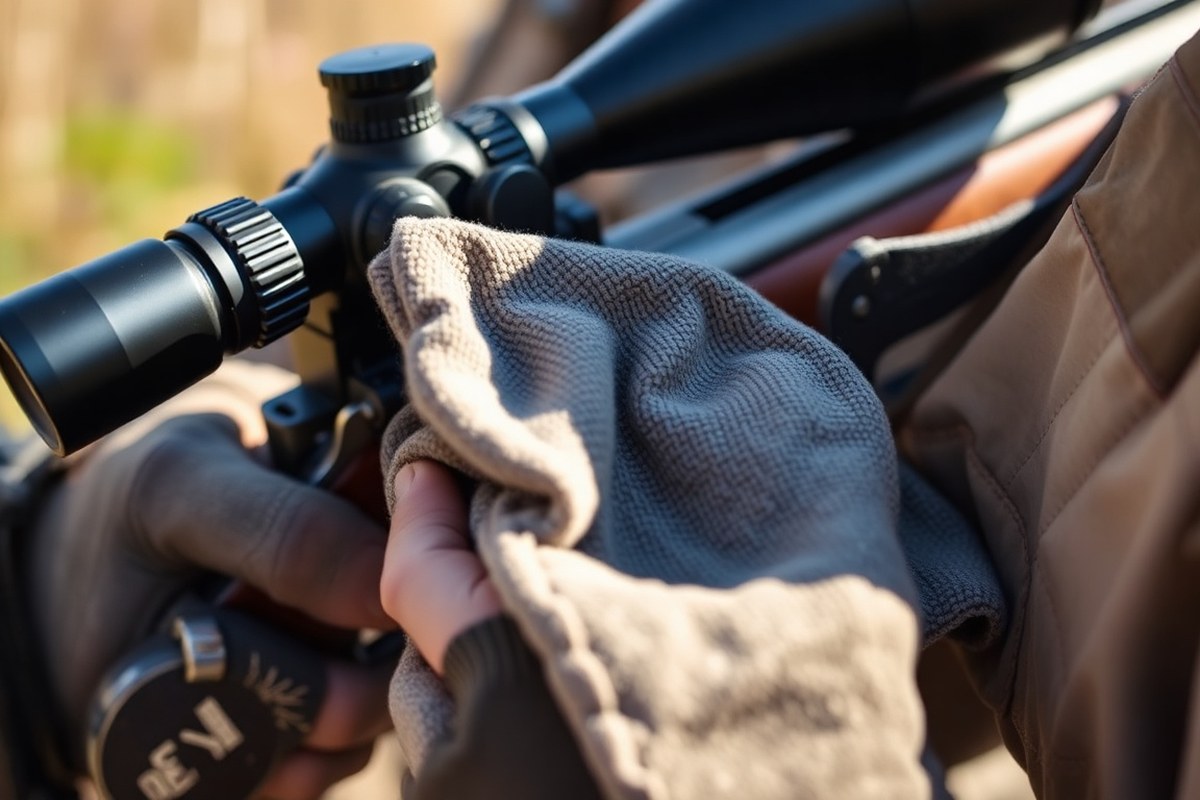
How to Clean a Rifle Scope: A Complete Guide for Safe, Effective Care
Keeping your rifle scope clean ensures clear vision and accurate shooting. To clean a rifle scope lens safely, use a microfiber cloth with gentle, circular motions and only lens-safe solutions like eyeglass cleaner or 90%+ isopropyl alcohol. Avoid harsh chemicals or abrasive materials to protect lens coatings and optical quality.
This guide is for hunters and shooting enthusiasts who want safe and effective care for rifle scopes. You’ll find practical tips on the best cleaning tools, proper techniques, and how often to clean your scope to maintain performance in any condition.
Key Takeaways
- Use only lens-safe cleaners like eyeglass cleaner or 90%+ isopropyl alcohol on rifle scope lenses.
- Wipe the lens gently in circular motions with a microfiber cloth to avoid scratches.
- Clean the scope body separately with mild degreasers like 409, avoiding lens areas.
- Build a portable cleaning kit with quality tools costing under $20 for hundreds of uses.
- Regularly clean your scope lens to maintain over 99% light transmission and optical clarity.
- Never use harsh chemicals or abrasive materials on coated rifle scope lenses.
How to Clean a Rifle Scope Lens Safely and Effectively
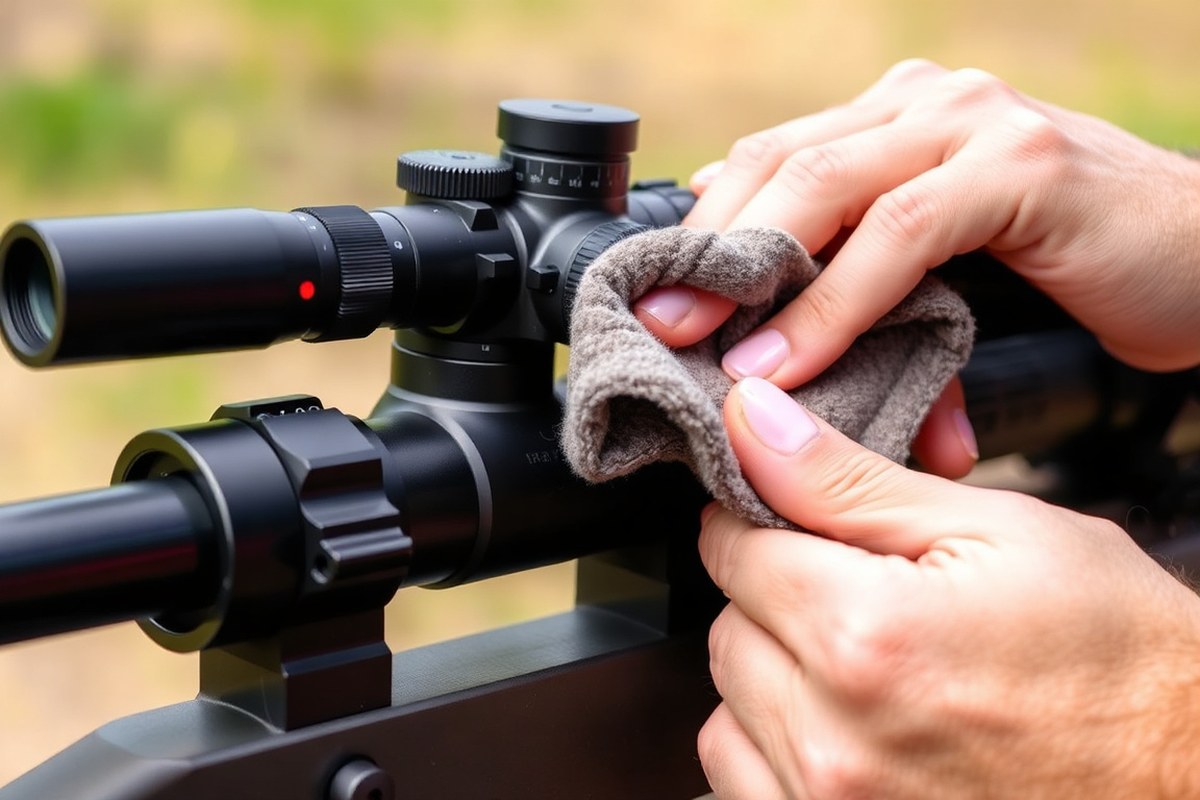
Cleaning your rifle scope lens cautiously helps avoid scratches and preserves lens coatings that improve visibility. The key is to remove loose dirt carefully before using any liquid cleaner. Applying cleaning solution on the cloth instead of directly on the lens prevents excess moisture from entering the scope. Always use gentle pressure and wipe from the center outward to reduce the risk of abrasion or streaking. Follow these steps to clean the rifle scope lens safely and effectively:
- Brush off loose debris. Use a soft-bristled brush or a specialized lens cleaning brush to gently remove dust and dirt. Avoid blowing with your mouth, as saliva droplets can land on the lens.
- Blow away remaining particles. Use a rubber air blower designed for optics to clear out any fine particles left on the lens surface. This reduces the chance of scratching.
- Apply lens cleaner to a microfiber cloth. Use a cleaner specifically formulated for optics and apply it to a clean microfiber cloth, never directly on the lens. Household cleaners or solvents can damage coatings.
- Wipe the lens gently. Starting from the center, use slow, light circular motions outward toward the edges. Avoid pressing hard or scrubbing, which can wear away coatings.
- Inspect the lens. Check for remaining smudges or water spots. Repeat wiping with a clean portion of the cloth if needed, always with minimal pressure.
- Dry any moisture around the scope. Use a dry microfiber cloth to carefully pat down any liquid on the housing to prevent corrosion or seepage into the internal components.
Important precautions include never using household cleaners, rough fabrics, or tissue paper on lens surfaces. Avoid spraying any liquid directly on the scope lens to prevent moisture getting inside the tube, which can cause fogging or damage. Applying too much pressure or cleaning too frequently can wear away the delicate lens coatings that protect against glare and scratches.
A clean scope lens should appear clear with no visible scratches, streaks, or smudges. Avoid waiting too long to clean because grime buildup can become more difficult to remove without applying excessive force. Regular but gentle cleaning improves target clarity, especially in changing outdoor conditions.
Best Tools and Cleaning Products for Rifle Scopes
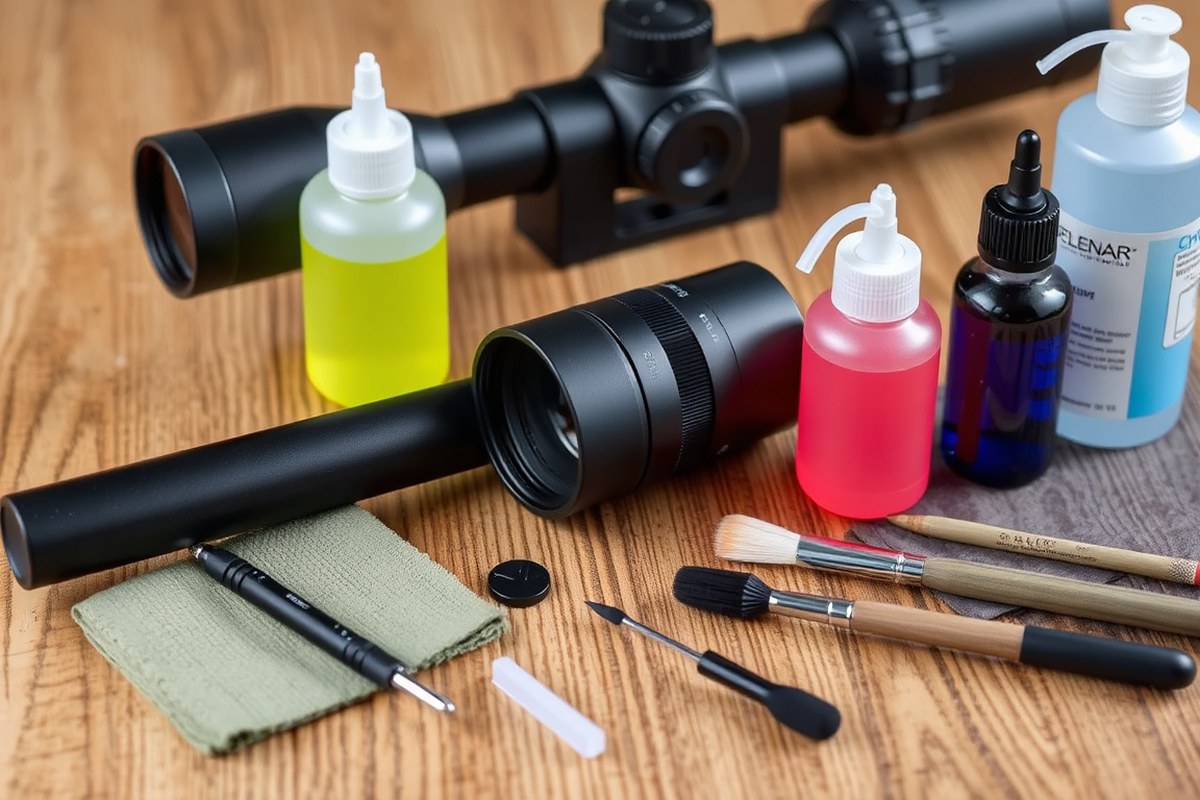
Selecting appropriate cleaning supplies for your rifle scope helps maintain its sensitive lenses and coatings. Use a carbon-tip lens pen or a clean microfiber cloth combined with an optics-specific cleaner. Stay away from paper towels, T-shirts, cotton fabric, and typical household glass cleaners as they may cause scratches or leave residues. Begin cleaning by softly blowing off or brushing away dust and debris before touching the lens to avoid scratches.
Only use cleaning liquids designed specifically for optics, such as eyeglass cleaning solutions or isopropyl alcohol at concentrations above 70%. These liquids are safe for multi-coated lenses found on rifle scopes like the Accufire EVRO-12 or ATRO-20. Avoid ammonia-based cleaners, saliva, gun oils, WD-40, or harsh chemicals. Apply liquids sparingly to the cloth rather than directly on the lens. Gently wipe with a circular motion, never scrubbing hard or applying pressure that can damage lens coatings.
| Cleaning Product | Recommended Use | Why It Works | What to Avoid |
|---|---|---|---|
| Lens Pen (Carbon Tip) | Dry cleaning to remove light dust and smudges | Carbon tip safely lifts dirt without scratching | Using it on heavily soiled or sticky spots without moisture |
| Microfiber Cloth + Optics Cleaner | Wet cleaning for heavy grime and fingerprints | Microfiber fibers clean gently; optics cleaner protects coatings | Household glass cleaner, paper towels, cotton cloths |
| Isopropyl Alcohol (>70%) | Sparingly to dissolve tough oils or deposits | Evaporates quickly and leaves no residue | Using in excess or on scope body paint or seals |
| Pre-moistened Lens Wipes | Convenient on-the-go cleaning of lenses | Safe solutions designed for optics | Wipes with harsh chemicals or untreated fabrics |
Recommended tools include a soft lens brush or blower to clear particles first, a lens pen for easy field cleaning, and a clean microfiber cloth for thorough cleaning at home. Carrying a lens pen during hunts is useful when wet or sandy weather challenges lens clarity. For the body of the scope, a microfiber cloth or cleaning rag can be used, but avoid solvents near seals or adjustment knobs.
Never use compressed air cans held upside down, as the propellant can damage lens coatings and internal parts.
Using gentle circular motions with the right tools and liquids ensures your scope lenses stay clear without damaging their protective coatings. Clean lightly and only as needed to avoid wearing out coatings prematurely. Proper care keeps your glass in optimal condition ready for reliable performance in the field.
How Often Should You Clean Your Rifle Scope?
Clean your rifle scope lens whenever you notice dirt, smudges, fingerprints, or moisture on the surface. The frequency depends largely on how often you use the scope and the environment where you hunt or shoot. Avoid cleaning too often to prevent wearing down the lens coatings, but do clean promptly after exposure to harsh elements or obvious contaminants.
Cleaning After Exposure to Harsh Conditions
After hunting or shooting in dusty, muddy, rainy, or cold environments, clean your scope promptly. Dirt, water droplets, mud splash, and frost spots can reduce clarity and may damage coatings or seals if left unattended. Take care to gently remove these contaminants within a few hours of exposure to prevent buildup or corrosion.
For example, after a wet or muddy day in the field, wipe the lens as soon as possible using appropriate cleaning tools. Hunting in areas with frequent rain, snow, or heavy dew means you should clean your scope at the end of each day. In dusty or sandy environments, cleaning after each session can protect the lens coating and waterproof seals from abrasion and moisture intrusion.
Routine Maintenance for Frequent Shooters
Frequent shooters who use their rifle scopes weekly or more will benefit from scheduled cleanings even if no obvious dirt is noticed. A good rule of thumb is to inspect the scope on shooting days and clean it gently every two to four weeks. This helps maintain optimal clarity and performance, especially if you use the scope for precision shooting or range estimation.
Less frequent shooters can extend the interval between cleanings, only addressing visible dirt or fingerprints. Storing your rifle and scope in a clean, dry place also reduces the need for frequent cleaning.
- Clean lens when smudged, spotted, or dirty
- Check and clean after exposure to rain, mud, or dusty conditions
- Schedule cleanings every 2, 4 weeks if shooting regularly
- Store rifle in dry, dust-free environment when not in use
- Avoid harsh cleaning agents or rough materials
- Keep scope caps on during transport and storage
Following these steps helps you avoid buildup that can impair sight picture and protects waterproof seals against moisture damage.
Avoiding Damage from Over-Cleaning
Cleaning your scope too often or using aggressive materials can wear out lens coatings and degrade waterproof seals, reducing its lifespan and affecting clarity. Cleaning the lens when it’s already clean can cause unnecessary abrasion, potentially adding tiny scratches or removing anti-reflective coatings.
Your best practice is to clean only when necessary and use gentle methods with appropriate cleaning products. Avoid wiping off dry dust or dirt particles without first moistening them, to prevent scratching. Regular inspection will help you decide when cleaning is warranted without overdoing it.
Can You Clean the Inside of a Rifle Scope?
You cannot clean the inside of a rifle scope, and trying to do so is not recommended or necessary. Rifle scopes are designed with sealed tubes to protect the internal lenses from dirt, moisture, and dust. These seals prevent contaminants from entering under normal use, which means routine cleaning focuses only on the external surfaces and lenses. Attempting to open or disassemble the scope risks damaging the optics and voiding any warranty.
Internal fogging or dirt inside the scope usually signals a failure of the scope’s sealing. A hazy or foggy appearance that doesn’t clear after wiping the outside lens usually comes from moisture trapped inside. This happens when the seal has been compromised, allowing humidity to enter and condense on the internal glass surfaces. Dirt or debris found inside might indicate physical damage, such as a cracked housing or poor seal due to rough handling or an impact.
Signs that point to internal problems include a persistent fog or haze visible through the eyepiece or objective lens, blurred images despite cleaning the outside, and, in rare cases, visible dust or particles floating inside the tube. These symptoms differ from external dirt or fingerprints that can be wiped away easily.
Experiencing these issues means professional repair or replacement is required. A trained gunsmith or the manufacturer’s service center can check the seals and, if possible, restore the scope’s vacuum or nitrogen fill. Repair costs vary but often run between $100 and $200, depending on the model and extent of damage. Sending your scope to the manufacturer is the safest route, especially for higher-end optics, since they have specialized tools and clean environments to work with the delicate internal elements.
Do not attempt to open or clean the inside yourself. Amateur disassembly can misalign internal lenses, ruin the sealed environment, and permanently impair performance. Keeping your rifle scope in good condition by maintaining the exterior and storing it in dry, controlled environments reduces the risk of internal contamination over time.
Cleaning Your Rifle Scope Body and External Parts
Cleaning your rifle scope’s body and external parts requires gentle attention to avoid damage while removing dirt, grime, and rust. Using soft brushes and appropriate cleaning agents keeps metal, rubberized surfaces, and turrets in good condition and prevents long-term corrosion or wear.
Step 1: Remove Loose Dirt and Debris from the Body
Start by eliminating loose dust, sand, and debris that can scratch the surface if rubbed in. Compressed air or a lens pen with a soft bristle brush works well to lift particles without harm.
- Hold the rifle scope upside down to let debris fall away naturally.
- Use compressed air or gently blow on the surface to push dirt off.
- Brush the body and lens covers carefully with the soft brush side of a lens pen or a soft-bristled toothbrush.
- Pay attention to crevices around lens covers and the eyepiece, brushing debris away from these tight spots.
Avoid wiping debris directly on the surface before brushing it off to prevent scratches.
Step 2: Clean Turrets and Adjustment Knobs Carefully
Turrets and adjustment knobs can trap dirt, especially if you’ve been in muddy or dusty environments. These moving parts need cleaning to maintain smooth operation and prevent grit buildup that may cause wear or inaccurate adjustments.
- Use the soft brush on a lens pen or a toothbrush to remove dirt from the turret crevices and knob threads.
- Wipe the cleaned areas with a microfiber cloth dampened slightly with water or a mild cleaning solution safe for metal parts.
- Operate the turrets gently during cleaning to expose all surfaces and dislodge trapped debris.
- Dry thoroughly with a clean cloth to prevent moisture buildup that could cause rust.
Do not use excessive force on turrets to avoid damaging the internal mechanisms.
Step 3: Use Degreasers Safely on Metal Surfaces
Removing oils, fingerprints, and rust inhibitors requires degreasers formulated for firearms or optics. Avoid harsh solvents that strip protective coatings or damage rubberized coatings on the scope body.
- Choose a gun-safe cleaning solvent labeled as safe for metal and synthetic materials.
- Apply a small amount of the solvent to a microfiber cloth, not directly onto the scope.
- Wipe down the entire scope body, turrets, and lens covers to remove grease and grime.
- Allow the scope to air dry or gently wipe it with a dry cloth afterward.
- For rust prevention, consider applying a thin layer of a rust inhibitor recommended for firearms, avoiding lens surfaces.
Never apply solvents directly to the scope to prevent liquid from entering seals or internal parts.
Common Mistakes to Avoid When Cleaning Rifle Scopes
Using the wrong cleaning habits can permanently damage your rifle scope’s lenses or components. One common error is wiping the lens when it has dried mud, grit, or debris on it. This can cause scratches because hard particles rub against the glass surface. Never use abrasive materials like paper towels, shirt sleeves, or rough cloths. Instead, start by gently blowing off loose dirt with clean air or brushing it away with a soft lens brush.
Using the wrong cloth or cleaner is another frequent mistake. Avoid any fabric that is not specifically labeled lint-free and microfiber. Microfiber cloths have fine fibers that trap dust and oils without scratching. Many scopes come with their own microfiber cloth, which is perfect. As for cleaners, never use household glass cleaners or harsh chemicals. A solution made for eyeglasses or 90%+ isopropyl alcohol works best, but only apply a small amount to the cloth, not directly on the lens. Here is a checklist of common mistakes to avoid during scope cleaning and how to correct them:
- Wiping when the lens is dry and dirty, Always remove particles with air or a soft brush first
- Using rough or dirty cloths, Use a clean, lint-free microfiber cloth only
- Applying harsh chemicals or sprays directly on lenses, Spray cleaners on the cloth, not the scope
- Pressing too hard while cleaning, Use gentle circular motions to avoid damaging coatings
- Cleaning scope body and lens with the same cloth, Keep lens cloth separate from heavy-duty wipes for the body
- Ignoring manufacturer instructions, Follow scope care guidelines for liquids and materials
If you accidentally cause light scratches or smudges, try polishing the lens gently with a clean microfiber cloth and a small amount of lens cleaner or isopropyl alcohol. Avoid aggressive buffing, which can worsen scratches. For deeper damage, professional repair or replacement may be necessary. Always handle your scope with care during cleaning to maintain optimal clarity and performance for your hunting or shooting activities.
How to Adapt Cleaning Methods for Different Weather Conditions
Humidity can affect your rifle scope cleaning by increasing the risk of moisture buildup on and inside the lens. High humidity promotes condensation that may cause fogging and potentially lead to mold growth or corrosion. To protect your scope, after cleaning or field use, make sure to dry the scope thoroughly using a microfiber cloth. Avoid cleaning outside in high humidity when possible, or perform cleaning quickly in a sheltered area. Applying a lens-specific anti-fog spray before use in moist weather helps reduce moisture accumulation. Also, store your scope in a sealed case with desiccant packets to keep the internal environment dry, which costs around $5 to $10 for a pack lasting several months.
Cold temperatures present different challenges for scope maintenance. Low temperatures, especially below freezing, can cause lenses to fog when you bring the scope into a warmer environment, making it difficult to see through temporarily. To prevent this, avoid rapid temperature changes by letting the scope acclimate slowly when moving between indoors and outdoors. Use cleaning fluids designed for cold weather to prevent freezing during cleaning; some lens cleaners remain effective down to about 20°F (-6°C). Warming your microfiber cloth slightly before cleaning helps prevent scratching caused by hard, frozen dirt particles. Avoid using canned air sprays in freezing weather because the propellant can freeze and damage delicate lens coatings.
Dusty environments require you to adjust your cleaning routine to avoid grinding dirt into the lens or scope body. After every session in dusty areas, gently blow off loose grit with a soft air blower before using any cloth or liquid cleaner. This minimizes the risk of scratches and ensures that your cleaning materials do not carry abrasive particles. During dusty seasons, opt for thicker microfiber cloths that trap dust better instead of thinner ones that may push dirt around. Avoid paper towels or shirts, as they can worsen scratches. If you regularly shoot in dry, dusty conditions, keep your brush and blower handy and clean your scope more frequently to maintain clear visibility and prevent damage.
Adjusting your cleaning materials seasonally can improve cleaning safety and effectiveness. In wet seasons or humid climates, prioritize anti-fog lens wipes and desiccant packs. For colder months, use mild, non-freezing cleaners and warm cloths. During dry, dusty times, rely on dry cleaning tools like air blowers and soft brushes first. Paying attention to these details protects the scope’s optical coatings and metal body, extending its lifespan and performance. Neglecting proper adaptation risks foggy lenses, corrosion, or scratching that impairs your shooting experience and could lead to costly repairs or replacements.
Building and Maintaining a Portable Rifle Scope Cleaning Kit
Build a compact rifle scope cleaning kit with a few essential tools to keep your optics clear during hunting trips. Organizing these supplies properly ensures quick access and protects your investment. Select items that fit in a small pouch or case to maintain portability and prevent damage or loss.
Essential Cleaning Tools to Include
Carry basic but effective tools designed for delicate optics. A small microfiber cloth is important for removing fingerprints and dust without scratching lenses. Include lens cleaning solution made specifically for optics; avoid household glass cleaners as they may damage lens coatings. A lens brush or soft-bristled brush helps dislodge dirt without leaving particles behind. Lens wipes, either pre-moistened or dry, add convenience for quick clean-ups.
A compact air blower or soft squeeze bulb removes dust from crevices without touching the glass. Also, a small pair of tweezers can help extract stubborn debris lodged around the eyepiece or adjustment knobs. To protect the kit contents and stay organized, opt for a water-resistant pouch with elastic loops or compartments.
- Microfiber cleaning cloth (3×3 inches or smaller)
- Optics-safe lens cleaning solution (1-2 ounces)
- Lens brush or soft-bristled brush
- Compressed air blower (bulb style)
- Pre-moistened lens wipes or dry wipes
- Small tweezers for debris removal
- Water-resistant compact case or pouch
These tools typically cost between $20 and $35 overall and fit comfortably in your pack or pocket. Maintaining only essentials reduces weight and clutter.
Tips for Organizing Your Cleaning Kit
Use a small, zippered pouch to keep all cleaning supplies together and shield them from dirt and moisture. Choose one with mesh or elastic holders for the smaller items to prevent rattling. Store the lens cleaning solution in a sealed bottle to avoid leaks or evaporation, and keep cloths dry by changing them frequently after use or storing them in a sealed plastic bag inside the pouch.
Label your pouch clearly to find it easily, even under low-light conditions. Store the entire kit in an outer pocket of your hunting pack or vest for quick access without unpacking larger gear. After each trip, inspect and clean the tools, replacing used wipes and checking the solution level. Maintaining this routine keeps your kit ready and prolongs the usability of supplies.
Do not store used lens cloths in the kit, they trap dirt and can scratch lenses on the next use.
Field Cleaning Best Practices
Clean your scope only when necessary and avoid over-cleaning in the field to minimize wear on coatings. Use the air blower first to clear loose dust or debris. Follow by gently brushing with the lens brush if needed, then apply lens cleaner sparingly with a cloth or lens wipe, working in a circular motion to prevent streaks.
Carry out field cleaning in a sheltered spot to prevent wind-blown dirt or rain from interfering. Position your rifle with the muzzle down to avoid moisture pooling on lenses, protecting the eyepiece with your arm as a shield if weather conditions are poor. Minimal but careful cleaning stabilizes your scope’s performance during a hunt without adding bulk to your gear.
Step-by-Step Action Plan for Cleaning Your Rifle Scope
Follow these steps to keep your rifle scope clean and functioning smoothly without risking damage.
- Before you start: Gather your cleaning kit with lens wipes, a blower, microfiber cloth, and appropriate cleaners. Confirm you have a clean, dust-free workspace.
- Weekly check: Inspect your scope for dust or smudges on the lens surface. Use a blower to remove loose particles and a microfiber cloth with lens cleaner for spots. The lens should appear clear and free of debris.
- After every outdoor session: Wipe down the scope body carefully with a damp cloth to remove mud, dirt, or sweat. Make sure no moisture remains to prevent corrosion.
- Monthly deep clean: Remove scope caps and clean the lens edges gently. Check for corrosion or moisture inside the lenses, if found, consult a professional instead of opening the scope yourself.
- Every season change: Refresh your cleaning kit supplies, replacing any worn items like lens wipes or cloths. A clean kit ensures you avoid scratching or damaging your scope.
- Before storing for long periods: Complete a thorough clean and dry the scope completely. Store it in a dry, cushioned case to protect it from dust and humidity.
Frequently Asked Questions
Can You Use Household Glass Cleaner on a Rifle Scope?
Household glass cleaners can damage lens coatings; use a cleaner designed for optics instead. This prevents scratching and preserves lens clarity.
Is It Necessary to Remove the Scope from the Rifle Before Cleaning?
Removing the scope isn’t required unless deep internal cleaning is needed. Cleaning external parts carefully usually suffices.
How Do You Dry a Rifle Scope After Cleaning It?
Use a soft microfiber cloth to gently dry the scope; avoid paper towels which can scratch lenses. Patting rather than rubbing helps protect coatings.
Can Compressed Air Damage a Rifle Scope Lens?
Compressed air can blow away dust but avoid direct high-pressure blasts to prevent lens or seals damage. Use gentle puffs or a hand blower.
What Should You Do If Your Rifle Scope Fogs Up Inside?
Internal fogging usually means moisture is inside; professional servicing may be needed for resealing. Avoid DIY opening which voids warranties.
Is It Safe to Use Alcohol Wipes on a Rifle Scope Lens?
Alcohol wipes can remove grease but may degrade special coatings over time. Use sparingly and only wipes made for optics cleaning.
Key Points to Remember
A well-maintained rifle scope improves your accuracy and extends its service life. Start by establishing a regular cleaning routine and using the right tools for each part of your scope. Details like avoiding internal lens cleaning yourself and adjusting for weather conditions make a big difference. Next, prepare your cleaning kit today to make maintenance quick and reliable every time you head out.