What Is Criminal Court? A Complete Guide to Criminal Court Proceedings
Criminal court is where legal cases involving violations of criminal law are heard and decided. If someone is accused of committing a crime—from theft to assault or even more serious offenses—their case is brought before a criminal court, where a judge (and sometimes a jury) determines guilt or innocence. These proceedings are very different from civil courts, which handle disputes between individuals rather than charges brought by the government. Much of the criminal justice system’s work, including bail hearings, arraignments, trials, and sentencing, takes place in criminal court.
Understanding the role of criminal court is crucial for anyone involved in or affected by the justice system. This court is responsible for ensuring that accused individuals receive a fair trial and that society’s laws are enforced justly. Most high-profile legal cases you see in the news, especially those involving alleged wrongdoing or public safety, are handled within the criminal court system.
In this guide, you’ll discover how criminal court proceedings work, who participates, the different types of criminal courts, what to expect if you become involved in a criminal case, and how these courts differ from civil courts. You’ll also find practical comparisons, common questions answered, and key takeaways about the criminal court process.
Understanding Criminal Court Jurisdiction
Scope and Role of Criminal Courts
Criminal courts have jurisdiction over cases involving alleged violations of criminal law, ranging from misdemeanors like petty theft to serious felonies such as murder. Their main purpose is to determine whether defendants are guilty beyond a reasonable doubt through a series of legal proceedings.
Importantly, only the state or federal government can bring charges in a criminal court, and a prosecutor represents this authority. The outcome can include acquittals, convictions, or alternative sentences depending on the evidence presented.
Levels of Criminal Courts: Local, State, Federal
Criminal courts operate at different levels, each handling different types of offenses and legal matters. Local (municipal) courts typically address minor infractions, state courts handle most crimes within a state’s laws, and federal courts deal with offenses involving federal law.
Understanding which court hears a case depends on factors like where the alleged crime occurred and the nature of the offense, impacting the procedures and types of criminal courts involved.
- Local/municipal courts
- State courts
- Federal courts
Parties and Roles Within Criminal Court
Key Participants in the Courtroom
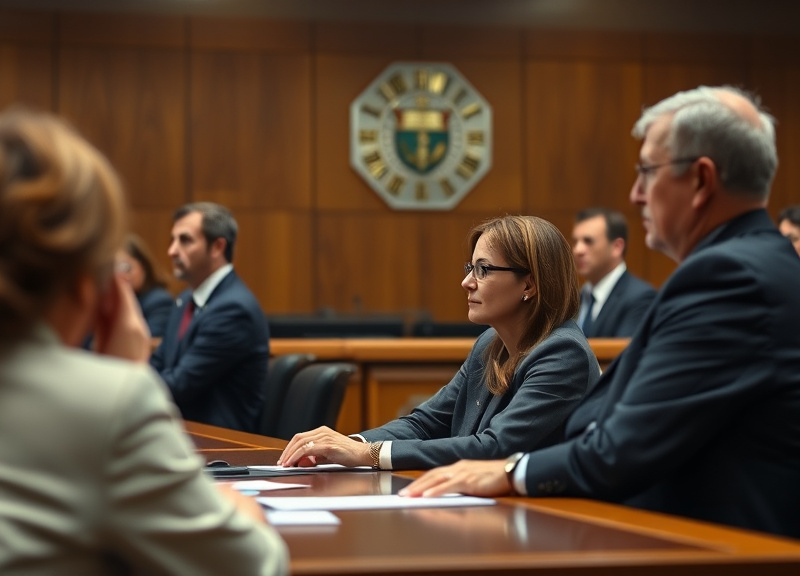
Typical participants in a criminal courtroom include the judge, prosecutor, defense attorney, defendant, and sometimes a jury. The judge oversees proceedings, ensuring fairness and lawfulness. An impartial jury may be selected for trials requiring a verdict based on presented evidence.
Victims, witnesses, and court officers (like bailiffs and clerks) also play crucial parts by testifying or managing logistical aspects of the trial process.
- Judge
- Prosecutor
- Defense attorney
- Jury
- Defendant
- Witnesses
Prosecution and Defense Responsibilities
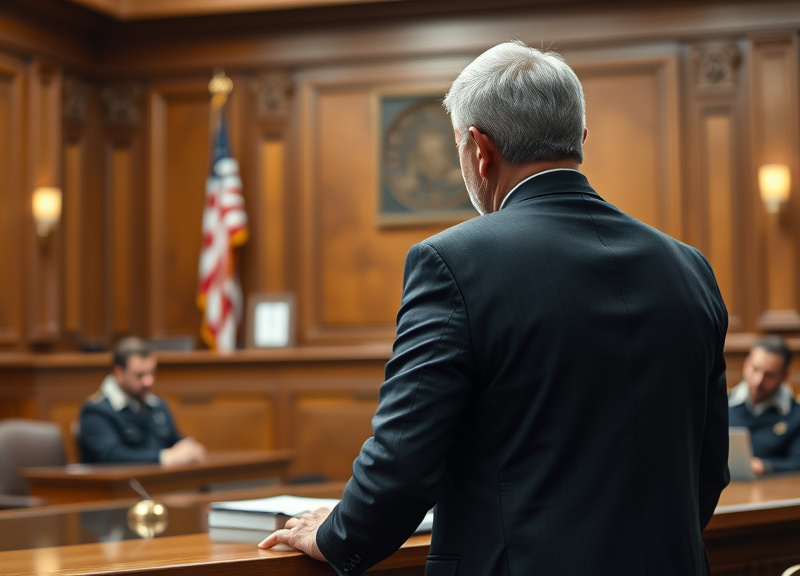
The prosecutor presents evidence and arguments on behalf of the state or government, aiming to prove the defendant’s guilt. Defense attorneys challenge this case, representing the accused and protecting constitutional rights, such as the right to remain silent and to a fair trial.
This adversarial system is designed to ensure thorough examination of facts, with both sides able to call and cross-examine witnesses, submit evidence, and make legal arguments.
Stages of Criminal Court Proceedings
From Arrest to Arraignment
Once a person is arrested, the process formally begins with an arraignment, where charges are read and the accused enters a plea. Bail may be set to ensure the defendant returns for future proceedings.
Preliminary hearings can follow, allowing the judge to determine if enough evidence exists for a full trial. Not all cases proceed to this stage, as some are resolved earlier.
- Arrest
- Arraignment
- Bail hearing
- Preliminary hearing
For more on this, see our related guide: How Can I Tell If I Have a Criminal Record? A Clear Step-by-Step Guide.
Trial, Verdict, and Sentencing
If a case goes to trial, both the prosecution and defense present evidence, question witnesses, and make closing arguments. The verdict is delivered by a judge or jury. If found guilty, the judge will then determine the appropriate sentence.
Sentencing varies depending on crime severity and local statutes—options include fines, community service, probation, or incarceration, as determined during the sentencing phase.
- Presentation of evidence
- Witness examination
- Closing arguments
- Verdict
- Sentencing
Types of Criminal Courts and Specialization
General vs. Specialized Criminal Courts
Most criminal cases are heard in general criminal courts, but specialized types of criminal courts exist for certain categories of offenses. Drug courts and juvenile courts are prominent examples, created to address unique legal and social contexts.
These courts often employ problem-solving approaches, aiming not just to punish but also to address root causes or support rehabilitation, especially for nonviolent or first-time offenders.
Diversion Programs and Alternative Sentencing
Diversion programs, available in some types of criminal courts, offer alternatives to traditional prosecution. Defendants—especially those facing minor charges—may participate in treatment, education, or counseling instead of jail.
Successful completion often results in charges being reduced or dismissed, giving participants a chance to avoid a criminal record while addressing underlying issues.
- Drug courts
- Mental health courts
- Juvenile courts
- Veterans courts
Criminal Court vs. Civil Court: Key Differences
Nature of Cases and Burden of Proof
Criminal court deals with actions considered crimes against society, such as burglary or assault, and the government prosecutes these offenses. In civil court, individuals sue each other, usually over contracts or injuries.
Another distinction is the burden of proof. Criminal cases require proof 'beyond a reasonable doubt,' while civil cases only demand a 'preponderance of the evidence.'
- Burden of proof
- Parties involved
- Types of cases
For more on this, see our related guide: How Can I Check My Criminal Record for Free? Step-by-Step Guide to No-Cost Background Checks.
Consequences and Legal Outcomes
Outcomes in criminal court can include incarceration, fines, or probation. Civil courts do not imprison; they award damages or injunctions. This makes the stakes and protections in criminal court—the right to counsel, right against self-incrimination—much higher.
Understanding the differences helps clarify where disputes or charges should be addressed and what legal standards apply.
Rights of Defendants in Criminal Court
Constitutional Safeguards and Due Process
Defendants in criminal court are guaranteed certain constitutional rights: the right to remain silent, the right to an attorney, and the right to a speedy and public trial, among others. These safeguards are designed to uphold the integrity of the justice system.
Due process requires that proceedings follow established legal rules, ensuring fair treatment and protection against arbitrary outcomes.
- Right to counsel
- Right against self-incrimination
- Right to a public trial
- Right to an impartial jury
To deepen your understanding, you can explore more about criminal court procedures and structure through this comprehensive overview. Criminal court procedures and structure.
Access to Legal Representation and Appeals
Every defendant has a right to legal representation, and if they can’t afford an attorney, the court will appoint a public defender. After conviction, defendants have the opportunity to appeal their case, challenging legal errors or due process violations.
Appellate courts review records, not new evidence, and can uphold, reverse, or remand cases back to criminal court.
Criminal Court Types Comparison
This table summarizes how different types of criminal courts handle cases, their key features, and the types of offenses each commonly addresses.
| Court Type | Jurisdiction | Typical Cases | Special Features |
|---|---|---|---|
| Municipal Court | City/Local | Misdemeanors, infractions | Handles traffic and city ordinance cases |
| State Criminal Court | Statewide | Felonies, major misdemeanors | Broad range of criminal cases |
| Federal Criminal Court | Nationwide (federal law) | Drug trafficking, white-collar crime | Handles cases across state lines |
| Juvenile Court | Local/State | Offenses by minors | Emphasizes rehabilitation |
| Drug Court | Local/State | Drug offenses | Focuses on treatment instead of punishment |
| Veterans Court | Local/State | Crimes by veterans | Offers specialized support services |
Frequently Asked Questions
What happens during a typical criminal court trial?
In a criminal court trial, both sides present evidence and call witnesses. The defense and prosecution argue their positions, after which a judge or jury renders a verdict. Sentencing follows if there’s a conviction.
Do all criminal cases go to trial?
No, most criminal cases are resolved before trial by plea bargains, dismissals, or diversion programs. Only a small percentage of cases proceed to a full criminal court trial.
What rights does a defendant have in criminal court?
Defendants have the right to a lawyer, to remain silent, to a speedy and public trial, and to confront witnesses. If unable to afford counsel, a public defender is appointed.
How are criminal court proceedings different from civil court?
In criminal court, the government prosecutes offenses against society and potential consequences include jail. Civil court involves individual disputes, and penalties are typically monetary or injunctive, not incarceration.
Can decisions in criminal court be appealed?
Yes, defendants can appeal a verdict or sentence, usually based on legal errors or constitutional grounds. Appeals are reviewed by a higher court, not by holding a new trial.
Key Takeaways
- Criminal court decides cases involving alleged crimes and government prosecution.
- There are multiple types of criminal courts, each with specific jurisdiction and focus.
- Proceedings protect constitutional rights and due process for all involved.
- Understanding differences from civil court is essential for legal navigation.
Conclusion
Navigating the world of criminal court requires a clear understanding of its structure, participants, and the stages of proceedings. By appreciating the roles of the judge, prosecutor, and defense attorney, as well as recognizing the importance of specialized courts, one can better anticipate what to expect if becoming involved in the system. The criminal court process is designed to uphold justice, ensure constitutional protections, and maintain public order—elements that are foundational to a fair society. Such an understanding is valuable whether you are a defendant, victim, witness, or simply a citizen seeking to comprehend the workings of justice.
For example, individuals facing minor offenses may encounter municipal or state-level courts, whereas federal courts handle more complex or serious crimes. Those with substance abuse issues might find themselves in drug court, where treatment is prioritized over punishment. Juvenile defendants face a unique set of procedures with an emphasis on rehabilitation, not just accountability. This broad range of types of criminal courts ensures that each case is addressed in the context most suited to its nature and participants. Understanding which court has jurisdiction over your case, and the protections available, is key to proper legal strategy and representation.
As you move forward, consider seeking professional legal advice if you become involved with criminal court. Knowing your rights, the possible outcomes, and the specific processes in your court type can provide reassurance and help you make informed decisions. For those looking to learn more, exploring official resources and observing court in session can demystify procedures and empower you within the legal system.