
How Do You Report Internet Scams Effectively: A Practical Guide
If you’ve fallen victim to an internet scam or spotted suspicious online activity, you can report it right away to protect yourself and help shut down the scam. Start by gathering any evidence—like emails, messages, or transaction records—and immediately report the incident to the proper authorities such as the FBI’s Internet Crime Complaint Center (IC3), your local police, and relevant consumer protection sites. Acting quickly increases the chances of stopping scammers and can assist in recovering lost funds.
Online scams range from phishing emails to fraudulent e-commerce schemes, costing victims billions of dollars each year. Reporting these crimes not only increases your own security but contributes to collective defense against online fraudsters. Many people hesitate or don’t know precisely where to start, missing out on resources for tracking or even recovering losses.
This guide will break down the best ways to report internet scams step by step. You'll learn where to report online scams based on the type of fraud, what documentation you need, and how to protect your sensitive information during the process. By the end, you’ll know the safest, most effective actions to take and how to avoid falling victim in the future.
Understanding Internet Scams: Types and Red Flags
Common Types of Internet Scams

Internet scams come in many forms, including phishing, fake online stores, investment fraud, romance scams, and tech support imposter schemes. Phishing typically involves emails or texts impersonating institutions to steal account details, while fraudulent stores trick buyers into paying for nonexistent goods.
Understanding the specific scam variety helps determine the right action and where to report online scams. Always note the approach—was it an email, unsolicited message, or spoof website?—as this influences which authorities to contact.
Examples of common scams:
• Phishing emails imitating banks
• Spoofed e-commerce websites
• Advance-fee or lottery scams
• Fake tech support phone calls
Recognizing Warning Signs
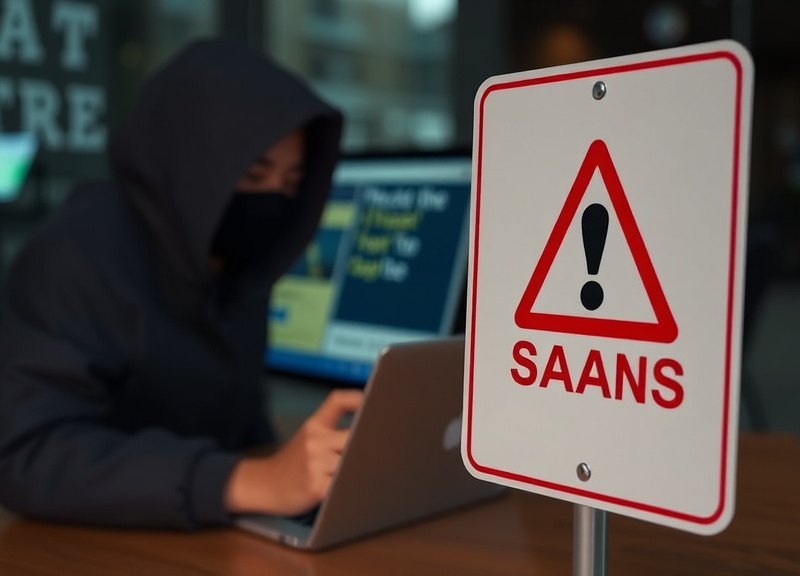
Spotting a scam early often prevents financial loss. Warning signs include requests for urgent action, offers too good to be true, poor grammar, unfamiliar payment methods like gift cards, or suspicious URLs. These cues signal you should verify authenticity before clicking links or providing details.
Even cautious internet users may let their guard down during stressful moments. Scammers exploit urgency and fear, so slow down, scrutinize message sources, and consult official channels if anything seems off.
How Do You Report Internet Scams: Step-by-Step Instructions
Collecting Evidence Before Reporting

Preserve all scam-related communications, including screenshots of emails, chat logs, payment confirmations, and any website addresses involved. This evidence supports your report and aids investigators in tracing the scam’s origin or target network.
Make sure to store these materials safely, especially if you plan to report to multiple agencies or dispute any unauthorized transactions with your bank. The more complete your documentation, the better your chances of a positive resolution.
- Screenshot suspicious messages
- Save email headers and attachments
- Record transaction/confirmation numbers
Filing Your Report Online

Visit the proper reporting agency’s website, such as the FBI’s IC3 or the Federal Trade Commission (FTC). Follow their form prompts, upload documentation, and clearly explain what happened. Most organizations offer confirmation emails and reference numbers for your case.
If the scam involved financial loss, contact your bank or card issuer immediately after submitting your complaint. Early reporting also increases the chance of freezing stolen funds or tracing digital evidence before it disappears.
- Locate the agency’s online report portal
- Provide contact and incident details
- Attach evidence where possible
- Retain any case number or follow-up instructions
Where to Report Online Scams: Agencies and Hotlines
Federal and National Agencies
In the United States, key reporting points include the FBI’s Internet Crime Complaint Center (IC3.gov), the Federal Trade Commission (FTC.gov/complaint), and the Cybersecurity & Infrastructure Security Agency (CISA). Each specializes in specific scam types and helps both individual and business victims.
For non-US readers, many countries have similar agencies. Use Europol’s E-Crime reporting hub in the EU, Action Fraud in the UK, or your national police cyber division.
- FBI IC3 for cybercrime and financial scams
- FTC for consumer fraud and identity theft
- CISA for critical infrastructure threats
- Local police for in-person fraud or emergencies
Specialized Reporting Platforms
Depending on the scam’s nature, look for platforms dedicated to specific threats. For example, the Anti-Phishing Working Group (APWG) collects phishing emails, while e-commerce fraud on sites like eBay or Amazon should be reported through platform-specific channels.
Reputable nonprofits such as the Better Business Bureau (BBB) or Internet Crime Reporting Foundation (ICRF) also gather reports to inform and warn others, adding additional protection to the public.
- APWG.org for phishing scams
- eBay/Amazon’s built-in reporting tools
- BBB’s Scam Tracker tool
Protecting Your Information During the Reporting Process
Safeguarding Personal and Financial Details
Only enter sensitive data on official, encrypted government or trusted organization websites when reporting a scam. Check for 'https://' in the URL, and never email your identity documents unless required and verified by trusted authorities.
If you’re unsure about a reporting platform’s legitimacy, look up the agency’s website independently—never follow links from suspicious messages. This avoids compounding the initial scam with further compromise.
- Verify website addresses before entering information
- Use secure Wi-Fi, not public hotspots
Avoiding Re-victimization
Scammers often target victims again, posing as investigators or agencies offering recovery assistance for an upfront fee. Legitimate authorities will never demand payment to process your report or guarantee fund recovery.
Be skeptical of follow-up emails from unknown senders claiming to resolve your case, especially if they request payment or more private details.
- Watch for 'recovery' scams post-report
- Never pay for report processing
Following Up: What Happens After Reporting?
Understanding Investigation Timelines
Agencies process thousands of reports daily, so don’t expect immediate responses. Complex cases involving international actors often require weeks or months for investigation. Keep your confirmation email and check for status updates or further requests from officials.
If the scam resulted in financial loss, follow up periodically with both the reporting agency and your bank to monitor progress and freeze further transactions if necessary.
Staying Alert After Reporting
After reporting, stay vigilant for suspicious contact referencing your report—scammers sometimes target recent victims. Avoid clicking on unfamiliar links or filling new forms unless you initiated the communication through an official agency channel.
Continue using strong passwords and security tools, like multi-factor authentication, to protect your accounts from secondary attacks.
Preventing Future Scams: Education and Best Practices
Building Scam Awareness
Stay updated on emerging scam tactics by regularly checking government alert bulletins and cybersecurity blogs. Many scams evolve quickly, adopting new social engineering strategies to bypass spam filters or exploit trending events.
Discuss internet safety openly with family members, particularly elderly relatives and teens, who are both frequent scam targets. Shared awareness reduces risk for everyone.
- Follow FTC and CISA scam alerts
- Join community cyber awareness workshops
To further understand what to look for in a scam email and how to avoid falling victim, see the FTC’s comprehensive guide on How to recognize and report phishing. How to recognize and report phishing.
Adopting Safe Internet Habits
Use unique, strong passwords for each account, enable multi-factor authentication, and keep software up to date. Avoid clicking unsolicited links and never provide private information via email or chat unless you are certain of the recipient's identity.
Implementing these habits is your first and strongest line of defense, minimizing the danger of future online scams.
- Update antivirus software regularly
- Enable account monitoring features
- Educate others in your household
Internet Scam Reporting Agency Comparison
Here's a comparison of major reporting options for internet scams, highlighting differences in focus, coverage, and reporting process.
| Agency/Platform | Geographic Scope | Types of Scams Handled | Reporting Method | Response Time |
|---|---|---|---|---|
| FBI IC3 | USA (International accepted) | Phishing, e-commerce, investment | Online form | Varies; weeks to months |
| FTC | USA | Consumer fraud, ID theft | Online form/phone | Few days to weeks |
| Action Fraud (UK) | UK | All internet scams | Online form/phone | Varies; weeks |
| Europol | EU-wide | Cross-border cybercrime | Online/contact local police | Varies; complex cases |
| APWG | Global | Phishing/email scams | Monitored, limited feedback |
Frequently Asked Questions
What is the best first step after being scammed online?
Immediately stop contact, secure your accounts, and gather all communication and transaction details. Then report the incident to your bank and the appropriate scam-reporting agency to maximize your chances of recovery and protection.
Can you report internet scams anonymously?
Most authorities allow reports without disclosing your identity, but providing contact details can improve follow-up. Some platforms, like the FBI IC3, permit partial anonymity while still processing your case.
What information do you need to report a scam?
You’ll need a description of the event, email addresses, website links, screenshots, financial transaction numbers, and any correspondence. Having concrete evidence increases the likelihood of effective action by authorities.
Is there a central global agency to report scams?
No single worldwide agency exists, but organizations like Europol, APWG, and Interpol can coordinate with national authorities. It’s best to report locally and to any relevant specialized bodies.
Will reporting a scam get my money back?
Reporting increases the chance of fund recovery, especially if acted upon quickly. However, refund success depends on scam type, your bank’s policies, and investigation speed. Not all cases end in recovered losses.
Key Takeaways
- Gather evidence and report scams promptly to proper authorities.
- Use official government and nonprofit platforms for scam reporting.
- Protect your identity when submitting reports and after contact.
- Ongoing education and safe practices help prevent future scams.
Conclusion
Dealing with the aftermath of an internet scam can feel overwhelming, but knowing exactly how do you report internet scams gives you crucial control in a difficult situation. The process begins with careful documentation, selecting the right authorities, and ensuring your personal security at every step. Each action you take strengthens the wider defense against online fraud and helps protect both yourself and your community from repeating mistakes or suffering additional loss.
For most users, reporting first to the FBI IC3 or FTC can jumpstart a domestic investigation, while those in other regions should contact agencies like Action Fraud or Europol. If your scam is platform-specific—such as eBay or Amazon—use their internal reporting tools. Specialized nonprofits, like the APWG, help track phishing trends globally, making them a worthwhile additional point of contact. Adjust your reporting method based on both your location and the scam category for the best results.
Staying vigilant for future threats is equally important. Educate friends and family, monitor your accounts, and embrace new cybersecurity habits. Bookmark agency portals, join scam-alert lists, and keep a step ahead of evolving schemes. Taking these proactive steps means you’re not just a survivor—you’re an empowered participant in the digital community’s joint fight against internet crime.





4 Comments