What Is IR Light Used For? Exploring Infrared Light Applications
IR light, or infrared light, is used primarily for communication, sensing, and imaging due to its ability to transmit signals through various mediums and detect heat signatures. It plays a vital role in technologies like remote controls, night vision equipment, and thermal cameras.
Beyond everyday devices, IR light is essential in scientific research, medical diagnostics, and industrial inspections, providing non-invasive methods to see what the naked eye cannot. Its wavelength, longer than visible light, allows penetration through fog, smoke, and clothing, making it invaluable in many fields.
This article covers the diverse uses of IR light, from consumer electronics and security systems to healthcare and environmental monitoring. Understanding these applications highlights why infrared remains a cornerstone in modern technology and innovation.
IR Light in Consumer Electronics
Remote Controls and Wireless Communication
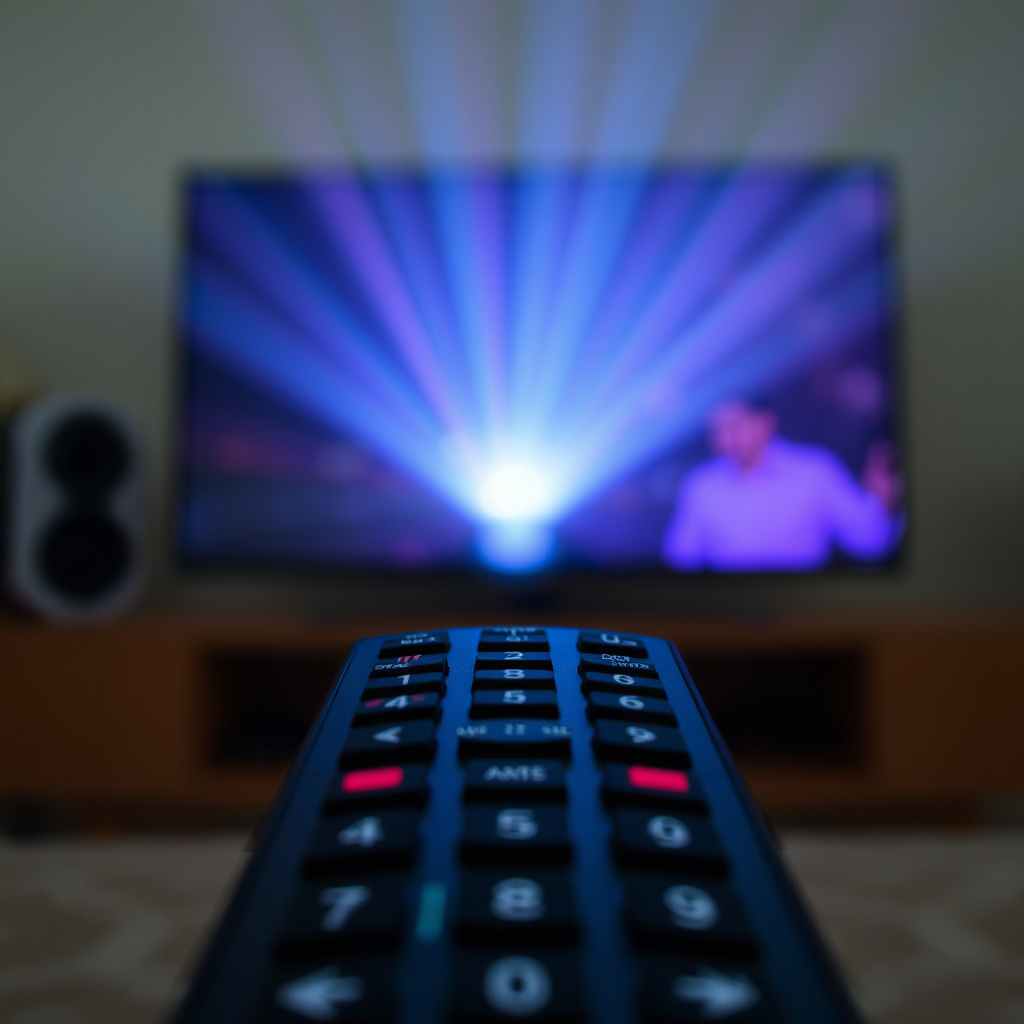
IR light is widely used in remote controls for TVs, air conditioners, and other household appliances. The device sends coded infrared signals to receivers embedded in the electronics, allowing for wireless control without interference from visible light.
This simple yet effective communication method is preferred because IR light is invisible to the human eye and has a straight-line propagation, reducing accidental activation of nearby devices.
- Uses invisible wavelength to prevent interference
- Line-of-sight communication
- Low energy consumption
Infrared Sensors in Smartphones and Gadgets
Modern smartphones incorporate IR sensors for facial recognition and proximity detection. These sensors emit infrared beams and capture their reflections to measure distances or detect user presence, enhancing device security and power management.
Additionally, IR light enables communication between devices in some wireless file transfer protocols, offering a fast and secure data exchange alternative.
Medical and Health Applications of IR Light
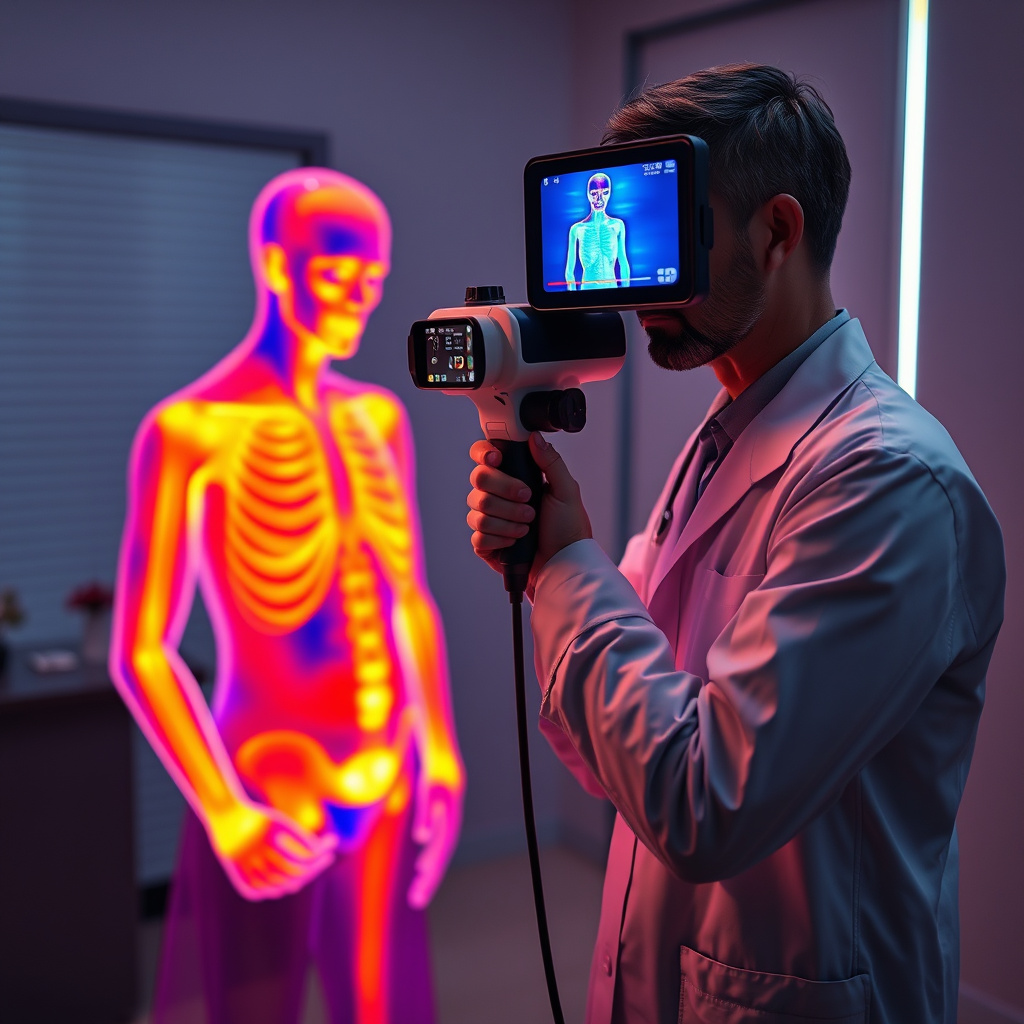
Thermal Imaging and Fever Detection
Infrared light plays a critical role in thermal imaging used for medical diagnostics. By detecting IR radiation emitted by the body, thermal cameras create heat maps to identify inflammation, circulation problems, or fever without physical contact.
This technology gained prominence during pandemics, enabling fast screening of large populations to detect elevated body temperatures efficiently and safely.
Infrared Therapy in Pain Management
IR light therapy uses infrared radiation to promote blood circulation and reduce muscle pain by penetrating the skin at specific wavelengths. This non-invasive treatment is popular for chronic pain relief and rehabilitation.
Devices such as handheld IR lamps or wearable patches provide localized heat that stimulates cellular repair and eases discomfort.
Industrial and Scientific Uses of IR Light
Infrared Spectroscopy for Material Analysis
Infrared spectroscopy leverages IR light to identify chemical compounds based on molecular vibrations. This technique is fundamental in laboratories for quality control, pharmaceutical development, and environmental testing.
By analyzing the absorption of IR waves at distinct wavelengths, scientists can quantify material composition quickly and accurately.
For more on this, see our related guide: What Is an IR Illuminator and How It Enhances Night Vision.
Non-Destructive Testing and Preventive Maintenance
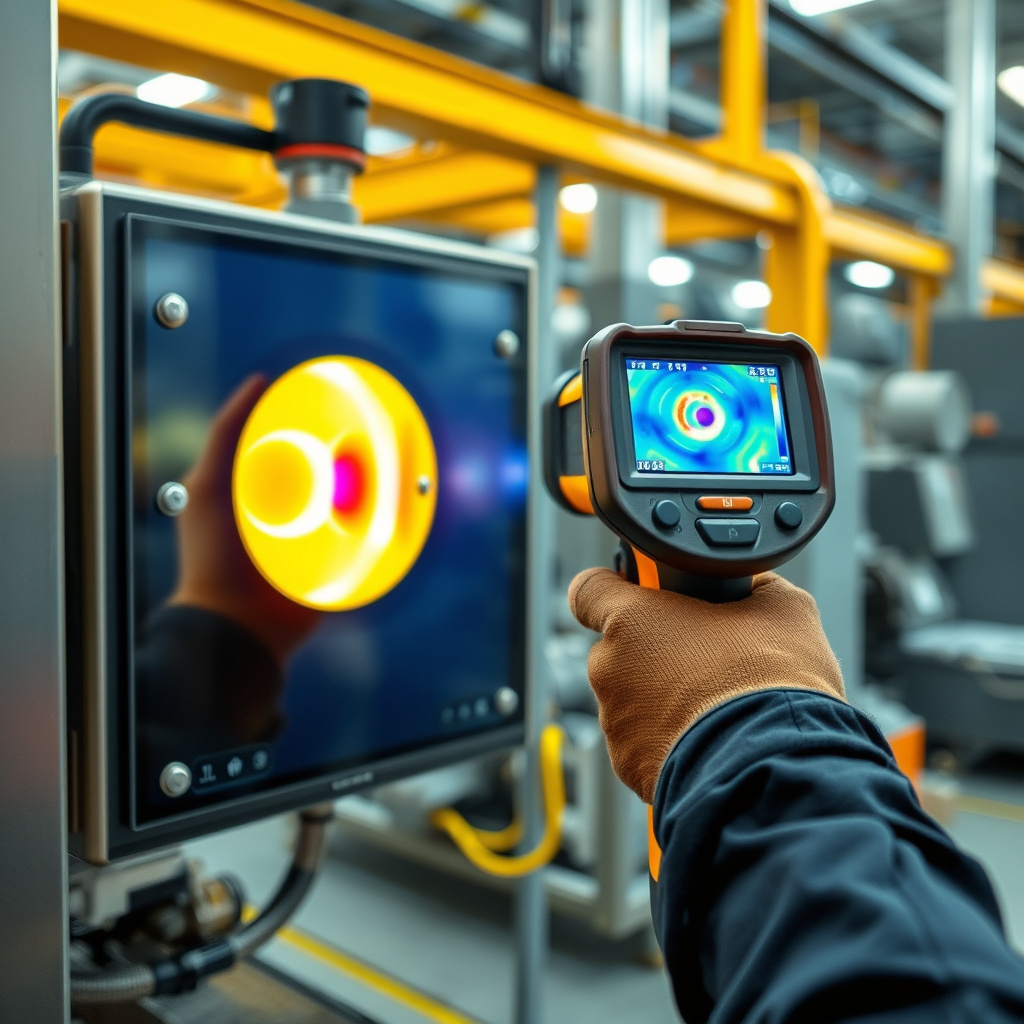
Industries use IR thermal cameras to detect equipment overheating, electrical faults, and structural defects without dismantling machinery. This predictive maintenance approach reduces downtime and prevents accidents.
IR inspections help monitor temperature anomalies invisible to the naked eye, ensuring operational safety and efficiency.
Security and Night Vision with IR Light
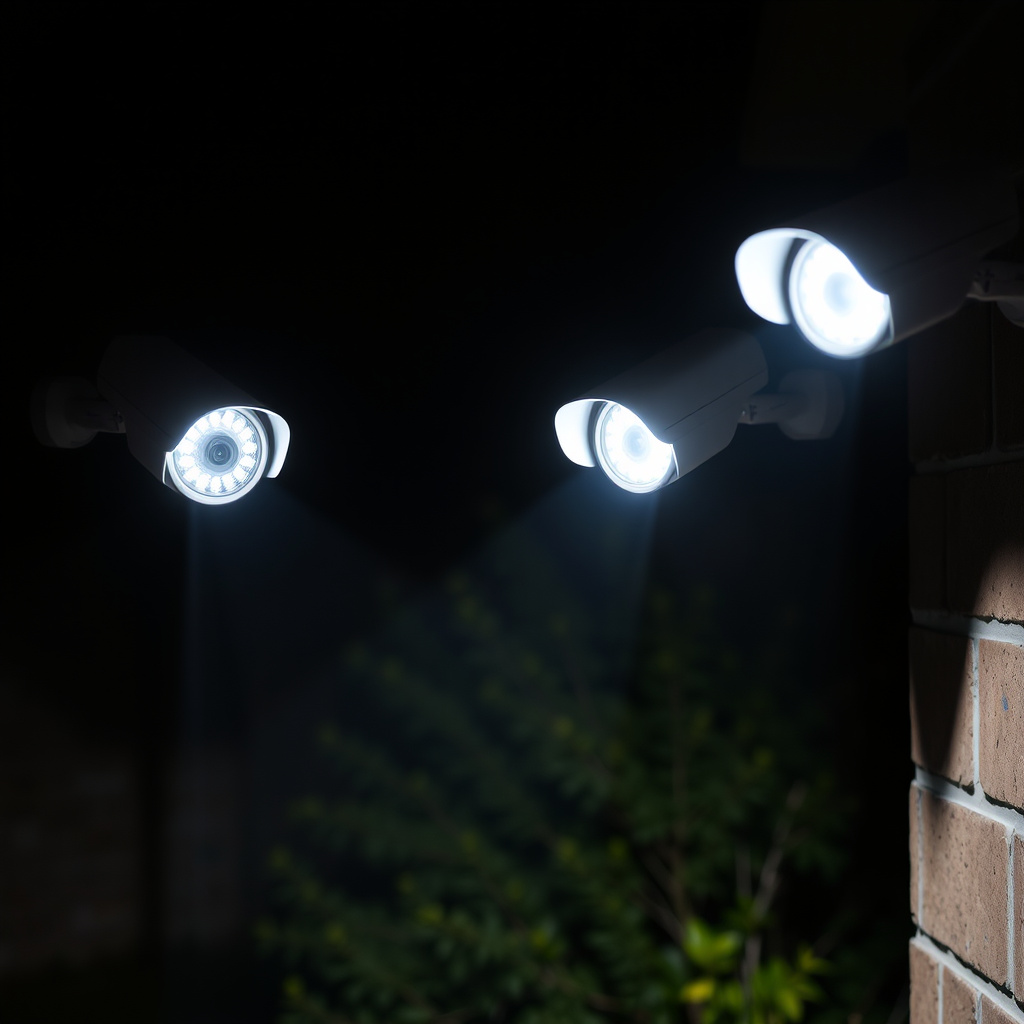
Surveillance Cameras with Infrared Illumination
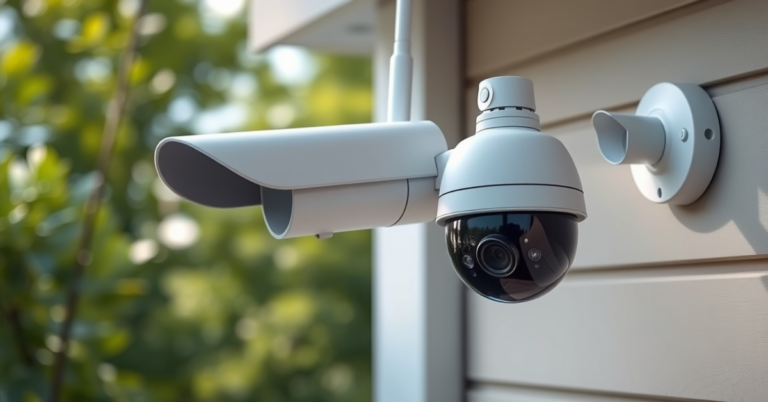
Infrared LEDs attached to security cameras enable capturing clear images in low-light or complete darkness by illuminating scenes with invisible IR light. This allows continuous surveillance regardless of lighting conditions.
The cameras convert reflected infrared radiation into visible images for monitoring areas such as banks, homes, and public spaces during nighttime.
Military and Wildlife Night Vision Devices
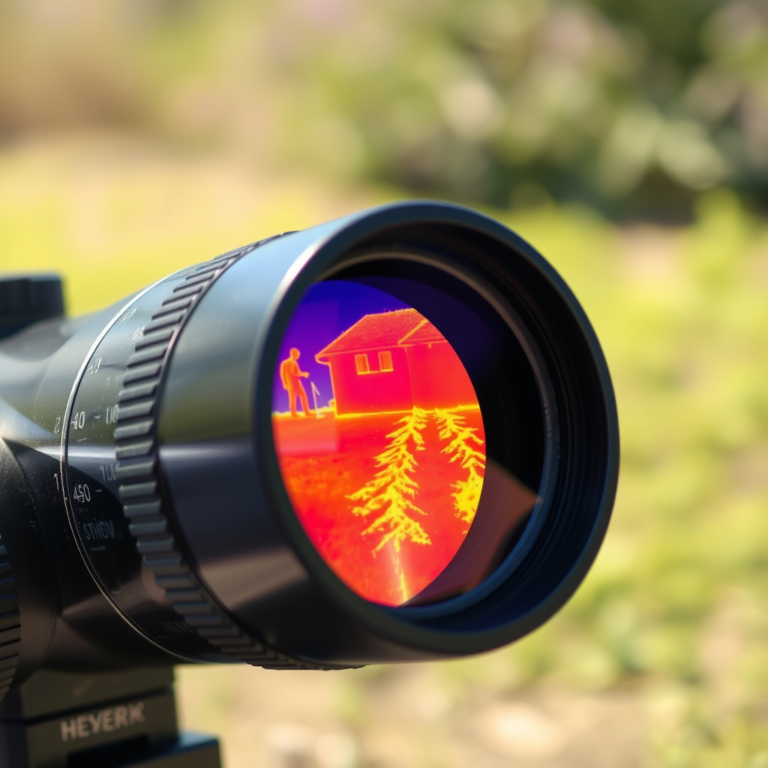
Night vision goggles and scopes use IR light to detect heat signatures from humans, animals, or vehicles, providing strategic advantage in low-visibility environments.
These devices amplify ambient infrared radiation or emit IR light to reveal objects that would otherwise remain hidden in darkness or fog.
Environmental Monitoring and Remote Sensing
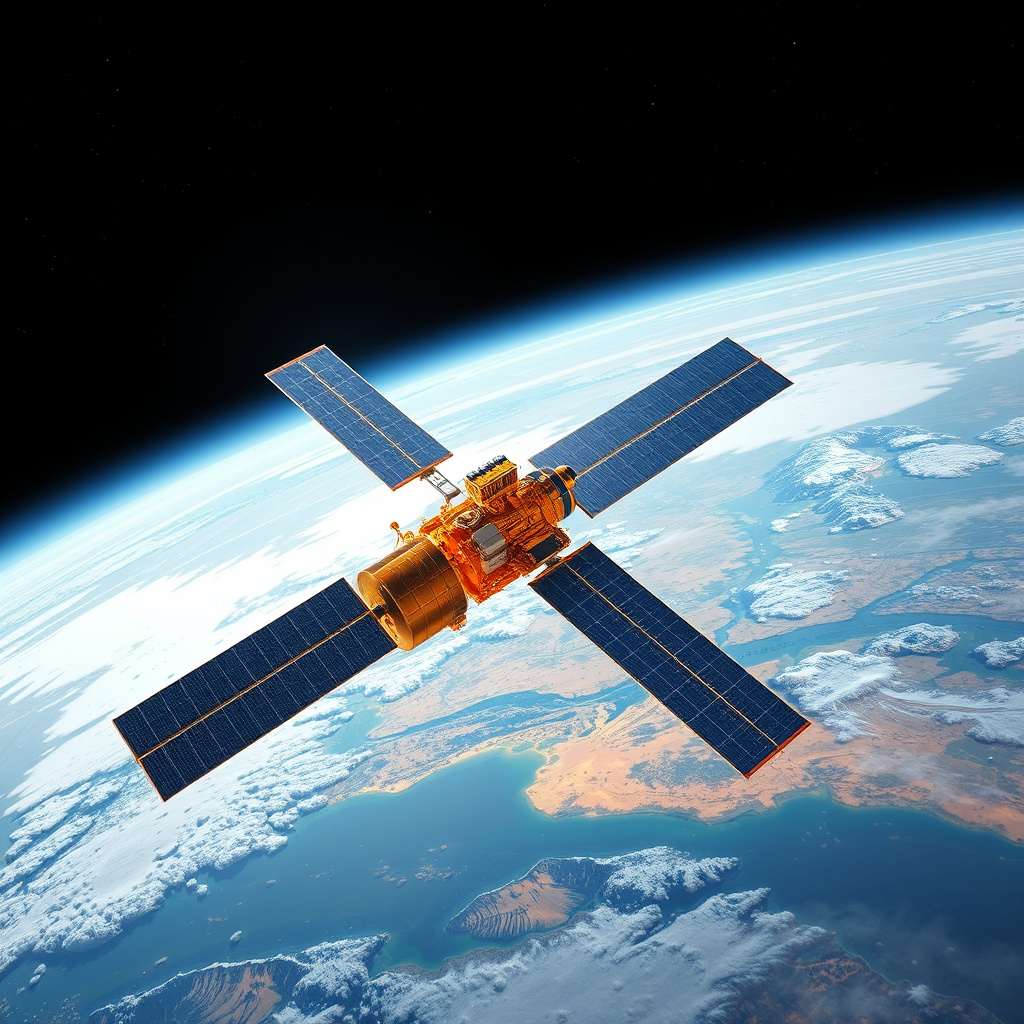
Satellite Remote Sensing of Earth's Surface
Satellites equipped with infrared sensors monitor Earth's vegetation health, water bodies, and temperature changes by detecting IR emissions. This data assists in climate research, agriculture, and natural disaster response.
IR light reveals patterns invisible in visible spectra, such as plant stress or thermal pollution, aiding environmental decision-making.
For more on this, see our related guide: What Are Nods in the Military? Understanding Their Meaning and Use.
Infrared Gas Detection and Pollution Control
Infrared light detectors identify gases like methane and carbon dioxide based on their absorption properties, allowing real-time monitoring of industrial emissions and air quality.
This technology supports regulatory compliance and environmental protection by detecting harmful pollutants efficiently.
IR Light in Automotive and Transportation
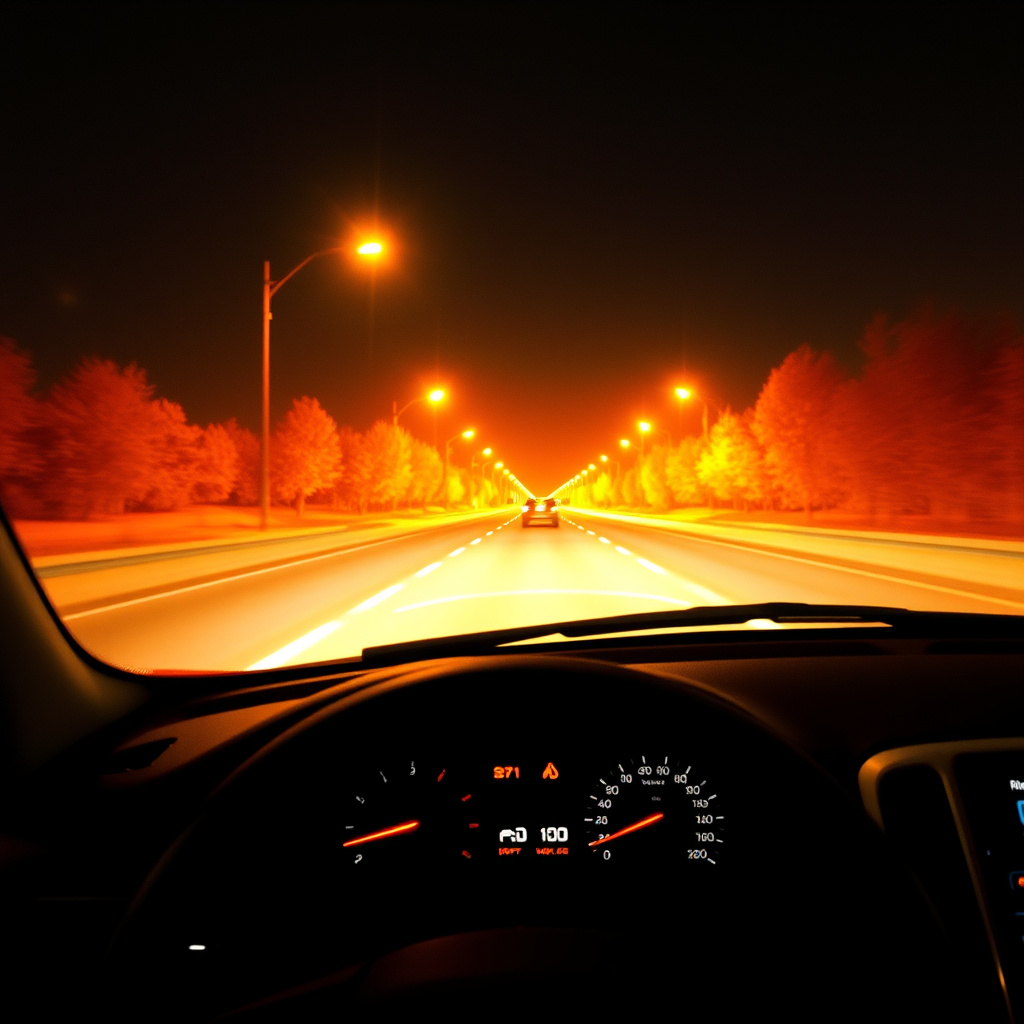
Automotive Night Vision Systems
Infrared sensors in vehicles enhance driver safety by detecting pedestrians, animals, and obstacles beyond the reach of headlights at night. These systems project thermal images onto dashboards or windshields.
By highlighting heat signatures, IR light reduces accidents caused by poor visibility during nighttime or adverse weather.
For a detailed scientific background, consult the Infrared radiation overview on Wikipedia. Infrared radiation overview on Wikipedia.
Traffic Monitoring and Vehicle Communications
Infrared signals support vehicle-to-vehicle and vehicle-to-infrastructure communication, facilitating traffic management and collision avoidance.
Infrared sensors also monitor traffic flow and detect violations without physical road markings, improving urban mobility.
Infrared Light Application Categories Comparison
This comparison table outlines key characteristics of various IR light applications across different categories for a clearer understanding.
| Application Category | Primary Function | Typical Wavelength Range (μm) | Common Devices | Key Advantages |
|---|---|---|---|---|
| Consumer Electronics | Wireless communication and sensing | 0.7 – 1.5 | Remote controls, smartphones | Cost-effective, low energy |
| Medical | Diagnostics and therapy | 3 – 14 | Thermal cameras, IR lamps | Non-invasive, real-time imaging |
| Industrial | Material testing and maintenance | 1 – 15 | Spectrometers, thermal scanners | Accurate analysis, reduces downtime |
| Security | Surveillance and night vision | 0.7 – 1.0 | Infrared cameras, night vision goggles | Enhanced visibility in darkness |
| Environmental Monitoring | Remote sensing and pollution detection | 8 – 14 | Satellites, gas detectors | Large-area coverage, real-time data |
| Automotive | Safety and communication | 0.7 – 1.5 | Night vision systems, IR communicators | Improved safety, traffic management |
Frequently Asked Questions
Can IR light be seen by the human eye?
No, IR light has longer wavelengths than visible light, so it is invisible to the human eye but can be detected by electronic sensors and cameras.
Is infrared light safe for human exposure?
Generally, IR light is safe at the levels used in consumer and medical devices, but intense or prolonged exposure to high-power infrared sources may cause heat-related injuries.
How does IR light help in night vision technology?
IR light illuminates objects invisibly in the dark, and night vision devices detect the reflected infrared radiation or thermal emissions to create visible images.
Why is IR light preferred for remote controls over radio waves?
IR light operates in line-of-sight and avoids radio frequency interference, making remote control signals more directional and less prone to cross-device interference.
What distinguishes near-infrared from far-infrared light uses?
Near-infrared (shorter wavelengths) is commonly used in communication and sensing, while far-infrared (longer wavelengths) is mostly applied in thermal imaging and heating applications.
Key Takeaways
- IR light enables wireless communication and sensing in consumer electronics.
- Medical applications use IR for non-invasive diagnostics and pain relief.
- Industrial IR technologies support maintenance and material analysis.
- Security devices rely on IR light for effective night vision.
Conclusion
Choosing how to utilize IR light depends heavily on the intended application, ranging from simple remote controls to sophisticated medical diagnostics. Recognizing IR light’s unique properties, such as invisibility and ability to detect heat, allows industries to tailor technologies that improve safety, communication, and data collection. Evaluating factors like wavelength range, penetration ability, and device compatibility will guide users toward effective solutions with infrared light.
For home use, IR light in remote controls and smartphone sensors offers convenience and security. Medical applications benefit from thermal cameras and IR therapy devices to non-invasively assess conditions and alleviate pain. Industrial sectors leverage IR spectroscopy and thermal imaging to maintain equipment and ensure quality control. Meanwhile, security and automotive fields incorporate IR for enhanced night vision and traffic management.
Understanding the various infrared light applications can help individuals and organizations pick appropriate devices and techniques. Whether you seek a better remote experience, improved health diagnostics, or enhanced operational safety, exploring infrared technologies is a practical next step. Experimenting with IR-enabled devices suited to your needs will unlock new advantages in everyday life and professional fields.