
How Can I Find an Inmate in Jail: The Complete Search Guide
If you need to locate someone currently incarcerated, the fastest way is to use official jail and prison websites or verified online inmate locator tools. Most correctional facilities provide searchable databases where you can enter a name or inmate ID number to check current custody status and location. For county jails, check the local sheriff or jail’s website, while state and federal inmates can be found on broader government sites.
Finding an inmate quickly can be crucial for contacting loved ones, legal representation, or for your own peace of mind. Each correctional system maintains unique records, often updating them daily, but formats and accessibility vary widely. Knowing where to look and which search tools to trust greatly improves the accuracy and speed of your search.
This article explains the most effective ways to find an inmate in jail. We’ll outline the differences between county, state, and federal search options, review the best online inmate locator tools, show what data you’ll need to search successfully, and answer the most common questions about inmate searches.
Understanding Inmate Records and Jail Systems
Types of Correctional Facilities

Correctional facilities include county jails, state prisons, and federal penitentiaries, each maintaining their own inmate records. County jails typically house pretrial detainees or those serving short sentences, state prisons handle longer-term sentences, and federal prisons are for those convicted of federal crimes.
Knowing the right category narrows your search and points you to specific databases. For example, if someone was arrested for a federal offense, checking the Federal Bureau of Prisons locator is essential.
- County jail: local sheriff websites
- State prison: state corrections departments
- Federal prison: Bureau of Prisons
How Inmate Records Are Managed
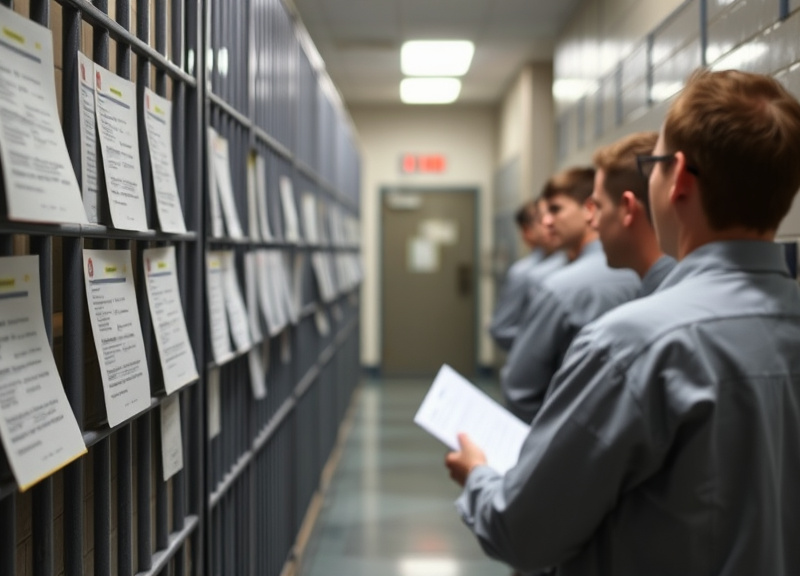
Inmate records include full name, booking dates, charges, mugshots, and current facility. Jail staff update these records as inmates are transferred or released. Some states also provide release dates and visitor eligibility details.
Public access policies vary: some locations post extensive records online, while others might require proof of relationship or a formal request. Navigating these differences is key to efficient inmate searches.
How Can I Find an Inmate in Jail Using Official Online Databases
State and Federal Inmate Search Tools
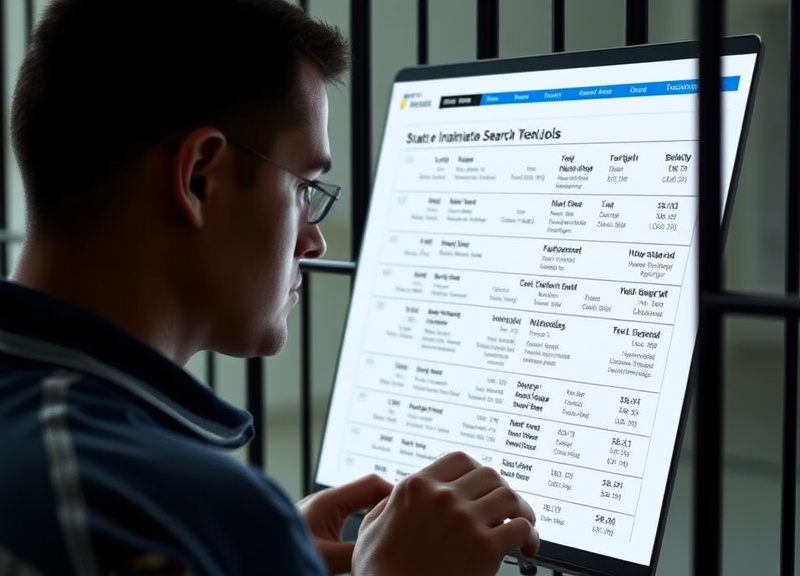
Most state Departments of Corrections offer online search engines for current inmates. You’ll need at least the full legal name, but an inmate identification number speeds up the process. The Federal Bureau of Prisons also provides an online searchable database covering all federal facilities.
Double-check spelling when searching, as misspelling names can yield no results. If you’re unsure of spellings, some systems allow partial name searches.
County Jail Search Procedures

Smaller county jails often have their own online lookup tools, usually on the sheriff’s office website. You can typically enter the suspect’s full name or booking date, though availability of information varies by jurisdiction.
For counties lacking a public database, calling the jail's administrative office is the best next step. Staff can verify custody status and may provide location and visitation guidelines.
Using Online Inmate Locator Tools: Pros and Cons
Reliable Locator Websites
Several nonprofit and commercial platforms aggregate public inmate data, providing broader search results. Examples include VINELink, which covers many states, and state-run portals. Always check that the tool sources data directly from official corrections agencies.
These tools enhance convenience, especially for multi-state searches, but never replace official records for urgent or legal matters.
- VINELink: notification services
- State-run locator portals
- County inmate lookup sites
For more on this, see our related guide: How Do I Know If Someone Is in Prison? A Step-By-Step Guide for Searching Public Records.
Risks of Third-Party Search Tools
Not all third-party inmate search websites are legitimate. Some may charge fees for otherwise free information, while others could collect personal data for marketing. Avoid sites lacking direct correctional system references or transparent privacy policies.
If in doubt, use only government or high-profile nonprofit sites such as the previously mentioned online inmate locator tools.
Information Needed to Find an Inmate Efficiently
Essential Data for a Successful Search
To maximize your chances, gather the inmate’s full name, date of birth, and, if available, booking number or inmate ID. These details let databases match the correct person, especially when common names are involved.
Facilities may also require knowledge of where the arrest occurred to narrow the search. Without these details, searches may return too many results or none at all.
- Full legal name
- Date of birth
- Facility or arrest location
- Booking or inmate number
Troubleshooting Common Issues
If your search yields no result, double-check spelling, try alternate spellings or nicknames, and confirm the exact jurisdiction. Jail databases sometimes have delayed updates, especially on weekends or holidays.
If recent arrests don’t appear online, contact the facility by phone. Some jails restrict postings for privacy, especially involving juveniles or ongoing investigations.
Privacy and Legal Considerations in Inmate Searches
Limits on Public Information
Privacy laws restrict certain inmate data from public view. For example, details about juveniles, witnesses, or victims are often withheld. States differ in how much they disclose, with some only sharing basic status and location.
Respect for privacy not only protects inmates but also ensures compliance with local and federal regulations. Always use obtained information ethically.
When to Seek Legal Help
If you're unable to find someone or suspect errors in records, consulting a criminal defense attorney may be wise. Lawyers can access non-public databases or request corrections through official channels.
Legal assistance is particularly valuable when timely contact is needed for bail, court hearings, or urgent family matters.
- Consult when denied access
- Get help correcting mistakes
- Clarify visitation or release procedures
Contacting and Visiting an Inmate After Locating Them
Next Steps After a Successful Inmate Search
Once you find the inmate, determine visitation hours, communication rules, and approved contact lists. Jails typically require scheduling visits in advance, sometimes online.
Each jail has its specific procedures—check the jail’s website or call the facility for the most up-to-date rules concerning phone calls, mail, and visitations.
- Check visiting hours
- Review approved visitor lists
- Understand mail and call policies
The Federal Bureau of Prisons maintains a comprehensive inmate locator for all federal facilities, which is a prime starting point for federal cases. Federal Bureau of Prisons Inmate Locator.
Communicating Safely and Legally
All jail communications are monitored. Avoid discussing case details, prohibited items, or making statements that could jeopardize the inmate’s safety or legal standing. Follow all posted rules strictly.
If unsure what’s allowed, ask correctional staff for clarification before sending letters or making phone calls.
Inmate Search Methods Comparison
Here we compare the most common inmate search methods, highlighting their accessibility, reliability, speed, and recommended use cases.
| Method | Accessibility | Reliability | Speed | Best For |
|---|---|---|---|---|
| State DOC Websites | Online, free | High | Immediate | State prison inmates |
| County Jail Sites | Online/phone, free | Varies by county | Immediate to 1 day | Local jail detainees |
| Federal BOP Locator | Online, free | High | Immediate | Federal cases |
| VINELink | Online, free | Moderate to high | Within 24 hours | Victim notification, multi-state search |
| Third-Party Sites | Online, may charge | Low to moderate | Varies | Supplemental, non-urgent searches |
Frequently Asked Questions
How up-to-date is online inmate information?
Most jail and prison databases update their records at least daily, though some updates may lag due to weekends or processing delays. For the most recent status, call the facility directly.
Can I find information on recently arrested individuals?
In most cases, recent bookings appear in county jail databases within 24 hours. If someone was just arrested, their information may not be posted yet, so check back periodically or contact the jail.
What if I only know a nickname or partial name?
Some search engines accept partial names or aliases, but accuracy improves with full legal names. If that fails, call the facility with any additional details you may know to aid in identification.
Are there privacy restrictions on inmate records?
Yes. Laws protect sensitive information, especially for juveniles or ongoing investigations. Public databases may exclude certain details. Always use official databases and respect confidentiality rules.
Can I send mail or visit immediately after finding an inmate?
Not always. Most facilities require you to follow specific processes, such as scheduling visits or getting listed as an approved contact, before you can call, visit, or send mail to an inmate.
Key Takeaways
- Use official jail and prison websites or trusted online inmate locator tools.
- Have accurate information: full name, date of birth, and location help narrow searches.
- Beware of unofficial third-party websites charging unnecessary fees.
- Check jail communication and visitation policies after finding an inmate.
Conclusion
Successfully learning how can I find an inmate in jail depends on knowing which correctional system to search, using official online tools, and gathering accurate personal information beforehand. Start with state or county websites for local searches, and federal databases for nationwide cases. Being patient and methodical yields reliable results, even if privacy laws or posting delays present challenges.
For example, use the Federal Bureau of Prisons website for federal offenders, your local sheriff’s office site for recent county arrests, or services like VINELink if you’re unsure of the state. Online inmate locator tools become especially helpful when searching across multiple jurisdictions, but always double-check data through original government sources.
If you hit a roadblock, contact the correctional facility directly or consult a legal expert for guidance. After successfully locating someone, verify the appropriate visitation and communication policies so your follow-up steps support rather than hinder the process. Approach the matter with empathy and diligence every step of the way.