What Is a Bone Saw Look Like: Visual Guide and Selection Tips
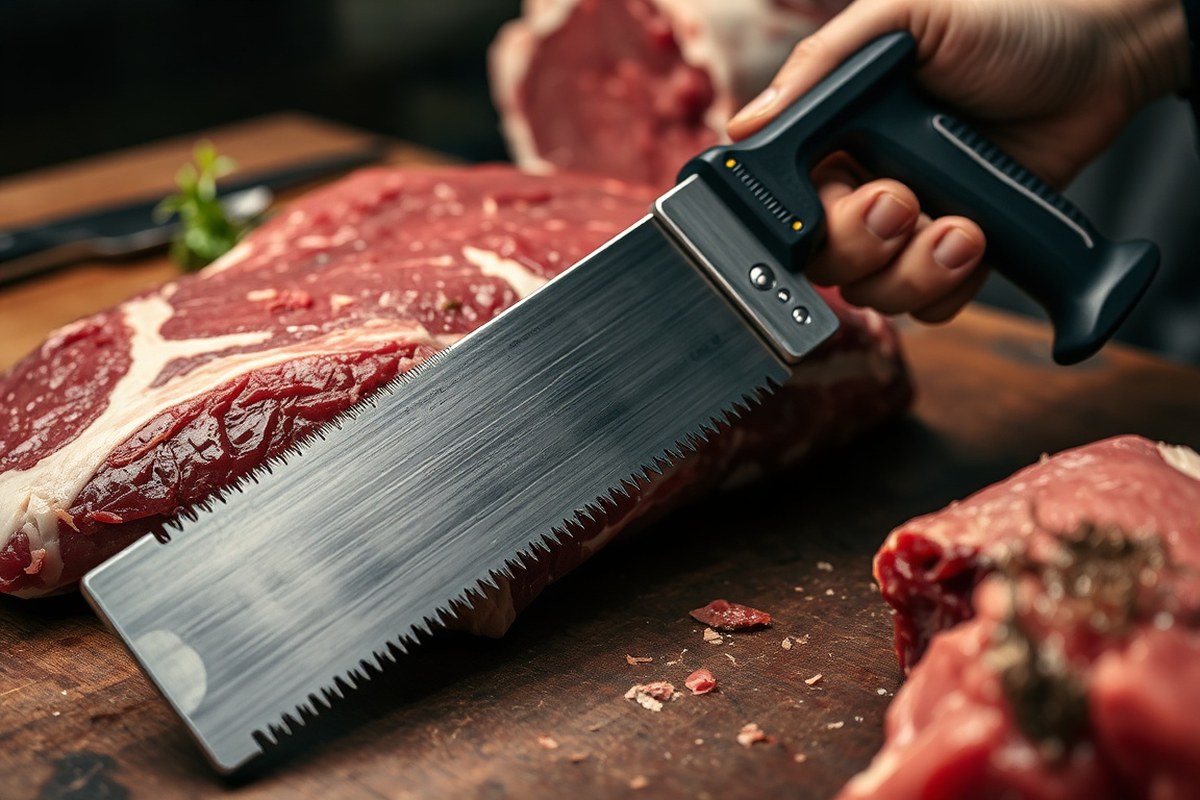
A bone saw looks like a sturdy cutting tool with a long, narrow blade designed specifically to cut through dense bone. These saws usually have a straight or slightly curved blade with sharp, aggressive teeth, and a handle built for a firm grip. They are commonly seen in settings like medical surgery, butcher shops, and hunting activities where precise bone cutting is required. This visual guide will help you identify the main features of bone saws and understand how their design matches their function.
Anyone involved in butchery, hunting, veterinary medicine, or surgical procedures can benefit from recognizing the different types of bone saws and their components. You will learn to distinguish saw types by blade shape and handle design, spot visual safety features, and know the signs of wear or damage to watch for when selecting or maintaining a bone saw.
Key Takeaways
- Bone saw blades range from 9 to 22 inches, with longer blades allowing more use for cutting dense bones.
- Sternal saws use a reciprocating motion, vibrating the blade back and forth for precise cuts through the sternum.
- Blade teeth size and spacing directly affect cutting speed and smoothness; coarse teeth remove bone faster but less cleanly.
- Common handle designs include pistol grips for control and straight handles for two-handed use in heavier-duty sawing.
- Visual safety features include blade guards and ergonomic handles designed to reduce hand fatigue and slippage.
- Look for clean, sharp teeth and a straight blade edge as signs of a well-maintained, effective bone saw.
What Does a Bone Saw Look Like? Main Components Explained

Bone saws typically feature a sharp, narrow blade designed to cut through bone efficiently while minimizing damage to surrounding tissue. The blade length commonly ranges from about 5 inches (130 mm) for compact models up to 12 to 22 inches for larger, professional-grade saws used in butchery or surgical procedures. Medical bone saws often have blades around 9 to 12 inches long with fine-toothed edges for precise cuts, while hunting and butchery saws can have coarser teeth for faster cutting through dense material.
The blade is usually made from stainless steel or high-carbon steel, which provides strength, corrosion resistance, and sharpness retention. These materials are essential because bone saws must withstand repeated pressure and moisture without dulling quickly. In electric or oscillating bone saws, the blade may be thinner and designed to move rapidly back and forth or rotate, allowing for clean, controlled cuts with minimal effort.
Handles vary significantly depending on use and design. Many bone saws sport ergonomically shaped handles made from materials like plastic, rubber, or composite blends to provide a secure grip even when wet. Some hunting or butchery models feature T-shaped or pistol-grip-style handles for better use and control during sawing. Medical bone saw handles often prioritize comfort and hygiene, with materials that are easy to sterilize and designed for precision rather than brute force.
Fixed-blade bone saws tend to be longer and heavier but offer greater durability and stability. These are typically used for serious meat processing or detailed surgical work where steady, precise cuts are essential. Folding bone saws, often seen in minimalist hunting kits, are shorter and lighter, with blades that fold into the handle for portability, though they sacrifice some sturdiness.
The main components of a bone saw, therefore, include a rigid, sharp blade designed to match the task, be it manual or powered cutting, a comfortable, often ergonomically shaped handle to ensure a safe grip, and a connecting frame or mount that secures the blade firmly. In electric models, additional parts include a motor housing, switches, and safety guards to protect the user and surrounding tissue.
Choosing the right bone saw depends on matching these visual and physical features to your specific needs. For example, butcher saws will prioritize blade length and tooth coarseness for rapid processing, while surgical bone saws focus on blade sharpness, length for reach, and handle design for controlled precision. Materials like stainless steel and composite handles are standard because they balance durability, hygiene, and user comfort.
Different Types of Bone Saws and How They Visually Differ

Bone saws vary significantly in appearance depending on their type and intended use. Manual butcher saws typically have a fixed, elongated blade with a sturdy handle for slicing through thick bones. Folding saws are smaller, portable, and designed for easy transport with blades that fold into the handle. Powered and surgical saws feature mechanisms to automate cutting, with surgical saws often appearing compact and precise compared to the more rugged powered saws used in butchery and hunting.
Manual Butcher Bone Saws
Manual butcher bone saws usually have a long, straight blade with coarse teeth fixed firmly to a solid handle. The blade length ranges from about 16 to 22 inches, made of stainless steel for durability. Handles are often thick and contoured to provide a strong grip, helping you make controlled cuts through dense bones. These saws rely entirely on your arm strength and smooth back-and-forth motion to cut, so the design focuses on comfort and use.
Visually, these saws look heavy and substantial, with a rigid frame and no moving parts. The Weston 47-1601 is a good example, featuring a 16-inch stainless steel blade and a broad handle suitable for butchering. Such designs are effective for large game but can be tiring for extended use. Their strong, no-nonsense appearance signals their durability and straightforward function.
Folding and Compact Bone Saws
Folding and compact bone saws are designed to be portable and convenient for hunters and outdoor enthusiasts. They usually have shorter blades, often between 6 and 10 inches, which fold neatly into the handle to protect the teeth and reduce bulk. The handles are typically lightweight and ergonomically shaped to fit in your hand comfortably during quick but precise cuts.
This group includes items like the Gerber Gear Important Pack Compact Saw and the HME Hunting Compact Fixed Stainless Steel Bone Saw, which balance blade size with portability. Their folding design distinguishes them from traditional manual saws in appearance. When folded, they look like strong knives or multitools, and unfolding them exposes blades with sharp, pointed teeth intended for effective bone cutting on hunts.
Powered and Surgical Bone Saws
Powered bone saws include reciprocating and rotary models. Reciprocating saws like the NS-3031 Surgical Reciprocating Saw use a back-and-forth blade motion for precise, controlled cuts, favored in delicate surgical procedures. These have compact, lightweight bodies with an ergonomic grip, often resembling a handheld power tool but smaller and quieter. The blade is narrow and short, designed not to damage surrounding tissue.
In contrast, powered saws used in butchery or hunting tend to look more rugged and larger, with visible motors and a sturdy grip designed to handle dense bones. Surgical saws have smooth plastic or metal casings for sterilization, while butchery powered saws may expose more mechanical components. The distinctive visual cue for these saws is the presence of a trigger or power switch and often a cord or battery pack for operation. The table below summarizes these visual differences associated with each bone saw type:
| Type | Blade Length | Handle Features | Portability | Visual Characteristics |
|---|---|---|---|---|
| Manual Butcher | 16-22 inches | Thick, contoured, solid grip | Low (fixed blade) | Long rigid blade, heavy-duty |
| Folding/Compact | 6-10 inches | Lightweight, ergonomic, foldable | High (folding blade) | Compact with folding mechanism |
| Powered (Butcher/Hunting) | Varies, often 6-12 inches | Sturdy with power control | Medium (requires power source) | Visible motor, power switch |
| Surgical Reciprocating | Short, narrow blade | Ergonomic, sterilizable casing | High (portable and lightweight) | Compact, smooth casing, trigger |
Understanding these visual cues helps you pick the right tool quickly, especially in hunting or surgical environments where choosing the wrong saw can slow your work or cause injury. For example, folding saws shine in outdoor use due to their portability but won’t replace the power of a manual butcher saw for heavy cuts. Surgical saws provide precision but aren’t suited for field butchering.
Tip: Never use a folding saw for heavy butchery tasks; its compact blade and folding design limit cutting power and can be unsafe under high stress.
How Blade Design Affects the Look and Function of Bone Saws
The blade design of a bone saw significantly influences both its appearance and cutting performance. Elements like blade length, tooth shape, serration, and thickness determine how efficiently the saw slices through bone, affecting the ease of use and the precision of the cut.
Blade Length and Its Impact on Appearance and Use
Blade length varies greatly across bone saw models, typically ranging from about 6 inches to over 12 inches for handheld saws. Longer blades allow for cutting larger or thicker bones more quickly, making them common in butchering and hunting contexts where speed and clearance matter. Shorter blades offer greater control and precision, preferred in surgical settings where delicate bone work occurs.
Visually, longer blades present a straighter, more elongated profile, while shorter blades may appear stubbier and more compact. Consider how blade length fits your task: a 10-inch blade suits general-purpose bone cutting, but a 6-inch blade is better for precise cuts, such as in cranial surgery using flexible wire saws like the Gigli saw.
Tooth Shape and Serration Types
Tooth shape ranges from coarse, deeply serrated designs to fine, closely spaced teeth. Bone saw teeth are harder and finer than those on wood saws to prevent clogging with fat and marrow. For example, blades with cross-cut teeth resemble those used in woodworking but are refined for cutting through bone efficiently.
Handsaws for butchers often feature aggressive, sharp serrations that quickly break through dense material, visible as large, pointed teeth along the blade edge. Surgical saws may have smaller, uniform teeth designed for smooth, controlled cuts without splintering bone. Inspecting blade teeth closely shows the tooth pitch, the distance between teeth, which correlates with cutting speed and smoothness. Finer teeth suit delicate work, while coarse serrations handle tougher cuts.
Blade Thickness and Its Effect on Durability and Cutting
Bone saw blades can be as thin as 0.006 inches, particularly in circular rotary saw blades. Thin blades provide cleaner, more precise cuts with less bone loss. Thicker blades increase durability but sacrifice some cutting finesse and add weight. For example, rotary saw blades with about 0.006″ thickness and around 300 teeth on a 3-inch diameter offer precision in surgical or autopsy use.
Visually, you can spot thicker blades by looking for a more strong and rigid edge, often necessary when cutting frozen meat or very dense bone. In contrast, thinner blades look more delicate, sometimes almost flexible in wire-based designs like the Gigli saw, which relies on tension rather than blade thickness for cutting strength.
Material and Finish Variations Influencing Visual Characteristics
Bone saw blades commonly use high-carbon steel variants like SK-5 steel or stainless steel, each impacting appearance and performance. SK-5 steel blades offer a darker, matte finish and strong durability, ideal for rugged butchering tools. Stainless steel blades usually have a polished, silvery look, resisting rust and favored in sterile surgical environments.
Some specialized rotary bone saw blades are coated or treated for hardness and reduced friction, appearing as subtle color changes or matte textures on the blade surface. Visual inspection for blade finish helps evaluate blade condition and suitability: dull, rusted, or corroded blades degrade cutting efficiency and hygiene. Keeping blades clean and dry extends their life and maintains sharpness.
How to Inspect Blade Condition for Optimal Performance
Begin inspection by holding the blade up to the light to check for visible signs of wear, rust, or damage. Examine the teeth closely with a magnifier or bright light to ensure they are sharp and not chipped or rounded. Sharp, well-defined serrations typically have pointed, even edges, while dull teeth appear blunt or uneven.
Check blade tension on hacksaw-style bone saws by gently flexing the blade but avoid applying excessive force. A properly tensioned blade feels firm and straight; a loose blade wobbles and reduces cutting accuracy. For circular blades, look for minor warping or cracks around the mounting hole, which compromises safety and performance. Regular visual checks prevent costly blade failure during use, maintaining safety and cutting precision whether you are butchering game or performing surgical cuts.
Common Handle Designs and Their Visual Characteristics
Bone saw handles come in several shapes and materials, each influencing how securely and comfortably you can hold the tool. The most common handle shapes include pistol grips, T-grips, straight handles, and D-shaped handles. Pistol grips curve in your palm, allowing a firm hold with better control during forceful cuts. T-grips offer a perpendicular handle that maximizes use, especially useful in surgical or heavy-duty butchery tasks. Straight handles resemble those on traditional hand saws and provide a neutral grip, while D-shaped handles offer a wraparound grip for all-around control and safety.
Materials for bone saw handles vary but typically include molded plastic, rubber-coated composites, and polished wood. Molded plastic handles are common in hunting bone saws like the Silky PocketBoy, prized for being lightweight and durable. Rubber coatings add non-slip qualities essential when working in wet or bloody conditions, providing safety and reducing hand fatigue. Wood handles, usually seen in classic surgical bone saws, provide a firm grip but may require more maintenance to avoid cracking or splintering.
Handle design significantly affects grip safety and efficiency. Non-slip textures or rubberized coatings prevent the handle from slipping in sweaty or bloody hands, which could otherwise cause injury. Ergonomically shaped handles reduce strain during prolonged use, making it easier to maintain precision. For example, hunting saws often prioritize lightweight, compact, and curved handles for maneuverability in outdoor environments. Surgical bone saw handles may emphasize sterilizable materials and secure grips that withstand intense, precise cutting without vibration.
- Pistol Grip: Offers superior control and comfort; common in hunting and surgical saws; slightly bulkier.
- T-Grip: Provides better use for heavier cuts; seen in certain surgical and butchery bone saws; bulkier and less compact.
- Straight Handle: Lightweight and easy to clean; less ergonomic; common in general use.
- D-Shaped Handle: Comfortable wraparound grip; minimizes slippage and improve control.
- Plastic Handles: Durable and lightweight; often molded with textured patterns for grip.
- Rubber-Coated Handles: Best for wet conditions; provides cushioning and non-slip properties.
- Wood Handles: Traditional, sturdy but requires maintenance to ensure safety.
Visually checking handle integrity involves looking for cracks, chips, or loose fittings at the joint where the handle meets the blade. Any sign of damage in plastic or wood can compromise safety and control. Rubber coatings should not be peeling or excessively worn, as this reduces grip quality. For surgical tools, handles should be free of corrosion and designed to withstand sterilization processes. Failures in handle condition generally lead to decreased efficiency and increased injury risk during cutting.
Visual Safety Features and Maintenance Signs to Check
Bone saws often come with visible safety features designed to protect your hands and ensure smooth operation. Look for blade guards or covers that shield the teeth when the saw is not in use. Quick release handles or locking mechanisms enable easy blade changes and secure the blade during cutting, reducing the risk of slippage. These features are usually made of durable materials like nickel-plated steel, which resists cracking and rust even under heavy use.
Regular visual inspection helps you spot when maintenance is needed. Check the blade edges for dullness by looking for rounded or chipped teeth, which diminish cutting efficiency and increase effort. Rust will appear as reddish or brown spots, especially near the teeth or along the blade edges, indicating protective coatings have worn off. The handle should be solid without cracks or loose fittings; any movement or friction noise suggests the need for replacement or tightening. Also examine joints and blade attachments for corrosion or wear.
Cleanliness is a critical safety aspect. Bone saws should have no residue of meat, bone fragments, or blood, as these can harbor bacteria and cause contamination. After use, verify that all surfaces look clean and shiny, with no sticky or dried material. This visual check supports proper hygiene and extends the tool’s lifespan.
- Verify blade guard integrity and secure locking mechanisms before use
- Look for chipped, rounded, or missing teeth on the blade edges
- Inspect for rust spots and loss of rust protection coating
- Check handle for cracks, loose screws, or worn grips
- Confirm the blade is firmly attached with no wobble or play
- Ensure the entire saw is free from dried residue or biological material
- Replace or service any parts showing corrosion or structural damage
A bone saw with visible rust or loose parts should not be used until fully cleaned, repaired, or replaced to avoid injury and contamination.
Maintaining a clean, well-protected blade and secure handle gives you consistent performance and safety. Costs for replacement blades typically range from $20 to $50 depending on size and type, while complete handle replacements can be higher due to labor if professionally serviced. Investing time in regular visual checks prevents expensive damage and potential work stoppages, especially when handling large or tough bone cuts.
How to Choose a Bone Saw by Visual Features: A Decision Guide
Choosing the right bone saw begins by assessing visual features that match your specific tasks, whether hunting, butchery, or medical procedures. Hunting saws often have folding blades that measure around 6 to 8 inches, allowing portability while sawing through tougher and irregular bone structures outdoors. Medical bone saws, like the VISION TEK MED Satterlee model, typically have fixed blades longer than 8 inches for precision in sterile environments. Their smooth, stainless steel surface signals easy cleaning and sterilization, which is critical in medical contexts.
Blade length plays a major role visually; shorter blades offer maneuverability in the field, while longer blades provide more controlled, fine cuts in surgery. Look at the way the blade attaches to the handle. Handles designed for repeated sterile use are often smooth or sealed to prevent debris build-up, unlike hunting saws that may have riveted or textured handles for grip in varied weather conditions.
A visually sturdy bone saw often has a thick, well-machined blade with even teeth spacing and a full tang handle or one with metal reinforcement. These suggest durability, which usually correlates with higher material quality and cost. Saw blades with polished surfaces or powder-coated finishes resist rust and wear, improving longevity. Check the area between blade and handle for simple locking mechanisms that visually indicate ease of blade replacement without tools.
- Look for folding mechanisms to identify portability and ease of use in hunting designs.
- Check blade length visually: 6-8 inches suits hunting; over 8 inches suits medical use.
- Prioritize smooth or sealed handles for cleaning ease in medical or veterinary saws.
- Identify rust-resistant finishes like polished stainless steel or powder coatings for durability.
- Notice locking systems near the handle for quick blade replacement signs.
- Choose textured or rubberized grips for hunting saws to improve wet or gloved handling.
- Look for evenly spaced teeth and a thick blade body as indicators of quality.
As an example scenario, a hunter choosing a saw to carry in the field should pick one with a folding mechanism, textured grip, and a blade under 8 inches long. This ensures the saw is compact, durable, and effective for field dressing. A medical professional should select a non-folding, longer-bladed saw with sealed handle joints and a polished surface to meet sterilization needs and precision requirements. Visual cues will guide you to a tool designed for the realities of your environment, balancing durability, cleanability, and specific cutting demands.
Historical and Modern Visual Evolution of Bone Saw Designs
Bone saws have changed visually from simple, hand-operated tools to sophisticated devices with ergonomic features and hygienic designs. The improvements in materials and form reflect advancements in technology, safety, and sanitation. You can trace these changes clearly through distinct historical periods marked by shifts in materials, blade shapes, and handle designs.
Early Manual Bone Saw Designs
Early bone saws looked much like large hand saws with straight blades and wooden handles. The blades were relatively thick, with coarse teeth designed for manual cutting through bone, commonly used in butchery or battlefield surgery. These saws often lacked uniformity, as blacksmiths made them by hand, and the handles were mostly plain wood or bone, easily damaged by moisture and difficult to clean.
Visually, these tools appear heavy and rugged, with visible hammer marks or irregular tooth patterns. The cutting edge might measure around 6 to 10 inches long, and the overall tool could be 12 to 20 inches in length. The finish was minimal, so corrosion and wear would show readily, indicating a need for frequent replacement or sharpening.
Industrial Age Innovations
The Industrial Revolution introduced standardized manufacturing, which shaped bone saws into more consistent designs. Steel blades replaced earlier iron, offering stronger, thinner, and more durable cutting edges. Handle designs also evolved to incorporate metal parts, like riveted joints between blade and grip, improving strength and longevity.
During this time, bone saws began reflecting their purpose more clearly through blade shape changes. Curved blades appeared for better maneuverability around joints and irregular bone shapes. The handles started to show ergonomic contours for a better grip during long use. Some saws gained protective guards or hooks near the handle to prevent slippage, signaling early safety awareness.
Visually, saws from the late 19th and early 20th century look more refined, with polished steel surfaces and darkened wooden or early synthetic resin handles. This period also saw the introduction of powered bone saws toward the early 1900s, with electric motors housed in larger handles, changing the silhouette significantly and enabling faster and more precise cuts.
Modern Surgical and Hunting Bone Saws
Modern bone saws reflect advances in materials and design focused on hygiene, safety, and efficiency. Blades typically use stainless steel or high-grade alloys that resist corrosion and maintain sharpness. They are thinner and often narrower, allowing precision cuts with minimal bone damage. Some feature disposable blades to reduce infection risks.
Handles now frequently use molded plastics or composite materials that resist fluids and provide antimicrobial properties. Ergonomics improve comfort and control, with rubberized grips and non-slip surfaces. Visual safety features include blade guards, quick-release mechanisms, and color coding for different blade types or uses.
Powered modern bone saws, both surgical and hunting versions, show compact, balanced profiles with easily sterilizable components. Electric or battery-operated models have streamlined casings and removable blades for safe and fast blade changes. The visual distinction lies in smooth finishes, precision-milled parts, and clear safety markings, indicating a focus on user protection and procedural cleanliness.
Visual Signs of Common Bone Saw Problems and How to Fix Them
Rust on a bone saw’s blade usually appears as reddish-brown spots or streaks along the metal surface, especially near the teeth and edges. Dull teeth will look rounded or flattened rather than sharp and pointed. Handle wear shows up as cracks, splits, or looseness where the handle attaches to the blade. These visual signs matter because they directly affect cutting efficiency and safety.
To visually check your bone saw, lay it flat on a clean surface with good lighting. Examine the blade closely, focusing on the cutting edge and teeth. Look for any discoloration, pitting, or missing teeth. Flex the saw lightly near the handle to detect movement or play that indicates looseness. Inspect the handle for cracks or worn-down grips. Taking photos during your check can help track deterioration over time.
- Rust spots: reddish-brown patches on blade surface
- Dull teeth: rounded, less defined cutting edges
- Missing or bent teeth: visibly irregular tooth pattern
- Handle cracks: visible splits or gaps in the grip material
- Loose handle: wobbling or shifting when held firmly
- Blade warping: blade not straight or showing bends
Light surface rust can often be removed with a wire brush or fine steel wool applied gently along the metal grain. After cleaning, apply a light coating of mineral oil to prevent further corrosion. For dull teeth, you can file each tooth with a diamond-tipped or fine metal file, maintaining the original tooth shape and angle. Tighten any loose screws or bolts securing the handle using the appropriate screwdriver or wrench. Cracks or extensive wear in the handle usually mean replacement is safer than repair.
Replacement is recommended when rust has deeply pitted the blade, teeth are widely broken or missing, or the handle is cracked through or cannot be resecured firmly. A bone saw in poor condition risks uneven cuts or injury. Costs vary: minor cleaning and filing tools run about $10 to $15, while a new saw can be $40 to $90 depending on type and quality. Well-maintained saws, cleaned and checked every few uses, last significantly longer and perform better in demanding butchery or surgical tasks.
Regular visual checks prevent costly damage; performing quick inspections before and after each use ensures your saw stays safe and sharp.
Step-by-Step Action Plan for Choosing and Using a Bone Saw Safely
Follow these steps to select the right bone saw based on its visual features, maintain it for safety, and use it effectively.
- Before purchase: Inspect the blade design for appropriate tooth pattern and length to match your cutting needs; a well-suited blade looks sharp and evenly spaced.
- Day 1: Check the handle for comfort and grip by holding the saw; secure grips often have textured or rubberized surfaces visible.
- Day 2: Look for built-in safety features such as blade guards or locking mechanisms; these prevent accidents and should be intact and functional.
- Week 1: Use the saw on a test cut with scrap bone or a sturdy substitute; the saw should cut smoothly without bending or excessive effort.
- Ongoing maintenance: Regularly inspect your saw visually for signs of wear like blade dullness, rust, or handle cracks; promptly replace or repair any damaged parts.
- Monthly: Clean and oil moving parts if your saw design includes them, to prevent rust and keep the saw operating smoothly.
- Every use: Wear safety gear including gloves and eye protection, and visually confirm blade stability and security before starting each cut.
Frequently Asked Questions
What Color Are Bone Saw Blades Usually?
Bone saw blades are typically silver or metallic gray to show their stainless steel material. This color helps highlight any rust or damage for safety checks.
Do Bone Saws Have Sharp Teeth Like Wood Saws?
Bone saws have coarse, widely spaced teeth designed to cut through dense bone, not fine wood fibers. This tooth design prevents clogging from bone dust.
Is a Bone Saw Handle Always Straight?
Bone saw handles can be straight or curved, depending on the saw type and intended use. Medical bone saws often have curved handles for precision.
Are Bone Saw Blades Flexible or Rigid?
Most bone saw blades are rigid to handle hard bone cutting without bending. Some surgical saws have slightly flexible blades but still offer firm control.
Do Bone Saws Come with Protective Covers?
Many bone saws have blade guards or covers to protect the teeth and prevent injury during transport and storage. Check for this feature if safety is a priority.
Can You Identify a Bone Saw Just by Its Size?
Size can help but isn’t a foolproof identifier; bone saws vary widely in length and blade width depending on their specific use. Handle and blade design offer better clues.
Key Points to Remember
Recognizing what a bone saw looks like and understanding its features makes it easier to choose the right tool and use it safely. Visual checks provide important information about performance and safety at every stage. Take a moment before each use to inspect your saw visually, ensuring your work remains precise and secure.