Can a Felon Possess a Crossbow? Legal Rules and State-by-State Differences
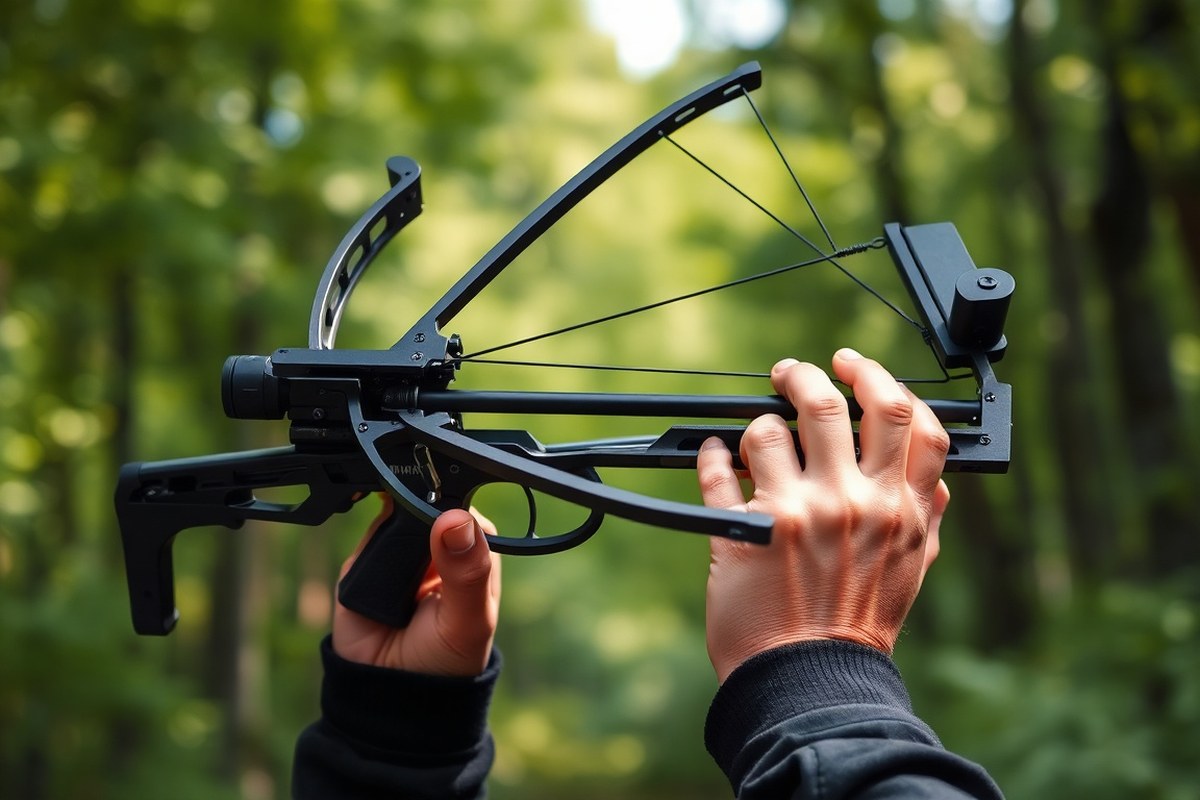
Can a felon possess a crossbow? Generally, federal law does not classify crossbows as firearms, so felons are not prohibited from owning or using crossbows under federal statutes. However, state laws vary widely, and some states may restrict felon possession of crossbows. This article is for felons, their families, and legal aid seekers who want clear information about crossbow possession rules and legal risks.
You will learn about the differences in state laws, types of crossbows, hunting rights, penalties, and how to regain possession privileges. Understanding these legal nuances helps avoid unintended violations and supports informed decisions about crossbow ownership.
Key Takeaways
- Federal law generally does not ban felons from possessing crossbows since they are not classified as firearms.
- State laws differ; some states restrict felon crossbow possession similarly to firearms, while others do not.
- Types of crossbows, such as compound or recurve, rarely affect legal status for felons, but check local definitions.
- Penalties for unlawful crossbow possession vary greatly by state and can include fines and imprisonment.
- Felons may face hunting restrictions even when legally allowed to possess crossbows for sport.
- Restoring rights to possess crossbows depends on state-specific processes and time since conviction.
Can Felons Legally Possess a Crossbow Under Federal Law?

Federal law does not classify crossbows as firearms. The Gun Control Act, particularly 18 U.S.C. § 922(g), restricts felons from possessing firearms or ammunition, but it defines firearms as weapons that discharge a projectile by explosive action, such as guns and rifles. Crossbows function by mechanical tension, shooting bolts or arrows without explosive force, so they fall outside this definition. This distinction means felons are not federally prohibited from owning or carrying crossbows based solely on their firearm status.
The distinction matters because 18 U.S.C. § 922(g) explicitly prohibits felons from possessing firearms and ammunition but does not extend those restrictions to non-firearm weapons like crossbows. While firearms carry severe federal penalties, up to 10 years in prison and fines reaching $250,000 for felon possession, these penalties do not apply to crossbows under federal law. Felons should still check specific state laws, since states may have additional limitations, but at the federal level, crossbows are generally not regulated as firearms.
Beyond firearms, some federal statutes forbid felons from possessing other weapons, such as explosives under 18 U.S.C. § 842(d) and body armor under 18 U.S.C. § 931 for violent felons. These laws do not encompass crossbows. This means owning a crossbow for a felon does not trigger federal restrictions related to firearms, ammunition, explosives, or armor.
In legal practice, felons found with firearms face federal charges regardless of whether their conviction was at the state or federal level, but cases involving crossbows rarely result in federal firearm charges. For example, a felon caught carrying a crossbow without possession of a firearm would typically not face federal prosecution under 18 U.S.C. § 922(g). However, constructive possession of a firearm in situations involving crossbows and actual firearms together can become legally complex. For instance, if a felon is in a vehicle where others carry firearms, authorities might argue constructive possession of those firearms, even if the felon only physically holds a crossbow.
Exact legal outcomes can depend on context. Facing federal charges for firearm possession involves serious consequences, but possessing a crossbow alone is not federally criminalized for felons. You should always be cautious about surrounding circumstances that may trigger other federal or state offenses involving weapons. Consulting a lawyer knowledgeable about firearm and weapon laws can provide guidance tailored to your specific situation and location.
How State Laws Differ on Felons Possessing Crossbows

State laws vary widely when it comes to felons possessing crossbows, with some states allowing it under specific conditions and others prohibiting it outright. Understanding the differences can help you avoid legal trouble and know your rights regarding crossbow use, especially for hunting or sporting purposes.
Texas, North Carolina, South Carolina, and New York each have distinct rules. For example, North Carolina permits felons to possess crossbows and bows, making them viable alternatives to firearms for hunting and sport. South Carolina allows felons to own crossbows if they have had their firearm rights restored through a pardon or expungement, though this process is not automatic. New York generally prohibits felons from possessing weapons but has exceptions that may apply, while Texas does not explicitly prohibit crossbow possession by felons but bans firearm possession.
| State | Felon Possession of Crossbows | Hunting with Crossbows Permitted for Felons | Exceptions or Notes |
|---|---|---|---|
| Texas | Allowed (no specific firearm restriction on crossbows) | Yes, with proper licenses | Firearms prohibited; crossbows treated like bows |
| North Carolina | Allowed | Yes | Crossbows and bows are legal alternatives for felons |
| South Carolina | Allowed only if gun rights are restored | Depends on restoration | Gun rights restoration not automatic; pardon or expungement needed |
| New York | Generally prohibited | No clear permission | Some exceptions; must verify local statutes |
The state-by-state differences extend to types of crossbows. Most laws do not distinguish between mini, compound, or traditional crossbows in terms of possession by felons. Instead, the focus rests on whether the device is classified as a weapon under state law. Since some states might restrict electric or stun-based weapons for felons, make sure your crossbow does not have any electronic triggering or power-assisted features that could cause trouble.
Hunting rights with crossbows vary as well. North Carolina and Texas permit felons with proper licenses to hunt using crossbows, while South Carolina requires that firearm rights have been restored first. New York tends to be more restrictive, often barring felons from hunting with crossbows unless specific local regulations provide relief.
Before acquiring or using a crossbow, verify your status with a licensed attorney and check local laws to ensure that possession or hunting with a crossbow is legal for you as a felon in your specific state and county.
Types of Crossbows and Their Legal Status for Felons
Crossbows come in various types, and the legal status of each for felons can differ depending on size, design, and state laws. Mini crossbows, compound, and traditional models each have unique legal considerations. Understanding these differences helps you choose a crossbow that may be easier to lawfully own or use as a felon.
Mini Crossbows Defined and Regulated
Mini crossbows are smaller versions of standard crossbows, typically with a shorter draw length and less power. Legally, mini crossbows are often classified similarly to bows rather than firearms, which can affect their restrictions. The defining characteristic is usually a length under 24 inches and a draw weight below 80 pounds, but definitions vary by jurisdiction.
Because mini crossbows deliver less kinetic energy, some states treat them more like archery equipment than weapons requiring strict permits. For felons, mini crossbows might present fewer legal complications, especially in places where restrictions target high-powered weapons. However, you should verify local laws carefully, since some states still regulate any type of crossbow possession by felons, regardless of size.
Compound Versus Traditional Crossbows
Traditional crossbows feature a straightforward bow frame, while compound crossbows use pulleys and cables to increase power and reduce effort when drawing. Compound crossbows generally have higher draw weights, often exceeding 150 pounds, making them potentially subject to stricter rules depending on local laws.
The legal difference matters because compound crossbows can resemble firearms in terms of potential lethality, attracting more stringent regulations. For felons, compound crossbows may carry higher risks of legal trouble compared to traditional models. Traditional crossbows, being simpler and often less powerful, can sometimes fall into a regulatory grey area similar to longbows or recurve bows, which tend to have fewer restrictions.
- Mini crossbows typically under 24 inches and 80-pound draw weight
- Traditional crossbows with simple bow limbs and moderate draw weights
- Compound crossbows using cams and pulleys for higher power
- States may classify compound crossbows closer to firearms
- Traditional crossbows often treated like archery equipment
- Mini crossbows may escape some felony possession restrictions
To reduce legal risk, choose a traditional or mini crossbow when possible. These types usually face fewer restrictions and are less likely to be classified under firearm or dangerous weapon statutes that bar felon possession. Confirming exact measurements and specifications before buying helps ensure the crossbow fits less regulated categories.
State-Specific Exceptions by Crossbow Type
Laws vary widely across states regarding crossbow possession by felons. Some states exclude bows and crossbows entirely from felony firearm prohibitions. For example, Georgia’s firearm laws specifically exclude crossbows, making them generally legal for felons there. Other states like California have more complex laws requiring careful review, especially about draw weight or use in hunting.
Many states permit felons to own crossbows as long as they follow all hunting regulations and do not use the crossbow in crimes. Certain states may also impose waiting periods or require notification to law enforcement if you own a crossbow after conviction. Mini or low-powered crossbows may be granted broader exceptions, while compound crossbows sometimes face closer scrutiny or outright bans for felons.
- Georgia excludes crossbows from felony firearm prohibitions
- California requires strict adherence to specific possession regulations
- States often allow crossbows for hunting if hunting laws are observed
- Some states require waiting periods or applications after felony convictions
- Mini crossbows more likely to be legally owned across states
- Compound crossbows can face stricter scrutiny or bans in some areas
Review your state’s exact statutes and administrative codes. Consulting a lawyer ensures you understand all crossbow-specific regulations related to felon status. This step can avoid unexpected penalties or criminal charges linked to possession or use of certain types of crossbows.
Penalties and Legal Risks for Felons Possessing Crossbows
Felons caught possessing crossbows illegally face serious criminal penalties that vary widely depending on the state and specific circumstances. Typical charges include unlawful possession of a weapon by a convicted felon, which often falls under laws similar to “Felon in Possession” statutes used for firearms. These charges may result in prison terms, fines, or both, reflecting the legal system’s effort to prevent felons from accessing weapons generally considered dangerous.
The severity of penalties can range from a fine to several years in state prison. In many states, this can mean up to three years behind bars and fines that reach as high as $10,000. Repeat offenses or possession occurring soon after release from prison or probation typically lead to improve sentences. For example, if possession happens within five years of release, courts may impose longer prison stays or stiffer fines.
When a felon possesses a crossbow in connection with other crimes, such as assault or drug offenses, penalties may increase further. Courts often treat weapon possession combined with other criminal actions more severely, viewing the weapon as aggravating the threat. Even if prosecutors don’t need to prove the felon knew possession was illegal, they must show that possession was knowing and intentional. This can complicate defenses and increase legal risks.
- Criminal charges: unlawful weapon possession by a felon or similar state statutes
- Prison sentences can extend up to three years or longer, depending on state law
- Fines range from $1,000 up to $10,000 or more, varying by jurisdiction
- Penalties become harsher if possession occurs within five years of release from prison or probation
- Weapons possession combined with other crimes often results in increased sentencing
- Prosecutors only need to prove knowing possession, not awareness of illegality
- Some states offer pardons or restoration processes that may change legal exposure
The factors influencing punishment severity include how long ago the felony conviction occurred, the nature of the underlying felony, the type of crossbow, and if prior similar convictions exist. Also of importance is whether the possession happened during other criminal activity or involved intent to use the crossbow unlawfully. These variables affect both charges and recommended defense strategies, emphasizing the need for specialized legal counsel.
Punishments for illegal crossbow possession by felons serve to maintain public safety but carry significant legal risks for those who violate the prohibitions. Immediate legal representation from an attorney experienced in weapons charges and felon rights is critical to mitigating penalties and handle the complexities of state and federal laws. Avoiding possession until rights are fully restored can prevent severe consequences, including lengthy incarceration and substantial fines.
Can Felons Use Crossbows for Hunting and Sporting Activities?
Felons are generally restricted from possessing firearms, but crossbow hunting eligibility varies by state. A handful of states permit felons to hunt using crossbows under specific conditions such as limited permits, background checks, or probation officer notifications. Knowing the exact rules can help avoid legal trouble and responsibly enjoy hunting or sport shooting.
States Allowing Felon Crossbow Hunting
Some states differentiate crossbows from firearms for hunting purposes, which may allow felons to hunt with crossbows legally. States including Texas, Maine, and Wisconsin have provisions permitting felons to use crossbows during hunting seasons, often with restrictions. These states typically do not classify crossbows as firearms under state law, which opens a legal window for felons with hunting privileges.
However, this permission does not apply universally. States like California and Illinois hold strict regulations that either prohibit felons from possessing crossbows or require additional clearance and licensing. The exact rules depend on the state’s definition of what constitutes a “firearm” and how crossbows are categorized in hunting regulations.
Permit and Licensing Requirements
When allowed, felons usually must obtain special permits or licenses to hunt with a crossbow. These permits often require:
- Passing a state-controlled background check even if convicted felons
- Completion of a hunter education course specific to bow or crossbow hunting
- Reporting hunting activity to a probation officer if under supervision
- Obtaining a crossbow-specific hunting license that may have a different cost than a regular hunting license
- Applying through the state wildlife agency, sometimes with a waiting period of 30 to 60 days
The fees for special crossbow hunting permits vary but typically range from $25 to $100 annually depending on the state and the type of game targeted. You’ll want to check the local wildlife department website or contact them directly to see how to apply and comply with these requirements.
Restrictions and Compliance Tips
Even where legally allowed, felons face important restrictions to ensure compliance. Most states require crossbow hunting to happen only during designated seasons and strictly prohibit use on probation or parole without parole officer approval. Some states require the crossbow to meet specifications such as maximum draw weight or bolt speed limits. Responsible felons using crossbows for sport or hunting should:
- Keep documentation of all licenses, permits, and background check approvals with them when hunting
- Notify law enforcement or probation officers as mandated
- Follow state-specific safe handling, transport, and storage laws for crossbows
- Regularly review changes in state laws or local ordinances
- Use crossbows only for legally approved game and within legal hours
Noncompliance or failure to disclose pertinent information can lead to revocation of hunting rights, fines, or criminal prosecution.
Always check with your state wildlife agency and consult your probation officer before hunting with a crossbow to avoid violations and ensure legal use.
Restoration of Rights: Can Felons Regain Crossbow Possession Privileges?
Restoring rights to possess crossbows after a felony depends on your state laws and whether your firearm possession rights have been legally reinstated. Generally, crossbows are not classified as firearms, so regaining firearm rights does not automatically restore rights to possess crossbows. You must follow state-specific legal procedures, which may include petitioning for a pardon or expungement, and securing court orders to regain weapon possession privileges.
Legal Impact of Restoring Firearm Rights
Restoration of firearm rights through the courts does not automatically allow you to possess a crossbow, but it can influence your legal standing for crossbow possession. Some states treat crossbows as weapons under their definitions of offensive devices, while others do not. Legally restoring firearm rights typically involves a formal court process that can also serve as a foundation for regaining rights related to other weapons including crossbows.
For example, in Washington State, a court of record can restore firearm possession rights under RCW 9.41.047. This restoration legally permits firearm possession but does not explicitly cover crossbows depending on state definitions. As a result, verifying your state’s classification of crossbows and any additional requirements is essential before assuming possession is lawful.
Filing for Crossbow Possession Rights Restoration
The process to regain possession rights for crossbows after a felony generally requires petitioning the appropriate court or authority to restore your civil rights. This may involve pursuing a pardon, expungement, or a direct court order specifically addressing weapon possession. The timeline and exact requirements vary by state and the nature of your felony conviction. Below is a step-by-step checklist to guide you through the restoration filing process:
- Verify your state’s laws regarding crossbow possession and whether crossbows are classified as firearms or other weapons.
- Consult with a qualified attorney experienced in felon rights restoration to understand specific local requirements.
- Gather necessary documents, including your felony conviction records, proof of sentence completion, and any prior petitions or court orders.
- Prepare a formal petition to the court or parole board requesting restoration of weapon possession rights, explicitly stating crossbow possession if desired.
- Submit the petition along with supporting documentation to the appropriate court or agency.
- Attend any scheduled hearings or interviews regarding your petition to answer questions and provide further information.
- Await the court’s decision; if approved, obtain certified copies of the restoration order or pardon.
- Comply with any post-restoration conditions or registration requirements to maintain possession rights.
Supporting Documentation and Required Hearings
Supporting your petition will require detailed documentation proving rehabilitation, compliance with sentencing terms, and good character. Common documents include certified court records, letters of recommendation, proof of employment or education, and personal declarations explaining why restoration is appropriate.
Some states require you to attend a formal hearing where a judge evaluates your petition and supporting evidence. These hearings are an opportunity to explain your circumstances and demonstrate that possessing a crossbow will not pose a public safety risk. In others, the process may be entirely administrative but may still require a waiting period, which can extend from several months to a few years. Template language for a petition might include:
Petition for Restoration of Weapon Possession Rights I, [Your Full Name], respectfully petition this court to restore my rights to possess weapons, including crossbows. I have completed all terms of my felony conviction sentence as of [Date], maintained lawful conduct since release, and seek restoration to fully participate in lawful sporting and hunting activities. Attached are certified copies of my conviction records, letters of support, and evidence of rehabilitation. I request that this court issue an order restoring my right to possess a crossbow under applicable state laws.
Common Legal Defenses for Felons Charged with Crossbow Possession
Defending against illegal crossbow possession charges as a felon often revolves around disproving possession or intent. Demonstrating you did not have actual control over the crossbow or did not know it was there can reduce or dismiss charges. Constructive possession, which means having power and intent to control a weapon found in your environment, is a key legal concept. Showing lack of intent or control matters because courts often look for proof you knowingly possessed the crossbow.
To challenge possession charges, focus on how the weapon was discovered and any procedural errors by law enforcement. Illegal searches or failure to follow proper evidence procedures can make the case weaker. It helps to gather evidence like witness testimony, surveillance footage, or receipts proving you did not have access or ownership. Being proactive in collecting this information strengthens your defense.
Knowing what to say during police questioning can protect your rights. Use clear, calm statements such as: “I was not aware of the crossbow being here,” or “I did not have control over the crossbow in that location.” Avoid admitting knowledge or control unless your attorney advises otherwise. Request legal representation immediately if you are charged to ensure statements and actions do not harm your case.
- Document where and when the crossbow was found relative to your presence.
- Note any possible illegal search or procedural violation.
- Collect alibi evidence or witnesses who can testify you lacked access.
- Prepare clear statements denying possession or knowledge.
- Request a lawyer before answering police questions.
- Explore alternative sentencing options such as probation if charged.
- Track all communications and law enforcement actions related to the case.
Legal representation is important early in the process. An attorney can file motions to suppress evidence obtained illegally or negotiate sentencing if the facts are against you. Defense strategies differ by jurisdiction and individual circumstances; some states treat constructive possession more strictly than others. Costs for legal defense vary widely, but investing in skilled counsel improves chances for reduced charges or dismissal. Effective results look like charges dropped, lesser offenses, or probation instead of jail. Problems arise when evidence clearly shows control or when poor legal advice leads to harmful admissions.
Practical Steps and Precautions for Felons Considering Crossbow Ownership
Before buying or carrying a crossbow, verify your local and state laws carefully. Crossbow possession rules for felons vary widely, and some states classify crossbows differently, affecting legal status. Contact your state’s attorney general’s office or check official government websites to confirm if you are eligible to own or carry a crossbow. Look for any recent changes in statutes or administrative rules. Remember, federal law generally restricts felons from possessing firearms but does not explicitly cover crossbows, so state regulation matters most.
Keep all relevant documentation with you to avoid misunderstandings or legal troubles. This includes paperwork proving your eligibility, such as certificates of rights restoration, hunting licenses if applicable, or any permits specifically allowing crossbow possession. It also helps to carry copies of the law or guidance that clarify your status regarding crossbows. Having these on hand can make a difference during encounters with law enforcement.
Unintentional violations often happen when felons carry crossbows in prohibited places such as schools, government buildings, or private properties with restrictions. Take extra care to learn the prohibited locations under local laws, like OCGA § 16-11-127 if you are in Georgia, and avoid those areas. When transporting your crossbow, keep it unloaded and secured in a case to prevent claims of illegal carrying. Always store it in a locked container at home, separate from bolts, to reduce risk of accidental misuse or theft.
- Check your state’s attorney general website for crossbow laws specific to felons before purchase
- Keep copies of restoration of rights documents and hunting permits on your person
- Transport unloaded crossbows in locked cases, separate from bolts
- Store crossbows locked at home, away from ammunition or bolts
- Avoid carrying crossbows in places legally designated as off-limits
- Confirm if your crossbow model is compliant with local classification rules
- Consult a licensed attorney if you have any doubts about possession legality
Always double-check local laws before transporting or using a crossbow, as ignorance does not excuse illegal possession and penalties can be severe.
A simple decision rule for possession eligibility helps simplify your choices: first, verify if your felony conviction prohibits crossbow possession in your state; second, confirm if your crossbow model is classified as legal; third, ensure you have any necessary documentation or permits; fourth, ensure your carrying methods comply with local restrictions; and finally, avoid prohibited zones altogether. Following these steps minimizes risk and helps you use your crossbow safely and legally.
Step-by-Step Action Plan for Felons Considering Crossbow Possession
Follow these steps carefully to stay within the law and protect your rights if you want to possess a crossbow after a felony conviction.
- Before you start: Check your state’s specific laws on crossbow possession for felons by visiting the official state government or wildlife agency website. Confirm whether you are allowed to possess a crossbow under your state’s rules.
- Week 1: Consult a licensed attorney who specializes in firearms or weapons law to review your individual situation and clarify any legal risks. Know your rights and potential penalties clearly.
- Week 2: If hunting is your goal, verify your eligibility for a hunting license and crossbow hunting permits in your state. Purchase the necessary licenses only if legal for felons.
- After 1 month: Explore options for restoration of your rights, such as applying for a pardon or expungement, which may impact your ability to legally possess a crossbow. Document all steps in the application process.
- Ongoing: Keep all crossbow use and possession strictly within legal activities, avoiding any prohibited uses that could lead to arrest or additional charges. Monitor changes in state laws regularly.
- Before purchasing: Buy crossbows only from licensed dealers who comply with your state’s requirements and can provide proof of legal sale. Keep purchase receipts and records.
- Continuously: Store your crossbow securely and use it responsibly to avoid accidents or legal issues. Follow any local regulations on storage and transportation.
Frequently Asked Questions
Can a Felon Possess a Crossbow?
Felons’ ability to possess crossbows varies by state, with some allowing it and others restricting it. Always check your state’s specific laws before acquiring a crossbow to avoid legal trouble.
Can a Felon Own a Mini Crossbow?
Mini crossbow ownership by felons depends on state regulations, similar to full-sized crossbows. Ensure you understand local laws, as some states may classify mini crossbows differently.
In What States Can Felons Bow Hunt?
States like Michigan and Florida allow felons to hunt with bows or crossbows if they have proper licenses. Hunting laws are state-specific, so verify your state’s hunting regulations.
What Weapons Are Felons Allowed to Have?
Felons generally cannot possess firearms but may legally use bows, crossbows, or airguns in some states, especially for hunting. Confirm your state’s rules, as weapon classifications differ.
Can Felons Own Archery Bows?
Most states permit felons to own traditional archery bows since they are not classified as firearms. Always check local laws to ensure compliance with possession and use restrictions.
Can a Felon Transport a Crossbow in a Vehicle?
Transporting a crossbow as a felon depends on state laws and whether the weapon is unloaded and stored properly. Consult state rules to ensure legal transport and avoid charges.
Before You Go
You can possess a crossbow after a felony if federal law does not ban it and your state allows it. Managing legal risks depends on understanding your state laws and following proper steps to restore rights if needed. The best immediate action is to seek legal advice tailored to your case before acquiring or using a crossbow.