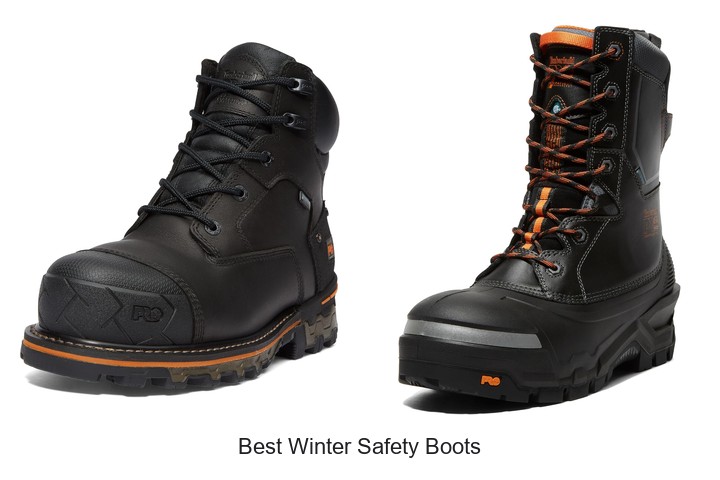
Top 12 Best Winter Safety Boots You Can’t Miss Now
Stepping out on frozen ground in worn-out boots can quickly lead to cold, wet feet and a higher risk of slipping. Many people looking for the best winter safety boots find that cheap options fail to provide proper insulation or traction, making outdoor work uncomfortable and unsafe during the colder months. The wrong boot often lacks durability, causing wear and tear after just a few uses in harsh conditions.
Quality winter safety boots usually feature waterproof materials and dependable insulation that can protect against temperatures below -20°F. Look for boots with slip-resistant soles that meet ASTM F2913 standards to prevent falls on ice or snow. Proper fit is critical, as a snug yet comfortable boot allows for extra socks without restricting circulation, helping keep feet warm and dry throughout long shifts outside.
Need a Quick Check?
| Image | Product | Price |
|---|---|---|
Our Top Picks 1  | Timberland PRO Boondock | Check Price |
Our Top Picks 2  | Timberland PRO Pac Max | Check Price |
Our Top Picks 3  | Dunlop Explorer Boots | Check Price |
Our Selected Top 12 Winter Safety Boots Picks for Every Need
This list features twelve winter safety boots chosen for durability, warmth, and protection in harsh conditions. Each review covers how the boots perform, their suitability for different users, and highlights their strengths and weaknesses to help you find the right option for your needs.
1. Timberland PRO Boondock Composite Safety Toe Work Boot
Timberland PRO Boondock boots offer waterproof protection and a composite safety toe, making them perfect for working in harsh, wet winter conditions. They offer reliable safety without the bulk of steel toes, suited for long shifts on cold, slippery surfaces.
Putting them on feels solid thanks to the 6-inch height that supports ankles well. The waterproof feature keeps feet dry through slushy conditions. The block heel provides steady footing, and the boots feel sturdy but not overly heavy.
They fit like traditional work boots, allowing natural movement while maintaining protection throughout the day.
Built to handle industrial environments, these boots do their job at keeping feet safe and dry. The composite toe guards against impacts without the cold conduction of steel.
Reviews praise their durability and comfort. The most common complaint is about the fit being on the narrow side, which can feel restrictive for wider feet.
The boots are praised for their durability and ability to keep feet dry, offering good protection with the composite toe. Many find the fit too narrow, which might cause discomfort for those with wider feet.
This boot suits people needing reliable waterproof safety footwear for industrial and outdoor work. Anyone requiring a wider fit or lighter weight might want to explore other models better tailored for comfort over long shifts.
Pros
- Waterproof to keep feet dry in wet conditions
- Composite toe offers impact protection
- Block heel for stable footing
- Supports ankles with 6-inch boot height
Cons
- Fit tends to be narrow, may feel tight
- Not the lightest option for long wear
| Specification | Details |
|---|---|
| Color | Black-2024 New |
| Toe Style | Composite Toe |
| Boot Form Type | Work Boot |
| Heel Type | Block Heel |
| Seasons | All |
2. Timberland PRO Pac Max Composite Safety Toe Boot
Timberland PRO Pac Max Composite Safety Toe Boot is built for tough work environments, combining safety with insulation that suits cold, wet conditions. Its standout feature is the composite toe, which offers strong protection without the extra weight metal toes bring.
Putting these boots on feels secure, thanks to the block heel and 10-inch design that keeps the ankle supported throughout the day. Waterproofing keeps feet dry when working outside in snow or rain.
The fit is sturdy yet comfortable enough for daily use, with materials that resist punctures and keep you warm during cold seasons.
Performance-wise, these boots handle industrial tasks well with reliable puncture resistance and solid insulation. The composite toe balances safety and lighter weight compared to steel toes.
The construction is sturdy, focusing on durability in harsh conditions. Most praise highlights the excellent protection and warmth, while some note the boots can feel a bit bulky during longer wear.
The boots offer excellent protection and insulation, making them ideal for cold, demanding work environments. People often appreciate how the composite toe keeps the weight down without sacrificing safety. A frequent complaint is the bulkiness, which can cause some discomfort during very long shifts.
Anyone needing reliable, insulated waterproof boots for industrial work will find these a solid option. Those who prefer lighter, more flexible footwear for extended wear outdoors might want to look at alternative models.
Pros
- Lightweight composite toe for safety without extra weight
- Waterproof design good for wet and snowy conditions
- Strong puncture resistance for industrial tasks
- Insulated to keep feet warm in cold weather
Cons
- Can feel bulky after extended use
- Only available in the Black/Orange color combination
| Specification | Details |
|---|---|
| Color | Black/Orange-2024 New |
| Toe Style | Composite Toe |
| Boot Form Type | Work Boot |
| Heel Type | Block Heel |
| Seasons | All |
| Style Name | Pac Max 10 Inch Composite Safety Toe Puncture Resistant Insulated Waterproof Industrial Work Boot |
3. Dunlop Explorer Safety Work Boots
Comfort and protection strike a solid balance in these boots, making them ideal for workers needing reliable safety gear in cold conditions. The standout feature here is the steel toe, which feels secure without sacrificing comfort during long days on your feet.
Lacing up is straightforward, and the boots fit true to size. The flat heel provides stable footing on slippery surfaces, a must for winter environments.
Wearing them across shifts, you notice the solid insulation keeps feet warm while the charcoal color hides dirt well. They handle outdoor work in all seasons but feel especially suited to colder days.
Durability is apparent in the tough construction and steel toe protection, making the boots safe for hazardous settings. Most appreciate how they keep feet dry and warm without weighing them down. The common complaint is a stiffness during the first few wears, requiring some break-in time before they soften up.
The build quality supports long-lasting use on job sites.
Strong points include solid steel toe protection and stable flat heel that supports confident steps on icy ground. The main downside is the initial stiffness, which can feel uncomfortable until the boots are broken in. The charcoal exterior shows less dirt but doesn’t claim extra winter-specific warmth.
Good for workers needing dependable safety boots that handle various seasons and terrain. Those prioritizing immediate softness or extra insulation for extreme cold might want to consider different options.
Pros
- Steel toe offers solid protection
- Flat heel improves stability on ice
- Charcoal hides dirt well
- Suits all-season wear
Cons
- Requires break-in period for stiffness
- No specialized winter insulation stated
| Specification | Details |
|---|---|
| Color | Charcoal |
| Toe Style | Steel Toe |
| Boot Form Type | Work Boot |
| Heel Type | Flat |
| Seasons | All |
| Style Name | Modern |
4. MUCK Arctic Pro Insulated Boot

Great for anyone who needs winter boots that keep feet warm and dry without slowing you down in casual work settings. The MUCK Arctic Pro Insulated Boot stands out for its insulation and comfort, making cold weather more bearable for long hours outside.
Putting these boots on is straightforward since they have a round toe and a no-heel form, which feels natural when walking or working. The brown color hides dirt well, and they hold up across seasons, so switching boots for winter isn’t necessary.
These boots fit snugly, offering good support without feeling bulky on chilly days.
They shine in cold environments, providing warmth and protection against snow or wet conditions thanks to their thorough insulation. The build leans heavily on practical, hard-wearing materials suited to casual work without special features like extra heel height. One common note is the boot’s weight, which can feel a bit heavy after extended wear, but the comfort largely compensates for it.
The boots offer solid insulation and comfort that make cold weather manageable for prolonged outdoor work. Weight is often mentioned as a downside, with some finding them tiring during all-day use. The brown color and straightforward style suit practical casual wear well.
Those needing dependable warmth and durability in winter will appreciate these boots. People who require lighter or more specialized footwear for hiking or uneven terrain might want to explore other options better suited to intense outdoor activities.
Pros
- Keeps feet warm in cold conditions
- Durable construction for casual work use
- Comfortable fit with supportive round toe
- Brown color hides dirt effectively
Cons
- Feels heavy during extended wear
- No heel support for more rugged activities
| Specification | Details |
|---|---|
| Color | Brown |
| Toe Style | Round Toe |
| Boot Form Type | Work Boot |
| Heel Type | No Heel |
| Seasons | All |
| Style Name | Acpstl |
5. NORTIV 8 Waterproof Hiking Winter Snow Boots

Built with waterproof materials and a hiking boot design, these boots are great for anyone facing icy, wet winter conditions. Their low-top style offers flexibility and ease for daily wear, making them especially suitable for outdoor activities where staying dry is the priority.
Slipping into these boots is easy thanks to the low-top form, which also makes them lighter and less restrictive than traditional winter boots. The closed toe design keeps feet protected from snow and ice while providing enough room for thick socks.
Day-to-day, they handle wet and snowy streets well, with solid grip and waterproof qualities that cut down on moisture worries.
These boots perform well in keeping feet dry and comfortable during winter hikes or slushy commutes. The waterproof feature and solid construction are praised for durability and reliability in bad weather.
One downside mentioned is that some find the boots a little stiff at first, requiring a break-in period before full comfort is achieved.
These boots are praised for keeping feet dry in snowy and slushy environments, while the most frequent complaint is that they feel stiff during the first few wears. This means they need a bit of time to soften up but offer solid protection during that time.
Anyone needing waterproof footwear for winter hikes or everyday wear in wet conditions will find these very useful. Those prioritizing ankle support or immediate softness might want to look for boots with a higher cut or softer materials out of the box.
Pros
- Waterproof design perfect for wet conditions
- Low-top style for flexible movement
- Closed toe protects against snow and debris
- No heel reduces pressure on feet
Cons
- Initial stiffness may require break-in time
- Low-top may offer less ankle support
| Specification | Details |
|---|---|
| Color | Black/1 |
| Toe Style | Closed Toe |
| Boot Form Type | Hiking Boot |
| Heel Type | No Heel |
| Seasons | Winter |
| Style Name | Low-top |
6. NORTIV 8 Waterproof Steel Toe Work Boots

Durability and protection stand out immediately with these black steel toe work boots, designed for anyone needing solid foot safety in tough winter conditions. Their biggest draw is the steel toe, which reassures in environments where impact protection matters most.
Wearing them day-to-day means slipping into boots that fit like typical work boots, with no heel to worry about while navigating icy sidewalks or muddy construction sites. The waterproof feature keeps feet dry through snow and slush, making them practical for cold, wet seasons. The solid pattern and rugged design feel like they’ll hold up no matter the hours spent on your feet.
The boots do well keeping feet safe with steel toe protection and strong waterproofing. Built to industrial standards, they balance safety with comfort for extended wear. Reviews praise the sturdy construction but sometimes mention that break-in time can be a bit tough, and that the boots feel heavier than regular winter shoes.
Many appreciate the solid build and waterproofing that protect feet well during tough winter tasks. The main downside reported is that the boots may feel heavy and stiff until broken in, which can be uncomfortable at first.
Those who prioritize safety and waterproofing in challenging outdoor conditions will find these boots suitable. People looking for lightweight, ready-to-go comfort might look for softer or less bulky alternatives.
Pros
- Waterproof design keeps feet dry in snow
- Steel toe offers solid impact protection
- No heel for stability on slippery surfaces
- Rugged enough for work environments
Cons
- Can feel heavy during long wear
- Requires break-in period for comfort
| Specification | Details |
|---|---|
| Color | Black |
| Toe Style | Steel Toe |
| Boot Form Type | Work Boot |
| Heel Type | No Heel |
| Seasons | All |
| Pattern | Solid |
7. ROCKY Blizzard Stalker Steel Toe Insulated Work Boot

Rocky Blizzard Stalker Steel Toe Insulated Work Boot focuses on safety and warmth, designed for those needing reliable protection during tough winter work. Its biggest advantage is the steel toe that guards against injury while the insulation keeps feet warm in cold weather conditions.
Putting these boots on feels secure thanks to the round toe fit and roper heel, which offers stability and comfort for extended wear. Brown color suits casual and work settings alike.
The insulation is enough to keep the cold out during daily outdoor activities while not feeling overly bulky for long days on your feet.
The build excels in protecting toes with the steel cap while maintaining warmth through the insulation. Most appreciate the sturdy construction that holds up in winter weather. A common dislike involves the boots taking some time to break in and feel fully comfortable on the feet.
Strong safety features and insulation receive praise for protecting feet during winter work. The most frequent issue is the stiffness when first worn, requiring time to soften up for daily comfort.
Those working in cold, risky environments will find these boots suitable. People needing lightweight or instantly comfortable footwear should consider other options that offer less protection but greater ease of wear.
Pros
- Steel toe protection for safety
- Insulated for cold-weather warmth
- Durable and built for winter work
- Roper heel adds stability
Cons
- Requires break-in period for comfort
- Heavier than some winter boots
| Specification | Details |
|---|---|
| Color | Brown |
| Toe Style | Round Toe |
| Boot Form Type | Work Boot |
| Heel Type | Roper Heel |
| Seasons | All |
| Style Name | Fq0007465 |
8. Extremus RhinoToe Fiberglass Toe Rubber Work Boots

Cold, wet conditions can make work dangerous without proper footwear. Best suited for tough environments and long shifts, these boots offer solid protection with a fiberglass toe that handles impacts well.
Their biggest strength lies in providing reliable safety without adding much weight or compromising comfort.
Putting them on is straightforward thanks to the standard round toe and slip-on style of the work boot form. Wearing them day-to-day means dealing with a flat heel that helps keep balance on slick surfaces. The black rubber exterior resists wear and dirt, which keeps them looking decent even after harsh use in winter months.
Durability is a strong suit with these boots, built to take regular abuse while protecting toes with fiberglass reinforcements. The flat heel supports stability on icy ground. Users often praise the safety features.
Some mention the boots feel a bit stiff at first, requiring a break-in period before they soften up enough for long hours.
The boots provide dependable toe protection and durability, earning praise for safety features. A common downside is the stiffness in early use, which many find improves with wear. The black rubber stands up well to winter grime.
Those needing strong toe coverage and solid stability during icy outdoor work would appreciate these boots. People looking for softer, cushioned comfort for extended wear might want to consider other options.
Pros
- Impact-resistant fiberglass toe for safety
- Durable black rubber resists wear and dirt
- Flat heel offers good stability on slick ground
- Suitable for all seasons including winter
Cons
- Initial stiffness requires break-in time
- Lack of padding may reduce long-term comfort
| Specification | Details |
|---|---|
| Color | Black |
| Toe Style | Round Toe |
| Boot Form Type | Work Boot |
| Heel Type | Flat |
| Seasons | All, Fall, Spring, Summer, Winter |
| Pattern | Solid |
9. NORTIV 8 Waterproof Insulated Winter Snow Boots

Waterproof insulation is the standout feature, making these boots ideal for cold, wet conditions. Perfect for anyone needing reliable warmth and dryness during winter, the high-top design adds extra ankle protection, which really helps when moving through slushy snow or icy sidewalks.
Putting them on is pretty straightforward thanks to the round toe and no-heel design that feels natural to walk in. The black color hides dirt well, and the solid pattern keeps things simple so they fit with many winter outfits. They’re sturdy but not bulky, which means you can wear them for daily errands or longer winter walks without feeling weighed down.
Built as a classic snow boot, the material truly keeps moisture out while insulating against the cold. The waterproof feature stands up well to wet winter conditions, and the high-top form keeps out snow and slush. The most common praise mentions how warm they keep feet even in freezing weather.
Some find the fit slightly stiff at first, needing a break-in period before total comfort kicks in.
Praise centers on the waterproof, insulated design that reliably keeps feet warm and dry during winter use. A typical complaint points to the initial stiffness and lack of padding, which may need some getting used to before offering full comfort.
Anyone who spends time in snowy, wet conditions will appreciate the protection and warmth. Those needing boots with strong heel support or softer materials might want to explore other options for long hikes or rugged terrain.
Pros
- Keeps feet dry in wet snow
- Warm insulation for cold days
- High-top protects ankles well
- Simple black color hides dirt
Cons
- Stiff fit requiring break-in time
- Lacks heel support for uneven terrain
| Specification | Details |
|---|---|
| Color | Black |
| Toe Style | Round Toe |
| Boot Form Type | Snow Boot |
| Heel Type | No Heel |
| Seasons | Winter |
| Style Name | High-top |
10. MUCK Chore Classic Steel Toe Boot

Anyone who spends long hours working outdoors in cold, tough conditions will appreciate these boots. Perfect for those needing solid foot protection combined with warmth, their standout feature is the steel toe, which offers reliable safety on rough job sites or around heavy equipment.
Putting them on is straightforward, and the fit is snug without feeling tight, providing comfort all day. The no-heel design keeps the foot stable, and the material handles wet and muddy environments well, making them suitable for extended wear through winter weather challenges.
The black color hides dirt effectively, so they stay looking decent longer between cleanings.
Durability is where these boots really show their strengths, with sturdy steel toes that guard against impacts. The build focuses on practical protection rather than style, which some might find bulky.
One common praise is their toughness in harsh conditions, while a frequent complaint revolves around the boots feeling heavy after long use.
These boots are praised for their toughness and the reliable protection the steel toe provides, ideal for demanding environments. The main drawback noted is the weight, which can feel tiring after hours of use.
Anyone needing serious foot safety and warmth during winter will find these boots a solid choice. Those looking for lighter or more stylish footwear may want to look elsewhere.
Pros
- Sturdy steel toe for strong impact protection
- No heel ensures stable footing on uneven ground
- Black color resists visible dirt and stains
- Suitable for use in all seasons including winter
Cons
- Can feel heavy after extended wear
- Bulky design may limit everyday style options
| Specification | Details |
|---|---|
| Color | Black |
| Toe Style | Steel Toe |
| Boot Form Type | Work Boot |
| Heel Type | No Heel |
| Seasons | All |
| Occasion | Casual |
11. Timberland PRO Pit Boss Steel Safety Toe Work Boot

Heavy-duty work environments call for boots that can stand up to tough conditions, and these stand out with their steel toe protection and solid build. Ideal for those who spend long hours on their feet in demanding settings, these boots offer dependable safety without compromising comfort.
Breaking them in takes a little time because of their sturdy construction, but the 6-inch height and block heel provide good ankle support throughout the day. Brown leather covers the boots, maintaining a solid look that handles daily wear well.
The steel toe gives security on site, and the boots hold up across all seasons without feeling overly bulky or heavy.
Designed to protect and endure, they do a strong job preventing injuries with their steel toe cap. The material choice is durable and solidly stitched, making the boots last through tough use. Most find the fit reliable once broken in, though a common downside mentioned is that the toe box can feel a bit tight at first.
Lace-up closure keeps everything secure.
These boots receive strong praise for their protective steel toe and lasting durability during demanding work days. The most common complaint revolves around the initial tightness in the toe box, which typically eases after some use.
Anyone needing reliable steel toe safety and sturdy ankle support will appreciate these boots. They suit workers ready to invest some time breaking them in and prefer all-season options. Those wanting immediate soft comfort right out of the box might look elsewhere.
Pros
- Strong steel toe protection
- Durable leather construction
- Good ankle support with 6-inch height
- Suitable for all seasons
Cons
- Toe box feels tight at first
- Requires break-in period for comfort
| Specification | Details |
|---|---|
| Color | Brown-2024 New |
| Toe Style | Steel Toe |
| Boot Form Type | Work Boot |
| Heel Type | Block Heel |
| Seasons | All |
| Style Name | Pit Boss 6 Inch Steel Safety Toe Industrial Work Boot |
12. Wolverine Overpass Composite Toe Waterproof Work Boots

Wolverine Overpass Composite Toe Waterproof Work Boots offer reliable protection and comfort for anyone facing tough winter conditions. Summer Brown color and solid pattern make them practical for work or casual wear, while the composite toe stands out as the biggest strength in safety and durability.
Slip into these boots easily thanks to their 6 mid height that keeps the balance between support and flexibility. The flat heel ensures steady footing on slippery surfaces.
Waterproof materials mean wet and snowy days won’t soak through, making them dependable for all-day wear during fall and colder months. The closed toe adds an extra layer of protection you want around debris and ice.
Built for durability and safety, these boots stay tough under regular use while keeping feet dry. The composite toe delivers essential protection without the extra weight of steel. Most users find the boots fit well and hold up against water and cold, while some mention a break-in period before full comfort.
Solid construction is praised while a slight stiffness early on is the main drawback.
Wolverine Overpass Composite Toe Waterproof Work Boots provide solid protection with a composite toe and keep feet dry in wet conditions. Many find the boots comfortable for long shifts due to good cushioning and support. Some note the break-in period can be tough, and a few mention the boots run a bit narrow, which may be uncomfortable for those with.
Workers exposed to wet, cold environments who need waterproof, safe boots will appreciate the Wolverine Overpass. Those with wider feet or who prefer softer materials right away might want to try other brands or styles that offer more room or a softer fit out of the box. The boots are well-suited for demanding jobs but require some breaking in to.
Pros
- Waterproof design for wet weather protection
- Composite toe offers solid safety without heavy weight
- Flat heel provides stable footing
- Mid-height supports ankle without restricting movement
Cons
- Requires break-in period before full comfort
- Limited to fall season use, not specified for deep winter
| Specification | Details |
|---|---|
| Color | Summer Brown |
| Toe Style | Closed Toe |
| Boot Form Type | Work Boot |
| Heel Type | Flat |
| Seasons | Fall |
| Style Name | Overpass 6″ Mid Composite Toe Waterproof Work Boot |
Best Winter Safety Boots Comparison Table
| Product | Toe Style | Boot Form Type | Seasons | Waterproof |
|---|---|---|---|---|
| Timberland PRO Boondock | Composite Toe | Work Boot | All | Yes |
| Timberland PRO Pac Max | Composite Toe | Work Boot | All | Yes |
| Dunlop Explorer Boots | Steel Toe | Work Boot | All | – |
| MUCK Arctic Pro | Round Toe | Work Boot | All | – |
| NORTIV 8 Winter Hiking | Closed Toe | Hiking Boot | Winter | – |
| NORTIV 8 Steel Toe | Steel Toe | Work Boot | All | – |
| ROCKY Blizzard Stalker | Round Toe | Work Boot | All | – |
| Extremus RhinoToe Boots | Round Toe | Work Boot | All | – |
| NORTIV 8 Winter Snow | Round Toe | Snow Boot | Winter | – |
| MUCK Chore Steel Toe | Steel Toe | Work Boot | All | – |
| Timberland PRO Pit Boss | Steel Toe | Work Boot | All | – |
| Wolverine Overpass Waterproof | Closed Toe | Work Boot | Fall | Yes |
- Toe StyleComposite Toe
- Boot Form TypeWork Boot
- SeasonsAll
- WaterproofYes
- Toe StyleComposite Toe
- Boot Form TypeWork Boot
- SeasonsAll
- WaterproofYes
- Toe StyleSteel Toe
- Boot Form TypeWork Boot
- SeasonsAll
- Waterproof–
- Toe StyleRound Toe
- Boot Form TypeWork Boot
- SeasonsAll
- Waterproof–
- Toe StyleClosed Toe
- Boot Form TypeHiking Boot
- SeasonsWinter
- Waterproof–
- Toe StyleSteel Toe
- Boot Form TypeWork Boot
- SeasonsAll
- Waterproof–
- Toe StyleRound Toe
- Boot Form TypeWork Boot
- SeasonsAll
- Waterproof–
- Toe StyleRound Toe
- Boot Form TypeWork Boot
- SeasonsAll
- Waterproof–
- Toe StyleRound Toe
- Boot Form TypeSnow Boot
- SeasonsWinter
- Waterproof–
- Toe StyleSteel Toe
- Boot Form TypeWork Boot
- SeasonsAll
- Waterproof–
- Toe StyleSteel Toe
- Boot Form TypeWork Boot
- SeasonsAll
- Waterproof–
- Toe StyleClosed Toe
- Boot Form TypeWork Boot
- SeasonsFall
- WaterproofYes
How to Choose the Right Winter Safety Boots
Look for boots with sturdy insulation, reliable waterproofing, and durable soles to stay warm, dry, and safe on slippery surfaces. Choosing the right features ensures comfort and protection, reducing the risk of injury and wear, which saves money and hassle over time.
Insulation and Warmth
Feet can quickly become numb and painful in winter if boots lack proper insulation. A good pair uses materials like Thinsulate or PrimaLoft at around 200-400 grams thickness, striking a balance that keeps feet warm without bulk. Boots rated for temperatures down to -20°F or lower work best for very cold climates.
People often overlook breathability, which is crucial to avoid sweaty, damp feet. Moisture buildup inside boots can lead to discomfort and cold feet as wet insulation loses effectiveness.
Reliable boots allow moisture vapor to escape, usually through membranes like Gore-Tex, keeping feet dry and warm over hours outside. This means insulation works as intended without overheating.
Choosing boots with the right insulation thickness and breathability makes daily winter walks or work manageable, even in freezing conditions.
Safety Features
Protection from impacts and slips matters significantly during winter, when icy patches and heavy snowfall create hazards. Boots equipped with steel or composite toe caps shield toes from dropped objects or accidental hits, important for construction or outdoor jobs. Slip resistance is another key feature.
A sole designed with deep lugs and rubber compounds that stay flexible in cold conditions reduces the risk of falls on ice.
Waterproofing is essential to prevent wet feet from cold snow or slush. Good waterproof boots use treated leather or synthetic uppers combined with waterproof linings to keep moisture out.
Without these safety features, boots quickly fail in harsh winter environments, leading to discomfort or injury.
Fit and Comfort
Proper fit in winter boots affects comfort much more than many realize. Boots that are too tight cause numbness, while loose ones offer little support and allow cold air in. Selecting the right width, such as wide or narrow options, improves foot stability.
Inside, adequate cushioning and arch support prevent soreness during long wear outdoors or on rough terrain.
The weight of the boots also influences comfort. Heavy boots tire the legs faster, so many look for lighter models with flexible soles that still provide warmth and protection. Good flexibility allows natural walking motion, making daily activities less tiring despite snow or ice.
Durability and Construction
Durability in winter boots becomes clear after only a season of rough use. Uppers made from full-grain leather or tough synthetic fabrics resist abrasions and tears caused by rocks, branches, and repeated bending.
Soles must also withstand cold temperatures without cracking; rubber compounds designed for winter conditions last longer under stress.
Strong stitching and bonding keep the boots intact despite heavy use. Boots with double or triple stitching along stress points tend to hold up better over time. Investing in well-made construction avoids premature boot failures that become frustrating and costly.
Traction and Sole Design
Good traction can mean the difference between walking confidently and slipping dangerously on ice. The best winter boots feature tread patterns designed to bite into slippery surfaces, often with multi-directional lugs that channel away snow and moisture.
Rubber compounds stay soft in the cold to maintain grip rather than harden and lose effectiveness.
A sole with built-in shock absorption reduces foot fatigue from walking on hard or uneven ground for extended periods. This feature is particularly important when standing or moving on icy pavement all day.
Boots without proper traction and cushioning quickly lead to discomfort and increased risk of falls.
Maximizing Warmth: Effective Layering and Sock Choices for Winter Boots
The right socks significantly affect how warm your winter safety boots keep your feet. Wool and synthetic fibers like polyester and nylon wick moisture away, preventing dampness that chills the feet. Avoid cotton socks because they trap moisture and cause coldness.
Layering thin socks can provide better insulation than one thick sock by trapping heat without restricting circulation.
Tips for sock layering and choices:
- Start with a moisture-wicking thin liner sock
- Add a thicker wool sock over the liner for insulation
- Make sure socks fit well without bunching to avoid pressure points
- Change socks regularly during long outdoor work to keep feet dry
These sock strategies complement the insulation and waterproofing of quality winter safety boots, helping prevent frostbite and discomfort during cold weather tasks.
Common Mistakes to Avoid When Wearing Winter Safety Boots
Wearing winter safety boots incorrectly can reduce their effectiveness and even cause discomfort. Many people choose boots that are too tight, which cuts circulation and reduces warmth.
Boots need enough room for proper sock layering and to allow blood flow. Failing to fasten laces appropriately can let cold air and snow enter.
Other common pitfalls include:
- Ignoring proper break-in periods, leading to blisters and foot pain
- Not cleaning or drying boots after use, which damages waterproof layers
- Using boots with worn-out soles or insulation beyond their intended lifespan
- Neglecting to check for proper tread on icy or slippery surfaces
Addressing these mistakes maintains the protective features of winter safety boots and ensures they perform as designed in harsh conditions.
Comparing Winter Safety Boots with Alternative Cold-Weather Footwear Options
Winter safety boots offer specific features like reinforced toes, insulated linings, and slip-resistant soles designed for work environments, which typical cold-weather footwear may lack. Hiking boots or insulated recreational boots might provide warmth but often miss critical safety certifications.
Key differences to consider:
- Safety boots include toe protection against heavy objects and punctures
- Special insulation standards and waterproof membranes ensure all-day dryness
- Soles on safety boots are tested for oil and slip resistance on slick surfaces
- Alternative boots might focus more on comfort or style rather than workplace hazards
Choosing between winter safety boots and other cold-weather options depends on the level of protection required and the environment in which you’ll be wearing them.
People Also Asked
How Do I Properly Size Winter Safety Boots for Cold Weather?
Choose boots that have a bit of extra room to accommodate thick socks and insulation without being too loose. Try them on with the socks you’ll wear at work and walk around to check comfort and fit.
What Is the Best Way to Clean and Care for Winter Safety Boots?
Use a soft brush or cloth to remove dirt and salt after each use, then let boots dry away from direct heat to avoid cracking. Applying a waterproof conditioner every few weeks helps keep the material flexible.
Are Winter Safety Boots Compatible with All Types of Work Socks?
Most winter safety boots work well with wool or synthetic thermal socks designed for cold weather because they provide warmth and wick moisture. Cotton socks should be avoided as they retain moisture and can cause discomfort.
How Long Do Winter Safety Boots Typically Last with Regular Use?
Properly maintained winter safety boots can last one to two seasons, depending on usage frequency and conditions. Regular cleaning and timely repairs of worn soles or damaged areas help extend their life.
What Common Problems Should I Watch for in Winter Safety Boots?
Watch for sole separation, damaged waterproofing, and reduced insulation as these are common issues in winter boots. Early signs of cracking in leather or fabric can also reduce safety and warmth, so inspect boots often.
Conclusion
Choosing the right winter safety boots means focusing on warmth, durability, and slip resistance. Boots need to keep feet dry and comfortable in cold conditions while protecting against workplace hazards. Good traction on ice and snow is essential to prevent falls.
Think about where you’ll use the boots most and how often, then find a pair that fits your budget and needs. The comparison table and detailed reviews above can help narrow down the options based on those priorities. Selecting boots that work well for your specific environment makes a big difference in comfort and safety.