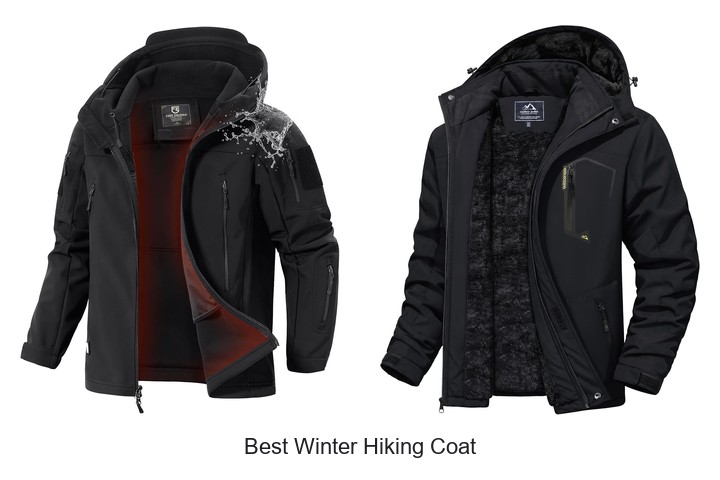
Top 12 Best Winter Hiking Coat That Will Keep You Warm!
Struggling with a bulky coat that doesn’t keep out the cold or one that traps moisture during a winter hike is all too familiar for anyone who’s tried to get by without the best winter hiking coat. Cheap or poorly designed jackets tend to lose insulation quickly when wet and get uncomfortably stiff as temperatures drop.
This can turn what should be an enjoyable outdoor trek into a fight against the elements.
The real difference with a solid winter hiking coat lies in its insulation type, waterproofing, and fit. Synthetic insulation tends to perform better in wet conditions since it dries faster and retains warmth, while down offers the best warmth-to-weight ratio in dry conditions but loses much of its insulating power when damp. A waterproof breathable shell rated at least 10,000 mm in water resistance is important to stay dry without overheating.
Fit matters too, enough room for layers without restricting movement but not so loose that cold air seeps in around the edges.
Need a Quick Check?
| Image | Product | Price |
|---|---|---|
Our Top Picks 1  | FREE SOLDIER Softshell Jacket | Check Price |
Our Top Picks 2  | MAGCOMSEN Ski Jacket | Check Price |
Our Top Picks 3  | Columbia Tipton Peak III | Check Price |
Our Selected Top 12 Winter Hiking Coat Picks for Every Need
This list features a variety of winter hiking coats designed to meet different needs and conditions. Each review explains how the coat performs, highlights its advantages and drawbacks, and suggests which type of hiker it best suits for comfortable, warm outdoor adventures.
1. FREE SOLDIER Mens Hooded Softshell Jacket
People who enjoy winter hiking and need reliable protection in cold weather will appreciate this fitted, hooded softshell jacket. Its biggest strength lies in keeping the chill out while allowing movement during sports or outdoor activities. It’s designed specifically for cold climates, making it a solid choice for winter adventures.
Putting on the jacket feels comfortable thanks to its fitted silhouette and band collar. The hood offers extra coverage against wind and snow, and the long sleeves keep warmth locked in.
Its solid black color keeps the look simple and sporty. Everyday use involves layering under or over depending on temperature, and the jacket handles winter wind noticeably well.
Built to handle cold weather, the jacket performs consistently with good insulation and wind resistance. The anorak style helps shield from the elements without bulk. One strong point is its fit, which allows freedom of movement during active use.
Common feedback notes that the jacket could feel a bit tight for those preferring looser cuts.
The jacket’s fitted style and hood offer reliable warmth and wind protection that many find suitable for winter sports. Commonly listed drawback comes from those needing a looser fit, as the jacket’s closer cut isn’t for everyone.
Ideal for winter hikers who prioritize warmth in a streamlined jacket designed for cold weather activity. Those who prefer roomier jackets or seek more fabric detail might want to explore other options.
Pros
- Effective hood for extra cold protection
- Fitted cut suitable for active wear
- Simple solid black design
- Long sleeves hold in warmth well
Cons
- May feel tight for people wanting loose fit
- No detailed description of insulation material
| Specification | Details |
|---|---|
| Color | Black |
| Style | Hooded |
| Sleeve Type | Long Sleeve |
| Coat Silhouette Type | Anorak |
| Climate Suitability | Cold Weather |
2. MAGCOMSEN Mens Water Resistant Ski Jacket
Water resistance and a military-inspired design set this coat apart for winter hiking. It suits those who want a durable jacket that handles cold weather well, with a straightforward fit that isn’t too tight or too loose.
Its main strength lies in tackling wet, chilly conditions without feeling bulky.
Putting on the jacket feels easy with a regular fit and long sleeves that keep you fully covered during movement. The band collar helps block the wind around your neck, while the solid black color hides dirt well after muddy trails.
It’s straightforward to wear day-to-day because it feels sturdy but not heavy.
The coat’s water resistance lives up to its purpose in cold, wet winter weather, making it reliable for snowy hikes. Strong materials keep warmth in, though some mention the fit can feel a bit stiff at first. Stormy weather doesn’t easily penetrate, but those wanting extra insulation might find it less warm on very cold days.
Water resistance is the most praised feature, making it reliable on snowy and rainy winter hikes. Some find the jacket initially stiff, which can affect comfort until it breaks in.
Great for hikers facing wet, cold weather who prefer a tough, simple jacket. Those needing extra warmth or a more flexible fit might want to consider other options.
Pros
- Water-resistant for wet winter conditions
- Regular fit suits layering underneath
- Band collar blocks wind effectively
- Durable long sleeves for full coverage
Cons
- Fit can feel stiff during initial wear
- Lacks extra insulation for extreme cold
| Specification | Details |
|---|---|
| Color | Black |
| Style | Military Coat |
| Coat Silhouette Type | Rain Coat |
| Seasons | Winter |
| Fit Type | Regular |
| Climate Suitability | Cold Weather |
3. Columbia Mens Tipton Peak III Jacket
Columbia Mens Tipton Peak III Jacket is designed to keep you warm in cold weather while maintaining a casual look. It suits anyone needing reliable insulation for fall hikes or chilly days around town, with its standout strength lying in consistent warmth and comfort.
Putting it on each day feels straightforward thanks to the hooded collar that adds extra head coverage. The long sleeves and regular fit allow layering underneath without restricting movement. Black color keeps it low-key and easy to match with other gear or casual clothes.
Built with insulation to handle cold weather, it performs well at trapping heat. Construction feels solid with an anorak silhouette helping block wind.
Most praise highlights how warm and comfortable it is during outdoor activities, while some users mention it’s a bit bulkier than preferred for active hiking.
Rich insulation provides reliable warmth, making it comfortable for cold days. Most feedback points to the jacket feeling somewhat bulky during active hiking sessions. It handles casual cold-weather wear well, but its style and weight could feel limiting when demanding agility.
Anyone looking for a dependable, cozy jacket for fall or mild cold weather will appreciate it. Those needing a lightweight or highly breathable coat for intense winter hiking might want to explore other options better suited for high activity levels.
Pros
- Keeps warmth well in cool to cold temperatures
- Hooded collar offers good head protection
- Regular fit allows easy layering underneath
- Simple black color fits casual settings
Cons
- Some find it bulkier than expected for active use
- Labeled for fall, not suitable for extreme winter conditions
| Specification | Details |
|---|---|
| Color | Black |
| Style | Tipton Peak III Insulated Jacket |
| Sleeve Type | Long Sleeve |
| Coat Silhouette Type | Anorak |
| Seasons | Fall |
| Fit Type | Regular |
| Collar Style | Hooded Collar |
| Climate Suitability | Cold Weather |
| Occasion | Casual |
4. Outdoor Ventures Womens Packable Puffer Jacket

Bright and straightforward, this jacket works well for anyone wanting warmth without bulk. It’s best for cold winter conditions, with the biggest advantage being how easily it folds into its own pocket, making it great for carrying around or storing when not in use.
Putting it on is simple, and it fits straight without feeling tight or restricting movement. The hood adds extra protection on chilly days. Because it’s packable, it’s handy when you need to switch between indoor and outdoor spaces, or for Christmas trips when packing space is limited.
The solid black color keeps it looking clean and easy to pair with other gear.
Warmth is the main focus and it performs well at keeping out cold air thanks to the quilted design. The long sleeves cover well, and the material feels sturdy enough for regular winter use.
Many find it cozy and easy to maintain, though some mention it could be a bit warmer in extremely freezing weather.
Many appreciate how easy it is to pack away in its own pocket, making it handy for quick winter outings. Common feedback points out the warmth level can fall short during very low temperatures, so layering might be necessary in harsh cold.
Those looking for a straightforward, portable winter jacket will find this fits the bill nicely, especially for moderate cold weather. Anyone expecting heavy-duty insulation for extreme cold might want to explore other options with more thermal padding.
Pros
- Compact packable design with pocket fold
- Warm hooded collar for extra coverage
- Straight fit avoids tightness in movement
- Solid black suits many styles and occasions
Cons
- Not enough insulation for extremely cold conditions
- Quilted build can feel bulky to some
| Specification | Details |
|---|---|
| Color | Black New (fold in Pocket) |
| Style | Puffer Jacket |
| Season | Winter |
| Fit Type | Straight |
| Collar Style | Hooded |
| Climate Suitability | Cold Weather |
5. The North Face Mens Antora Waterproof Jacket

Ideal for cold weather outdoor use, the North Face Mens Antora Waterproof Jacket offers dependable waterproof protection with a windproof design. It suits anyone needing a solid rain coat that fits comfortably and provides reliable shielding from the elements.
Putting it on is straightforward thanks to the adjustable 3-piece hood that shields your head well. Its regular fit accommodates layering underneath without feeling bulky. Long sleeves keep arms covered nicely, while the simple solid black design works for most outdoor activities in cooler seasons.
Protection against rain and wind is where this coat really stands out, maintaining dryness even during steady showers. The build feels sturdy, constructed primarily as a rain coat yet designed for cold weather. Praise centers on its reliable waterproofing and windproof capability.
Some find the jacket a bit heavier than expected for hiking use.
Waterproof and windproof features offer strong protection in cold, wet weather. The jacket’s weight and bulk may not suit everyone looking for ultra-light gear. Most users appreciate how it handles rain but note it feels heavier compared to typical hiking coats.
Ideal for those needing dependable outerwear during fall or colder outdoor activities. People seeking a lightweight or highly insulated hiking coat might want to explore other options better tailored to those preferences.
Pros
- Reliable waterproof protection
- Windproof design keeps cold out
- Adjustable 3-piece hood
- Regular fit allows layering
Cons
- Heavier than some hiking jackets
- Does not specify insulation level
| Specification | Details |
|---|---|
| Color | Tnf Black-npf |
| Style | Antora Waterproof Jacket (Standard & Big Size) |
| Sleeve Type | Long Sleeve |
| Coat Silhouette Type | Rain Coat |
| Climate Suitability | Cold Weather |
| Occasion | Outdoor Activities |
6. 33,000ft Mens Hooded Fleece Lined Rain Jacket

Constructed as a windbreaker with a hooded anorak style, the 33,000ft Mens Hooded Fleece Lined Rain Jacket suits cold-weather casual wear during the fall and spring seasons. Its fleece lining stands out, providing real warmth without bulk, making it a solid pick for winter hikers who want protection without sacrificing comfort.
Putting it on is straightforward thanks to the regular fit and long sleeves that cover well. The hood is practical on windy or rainy days, and the solid black color hides dirt from outdoor use.
This jacket serves well as an outer layer in chilly weather, functioning as a windbreaker and light rain jacket while offering some fleece warmth inside.
Performance-wise, it handles cold conditions with decent warmth for a light jacket. The fleece lining inside adds insulation but keeps weight manageable. Most appreciate how cozy it feels without being bulky.
The most frequent complaint points to its limited use strictly for mild winter or transitional seasons, not for extreme cold or heavy rain.
The fleece lining inside the jacket delivers consistent warmth and comfort for mild cold conditions. Many users liked the cozy feel it provided, but the jacket falls short in heavier winter weather or heavy rain where more protection is needed.
This jacket works best for those hiking in moderately cold weather during fall or early spring who need a windbreaker with some insulation. Anyone expecting harsh winter storms or freezing temperatures will want to consider more heavily insulated and waterproof alternatives.
Pros
- Fleece lining adds warmth without much bulk
- Hooded design protects against wind and light rain
- Regular fit comfortable for layering
- Solid black good for outdoor casual wear
Cons
- Not suited for extreme cold or heavy rain
- Limited season use despite “All” listing
| Specification | Details |
|---|---|
| Color | Black |
| Style | Windbreaker |
| Coat Silhouette Type | Anorak |
| Climate Suitability | Cold Weather |
| Season | All, Fall, Spring |
| Fit Type | Regular |
7. Outdoor Ventures Womens Fleece Lined Softshell Jacket

Ice Green color stands out on cold days, making this coat a good pick for those who want warmth without bulk. Designed for women who hike in chilly weather, its biggest strength lies in combining a straight softshell fit with fleece lining for comfort and protection.
Putting it on feels easy thanks to the cuff sleeves that keep the cold air out and the hood that adds extra coverage when the wind picks up. The jacket works well through spring and winter seasons, so it can transition beyond hiking to casual wear during cold months.
Solid pattern and rain coat silhouette mean it looks simple and doesn’t attract dirt easily, which helps with routine cleaning.
It does a solid job blocking cold weather thanks to the fleece lining inside the breathable softshell material. The fit is straight, so layering underneath is manageable without feeling too tight or loose.
A common appreciation is how the hood stays put without feeling restrictive. Some note the jacket could use more pockets or waterproof features for heavier rains. The material holds up well after regular use but stays flexible.
The fleece lining makes this jacket notably warm and comfortable for winter hiking, but users often mention it doesn’t fully protect against heavy rain. Hood design receives praise for fitting well, while some find the lack of waterproofing a limitation.
Ideal for hikers wanting a lightweight, warm coat for cold dry conditions. Those frequently facing rain or needing extra storage might look for other options better suited to those needs.
Pros
- Warm fleece lining suitable for cold weather
- Hood provides good head coverage
- Straight fit allows comfortable layering
- Cuff sleeves help keep out cold air
Cons
- Lacks waterproof features for heavy rain
- Could have more pockets for storage
| Specification | Details |
|---|---|
| Color | Ice Green |
| Style | Women’s Softshell Jacket |
| Sleeve Type | Cuff Sleeve |
| Fit Type | Straight |
| Climate Suitability | Cold Weather |
| Seasons | Spring, Winter |
8. MOERDENG Womens Ski Jacket

Warmth in freezing conditions makes this pink ski jacket ideal for anyone tackling cold winter weather. Its regular fit and anorak silhouette suit those wanting a balance between style and function without feeling bulky. The jacket stands out for keeping you comfortable throughout long days outdoors.
Putting it on is simple with the spread collar and long sleeves that comfortably cover while allowing movement. The solid pattern keeps the look clean and classic, fitting well into casual snowy slopes or active snowboarding outings. Regular fit keeps it easy to layer underneath and clean without extra fuss.
Designed specifically for cold weather, this jacket holds up well against winter chills, thanks to its thoughtful construction. The strongest praise highlights how effectively it retains heat during outdoor activity. Some users mention wanting a few more pockets or adjustable features, which can limit convenience for carrying gear or customizing the fit.
The jacket keeps warmth consistently well, earning praise for its insulation quality in cold weather. The most frequent drawback people note is the absence of additional pockets and sizing adjustments, which could affect convenience during extended outdoor activities.
Those seeking a warm, straightforward winter coat for skiing or snowboarding will find this jacket fits well. Individuals wanting customizable features or more storage options might want to explore other models better suited for those needs.
Pros
- Warm enough for cold winter conditions
- Simple, stylish solid pink color
- Regular fit suits layering and movement
- Long sleeves provide full arm coverage
Cons
- Lacks extra pockets for gear storage
- No adjustable features for tighter fit
| Specification | Details |
|---|---|
| Color | Pink |
| Style | Ski Jacket |
| Season | Winter |
| Fit Type | Regular |
| Coat Silhouette Type | Anorak |
| Collar Style | Spread |
9. The North Face Womens Junction Insulated Parka

Cold, wet weather on a hike calls for a dependable coat like the Women’s Junction Insulated Parka, perfect for anyone wanting warmth without feeling weighed down. Its ability to combine solid insulation with a water-repellent finish stands out as its biggest strength.
Putting it on is straightforward thanks to its regular fit and cinched waist that keeps the shape flattering and practical. The hood-to-hem insulation covers well while the zip hand pockets hold essentials close.
Wearing it daily from fall into spring is comfortable, and layering underneath during colder months fits easily.
Heatseeker synthetic hollow-core insulation, made of 70% recycled materials, provides warmth suited to cold weather. The recycled polyester shell with a non-PFC durable water-repellent finish helps keep moisture out.
The hardest-working aspect is its balance of warmth and lightness. Some find the style a bit bulky, but most appreciate how the coat keeps them cozy without overheating.
The jacket is praised for keeping wearers warm without being heavy, thanks to the HEATSEEKER insulation. The common complaint relates to its bulkiness, which makes it less suited for fast-paced activities or tighter layering under smaller outerwear.
Those seeking reliable warmth and environmental consideration will appreciate its design and materials. It suits hikers and commuters facing cold, damp conditions but might not be the best choice for those needing a slimmer, more flexible jacket for vigorous winter exercise.
Pros
- Effective insulation from hood to hem
- Non-PFC durable water-repellent finish
- Recycled materials for sustainability
- Zip hand pockets for convenience
Cons
- Can feel bulky for more active use
- Limited to cold weather, less versatile in mild temps
| Specification | Details |
|---|---|
| Material | 100% recycled polyester plain weave |
| Insulation | 70% recycled, 100g HEATSEEKER synthetic hollow-core |
| Fit Type | Regular |
| Color | Tnf Black |
| Coat Silhouette Type | Trench Coat |
| Climate Suitability | Cold Weather |
10. GEMYSE Mens Waterproof Ski Jacket

Waterproofing stands out as the biggest strength of the GEMYSE Mens Ski Jacket, making it well-suited for cold, wet winter hikes. Its classic black anorak style brings straightforward protection against harsh weather, ideal for someone wanting reliable cold weather wear without extra frills.
Putting it on each day feels familiar with its overall fit and band collar that keeps the neck guarded against cold drafts. Long sleeves allow comfortable layering underneath.
The solid black color pairs easily with any hiking pants or gear. It’s ready for full winter days, staying functional through wet snow or rain.
The jacket holds up well against moisture, keeping you dry in steady precipitation. The construction focuses on durability and cold weather suitability, maintaining warmth without bulk.
The toughest point sometimes mentioned is the weight, which some find a bit heavier than expected. However, most appreciate the warm, waterproof build.
Waterproofing and warmth in cold weather receive the most praise, while some find the jacket’s weight a drawback. The solid construction holds up well to wet conditions, but the lack of ventilation can feel limiting for active movement.
Those needing dependable protection in wet, cold hikes will appreciate the jacket’s straightforward design and warmth. Hikers looking for a lighter or more breathable option should consider other choices.
Pros
- Reliable waterproof protection
- Warm enough for cold weather
- Classic anorak style fits well
- Long sleeves for good coverage
Cons
- Slightly heavier than some expect
- No extra ventilation options
| Specification | Details |
|---|---|
| Color | Black |
| Style | Classic |
| Coat Silhouette Type | Anorak |
| Seasons | Winter |
| Climate Suitability | Cold Weather |
11. The North Face Womens Junction Insulated Jacket

Ideal for anyone looking for a dependable midweight winter coat that balances warmth and versatility, the Women’s Junction Insulated Jacket fits well into active outdoor lifestyles. Its biggest strength is combining lightweight synthetic insulation with a straightforward, stylish design ready for fall to spring use.
Putting it on is simple thanks to the regular fit, and it layers smoothly under heavier coats if needed. The 100g HEATSEEKER insulation provides enough warmth without feeling bulky, and the non-PFC durable water-repellent finish helps keep light moisture at bay during damp hikes or city walks.
The recycled polyester material also contributes to a sustainable choice.
Warmth and comfort come through clearly on colder days, with the hollow-core insulation holding heat well without adding weight. Quilted construction gives it a simple yet reliable feel, though some may find it less breathable during intense activity. A common note is the practical but modest hood and pocket options, which might not satisfy those wanting more technical features.
The jacket is praised for providing reliable warmth without much bulk, making it a solid choice for cooler seasons while staying comfortable. The main downside mentioned is its simplicity, especially in pocket space and hood design, which may not meet the needs of those wanting more technical options.
People who want a straightforward, eco-conscious insulated coat for casual hiking or daily cold weather will appreciate this jacket. Those looking for a highly technical jacket with advanced breathability or multiple features might want to explore other options.
Pros
- Lightweight and warm for fall to spring wear
- Uses recycled materials for sustainability
- Water-repellent finish handles light moisture
- Comfortable, regular fit suitable for layering
Cons
- Limited technical features like pockets and hood
- May lack breathability during high exertion
| Specification | Details |
|---|---|
| Material | 100% recycled polyester plain weave |
| Insulation | 70% recycled, 100g HEATSEEKER synthetic hollow-core |
| Coat Type | Quilted, Regular fit |
| Water Repellent | Non-PFC durable water-repellent finish |
| Season Suitability | Fall (works through spring layering) |
| Color | New Taupe Green |
12. The North Face Mens Jacket

Designed for cold weather, the Aconcagua 3 Hooded Jacket stands out for its balance of warmth and weather resistance, making it ideal for outdoor activities during fall and colder days. Its durable attached hood and wind-and-water-resistant fabric help it hold up well against changing weather conditions while maintaining comfort.
Putting it on each day is straightforward thanks to its regular fit and long sleeves, which allow easy layering without feeling bulky. The hood is a practical touch that stays secure in the wind. The quilted silhouette keeps the insulation evenly distributed, so warmth is consistent, and the solid new taupe green color blends in nicely with natural settings.
Performance in cold weather is solid, with good insulation that keeps the chill out during standard fall and early winter hikes. The durable materials offer decent protection from wind and light rain.
Reviews often mention the coat’s dependable warmth as a highlight, though some note the coating could struggle in heavier downpours or more severe winter conditions.
The jacket keeps warmth well and handles light rain and wind, but it falls short under heavy rain or harsher winter weather conditions. Its durable hood is often praised for staying in place during outdoor activities. Some find it less effective beyond typical cold fall days, limiting its versatility for harsher winter outings.
This jacket suits those needing reliable warmth and weather resistance for fall and mild winter hikes or daily use outdoors. People heading into wet, severe winter climates should consider options designed specifically for heavy rain and extreme cold instead.
Pros
- Effective insulation for chilly conditions
- Durable hood stays put in wind
- Wind and water-resistant fabric
- Regular fit allows easy layering
Cons
- Not ideal for heavy or prolonged rain
- Might not suffice in extreme cold
| Specification | Details |
|---|---|
| Color | New Taupe Green |
| Style | Aconcagua 3 Hooded Jacket – Insulated Winter Coat |
| Wind & Water Resistance | Yes |
| Hood | Durable Attached Hood |
| Sleeve Type | Long Sleeve |
| Coat Silhouette | Quilted |
| Climate Suitability | Cold Weather |
Best Winter Hiking Coats Comparison Table
| Product | Style | Fit Type | Collar Style | Climate Suitability |
|---|---|---|---|---|
| FREE SOLDIER Softshell Jacket | Hooded | Fitted | Band | Cold Weather |
| MAGCOMSEN Ski Jacket | Military Coat | Regular | Band | Cold Weather |
| Columbia Tipton Peak III | Tipton Peak III | Regular | Hooded Collar | Cold Weather |
| Outdoor Ventures Puffer Jacket | Puffer Jacket | Straight | Hooded | Cold Weather |
| The North Face Antora Jacket | Antora Waterproof | Regular | Hooded | Cold Weather |
| 33,000ft Fleece Rain Jacket | Windbreaker | Regular | Hooded | Cold Weather |
| Outdoor Ventures Softshell Jacket | Softshell Jacket | Straight | Hood | Cold Weather |
| MOERDENG Ski Jacket | Ski Jacket | Regular | Spread | Cold Weather |
| The North Face Junction Parka | Insulated Parka | Regular | Round | Cold Weather |
| GEMYSE Waterproof Ski Jacket | Classic | Overall | Band | Cold Weather |
| The North Face Junction Jacket | Insulated Jacket | Regular | – | Cold Weather |
| The North Face Mens Jacket | Aconcagua Hooded | Regular | Hooded | Cold Weather |
- StyleHooded
- Fit TypeFitted
- Collar StyleBand
- Climate SuitabilityCold Weather
- StyleMilitary Coat
- Fit TypeRegular
- Collar StyleBand
- Climate SuitabilityCold Weather
- StyleTipton Peak III
- Fit TypeRegular
- Collar StyleHooded Collar
- Climate SuitabilityCold Weather
- StylePuffer Jacket
- Fit TypeStraight
- Collar StyleHooded
- Climate SuitabilityCold Weather
- StyleAntora Waterproof
- Fit TypeRegular
- Collar StyleHooded
- Climate SuitabilityCold Weather
- StyleWindbreaker
- Fit TypeRegular
- Collar StyleHooded
- Climate SuitabilityCold Weather
- StyleSoftshell Jacket
- Fit TypeStraight
- Collar StyleHood
- Climate SuitabilityCold Weather
- StyleSki Jacket
- Fit TypeRegular
- Collar StyleSpread
- Climate SuitabilityCold Weather
- StyleInsulated Parka
- Fit TypeRegular
- Collar StyleRound
- Climate SuitabilityCold Weather
- StyleClassic
- Fit TypeOverall
- Collar StyleBand
- Climate SuitabilityCold Weather
- StyleInsulated Jacket
- Fit TypeRegular
- Collar Style–
- Climate SuitabilityCold Weather
- StyleAconcagua Hooded
- Fit TypeRegular
- Collar StyleHooded
- Climate SuitabilityCold Weather
How to Choose the Perfect Winter Hiking Coat
Focus on insulation, waterproofing, and breathability to stay warm and dry during winter hikes, as these features prevent discomfort and health risks. Choosing the right coat ensures durability and comfort, saving money on replacements and avoiding unnecessary troubles on the trail.
Insulation and Warmth
Down insulation offers a great warmth-to-weight ratio, making it ideal for cold, dry days. It compresses well and keeps heat efficiently, but tends to lose its insulating power once wet. Synthetic insulation holds warmth better in damp conditions and remains insulating even when wet, though it’s usually heavier and less compressible.
Breathability varies too; synthetic fibers often wick moisture better, helping prevent overheating during intense hikes.
Choosing between these materials depends on expected weather. Look for down with a fill power of 600-800 for good warmth without bulk.
Synthetic jackets often specify grams of insulation, around 100-150g strikes a balance. A breathable fabric lining or venting options help manage sweat, keeping you comfortable on climbs.
Weather Resistance
Water resistance stops rain and snow from soaking through, while windproofing cuts chilling gusts. Jackets with a durable outer fabric like ripstop nylon or polyester stand up to scrapes against branches and rocks. Water-resistant coatings such as DWR (durable water repellent) add an extra layer of protection but usually wear off after heavy use or washing.
Strong shell materials combined with a DWR finish keep you dry longer. Look for jackets labeled waterproof with a minimum rating around 5,000 mm; that will block moderate to heavy precipitation. Good windproof fabrics don’t just resist wind but also add to the coat’s overall durability, important on tough trails.
Fit and Mobility
A slim fit restricts arm movement, making it harder to climb steep spots or scramble over obstacles. Jackets designed with a bit more room through the shoulders and sleeves improve mobility, especially if you layer underneath. Space for a fleece or lightweight down midlayer is key – too tight, and comfort drops quickly.
Adjustable cuffs keep cold air from sneaking in at the wrists, while drawcord hems prevent heat loss from below. Hoods should adjust around your face to block wind, but also allow enough room to wear a beanie or helmet underneath. These features make long days on the trail more comfortable and keep cold drafts out.
Weight and Packability
Heavy coats tire you out faster on long hikes. Lightweight jackets that compress down small make carrying them easier during warmer sections or steep climbs.
Many winter jackets pack into their own pocket or stuff sack, saving space in your backpack. A bulky coat with too much insulation often ends up stuffed into your pack unused when temperatures rise.
Look for coats weighing under 600 grams for good balance between warmth and weight. Synthetic fills tend to be heavier but more packable when wet, while down offers high warmth and compressibility but less protection in moisture.
Consider how your typical hike impacts what you carry, aiming to limit unnecessary bulk.
Functional Features
Storage pockets on the chest and sides provide quick access to snacks, maps, or gloves without taking off your pack. Zippers should be sturdy and water resistant to keep moisture out during heavy snow or rain.
High-quality closures hold up through repeated use and rough handling.
Hoods that adjust snugly around your head help block wind while maintaining visibility. The hood needs enough room to fit over a climbing helmet or bulky hat without pushing down. These practical details make a difference when you need easy access to gear and effective protection from the elements.
Maximizing Warmth: Layering Strategies for Winter Hiking Coats
Choosing the right layering approach can change how effective a winter hiking coat is during cold weather. Start with a moisture-wicking base layer; it moves sweat away from your skin to keep you dry.
Follow that with an insulating layer like a fleece or lightweight down, which traps heat without too much bulk. The winter hiking coat serves as the outer shell, designed to block wind and water while allowing moisture to escape.
Practical layering includes:
- Lightweight base layers to prevent dampness
- Mid-layers that provide warmth but remain breathable
- A durable outer coat that resists the elements
Adjusting layers according to activity level makes a big difference. You can remove or add layers to manage temperature and maintain comfort while hiking.
This strategy not only improves warmth but also extends the usefulness of your winter hiking coat throughout different weather conditions.
Essential Maintenance Tips to Prolong the Life of Your Winter Hiking Coat
Regular care extends the life and performance of a winter hiking coat. Always follow the manufacturer’s cleaning instructions, usually found on the label.
Washing with specialized detergents made for technical outerwear helps maintain water-repellent coatings.
Key maintenance tips include:
- Spot cleaning small stains promptly to avoid buildup
- Avoiding fabric softeners and bleach since they can damage water-resistant finishes
- Occasionally reapplying a durable water repellent treatment after washing to restore water resistance
- Properly drying the coat according to instructions, often tumble drying on low heat can rejuvenate water-repellent properties
Storing the coat hanging in a dry, well-ventilated area prevents compression and damage to insulation fibers. Routine upkeep keeps the coat functional season after season.
Comparing Winter Hiking Coats to Other Outdoor Apparel: When to Choose What
Winter hiking coats are specifically designed to balance warmth, breathability, and protection from rain and wind, which differs from general outdoor apparel. Softshell jackets offer good flexibility and breathability but usually lack the insulation and waterproofing needed for very cold or wet conditions. Rain shells provide excellent waterproofing but do not insulate enough for winter hikes.
When to pick a winter hiking coat over other options:
- Cold temperatures combined with wet or windy weather
- Extended exposure to the elements during multi-day hikes
- When layered warmth and weather resistance are needed in one garment
For short walks or warmer dry conditions, a lighter jacket or softshell may suffice. The winter hiking coat is a better choice in harsh winter environments where protection and warmth are critical.
People Also Asked
How Should I Size a Winter Hiking Coat for Layering?
Size a winter hiking coat with enough room to fit base layers and a mid-layer without feeling tight. Testing the coat with bulky sweaters on can help ensure comfort during active hiking.
What Is the Best Way to Clean a Winter Hiking Coat?
Wash a winter hiking coat on a gentle cycle using a detergent made for technical fabrics. Avoid fabric softeners as they can harm water-repellent coatings often needed for winter use.
Can a Winter Hiking Coat Keep Me Safe in Extreme Cold?
A winter hiking coat with good insulation and windproof features helps retain body heat in extreme cold but should be combined with proper layering. Staying dry remains crucial to prevent hypothermia.
How Long Does a Typical Winter Hiking Coat Last with Regular Use?
A winter hiking coat usually lasts several seasons if you avoid frequent machine washing and store it properly between uses. Quality stitching and durable zippers also affect its lifespan.
What Are Common Problems with Waterproof Winter Hiking Coats?
Waterproof winter coats often face issues with breathability, causing overheating or moisture build-up inside. Zippers and seams may also wear out faster due to constant exposure to wet conditions.
Conclusion
The most important factors when choosing a winter hiking coat are warmth, waterproofing, and breathability. A coat should keep you dry in snowy or rainy weather, retain heat without overheating, and allow sweat to escape during physical activity.
Durability and weight also matter since the coat needs to stand up to trail conditions without adding unnecessary bulk.
Consider how often you’ll use the coat and the kind of weather you expect. A heavier, more insulated coat works well for frequent cold-weather hikes, while a lighter and more packable option may be better for occasional trips or variable conditions. Check the comparison table and earlier picks to find the right balance of features and price for your needs.