Top 10 Best Walking Rain Shoes You Can’t Miss Today
Stepping out on a rainy day with the wrong footwear often means wet, cold feet by the time you reach your destination. Cheap shoes that soak through quickly or slip easily can ruin a commute or a casual walk. The best walking rain shoes offer protection from water while still providing comfort and grip for longer periods on slippery sidewalks or muddy paths.
Durable waterproof materials like treated leather or high-quality synthetic fabrics keep feet dry without causing overheating. A good sole with deep tread patterns offers reliable traction, especially in wet conditions, reducing the risk of slips. Comfort comes from a proper fit that allows for some room but keeps the foot stable, often supported by cushioned insoles that prevent fatigue during extended wear.
Need a Quick Check?
| Image | Product | Price |
|---|---|---|
Our Top Picks 1  | Chooka Delridge Rain Boots | Check Price |
Our Top Picks 2 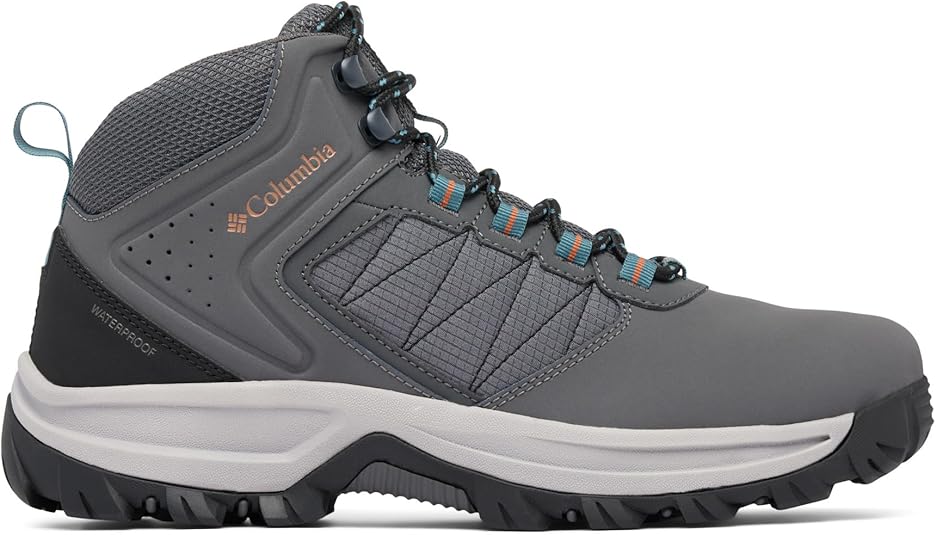 | Columbia Transverse Hike | Check Price |
Our Top Picks 3 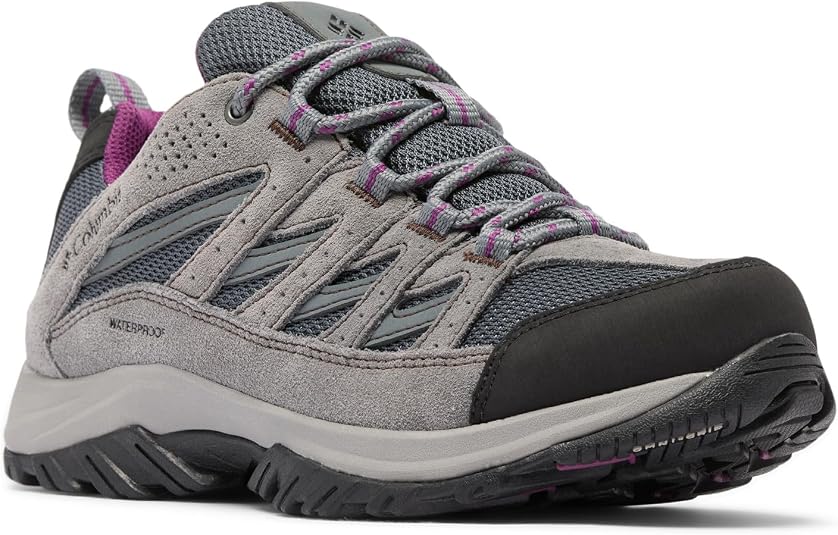 | Columbia Crestwood Hiking | Check Price |
Our Selected Top 10 Walking Rain Shoes Worth Buying
This list features durable and comfortable rain shoes designed specifically for walking in wet conditions. Each review highlights how well the shoes perform, who they are best suited for, and their main advantages and disadvantages to help readers make an informed choice.
1. Chooka Delridge Waterproof Chelsea Rain Boot
Waterproof protection that fits like a glove, these boots stand out for their reliable water resistance and comfortable Chelsea bootie design. Perfect for anyone spending time outdoors in wet, chilly weather, they combine practicality with a low-heel style that keeps your feet dry without sacrificing ease of wear.
Slip-on booties are ready straight from the closet, with black solid color keeping things simple and versatile. The round toe shape gives enough room for daily movement and walking, while the waterproof plush lining adds a cozy feel for winter days. Easy to clean and maintain since the exterior stays clean from mud and water, they handle wet conditions without fuss.
These boots do the main job well by keeping water out in typical winter rains, making them a steady option for walking in soggy weather. Built with waterproof material and a low heel that offers steady footing, they hold up well throughout a day’s wear.
Most praises mention the great fit and warmth, with some noting that the fit can run a bit tight depending on foot width.
Waterproofing and warmth are the top advantages cited, making these boots great in wet winter conditions. Common feedback points to a snug fit, which may not accommodate wider foot shapes comfortably.
Ideal for anyone needing dependable waterproof boots with a cozy interior for cold weather. Those with wider feet or needing all-season wear might want to consider other options.
Pros
- Waterproof design keeps feet dry
- Comfortable plush lining for warmth
- Easy to slip on and off
- Low heel supports steady walking
Cons
- Fit can be tight on wider feet
- Limited to winter season wear
| Specification | Details |
|---|---|
| Color | Black |
| Toe Style | Round Toe |
| Boot Form Type | Bootie |
| Heel Type | low-heel |
| Seasons | Winter |
| Pattern | Solid |
2. Columbia Transverse Hike Waterproof
Columbia Transverse Hike Waterproof stands out for keeping feet dry and comfortable during hikes in wet conditions. Perfect for anyone needing a reliable all-season hiking boot with no heel, it excels in waterproofing while offering solid protection and good fit for walking in rain and muddy trails.
Putting them on is straightforward thanks to a traditional lace-up design that hugs the foot well without pressure points. Their dark grey color hides dirt, making them look good for several wears between cleanings.
Light enough for day-long hikes, they feel sturdy without being heavy or clunky. Closed toes give full protection, and the waterproofing handles puddles and damp grass without soaking through.
Performance wise, the boots keep water out impressively, making them dependable in rainy weather. Construction feels durable, with tough materials that resist scuffs and abrasions common on hiking paths. Most users find them comfortable with secure footing; however, some mention they may take a few wears to break in and soften up.
Not having a heel might take some adjusting depending on your preference.
The waterproofing is highly effective, protecting feet well during hikes in rainy weather. The most frequent downside is the need for some break-in time before the boots feel fully comfortable.
Those looking for a reliable, low-profile hiking boot that handles wet terrain will appreciate these boots. Walkers wanting extra heel support or immediate all-day comfort might prefer different models.
Pros
- Stays dry in wet conditions
- Comfortable fit after break-in
- Durable material resists abrasions
- Lightweight without heel height
Cons
- Requires break-in period
- No heel may affect some users’ gait
| Specification | Details |
|---|---|
| Color | Dark Grey/Cloudburst |
| Toe Style | Closed Toe |
| Boot Form Type | Hiking Boot |
| Heel Type | No Heel |
| Seasons | All |
| Pattern | Solid |
| Style Name | Transverse Hike Waterproof |
| Occasion | hiking |
3. Columbia Crestwood Waterproof Hiking Shoes
Walking in wet conditions feels much more secure with these shoes, thanks to their waterproof design. They suit casual hikers and anyone needing reliable foot protection on damp trails.
Comfort during extended walks stands out as their biggest strength, keeping feet dry without feeling heavy or stiff.
Putting them on is straightforward, with a snug fit that doesn’t pinch. The closed toe protects well on uneven paths, while the solid pattern keeps mud and debris out. Ideal for fall conditions, these shoes handle both casual strolls and moderately challenging hikes without requiring special care or cleaning routines.
Built for outdoor activities, they hold up well to regular use and maintain waterproofing when exposed to puddles and light rain. Reviews highlight how comfortable they remain during long wear and how well they grip.
Some find the fit a bit narrow at first, requiring some breaking in before fully comfortable.
Comfort during extended use and effective waterproofing receive strong praise, making them reliable for damp conditions. Some users note the shoes feel tight at first, requiring time to adjust for full comfort. Water resistance performance stands out as their key feature.
Those looking for casual hiking shoes in wet weather will appreciate these for comfort and dryness. People with wider feet or needing footwear for multiple seasons might want to consider options with more room or broader climate suitability.
Pros
- Waterproof to keep feet dry on wet trails
- Comfortable fit for long walks
- Durable materials suitable for casual hiking
- Closed toe offers good protection
Cons
- Fit can feel narrow initially
- Best suited for fall, not all-season wear
| Specification | Details |
|---|---|
| Color | Graphite/Wild Iris |
| Occasion Type | Casual, Hiking |
| Heel Type | No Heel |
| Toe Style | Closed Toe |
| Seasons | Fall |
4. NORTIV 8 Waterproof Hiking Boots
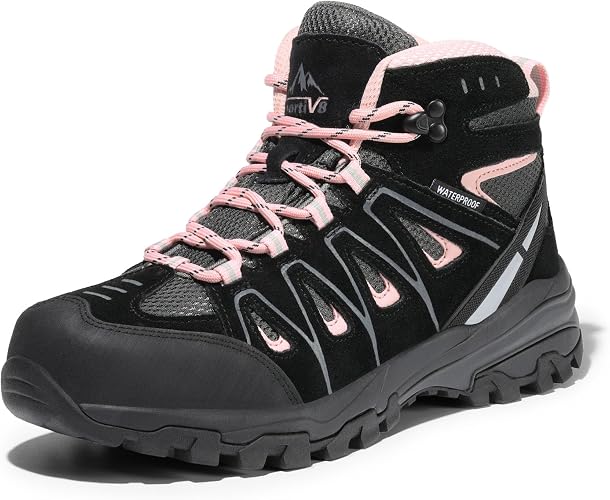
Great for anyone who spends time hiking in wet conditions, these boots stand out because they keep your feet dry without feeling bulky. Their waterproof feature combined with a low-top hiking boot design makes them ideal for walking long distances in varying weather throughout the year.
Putting these on is quick thanks to the low-top style, which also lets your ankles breathe more than taller options. Wearing them day to day, the closed toe design offers solid protection while the no-heel form keeps your footing stable on trails.
Cleaning them is simple since the solid black/pink pattern hides dirt well. All-season functionality means you don’t need to swap shoes with changing weather.
Performance-wise, they do a solid job staying waterproof and comfortable during extended hikes. The boot’s build feels durable without weighing you down, even with no heel support. Most praise mentions how dry feet stay after walking through puddles, but some note the fit runs a bit narrow, squeezing wider feet less comfortably.
Durable materials meet the needs of wet weather hiking.
Waterproofing earns strong praise for keeping feet dry through wet trails, while the main complaint relates to narrow fit causing discomfort for those with wider feet. The low-top style lets air flow but doesn’t provide ankle support some hikers might want.
People who need dependable wet-weather protection without extra bulk will appreciate these boots. Hikers requiring wider toe boxes or more ankle stability could consider other options better suited to those needs.
Pros
- Waterproof to keep feet dry in wet conditions
- Low-top design eases ankle movement and breathability
- Durable materials suitable for all seasons
- Closed toe protects against rough terrain
Cons
- Fit can feel narrow for wider feet
- No heel may reduce ankle support on uneven ground
| Specification | Details |
|---|---|
| Color | Black/Pink |
| Toe Style | Closed Toe |
| Boot Form Type | Hiking Boot |
| Heel Type | No Heel |
| Seasons | All |
| Style Name | Low-top |
5. Womens Waterproof Chelsea Rain Boots

Crafted with waterproof materials and a classic Chelsea boot design, these rain boots fit well for anyone needing reliable protection from spring showers. The biggest strength lies in their solid construction, keeping feet dry without sacrificing style, especially for those who want a mid-heel option that still feels comfortable.
Slip-on design simplifies daily wear, allowing for quick changes on wet days. The round toe shape gives enough room, making walking feel natural without pinching. Black solid color matches various outfits, and being tailored for spring means they balance coverage and breathability for moderate weather conditions well.
Waterproof function performs consistently to keep moisture out, which is essential in a rain boot. Built with a mid-heel that provides a bit of elevation while maintaining stability, it fits classic styling without seeming bulky. Most praise centers on staying dry in steady rain, while some mention the heel may feel less comfortable during long walks.
Effective waterproofing is the standout benefit, reliably keeping moisture out during rainy days. The common downside relates to the mid-heel, which some find less comfortable over extended walking periods.
Those who want stylish, dependable rain footwear suitable for spring will appreciate these boots. People needing full-day walking comfort or winter wear might want to look for alternatives with different heel heights or insulation.
Pros
- Keeps feet dry in wet weather
- Easy slip-on style for quick wear
- Classic black matches most outfits
- Mid-heel offers subtle elevation
Cons
- Heel may feel uncomfortable on long walks
- Designed mainly for spring, not heavy winter use
| Specification | Details |
|---|---|
| Color | Black |
| Toe Style | Round Toe |
| Boot Form Type | Rain Boot |
| Heel Type | mid-heel |
| Seasons | Spring |
| Pattern | Solid |
| Style Name | Classic |
6. IwIeIaIrI Waterproof Rain Boot Covers

Waterproof protection stands out most with these rain boot covers, perfect for anyone needing to keep shoes dry in rainy or wet outdoor conditions. Their anti-slip soles make them suitable for walking on slippery surfaces, making them a solid choice for hikers, cyclists, or anyone walking in the rain.
Putting on the boot covers is straightforward since they fit over your shoes easily due to the flexible PVC material. They stay in place during activities like hiking or cycling thanks to their design.
Reflective strips improve visibility in low light, adding an important safety element during early mornings or late evenings spent outside.
They effectively keep moisture out, letting you focus on your outdoor plans without worrying about wet feet. The build feels durable for the material type, with most people liking the combination of waterproofing and anti-slip soles. A common complaint involves the fit being a bit tight for larger shoes or boots, requiring some adjustment or patience.
These boot covers reliably keep moisture out and add safety with anti-slip soles and reflective strips. Fit can be snug for larger footwear, making it a consideration before purchase.
People who often face wet, slippery conditions during walks or outdoor activities will appreciate the protection and visibility. Those with very large or bulky boots might want to look for stretchier options for easier wear.
Pros
- Waterproof design keeps shoes dry
- Anti-slip soles offer extra grip
- Reflective strips improve low light visibility
- Lightweight at 8.8 ounces
Cons
- May fit tightly on larger shoes
- PVC material can feel stiff initially
| Specification | Details |
|---|---|
| Manufacturer | IwIeIaIrI |
| Item Weight | 8.8 ounces |
| Product Dimensions | 8.66 x 7.87 x 7.87 inches |
| Material | PVC |
| Color | Black |
| Size | Large |
7. SOREL Out N About IV Waterproof Boot
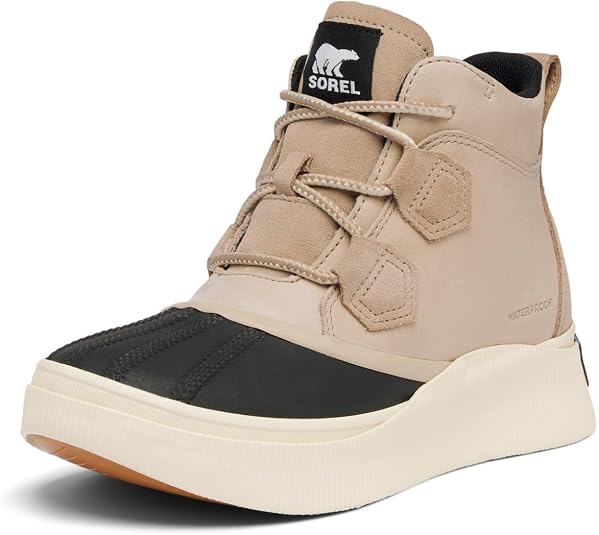
Perfect for spring and summer rainy days, these waterproof boots offer reliable protection without the bulk. They suit anyone needing solid rain coverage combined with casual style.
Their standout feature is the dependable waterproof construction that keeps feet dry while walking outdoors.
Getting ready to head out is simple since the boots slip on easily with their round toe design. The solid omega taupe and black colors make them versatile for many occasions, including parties.
They feel lightweight on feet, and the absence of a heel helps maintain comfort for long strolls on wet surfaces.
As rain boots, they perform well at keeping moisture out and providing grip on slippery ground. The build feels durable with no unnecessary adornments, focusing on function.
Highly praised for staying dry, some users noted that the fit can feel a bit tight for wider feet.
Waterproofing gets consistent praise for reliable dryness in wet conditions. The common complaint centers on the fit feeling snug for some, especially those with wider feet. Comfort is mostly positive if the sizing matches well.
People needing dependable rain protection during warmer months and who prefer no-heel boots will appreciate this choice. Anyone requiring roomy interiors or winter warmth should look for other options.
Pros
- Waterproof and keeps feet dry
- Lightweight for a rain boot
- Simple slip-on style
- Neutral color matching many outfits
Cons
- Fit may be tight for wider feet
- Not designed for cold seasons
| Specification | Details |
|---|---|
| Color | Omega Taupe/Black |
| Toe Style | Round Toe |
| Boot Form Type | Rain Boot |
| Heel Type | No Heel |
| Seasons | Spring/Summer |
| Occasion | Party |
8. Adidas Terrex Anylander Waterproof Hiking Shoes

Walking through wet and rough trails calls for footwear that keeps your feet dry yet comfortable. The adidas Terrex Anylander Waterproof Hiking Shoes fit that need for hikers seeking durable, waterproof shoes with solid grip and a secure fit.
Their key strength is staying waterproof while feeling light enough for longer walks.
Lacing them up feels straightforward thanks to their performance-focused design, making daily walks on rainy paths better with less worry about soggy feet. The waterproof membrane works as promised without adding bulk, helping to maintain breathability. Their neutral fit handles a variety of foot shapes well, so they don’t pinch or feel overly tight during extended wear.
The shoes handle mud and water well, holding traction on slippery surfaces thanks to the specially designed sole. The build uses tough materials designed for the outdoors, though some users point out they can feel stiff at first. The most common praise highlights how reliably they keep water out, while a frequent complaint concerns a break-in period where the fit tightens up.
These shoes consistently hold up well in wet conditions, maintaining waterproof protection throughout hikes. Users frequently mention a stiff feel at first, which softens after breaking them in. The sole provides effective grip, though initial stiffness might be a nuisance before wearing them down.
Hikers looking for dependable waterproofing and solid traction will appreciate them most. Those wanting an immediately soft, lightweight shoe could look for alternatives that specify lower weight and faster comfort out of the box.
Pros
- Reliable waterproof membrane keeps feet dry
- Comfortable for long walks once broken in
- Good traction for slippery surfaces
- Neutral fit suits various foot shapes
Cons
- Break-in period can feel stiff
- Weight not specified may concern some hikers
| Specification | Details |
|---|---|
| Waterproof | Yes |
| Weight | Not specified |
| Material | Durable outdoor fabric with waterproof membrane |
| Fit | Secure, neutral fit |
| Sole | Grippy, designed for wet terrain |
9. Skechers Glide-Step Waterproof Slip-On

Waterproof capability stands out for anyone looking for casual shoes that hold up in wet weather. Great for those who want comfortable, easy-to-wear shoes without fussing over laces. These slip-ons work well for business casual and sport-themed styles, especially when you need something solid and practical in any season.
Slipping these on every day is simple thanks to the hands-free design. The closed toe keeps feet protected while the no-heel build offers a relaxed fit for extended walking. They fit comfortably with enough room to breathe, and the sage color gives a low-key look that mixes with many casual wardrobes.
They do a solid job of keeping water out during rainy walks and remain lightweight on the feet. The structure feels sturdy without being stiff, making them good for all-day use. Most praise comes from how dry and comfortable the feet stay, while some mention the shoe’s solid material can feel less flexible at first.
The waterproof feature reliably keeps feet dry and comfortable, which is the most noted benefit. Some find the shoe’s material a bit stiff when first wearing them, though it loosens over time.
People who want easy slip-on shoes that handle wet days well will like these. Those looking for more flexible materials or wider color choices should consider other options.
Pros
- Waterproof design keeps feet dry during wet weather
- Hands-free slip-on style for easy wear
- Comfortable closed toe with no heel
- Suitable for both casual and business casual settings
Cons
- Material may feel stiff initially
- Limited style options with solid sage color
| Specification | Details |
|---|---|
| Color | Sage |
| Occasion Type | Casual |
| Heel Type | No Heel |
| Toe Style | Closed Toe |
| Style Name | Waterproof Glide-step Sorran Hands Free Slip-in |
| Seasons | All |
10. Columbia Newton Ridge Plus Waterproof
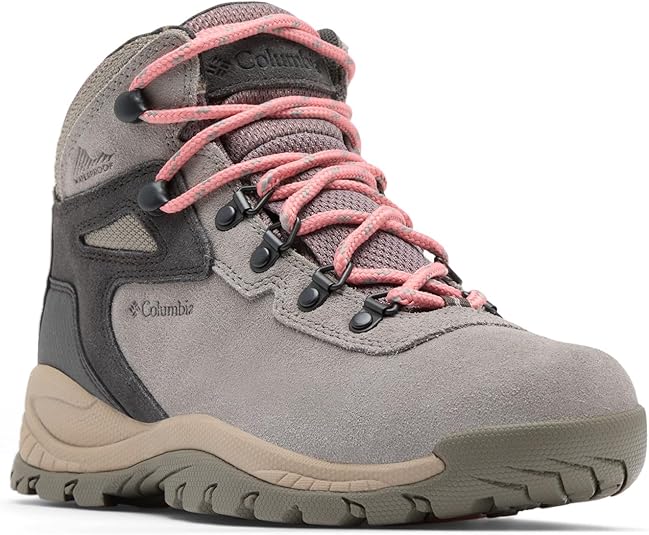
People who enjoy outdoor walks and need reliable protection from wet conditions will find these shoes fit well. Best suited for fall, they excel at keeping feet dry without sacrificing comfort, thanks to their waterproof design and solid build.
Putting these on is easy with a standard lace system that sits comfortably around the foot. The closed toe gives good coverage while the lack of a heel means stability when walking on uneven surfaces. Cleaning is straightforward since the solid pattern and materials don’t trap dirt easily.
They handle well during daily outdoor wear in damp weather.
Built specifically for hiking, the shoes hold up well against wet conditions. Their waterproof feature works reliably to keep moisture out, earning praise for protecting feet during rainy or muddy walks. Some feedback points to a bit of stiffness initially, which may require breaking in before feeling completely at ease.
Otherwise, the durability and fit stand out as strong positives.
Waterproofing receives strong praise for effective protection against rain and mud, making these shoes a reliable choice for wet conditions. Common complaints mention the shoes feel stiff at first, which can cause some discomfort until they soften up with use.
Walkers who spend time outdoors during fall and need durable, waterproof footwear are well served by this model. Those requiring added heel support or softer initial comfort may want to consider alternatives better suited to those preferences.
Pros
- Waterproof material keeps feet dry
- Comfortable fit for outdoor walking
- Good traction on wet surfaces
- Easy to clean solid pattern
Cons
- Initial stiffness requires breaking in
- Heel-less design may lack extra support
| Specification | Details |
|---|---|
| Color | Stratus/Canyon Rose |
| Toe Style | Closed Toe |
| Boot Form Type | Hiking Boot |
| Heel Type | No Heel |
| Seasons | Fall |
| Pattern | Solid |
Best Walking Rain Shoes Comparison Table
| Product | Season | Heel Type | Toe Style | Waterproof |
|---|---|---|---|---|
| Chooka Delridge Rain Boots | Winter | Low-heel | Round Toe | Yes |
| Columbia Transverse Hike | All | No Heel | Closed Toe | Yes |
| Columbia Crestwood Hiking | Fall | No Heel | Closed Toe | Yes |
| NORTIV 8 Hiking Boots | All | No Heel | Closed Toe | Yes |
| Womens Chelsea Rain Boots | Spring | Mid-heel | Round Toe | Yes |
| IwIeIaIrI Rain Boot Covers | – | – | – | Yes (PVC covers) |
| SOREL Out N About IV | Spring/Summer | No Heel | Round Toe | Yes |
| adidas Terrex Anylander | – | – | – | – |
| Skechers Glide-Step Slip-On | All | No Heel | Closed Toe | Yes |
| Columbia Newton Ridge Plus | Fall | No Heel | Closed Toe | Yes |
- SeasonWinter
- Heel TypeLow-heel
- Toe StyleRound Toe
- WaterproofYes
- SeasonAll
- Heel TypeNo Heel
- Toe StyleClosed Toe
- WaterproofYes
- SeasonFall
- Heel TypeNo Heel
- Toe StyleClosed Toe
- WaterproofYes
- SeasonAll
- Heel TypeNo Heel
- Toe StyleClosed Toe
- WaterproofYes
- SeasonSpring
- Heel TypeMid-heel
- Toe StyleRound Toe
- WaterproofYes
- Season–
- Heel Type–
- Toe Style–
- WaterproofYes (PVC covers)
- SeasonSpring/Summer
- Heel TypeNo Heel
- Toe StyleRound Toe
- WaterproofYes
- Season–
- Heel Type–
- Toe Style–
- Waterproof–
- SeasonAll
- Heel TypeNo Heel
- Toe StyleClosed Toe
- WaterproofYes
- SeasonFall
- Heel TypeNo Heel
- Toe StyleClosed Toe
- WaterproofYes
How to Choose the Best Walking Rain Shoes
Comfort, waterproofing, and good traction are key factors when selecting walking rain shoes because they keep your feet dry and stable on wet surfaces. Choosing well-made shoes ensures durability and prevents frequent replacements, saving both money and hassle over time.
Waterproofing Performance
It is common to find walking shoes claiming to be waterproof but failing to keep feet dry in persistent rain. Materials like Gore-Tex or similar waterproof membranes effectively block water while allowing sweat to escape.
These membranes are often combined with sealed or taped seams, which prevent water from seeping in through stitching lines. Shoes without these features may leak after a short time in wet conditions.
The durability of these waterproof elements varies. Membranes tend to last longer if the outer material is abrasion-resistant, while cheaply sealed seams can degrade or peel off with frequent use, causing leaks.
Look for shoes with waterproof ratings or membranes explicitly mentioned, along with taped seams for the best rain protection. Proper care, such as cleaning and avoiding excessive heat drying, helps maintain waterproofing over many walks.
Comfort and Fit
Shoes that fit poorly can cause blisters or foot pain, especially on longer walks. Precise sizing matters since shoes should be snug but not tight, with enough room to wiggle toes.
Adjustable laces or straps help secure feet and accommodate swelling during exercise. Cushioning and arch support reduce stress on feet and joints; many rain shoes use EVA foam midsoles for shock absorption and comfort.
Breathability plays a big role as well, particularly to avoid sweaty feet which lead to discomfort and odor. Mesh inserts or breathable membrane linings can wick moisture away.
Without these features, moisture builds up inside, making feet feel clammy and increasing the chance of fungal issues. Proper fit combined with breathable materials ensures comfort throughout a rainy walk.
Traction and Outsole Design
Walking on wet pavement or muddy trails needs soles with good traction patterns to prevent slips. Deep lugs arranged to shed water and reduce hydroplaning are common on rainy weather shoes. Rubber compounds used for outsoles should be both flexible and wear-resistant.
Hard rubber can last long but may lose grip; softer rubber grips better but wears down faster.
A flexible sole supports a natural walking gait, preventing foot fatigue and improving stability. Rigid soles might feel sturdy but restrict foot movement and decrease comfort on longer walks.
A balance of well-designed tread and sole flexibility keeps footing secure and comfortable over varied slippery surfaces.
Durability and Construction Quality
Walking shoes exposed to wet, rocky terrain face cuts, abrasion, and repeated flexing. Strong stitching using durable thread and bonded seams extend the shoe’s lifespan.
Seams that split early can ruin even the best materials. The upper fabric should resist scrapes and tearing; common choices include reinforced nylon or treated leather.
Midsole materials contribute to cushioning but must also endure compression without breaking down quickly. The outsole needs tough rubber that doesn’t crack or chunk away under stress.
Shoes with carefully selected materials in each layer provide longer service, saving costs and inconvenience of frequent replacements.
Ease of Maintenance
After walking through mud or rain, shoes that clean quickly reduce hassle. Smooth synthetic uppers clean easier than rough fabrics, and color choices affect stain visibility. Quick-dry linings and materials aid in preventing mildew or persistent moisture inside the shoe.
Some models offer removable insoles that can be washed or swapped out, reducing odor and speeding up drying times. Avoid shoes with fixed or integrated insoles if regular washing matters. Easy maintenance keeps shoes presentable and functional for more walking seasons.
Maximizing Comfort and Traction on Wet Surfaces
Rain shoes made for walking offer both comfort and grip features, helping you move safely on wet surfaces. A sole made from flexible rubber with deep, multi-directional treads helps to reduce slipping on slippery pavement or muddy trails. The cushioning inside the shoe affects foot fatigue during long walks in wet conditions.
Shoes with a padded insole absorb shock and prevent discomfort from hard impacts. Breathable waterproof membranes keep feet dry without overheating, which is key when walking for extended periods.
Look for shoes that have a secure lace or strap system to maintain a snug fit, preventing water entry and blisters caused by slipping inside the shoe. Weight also plays a role; lighter rain shoes reduce strain but should not sacrifice sole durability or support. Practical features such as reflective elements improve visibility during dreary, rainy days, contributing to safer walks.
Essential Care Tips to Extend the Life of Your Rain Shoes
Proper maintenance can significantly extend the life of walking rain shoes. After use, dirt and mud should be removed promptly by rinsing the shoes with clean water; stubborn residues can be wiped off with a soft brush or cloth. Avoid placing rain shoes near direct heat sources like radiators to dry, as this may cause materials to warp or crack.
Instead, let them air dry at room temperature and stuff them with newspaper to absorb moisture and maintain shape. Waterproofing treatments designed for rubber or fabric can be reapplied periodically to maintain water resistance.
Storage in a cool, dry place prevents mildew and material degradation. Checking seams and soles regularly for signs of wear allows early repairs, such as resealing or sole reattachment, which prolong the shoe’s effectiveness and safety during wet walks.
Comparing Walking Rain Shoes to Waterproof Hiking Boots
Walking rain shoes and waterproof hiking boots serve distinct purposes despite some overlap in design. Rain shoes are generally lighter and more flexible, making them suitable for urban environments or short wet-weather walks. Their soles focus on traction for pavement and modest trails, while uppers prioritize easy waterproofing often with synthetic materials.
Hiking boots are heavier and provide additional ankle support and rugged soles for rough terrain, which may be excessive for everyday wet weather use. Boots usually have thicker insulation and more complex waterproof membranes suitable for extended outdoor activities in various climates.
Comfort levels differ; rain shoes prioritize agility and quick drying, whereas hiking boots prioritize protection and durability. Choosing between the two depends on the primary activity, casual wet weather walking benefits from rain shoes, while trail hiking requires the extra stability and protection of hiking boots.
People Also Asked
How Do Walking Rain Shoes Fit Compared to Regular Sneakers?
Walking rain shoes usually fit similarly to regular sneakers but can feel a bit snug due to waterproof linings. It helps to try them on with the socks you plan to wear while walking to get a better sense of the fit.
Can I Machine Wash Walking Rain Shoes Without Damaging Them?
Most walking rain shoes should not be machine washed, as the agitation can damage waterproof coatings and seams. Hand cleaning with a damp cloth and mild soap works best to preserve their water resistance.
Are Walking Rain Shoes Safe on Slippery Surfaces?
Walking rain shoes designed with rubber soles and good tread offer decent traction on wet surfaces. Still, it’s wise to watch your step, especially on smooth tiles or oily pavement where even good soles can slip.
How Long Do Walking Rain Shoes Typically Last with Regular Use?
Walking rain shoes tend to last about one to two years with regular use before waterproofing breaks down. Proper drying and occasional application of waterproofing spray can extend their lifespan.
What Are Common Problems People Face with Walking Rain Shoes?
Common issues include loss of waterproofing over time and stiffening of materials, which causes discomfort. Some also find that they can trap heat, so looking for breathable linings helps reduce sweaty feet.
Conclusion
Good walking rain shoes need to keep your feet dry without sacrificing comfort for long periods. Pay attention to the shoe’s waterproofing and breathability, along with a sturdy sole that offers good grip on wet surfaces. Fit should not be too tight or loose, as this can cause discomfort during walks.
Choose shoes that fit your typical walking environment and how often you expect to use them. Less frequent walkers might prioritize budget over durability, while daily users should lean toward longer-lasting options.
Check the comparison table and the reviews above to find the pair that suits your needs best.