Top 10 Best Waders for Cold Weather Duck Hunting Revealed!
Fumbling through cold, muddy marshes only to find your waders leaking or not warm enough is a familiar frustration for anyone serious about duck hunting in winter. The best waders for cold weather duck hunting prevent water from seeping in and hold insulation close to your body even during long, chilly hours outside.
Without reliable protection, cold water and wind can ruin a day that was supposed to be about patience and precision.
Key qualities that separate solid cold-weather duck hunting waders from poor ones include durable waterproof materials like neoprene or layered breathable fabrics rated for at least 20,000 mm waterproofing. Insulation thickness generally ranges from 3mm to 5mm to keep your legs warm without restricting movement. Fit matters a lot for comfort and warmth; good waders should allow layering underneath but remain snug around the ankles and chest to block drafts and water entry.
Features like reinforced seams and adjustable suspenders also help extend their life and usability in rough outdoor conditions.
Need a Quick Check?
| Image | Product | Price |
|---|---|---|
Our Top Picks 1  | TIDEWE Neoprene Waders | Check Price |
Our Top Picks 2 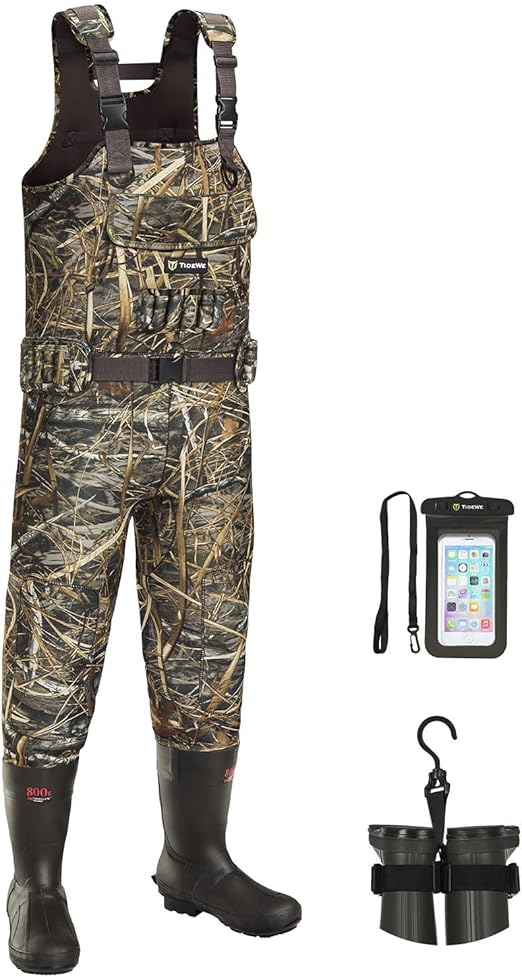 | TIDEWE Hunting Waders | Check Price |
Our Top Picks 3  | HISEA Insulated Neoprene | Check Price |
Our Selected Top 10 Waders for Cold Weather Duck Hunting Worth Your Money
This list features durable and insulated waders designed specifically for cold weather duck hunting, focusing on warmth, waterproofing, and comfort. Each review explains how the wader performs in harsh conditions, who it best suits, and highlights its main advantages and drawbacks.
1. TIDEWE Neoprene Chest Waders
TIDEWE Neoprene Chest Waders stand out for cold weather duck hunting thanks to their thick 1400g neoprene material that keeps you warm and dry. Perfect for serious hunters tackling icy water, these waders focus on warmth and camouflage, making them a solid choice when staying comfortable during long days is essential.
Putting these waders on is straightforward with a sporty cut that fits well over layers. The camouflage pattern blends easily into natural surroundings, which is key during waterfowl hunting.
The neoprene is thick but flexible enough to move through wetlands without feeling bulky. Cleaning after muddy hunts is manageable by rinsing off and hanging to dry, keeping them in good shape without much effort.
The neoprene construction does a reliable job keeping cold water out and your legs insulated for hours. The build quality feels durable and made for rugged use, though the heaviness of the 1400g material might slow you down a bit during long treks. A common mention in feedback is how warm these keep you, but some find them heavier than lighter alternatives.
The strongest praise is about how well the 1400g neoprene insulation keeps the wearer warm in cold water. The usual downside is the extra weight from the thick material, which some find cumbersome for extended walking.
Those hunting in very cold, wet conditions needing serious warmth will appreciate these waders. Someone prioritizing lightweight gear and quick movement might want to consider lighter options instead.
Pros
- Thick 1400g neoprene keeps legs very warm
- Effective camouflage pattern for duck hunting
- Sporty fit allows decent mobility over layers
- Durable construction for rugged wetland use
Cons
- Heavier than lighter wader models
- Thick neoprene requires more care when drying
| Specification | Details |
|---|---|
| Color | 1400g Next Camo Evo |
| Style | Sporty |
| Pattern | Camouflage |
2. TIDEWE Chest Hunting Waders
Staying warm in wet conditions is easier with these waders designed for cold weather duck hunting. They suit hunters needing reliable insulation and a comfortable fit, with their main strength being the 800g insulation and Next Camo Evo pattern that blends well into marshy environments.
Getting set up involves pulling them over your chest, secured by adjustable straps that keep everything snug. The sporty cut ensures you can move easily through tough brush without feeling bulky. The camo pattern helps you stay hidden, which is essential during duck season.
Cleaning after use is straightforward as the material doesn’t hold on to dirt excessively.
They do well at keeping legs dry and warm thanks to the thick insulation. The construction feels solid with attention to detail in seams to avoid leaks.
Strong points include lasting warmth and decent mobility, though some mention fit being a bit tight around the chest for larger builds. Durability is generally good, but a few note that heavier wear spots could require repair.
Warmth stands out as the biggest advantage thanks to the 800g insulation, keeping legs comfortable in cold environments. The most common issue found is the fit around the chest, which can be restrictive for some wearers.
Those who need solid insulation and prefer a camo pattern suited to marshy settings will appreciate these waders. People with broader chests may want to look for waders with a roomier fit for better comfort on long hunts.
Pros
- Thick 800g insulation for cold weather warmth
- Next Camo Evo pattern for good concealment
- Sporty style allows good mobility
- Easy to clean after use
Cons
- Chest fit can feel tight for larger frames
- Some durability issues with heavy wear spots
| Specification | Details |
|---|---|
| Color | 800g Next Camo Evo |
| Style | Sporty |
| Occasion | Father’s Day, New Year |
| Pattern | Next Camo Evo |
3. HISEA Insulated Neoprene Chest Wader
Great for cold weather duck hunting, these neoprene chest waders offer solid warmth and dryness. Perfect for serious hunters spending long hours in chilly water, they excel at trapping body heat with their thick 4.5mm insulation that won’t restrict movement.
Putting them on is straightforward thanks to their flexible neoprene design. The suit feels sturdy yet stretchy, making it easier to walk through uneven, wet terrain. The camouflage pattern fits well with outdoor gear, and the fully waterproof sealed seams mean no worries about leaks or dirt getting inside.
Built from 100% neoprene, these waders hold up well against cold water and keep warmth locked in without bulkiness. Armor weld double-stitched seams improve durability, though some mention the fit can feel a bit snug around the boots.
The water-resistance functions as promised, making long hours in the wet less uncomfortable.
The warmth from the thick neoprene and tight sealing against water are the main advantages most appreciate about these waders. On the downside, the snug fit near the boot area can be uncomfortable for larger foot sizes. This can affect ease of putting them on for some users.
Hunters who need thermal protection without sacrificing flexibility will find these waders suitable. Those planning to wear them in colder months or requiring more spacious boots might look elsewhere for alternatives better suited to those needs.
Pros
- Extremely warm 4.5mm neoprene insulation
- 100% waterproof with sealed seams
- Flexible neoprene offers good mobility
- Camouflage design suited for hunting
Cons
- Fit may feel tight around boots
- Designed for warmer seasons spring/summer
| Specification | Details |
|---|---|
| Material | 100% neoprene |
| Insulation Thickness | 4.5mm neoprene |
| Seams | Double-stitched, bonded & taped |
| Boot Form Type | Work Boot |
| Color | Next Camo Evo(s) |
| Seasons | Spring/Summer |
4. Gonex Insulated Fishing Chest Waders

Constructed with insulated materials suitable for cold weather, these waders are designed for adults who spend long hours duck hunting in chilly conditions. Their standout trait is effective insulation, which helps keep you warm without bulky layering.
Putting them on is straightforward, thanks to their chest-high design that provides ample coverage. They fit comfortably enough to allow free movement while carrying gear.
Waterproof fabric keeps you dry through marshes, and the attached boots simplify the process of getting ready for a day outdoors. Cleaning after use involves a quick wipe down since the materials resist mud and water buildup.
Performance-wise, the insulation does a solid job preserving body heat during cold hunts, maintaining warmth throughout the day. Built with durable, imported materials, the construction offers reliable protection against water intrusion. Users appreciate the warmth but sometimes note the fit can be a bit snug for larger frames.
Durability is praised but some mention limited breathability during intense activity.
This wader receives strong praise for retaining warmth throughout cold hunting sessions, making long periods outside much more bearable. Common criticism points to a snug fit for bigger body types, which can restrict movement slightly during extended wear.
Hunters who prioritize warmth and water protection will find these waders suitable. Those needing a looser fit or better ventilation might want to consider alternative options designed with more breathability and sizing flexibility.
Pros
- Good insulation for cold weather
- Waterproof chest-high design
- Durable, imported materials
- Includes attached boots for convenience
Cons
- Fit can be tight on larger builds
- Not very breathable during active use
| Specification | Details |
|---|---|
| Brand Name | Gonex |
| Garment Size Country | United States |
| Unit Count | 1 Count |
| Import Designation | Imported |
| Style Number | GXGN2428B-US |
| Warranty Description | 1 Year Manufacturer |
5. Gonex Insulated Fishing Chest Waders

Built to keep feet warm and dry in cold water, these waders suit men looking for insulation and flexibility during duck hunting. Their standout feature is the 600g insulated rubber boots that combine warmth with good mobility, making them a solid choice for chilly conditions.
Putting them on is straightforward thanks to the raised heel tab on the boots, which makes slipping them on and off easier. The 4.5mm neoprene material stretches enough to allow comfortable movement through wetlands, while the reinforced vamp protects toes during rough terrain treks. The deep-tread outsole adds grip on mud, so walking around doesn’t feel slippery or unsafe.
The waders do well keeping water out and warmth in due to the neoprene and built-in boot insulation. They feel sturdy without being overly heavy at 5.15 kg.
The biggest compliment is how the boots retain heat while moving comfortably. A common drawback is the overall weight which might feel a bit bulky for longer hunts.
Most praise highlights that the boots keep feet warm without sacrificing movement, making cold water hunting manageable. Some users mention the overall weight and bulk as a downside, especially on longer outings.
Hunters prioritizing insulation and footing in cold, wet conditions will appreciate these waders. Those needing lighter, more agile gear might look for slimmer options better suited to extensive walking or tight maneuvering.
Pros
- 600g boot insulation retains warmth well
- Flexible neoprene ensures comfortable movement
- Deep-tread outsole improves grip on slippery surfaces
- Reinforced vamp offers toe protection
Cons
- Heavier weight may tire some users
- Bulkiness limits agility in dense terrain
| Specification | Details |
|---|---|
| Material | Neoprene |
| Boot Insulation | 600G Insulated Rubber Boots |
| Neoprene Thickness | 4.5mm |
| Size | 11 |
| Package Weight | 5.15 kg |
| Color | Next Camo Evo |
6. Gator Shield Insulated Chest Waders
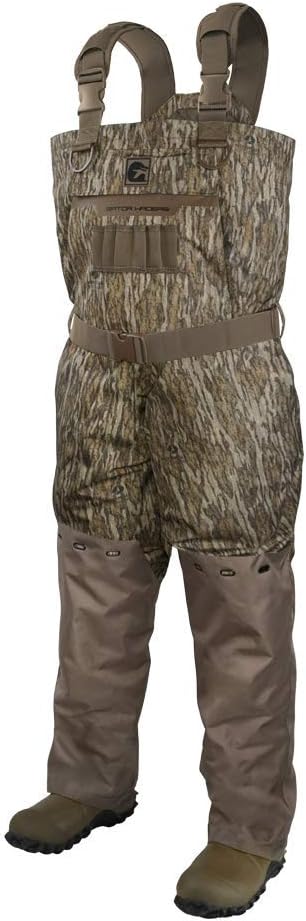
Heavy-duty insulation and solid material quality make these waders ideal for cold weather duck hunting. Designed for wet environments, they suit hunters needing reliable warmth and durability in tough conditions. Their biggest strength lies in keeping you comfortable and dry through long days outdoors.
Putting on the waders feels straightforward, thanks to their fit and solid construction. The Mossy Oak Bottomland color helps blend into natural surroundings, while the chest-high design keeps water out effectively.
They’re built for hunting specifically, so movement isn’t overly restricted even in wet, marshy areas you encounter daily.
Performance excels in providing insulation and water resistance during cold hunts. The materials manage dampness and preserve warmth well.
Reviews often praise how well they hold up against rough terrain and cold weather. Most frequent complaint is the need for proper cleaning to maintain the material’s condition over time.
The most praised aspect is the solid insulation keeping warmth in during wet, cold conditions. Regular maintenance and cleaning come up as necessary to avoid wear and keep material performance intact. The fit, while protective, can feel bulky during longer sessions.
Hunters spending long hours in cold, wet environments will appreciate these waders for warmth and durability. Those looking for a lighter, less bulky option might want to explore other models geared toward ease of movement over maximum insulation.
Pros
- Strong insulation for cold weather
- Effective water resistance
- Camouflage suited for duck hunting
- Durable materials for rough use
Cons
- Requires regular cleaning to maintain condition
- Fit may feel bulky to some users
| Specification | Details |
|---|---|
| Color | Mossy Oak Bottomland |
| Style | Wet-environment |
| Occasion | Hunting |
| Collection Name | All |
| Pattern | Solid |
7. Extremus by KastKing MarshPro Fishing Waders

Cold, wet marshes and early morning hunts demand waders that keep you dry and warm without restricting movement. Perfect for duck hunters facing chilly conditions, these Extremus by KastKing MarshPro Waders deliver reliable waterproof protection and comfort for long days in the field.
Getting ready to head out, you stick to your usual US shoe size unless packing extra layers or thick socks, in which case sizing up works better. The soft interior makes wearing these waders for hours straightforward, while the durable HydroTough Composite Fabric holds up well against rough brush and rocks around marshes and wetlands without feeling too stiff or heavy.
Waterproofing is solid thanks to reinforced taped seams and a Durable Water Repellent finish, so moisture stays out during river crossings or standing in wet grass. The fabric offers twice the tear and abrasion resistance compared to typical nylon options, making these waders last longer. Some find they need a bit more room for bulky winter wear, but most appreciate the combination of toughness and comfort.
The waders provide excellent long-lasting waterproof protection and stand up well to wear in tough marsh environments. Many appreciate the comfortable interior, but some struggle with fit when adding bulky cold-weather layers underneath.
Those hunting in cold, wet conditions who wear normal sock thickness will find these waders well suited. Hunters needing room for heavy insulation or wide feet might want to consider sizing carefully or exploring other models with more spacious design.
Pros
- Highly waterproof with taped seams
- Soft, skin-friendly interior for comfort
- Extra durable against tears and abrasions
- Size options accommodate thicker clothing
Cons
- Might feel tight when layering heavily
- Imported model with variable sizing precision
| Specification | Details |
|---|---|
| Fabric | HydroTough Composite Fabric |
| Waterproofing | 100% Waterproof with taped seams and DWR finish |
| Sizing Guidance | Use usual US shoe size, size up for thick clothing or wide feet |
| Durability | 2X better tear and abrasion resistance |
| Manufacturer | Extremus |
| Import Designation | Imported |
8. DRAKE WATERFOWL Hardline Insulated Waders

Offering reliable insulation and durable construction, the DRAKE WATERFOWL Hardline Insulated Waders suit adult duck hunters braving cold weather. Its standout feature is the excellent balance between warmth and toughness, making it a solid pick for extended days in wet, chilly conditions.
Setting up involves pulling on a single unit that fits securely and moves with you through marshes or shallow waters. The insulated design means you don’t need extra layers underneath, keeping your motions light despite the heavy insulation. Lightweight materials help prevent any drag or slowdown while hunting, and they feel sturdy rather than bulky on foot.
Performance-wise, these waders do well at keeping feet and legs warm without sacrificing flexibility. The build quality is solid, suitable for frequent exposure to wet environments without quick wear. The biggest compliment is the warmth they provide all day long.
A noticeable downside for some is that they can be a bit stiff initially, requiring some breaking in to reach comfort.
DRAKE WATERFOWL Hardline Insulated Waders keep legs warm and dry during cold water hunting thanks to substantial insulation and waterproof fabric. Most comments highlight good thermal protection but note the fit can feel bulky, which sometimes limits mobility in dense marsh areas.
Hunters spending long hours in cold water will appreciate the warmth and durability of these waders. Those needing lighter gear for easier movement or working in milder conditions might want to consider less insulated options for better flexibility.
Pros
- Well-insulated for cold weather hunting
- Durable materials stand up to wet conditions
- Single unit design simplifies wearing and movement
- Fits securely allowing natural mobility
Cons
- Initial stiffness requires break-in time
- Limited sizing information available
| Specification | Details |
|---|---|
| Brand Name | Drake Waterfowl |
| Age Range Description | Adult |
| Number of Items | 1 |
| Part Number | DF0253-006-XLG10 |
| Unit Count | 1 Count |
9. HISEA 800G Insulated Neoprene Chest Waders

Perfect for cold weather duck hunters who face wet, chilly conditions, these are built to keep you warm and dry all day. The biggest strength lies in the 800 gram thinsulate boots that protect feet from frigid water, making long hours in the marsh comfortable.
Getting the waders on is straightforward thanks to the flexible 4.5mm neoprene, which molds to your body without feeling stiff. The jacket-like jersey and nylon lining add comfort during movement. The double-stitched seams and Water Intrusion Resistance treatment mean no water seeps through during wading or sudden splashes.
They hold up well in freezing water and rough outdoor use, with the neoprene trapping body heat efficiently. The insulated rubber boots have a textured sole that helps avoid slips in muddy terrain. Most praise highlights warmth and waterproof reliability.
Some mention the fit as a bit snug, which might require sizing adjustments.
The product is frequently praised for keeping feet exceptionally warm and dry due to the thick thinsulate boots and waterproof seam construction. Most users notice the snug fit, which can challenge movement without proper sizing.
Hunters spending long hours in cold water will appreciate the warmth and protection. Those seeking lighter or more breathable gear for moderate temperatures might consider other options.
Pros
- 800 gram thinsulate boots keep feet warm in frigid water
- Water Intrusion Resistance processing prevents water and dirt inside
- Double-stitched and taped seams ensure complete waterproofing
- Rugged textured sole offers enhanced grip on slippery surfaces
Cons
- Fit can feel tight, requires careful sizing choice
- Material thickness may reduce breathability in milder weather
| Specification | Details |
|---|---|
| Material | Jersey, Neoprene, Nylon |
| Insulation | 800 gram thinsulate boots |
| Seams | Double-stitched and bonded & taped |
| Waterproof Technology | Water Intrusion Resistance (WIR) processing |
| Color | Next Camo Evo(s) |
| Style | Hunting Waders |
10. Drake Waterfowl Buckshot Eqwader Neoprene Waders

Neoprene construction with advanced seam protection makes these waders ideal for cold weather duck hunting. Drake Waterfowl Buckshot Eqwader Neoprene Waders fit securely and keep water and cold out, making them one of the warmest choices for wet, muddy conditions.
Putting these on is straightforward thanks to their flexible 3.5 mm neoprene body that moves with you. The snug ankle fit on the 1600g Thinsulate Buckshot Mud Boots prevents slipping off in thick mud.
Daily wear feels comfortable due to the insulation, while the DryFuse Seam Technology avoids leaks during long hours outdoors.
Performance stands out with impressive warmth and durability. The liquid seam welds on every external seam and extra-wide waterproof tape inside mean these waders truly hold up against water entry.
Some users mention the boots feel a little bulky, but most find the insulation worth it in chilly conditions. Construction balances durability with flexibility well.
The strongest praise regards the impressive warmth delivered by the 1600g Thinsulate boots and the reliable watertight protection from the liquid seam welds and taped seams. Common feedback points to the boots feeling somewhat bulky, which can affect comfort for certain wearers.
Those spending long hours in cold, wet conditions will appreciate the warmth and durability these waders provide. Hunters preferring lightweight or less insulated boots might want to consider alternatives due to the bulkiness and thicker neoprene.
Pros
- Excellent insulation with 1600g Thinsulate boots
- Secure ankle fit to prevent boot pull-out
- Durable liquid seam welds prevent leaks
- Flexible 3.5 mm neoprene for movement
Cons
- Boots can feel bulky for some users
- Imported model, not exclusively made in USA
| Specification | Details |
|---|---|
| Material | 3.5 mm neoprene |
| Seam Protection | Liquid Seam Weld and Waterproof Seam-Seal Tape |
| Boot Type | 1600g Thinsulate Buckshot Mud Boots |
| Style | Buckshot |
| Color | Mossy Oak Bottomland |
Best Waders for Cold Weather Duck Hunting Comparison
| Product | Material | Pattern | Style | Warranty |
|---|---|---|---|---|
| TIDEWE Neoprene Waders | Neoprene | Camouflage | Sporty | – |
| TIDEWE Hunting Waders | – | Next Camo Evo | Sporty | – |
| HISEA Insulated Neoprene | Neoprene | Camouflage | Hunting Waders | – |
| Gonex Insulated Waders | – | – | – | 1 Year Manufacturer |
| Gonex Fishing Waders | Neoprene | Next Camo Evo | Adventure | – |
| Gator Shield Insulated | – | Solid | Wet-environment | – |
| KastKing MarshPro Waders | – | – | – | – |
| Drake Hardline Waders | – | – | – | – |
| HISEA 800G Neoprene | – | Camouflage | Hunting Waders | – |
| Drake Buckshot Eqwader | – | Graphic | Buckshot | – |
- MaterialNeoprene
- PatternCamouflage
- StyleSporty
- Warranty–
- Material–
- PatternNext Camo Evo
- StyleSporty
- Warranty–
- MaterialNeoprene
- PatternCamouflage
- StyleHunting Waders
- Warranty–
- Material–
- Pattern–
- Style–
- Warranty1 Year Manufacturer
- MaterialNeoprene
- PatternNext Camo Evo
- StyleAdventure
- Warranty–
- Material–
- PatternSolid
- StyleWet-environment
- Warranty–
- Material–
- Pattern–
- Style–
- Warranty–
- Material–
- Pattern–
- Style–
- Warranty–
- Material–
- PatternCamouflage
- StyleHunting Waders
- Warranty–
- Material–
- PatternGraphic
- StyleBuckshot
- Warranty–
How to Choose the Right Cold Weather Waders
Choosing cold weather waders involves focusing on insulation, waterproofing, and durability to keep you warm and dry during long hunts. Selecting the right material and fit helps prevent discomfort and damage, saving money on replacements and avoiding unnecessary exposure to harsh conditions.
Insulation and Warmth
A thin layer of insulation can leave you shivering after just an hour standing in cold water. Many waders use materials like neoprene or Thinsulate for warmth. Neoprene is thick and blocks water well, but it can make you sweat during longer use if it’s not breathable.
Thinsulate is lighter and allows some airflow, but it usually requires layering to stay warm in freezing temps. Finding a wader with adequate insulation thickness, around 3 to 5 millimeters for neoprene or a few layers of synthetic insulation, makes a big difference in comfort.
Breathability prevents sweat from building up inside, which otherwise makes you cold once you stop moving. Look for options that balance warmth and moisture control, especially those with soft-shell fronts or mesh linings that wick moisture. Without the right materials and layering, cold seeps in quicker than you expect, cutting your time outside short.
Waterproofing and Durability
Waders with poor waterproofing often let water leak through seams or thin spots after a few uses in the swamp. Durable outer materials like coated nylon or heavy-duty PVC usually hold up better against abrasion from brush and rocks. Some cheaper waders rely on a single waterproof membrane that can fail quickly once punctured or rubbed thin.
Seams are the most common leak points, so fully taped or welded seams are standard in dependable models. Zippers and closures should be water-tight to prevent water entering from the top.
A good watertight seal means your legs stay dry no matter how deep or wet the ground is. With rugged conditions, expect the waders to last several seasons without tearing or leaking; thin or poorly reinforced materials wear through quickly and become useless for hunting long-term.
Fit and Mobility
Stiff or tightly fitting waders make walking through marshes and bending under branches tiring and awkward. Proper sizing includes enough room to layer clothing underneath without feeling bulky, while still allowing free movement.
Features like adjustable shoulder straps and waist belts keep the waders in place but permit flexibility around your torso. The fabric itself should have some give, softshell or stretch panels help you crouch or climb without pulling or chafing. Too much looseness causes snagging and allows cold air in, while overly snug designs restrict movement and cause discomfort after hours standing.
Trying various sizes to find a balance keeps you comfortable and efficient on the move, especially when covering uneven terrain.
Footwear Integration and Traction
Waders that don’t fit well over boots cause slipping inside or awkward pressure points leading to blisters. Many high-quality options feature integrated boot designs or adjustable cuff straps to secure the footwear connection. This integration stops water entry and allows for confident walking.
Soles made of rubber or neoprene with deep, aggressive tread patterns offer the best stability on slick mud or rocks. Added reinforcements around the heel and toe areas extend the life of the footgear since these spots get the most wear.
Without solid traction and durable soles, you risk falls or rapidly worn-out waders that need replacing sooner than expected.
Noise Level
Moving quietly through reeds and over frozen ground keeps you from spooking birds before your shot. Waders constructed with soft fabrics or quiet materials reduce the noise of footsteps and rubbing limbs.
Some models use neoprene or fleece-lined interiors that muffle sounds better than crinkly nylon. Seams and closures that don’t rub together loudly help maintain a low profile too. Wear and tear can increase noise, so avoiding rough or stiff fabrics preserves stealth over time.
Balancing durable materials with noise reduction features is key; very thick or reinforced waders tend to be noisier but last longer. Choosing a quieter design means longer sessions without disturbing wildlife.
Maximizing Warmth: Layering Strategies with Cold Weather Waders
Warmth depends largely on how you layer under your waders. Avoid cotton as it retains moisture and loses insulation when wet. Use moisture-wicking base layers made of synthetic or wool materials to keep your skin dry.
Adding an insulating mid-layer, such as fleece or wool, traps heat to maintain temperature without bulk. Don’t overdo layers; too many can restrict movement and reduce blood circulation, which cuts down on warmth.
- Start with a thin, breathable base layer
- Add a warm, insulating mid-layer tailored to the day’s temperature
- Choose waders with built-in insulation for extra protection
Pay attention to your extremities as well, thermal socks and gloves work alongside good layering to prevent heat loss. Adjust layers before heading out to avoid sweating, which cools you when you stop.
Essential Maintenance Tips to Extend the Life of Your Waders
Regular cleaning prevents dirt and oils from breaking down wader materials. After each use, rinse mud and debris off with fresh water to avoid buildup that can cause wear. Avoid harsh detergents; mild soap is sufficient for tougher stains.
Dry waders thoroughly in a shaded area away from direct heat sources. Heat can warp or crack seams and waterproof coatings.
- Store waders hanging vertically to keep their shape and avoid creases
- Inspect seams and waterproof membranes periodically for leaks
- Patch any small holes or tears promptly to prevent water entry
Taking these steps ensures the waders remain waterproof and durable season after season, especially important in cold conditions where wet gear quickly leads to discomfort.
Safety Considerations When Using Waders in Icy and Frozen Wetlands
Wading in icy or frozen wetlands requires extra care to avoid injury or hypothermia. Test the thickness of ice before stepping; hidden weak spots can cause sudden immersion.
Wear a personal flotation device to aid in recovery if you fall through thin ice or deep water. Use a wading staff to check footing constantly as frozen ground and underwater obstacles can be slippery.
- Never wade alone in conditions with ice or strong currents
- Carry a whistle or communication device in case of emergency
- Avoid quick movements that can upset balance on unstable surfaces
Preparing for these risks improves safety and allows for quicker responses during unexpected situations in cold, icy environments.
People Also Asked
How Do I Properly Size Waders for Cold Weather Duck Hunting?
Choose wader size by trying them on with the clothes you plan to wear underneath, including insulated layers. Waders that are too tight restrict movement and layering, while too loose ones let in cold air and water. Checking fit around the chest, waist, and feet ensures comfort during long hunting sessions.
What Is the Best Way to Care for Cold Weather Hunting Waders?
Rinse waders with cold water after every use to remove dirt and debris, then hang them to dry away from direct heat sources. Drying in sunlight or near heaters can cause material damage. Clean boots separately and store waders in a cool, dry place to prevent mold and damage.
Are Cold Weather Waders Safe for Prolonged Use in Freezing Conditions?
Waders designed for cold weather generally provide good insulation, but adding insulated layers underneath is necessary for very low temperatures. Staying dry is key to avoiding cold-related issues, so check seams and closures regularly for leaks. Boots should be insulated and waterproof as well.
How Long Do Cold Weather Duck Hunting Waders Typically Last?
Well-maintained cold weather duck hunting waders typically last several seasons, often three to five years depending on frequency of use and care. Avoid dragging them on rough surfaces, and patch small holes promptly to extend life. Boots may wear out sooner and can often be replaced separately.
What Are Common Problems with Waders in Cold Weather Hunting Situations?
Common problems include leaks at seams or zippers, insulation compressing over time, and frost buildup on the material. Wearing waders without proper layering can cause cold discomfort. Paying attention to fit, inspecting gear before use, and proper storage help reduce these issues.
Conclusion
Choosing waders for cold weather duck hunting means focusing on insulation, waterproofing, and durability. The insulation keeps you warm during long hours in wet, cold conditions, while waterproof materials prevent water from soaking through.
Durability matters because the terrain and environment can be rough on gear.
Consider how much space you have to store your waders and how often you’ll be out in the field before making a purchase. Waders that are easy to pack or store work better for occasional use, while heavy-duty options suit frequent hunters. Look back at the comparison table and picks above to find the balance that fits your needs and budget.