Top 10 Best Treestand Boots That Hunters Swear By
Spending hours on a treestand becomes uncomfortable fast when your boots aren’t up to the task. The right best treestand boots provide stable footing and warmth, something a cheap pair won’t deliver after a wet morning or long sitting.
Cold toes and slipping feet can turn a planned hunt into a frustrating experience, showing why this type of boot is a serious investment for anyone spending time off the ground.
Durability and insulation matter most with treestand boots. Waterproof leather or synthetic uppers keep moisture out while allowing breathability, and insulation rated around 400 to 800 grams often works well for typical hunting temperatures. Fit is critical too; boots need to be snug enough to prevent foot movement but not so tight that circulation is cut off, especially since hunters often wear thick socks.
A solid tread that grips tree bark and ladders helps maintain balance and safety.
Need a Quick Check?
| Image | Product | Price |
|---|---|---|
Our Top Picks 1  | MUCK Arctic Pro Boot | Check Price |
Our Top Picks 2  | MUCK Mossy Oak Boot | Check Price |
Our Top Picks 3 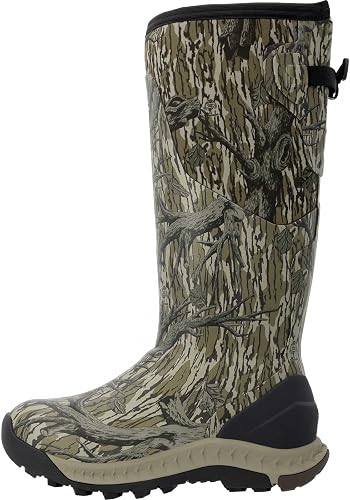 | MUCK Woodland Pro Boot | Check Price |
Our Selected Top 10 Treestand Boots You Can Trust
This list features carefully chosen treestand boots designed for comfort, durability, and safety during hunting. Each review explains how the boots perform in different conditions, identifies the ideal user, and highlights their main strengths and weaknesses to help you make an informed decision.
1. MUCK Arctic Pro Insulated Boot
Great for cold weather and tough terrain, the MUCK Arctic Pro Insulated Boot suits hunters and outdoor workers who need reliable insulation and comfort. Its standout strength lies in keeping feet warm without adding extra bulk, making it a solid pick for long treestand waits in chilly conditions.
Putting them on is straightforward thanks to the round toe and easy slip-on design typical of work boots. Wearing these boots every day in cold weather feels secure and comfortable.
The lack of a heel means better stability on uneven ground. The tan/bark color and rugged design fit both casual outings and demanding outdoor activities, making these boots versatile for all-day use.
Built with durability in mind, these boots handle harsh conditions well and keep warmth locked in. The primary praise from users highlights how well they retain heat during freezing days. On the downside, some mention they can feel a bit heavy during longer treks.
The sturdy construction balances protection with comfort for cold weather exploration.
Warmth retention stands out as the biggest advantage, making these boots reliable in freezing temperatures. Weight is the most frequent downside noted, which can make long walks feel more tiring.
Anyone spending long hours stationary in cold settings will appreciate these boots. Those prioritizing lightweight footwear for extensive walking might consider alternatives.
Pros
- Keeps feet warm in cold weather
- Stable without a heel for uneven terrain
- Durable build for rugged use
- Casual style fits multiple occasions
Cons
- Can feel heavy during long treks
- Limited color options
| Specification | Details |
|---|---|
| Color | Tan/Bark |
| Toe Style | Round Toe |
| Boot Form Type | Work Boot |
| Heel Type | No Heel |
| Seasons | All |
| Pattern | BROWN |
2. MUCK Mossy Oak Break up Woody Max Boot
Hunting in the fall often means dealing with damp, chilly ground, and finding boots that keep your feet dry and comfortable is crucial. Perfect for those who hunt in moist environments, these boots provide solid protection with a camouflage pattern that blends well.
Their biggest strength lies in their reliable insulation and waterproof design tailored for fall conditions.
Wearing them around camp or climbing into a treestand, the boots feel sturdy yet not overly heavy. The round toe shape gives ample room, making standing or walking for hours less tiring.
The no-heel design offers stable footing on ladders or platforms. They hold up well to mud and wet terrain, although cleaning is straightforward since their material resists dirt sticking.
Durability stands out as these work-style boots maintain form and function throughout the fall hunting season. The Mossy Oak pattern helps stay hidden while the brown tones hide dirt. Reviews often note the boots’ excellent waterproofing and comfort but mention a bit of stiffness at the start.
Breaking them in takes time, but they soften up to match your foot.
The waterproofing and fall-specific insulation receive wide praise, keeping feet dry and warm in damp conditions. However, many find the boots stiff initially, which requires some break-in time before comfort improves.
Those hunting actively in wet fall environments will appreciate the design and protection. People needing boots for colder winter months or softer initial comfort might look for options better suited to those conditions.
Pros
- Reliable waterproofing for wet conditions
- Comfortable round toe fit
- Camouflage pattern blends with fall surroundings
- Stable without a traditional heel
Cons
- Stiff at first wear
- Designed mainly for fall, not winter use
| Specification | Details |
|---|---|
| Color | Mossy Oak |
| Toe Style | Round Toe |
| Boot Form Type | Work Boot |
| Heel Type | No Heel |
| Seasons | Fall |
| Pattern | BROWN |
3. MUCK Woodland Pro Insulated Outdoor Boot
Original Treestand Green color and a no-heel design make these boots a solid choice for treestand hunters needing reliable warmth and comfort in all seasons. Their round toe and work boot form suit those wanting a rugged, practical boot for outdoor activities without sacrificing style.
Putting these boots on is straightforward thanks to their casual work boot style that fits securely around the foot. The insulated build helps maintain warmth during colder hunts, while the lack of a heel keeps you steady when climbing or sitting in your stand. The green pattern blends well with forest environments, making them ideal for hunters wanting subtle camouflage in their footwear.
Built tough for outdoor work and hunting, these boots provide solid insulation and durability. Most users appreciate the warmth and sturdy feel during extended wear, but some mention the weight as a downside, finding them a bit heavy for long walks.
Their construction supports safety on uneven terrain despite the absence of a heel.
Warmth stands out as the boot’s strongest feature, keeping feet comfortable during early hunts. The most common complaint involves their weight, which can make longer walks more tiring. The round toe and work boot form contribute to overall durability and protection in rugged environments.
Those who prioritize warmth and sturdy design will appreciate these boots, especially in cooler climates. People seeking lightweight, high-traction footwear for extensive walking or steep surfaces may want to look elsewhere due to the no-heel design and the boots’ heavier feel.
Pros
- Warm insulation suitable for cold weather
- Sturdy work boot design
- Low-profile no heel for steady footing
- Forest green color blends in well outdoors
Cons
- Can feel heavy during longer treks
- Lack of heel may reduce grip on some surfaces
| Specification | Details |
|---|---|
| Color | Original Treestand Green |
| Toe Style | Round Toe |
| Boot Form Type | Work Boot |
| Heel Type | No Heel |
| Seasons | All |
| Style Name | Mwpm17ot |
4. Hunthor Insulated Waterproof Rubber Hunting Boots

Hunthor Insulated Waterproof Rubber Hunting Boots suit hunters seeking warmth and reliable waterproof protection during cold winter outings. Their strongest point is the insulation combined with full waterproofing, making them perfect for wet, snowy environments where your feet need to stay dry and warm.
Putting these boots on feels straightforward thanks to their snow boot design and round toe shape, providing enough room for thick socks without feeling tight. The flat heel adds stable footing when standing still in a treestand, and the camo pattern helps keep you visually concealed during hunting. Cleaning mud and snow off the rubber surface is simple, keeping maintenance easy after long days outdoors.
Performance-wise, the boots keep feet dry even through persistent wet conditions, which is their main job. The waterproof rubber construction feels sturdy and durable without being overly heavy.
Reviews often praise the insulation’s effectiveness but commonly mention that the boots run a bit bulky, which affects maneuverability for some. Comfort and warmth get high marks, but expect a break-in period for best fit and ease of movement.
These boots excel at keeping feet warm and dry during snowy hunts, a feature frequently highlighted. Their most common drawback is the bulkiness that can hinder quick or precise movements, signaling a trade-off between protection and agility.
Those hunting in freezing, wet environments will appreciate this boot’s insulation and waterproof qualities. Hunters prioritizing lighter, more flexible footwear might want to consider other options better suited for active treestand use.
Pros
- Effective insulation for cold winter conditions
- Full waterproof rubber keeps feet dry
- Flat heel provides stable treestand footing
- Easy to clean after use in mud or snow
Cons
- Bulky fit limits agility during movement
- Break-in period needed for comfortable wear
| Specification | Details |
|---|---|
| Color | Next Camo G2 |
| Toe Style | Round Toe |
| Boot Form Type | Snow Boot |
| Heel Type | Flat |
| Seasons | Winter |
| Style Name | Camo Hunting Boots |
5. ArcticShield over the Boot Insulators

Designed to slip easily over your hunting boots, these boot insulators shine when warmth matters most in cold weather. Ideal for those who need an extra layer of heat without swapping out their primary footwear, their patent-pending heat retention keeps feet comfortable longer than typical covers.
Putting them on is straightforward with a sturdy locking zipper and draw cord that secures the fit tightly around the boot. Made from a windproof, water-resistant polyester tricot fabric, they stay lightweight and pack down small, making it easy to carry them in a pocket or backpack.
Sizing up benefits those wearing thick insulated boots, ensuring no tight spots or discomfort during long sessions.
They excel at holding in heat without bulk, making chilly treestand waits more bearable in wet or windy conditions. The build offers reliable durability, though some users mention the sizing can require careful attention for a proper fit.
The waterproof aspect holds up well, but not fully waterproof, so wet conditions might still seep in at prolonged exposure.
These boot insulators keep boots notably warmer during long waits in cold, windy conditions, standing up well to rain and snow but not completely blocking heavy moisture. Wearing properly sized insulators prevents fit issues that some users have experienced when going too small.
Anyone hunting in chilly temperatures who wants added warmth without changing boots will find them helpful. Those facing heavy rain or very wet environments might prefer fully waterproof footwear solutions instead.
Pros
- Patented heat retention technology adds real warmth
- Easily rolls up and packs compactly
- Draw cord and locking zipper ensure snug fit
- Windproof and water resistant fabric
Cons
- May need to size up for thick boots
- Not fully waterproof under heavy moisture
| Specification | Details |
|---|---|
| Item Weight | 12.96 ounces |
| Item Dimensions LxWxH | 17.25 x 6.75 x 3.25 inches |
| Package Weight | 0.61 kg |
| Material | Polyester |
| Size | X-Large (12-13) |
| Color | Realtree APX |
6. TIDEWE Waterproof Rubber Rain Boots

TIDEWE Waterproof Rubber Rain Boots deliver reliable waterproof protection for anyone spending time in wet, muddy, or snowy conditions. Their close-fitting design and durable rubber shell stand out for keeping feet dry while feeling comfortable enough for long hours outdoors.
Putting these boots on requires consulting the size chart carefully since the fit is snug. Measuring feet beforehand helps, especially for those with wide feet or thicker socks who should size up.
The 6mm neoprene upper flexes with natural foot movement, and the cushioned footbed supports prolonged standing or walking. The tall rubber shaft covers more of the leg to block out water and debris effectively.
Waterproof performance excels thanks to the combination of natural rubber and neoprene materials, resisting mud and slush well. The round toe and flat heel provide stable footing on varied terrain.
People appreciate the durable build and comfort, though some mention sizing can be tricky and recommend ordering bigger for a roomier fit. Flexibility and support hold up during long outdoor use.
Reliable waterproofing is the best feature, thanks to the neoprene and rubber combination. The most frequent advice is to size up for a comfortable fit, especially with thicker socks or larger calves. The boots manage wet and muddy conditions well, but sizing can require extra care and planning.
Those needing secure, waterproof boots for multi-season outdoor work or hiking will be satisfied. People who want a roomy fit out of the box or require heavy insulation for extreme cold might want to consider other options.
Pros
- 100% waterproof with tall shaft coverage
- Soft neoprene offers natural step flexibility
- Cushioned footbed supports long wear
- Close-fitting design stays secure on foot
Cons
- Sizing runs tight, size up for wider feet
- No insulation for extreme cold protection
| Specification | Details |
|---|---|
| Color | Black |
| Toe Style | Round Toe |
| Boot Form Type | Rain Boot |
| Heel Type | Flat |
| Seasons | Multi-Season |
| Pattern | Camouflage |
7. MUDDY Dv8 Insulated Boot

Like slipping into a sturdy rain boot built for cold fall days, the MUDDY Dv8 Insulated Boot feels ready for any damp, chilly trek in the outdoors. Its single biggest strength lies in keeping your feet dry and warm while out around your treestand or on wet terrain.
Putting them on is straightforward with their closed toe and rain boot design, so no worries about water sneaking in. At 17 tall, they provide ample coverage for muddy or wet ground, and the platform heel adds grip and stability. These boots don’t require special cleaning, just a quick wipe down after use to keep the solid pattern looking good.
Built tough as a rain boot but insulated enough for fall’s cold mornings, these boots do well holding up against moisture and temperature. Many appreciate the warmth and water resistance on wet hunting days. A common gripe involves the platform heel, which some find less ideal on uneven or slippery surfaces, but overall the sturdy construction stands out.
Warmth and water resistance are the strongest points, with users liking how well it keeps feet dry in wet conditions. The platform heel receives criticism for stability challenges on rough ground but doesn’t affect overall durability.
Those spending colder fall days in damp areas will find these boots well suited. Anyone needing boots for slippery or rough terrain year-round might want to consider a different style with a more rugged sole.
Pros
- High 17″ height protects from water and mud
- Insulation keeps feet warm during cold weather
- Closed toe design blocks moisture efficiently
- Platform heel offers solid grip and balance
Cons
- Platform heel can be tricky on uneven terrain
- Limited to fall season warmth only
| Specification | Details |
|---|---|
| Color | 17″ Veil Canyon Hybrid |
| Toe Style | Closed Toe |
| Boot Form Type | Rain Boot |
| Heel Type | Platform Heel |
| Seasons | Fall |
| Pattern | Solid |
8. NOMAD Ba Rubber Ankle Hunting Boot

Perfect for light, wet conditions, the NOMAD Ba Rubber Ankle Hunting Boot suits hunters looking for simple, durable rain footwear. Its biggest strength lies in waterproof protection combined with a camouflage pattern that fits into nature unnoticed.
Slipping these boots on is easy thanks to their ankle height and flexible rubber material. Wearing them through spring and fall means staying dry during damp mornings or sudden showers. The Mossy Oak Greenleaf pattern helps blend in, and the round toe gives enough room for comfort on uneven terrain.
Built as a rain boot with no heel, the design prioritizes keeping water out over aggressive grip or heavy insulation. The rubber material resists mud and wetness well, though some might find the lack of a heel less supportive for steep climbs. A common positive is how effectively they keep feet dry, while a frequent downside mentioned is limited traction on slippery surfaces.
Many users praise the boots for keeping their feet dry in persistent wet conditions without fail. Some find the grip lacking on slippery slopes, which can feel risky during active hunts. The simplicity of rubber construction focuses on waterproofing rather than specialized climbing.
Ideal for hunters needing reliable rain protection in moderate terrain and cooler seasons. Those who face rougher trails or require more ankle support may prefer something sturdier or with heel traction features.
Pros
- Stays completely waterproof in wet environments
- Comfortable round toe allows natural foot movement
- Excellent camouflage blends well in woods
- Easily slipped on and off due to ankle height
Cons
- Limited traction on slick or uneven terrain
- No heel reduces support for steep hiking
| Specification | Details |
|---|---|
| Color | Mossy Oak Greenleaf |
| Toe Style | Round Toe |
| Boot Form Type | Rain Boot |
| Heel Type | No Heel |
| Seasons | Fall, Spring |
| Pattern | Camouflage |
9. Mens Waterproof Rubber Rain Boots

Constructed from waterproof rubber and finished in camo, these boots suit hunters and outdoor workers needing reliable foot protection in wet conditions. Their biggest strength lies in complete waterproofing, keeping feet dry during rainy, muddy, or swampy treestand trips.
The round toe shape gives enough room for comfort during long days. They slip on easily like rain boots, with no heel making them stable when moving around tree bases.
The all-season design means usage from early spring through late fall without overheating. Cleaning off mud is straightforward thanks to the smooth rubber exterior.
Built as practical work boots, they do their main job, water protection, very well. Strong rubber makes them durable but not too heavy.
The camo pattern helps them blend into wooded environments. Most praises highlight their reliable waterproof seal, while some find the lack of heel less supportive on uneven terrain.
Waterproof sealing performs consistently well, keeping feet dry even in saturated environments. Common criticism centers on the no-heel design impacting balance on uneven trails. These boots excel in wet conditions but can feel less secure on tricky terrain.
Hunters or outdoor workers frequently in muddy or rainy conditions will find these boots convenient and tough enough. Anyone needing strong ankle support or firm footing on rugged ground might want to look for boots with added heel and padding features.
Pros
- Fully waterproof rubber construction
- Camouflage pattern for blending in
- Round toe offers roomy fit
- Easy to clean mud and debris
Cons
- No heel may reduce stability on rough ground
- Limited ankle support compared to hiking boots
| Specification | Details |
|---|---|
| Color | Camo |
| Toe Style | Round Toe |
| Boot Form Type | Work Boot |
| Heel Type | No Heel |
| Seasons | All |
| Pattern | Camouflage |
| Style Name | Rain Boots |
10. TIDEWE Waterproof Insulated Hunting Boots

Waterproof and insulated, these boots are aimed at hunters who need reliable warmth and dryness during winter. The camouflage pattern helps blend into surroundings, making them well suited for long days sitting in a treestand where staying dry and warm matters most.
Putting them on is straightforward since the flat heel and round toe shape offer comfort without fuss. Wearing them through work or hunting seasons feels secure because the waterproof design keeps moisture out.
The 800g insulation layer provides substantial warmth against cold weather without feeling overly bulky.
The boots do well keeping feet dry and warm thanks to solid waterproofing and heavy insulation. The rain boot form is sturdy and durable, allowing long use in muddy or wet conditions.
Strong points include dependable warmth and splash protection; the most common complaint revolves around the heaviness, which might feel restrictive after hours on foot.
These boots are praised for exceptional waterproofing and warmth, making them effective in cold, wet settings. The main drawback reported is the weight, which can cause fatigue after long periods of walking.
Hunters spending long hours in treestands or wet environments will appreciate the protection and insulation. Those requiring lightweight boots for extensive walking might find these boots less comfortable and prefer a lighter option.
Pros
- Keeps feet dry in wet conditions
- Provides strong insulation for winter use
- Flat heel supports stable climbing and standing
- Camouflage design suits hunting environments
Cons
- Heavier than typical hunting boots
- May feel bulky during extended walking
| Specification | Details |
|---|---|
| Color | 800g Next Camo G2 |
| Toe Style | Round Toe |
| Boot Form Type | Rain Boot |
| Heel Type | Flat |
| Seasons | Winter |
| Pattern | Camouflage |
| Style Name | Hunting |
| Occasion | work |
Best Treestand Boots Comparison Table
| Product | Season | Toe Style | Heel Type | Boot Form Type |
|---|---|---|---|---|
| MUCK Arctic Pro Boot | All | Round Toe | No Heel | Work Boot |
| MUCK Mossy Oak Boot | Fall | Round Toe | No Heel | Work Boot |
| MUCK Woodland Pro Boot | All | Round Toe | No Heel | Work Boot |
| Hunthor Insulated Rubber Boots | Winter | Round Toe | Flat | Snow Boot |
| ArcticShield Boot Insulators | – | – | – | – |
| TIDEWE Rubber Rain Boots | Multi-Season | Round Toe | Flat | Rain Boot |
| MUDDY Dv8 Insulated Boots | Fall | Closed Toe | Platform Heel | Rain Boot |
| NOMAD Ba Ankle Boots | Fall, Spring | Round Toe | No Heel | Rain Boot |
| Mens Waterproof Rain Boots | All | Round Toe | No Heel | Work Boot |
| TIDEWE Insulated Hunting Boots | Winter | Round Toe | Flat | Rain Boot |
- SeasonAll
- Toe StyleRound Toe
- Heel TypeNo Heel
- Boot Form TypeWork Boot
- SeasonFall
- Toe StyleRound Toe
- Heel TypeNo Heel
- Boot Form TypeWork Boot
- SeasonAll
- Toe StyleRound Toe
- Heel TypeNo Heel
- Boot Form TypeWork Boot
- SeasonWinter
- Toe StyleRound Toe
- Heel TypeFlat
- Boot Form TypeSnow Boot
- Season–
- Toe Style–
- Heel Type–
- Boot Form Type–
- SeasonMulti-Season
- Toe StyleRound Toe
- Heel TypeFlat
- Boot Form TypeRain Boot
- SeasonFall
- Toe StyleClosed Toe
- Heel TypePlatform Heel
- Boot Form TypeRain Boot
- SeasonFall, Spring
- Toe StyleRound Toe
- Heel TypeNo Heel
- Boot Form TypeRain Boot
- SeasonAll
- Toe StyleRound Toe
- Heel TypeNo Heel
- Boot Form TypeWork Boot
- SeasonWinter
- Toe StyleRound Toe
- Heel TypeFlat
- Boot Form TypeRain Boot
How to Choose the Right Treestand Boots
Comfort, warmth, traction, and durability are key factors when selecting treestand boots because they ensure safety and prevent fatigue during long hours outdoors. Choosing boots that fit well and suit various weather conditions helps avoid injuries and the cost of frequent replacements.
Fit and Comfort
Spending long hours in the woods makes poor fit and discomfort impossible to ignore. Boots that are too tight cause blisters and numbness, while loose ones lead to instability on narrow platforms. Effective cushioning supports the foot and ankle, reducing strain during climbs and long stands.
Look for boots with padded insoles and firm ankle collars that keep your foot secure without squeezing.
Breathability and moisture-wicking fabrics also play a big role. Without these, sweat builds up, increasing the risk of cold feet and blisters. Mesh panels combined with moisture-wicking liners keep feet dry in various conditions.
Proper fit plus cushioning and ventilation make a huge difference in comfort through hours of use.
Insulation and Warmth
Cold weather drastically reduces comfort and function if boots lack adequate insulation. Synthetic insulations or Thinsulate provide warmth without excessive bulk.
Wool linings add insulation but can absorb moisture, so modern materials that trap heat while allowing sweat to escape are preferred for extended wear.
Protection against wind and moisture matters too. Boots with windproof membranes and water-resistant tough outer shells block chills from damp, windy days.
Finding the right balance between insulation thickness and mobility means you can move easily without overheating or gaining too much weight on your feet.
Traction and Sole Design
Trellis bark, wet branches, and slippery moss require soles with excellent grip. Patterns with deep lugs made from sticky rubber improve traction on these surfaces. Sole stiffness is another key factor; stiff soles provide stable footing while climbing and standing but should not feel rigid enough to hinder natural movement.
The outsole material needs to endure rough forest ground, resisting cuts and abrasion over time. Hardwearing rubber compounds are common in boots made for climbing and standing on trees. A sole that balances grip, stiffness, and durability helps prevent slips and keeps you safe throughout the hunt.
Durability and Material Quality
Day after day, exposure to rocks, branches, mud, and water tests the build quality of any boot. Thick leather or synthetic uppers with reinforced stitching resist scuffs and tears.
Water resistance or full waterproof membranes prevent moisture from soaking in, which protects the insulation and keeps feet dry.
Boots made with quality materials and solid construction maintain their shape and support even after repeated use. Failure to invest in durability often results in boots thinning out, leaking, or collapsing quickly, leading to discomfort and poor performance in the field.
Weight and Noise Level
Climbing trees and walking long distances gets exhausting fast if boots are heavy. Lightweight materials like high-quality synthetics or lightweight leather reduce fatigue over long periods. Less weight also means quicker, less labored movements when navigating uneven terrain.
Noise level is equally important. Quiet steps matter when trying not to alert nearby game.
Boots built with flexible materials and cushioned soles reduce squeaks and creaks. Seams and joints designed to stay tight during movement prevent distracting noise, improving stealth during hunts.
How to Properly Break in Your Treestand Boots for Maximum Comfort
New treestand boots often require a break-in period to soften the leather and adjust the soles to your foot shape. Wearing them around the house or on short walks can help speed this process. Use thick socks to protect against blisters during early wear.
Pay attention to any pressure points where the boots feel tight or rub against your feet. Applying a leather conditioner can prevent stiffness and cracking over time.
Avoid soaking boots in water while breaking them in, as wet leather takes longer to dry and may lose shape. Taking the time to gradually break in your boots reduces discomfort during long hours in the treestand. Checking for a snug but comfortable fit is important; boots that feel loose could lead to stability issues, while overly tight boots might restrict circulation.
Regularly lacing your boots evenly also helps maintain proper support throughout the break-in phase.
Essential Safety Tips for Using Treestand Boots in the Field
Staying safe in the field starts with proper treestand boot use. Ensure your boots have adequate traction, especially on slippery bark or wet surfaces. Test the soles on various terrains before your hunting trip to confirm grip performance. Wear boots that provide solid ankle support to reduce the risk of injuries from missteps or sudden movements aloft.
Inspect boots daily for signs of wear such as sole separation or loose stitching, as damaged boots can compromise stability. When climbing into or out of a treestand, move slowly and securely to avoid slips.
Keeping your boots dry helps prevent fungal infections and keeps the leather durable. Avoid climbing while wearing boots with muddy or icy soles, since debris reduces traction.
Having a reliable pair of boots equipped for the conditions improves both safety and confidence during treestand hunts.
Comparing Treestand Boots to Hunting Shoes: Which Is Better for Your Needs?
Treestand boots and hunting shoes serve different roles and suit different hunting styles. Treestand boots tend to be sturdier, with higher ankle support and more aggressive tread patterns designed for climbing and standing securely in trees. Hunting shoes are generally lighter and offer greater flexibility for long walks and varied terrain, but they may not provide the same level of ankle protection or traction when climbing.
When your hunts include a lot of tree climbing and long stretches spent in one spot, boots made for treestands usually provide better stability and comfort. For hunters covering many miles on foot over open ground or in brush, lightweight hunting shoes can reduce fatigue.
Both options should be waterproof or water-resistant, but the choice depends heavily on how much climbing and treestand time is involved versus ground movement.
People Also Asked
How Do I Properly Size Treestand Boots for Climbing Safety?
Choose boots that fit snugly but allow enough room for warm socks; tight boots can restrict circulation, and loose boots can cause slipping. Always try them on while standing and walking around to check stability for climbing.
What Is the Best Way to Clean and Care for Treestand Boots?
Use a soft brush to remove dirt and mud after each use; avoid soaking them in water as it can damage insulation and leather. Store them in a cool, dry place to prevent mildew and maintain shape.
Are Treestand Boots Compatible with All Types of Climbing Harnesses?
Most treestand boots work well with standard climbing harnesses since they are designed to be flexible and lightweight. Verify that your boots don’t have excessive bulk that could interfere with harness straps or buckles.
How Long Do Treestand Boots Typically Last with Regular Use?
With regular use, a good pair generally lasts three to five seasons before the soles wear down or insulation compresses. Cleaning and drying them properly after each trip helps extend their lifespan.
What Common Problems Should I Watch for in Treestand Boots?
Watch for sole separation, worn treads, and broken eyelets, as these affect grip and safety on climbing sticks or ladders. Also monitor insulation condition, once it’s flattened, warmth decreases significantly.
Conclusion
Comfort and warmth rank highest when choosing treestand boots, especially for long hours outdoors in cold conditions. A solid grip and ankle support help maintain balance on narrow platforms and uneven terrain. Durability is essential to stand up to rough use and wet environments often encountered in the field.
Consider how often you hunt and the typical weather to select boots that fit both your budget and your needs. More frequent use may justify investing in higher quality options, while occasional hunters might find simpler models sufficient.
Return to the comparison table and earlier sections to review features side by side before making your decision.