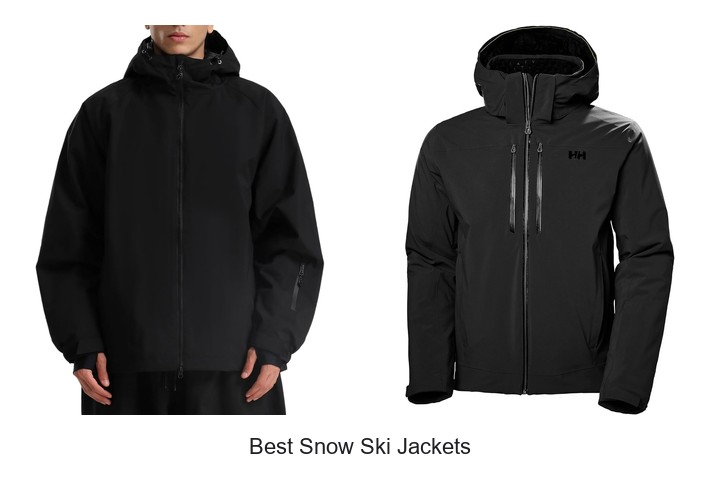
Top 12 Best Snow Ski Jackets That Will Blow Your Mind!
Cold air leaking through the sleeves and a wet, heavy jacket can quickly ruin any downhill run. The best snow ski jackets stop those problems by sealing out moisture and keeping warmth just right without overheating. Ski jackets that fail to do this often leave you shivering or drenched after a few hours on the slopes, making breaks more about drying off than enjoying the ride.
The difference comes down to materials like Gore-Tex or other waterproof breathable fabrics rated at least 10,000 mm for water resistance and 5,000 g/m² for breathability. A good fit is crucial, with enough room for layering but no loose fabric that catches wind or snow. Features like adjustable cuffs, powder skirts, and well-placed vents improve comfort, while durable zippers and reinforced seams help keep the jacket functional throughout tough conditions.
Need a Quick Check?
| Image | Product | Price |
|---|---|---|
Our Top Picks 1  | GSOU SNOW Snowboard Jacket | Check Price |
Our Top Picks 2  | Helly Hansen Alpha Ski Jacket | Check Price |
Our Top Picks 3 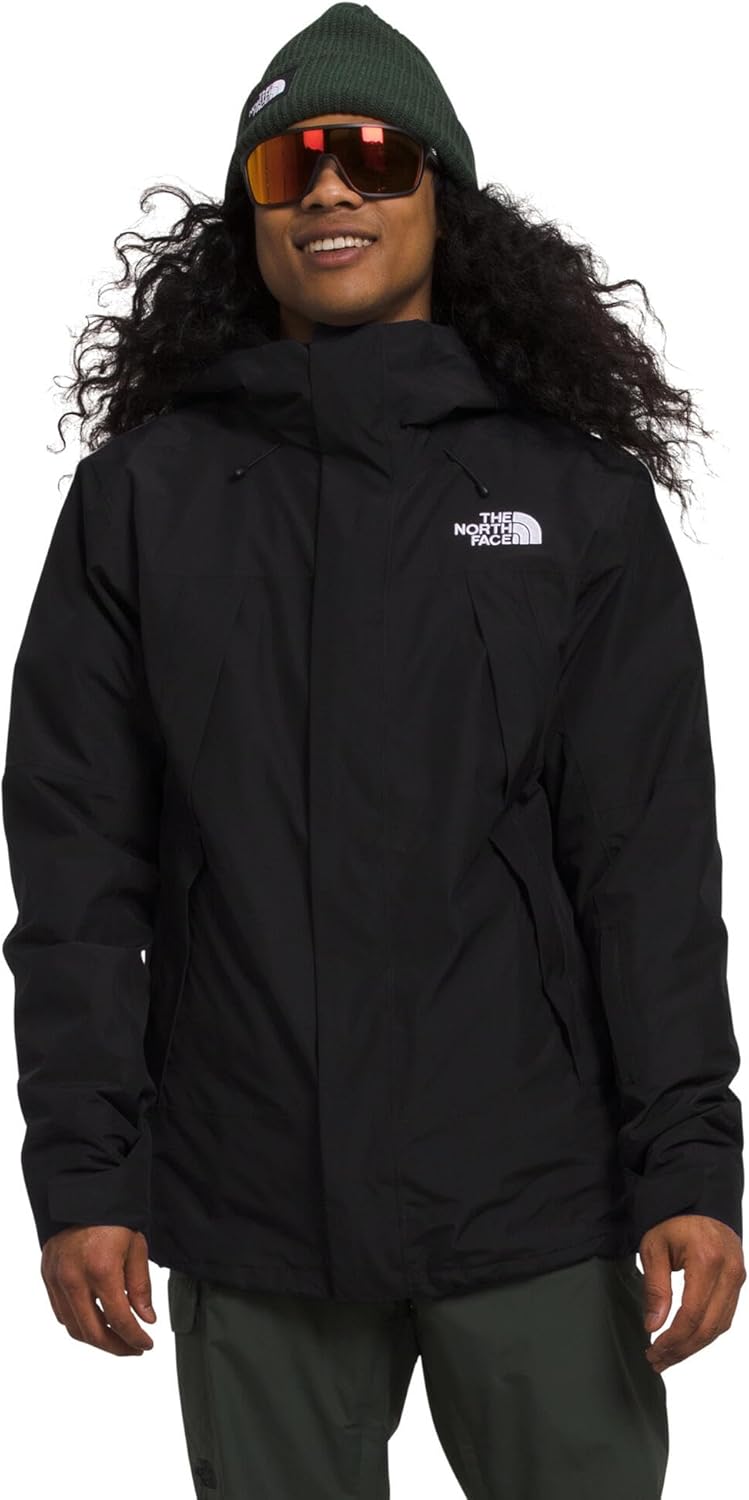 | The North Face Clement Triclimate | Check Price |
Our Selected Top 12 Snow Ski Jackets for Every Budget
This list features a variety of snow ski jackets designed to meet different needs and budgets. Each review highlights how the jacket performs on the slopes, who it is best suited for, and outlines its main strengths and potential drawbacks.
1. GSOU SNOW Snowboard Ski Jacket
GSOU SNOW Snowboard Ski Jacket stands out with its loose fit and windproof collar, making it ideal for anyone who needs reliable warmth in extreme cold. It suits both men and women looking for a solid, baggy jacket to keep comfortable during winter outdoor activities.
Getting ready for a day out in cold weather feels straightforward with the anorak-style design and raglan sleeves allowing easy movement on the slopes. The solid black color keeps it versatile, while the windproof collar helps block chilly gusts.
Putting it on or layering underneath is simple thanks to the loose fit, and it stays comfortable through long ski sessions.
It performs well in cold and extreme cold climates, delivering dependable warmth and wind resistance. The materials hold up to outdoor conditions without feeling too heavy, though some might find the loose fit less flattering.
Praise often highlights how protective the collar is, but some mention it could use more ventilation options for warmer moments.
The windproof collar receives strong praise for keeping the cold out during harsh conditions. Many find the fit roomy, which suits layering but may feel a bit bulky. Ventilation options are limited, which can be an issue in fluctuating temperatures.
The jacket works well for those who prioritize warmth and unrestricted movement in cold environments. People seeking a more tailored look or better temperature control might want to consider other options.
Pros
- Loose fit allows comfortable layering
- Windproof collar blocks cold gusts effectively
- Suitable for men and women
- Classic baggy style for easy movement
Cons
- Limited ventilation can cause overheating
- Loose fit might feel bulky to some
| Specification | Details |
|---|---|
| Color | Black |
| Style | Men’s Women’s Classic Baggy Ski Jacket |
| Sleeve Type | Raglan Sleeve |
| Coat Silhouette Type | Anorak |
| Climate Suitability | Cold Weather, Extreme Cold |
| Collar Style | Windproof Collar |
2. Helly Hansen Alpha LIFALOFT Ski Jacket
Helly Hansen Alpha LIFALOFT Ski Jacket is designed for extreme cold and outdoor lovers who want reliable warmth. Its biggest strength lies in combining insulation technology with a relaxed fit, making it perfect for those spending long hours in freezing conditions while needing comfort and mobility.
Daily use centers around wearing the jacket as a dependable layer during fall and winter outdoor activities. The anorak silhouette with a round collar offers protection against harsh winds, while the long sleeves cover well.
The relaxed fit makes layering under it easier and adds flexibility for movement. Solid black color keeps it versatile for any outdoor lifestyle occasion.
Built specifically for extreme cold climates, the jacket provides solid insulation with Lifaloft technology meant to maintain warmth without bulk. Construction prioritizes functionality over style with basic, durable materials suited for cold environments. Strong praise highlights its warmth and fit, while a common complaint mentions it as heavier or less breathable than some prefer.
Warmth stands out as the jacket’s main strength, keeping the wearer comfortable in harsh conditions. The most mentioned downside is its weight and reduced breathability during more vigorous skiing sessions.
This jacket suits those prioritizing warmth and comfort in extreme cold, especially for slower-paced activities. Skiers looking for a lighter, more breathable option may want to consider other models.
Pros
- Excellent warmth for extreme cold conditions
- Relaxed fit allows easy layering underneath
- Durable material built for outdoor lifestyle
- Simple round collar blocks wind effectively
Cons
- Heavier than some ski jackets
- Less breathable in intense activity
| Specification | Details |
|---|---|
| Color | 990 Black |
| Style | Alpha Lifaloft Jacket |
| Fit Type | Relaxed |
| Climate Suitability | Extreme Cold |
| Seasons | Fall |
| Coat Silhouette Type | Anorak |
3. THE NORTH FACE Clement Triclimate Jacket
Feels reliable and ready for everything cold weather throws at you, making it a solid choice for casual skiers who want flexibility. The standout feature is its 3-in-1 design, combining a DRYVENT shell with a HEATSEEKER inner layer for adjustable warmth and waterproofing.
Putting it on in the morning means choosing either both layers together or just the shell when it’s milder. The shell’s underarm vents come in handy for quick cooling without removing the jacket. The hood fits over a helmet easily and can be adjusted with a rear cord-lock.
It’s comfortable and doesn’t feel bulky thanks to the regular fit and band collar.
Waterproofing holds up well on damp, snowy days, thanks to the recycled polyester DRYVENT material and the durable water-repellent finish. Breathability is good, especially with the venting, which helps when you’re moving around.
The most praised aspect is its versatility between layers, while a common complaint is that the jacket’s style leans more casual than aggressive ski gear.
The jacket excels in versatility, offering a dependable combination of waterproof protection and insulation adaptable for shifting mountain conditions. Most users praise this layering system but note the design leans toward casual wear rather than full ski technical gear.
Those who value adaptability and moderate warmth will appreciate this jacket’s setup. Skiers seeking highly technical, extreme weather protection might want to consider more specialized options focused solely on high-performance snow sports.
Pros
- 3-in-1 design offers versatile warmth and waterproofing
- Helmet-compatible hood with easy adjustment
- Underarm venting improves breathability during activity
- Regular fit avoids bulk while layering
Cons
- Style is more casual, less technical for hardcore skiing
- Not optimized for extreme cold or heavy-duty mountain use
| Specification | Details |
|---|---|
| Material | 100% waterproof recycled polyester with non-PFC DWR finish |
| Fit Type | Regular |
| Coat Silhouette Type | Anorak |
| Climate Suitability | Cold Weather |
| Seasons | Fall |
| Color | Tnf Black/Asphalt Grey-npf |
4. MAGCOMSEN Womens Ski Jacket

Ideal for cold weather outings, this white anorak-style ski jacket suits those who want a straightforward, no-fuss fit. Its main strength lies in keeping you warm in cold climates, making it a solid choice for fall, winter, and spring activities.
Putting on the jacket feels easy thanks to its straight fit and long sleeves with a band collar that stays close to the neck. The solid color and simple design work well for daily use outdoors, including special occasions like birthdays or Christmas when you want something functional but neat-looking.
It’s ready to handle chilly days without the bulk of heavier coats.
Designed specifically for cold weather, the jacket does a reliable job of blocking out the chill. Its construction as an anorak-style coat offers decent coverage and warmth.
Reviews often mention that the jacket feels durable and comfortable, but some users wish it had more features like extra pockets or adjustable cuffs.
The MAGCOMSEN Womens Ski Jacket offers good insulation and wind resistance, helping keep warmth during cold conditions often encountered on the slopes. It features adjustable cuffs and a hood for better fit and coverage. A common drawback is the sizing, which tends to run smaller than standard sizes, causing issues for those who prefer a roomier fit.
People who need a fairly warm ski jacket for moderate skiing or winter outings will find it suitable. Those who require very high breathability or have difficulty with smaller sizes might want to consider other options. It suits casual skiers or outdoor walkers but may fall short for extreme cold or intense activity conditions.
Pros
- Warm and suitable for cold climate activities
- Simple and clean white design
- Comfortable straight fit
- Ideal for multiple seasons
Cons
- Lacks adjustable cuffs
- No additional pockets for storage
| Specification | Details |
|---|---|
| Color | White |
| Style | Outdoor |
| Sleeve Type | Long Sleeve |
| Coat Silhouette Type | Anorak |
| Seasons | Fall, Spring, Winter |
| Climate Suitability | Cold Weather |
5. GEMYSE Mens Waterproof Ski Jacket

Made from waterproof material with a loose fit and a hooded collar, this jacket suits anyone looking for classic winter protection. Its biggest strength lies in keeping you warm and dry during cold weather, especially on Christmas or snowy days on the slopes.
The anorak-style jacket fits comfortably over layers thanks to its loose design. Long sleeves provide full arm coverage, while the hood adds extra defense against wind and snow. Black solid color keeps things simple and stylish without calling too much attention.
Wearing it daily in winter means you won’t need to worry much about staying dry during snowy walks or ski trips.
Performance on the slopes relies heavily on its waterproof properties and cold weather suitability. The durable build stands up well against snow and wind, helping maintain warmth throughout the day. Most appreciate how well it keeps out moisture, but some note the fit might feel a bit bulky for those who prefer a slimmer look.
Strong waterproofing is praised for keeping wearers dry on snowy days, while a frequent complaint mentions the bulkiness from the loose fit. The jacket protects well against cold weather but lacks specifics about its insulation thickness.
Suitable for those who prefer a roomy, classic winter jacket with basic cold-weather protection. Those seeking a more form-fitting or highly insulated jacket might want to explore other options with clearer thermal ratings.
Pros
- Waterproof design keeps moisture out effectively
- Loose fit allows layering underneath
- Hooded collar adds extra wind protection
- Classic solid black color matches most gear
Cons
- Loose fit might feel bulky to some users
- No detailed info on insulation level
| Specification | Details |
|---|---|
| Color | Black |
| Style | Classic |
| Coat Silhouette Type | Anorak |
| Fit Type | Loose |
| Collar Style | Hooded |
| Climate Suitability | Cold Weather |
6. Mens Ski Jacket

Black color stands out for anyone wanting a modern and straightforward look on the slopes. Designed for cold weather, it fits a regular silhouette and suits men who need reliable warmth without fuss. Its biggest strength is balancing style with practical protection during winter outdoor activities.
Putting it on is simple with the spread collar and anorak silhouette that doesn’t feel tight or bulky. Long sleeves cover your arms fully, letting you move freely while keeping warmth inside.
The solid pattern means it pairs well with any ski gear without clashing, and the regular fit means layering underneath won’t feel cramped or too loose.
Functionally, it holds up well in cold weather, staying comfortable throughout a day outside. The material choice and design focus on keeping heat in while allowing some breathability, making it suited to ski slopes or casual winter hikes.
A common note in reviews is that while it performs well for warmth, some users wish it had more ventilation options for really active days.
The jacket receives praise for delivering consistent warmth and comfort during winter outings. However, the most frequent critique focuses on its limited breathability, which can make more vigorous activities feel a bit stuffy.
Those wanting straightforward warmth and style for moderate outdoor adventures will appreciate it. Those seeking more venting options or colorful patterns might want to explore other choices.
Pros
- Warm against cold weather
- Comfortable regular fit
- Simple modern black design
- Full-length sleeves for coverage
Cons
- Lacks ventilation for high activity
- No pattern variety beyond solid black
| Specification | Details |
|---|---|
| Color | Black |
| Style | Modern |
| Coat Silhouette Type | Anorak |
| Seasons | Winter |
| Fit Type | Regular |
| Collar Style | Spread |
7. Mens Waterproof Ski Jacket

Built for cold weather and outdoor activities, this Mens Waterproof Ski Jacket stands out for its reliable water resistance and relaxed fit. It suits anyone looking for a straightforward, modern winter layer that keeps you dry without feeling tight or restrictive.
Putting it on feels easy thanks to the spread collar and long sleeves, which offer good coverage against the cold. The rain coat silhouette means it’s designed to handle wet conditions, making it practical for days on the slopes or brisk winter walks.
The black solid color keeps it versatile and easy to pair with other gear.
It performs well at keeping you dry and warm in cold, wet weather. The relaxed fit allows good movement without feeling bulky.
While it’s made to function as a rain coat for winter, some have noted it might lack extra insulation for extremely cold days. The build feels durable with a focus on practicality over flashy features.
The jacket’s biggest strength is its waterproofing combined with a relaxed fit that doesn’t restrict movement. Some wearers found it a bit too simple for extremely cold days, wishing for more warmth inside.
Anyone wanting a reliable waterproof jacket for general winter use will appreciate its straightforward design. Those planning intense cold or backcountry skiing should look for more insulated options instead.
Pros
- Waterproof fabric keeps moisture out effectively
- Relaxed fit offers comfort and freedom to move
- Modern design looks good on and off the slopes
- Long sleeves provide decent arm coverage
Cons
- Lacks additional insulation for very cold temperatures
- No standout features beyond basic waterproof protection
| Specification | Details |
|---|---|
| Color | Black |
| Style | Modern |
| Sleeve Type | Long Sleeve |
| Coat Silhouette Type | Rain Coat |
| Climate Suitability | Cold Weather |
8. GSOU SNOW Snowboard Ski Jacket

Cold weather skiing needs gear that keeps you warm without feeling tight or restrictive. The GSOU SNOW Snowboard Ski Jacket works well for those who prefer a loose, baggy fit and want a reliable jacket for chilly days on the slopes.
Its biggest strength is staying comfortable and roomy during active winter outings.
Putting it on is simple with a loose, anorak-style fit and a cap collar that doesn’t feel confining. The drop-shoulder sleeves make moving your arms easy while skiing or snowboarding. The solid grey color blends well with different gear, and the baggy style gives plenty of space for layering underneath on cold days.
Warmth and comfort stand out since the jacket suits cold weather use without sacrificing freedom of movement. The material handles wind well and keeps chill off, though some mention it could be a bit heavier for extreme conditions.
People appreciate the roomy fit but note the anorak design means there’s no full front zipper, which can be less convenient to put on or take off quickly.
The jacket is praised for a roomy, comfortable fit that works well for staying warm while moving. The main complaint involves the absence of a full front zipper, which makes putting on and taking off the jacket less straightforward. The anorak silhouette prioritizes style over quick access.
Anyone who likes a loose, baggy fit for casual skiing or snowboarding will find it suits their needs well and appreciate its warmth. People looking for technical features like full zippers or protection against heavy snow should explore other options more focused on those aspects.
Pros
- Loose fit allows comfortable layering
- Drop-shoulder sleeves provide good mobility
- Solid grey color pairs with any gear
- Warm enough for typical cold winter days
Cons
- No full-length front zipper for easy wear
- Not ideal for extremely harsh or wet conditions
| Specification | Details |
|---|---|
| Color | Grey |
| Style | Baggy |
| Sleeve Type | Drop‑Shoulder |
| Coat Silhouette Type | Anorak |
| Seasons | Fall, Winter |
| Fit Type | Loose |
9. THE NORTH FACE Freedom Insulated Jacket

Waterproof protection with a DryVent 2L shell sets this jacket apart, perfect for anyone who needs reliable warmth and dryness on the slopes. It suits skiers looking for solid insulation paired with practical features like a helmet-compatible hood and secure pockets for convenience during winter sports.
Putting it on is straightforward, and the regular fit allows for easy layering underneath. The helmet-compatible hood works well with most helmets, and the snap powder skirt keeps snow out whether skiing or walking through fresh powder. The secure-zip pockets are handy for storing small items safely while active outside, making daily use simple and effective.
The jacket’s 80g Heatseeker synthetic insulation keeps you warm even when conditions are wet, and the non-PFC durable water-repellent finish helps shed moisture. It’s built from 100% recycled nylon, which feels sturdy without being bulky.
Strong points include how well it handles cold, wet weather. Some find the insulation lighter than expected for extreme cold bursts.
Most praise centers on the jacket’s waterproof performance and dependable warmth on damp days. Common complaints focus on the insulation feeling insufficient for very cold or prolonged winter use, suggesting it’s better for moderate conditions.
Ideal for skiers who want lightweight coverage with reliable water resistance for fall and mild winter days. Those facing harsh cold or seeking heavy insulation may need to look elsewhere for more warmth.
Pros
- Effective waterproof DryVent 2L shell
- Warm 80g Heatseeker insulation
- Helmet-compatible hood for ski safety
- Secure-zip pockets for safe storage
Cons
- Insulation may feel light in extreme cold
- Designed mainly for fall, less for deep winter
| Specification | Details |
|---|---|
| Material | 100% recycled nylon with non-PFC DWR finish |
| Insulation | 80g Heatseeker synthetic |
| Shell type | Waterproof, breathable DryVent 2L |
| Hood | Helmet-compatible |
| Fit type | Regular |
| Season | Fall |
10. Mens Waterproof Ski Jacket

Anyone who spends time skiing or hiking in cold, snowy weather will appreciate a jacket like this one. It’s designed to keep you dry and warm, with a fitted style that moves well and a hood to block the wind.
Its biggest strength is clearly how well it stands up to cold weather conditions without feeling bulky.
The jacket’s anorak silhouette fits close to the body, making it easy to layer under without extra weight. Putting on the hood is simple and it holds up well against wind and snow.
Geometric patterns give it a bit of style, while the long sleeves trap heat. Wearing it feels secure and ready for winter sports or camping with no fuss in handling or care.
Built for cold climates, the waterproof and windproof materials really do their job on the slopes. The jacket keeps moisture out and blocks chilly gusts effectively. Some users find the fitted cut a bit tight for layering thicker clothes underneath, but most say it performs reliably when skiing or in snow.
The solid build tackles harsh weather without giving in.
The jacket’s strength lies in its ability to keep wind and moisture out while fitting closely to the body, but the snug fit means some find layering difficult. Most appreciate how well it performs during skiing and snow sports without feeling cumbersome.
People looking for a weatherproof jacket designed for active use in cold weather will appreciate this product. Those who need room for thicker layers during extreme cold might want to look for a looser fit instead.
Pros
- Windproof and waterproof materials for winter weather
- Fitted design easy to move in
- Hood provides extra protection from cold wind
- Geometric pattern adds subtle style
Cons
- Fitted fit leaves little room for bulky layers underneath
- No detailed info on insulation level
| Specification | Details |
|---|---|
| Color | Black |
| Style | Winter Waterproof Windproof Coats Jackets |
| Sleeve Type | Long Sleeve |
| Coat Silhouette Type | Anorak |
| Fit Type | Fitted |
| Climate Suitability | Cold Weather |
11. MAGCOMSEN Mens Winter Ski Jacket

Designed for cold winter adventures, the MAGCOMSEN Mens Winter Ski Jacket stands out with its military-style look and reliable warmth. It works well for those wanting solid protection against freezing weather, combined with a standard fit that isn’t too tight or baggy.
Its biggest strength is keeping you comfortable and dry during chilly winter sports or outings.
Putting it on feels natural thanks to its standard fit and long sleeves that cover well without feeling restrictive. The white color and solid pattern give it a clean, simple style that pairs easily with other gear. The jacket is versatile enough for everyday winter use, especially around Christmas and other cold-weather activities.
It handles layering comfortably beneath without bulkiness.
The material focus is clearly on staying warm and dry, matching its role as a winter rain coat suitable for cold climates. Build quality feels sturdy, with a design that prioritizes blocking wind and moisture. The main compliment centers on its warmth during sustained cold use, while some find the white color tricky to keep clean, a common concern when wearing pale outerwear outdoors.
Warmth is the jacket’s finest feature, keeping users comfortable even in low temperatures. However, the white fabric shows dirt easily, which can be a drawback for outdoor activities. It functions exactly as intended for cold, wet weather but requires careful maintenance.
Those who want a straightforward, warm winter coat with a military look will feel pleased. People seeking darker colors or more varied patterns might want to explore other jackets offering those choices instead.
Pros
- Military style gives a unique appearance
- Standard fit accommodates layering well
- Long sleeves provide good arm coverage
- Solid white color suitable for winter
Cons
- White color is prone to visible dirt
- Limited pattern options available
| Specification | Details |
|---|---|
| Color | White |
| Style | Military Coat |
| Sleeve Type | Long Sleeve |
| Coat Silhouette Type | Rain Coat |
| Seasons | Winter |
| Fit Type | Standard |
12. MAGCOMSEN Womens 3-in-1 Ski Jacket

MAGCOMSEN Womens 3-in-1 Ski Jacket offers a versatile layering option for cold weather with a focus on adaptability and comfort. It suits anyone looking for a jacket that works well across fall, winter, and spring, combining warmth and modern style without being too bulky.
Mornings start with choosing how to wear it, thanks to its 3-in-1 design. The regular fit and band collar keep it cozy without feeling tight.
Long sleeves and a solid black color make it easy to pair with any gear. Putting it on and taking it off is straightforward, so it fits smoothly into a day on the slopes or casual winter outings.
The jacket handles cold weather effectively, shielding from wind and drops in temperature while keeping movement unrestricted. The anorak silhouette has a clean look and the materials feel durable, though some mention that the fit can feel a bit boxy for slimmer frames. The main praise is toward its ability to keep warmth well, with criticism mainly on its bulkiness when worn with all layers combined.
The jacket stands out for maintaining warmth well through cold days, making it reliable for winter weather. At the same time, its bulkiness has been a repeated point of concern, especially when all three layers are worn together for added warmth.
A good choice for those who want adaptable protection across several cold seasons and value style alongside function. Those looking for a very slim-fitting jacket should consider options with a narrower cut.
Pros
- Versatile 3-in-1 design for multiple weather conditions
- Regular fit allows layering without tightness
- Modern style fits both casual and ski wear
- Durable material suitable for winter activities
Cons
- Can feel bulky when all layers are worn
- Fit may be boxy on slimmer body types
| Specification | Details |
|---|---|
| Color | Pure Black |
| Style | Modern |
| Seasons | Fall, Spring, Winter |
| Fit Type | Regular |
| Climate Suitability | Cold Weather |
Best Snow Ski Jackets Comparison Table
| Product | Color | Style | Climate Suitability | Occasion |
|---|---|---|---|---|
| GSOU SNOW Snowboard Jacket | Black | Classic Baggy Ski Jacket | Cold Weather, Extreme Cold | Outdoor Activities |
| Helly Hansen Alpha Ski Jacket | 990 Black | Alpha Lifaloft Jacket | Extreme Cold | Outdoor Lifestyle |
| The North Face Clement Triclimate | Tnf Black/Asphalt Grey-npf | Clement Triclimate | Cold Weather | Casual |
| MAGCOMSEN Women’s Ski Jacket | White | Outdoor | Cold Weather | Birthday, Christmas |
| GEMYSE Men’s Waterproof Jacket | Black | Classic | Cold Weather | Christmas |
| Men’s Basic Ski Jacket | Black | Modern | Cold Weather | Outdoor Activities |
| Men’s Waterproof Ski Jacket | Black | Modern Rain Coat | Cold Weather | Outdoor Activities |
| GSOU SNOW Snowboard Jacket Elite | Grey | Baggy | Cold Weather | Skiing |
| The North Face Freedom Insulated | Sumac/Tnf Black | Freedom Insulated Jacket | – | – |
| Men’s Waterproof Winter Jacket | Black | Winter Waterproof Windproof | Cold Weather | Hiking, Skiing, Snow Sports |
| MAGCOMSEN Men’s Winter Ski | White | Military Coat | Cold Weather | Christmas |
| MAGCOMSEN Women’s 3-in-1 Jacket | Pure Black | Modern 3-in-1 Jacket | Cold Weather | Christmas |
- ColorBlack
- StyleClassic Baggy Ski Jacket
- Climate SuitabilityCold Weather, Extreme Cold
- OccasionOutdoor Activities
- Color990 Black
- StyleAlpha Lifaloft Jacket
- Climate SuitabilityExtreme Cold
- OccasionOutdoor Lifestyle
- ColorTnf Black/Asphalt Grey-npf
- StyleClement Triclimate
- Climate SuitabilityCold Weather
- OccasionCasual
- ColorWhite
- StyleOutdoor
- Climate SuitabilityCold Weather
- OccasionBirthday, Christmas
- ColorBlack
- StyleClassic
- Climate SuitabilityCold Weather
- OccasionChristmas
- ColorBlack
- StyleModern
- Climate SuitabilityCold Weather
- OccasionOutdoor Activities
- ColorBlack
- StyleModern Rain Coat
- Climate SuitabilityCold Weather
- OccasionOutdoor Activities
- ColorGrey
- StyleBaggy
- Climate SuitabilityCold Weather
- OccasionSkiing
- ColorSumac/Tnf Black
- StyleFreedom Insulated Jacket
- Climate Suitability–
- Occasion–
- ColorBlack
- StyleWinter Waterproof Windproof
- Climate SuitabilityCold Weather
- OccasionHiking, Skiing, Snow Sports
- ColorWhite
- StyleMilitary Coat
- Climate SuitabilityCold Weather
- OccasionChristmas
- ColorPure Black
- StyleModern 3-in-1 Jacket
- Climate SuitabilityCold Weather
- OccasionChristmas
How to Choose the Right Snow Ski Jacket
Choosing a good snow ski jacket depends on factors like waterproofing, insulation, breathability, and fit to keep you warm and dry. Getting these right prevents discomfort and damage, saving money on replacements and making your time on the slopes more enjoyable.
Waterproofing and Breathability
Heading out for a day on the mountain, a jacket’s ability to keep water out while allowing sweat to escape makes a huge difference. Jackets with a waterproof rating around 10,000 mm or higher do a better job standing up to heavy snow and wet weather.
Membranes like Gore-Tex or similar materials are common for blocking moisture while letting air flow through.
Without proper breathability, sweat collects inside your jacket and causes dampness that chills as soon as you slow down. Sealed seams are another detail that prevents water seepage at stitching points. Jackets that provide vent zippers under the arms or back panels let you open up airflow when things get warm.
These features together help avoid the uncomfortable clammy feeling and keep you dry in changing conditions.
Insulation and Warmth
Synthetic fill jackets tend to keep warmth even after getting wet, while down insulation offers better warmth-to-weight ratios but loses effectiveness if damp. Skiers often face a trade-off between warmth and bulk; thicker jackets or higher fill-power down provide more insulation but restrict movement on the slopes.
Layering is critical. A jacket that fits snugly over a base and mid-layer gives flexibility across different temperatures without adding unnecessary weight.
Look for insulation that is rated for the temperature range you expect and consider options that allow you to shed layers easily. Adaptability on the mountain avoids overheating or freezing during fluctuating weather.
Fit and Mobility
The cut of a ski jacket impacts how freely you can move during turns and deep bends. A jacket that’s too tight will restrict arm swing and torso rotation, while one that’s too loose lets in cold air and bulk up unwanted weight. Many jackets offer an athletic or relaxed fit, so choosing one suited to your build and layering habits matters.
Adjustable cuffs, hems, and hoods let you seal out the cold and customize the fit throughout the day. Having enough room for base and mid-layers without creating bulk around the shoulders and elbows improves comfort and performance.
Balancing fit with mobility helps you ski longer without feeling constrained.
Durability and Materials
The rough surfaces and falls that come with skiing demand jackets built to resist abrasions and tears. Heavier fabric weights or reinforced panels on elbows and shoulders prevent early wear.
Pay attention to the quality of zippers and stitching; thin threads or cheap hardware tend to fail after repeated use.
Fabric treatments like Durable Water Repellent (DWR) coatings initially help water bead off, though they wear off and require reapplication. A jacket’s lifespan extends with a tougher outer layer, but that usually means more weight. Finding the right balance for your usual conditions and usage keeps you from replacing gear too frequently.
Functional Features and Convenience
Specialized details make a jacket easier to use on the mountain: powder skirts stop snow from crawling inside during falls, while lift pass pockets offer quick access without searching through your bag. Built-in goggle wipes allow you to keep lenses clear on the go.
Glove-friendly zippers and adjustable hoods are everyday conveniences when temperatures dip and putting on gear gets tricky. Consider fabric composition and construction for cleaning needs; some materials allow simple machine washing while others require more careful care.
Ease of maintenance affects how often you’ll get your jacket back to good-as-new condition.
Optimizing Layering Strategies for Maximum Warmth on the Slopes
Choosing the right layering approach can make a significant difference in staying warm during ski trips. Start with a moisture-wicking base layer to keep sweat away from your skin, which prevents chills as you sweat while skiing. The mid-layer serves as insulation, often made from fleece or down, trapping body heat effectively without adding bulk.
The outer jacket must be windproof and waterproof to protect from snow and gusts. Proper layering provides warmth and makes it easy to adjust clothing as temperatures change throughout the day.
Pay attention to jacket fit too; it should leave room for layers but not be so loose that cold air sneaks in.
- Use thin, breathable base layers to manage moisture.
- Select a mid-layer suited to activity level and temperature.
- Ensure the jacket’s shell blocks wind and moisture efficiently.
This strategy helps maintain comfort and heat retention on the slopes.
Essential Maintenance Tips to Prolong the Life of Your Snow Ski Jacket
Maintaining a snow ski jacket properly extends its effectiveness and lifespan. Regular cleaning is crucial because dirt and oils reduce fabric performance, especially water repellency. Follow the manufacturer’s instructions closely, using a gentle detergent formulated for technical outerwear.
Avoid fabric softeners as they can clog pores on waterproof membranes. After washing, reapplying a durable water repellent (DWR) treatment can restore the jacket’s resistance to moisture.
Store the jacket in a cool, dry place, avoiding compression that can damage insulation over time.
- Rinse off snow and dirt promptly after each use.
- Air dry jackets instead of high heat to protect fabric layers.
- Check for tears or wear regularly and repair promptly.
Proper care keeps your jacket working efficiently for many winters.
Comparing Snow Ski Jackets with Alternative Winter Outerwear Options
Snow ski jackets differ from other winter outerwear mainly in their specialized features tailored to alpine conditions. Compared to general winter coats, ski jackets offer better breathability combined with waterproofing to handle both sweat and snow.
Their designs often include ski-specific elements like powder skirts to block snow intrusion and multiple secure pockets for essentials like lifts passes.
Down or synthetic insulation in ski jackets balances warmth and weight, whereas heavy parkas provide warmth but sometimes lack breathability and flexibility needed for skiing. Softshells can offer comfort and stretch but usually fall short on water resistance in heavy snow.
- Ski jackets prioritize functional ventilation and mobility.
- Parkas focus more on insulation and casual use.
- Softshells suit lighter activity but not wet conditions.
Selecting snow ski jackets means choosing technical features designed specifically for slope conditions rather than general cold weather wear.
People Also Asked
How Do I Properly Care for My Snow Ski Jacket?
Wash your ski jacket according to the care label instructions, usually on a gentle cycle with cold water and mild detergent. Avoid fabric softeners as they can affect the waterproof coating. Rinse thoroughly and air dry or tumble dry on low to maintain the jacket’s water resistance and insulation.
What Size Snow Ski Jacket Should I Buy for Layering?
Choose a ski jacket size that allows space for base and mid-layers without feeling too bulky or restricting movement. Trying on jackets with your intended layers helps ensure the right fit. Remember that a slightly looser fit is better than one that’s too tight, as it improves insulation and comfort.
Are Snow Ski Jackets Safe and Durable for Extreme Conditions?
Ski jackets designed for winter sports are generally durable and provide safety from wind, snow, and cold. Look for jackets with reinforced seams, waterproof zippers, and durable outer shells to handle rough slopes and weather. Real-world use shows that reinforced areas like elbows and shoulders prevent early wear.
How Long Does a Typical Snow Ski Jacket Last with Regular Use?
A good quality ski jacket typically lasts three to five winters with regular use before showing significant wear. Proper care, such as cleaning and reapplying DWR coatings, can extend its life. Pay attention to zipper functionality and fabric integrity, as these often determine how long the jacket remains effective.
What Are Common Problems with Snow Ski Jackets and How to Fix Them?
Common issues include zipper jams, loss of waterproofing, and insulation clumping. Fix jams by gently cleaning the zipper and using wax or graphite for smoothness. Reapply waterproofing sprays to revive water resistance after several washes. Clumping insulation may require professional cleaning or careful drying to redistribute fill evenly.
Conclusion
Good snow ski jackets need to keep you warm, dry, and allow for easy movement. Look for materials that hold up well against wind and moisture. Fit matters a lot, too tight and you won’t layer well, too loose and you’ll lose heat.
Pockets and ventilation also help manage comfort throughout the day on the slopes.
Consider how often you’ll ski and where you’ll store the jacket when you aren’t using it. Think about your budget and the conditions you expect most.
Head back to the comparison table and earlier picks to find an option that meets your needs without extra features you won’t use.