Top 13 Best Sniper for Beginners You Can’t Miss Today
Many people looking for the best sniper for beginners start with something cheap and end up frustrated by poor accuracy and uncomfortable handling. A sniper that doesn’t fit well or lacks consistency in shots quickly saps the fun and slows learning. Some entry-level snipers are either too powerful to control easily or too weak to perform at reasonable distances, which can discourage new users trying to build their skills.
The best sniper for beginners typically balances weight and size to suit an average build, often around 6 to 8 pounds and a length near 40 inches. Materials matter, with a sturdy synthetic stock preferred for durability and low maintenance. The power output should be manageable, usually between 350 to 450 feet per second, providing enough range without excessive recoil.
Features like adjustable sights and a smooth bolt action also improve control and accuracy, helping beginners gain confidence faster.
Need a Quick Check?
| Image | Product | Price |
|---|---|---|
Our Top Picks 1  | CQB P1402 Sniper Rifle | Check Price |
Our Top Picks 2 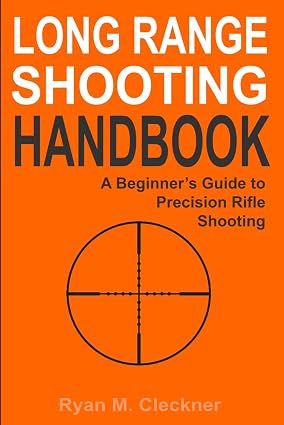 | Long Range Shooting Guide | Check Price |
Our Top Picks 3  | L96 Spring Sniper Rifle | Check Price |
Our Selected Top 13 Sniper for Beginners Worth Your Money
This list features beginner-friendly sniper options carefully evaluated for performance, ease of use, and suitability for different skill levels. Each review highlights the strengths and weaknesses to help you understand which model fits your needs and preferences best.
1. CQB P1402 Spring Airsoft Tactical Sniper Rifle
Ideal for beginners stepping into airsoft sniping, the CQB P1402 Spring Airsoft Tactical Sniper Rifle offers a lightweight and straightforward shooting experience. Its biggest strength lies in simplicity, no batteries needed thanks to its spring action, making it easy to maintain and use right out of the box.
Setting up involves attaching optics or dot sights to the 20mm Picatinny rail, providing good options for aiming based on personal preference. The rifle folds down to 26 inches for easy transport but extends to 34.25 inches when ready.
Weighing just 2 pounds, it stays comfortable during extended sessions, letting you focus on steady aiming without getting fatigued.
Performance revolves around reliable spring power that consistently triggers without complex mechanisms. Built with ABS polymer, the rifle feels durable without being heavy.
Most praise comes from its accuracy help accessories and lightweight design, while complaints mention the plastic build feeling less solid than metal alternatives.
Accuracy assistance features help achieve precise shots, and the lightweight design keeps handling comfortable over time. Some users note the ABS polymer feels less durable compared to metal rifles, making it more prone to damage if treated roughly.
Beginners or casual players wanting a simple, battery-free rifle will appreciate its easy operation and portability. Those looking for higher power output or a sturdier build might consider models made with metal or featuring alternative propulsion systems.
Pros
- No batteries required, spring-powered
- Lightweight at 2 pounds
- Space for optics on 20mm rail
- Compact folding design
Cons
- Build feels less sturdy due to plastic parts
- Limited power compared to gas or electric rifles
| Specification | Details |
|---|---|
| Build | ABS POLYMER |
| Length | 34.25 – 26 (FOLDED) INCHES |
| Weight | 2 LBS |
| Spring Action | Requires no batteries |
| Rail | 20MM PICCATINNY RAIL |
| Model Number | P1402 Sniper Rifle |
2. Long Range Shooting Handbook
Long Range Shooting Handbook stands out by focusing on practical shooting techniques specially designed for beginners. It suits anyone looking to master sniping skills without overwhelming jargon.
Its biggest strength lies in breaking down complex concepts into clear, manageable steps.
Setup involves getting comfortable with fundamental shooting principles and gradually practicing range estimation and wind reading. The handbook guides through essential measurements and aiming techniques that help build consistent form. Daily use becomes about reinforcing these basics and tracking progress through straightforward drills explained inside.
Performance shines in delivering solid foundational knowledge that prepares shooters for real-life scenarios. The book is well put together with easy-to-follow layouts and clear diagrams. Most praise highlights its accessibility and clarity, while common complaints mention limited advanced tactics and lack of detailed equipment reviews.
The handbook excels at making long-range shooting manageable for complete beginners, with many impressed by how it breaks down each step. A frequent criticism is its limitation in covering more advanced tactics, which might leave learners wanting more as skills improve.
Someone just starting and needing straightforward guidance will find this very helpful. Those aiming for deeper knowledge or specific equipment advice should consider a more comprehensive resource alongside it.
Pros
- Clear, easy to understand instructions
- Focus on essential beginner techniques
- Useful diagrams support learning
- Encourages consistent practice
Cons
- Lacks advanced shooting strategies
- No detailed gear recommendations
| Specification | Details |
|---|---|
| Focus | Long-range shooting skills for beginners |
| Content type | Practical shooting techniques and theory |
| Instruction style | Step-by-step with diagrams |
| Skill level | Beginner-friendly |
3. L96 Spring Powered Airsoft Sniper Rifle
UKARMS L96 Spring Powered Airsoft Sniper Rifle is ideal for beginners looking for a straightforward, entry-level spring airsoft sniper. Its biggest strength lies in being battery and gas-free, making it simple and reliable for anyone trying out airsoft sniping without heavy investment.
Setting up involves manually cocking the spring piston before each shot, which keeps things simple and predictable. The built-in foldable bipod offers a steady shooting position, while the 20mm upper rail and included mock scope and red dot allow straightforward customization for optics. No need to worry about refilling gas or charging batteries, so day-to-day use just involves making every shot count and practicing patience.
Power reaches up to 210 FPS, which makes it suitable for close to mid-range play without being overpowering. The build feels solid enough, straightforward with plastic and metal parts paired to keep costs down.
Most praise focuses on its reliability and consistent shooting, though many note the need to manually cock every shot can slow down gameplay and reduce firing speed under pressure.
Reliability is the clearest advantage, making it a dependable starter rifle. The common drawback is having to cock the spring before each shot, which slows down follow-up shots and impacts fast-paced play.
Anyone new to airsoft who prefers a simple, low-maintenance sniper rifle will enjoy this model. Players wanting faster shooting speeds or more power for longer shots might want to explore other options.
Pros
- Does not require batteries or gas
- Includes foldable bipod for stability
- 20mm rail fits various optic accessories
- Comes with mock scope and red dot
Cons
- Needs manual cocking before every shot
- Limited power at 210 FPS for longer ranges
| Specification | Details |
|---|---|
| Model Name | Spring Powered Rifle 210 FPS Sniper Rifle w/ Mock Scope, Red Dot, & BiPod |
| Model Number | P2777 |
| Manufacturer Part Number | P2777 |
| Brand Name | UKARMS |
| Unit Count | 1 Count |
| Team Name | Spring |
4. The Ultimate Sniper Training Manual

Picking up a sniper skill as a beginner feels less intimidating with a clear, straightforward guide like this manual. It suits those wanting a practical, easy-to-follow approach to learning sniper techniques and fundamentals without getting bogged down by complicated jargon.
Setting it up means just opening the manual and starting right away, no extra equipment or prep needed. Daily use involves working through drills and explanations at your own pace, focusing on key areas like accuracy, patience, and positioning that matter most when learning sniper skills.
Performance wise, the manual covers core sniper training basics in a clear and understandable way. It’s built to be accessible and encouraging, making the learning process less frustrating.
One strong point often noted is how detailed yet simple the instructions are. Some readers mention the lack of advanced tactics for more experienced learners as a minor limitation.
The manual is praised for clear, detailed guidance that makes grasping sniper fundamentals straightforward. At the same time, it is often pointed out that it falls short at covering advanced techniques that more experienced learners might seek.
Those new to sniper training looking for a solid foundational resource will find it helpful. Anyone seeking in-depth or advanced sniper tactics should consider supplementary materials or different options to match their skill level.
Pros
- Simple to understand instructions
- Step-by-step learning process
- Focus on core sniper skills
- Easy to start using immediately
Cons
- Lacks advanced sniper tactics
- Only available in printed format
| Specification | Details |
|---|---|
| Content Focus | Sniper Training Basics |
| Skill Level | Beginner |
| Format | Printed Manual |
| Instruction Style | Step-by-step with drills |
| Language | English |
5. U.S. Army Sniper Training Manual FM 23-10

Essential for anyone starting out with sniper training, the U.S. Army Sniper Training Manual FM 23-10 offers clear, practical guidance based on proven military standards. Its biggest strength lies in delivering foundational sniper skills in a straightforward, easy-to-follow format.
Using the manual involves following step-by-step drills and procedures designed to build core competencies from zero experience. It breaks down complex topics like range estimation, ballistics, and camouflage into manageable sections that suit beginners. Daily study and practice aligned with the manual’s instructions help develop steady aim and tactical awareness.
Functionally, the manual serves as a thorough training resource that fits the needs of novice snipers. The content is well-structured and detailed enough to build confidence in marksmanship and fieldcraft. Some readers find the manual’s military-focused terminology dense, but many appreciate its clear teaching of fundamental sniper techniques without unnecessary complexity.
The manual is praised for its straightforward presentation of essential sniper skills, helping beginners understand complex concepts step by step. However, some find the military terminology hard to digest and wish for more diagrams or pictures to visualize instructions.
People looking for a solid, text-based introduction to sniper basics will appreciate the manual’s focus and clarity. Those who prefer illustrated guides or multimedia materials may need to look for supplemental resources alongside this manual.
Pros
- Clear, structured instructions
- Focuses on fundamental skills
- Military-grade training standards
- Good for self-paced learning
Cons
- Technical language can be dense
- No visual aids or illustrations
| Specification | Details |
|---|---|
| Title | U.S. Army Sniper Training Manual FM 23-10 |
| Focus | Sniper marksmanship and fieldcraft |
| Content Type | Step-by-step training manual |
| Target Audience | Beginner snipers |
6. Special Forces Sniper Training Manual FM 3-05.222

Printed on quality paper with clear illustrations, this manual suits beginners aiming to learn sniper techniques from a professional military perspective. Its biggest strength lies in the detailed guidance it provides for mastering foundational sniper skills without complicated jargon or excess theory.
Daily use involves studying the step-by-step instructions and drills outlined throughout the manual. The content is organized logically, making it relatively easy to follow. Hands-on practice is encouraged, with sections clearly explaining sight adjustments, range estimation, and camouflage use, which are essential for building confidence and accuracy.
The manual covers essential sniper tactics and theories thoroughly. Its durable design allows frequent referencing during training or fieldwork. Most praise focuses on the practical and straightforward advice that fits a beginner’s needs well.
A common complaint points to the lack of color images, making some diagrams harder to interpret than expected.
The manual receives praise for offering straightforward, practical advice ideal for beginners wanting real-world sniper training basics. However, many find the black-and-white illustrations limit clarity, which can slow learning during study.
Budding snipers looking for a foundational, hands-on guide designed with military standards will benefit most from this book. Those preferring highly visual aids or advanced tactical discussions may want to explore other resources.
Pros
- Clear step-by-step instructions
- Durable and easy to handle
- Practical drills for skill-building
- Military-approved content
Cons
- Lacks color illustrations
- Some diagrams can be hard to understand
| Specification | Details |
|---|---|
| Format | Manual / Printed Book |
| Pages | Approximately 170 |
| Material | High-quality paper with black-and-white illustrations |
| Content Focus | Sniper tactics, marksmanship, camouflage |
| Intended Audience | Beginner Snipers |
7. Sniper Entries Guide

Sniper Entries Guide is perfect for beginners wanting clear and straightforward tips to improve. Its biggest strength lies in breaking down sniper tactics into easy steps, making it accessible for those new to the game and eager to learn basic yet effective strategies.
Setting it up for daily use is simple since it focuses on practical advice rather than complicated jargon. You can quickly apply techniques during gameplay and adjust your approach based on the guide’s clear instructions.
The emphasis is on understanding positioning and timing, which are crucial for sniping success without needing complex equipment knowledge.
Performance shows in how well the guide helps users sharpen sniper skills by following practical examples. It provides solid, understandable guidance and stays clear of unnecessary detail. The most praised aspect is its straightforward approach, while some users mention that it could include more advanced tips as they progress beyond beginner level.
The guide is widely appreciated for its clear and practical advice, making it easy for beginners to pick up sniper strategies quickly. At the same time, users looking for deeper or more advanced tactics may find it somewhat limited in depth and detail.
Players new to sniping who want a straightforward learning tool will benefit most from this guide. Those seeking comprehensive or more complex sniper information should consider additional resources tailored for intermediate or advanced skill levels.
Pros
- Clear and easy to follow guidance
- Focus on crucial beginner tactics
- Quick to apply during gameplay
- Helps improve timing and positioning
Cons
- Lacks advanced sniper tips
- Some details could be more thorough
| Specification | Details |
|---|---|
| Content focus | Basic sniper tactics and positioning |
| Skill level | Beginner |
| Format | Step-by-step instructions |
| Complexity | Simple and practical |
8. MT 4-16×50/6-24×50 Hunting Scope

Great for beginners aiming for precision without overspending, the MT 4-16×50/6-24×50 Hunting Scope offers clear targeting and simple adjustments. Its strongest feature is the color illuminated mil-dot reticle, which helps in targeting across different light conditions with impressive clarity.
Setting it up is straightforward with the Picatinny mount, and daily use benefits from the parallax adjustment that keeps your target sharp from 15 yards to infinity. The 50mm objective lens handles light well, and the eye relief of around 4 inches makes it comfortable to use. Adjusting windage and elevation feels reliable thanks to zero locking turrets that click firmly at 1/4 MOA increments.
The scope delivers excellent clarity through multi-coated lenses that cut glare and maximize light transmission, ensuring sharp vision even as conditions change. The nitrogen-purged, sealed body stands up to damp or foggy environments, protecting the optics well. Users appreciate its ease of adjustment, though some note that the eye relief can feel a bit tight for certain rifles.
Most praise centers on the clear image quality and reliable reticle illumination, which helps keep sights sharp in varied lighting. A frequent complaint relates to the eye relief, which may feel too tight on some rifles, affecting comfort during longer sessions.
Shooters looking for a precise, adaptable scope at moderate ranges will find this a solid choice. Those needing higher magnification or more generous eye relief might want to explore other options better suited to extreme distance or fit needs.
Pros
- Clear multi-coated lens reduces glare effective
- Color mil-dot reticle in red, green, and blue
- Parallax adjustment from 15 yards to infinity
- Waterproof and fogproof with nitrogen purging
Cons
- Eye relief at 4.1 millimeters may feel short
- Maximum magnification at 16x limits extreme-range use
| Specification | Details |
|---|---|
| Magnification Maximum | 16 x |
| Objective Lens Diameter | 50 millimeters |
| Magnification Minimum | 4 x |
| Eye Relief | 4.1 millimeters |
| Reticle Type | Mil Dot |
| Mounting Type | Picatinny Mount |
9. Long Range Rifle Shooting for Beginners

Finding a sniper rifle that fits both your skill level and need for precision can be tough when just starting out. Long Range Rifle Shooting for Beginners works well for newcomers requiring clear guidance on shooting techniques and handling long-range rifles safely. Its biggest strength is the comprehensive approach to teaching fundamentals that build confidence.
Setting up involves familiarizing yourself with the core principles of aiming, posture, and breath control covered throughout the material. The focus on safety practices ensures a responsible approach every time you handle a rifle.
It touches on adjusting for distance and environment, helping you face day-to-day shooting challenges with a steady hand and clear mind.
Accuracy improvement is the core performance aspect here, with thorough explanations that make complex skills feel manageable. Construction is educational rather than physical, focusing on mental building blocks needed for long-range marksmen.
Most praise highlights strong, easy-to-understand instructions, while some mention wishing for more advanced content as skills grow.
Clear, well-structured instructions receive the strongest praise, making long-range shooting basics understandable for new users. The most common criticism points out the lack of advanced materials as skills improve, leaving some wanting more depth after initial training.
Those new to sniper rifles looking for a solid foundation in technique and safety will benefit greatly. More experienced shooters or those seeking hands-on equipment should consider other, more advanced or physical training options.
Pros
- Clear explanations tailored for beginners
- Strong emphasis on safety
- Covers key shooting fundamentals
- Helpful for building confidence quickly
Cons
- Less content for advanced users
- Focuses on theory, no physical rifle included
| Specification | Details |
|---|---|
| Skill Level | Beginner |
| Focus Area | Long Range Rifle Shooting |
| Content Type | Instructional |
| Safety Emphasis | Included |
| Technique Coverage | Aiming, Posture, Breath Control |
10. Foundations of Sniper Marksmanship 2nd Ed

Foundations of Sniper Marksmanship 2nd Ed is a go-to instructional guide designed for beginners aiming to understand precise shooting fundamentals. Its single biggest strength lies in its clear, systematic approach that breaks down complex skills into manageable lessons, ideal for anyone new to sniper marksmanship.
Using the guide daily involves following structured chapters that cover spotting, range estimation, and breathing techniques. The step-by-step format helps you build key skills steadily. The book is easy to handle, making study sessions straightforward without overwhelming jargon or unnecessary complexity.
The content delivers solid, practical marksmanship fundamentals that prepare beginners effectively. It’s well-printed and sturdy enough to withstand field use. Many users appreciate the clarity of instruction, although some mention it could include more advanced tactics as they progress beyond basics.
The strongest praise for the guide is its clear, straightforward instruction that helps beginners understand the basics without confusion. The most common complaint is the limited coverage beyond foundational skills, leaving more advanced shooters looking elsewhere for growth.
People new to sniper marksmanship will find it very useful as a learning tool. Those already comfortable with basic skills or looking for advanced techniques should consider other resources to supplement or replace it.
Pros
- Clear and systematic teaching style
- Suitable for absolute beginners
- Sturdy physical format
- Focuses on essential sniper skills
Cons
- Lacks advanced tactics for progression
- Not practical for users beyond beginner level
| Specification | Details |
|---|---|
| Edition | 2nd Ed |
| Focus | Sniper marksmanship fundamentals |
| Audience | Beginners |
| Format | Instructional guide/book |
11. Mastering Marksmanship US Army Rifle & Sniper Manuals

Anyone starting out in long-range shooting or learning sniper skills will find Mastering Marksmanship US Army Rifle & Sniper Manuals a great foundation. It focuses on clear, well-structured instruction designed to build confidence and understanding in marksmanship basics.
Getting into the manuals is straightforward since the content is organized to guide through step-by-step techniques and safety considerations. Important factors like stance, breathing control, and trigger discipline are explained in easy-to-grasp language, making everyday reading and practice more manageable.
The format suits those who prefer structured learning over trial and error.
Performance-wise, the manuals deliver on detailed explanations covering key concepts needed to improve accuracy and long-range shooting skills. The build of information is thorough without overwhelming readers, although some find the lack of practical shooting examples to be a drawback. Most praise comes from its clarity, while the main complaint is limited hands-on content.
Clarity and structured guidance stand out as the strongest points, helping beginners grasp essential marksmanship concepts quickly. Many note that the manuals don’t offer enough real-world shooting exercises, which limits hands-on application. The clear language makes it accessible, but the experience may feel a bit theoretical.
People who want a solid theoretical base and safe approach to rifle shooting will find these manuals helpful. Those looking for interactive or practical training might prefer combining these with range time or video tutorials for better results.
Pros
- Clear step-by-step technique explanations
- Focus on fundamental skills and safety
- Organized for easy learning pace
- Suitable for complete beginners
Cons
- Lacks practical shooting examples
- Text-heavy, might be dry for some
| Specification | Details |
|---|---|
| Focus | Rifle & Sniper Marksmanship Basics |
| Content Approach | Step-by-step instructional manuals |
| Target Audience | Beginners and novices |
| Key Areas Covered | Stance, breathing, trigger discipline, aiming |
| Format | Text manuals |
12. Illustrated Manual of Sniper Skills

Designed for beginners eager to develop their marksmanship, the Illustrated Manual of Sniper Skills stands out by focusing on clear, practical instruction rather than complex jargon. It suits those who want to build foundational sniper skills with straightforward guidance.
Its strongest point is breaking down intricate concepts into manageable lessons anyone can follow.
Getting started with the manual feels approachable thanks to its organized layout and step-by-step framework. Day-to-day learning involves reading detailed explanations paired with illustrative content that helps make sense of aiming techniques, ballistics, and fieldcraft.
The manual’s structure supports gradual skill building, allowing users to track progress without feeling overwhelmed.
Performance-wise, the manual delivers on teaching the essentials effectively, equipping readers with confidence and basic expertise. It’s built as a thorough resource, covering crucial sniper skills while avoiding unnecessary complications.
One frequent compliment highlights its easy-to-understand approach, while some users mention that it lacks advanced or specialized tactics beyond beginner levels.
Many appreciate how straightforward and accessible the manual is, making complicated sniper topics understandable. A common downside is the absence of more detailed or advanced tactics, which limits its usefulness past the beginner stage.
Those new to sniper skills looking for a solid foundation will find this manual helpful. More experienced shooters or those seeking in-depth techniques should consider other resources better suited for advanced training.
Pros
- Clear, simple explanations for beginners
- Illustrations aid understanding effectively
- Structured lessons for consistent progress
- Focuses on practical sniper fundamentals
Cons
- Lacks advanced or specialized content
- May feel basic for intermediate learners
| Specification | Details |
|---|---|
| Skill Level | Beginner |
| Content Type | Illustrated manual with practical exercises |
| Focus Areas | Sniper skills, ballistics, fieldcraft |
| Instruction Style | Step-by-step, user-friendly |
13. Sniper Data Book Shooting Log

Sniper Data Book Shooting Log serves as a dedicated record-keeping tool designed for beginners wanting to track their shooting progress. Its biggest strength lies in organizing shot data comprehensively, making it easier for newcomers to understand and improve their skills over time.
Setting it up involves recording key details about each session, such as weather, ammunition type, and shot placement. Daily use revolves around consistently jotting down this information, so you build a detailed history of your shooting performance.
The clear layout and straightforward structure make entering data simple without interrupting the shooting flow.
Built as a compact notebook, it withstands regular use by being well-constructed with practical durability. It handles its main job of tracking shots reliably, helping identify patterns and mistakes.
Praise often points to its usefulness for spotting progress, while some mention that those wanting more digital functionality may find it limited.
Many appreciate how the book helps to clearly track shooting performance and spot patterns for improvement. Common complaints mention missing features like digital syncing, which some find inconvenient in modern use.
People looking for a simple, physical record to improve their shooting will find it helpful. Those wanting automation or app-based tracking might want to consider other options with digital features.
Pros
- Easy to use for tracking shooting data
- Well-structured layout aids quick note-taking
- Durable for everyday handling
Cons
- Lacks digital or app integration
- May feel bulky compared to digital logs
| Specification | Details |
|---|---|
| Type | Shooting Log Book |
| Purpose | Record Shooting Data |
| Format | Printed Book |
| Suitability | Beginners |
Comparison of Best Beginner Sniper Rifles
| Product | Brand Name | Model Name | Model Number | Number of Items |
|---|---|---|---|---|
| CQB P1402 Sniper Rifle | UKARMS | CQB P1402 | P1402 Sniper Rifle | 1 |
| Long Range Shooting Guide | – | – | – | – |
| L96 Spring Sniper Rifle | UKARMS | Spring Powered Rifle 210 FPS | P2777 | 1 |
| Ultimate Sniper Training | – | – | – | – |
| US Army FM 23-10 | – | – | – | – |
| Special Forces FM 3-05.222 | – | – | – | – |
| Sniper Entries Guide | – | – | – | – |
| MT Hunting Scope | – | MT Hunting Scope | – | – |
| Long Range Shooting Beginners | – | – | – | – |
| Foundations Sniper Marksmanship | – | – | – | – |
| Mastering Marksmanship Manuals | – | – | – | – |
| Illustrated Sniper Manual | – | – | – | – |
| Sniper Data Book | – | – | – | – |
- Brand NameUKARMS
- Model NameCQB P1402
- Model NumberP1402 Sniper Rifle
- Number of Items1
- Brand Name–
- Model Name–
- Model Number–
- Number of Items–
- Brand NameUKARMS
- Model NameSpring Powered Rifle 210 FPS
- Model NumberP2777
- Number of Items1
- Brand Name–
- Model Name–
- Model Number–
- Number of Items–
- Brand Name–
- Model Name–
- Model Number–
- Number of Items–
- Brand Name–
- Model Name–
- Model Number–
- Number of Items–
- Brand Name–
- Model Name–
- Model Number–
- Number of Items–
- Brand Name–
- Model NameMT Hunting Scope
- Model Number–
- Number of Items–
- Brand Name–
- Model Name–
- Model Number–
- Number of Items–
- Brand Name–
- Model Name–
- Model Number–
- Number of Items–
- Brand Name–
- Model Name–
- Model Number–
- Number of Items–
- Brand Name–
- Model Name–
- Model Number–
- Number of Items–
- Brand Name–
- Model Name–
- Model Number–
- Number of Items–
How to Choose the Right Sniper for Beginners
Choosing the right beginner sniper involves focusing on ease of use, reliable accuracy, and durability to build confidence and skill without frustration. Prioritizing these factors helps avoid unnecessary expenses and replacements, making the learning process smoother and more enjoyable.
Accuracy and Range
Many beginners find their shots consistently off target beyond 50 yards, highlighting the importance of starting with an effective shooting distance that suits skill level. A model designed for around 100 yards or less with a predictable projectile trajectory will make practice sessions more rewarding and reduce frustration.
Scopes play a key role; an optic with clear glass and at least 3-9x magnification allows for better target acquisition while still being straightforward to use for those not yet comfortable with complex reticles.
Adjustability in the scope’s windage and elevation settings helps learners fine-tune their aim as they improve. Avoid overly complicated features like variable zoom beyond 12x, which can complicate sight adjustments for novices. A consistent, flat trajectory from the projectile also keeps shooting predictable, ensuring more hits and steady progress without constant guessing on holdover or bullet drop.
Ease of Use
A beginner often struggles with trigger pull that is either too heavy or inconsistent, which can throw off shots. Choosing a model with a smooth, light trigger sensitive enough to fire cleanly reduces jerking and helps maintain aim.
The firing mechanism should be simple, bolt actions with a smooth cocking feel allow for steady follow-up shots and reduce strain during long practice sessions.
Weight and balance significantly affect comfort. Too heavy, and it tires the arms quickly; too light, and it may feel unstable or prone to recoil jump.
An evenly balanced setup, around 7 to 9 pounds depending on body size, feels natural to hold steady. Ease of cycling the bolt or cocking lever also influences fatigue; models with low resistance and quiet operation avoid distractions and help maintain focus.
Durability and Build Quality
Repeated use on the range or field exposes weaknesses in materials and construction. Models with metal receivers and barrel steel resist wear better than those relying heavily on plastic components.
Durable firearms maintain zero after extended shooting sessions and rough handling. Inspecting the build for tight fit and sturdy assembly helps avoid issues like barrel wobble or scope mount shifting.
Corrosion resistance is crucial for outdoor conditions. Stainless steel barrels or barrels with quality protective coatings prevent rust from moisture exposure.
Polymer parts, while lightweight, must still resist UV damage and cracking over time. A well-built product withstands bumps, temperature changes, and humidity without degradation, ensuring consistent performance for months or years.
Safety Features
Accidental discharge risk rises with inexperience, making strong safety mechanisms essential. Reliable manual safety locks that clearly engage and disengage prevent unintentional firing during handling or transport.
Some models offer additional drop safeties or trigger block systems, adding protective layers.
Clear safety instructions printed directly on the firearm or included in concise manuals help avoid confusion. Labeling controls with intuitive symbols or text prevents mistakes under stress. Firearms lacking positive safety engagement or featuring overly complex systems contribute to accidents.
A secure yet easy-to-use safety system builds confidence and reduces mishaps while learning.
Maintenance and Upkeep
Frequent cleaning keeps performance steady, especially after trips to dusty or wet ranges. Models that come apart simply, often with just a few screws or quick-release levers, make maintenance less daunting.
Hard-to-disassemble parts often lead to skipped upkeep and degraded accuracy or function over time.
Replacement parts and ammunition availability impact cost and usability. Standard calibers with widely available ammo reduce expenses and frustration. Similarly, parts like springs, pins, or firing pins that can be cheaply sourced keep the rifle running longer without extensive repairs.
Low maintenance intervals, such as monthly or every few hundred rounds, are realistic for beginners, enabling consistent reliability without overwhelming upkeep demands.
Proper Handling and Safety Practices for Beginner Snipers
Handling a sniper rifle requires clear attention to safety protocols to prevent accidents. Always treat the rifle as if it is loaded, and keep your finger off the trigger until you are ready to shoot.
Key safety practices include:
- Pointing the muzzle in a safe direction at all times to avoid accidental injury.
- Engaging the safety mechanism until you have identified your target and decided to fire.
- Wearing appropriate eye and ear protection to safeguard against recoil and noise.
- Ensuring your shooting area is clear and establishing a secure backstop to prevent stray bullets.
Beginners must also spend time learning how to properly shoulder the rifle and control their breathing, as this affects shot accuracy and overall safety during handling.
Common Mistakes to Avoid When Choosing Your First Sniper Rifle
Choosing your first sniper rifle involves more than picking the brand or price; it requires matching the rifle’s features with your skill level and needs.
Common mistakes include ignoring the rifle’s weight, which can tire a new shooter quickly during practice sessions. Overpowering calibers make recoil management difficult and can discourage consistent shooting.
Skipping proper size and fit considerations often leads to discomfort and poor shooting posture. Some beginners focus too much on optics or accessories instead of getting comfortable with basics like trigger control and sight alignment.
New shooters should avoid rifles with complicated maintenance needs or those lacking readily available parts. Selecting a model known for reliability and user-friendly handling sets the foundation for better long-term learning and enjoyment.
Comparing Bolt-Action and Semi-Automatic Sniper Rifles for New Shooters
Bolt-action and semi-automatic sniper rifles serve different roles and suit different user preferences, especially among new shooters.
Bolt-action rifles are known for their simplicity and accuracy but require manual cycling of the bolt to chamber each round. This can slow down shooting but helps beginners focus on steady aim and trigger discipline.
Semi-automatic rifles automatically chamber the next round, allowing faster follow-up shots. They tend to be heavier and have more moving parts, which can complicate maintenance and increase recoil impulse.
New shooters often start with bolt-action rifles due to their straightforward mechanics and ease of learning fundamentals. Semi-automatics might be better for those interested in higher volume shooting and who don’t mind more upkeep.
People Also Asked
How Do I Properly Care for a Beginner Sniper Rifle?
Clean the rifle regularly after each use to keep it in good working condition. Wipe down the barrel and action, and apply a light coat of oil to prevent rust and ensure smooth operation. Store it in a dry, cool place to avoid moisture damage.
What Size Sniper Rifle Is Suitable for a Beginner Shooter?
A beginner should start with a lightweight sniper rifle, usually with a barrel length around 18 to 22 inches. This size balances manageability and accuracy, making it easier to handle and train with longer practice sessions.
Are Beginner Sniper Rifles Safe to Operate for Novices?
Beginner sniper rifles are designed with safety features, but proper handling and training are essential. Always follow basic safety rules like keeping the finger off the trigger until ready to shoot and using appropriate eye and ear protection.
How Long Does a Typical Beginner Sniper Rifle Last?
A beginner sniper rifle can last many years with proper maintenance and care. Regular cleaning and timely replacement of worn parts will extend its lifespan, making it a good long-term investment for learning and improvement.
What Are Common Problems Faced with Beginner Sniper Rifles?
Common problems include jamming caused by dirt buildup and magazines not feeding properly. Ensuring the rifle is clean and using quality ammunition reduces these issues. Also, improper zeroing of the scope can affect accuracy, so take time to adjust sights carefully.
Conclusion
Choosing a sniper rifle for a beginner should focus on ease of use, accuracy, and reliability. A straightforward design makes it easier to learn, while consistent accuracy builds confidence with each shot.
Durability matters too, especially if you plan to use it frequently in different environments.
Consider your available space and budget when making a choice. A rifle that’s too large or costly might not fit your needs or practice schedule.
Take another look at the comparison table and earlier picks to find the option that aligns best with your situation.