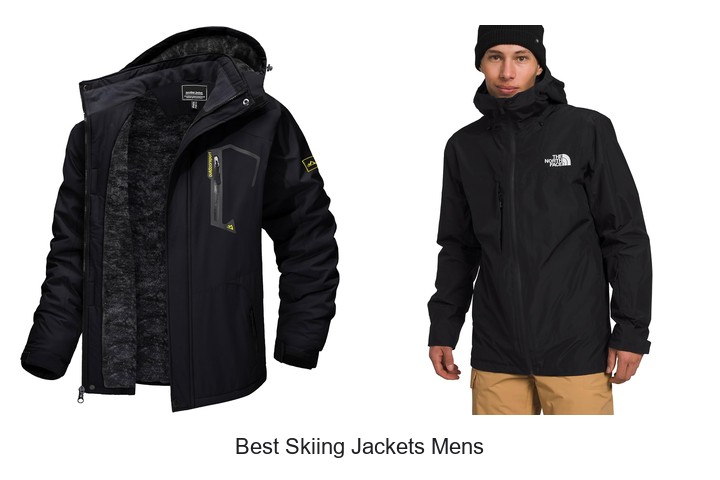
Top 12 Best Skiing Jackets Mens You Can’t Miss Today
Picking out the best skiing jackets mens can be tricky, especially when faced with jackets that either soak up moisture or fail to block the cold wind. That moment when a jacket gets wet from snow or sweat and turns heavy, cold, and uncomfortable is all too familiar for anyone who has skied wearing less than ideal outerwear.
A jacket that doesn’t breathe properly can leave you clammy inside, even if it keeps the snow out for a little while.
The difference between a good skiing jacket and a poor one usually comes down to materials and fit. Look for fabrics with at least 10,000 mm waterproof ratings combined with decent breathability in the 5,000 to 15,000 g/m²/24h range to stay dry and comfortable. A good fit is important to allow layering without restricting movement, so jackets with adjustable hoods, cuffs, and hems tend to work best.
Practical features like well-placed pockets and ventilation zippers also make a noticeable difference when you’re on the slopes all day.
Need a Quick Check?
| Image | Product | Price |
|---|---|---|
Our Top Picks 1  | TACVASEN Ski Jacket | Check Price |
Our Top Picks 2  | The North Face Thermoball Jacket | Check Price |
Our Top Picks 3  | Helly Hansen Alpha LIFALOFT | Check Price |
Our Selected Top 12 Skiing Jackets Mens Worth Buying
This list features twelve top men’s skiing jackets selected for their performance, comfort, and durability in cold weather. Each review highlights the jacket’s key features, ideal users, strengths, and potential drawbacks to help you make an informed choice for your skiing needs.
1. TACVASEN Mens Winter Skiing Jacket
Feels roomy and warm on cold days, suited for men needing a loose winter coat for skiing or cold weather. The biggest strength lies in the well-thought-out hood and the jacket’s ability to keep out wind and cold efficiently while maintaining comfort throughout the day.
Putting it on each morning is simple because of the loose fit that allows layering without feeling restricted. The hood covers well, protecting against gusts and falling snow, making it perfect for unpredictable mountain weather. Long sleeves keep your arms fully covered, and the raincoat silhouette helps in shedding moisture, so you stay dry during winter activities.
Built solidly for winter, this jacket handles cold weather as expected for its design. It’s a good barrier against chilly winds, and the solid black color doesn’t show dirt easily.
The main praise often highlights how warm it keeps users on cold days. Some mention the jacket feels a bit bulky, especially when trying to move fast or fit under ski gear.
The warmth and wind protection from the hood stand out as the product’s strongest features. People often feel comfortable even in harsh cold weather, though some find the loose fit a bit bulky and less agile for quick skiing moves.
Those who prefer roomy jackets with good coverage and warmth will appreciate this coat. Anyone looking for a slim or highly flexible jacket might want to explore other options that offer a tighter or more athletic fit.
Pros
- Warm and wind-resistant hood
- Loose fit allows easy layering
- Long sleeves fully cover arms
- Raincoat style repels moisture effectively
Cons
- Feels bulky for fast movements
- May be too loose for smaller frames
| Specification | Details |
|---|---|
| Color | #215 Black |
| Style | Raincoat |
| Sleeve Type | Long Sleeve |
| Coat Silhouette Type | Rain Coat |
| Seasons | Winter |
| Collar Style | Hooded |
2. The North Face Mens Thermoball Eco Triclimate Jacket
A durable and adaptable skiing jacket for men, ideal for cold weather and active outdoor use. Its biggest strength lies in combining a waterproof recycled shell with versatile synthetic insulation, making it suitable for changing mountain conditions.
Layering comes naturally thanks to the Triclimate design, letting you wear the insulated inner or the waterproof outer jacket separately or zipped together. Breathable DRYVENT fabric with sealed seams blocks snow and moisture while the helmet-compatible hood and powder skirt keep you protected during long days on the slopes.
Waterproofing and warmth perform well under typical ski conditions, with recycled polyester ensuring durability and eco-consciousness. Most praise goes to the jacket’s weather resistance and insulation balance. Common drawbacks include occasional bulkiness and that it might feel stiff until broken in.
The jacket is highly praised for its balance of warmth and waterproof protection, ensuring comfort on snowy days. Some users mention the jacket feels a bit stiff at first, needing time to soften with use.
People who appreciate sustainable materials and want flexible layering for varying conditions will like this jacket. Those seeking an ultra-light or very slim-fitting skiing jacket might want to consider other options.
Pros
- Waterproof recycled shell with breathable DRYVENT fabric
- Two synthetic insulation layers for temperature control
- Helmet-compatible hood with hidden adjustment system
- Snap-down powder skirt to keep snow out
Cons
- Slightly bulky when layered up
- Material can feel stiff initially
| Specification | Details |
|---|---|
| Material | 100% waterproof recycled polyester with non-PFC durable water-repellent finish |
| Style | Thermoball Triclimate |
| Coat Silhouette Type | Anorak |
| Fit Type | Regular |
| Climate Suitability | Cold Weather |
| Season | Fall |
3. Helly Hansen Mens Alpha LIFALOFT Ski Jacket
Crafted with advanced insulation, the Helly Hansen Mens Alpha LIFALOFT Ski Jacket is designed for extreme cold conditions. Its relaxed fit and durable anorak style make it suited for outdoor enthusiasts who prioritize warmth without feeling restricted. The standout feature is its ability to keep you comfortable in bitterly cold weather.
Setting up the jacket is straightforward thanks to its round collar and simple design. Daily wear is comfortable because the jacket has a relaxed fit, allowing enough room for layering. The long sleeves provide solid arm coverage during downhill runs or casual winter strolls.
Its solid pattern in color 876 Concrete keeps it looking clean without much fuss on maintenance.
The jacket excels at retaining heat in harsh winter environments, making it very reliable. Built for an outdoor lifestyle, the materials and construction hold up well against wind and cold.
Positive feedback highlights its warmth and comfort, while a common downside is that some find the relaxed fit less streamlined for active skiing.
The jacket is praised for keeping warmth in extreme cold and providing comfortable layering space. Its relaxed fit sometimes feels too loose for those wanting a more athletic silhouette on the slopes.
Ideal for anyone facing harsh winter climates who wants a roomy, warm jacket. Skiers seeking a slim, performance-focused fit might want to look at other options.
Pros
- Excellent insulation for very cold weather
- Relaxed fit allows easy layering underneath
- Durable construction suited for outdoor use
- Neutral color easy to pair with gear
Cons
- Relaxed fit may feel bulky during active skiing
- Limited styling options beyond solid pattern
| Specification | Details |
|---|---|
| Color | 876 Concrete |
| Style | Alpha Lifaloft Insulated Ski Jacket |
| Sleeve Type | Long Sleeve |
| Coat Silhouette Type | Anorak |
| Climate Suitability | Extreme Cold |
| Fit Type | Relaxed |
4. Columbia Mens Tipton Peak III Insulated Jacket

Bright and bold in Phoenix Blue and Black, this jacket suits anyone who needs reliable warmth during chilly fall outings. Its biggest strength lies in insulation that keeps you comfortable without the bulk, making it a solid pick for cold weather activities.
Putting it on is simple, and the anorak style offers regular fit freedom of movement without feeling tight or restrictive. The long sleeves help block out drafts, and the insulated design keeps chills at bay during everyday wear or active days on the trail in fall conditions.
It does well holding warmth in cold weather thanks to the insulated lining and solid construction. Reviewers often praise its effective cold protection and comfortable fit, while some note it’s a bit heavy compared to lighter shells, which might slow those who want something less bulky.
Great insulation stands out in the reviews, making it dependable for keeping warm. The main drawback mentioned is its weight, which could feel cumbersome for high-movement or extended skiing sessions. This jacket focuses more on warmth and comfort over ultra-lightweight design.
Those looking for a practical and warm jacket for chilly fall days will appreciate its features. People wanting a lighter or more versatile all-season option might prefer a different style better suited for layering and varied weather.
Pros
- Warm insulation without too much bulk
- Regular fit for comfortable layering
- Long sleeves block wind well
- Distinctive Phoenix Blue color
Cons
- Heavier than lighter shell options
- Limited to fall season use
| Specification | Details |
|---|---|
| Color | Phoenix Blue/Black |
| Style | Tipton Peak III Insulated Jacket |
| Sleeve Type | Long Sleeve |
| Coat Silhouette Type | Anorak |
| Seasons | Fall |
| Fit Type | Regular |
| Climate Suitability | Cold Weather |
5. MAGCOMSEN Mens Winter Ski Snow Jacket

Warmth and protection stand out as key reasons to pick this jacket for winter skiing trips. Ideal for those who want a reliable, standard-fit coat with a hood that handles cold weather solidly.
Its military coat style in Black Grey offers a practical look suitable for everyday winter activities.
Putting it on and heading outdoors feels straightforward thanks to the standard fit and long sleeves that cover well without feeling bulky. The hood adds an extra layer against wind and snow.
Designed for winter, it handles cold days on slopes or walks comfortably without extra fuss or complicated features to manage during use.
Durable enough to face harsher winter conditions due to its raincoat silhouette, the jacket focuses on protection rather than technical ski-specific details. Reviews highlight how well it keeps out chill, but some mention it lacks advanced breathability, which can cause discomfort during intense activity.
It’s solid for warmth but less ideal for heavy sweating.
The jacket excels at keeping chill out with its military-style raincoat design and warm fabric suited for winter. Most users find the hood useful for weather protection, though some report sweating when active due to a lack of breathability.
People wanting reliable warmth for casual winter use or moderate skiing will appreciate its straightforward fit and style. Those seeking breathability or technical ski elements like ventilation might want to explore other options.
Pros
- Warm for cold winter use
- Hooded for extra weather protection
- Standard fit suits most body types
- Military coat style looks practical and sturdy
Cons
- Limited breathability during heavy exertion
- No advanced ski-specific features included
| Specification | Details |
|---|---|
| Color | Black Grey |
| Style | Military Coat |
| Sleeve Type | Long Sleeve |
| Coat Silhouette Type | Rain Coat |
| Seasons | Winter |
| Fit Type | Standard |
| Collar Style | Hooded |
6. Helly Hansen Mens Crew Midlayer Jacket 2.0

When temperatures drop but don’t demand heavy insulation, this midlayer jacket fits perfectly. It works well for men needing a reliable, casual layer for fall, outdoor sports, or city walks. Its biggest strength is its balance between warmth and breathability, making it versatile for mild weather.
Wearing it under a shell or on its own feels comfortable thanks to the regular fit and band collar that keeps the wind out without being restrictive. The solid grey fog color looks clean and pairs easily with other gear.
Long sleeves and the anorak silhouette add coverage while retaining a casual style suitable for both sports and everyday wear.
Performance matches mild fall conditions well, without overheating or causing restrictions. The fabric holds up for active use and casual outings alike.
The strongest complimentary point highlights its fit and comfort in different outdoor situations. A common downside is that it’s not made for colder or wet climates, limiting its season use.
Feedback emphasizes its comfortable fit and versatility during mild fall weather. Many find it breathable and not bulky, but users mention it doesn’t perform well in colder or wet weather, making it less ideal for harsh skiing conditions.
Anyone needing a lightweight, casual midlayer for mild weather and outdoor activities should consider this jacket. Those looking for a heavier, waterproof skiing jacket might look for other options better suited to winter storms and low temperatures.
Pros
- Comfortable regular fit for layering
- Band collar offers good wind protection
- Versatile for sports and casual wear
- Neutral grey fits many styles
Cons
- Not suitable for cold or wet conditions
- Limited seasonal use, mostly fall only
| Specification | Details |
|---|---|
| Color | 853 Grey Fog |
| Style | Crew Midlayer Jacket 2 |
| Sleeve Type | Long Sleeve |
| Coat Silhouette Type | Anorak |
| Climate Suitability | Mild Weather |
| Fit Type | Regular |
7. Mens Waterproof Ski Snow Jacket with Hood

Waterproof protection stands out as the key feature of this ski snow jacket, making it great for anyone tackling cold, wet outdoor conditions. Its relaxed fit and modern style suit men looking for comfort without sacrificing a contemporary look on the slopes.
Getting ready to ski means pulling on a jacket that’s easy to wear and manage for a full day outdoors. The long sleeves and spread collar offer good coverage, while the hood keeps extra snow and wind off your head.
Its relaxed fit means layering underneath is never an issue, making mornings less stressful and more about preparing for the day ahead.
The jacket handles cold weather well, keeping you dry and warm during winter outings. Its raincoat-style silhouette is practical for resisting moisture, supporting all-day use in wet snow.
Reviews highlight that the waterproof feature works solidly. Some mention the jacket feels a bit bulky when you’re active, which might not suit those wanting something lighter and less restrictive.
The jacket’s waterproof ability consistently receives praise for keeping wearers dry despite wet winter conditions. A common criticism is its bulkiness, which some find limits ease of movement during active skiing.
Men wanting dependable weather protection and comfort during cold, snowy days will appreciate this jacket. Those prioritizing a lightweight, slim-fit option might want to explore alternatives.
Pros
- Effective waterproof protection
- Relaxed fit allows comfortable layering
- Hood shields against snow and wind
- Modern look suitable for skiing and outdoor activities
Cons
- Bulkier feel during vigorous activity
- May not suit those seeking a lightweight jacket
| Specification | Details |
|---|---|
| Color | Black |
| Style | Modern |
| Sleeve Type | Long Sleeve |
| Coat Silhouette Type | Rain Coat |
| Climate Suitability | Cold Weather |
8. Mens Ski Jacket

Light gray anorak-style jackets in a loose fit suit men who want comfort and warmth during cold-weather outdoor activities. Its biggest strength lies in offering a roomy design that easily layers over other gear without feeling tight or restrictive.
Putting it on involves slipping in under the hooded collar, which guards well against wind. The long sleeves provide full arm coverage, and the loose fit helps with ventilation when moving around. Daily wear feels comfortable without sacrificing mobility, making it suitable for all-day use outside in winter conditions.
Built to handle cold climates, the jacket’s solid pattern and modern style make it versatile for active winter days. It keeps warmth in and blocks chill, though some may find it a bit bulky compared to more fitted alternatives.
The hood offers good protection yet lacks adjustable features for a perfect fit.
The jacket is praised for its roomy fit and warmth in cold weather, making it comfortable to wear all day. However, some users mention that the hood could be better if it had adjustable toggles to keep it secure in stronger winds. The overall bulky design is a tradeoff for the added insulation.
Those who prefer loose, protective outerwear for winter activities will find this jacket suits their needs well. Anyone wanting a more fitted look or advanced hood features might prefer to check out other options made for those needs.
Pros
- Loose fit allows layering underneath
- Hooded collar protects against wind
- Light gray color works with many outfits
- Long sleeves cover arms fully
Cons
- Bulkier than some slim-fit jackets
- Hood lacks adjustability for snug fit
| Specification | Details |
|---|---|
| Color | Light Gray |
| Sleeve Type | Long Sleeve |
| Fit Type | Loose |
| Coat Silhouette Type | Anorak |
| Climate Suitability | Cold Weather |
| Collar Style | Hooded |
9. Helly Hansen Mens Crew Hooded Midlayer Jacket 2.0

Offering full waterproof, windproof, and breathable protection, the Helly Hansen Mens Crew Hooded Midlayer Jacket 2.0 is built for cold-weather days on or off the mountain. Its strong suit lies in keeping you dry and warm without bulk, making it a solid choice for anyone needing a reliable jacket in challenging weather.
Putting on this jacket is straightforward thanks to its regular fit and hooded collar. The 100% polyester shell and recycled polyester lining work together to resist moisture while allowing airflow, which prevents overheating during activity. The Durable Water Repellency (DWR) stays effective through several outings, and it remains comfortable without feeling heavy or restrictive during a full day of wear.
Performance-wise, the jacket handles rain and wind with ease, thanks to the Helly Tech Protection fabric that’s fully seam sealed. It’s durable enough to handle different cold-weather conditions while staying lightweight and easy to carry.
Most praise highlights how waterproof and comfortable it stays. A frequent critique involves its fit, which is regular and may not suit those looking for a slimmer cut or extra layering room.
Waterproof and windproof qualities receive the most praise, making the jacket dependable in wet and cold conditions. The main complaint concerns the fit, which some find too roomy for active skiing or layering preferences.
People looking for dependable weather protection and a casual style will appreciate this jacket. Those wanting a tighter fit or specialized skiing features might want to explore other options better suited for intense mountain conditions.
Pros
- Fully waterproof with HELLY TECH PROTECTION fabric
- Durable Water Repellency treatment keeps water off
- Comfortable hooded collar for extra coverage
- Recycled polyester lining adds an eco-friendly touch
Cons
- Regular fit may feel bulky for slim layers underneath
- Primarily designed for casual wear, not heavy-duty skiing
| Specification | Details |
|---|---|
| Shell Material | 100% Polyester |
| Lining | 100% Polyester (Recycled) |
| Fit Type | Regular |
| Climate Suitability | Cold Weather |
| Coat Silhouette Type | Anorak |
| Color | 597 Navy |
10. Mens Skiing Waterproof Snowboarding Jacket

Mens Skiing Waterproof Snowboarding Jacket is built for cold weather enthusiasts who need reliable protection from wind and moisture. Perfect for skiing, snowboarding, and winter hiking, its biggest strength lies in its fitted design combined with waterproof and windproof materials, keeping you comfortable and dry on the slopes.
Day-to-day use is straightforward, thanks to the hooded collar that offers extra coverage as the weather changes. The long sleeves and anorak-style silhouette allow freedom of movement, which is essential on busy ski days or winter camping trips.
The geometric pattern adds a subtle style element without overwhelming the practical function needed for cold climates.
Performance stands out with consistent waterproofing and wind resistance, critical for staying warm and dry. The jacket holds up well against snow and brisk winds, matching expectations in winter sports gear. Strong points mentioned include its fit and material quality.
Common issues relate to the jacket’s limited color options and occasional bulkiness.
The jacket receives praise mainly for its dependable waterproofing and wind resistance, supporting long days in wet or cold conditions. A frequent drawback voters noted was the limited color choice and a tendency for bulkiness under active use. Those factors influence the overall comfort and appeal for some users.
People who prioritize protection from harsh weather and appreciate a fitted design will find it suits their needs well. Those seeking a lighter, more colorful option may want to consider alternatives, especially if layering flexibility is a priority on the mountain or trail.
Pros
- Reliable waterproof and windproof protection
- Fitted cut helps retain body heat
- Hood adds useful weather coverage
- Geometric pattern offers subtle style
Cons
- Only available in dark grey color
- Sometimes feels bulky during intense activity
| Specification | Details |
|---|---|
| Color | Dark Grey |
| Style | Winter Waterproof Windproof Coats Jackets |
| Coat Silhouette Type | Anorak |
| Fit Type | Fitted |
| Collar Style | Hooded |
| Climate Suitability | Cold Weather |
11. Helly Hansen Garibaldi 2.0 Insulated Ski Jacket

Warmth and weather resistance stand out immediately in this jacket designed for cold winter days on the mountain. Perfect for those who need reliable protection against extreme cold without sacrificing fit or comfort.
It offers a solid insulated layer that keeps you cozy while you focus on skiing.
Getting ready to hit the slopes is straightforward thanks to the anorak style and regular fit, which allow easy layering beneath. The long sleeves help shield your arms, and the solid pattern in 718 Sepia color pairs well with typical ski gear.
It suits an outdoor lifestyle smoothly, handling the demands of winter activities without feeling bulky or restrictive.
The insulated design truly holds up against biting cold, making it a dependable jacket for extreme climates. Built with practical winter use in mind, the Garibaldi 2.0 supports activity without overheating. Users appreciate the warmth and weather protection, though some mention the insulation might feel slightly heavy during high-intensity skiing runs.
The jacket’s ability to keep warmth in extreme cold conditions is its strongest feature according to reviews. On the downside, the insulation’s weight might become noticeable for vigorous skiing or longer active stretches. The design prioritizes warmth over breathability.
Anyone skiing in very cold, harsh environments will appreciate this jacket’s insulation and fit. Those looking for lighter or more ventilated options during high-output days might want to consider alternative ski jackets that offer more breathability and technical features.
Pros
- Excellent insulation for very cold conditions
- Regular fit accommodates layering comfortably
- Long sleeves provide extra arm coverage
- Solid color pairs well with any ski outfit
Cons
- Insulation can feel heavy during intense activity
- Lacks more technical pockets or venting options
| Specification | Details |
|---|---|
| Color | 718 Sepia |
| Style | Garibaldi 2.0 Insulated Ski Jacket |
| Sleeve Type | Long Sleeve |
| Coat Silhouette Type | Anorak |
| Climate Suitability | Extreme Cold |
| Fit Type | Regular |
12. Helly Hansen Alpha 4.0 Jacket

Helly Hansen Alpha 4.0 Jacket suits anyone braving cold winter weather with outdoor activities in mind. Its single biggest strength lies in combining reliable insulation with a fit that accommodates layers comfortably without feeling bulky, making it ideal for consistent use on the slopes.
Putting on the Alpha 4.0 is straightforward, thanks to its regular fit that doesn’t restrict movement. The long sleeves keep snow out, and the solid pattern in signal green offers good visibility.
It works well for extended days outside, providing warmth without overheating, which helps when transitioning between high and low intensity skiing.
Performance-wise, this jacket excels at cold weather protection without becoming heavy. The rain coat silhouette helps shield against wind and light precipitation, and the build feels durable yet flexible.
Praise often mentions warmth and comfort, while complaints focus on occasional issues with breathability during intense activity.
Warmth and comfort stand out as the jacket’s strongest qualities, making it reliable in cold conditions. Common complaints focus on breathability, as it may become stuffy during very active skiing sessions. The balance between insulation and airflow is a trade-off noticed by many.
This jacket will satisfy those looking for dependable warmth and visible color on the slopes. People who prioritize maximum ventilation during high exertion might want to consider options designed with additional venting features to stay cooler.
Pros
- Bright signal green perfect for visibility
- Regular fit supports layering comfortably
- Long sleeves block snow and wind effectively
- Durable construction suitable for winter use
Cons
- Can feel less breathable during intense skiing
- Simplistic rain coat style lacks extra venting
| Specification | Details |
|---|---|
| Color | 466 Signal Green |
| Style | Mens Alpha 4.0 Insulated Ski Jacket |
| Sleeve Type | Long Sleeve |
| Coat Silhouette Type | Rain Coat |
| Climate Suitability | Cold Weather |
| Fit Type | Regular |
Best Skiing Jackets for Men Side by Side
| Product | Style | Climate Suitability | Seasons | Fit Type |
|---|---|---|---|---|
| TACVASEN Ski Jacket | Raincoat | Cold Weather | Winter | Loose |
| The North Face Thermoball Jacket | Thermoball Triclimate | Cold Weather | Fall | Regular |
| Helly Hansen Alpha LIFALOFT | Alpha Lifaloft Insulated | Extreme Cold | Winter | Relaxed |
| Columbia Tipton Peak Jacket | Tipton Peak III Insulated | Cold Weather | Fall | Regular |
| MAGCOMSEN Ski Snow Jacket | Military Coat | – | Winter | Standard |
| Helly Hansen Crew Midlayer 2.0 | Crew Midlayer | Mild Weather | Fall | Regular |
| Waterproof Ski Jacket | Modern | Cold Weather | Winter | Relaxed |
| Basic Mens Ski Jacket | Modern | Cold Weather | Winter | Loose |
| Helly Hansen Crew Hooded 2.0 | Crew Hooded Midlayer | Cold Weather | Fall | Regular |
| Waterproof Snowboard Jacket | Waterproof Windproof | Cold Weather | Winter | Fitted |
| Helly Hansen Garibaldi 2.0 | Garibaldi 2.0 Insulated | Extreme Cold | Winter | Regular |
| Helly Hansen Alpha 4.0 | Mens Alpha 4.0 Insulated | Cold Weather | Winter | Regular |
- StyleRaincoat
- Climate SuitabilityCold Weather
- SeasonsWinter
- Fit TypeLoose
- StyleThermoball Triclimate
- Climate SuitabilityCold Weather
- SeasonsFall
- Fit TypeRegular
- StyleAlpha Lifaloft Insulated
- Climate SuitabilityExtreme Cold
- SeasonsWinter
- Fit TypeRelaxed
- StyleTipton Peak III Insulated
- Climate SuitabilityCold Weather
- SeasonsFall
- Fit TypeRegular
- StyleMilitary Coat
- Climate Suitability–
- SeasonsWinter
- Fit TypeStandard
- StyleCrew Midlayer
- Climate SuitabilityMild Weather
- SeasonsFall
- Fit TypeRegular
- StyleModern
- Climate SuitabilityCold Weather
- SeasonsWinter
- Fit TypeRelaxed
- StyleModern
- Climate SuitabilityCold Weather
- SeasonsWinter
- Fit TypeLoose
- StyleCrew Hooded Midlayer
- Climate SuitabilityCold Weather
- SeasonsFall
- Fit TypeRegular
- StyleWaterproof Windproof
- Climate SuitabilityCold Weather
- SeasonsWinter
- Fit TypeFitted
- StyleGaribaldi 2.0 Insulated
- Climate SuitabilityExtreme Cold
- SeasonsWinter
- Fit TypeRegular
- StyleMens Alpha 4.0 Insulated
- Climate SuitabilityCold Weather
- SeasonsWinter
- Fit TypeRegular
How to Choose the Best Skiing Jacket Mens
Choosing a good skiing jacket for men involves considering warmth, waterproofing, and breathability to ensure comfort in cold, wet conditions. Selecting the right features avoids unnecessary replacements and keeps skiing enjoyable without overheating or getting soaked.
Insulation and Warmth
Trying to stay warm on the slopes without overheating can be tricky. Some jackets use synthetic insulation like PrimaLoft, which keeps you warm even if damp, but can sometimes trap heat too much during active skiing.
Down insulation feels lighter and warmer when dry but loses efficiency when wet. A jacket combining these materials or using breathable synthetics offers better temperature management across varied weather conditions.
A good jacket allows layering underneath without creating bulk that limits movement. Look for insulation weights around 80-120 grams for lightweight warmth, or up to 200 grams for colder climates.
The balance between insulation and breathability matters more than just insulation type. Breathable insulation materials help avoid sweat buildup, while still providing enough warmth when resting or moving slowly.
Waterproofing and Breathability
Snow and wet conditions demand a jacket rated for solid waterproof protection. A minimum of 10,000mm hydrostatic head usually keeps most snow and rain out, while breathability ratings around 10,000g/m²/24h help moisture escape from sweat.
Ignoring waterproofing details means damp clothes and cold discomfort after just a few runs.
Sealed seams prevent water from seeping through stitch holes, and water-resistant zippers stop leaks in common weak points. A jacket missing these features might look good but fail in persistent snow or heavy wetness.
Paying attention to waterproof ratings and sealed construction makes a real difference in keeping dry on the mountain.
Fit and Mobility
The jacket’s fit influences how easily you can move on steep turns or quick maneuvers. A too-tight cut restricts arm movement and overall agility, while something excessively loose allows cold drafts and gets caught on gear. Stretch panels or articulated sleeves improve mobility without sacrificing warmth.
Adjustments on cuffs, hems, and hoods help secure the jacket closely but comfortably, accommodating gloves or a helmet. Planning for layering beneath calls for a fit that leaves extra room without bulk. Jackets that are cut to allow a mid-layer sweater without feeling stiff provide the best mix of comfort and performance.
Ventilation and Temperature Control
Relying only on the jacket’s insulation can cause overheating during intense skiing sessions. Ventilation options like pit zips let you open vents to release trapped warmth and moisture without taking the jacket off. This quick temperature control is valuable when going from active downhill runs to chair lifts.
Integrating breathable fabrics under the arms and across the back promotes airflow without compromising weather resistance. Combined with good vent designs, this lets you better manage moisture buildup and temperature fluctuations, reducing clammy feelings and keeping comfort steady throughout the day.
Durability and Care
Neglecting the jacket’s outer fabric strength can lead to tears from edges of skis or rough trees. Durable materials like ripstop nylon or reinforced panels resist abrasions and last longer against common mountain hazards. Cheaper shells can wear thin quickly and lose protection.
Cleaning should not strip away waterproof treatments too fast. Look for jackets with easy-care fabrics and reapplying DWR coatings that help water bead off the surface.
Well-made jackets come with repair kits or have available patches, extending their service life despite frequent harsh mountain use.
Tips for Layering Ski Jackets to Maximize Warmth and Mobility
Choosing the right layers under your ski jacket can keep you warm without restricting your movement on the slopes. Start with a moisture-wicking base layer to keep sweat away from your skin. Avoid cotton because it traps moisture, making you cold.
Over this, a lightweight insulating layer such as fleece adds warmth without bulk.
Focus on fit and flexibility. A ski jacket layered over bulky clothes can feel tight and limit your range of motion. Jackets with adjustable cuffs and hems help seal in warmth and adapt to layered clothing underneath.
- Wear thin yet warm mid-layers for better mobility.
- Opt for jackets with ventilation zippers to regulate heat.
- Choose fabrics that stretch or have articulated elbows for easier movement.
Layering this way balances insulation and ease of movement, so you stay comfortable throughout the day.
How to Properly Clean and Maintain Your Ski Jacket for Longevity
Cleaning a ski jacket properly extends its performance life. Most jackets recommend using a gentle detergent specifically designed for waterproof outerwear. Ordinary detergents can strip away the jacket’s durable water repellent (DWR) coating.
Machine wash your jacket on a gentle cycle with cold water and close all zippers and Velcro to avoid damage. Avoid fabric softeners and bleach, which degrade the fabric’s breathability and water resistance.
After washing, air drying is preferred but placing the jacket in a dryer on low heat helps reactivate the DWR treatment. Be careful not to overdry.
Regular maintenance tips:
- Spot clean stains between washes.
- Reapply DWR spray treatment after several washes to restore water resistance.
- Store in a cool, dry place tucked loosely, avoiding compression.
Following these steps keeps a ski jacket functional over many seasons.
Comparing Ski Jackets to Snowboard Jackets: Key Differences Explained
Ski jackets and snowboard jackets share many features but differ in design priorities. Ski jackets tend to have a slimmer fit to reduce wind drag during fast downhill runs. Snowboard jackets usually offer a looser cut or longer length for better layering and protection during tricks and falls.
Both types include waterproof fabrics and ventilation options. Snowboard jackets often have additional padding or reinforced areas around the elbows and back, as these spots receive more impact during riding.
- Ski jackets focus on warmth and streamlined movement for varied skiing conditions.
- Snowboard jackets prioritize durability and roominess for freestyle movements.
- Ski jackets sometimes have fewer pockets, while snowboard jackets may have extra pockets convenient for goggles and other accessories.
Choosing between them depends on your specific winter sport needs and preferred fit.
People Also Asked
How Should I Choose the Right Size for a Men’s Ski Jacket?
Choose a ski jacket size that allows room for layering without being too loose. It should fit comfortably around shoulders and chest while allowing movement, especially in the arms. Trying it on with your base layers helps ensure good sizing.
What Is the Best Way to Care for a Men’s Skiing Jacket?
Clean your ski jacket after every few uses with a mild detergent suitable for technical fabrics. Avoid fabric softeners as they can hurt water repellency. Always follow specific care label instructions, and reapply a DWR (durable water repellent) treatment occasionally to maintain performance.
Are Men’s Ski Jackets Compatible with Standard Snow Pants?
Most men’s ski jackets are designed to work with standard snow pants. Look for jackets with adjustable hems or powder skirts that can tuck into pants to keep snow out. Check zipper compatibility if you plan to connect your jacket to your pants.
How Long Do Men’s Skiing Jackets Typically Last with Regular Use?
With regular skiing use, a good quality ski jacket typically lasts around 5 to 7 years. This depends on how well it’s maintained and how often it’s used, but wear and tear usually shows first around zippers and seams.
What Common Problems Should I Watch for in Ski Jackets?
Watch out for damaged waterproof membranes or worn out insulation, which reduce warmth and water resistance. Broken zippers and ripped seams are also common issues. Regularly inspect key areas and repair small tears before they get worse.
Conclusion
When choosing a men’s skiing jacket, focus on warmth, waterproofing, and breathability. These features keep you comfortable in cold, wet conditions and help manage sweat during activity.
Fit is also important because a jacket that is too tight or too loose can restrict movement or let in cold air.
Consider how often you will ski and where you store your gear before picking a model. A heavier jacket may work well for frequent trips but could feel bulky for occasional use.
The comparison table and detailed reviews above can help you find the right balance between price, features, and durability. Take another look there to find what suits your needs best.