Top 10 Best Shoes for Outdoor You Can’t Miss Today
Walking through rough trails or wet conditions with shoes that don’t hold up is a problem many outdoor enthusiasts know too well. The best shoes for outdoor activities provide more than just basic coverage; they offer durability and comfort that prevent blisters and keep feet dry, which cheap or ill-fitting options often fail to do.
Durable materials like full-grain leather or reinforced synthetic mesh improve longevity and breathability, while a proper fit includes enough room for toes to move but still holds the heel securely to avoid slipping. Outsoles with deep lugs and firm rubber compounds provide traction on uneven or slick surfaces.
Waterproof membranes rated for breathability, such as those allowing 10,000+ grams per square meter per day, help keep moisture out without causing overheating, making them the practical choices for outdoor footwear.
Need a Quick Check?
| Image | Product | Price |
|---|---|---|
Our Top Picks 1 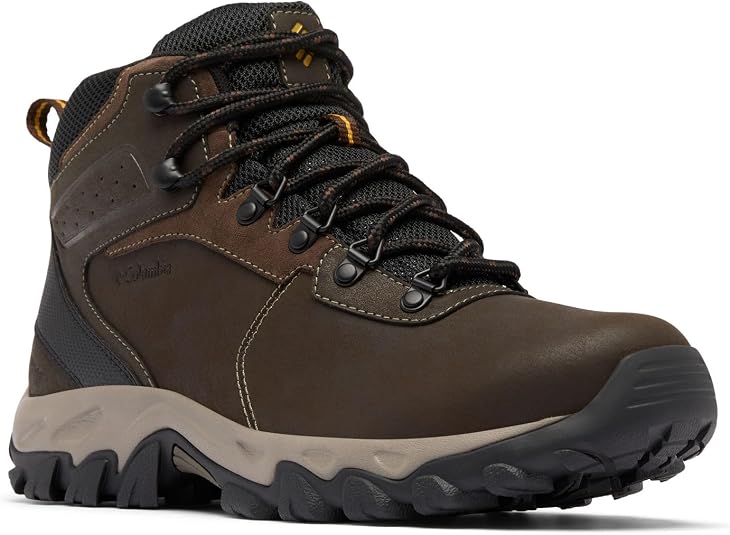 | Columbia Newton Ridge | Check Price |
Our Top Picks 2 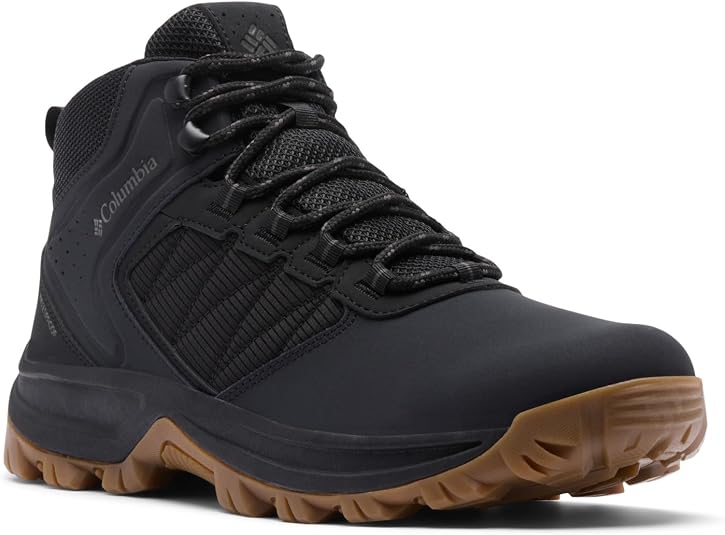 | Columbia Transverse Hike | Check Price |
Our Top Picks 3  | OL OUTJET Legend | Check Price |
Our Selected Top 10 Shoes for Outdoor Worth Your Money
This list features a variety of durable and reliable outdoor shoes designed for different terrains and activities. Each review covers performance details, ideal users, and highlights both strengths and weaknesses to help you make an informed decision.
1. Columbia Newton Ridge Plus II
Feels sturdy and reliable on any trail, making it great for those who spend a lot of time outdoors. Ideal for hikers who want waterproof protection without sacrificing comfort. The biggest strength is how well it keeps feet dry while still being breathable enough for all seasons.
Breaking them in is pretty straightforward thanks to the closed toe design and the all-season build. The waterproof feature works well in wet conditions, so muddy paths or puddles don’t cause discomfort.
Lacing up is simple and secure, and the boot’s lack of a heel makes walking over rocky or uneven ground feel less tiring on your legs.
These boots hold up well under regular outdoor use, offering solid grip and protection. Built as sturdy hiking boots, they balance durability with comfort. Many appreciate the waterproof construction, while some note that the weight could feel a bit heavy on longer hikes.
Construction feels thorough but with slight room for improvement in lightness.
Waterproofing receives high marks for keeping feet dry during wet hikes. Some users find the boots a bit heavy, which can cause fatigue on longer treks. Construction quality is solid, focusing on durability over lightweight design. The closed toe offers good protection but adds to overall bulk.
Great for hikers who prioritize waterproofing and sturdy support in varied weather conditions. Those seeking very lightweight footwear for fast-paced or ultra-long hikes might look elsewhere for better options. The boots handle rough terrain well and suit all-season use, making them practical for everyday outdoor activities.
Pros
- Reliable waterproof protection in wet conditions
- Comfortable for all-season wear
- Secure lacing keeps boots firmly in place
- Closed toe adds extra foot safety
Cons
- Feels slightly heavy for long-distance hiking
- Not the lightest option available
| Specification | Details |
|---|---|
| Color | Cordovan/Squash |
| Toe Style | Closed Toe |
| Boot Form Type | Hiking Boot |
| Heel Type | No Heel |
| Seasons | All |
| Style Name | Newton Ridge Plus II Waterproof |
2. Columbia Transverse Hike
Built for all-season outdoor use, these hiking boots suit someone looking for reliability and waterproof protection. Their key strength lies in balancing durability with comfort, especially in wet conditions, making them great for various trails.
Putting them on is straightforward thanks to the closed toe design that fits snugly without feeling tight. They handle dirt and moisture well, staying comfortable throughout the day. Being lightweight for a hiking boot, they don’t weigh you down during long walks or climbs.
Designed as a waterproof hiking boot, they perform well on slippery or muddy paths, keeping your feet dry and supported. The sturdy build can take rough terrain, though some mention the fit can feel stiff at first.
The waterproof feature is praised, while breaking them in may require patience.
The waterproof feature consistently receives high marks for keeping feet dry in challenging outdoor conditions. The most frequent complaint involves the boots feeling stiff right out of the box, which takes some getting used to during breaking in.
Anyone needing solid protection on wet or rugged trails will appreciate these boots. Those looking for lightweight, flexible footwear for faster-paced hikes might want to consider other options better suited for speed and minimal break-in time.
Pros
- Reliable waterproofing for wet trails
- Comfortably fits with closed toe protection
- Durable construction stands up to rough terrain
- Suitable for use in all seasons
Cons
- May feel stiff during initial wear
- Heavier than some trail shoes
| Specification | Details |
|---|---|
| Color | Black/Black |
| Toe Style | Closed Toe |
| Boot Form Type | Hiking Boot |
| Heel Type | No Heel |
| Seasons | All |
| Style Name | Transverse Hike Waterproof |
3. OL OUTJET Legend Hiking Shoes
Built with durable materials and a solid hunting-inspired style, these black hiking shoes fit perfectly for anyone who spends a lot of time outdoors. Their biggest strength is comfort combined with reliable grip, making them ideal for casual hikers who want dependable footwear year-round.
Slipping into these shoes is easy thanks to their flexible design and round toe. They don’t have heels, which keeps the foot stable on uneven terrain.
Wearing them daily, they adapt nicely from spring through winter without feeling too heavy or restricting movement. They match casual and sport lifestyles, fitting into outdoor occasions like hiking trips around the holidays or nature walks on Earth Day.
The build is solid, supporting feet well during long walks or rough trails. The black color helps hide dirt, and the all-season design means they hold up without needing extra care. The main compliment is their comfort during extended outdoor use, while the most common issue some mention is that they can feel a bit narrow for wider feet.
Comfort stands out as the main benefit, keeping your feet happy even during long outdoor use. Narrow fit is a recurring issue, meaning those with wider feet might find them tight. Balanced cushioning and grip earn praise, but the design may not suit everyone’s foot shape.
Those looking for comfortable, versatile shoes throughout the year will find these a good match. Those needing extra ankle support or wider sizes should consider other hiking shoe options. Great for casual hiking and nature walks in various weather conditions.
Pros
- Comfortable fit for long walks
- Suitable for all seasons
- Non-slip on various terrains
- Easy to pair with casual outfits
Cons
- Can be narrow for wide feet
- Lack of heel may reduce ankle support
| Specification | Details |
|---|---|
| Color | Black |
| Heel Type | No Heel |
| Toe Style | Round Toe |
| Seasons | All, Fall, Spring, Summer, Winter |
| Occasion Lifestyle | hiking |
4. Merrell Moab 3 Mid Waterproof

Beluga color stands out while protecting your feet during spring hikes with solid build and waterproof features. Ideal for outdoor lovers needing a reliable hiking boot that keeps feet dry and comfortable in variable trail conditions.
Getting them on feels straightforward, thanks to the mid-height design offering ankle support without being too bulky. Closed toe keeps toes safe on rocky terrain.
These boots work best in spring weather, balancing protection and breathability, making daily walks in damp conditions manageable without slipping or overheating.
Performance-wise, the block heel and sturdy sole handle uneven ground well, while waterproofing does its job in keeping water out on wet days. Most appreciate how durable the construction is, but a common note is the boots can feel a bit heavy for long-distance walking.
Build quality matches hiking needs but expect some break-in time for softer comfort.
Waterproofing and durability receive high marks, making the boot a dependable choice for damp hiking trails. The most frequent drawback noted is its weight, which some find tiring during extended hikes.
Hikers needing sturdy, waterproof boots for spring will find them fitting well, especially with ankle support needs. Those looking for a lightweight option for hotter or year-round use might want to consider alternatives.
Pros
- Waterproof design keeps feet dry
- Good ankle support from mid-height cut
- Solid traction on uneven terrain
- Durable materials handle rough use
Cons
- Feels somewhat heavy for long walks
- Best suited for spring, not all seasons
| Specification | Details |
|---|---|
| Color | Beluga |
| Toe Style | Closed Toe |
| Boot Form Type | Hiking Boot |
| Heel Type | Block Heel |
| Seasons | Spring |
| Style Name | Moab 3 Mid Waterproof |
5. Columbia Fairbanks Low
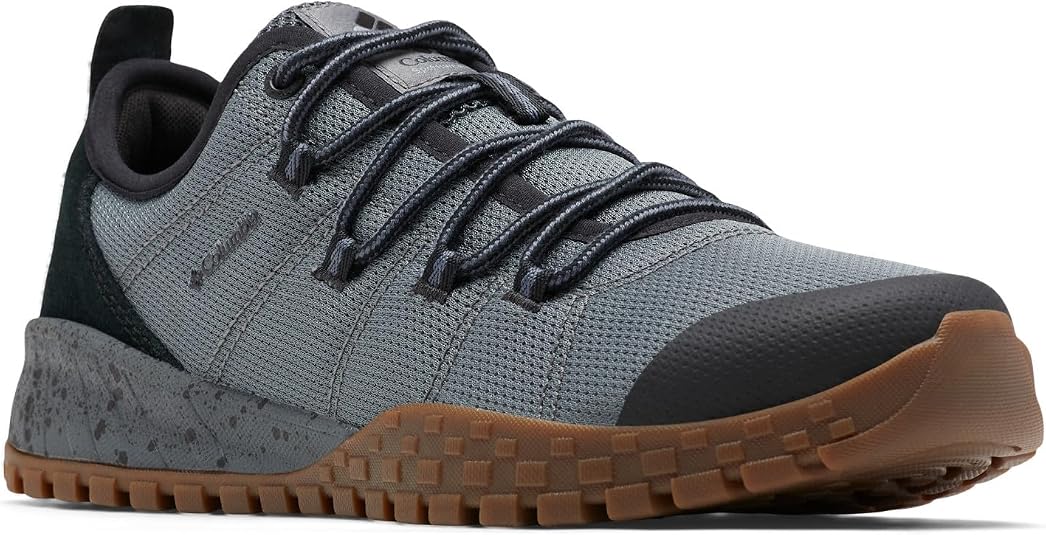
Comfort and warmth stand out the most when choosing these for casual outdoor wear during fall. Perfect for someone looking for low-top shoes that offer reliable grip and a cozy feel without the bulk of heavier hiking boots.
Putting them on feels simple with a snug fit around the foot thanks to the closed toe design. Wearing them day-to-day during cooler weather stays comfortable due to the warmth theme and low weight, making them easy to move around in while still providing protection from rough outdoor surfaces.
The graphite/black color keeps things versatile for different outfits.
They handle trails and uneven ground with solid grip and without tiring the feet, which feels good on longer walks or hikes. The build feels sturdy, with no heel and a casual vibe that blends well for both outdoor and everyday use.
Some appreciate the warmth and solid traction, while others have pointed out they can feel a bit bulky for very light use.
Many find the warmth and grip excellent for fall outdoor use, making longer walks comfortable. The usual drawback is the bulk, which may feel heavy during light or casual wear. The balance between comfort and durability stands out as a key factor.
Those needing comfortable, warm shoes that support casual hiking will appreciate these. Folks looking for something lighter or more suited to warmer or wetter conditions might explore alternative options.
Pros
- Warmth suited for cooler outdoor conditions
- Good grip on uneven surfaces
- Low-top style offers flexibility and comfort
- Neutral color fits many outfit styles
Cons
- Some find them a bit bulky for casual quick trips
- Not ideal for very hot or wet environments
| Specification | Details |
|---|---|
| Color | Graphite/Black |
| Occasion Type | Casual |
| Heel Type | No Heel |
| Toe Style | Closed Toe |
| Seasons | Fall |
6. Columbia Crestwood Hiking Boots
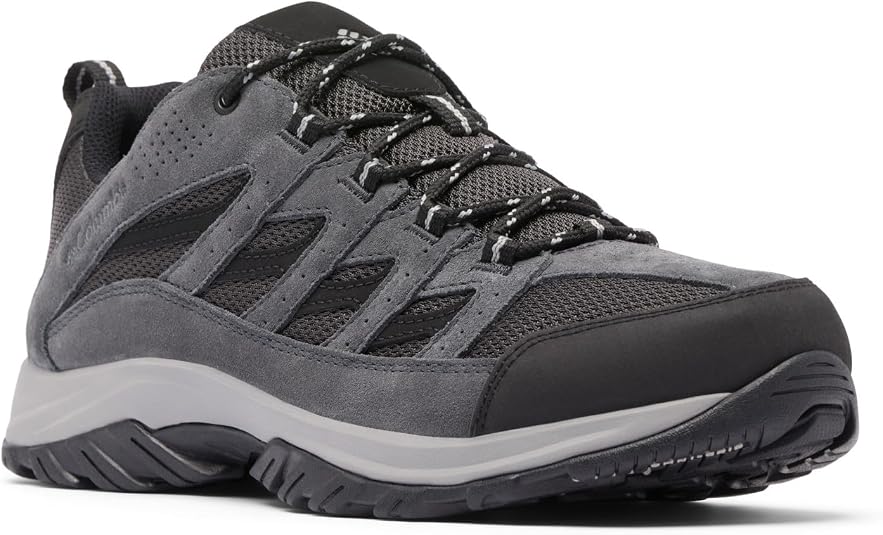
Tackling rough trails and wet conditions becomes much easier with these hiking boots designed for all outdoor lovers. Ideal for casual hikers who want reliable grip and comfort, their standout feature is the balanced fit that supports long days on foot without fatigue.
Putting them on is straightforward, thanks to the closed toe design that keeps feet protected from rocks and debris. They feel sturdy but not heavy, making daily wear comfortable during hikes or outdoor chores.
The casual style pairs well with outdoor gear, and the solid pattern in versatile Shark/Columbia Grey hides dirt well. No heels keep the foot stable on varying terrain.
For rough terrains, these boots hold up well, delivering dependable traction and preventing slips. The build focuses on durability and comfort, with materials suited to all seasons and an outdoor lifestyle. Most praise goes to their supportive fit and all-around reliability.
A frequent critique is the lack of more aggressive tread, which might not suit extreme hiking conditions.
The boots are praised for their supportive fit and reliability across different outdoor settings. Common concerns focus on the tread pattern not being aggressive enough for very rugged or slippery terrain, which limits use for technical hikes.
Anyone looking for durable, comfortable footwear for light to moderate hiking will find these boots well suited. Those needing extra ankle support or specialized grip for challenging trails might consider other options.
Pros
- Comfortable fit for long outdoor use
- Durable materials suitable for all seasons
- Closed toe protects feet against trail hazards
- Casual style works well with outdoor outfits
Cons
- Less aggressive tread for technical trails
- No heel may reduce ankle support on uneven ground
| Specification | Details |
|---|---|
| Color | Shark/Columbia Grey |
| Occasion Type | Hiking |
| Heel Type | No Heel |
| Toe Style | Closed Toe |
| Seasons | All |
7. NORTIV 8 Ankle High Hiking Boots

Brown, black, and tan colors come together in a mid-top hiking boot designed for all seasons, suitable for those needing reliable ankle support on outdoor adventures. Its no heel design offers steady footing, making it a solid choice for hikers who prioritize comfort and protection in rugged environments.
Putting the boots on feels straightforward due to the round toe and ankle-high form that holds the foot securely without being too tight. Their moderate height guards against debris and offers ankle stability, useful on uneven trails.
The solid pattern ensures they don’t draw unnecessary attention, fitting well with various outdoor gear.
Built to endure outdoor conditions, these boots keep the feet protected and supported during long hikes. The sturdy construction withstands rough terrain, and users often praise their comfort over extended use. On the downside, some find the material a bit stiff when new, which may need breaking in before full comfort is reached.
Comfort on long hikes stands out as a key advantage, while stiffness on initial wear is a frequent issue. The mid-top design offers great ankle support, but the boots need some time to soften up.
Those trekking varied terrain in different weather will find these boots reliable and supportive. People seeking extra heel traction or immediate softness should consider other options with more cushioning or specialized sole design.
Pros
- Good ankle support for rough trails
- Suitable for use in all seasons
- Neutral colors blend with outdoor gear
- Comfortable round toe fit
Cons
- Material feels stiff at first
- No defined heel for added grip
| Specification | Details |
|---|---|
| Color | Brown/Black/Tan |
| Toe Style | Round Toe |
| Boot Form Type | Hiking Boot |
| Heel Type | No Heel |
| Seasons | All |
| Style Name | Mid-top |
8. Columbia Crestwood Waterproof

People who spend a lot of time outdoors during the fall will appreciate these waterproof shoes designed for casual wear. They stand out for their weather resistance, especially in wet and muddy conditions. Perfect for those who want reliable protection without sacrificing comfort.
Putting them on is simple with their closed toe design, and the Mud/Squash color helps hide dirt after a long day. No heel means they feel stable and are comfortable for walking on uneven trails. Fit is casual, so they suit those who don’t need a snug, performance race shoe but want something practical for everyday outdoor adventures.
The shoes hold up well against water and manage rough terrain without slipping easily. The build is solid and focused on waterproof functionality, though some might find them a bit bulky compared to lighter trail shoes.
Most praise goes to how dry the feet stay, while common remarks point to some stiffness during break-in.
The strongest praise highlights the shoe’s ability to keep feet dry and comfortable during wet, muddy outings. Common complaints mention how the shoe can feel stiff at first and might require some time to break in. They provide a dependable barrier against moisture but may need a few wears to soften up.
Those who enjoy casual outdoor activities in fall conditions will be satisfied with the waterproof qualities and comfortable fit. People looking for ultra-lightweight hiking shoes or those needing a fast break-in period should consider other options better suited to intense or long-distance trekking.
Pros
- Waterproof to keep feet dry in wet conditions
- Closed toe protects against dirt and debris
- Comfortable with a no-heel design for stability
- Earth tone color hides mud and stains well
Cons
- Can feel stiff during initial wear
- Bulky compared to lighter hiking shoes
| Specification | Details |
|---|---|
| Color | Mud/Squash |
| Toe Style | Closed Toe |
| Heel Type | No Heel |
| Style Name | Crestwood Waterproof |
| Occasion Lifestyle | Casual |
| Seasons | Fall |
9. NORTIV 8 Lightweight Hiking Boots

Lightweight hiking boots designed to keep you comfortable and agile on outdoor trails, ideal for those who prefer a mid-top style with reliable support. Their standout feature is the balance between all-season versatility and solid protection without added weight, making them a smart pick for varied terrain.
They fit like a standard hiking boot with a round toe, offering enough room without feeling bulky. Wearing them during walks or hikes reveals how the no-heel design contributes to steady footing while keeping movements natural.
The solid black color hides dirt well, and mid-top height adds ankle coverage, helping in unpredictable outdoor conditions.
Construction focuses on durability and lightweight performance, which helps maintain stamina on longer outings. Reviews highlight excellent grip and comfort that lasts through extended use, though some mention sizing can run a bit tight for wider feet.
The boots handle mud and rough paths without problems but aren’t designed for extreme waterproof needs.
Comfort and grip stand out in daily outdoor use, with most praising the boot’s ability to handle rough paths without weight holding you back. Common complaints focus on the narrow fit, which can feel restrictive for people with broader feet. The design keeps feet steady but lacks advanced water resistance.
Those who need reliable, lightweight protection across all seasons will appreciate these boots. People who require extra width or plan to face very wet environments should consider other options better suited for those needs.
Pros
- Lightweight for easier long-distance hiking
- Solid black color hides stains effectively
- Mid-top design offers good ankle support
- Suitable for all seasons
Cons
- May feel tight on wider feet
- Not fully waterproof for wet conditions
| Specification | Details |
|---|---|
| Color | Black |
| Toe Style | Round Toe |
| Boot Form Type | Hiking Boot |
| Heel Type | No Heel |
| Seasons | All |
| Style Name | Mid-top |
10. Merrell Jungle Leather Slip-On

Merrell Jungle Leather Slip-On is a casual shoe designed for those who want comfort and easy wear in an outdoor setting. Its biggest strength lies in the slip-on design paired with a closed-toe style that keeps feet protected without sacrificing convenience.
Day-to-day use feels straightforward thanks to its slip-on style. Flat fell seam stitching keeps the structure durable while the casual sport theme fits well with relaxed outdoor activities.
The lack of heel means stability on uneven terrain, and the solid gunsmoke color hides dirt fairly well on holiday outings or casual strolls.
Performance matches expectations for an outdoor casual shoe. The leather construction gives solid protection and breathability. Flat fell seams suggest durability, though some might find the lack of heel less suited for more vigorous hikes.
The most praised feature stays the easy on/off, while occasional comments mention the fit can feel a bit snug depending on foot shape.
Most users appreciate how easy it is to put on and take off, making it great for casual outdoor use. Common complaints focus on the snug fit that might not accommodate wider feet comfortably. The shoe’s solid construction and closed toe provide decent protection.
Those looking for simple and comfortable shoes for light outdoor activities will find these fitting nicely. Anyone needing more support or wider fit options should look elsewhere for shoes better suited to vigorous hiking or uneven terrain.
Pros
- Easy slip-on design for quick wear
- Durable flat fell seam stitching
- Closed toe offers good foot protection
- Solid gunsmoke color masks dirt well
Cons
- Fit may be tight for wider feet
- No heel might reduce support on rough trails
| Specification | Details |
|---|---|
| Color | Gunsmoke |
| Occasion Type | Casual |
| Heel Type | No Heel |
| Toe Style | Closed Toe |
| Stitching Style | Flat Fell Seam |
| Theme | Sport |
Comparison of Best Outdoor Shoes Reviewed
| Product | Boot Form Type | Toe Style | Heel Type | Seasons |
|---|---|---|---|---|
| Columbia Newton Ridge | Hiking Boot | Closed Toe | No Heel | All |
| Columbia Transverse Hike | Hiking Boot | Closed Toe | No Heel | All |
| OL OUTJET Legend | – | Round Toe | No Heel | All |
| Merrell Moab 3 Mid WP | Hiking Boot | Closed Toe | Block Heel | Spring |
| Columbia Fairbanks Low | – | Closed Toe | No Heel | Fall |
| Columbia Crestwood Boots | – | Closed Toe | No Heel | All |
| NORTIV 8 Ankle Boots | Hiking Boot | Round Toe | No Heel | All |
| Columbia Crestwood WP | – | Closed Toe | No Heel | Fall |
| NORTIV 8 Lightweight | Hiking Boot | Round Toe | No Heel | All |
| Merrell Jungle Slip-On | – | Closed Toe | No Heel | Holiday |
- Boot Form TypeHiking Boot
- Toe StyleClosed Toe
- Heel TypeNo Heel
- SeasonsAll
- Boot Form TypeHiking Boot
- Toe StyleClosed Toe
- Heel TypeNo Heel
- SeasonsAll
- Boot Form Type–
- Toe StyleRound Toe
- Heel TypeNo Heel
- SeasonsAll
- Boot Form TypeHiking Boot
- Toe StyleClosed Toe
- Heel TypeBlock Heel
- SeasonsSpring
- Boot Form Type–
- Toe StyleClosed Toe
- Heel TypeNo Heel
- SeasonsFall
- Boot Form Type–
- Toe StyleClosed Toe
- Heel TypeNo Heel
- SeasonsAll
- Boot Form TypeHiking Boot
- Toe StyleRound Toe
- Heel TypeNo Heel
- SeasonsAll
- Boot Form Type–
- Toe StyleClosed Toe
- Heel TypeNo Heel
- SeasonsFall
- Boot Form TypeHiking Boot
- Toe StyleRound Toe
- Heel TypeNo Heel
- SeasonsAll
- Boot Form Type–
- Toe StyleClosed Toe
- Heel TypeNo Heel
- SeasonsHoliday
How to Choose the Right Outdoor Shoes
Comfort, durability, and weather resistance are key factors when selecting outdoor shoes, as they ensure feet stay protected and supported during various activities. Choosing the right pair prevents injuries and wear, ultimately saving money and avoiding unnecessary replacements or discomfort.
Fit and Comfort
Shoes that are slightly too tight or loose often cause blisters and sore spots after just a few hours outdoors. Proper sizing matters more than many think; a shoe with adequate toe room and heel hold avoids friction and pressure points over extended use. Paying attention to the width is also crucial – shoes that are too narrow can pinch, while overly wide ones fail to provide support.
Cushioning and arch support play key roles in reducing foot fatigue on long walks. Foam midsoles that mold to your foot shape and support arches help distribute weight evenly, reducing strain.
Breathability and moisture management are equally important; materials like mesh uppers combined with moisture-wicking liners keep feet dry and prevent painful blisters from sweat buildup during hot or strenuous activity.
Durability and Materials
Uppers made from real leather or dense, abrasion-resistant synthetics handle scratches and scrapes from rocks, branches, and dirt far better than cheaper fabrics. Durability here means your shoes won’t wear out or tear quickly on rough trails. Strong stitching and reinforced areas along with quality leather maintain foot protection and longevity.
The sole construction requires thick rubber that holds up against constant contact with uneven surfaces. A sturdy sole maintains shape and cushioning without cracking after few uses. Many outdoor shoes also have some degree of water resistance or full waterproof membranes like Gore-Tex to keep feet dry during wet hikes or river crossings without sacrificing breathability.
Traction and Outsole Design
Tread patterns differ widely based on terrain needs. Deep, widely spaced lugs shed mud easily and provide grip on slippery trails, while flatter, multi-directional patterns work better on rocky or packed surfaces for stability. The pattern should match where you mostly walk.
The rubber compound composition directly affects grip quality. Softer rubber grips better on wet surfaces but wears out faster, whereas harder rubber lasts longer but can be slick. The sole’s flexibility also influences performance: rigid soles help with rocky stability but can feel stiff, while flexible ones boost comfort and foot movement but sacrifice some control.
Weight and Mobility
Heavy shoes can tire legs faster, especially on long hikes where every ounce counts. Lightweight designs reduce energy spent lifting feet and improve overall endurance over several miles.
Shoes weighing around 12-16 ounces strike a good balance for many users, keeping weight manageable without compromising protection.
Finding the balance between protection and freedom of movement is essential. Overly bulky shoes can limit ankle mobility and feel clunky on uneven ground, while minimalist shoes expose feet to injury risks. A shoe that allows natural walking motion but still guards against rocks and twists works best for preserving speed and comfort on varied terrain.
Support and Stability
Ankle support is crucial on uneven trails to prevent sprains. High-cut designs stabilize the ankle during sideways twists and rough footing.
Without sufficient support, even minor trips can lead to painful injuries that take weeks to heal.
The midsole acts as shock absorption, protecting knees and hips from impact over rocky or hard surfaces. Look for midsoles with EVA foam or similar cushioning materials that balance softness with firmness.
Reinforced heel and arch areas contribute to better control by keeping the foot steady inside the shoe, reducing unwanted movement and improving balance on tough terrain.
How to Choose the Right Outdoor Shoes for Different Terrain Types
Matching your outdoor shoes to the terrain can make a significant difference in comfort and safety. For rocky or uneven paths, shoes with stiff soles and strong ankle support help prevent injuries.
Trails with loose dirt or mud require shoes that offer deep, aggressive treads to maintain grip and stability. Lightweight shoes with breathable materials work best for dry, well-maintained trails, preventing overheating and excessive sweating. Waterproof features are essential for wet or snowy environments, but they often reduce breathability, so weighing this tradeoff matters.
Consider the shoe’s fit too; a snug fit without pressure points prevents blisters on long walks. Taking note of the shoe’s weight and flexibility allows you to pick something matching your activity level and preference. Trying shoes on with the socks you plan to wear outdoors helps ensure the right comfort and fit.
Essential Maintenance Tips to Extend the Lifespan of Your Outdoor Shoes
Cleaning outdoor shoes regularly keeps dirt and grime from damaging materials. Use a soft brush or cloth to remove mud, avoiding harsh chemicals that can break down waterproof coatings or adhesives. After cleaning, air-dry shoes at room temperature away from direct heat sources like radiators or the sun, which can cause the soles to warp or the fabric to shrink.
Applying a waterproof spray periodically maintains the protective layer, especially after exposure to water or wet conditions. Leather shoes benefit from a light application of conditioner to prevent cracking.
Check the soles and seams for signs of wear and tear before long trips; replacing worn laces and insoles can improve fit and performance, making old shoes feel much more comfortable. Storing shoes in a dry, ventilated area avoids mold buildup.
Common Mistakes to Avoid When Using Outdoor Shoes for Hiking and Trail Running
Wearing outdoor shoes that are too tight or loose often leads to blisters and instability on trails. Skipping a break-in period before long hikes or runs can cause discomfort until the shoe molds to your feet.
Avoid using outdoor shoes designed for hiking while wearing them indoors or for casual walking since extra wear reduces their effectiveness on challenging terrain. Relying on shoes with worn tread compromises traction and increases the risk of slipping. Neglecting moisture buildup inside the shoe causes unpleasant odors and can damage materials over time.
Using improper socks, like cotton, encourages friction and blisters, so choose moisture-wicking options instead. Lastly, ignoring manufacturer guidelines on cleaning and maintenance can shorten your shoe’s lifespan significantly.
People Also Asked
How Do Outdoor Shoes Fit Compared to Regular Sneakers?
Outdoor shoes usually fit snugger than regular sneakers to provide better support and stability. It’s important to try them on with the socks you plan to wear outdoors to check for proper comfort and avoid blisters.
What Are Common Problems with Outdoor Shoes After Heavy Use?
Common problems after heavy use include worn-out soles, reduced waterproofing, and frayed laces. Inspect shoes regularly for these issues and replace components like insoles or laces to extend their lifespan.
How Should I Clean and Care for Outdoor Shoes Properly?
Use a soft brush to remove dirt and avoid harsh detergents that can damage materials. Let them air dry away from direct heat to prevent shrinking or cracking of parts like leather or synthetic fibers.
Are Outdoor Shoes Safe for Rocky and Uneven Terrains?
They are designed specifically for such conditions with features like durable soles and reinforced toe caps. Still, make sure the tread pattern matches the type of terrain and avoid overly slippery surfaces to reduce injury risk.
How Long Do Durable Outdoor Shoes Typically Last with Regular Use?
Durable outdoor shoes often last around 500 to 700 miles but this varies by terrain and care. Monitoring sole wear and cushioning helps determine when they should be replaced to maintain comfort and safety.
Conclusion
Durability, comfort, and a good grip are the main points to focus on when choosing outdoor shoes. These factors help with stability on uneven terrain and protect your feet during long walks.
Breathability also matters to keep your feet dry and prevent blisters during extended use.
Think about where you’ll be using the shoes most often and how frequently. That will guide you on the right level of support and water resistance to look for, along with what fits your budget.
Refer back to the comparison table and detailed picks to find the shoes that suit your specific needs best.