Top 10 Best Rugged Winter Jacket That Will Blow Your Mind
That moment when your jacket gets soaked through during a winter hike or the cold wind bites through the seams is a familiar frustration for anyone relying on a cheap or poorly made coat. A best rugged winter jacket resists these problems by offering durable protection that lasts beyond a few uses without losing warmth or comfort.
What sets a good rugged winter jacket apart usually boils down to three things: the outer shell material, insulation type, and fit. Look for fabrics like ripstop nylon or polyester that resist tears and repel water effectively, often rated with a waterproof rating above 10,000 mm. Insulation should balance warmth and bulk, commonly using synthetic fibers or down with a fill power ranging from 550 to 800.
A well-fitting jacket keeps heat in without restricting movement, which is crucial for outdoor activities in freezing temperatures.
Need a Quick Check?
| Image | Product | Price |
|---|---|---|
Our Top Picks 1 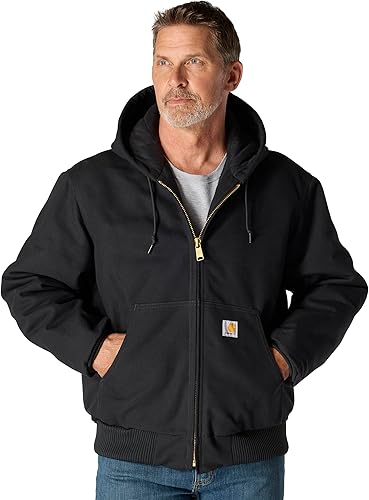 | Carhartt Iconic J140 | Check Price |
Our Top Picks 2  | INVACHI Fleece Cargo | Check Price |
Our Top Picks 3  | Carhartt Camden Cryder | Check Price |
Our Selected Top 10 Rugged Winter Jacket Worth Your Money
This list features durable winter jackets built to withstand tough conditions and keep you warm. Each review explains how the jacket performs, identifies the ideal user, and highlights its strengths and weaknesses to help you make an informed choice.
1. Carhartt Mens Iconic J140 Duck Jacket
Black color and insulated quilted design make it a solid pick for those facing extreme cold. Suits anyone in need of a warm, loose-fitting jacket for work or casual office days.
Its biggest strength lies in keeping you warm while allowing easy movement.
Easy to throw on over layers thanks to the loose fit. Flannel lining adds comfort on cold mornings while duck fabric stands up well to rough handling. Sleeves are long enough for good coverage, and the jacket doesn’t feel overly bulky when worn all day.
Handles freezing temperatures effectively with its insulation and quilted design. Built tough with durable duck fabric that resists wear during work or outdoor tasks. Most praise goes to how warm it keeps you without being too stiff.
A common complaint is that the fit can feel a bit bulky for some, which restricts styling options that lean toward a more streamlined look.
The jacket keeps wearers very warm with its insulated flannel lining and quilted build, making it ideal for extreme cold. Many find the fit roomy and comfortable, but the bulkiness is a frequent point of criticism, especially for those wanting a trimmed silhouette.
Those needing hardy protection in harsh weather with space for layers will appreciate this jacket. Anyone looking for a more fitted or stylish urban look might want to consider a different option.
Pros
- Warm insulated flannel lining
- Loose fit for layering and movement
- Durable firm duck fabric
- Long sleeves for extra coverage
Cons
- Fit can feel bulky for some
- Limited style options beyond workwear look
| Specification | Details |
|---|---|
| Color | Black |
| Style | J140 Loose Fit Firm Duck Insulated Flannel-lined Active Jac |
| Sleeve Type | Long Sleeve |
| Coat Silhouette Type | Quilted |
| Seasons | All |
| Climate Suitability | Extreme Cold |
2. INVACHI Mens Fleece Lined Cargo Jacket
People who spend a lot of time outdoors in cold weather will appreciate the INVACHI Mens Fleece Lined Cargo Jacket. It suits those looking for a warm, practical winter jacket that combines utility and style.
Its biggest strength is the cozy fleece lining that keeps you comfortable in chilly conditions.
Putting it on feels straightforward thanks to the button-down collar and regular fit that allows easy layering underneath. The cargo style offers extra pockets for carrying essentials, which is handy for running errands or casual outings.
The long sleeves and solid pattern ensure a classic, versatile look for winter occasions like dates or daily walks.
The jacket performs well as a winter coat with a focus on warmth thanks to the fleece lining. The army green color and anorak silhouette give it a rugged appeal.
Most praise highlights its climate suitability for cold weather. A common complaint involves a preference for more insulation or a heavier build for extreme cold conditions.
The fleece lining is often praised for keeping wearers warm in cold weather. Some users mention wanting additional insulation for harsher winter days. The combination of warmth and functionality with cargo pockets makes it a reliable winter jacket in moderate cold.
People who want a warm, casual winter jacket with enough pockets for everyday use will find it suitable. Those needing protection in very severe cold or preferred tighter layers might look for something with extra insulation or a slimmer fit.
Pros
- Warm fleece lining for cold weather
- Practical cargo pockets for storage
- Button down collar for adjustable neck fit
- Classic army green color with solid pattern
Cons
- Could use heavier insulation for extreme cold
- Regular fit may feel bulky under thicker layers
| Specification | Details |
|---|---|
| Color | Army Green |
| Style | Cargo |
| Sleeve Type | Long Sleeve |
| Coat Silhouette Type | Anorak |
| Seasons | Winter |
| Fit Type | Regular |
3. Carhartt Mens Camden Cryder Jacket
Carhartt Mens Camden Cryder Jacket stands out with its relaxed fit and cold-weather design, making it ideal for anyone who needs a reliable winter layer without feeling restricted. The hooded aviator style gives extra warmth and coverage, appealing to those working or spending time outdoors in chilly fall conditions.
Putting on the jacket feels comfortable right away thanks to its relaxed fit. The long sleeves keep your arms fully covered, and the hood adds a practical shield against wind or light snow. Solid black color pairs well with most outfits, so it works just as well for running errands as it does for active outdoor tasks in cool weather.
Built to handle cold weather, the jacket provides solid insulation and warmth during daily use. The aviator silhouette keeps heat close to your body, while a sturdy hood guards your head.
Most praise focuses on how durable and warm it is, but a common drawback is that the jacket is only suited for fall, not extreme winter conditions.
Durability and warmth earn high marks from daily users, confirming its strength against chillier fall days. The jacket’s limited seasonal range is the main complaint, as it doesn’t provide enough insulation for deep winter exposure.
Those looking for a dependable cold-weather layer for fall will find this jacket fitting well into their routine. People expecting something for severe winter conditions should seek jackets designed specifically for colder climates.
Pros
- Relaxed fit allows for easy layering
- Hooded collar adds extra protection
- Durable construction for cold weather
- Classic aviator style stays warm
Cons
- Only suitable for fall, not harsh winter
- May feel bulky for some users
| Specification | Details |
|---|---|
| Color | Black |
| Style | Camden Cryder Jacket |
| Sleeve Type | Long Sleeve |
| Coat Silhouette Type | Aviator |
| Seasons | Fall |
| Fit Type | Relaxed |
| Collar Style | Hooded |
| Climate Suitability | Cold Weather |
4. Carhartt Mens Washed Duck Jacket

Carhartt Mens Washed Duck Jacket is built tough for cold weather and rough use. It suits those who want a loose fit anorak that can handle fall chills without being too fragile. Its biggest strength lies in durability and warmth thanks to the washed duck fabric.
Wearing the jacket day-to-day feels comfortable due to its loose fit and long sleeves. The band collar keeps neck coverage snug without bulk. The solid black color works well for both work and casual settings.
It’s easy to throw on over layers without feeling tight or restrictive.
Performance shines in cold weather as it provides solid protection from wind and light cold. The anorak silhouette is simple but effective for insulation. Most praise its rugged build and lasting material while some find the fit a bit too loose for slimmer frames.
It’s clearly made to last rather than look refined.
Durability gets the most praise, as the material holds up through rigorous use in cold weather. Most commonly noted complaint centers on the jacket’s loose fit, which some find too bulky and less flattering for slimmer builds.
People needing a sturdy, warm jacket for rough conditions will be happy with this choice. Those wanting a more fitted or stylish jacket for milder climates might want to consider other options.
Pros
- Durable washed duck fabric
- Warm and wind-resistant
- Loose fit allows layering
- Band collar secures neck area
Cons
- Loose fit may feel bulky for some
- Limited color options
| Specification | Details |
|---|---|
| Color | Black |
| Style | Washed Duck Active Jac |
| Sleeve Type | Long Sleeve |
| Coat Silhouette Type | Anorak |
| Fit Type | Loose |
| Climate Suitability | Cold Weather |
5. Wrangler Mens Duck Sherpa Lined Jacket

Warm and sturdy, this jacket feels like a reliable companion for cold fall days. Well-suited for outdoor activities, it keeps you comfortable without bulk.
Its standout feature is the Sherpa lining, which really locks in heat when temperatures drop.
Putting it on is straightforward with the full zip front. The long sleeves and regular fit allow for easy movement, and the anorak silhouette adds a casual but practical touch. The charcoal grey color hides dirt well, making it suitable for messy outdoor conditions and everyday wear.
Built to handle colder weather, the Sherpa lining delivers solid warmth without feeling too heavy. The duck fabric is tough and resists wear, ideal for rugged use. The main praise centers around its warmth and durability.
Some do mention it could be a bit bulky under layers.
The Sherpa lining stands out as the main factor keeping users warm and comfortable during cold weather. Bulkiness is a common remark, with some finding it less ideal when layered under another coat. Durability and warmth are consistent positives across experiences.
Those looking for a solid jacket for moderate cold and outdoor activities will find this a good choice. People needing something lighter or for extreme winter conditions might want to look elsewhere.
Pros
- Very warm Sherpa lining
- Durable duck fabric
- Regular fit allows layering
- Full zip for easy wear
Cons
- Can feel bulky beneath heavier layers
- Geared mainly for fall, less for extreme cold
| Specification | Details |
|---|---|
| Color | Charcoal Grey |
| Style | Duck Sherpa Lined Full Zip Jacket |
| Sleeve Type | Long Sleeve |
| Coat Silhouette Type | Anorak |
| Climate Suitability | Cold Weather |
6. MAGCOMSEN Mens Corduroy Sherpa Jacket

Perfect for cold weather, the MAGCOMSEN Mens Corduroy Sherpa Jacket suits anyone needing warmth and casual style without bulk. Its biggest strength lies in the thick Sherpa lining combined with a classic aviator cut, striking a solid balance between comfort and rugged appeal.
Putting on the jacket feels cozy right away thanks to the soft Sherpa lining that runs throughout the inside. It’s made with long sleeves and a turn-down collar to help keep wind off your neck. The regular fit gives enough room for layering under it during chilly days.
Wearing it in fall, winter, or early spring covers most cold weather scenarios comfortably.
It handles low temperatures well due to the Sherpa insulation, making it suitable for genuinely cold days. The corduroy outer fabric feels durable but can attract lint and dust easily. Most praise highlights its warm lining as a standout feature, while the common complaint points to the fabric’s higher maintenance compared to smoother materials.
The Sherpa lining consistently provides warmth that users appreciate heavily during winter chill. However, the corduroy exterior demands more upkeep and tends to collect dust, which some find inconvenient. Wearing it regularly means accepting these fabric quirks in exchange for excellent insulation.
People looking for dependable cold-weather protection with a casual look will enjoy this jacket’s features. Those wanting low-maintenance fabrics or highly technical sports gear might want to explore other options that are simpler to clean and more water-resistant.
Pros
- Thick Sherpa lining for strong warmth
- Comfortable regular fit for layering
- Classic aviator style collar
- Durable corduroy material
Cons
- Corduroy fabric attracts dust and lint
- Requires careful cleaning care
| Specification | Details |
|---|---|
| Color | Brown |
| Sleeve Type | Long Sleeve |
| Coat Silhouette Type | Aviator |
| Seasons | Fall, Spring, Winter |
| Fit Type | Regular |
| Climate Suitability | Cold Weather |
7. TACVASEN Mens Water Repellent Winter Parka

Water-repellent fabric and a regular fit make this parka a solid choice for cold weather. Built for outdoor sports and activities, it suits anyone needing reliable warmth and protection during fall and winter.
Its biggest strength lies in keeping moisture at bay while maintaining comfort through long days outside.
Putting it on is straightforward, with a simple overcoat silhouette that doesn’t restrict movement. The long sleeves provide full arm coverage, and the solid black color works well with most casual and outdoor gear. Regular fit means it’s roomy enough for layering underneath without feeling bulky or tight, which is handy during unpredictable outdoor conditions.
Performance in cold weather is generally impressive, especially with its water-repellent feature that holds up well in damp conditions. Reviews often highlight how well it protects against wind and light rain, making it a dependable winter coat. A common downside mentioned is that the design is quite basic and may lack additional pockets or extra insulation some users expect.
The jacket’s strong water-repellent fabric stands out for keeping the wearer dry during outdoor activities. Many find the design simple but effective, though some mention the limited number of pockets and lighter insulation as drawbacks.
Those spending time in cold, wet conditions with moderate activity levels will appreciate this coat’s features. Anyone needing heavy-duty insulation or extensive storage might prefer to look at other options.
Pros
- Water repellent finish keeps dryness
- Regular fit allows layered comfort
- Solid black for versatile use
- Long sleeves provide full arm coverage
Cons
- Basic design lacks extra pockets
- May not have enough insulation for extreme cold
| Specification | Details |
|---|---|
| Color | Black |
| Style | Tacvasen Mens Winter Coat |
| Sleeve Type | Long Sleeve |
| Coat Silhouette Type | Overcoat |
| Seasons | Fall, Winter |
| Climate Suitability | Cold Weather |
8. Carhartt Mens Iconic J01 Duck Detroit Jacket

Carhartt Brown stands out as the color, setting a rugged tone perfect for colder days. The Iconic J01 Duck Detroit Jacket suits anyone looking for a relaxed fit combined with durable warmth. Its biggest strength lies in handling cold weather comfortably while keeping its classic, solid style intact.
Putting on the jacket feels natural thanks to its relaxed fit and long sleeves that provide full coverage. The band collar keeps the neck area protected from wind without needing extra layers like scarves. Daily use is simple since the quilted silhouette adds warmth without feeling bulky, and the solid pattern keeps the look versatile next to any casual outfit for fall or chillier days.
The jacket’s build is sturdy, designed to withstand cold weather with insulation that won’t let chilly breezes seep in. It performs well when out running errands or working outdoors during fall.
The strongest praise comes from how well it retains heat without being too heavy, while the most common complaint is that it might not be warm enough when temperatures plunge extremely low.
Retains warmth effectively during typical cold weather and is tough enough for daily wear. Some find it falls short in intense winters where heavier insulation might be needed. The relaxed fit makes wearing layers underneath easy but may feel bulky to those wanting a slimmer cut.
Comfort and casual outdoor tasks are what it’s best suited for, especially throughout fall and mild cold temps. People facing harsher winter conditions should consider a jacket with heavier insulation or specialized features designed for extreme cold.
Pros
- Durable quilted design for sustained warmth
- Relaxed fit allows comfortable layering
- Band collar protects neck from wind
- Classic solid Carhartt Brown color
Cons
- Not ideal for extremely cold temperatures
- Only suitable for fall, limited winter use
| Specification | Details |
|---|---|
| Color | Carhartt Brown |
| Style | Iconic J01 Duck Detroit Jacket |
| Sleeve Type | Long Sleeve |
| Coat Silhouette Type | Quilted |
| Climate Suitability | Cold Weather |
| Fit Type | Relaxed |
9. Carhartt Mens Montana Duck Ranch Coat

Carhartt Mens Montana Duck Ranch Coat is designed for those who need a tough, cold-weather jacket that holds up on and off the job. It suits anyone looking for solid warmth and durability in a rugged style. Its biggest strength is the durable quilted duck fabric that keeps chilling winds at bay.
Wearing the jacket day-to-day feels practical and straightforward. The cuff sleeves help keep the cold from sneaking into the arms, and the solid black color makes it easy to pair with work or office attire.
It’s not bulky, so layering underneath is easy, and it’s built mainly for fall but holds its own in cold weather thanks to the insulated design.
The coat’s main job is to provide warmth while standing up to rough conditions. The rugged flex duck fabric offers durability that lasts through the cold season without wearing down.
Most people praise how sturdy and warm it is, while some mention it feels a bit stiff at first. The solid colors and quilted silhouette give it a simple, functional look without fuss.
The strongest praise highlights the jacket’s durability and warmth, making it reliable for cold weather tasks. The most common complaint is that the fabric can feel stiff when you first start wearing it. Over time the stiffness lessens but it’s noticeable initially.
Those looking for a durable and warm coat that stands up to tough outdoor work will appreciate the jacket. People expecting a lightweight, highly flexible winter jacket or needing extreme cold weather gear might want to look for alternatives better suited to those conditions.
Pros
- Durable duck fabric resists wear and tear
- Warm quilting for cold weather protection
- Simple black color fits work and casual settings
- Cuff sleeves help seal in warmth
Cons
- Feels stiff during break-in period
- Primarily designed for fall, less for extreme cold
| Specification | Details |
|---|---|
| Color | Black |
| Style | Montana Rugged Flex™ Duck Ranch Coat |
| Sleeve Type | Cuff Sleeve |
| Coat Silhouette Type | Quilted |
| Seasons | Fall |
| Climate Suitability | Cold Weather |
10. Carhartt Mens Washed Duck Bartlett Jacket

Braving cold weather calls for reliable outerwear that keeps you warm without slowing you down. Perfect for those who spend plenty of time outdoors in chilly conditions, the Carhartt Washed Duck Bartlett Jacket stands out for its durable material and practical design.
Its biggest strength lies in offering solid warmth with a straightforward, no-fuss style.
Putting on the jacket feels natural thanks to its regular fit and band collar, which doesn’t chafe during extended wear. The long sleeves and quilted silhouette provide good coverage and insulation through fall and colder days. Black color hides wear nicely, while the washed duck fabric resists typical daily wear and tear with surprising toughness.
It’s easy to layer underneath without bulkiness.
Warmth is the jacket’s main job, and it performs well against cold conditions, thanks to the cozy quilted lining and thick outer shell. Built from rugged materials, it handles rough use outdoors without showing too much distress. Most praise relates to how it keeps the cold out comfortably.
Common critiques mention that the solid, heavier fabric can feel stiff at first and requires some breaking in.
Strongest praise highlights excellent cold-weather protection paired with durable, thick fabric that stands up to everyday outdoor use. The most frequent complaint notes the material’s stiffness at first wear, requiring an adjustment period to soften.
Those who appreciate a rugged, straightforward jacket for casual to moderately active cold days will be satisfied. People needing lighter, more flexible gear or active ventilation should consider different options.
Pros
- Durable washed duck fabric resists wear well
- Quilted lining offers consistent cold-weather warmth
- Regular fit allows easy layering beneath
- Black color conceals stains and dirt conveniently
Cons
- Heavy fabric feels stiff initially
- Lacks venting for warmer activity levels
| Specification | Details |
|---|---|
| Color | Black |
| Style | Washed Duck Bartlett Jacket |
| Coat Silhouette Type | Quilted |
| Season Suitability | Fall |
| Fit Type | Regular |
| Climate Suitability | Cold Weather |
Best Rugged Winter Jackets Comparison Table
| Product | Climate Suitability | Style | Fit Type | Occasion |
|---|---|---|---|---|
| Carhartt Iconic J140 | Extreme Cold | J140 Loose Fit | Loose | work/office |
| INVACHI Fleece Cargo | Cold Weather | Cargo | Regular | Date |
| Carhartt Camden Cryder | Cold Weather | Camden Cryder | Relaxed | – |
| Carhartt Washed Duck | Cold Weather | Washed Duck | Loose | – |
| Wrangler Sherpa Duck | Cold Weather | Duck Sherpa Lined | Regular | outdoor activities |
| MAGCOMSEN Corduroy Sherpa | Cold Weather | Casual Aviator | Regular | Christmas |
| TACVASEN Water Repellent Parka | Cold Weather | Tacvasen Overcoat | Regular | outdoor sports |
| Carhartt Iconic J01 Detroit | Cold Weather | J01 Duck Detroit | Relaxed | – |
| Carhartt Montana Duck Coat | Cold Weather | Montana Ranch | – | work/office |
| Carhartt Washed Bartlett | Cold Weather | Washed Bartlett | Regular | – |
- Climate SuitabilityExtreme Cold
- StyleJ140 Loose Fit
- Fit TypeLoose
- Occasionwork/office
- Climate SuitabilityCold Weather
- StyleCargo
- Fit TypeRegular
- OccasionDate
- Climate SuitabilityCold Weather
- StyleCamden Cryder
- Fit TypeRelaxed
- Occasion–
- Climate SuitabilityCold Weather
- StyleWashed Duck
- Fit TypeLoose
- Occasion–
- Climate SuitabilityCold Weather
- StyleDuck Sherpa Lined
- Fit TypeRegular
- Occasionoutdoor activities
- Climate SuitabilityCold Weather
- StyleCasual Aviator
- Fit TypeRegular
- OccasionChristmas
- Climate SuitabilityCold Weather
- StyleTacvasen Overcoat
- Fit TypeRegular
- Occasionoutdoor sports
- Climate SuitabilityCold Weather
- StyleJ01 Duck Detroit
- Fit TypeRelaxed
- Occasion–
- Climate SuitabilityCold Weather
- StyleMontana Ranch
- Fit Type–
- Occasionwork/office
- Climate SuitabilityCold Weather
- StyleWashed Bartlett
- Fit TypeRegular
- Occasion–
How to Choose the Right Rugged Winter Jacket
Durability, insulation, and weather resistance are the key factors when selecting a rugged winter jacket because they ensure long-lasting warmth and protection against harsh conditions. Choosing the right combination helps avoid frequent replacements and keeps you comfortable in cold, challenging environments.
Insulation and Warmth
Standing outside in freezing wind without enough warmth quickly turns uncomfortable, sometimes dangerous. Jackets filled with down insulation tend to have the best warmth-to-weight ratio, making them lighter and warmer for the bulk.
However, down loses much of its insulating power when wet. Synthetic insulation, often made from polyester fibers, holds warmth better when damp and dries faster. For subzero temperatures, aim for jackets with insulation weights from 100 to 200 grams depending on activity level.
Wind resistance in the outer fabric also plays a big role by blocking cold air, reducing heat loss significantly.
Breathability is just as important; too little and the jacket traps sweat, making you cold once activity slows. Look for jackets with breathable membranes or synthetic fills that wick moisture.
Good breathability means staying dry inside, especially during skiing or hiking with frequent stops. Balancing insulation and airflow helps maintain comfort for longer periods in harsh weather.
Durability and Material Quality
Experiencing a tear or abrasion on a jacket during a hike is frustrating, especially if it compromises weather protection. Outer shells made from high-denier nylon or polyester generally resist scrapes and rips better, prolonging the garment’s life. Fabrics rated with a denier count over 70 typically withstand rough terrain without damage.
Water and windproof ratings like 10,000 mm or more for waterproofness and 5,000 g/m²/24h or higher for breathability indicate good performance against the elements.
Jackets with reinforcements on elbows, shoulders, and cuffs often last multiple seasons even after heavy use. These patches reduce wear on spots that face frequent contact. For those who work or play in steep or rocky environments, reinforced areas keep the jacket intact when leaning against rough surfaces or hauling a pack.
Material quality in these areas is a practical factor that affects overall durability.
Fit and Mobility
Trying to squeeze bulky layers under a tight jacket leads to restricted movement and discomfort, ruining outdoor activities like climbing or skiing. Jackets designed with a relaxed cut and stretch panels around shoulders and elbows allow freedom to move without pulling or bunching. Sufficient room for a mid-layer fleece or down vest underneath helps adapt warmth according to conditions.
Adjustable cuffs, hems, and hoods are handy for customizing fit; tightening cuffs prevents cold drafts, while adjustable hems help trap heat or provide ventilation. A helmet-compatible hood and articulated sleeves further increase mobility during active use. Jackets that don’t limit your range of motion let you stay active longer and more comfortably.
Weather Resistance Features
Waterproof membranes are only useful if seams are sealed well, small leaks from poor seam sealing lead to damp spots inside after rain or snow. A fully seam-taped jacket maintains dryness in prolonged wet conditions. Storm flaps covering zippers block strong wind and water, keeping cold air from sneaking in through zipper teeth.
Adjustable hoods and collars provide added protection against wind and snow while allowing ventilation when loosened. Jackets with pit zips or side vents let you regulate internal temperature by releasing excess heat and moisture generated during high activity.
These features keep the jacket’s interior comfortable without sacrificing protection from the weather outside.
Practicality and Convenience
Carrying essentials like gloves, phone, or snacks is easier with multiple well-placed pockets, especially those accessible while wearing gloves or a backpack. Chest pockets, handwarmer pockets, and internal stash pockets give flexibility for organizing gear. Zippers with pulls that work with mittens help in cold conditions.
The jacket’s care plays a role in practicality; some need special washing or drying steps to maintain water repellency or insulation loft. Look for jackets that clean easily with durable water repellent coatings.
Weight and packability matter for travel or long hikes, jackets that compress well into their own pocket or a small sack save space and reduce load, making them more convenient to bring along.
How to Maintain and Extend the Lifespan of Your Rugged Winter Jacket
Proper maintenance plays a key role in keeping a rugged winter jacket effective through many seasons. Washing the jacket according to the manufacturer’s instructions protects its waterproof coatings and insulation. Use mild detergent specially formulated for technical fabrics to avoid damaging these layers.
Drying methods matter as well. Air-drying preserves fabric integrity better than machine drying, though a low heat tumble dry might help restore water repellency on some jackets.
Regularly reapplying a durable water repellent (DWR) treatment will maintain the jacket’s resistance to moisture.
- Store the jacket in a cool, dry place instead of compressing it tightly to avoid damaging insulation.
- Inspect zippers and seams frequently for wear and address small issues promptly.
- Brush off dirt and salt stains gently after use to prevent fabric breakdown.
These steps help the jacket retain warmth and durability over time, making it ready for tough winter conditions whenever needed.
Comparing Rugged Winter Jackets to Other Types of Outerwear
Rugged winter jackets differ notably from lighter outerwear like shell jackets or casual parkas. They typically feature heavier insulation meant for subfreezing temps, whereas shells prioritize waterproofing without insulation, requiring layering underneath.
The fabric on rugged jackets is usually thicker and more resistant to tears, built to handle rough activities or harsh environments. Casual winter coats offer less protection against wind and often lack technical features like adjustable hoods, storm cuffs, or reinforced areas.
Weight can be a trade-off. Rugged jackets might feel bulkier compared to minimalist designs but provide superior warmth and protection.
Compared to mid-weight options, these jackets are better suited for extended exposure to snow and strong winds.
Choosing between types depends on activity level and climate severity. For demanding winter outings, a rugged jacket manages cold and moisture better than most alternatives.
Common Mistakes to Avoid When Using a Rugged Winter Jacket in Extreme Conditions
Overloading jacket pockets with heavy items can strain fabric and zippers, reducing the jacket’s lifespan and performance. It also makes the jacket less flexible and comfortable.
Wearing a rugged winter jacket in wet conditions without renewing its water repellency treatment often causes it to absorb moisture, leading to coldness and reduced insulation effectiveness. Neglecting this step limits the jacket’s ability to shed water.
Failing to layer appropriately underneath is common. A rugged jacket is not a standalone solution in extreme cold; pairing it with insulating layers prevents heat loss.
Too little or too much insulation can lead to discomfort.
Skipping regular care such as cleaning salt and dirt can degrade fabric strength over time. Dirt can be abrasive, and salt can break down technical finishes.
Avoiding these mistakes helps maintain the jacket’s protective qualities during harsh outdoor use.
People Also Asked
How Do I Properly Wash and Care for a Rugged Winter Jacket?
Machine wash on a gentle cycle with cold water and a mild detergent works best for most rugged winter jackets. Avoid fabric softeners as they can harm water-repellent coatings. After washing, air dry or tumble dry low to help maintain insulation and fabric durability.
What Size Rugged Winter Jacket Should I Buy for Layering?
Choose a size that comfortably fits your base and mid-layer clothing without restricting movement. This allows you to add or remove layers based on temperature without feeling cramped. Trying jackets on with the layers you intend to wear underneath gives the best idea of fit.
Are Rugged Winter Jackets Safe to Wear in Extreme Cold?
Many rugged winter jackets provide good insulation and wind resistance suitable for extreme cold, but they are most effective combined with proper layering. Bringing along accessories like gloves and hats improves overall warmth. Check the jacket’s temperature rating or insulation type for specific limits.
How Long Does a Typical Rugged Winter Jacket Last with Regular Use?
A rugged winter jacket typically lasts three to five years with regular use if maintained well. Frequent exposure to harsh conditions and lack of proper care can shorten its lifespan. Repairing small tears and reapplying water repellent extends usability.
What Are Common Problems with Rugged Winter Jackets I Should Watch For?
Watch for worn-out zippers, lost water repellency, and compressed insulation over time. These issues reduce warmth and weather resistance. Maintaining zippers with lubrication and restoring water repellent treatment regularly helps extend function and comfort.
Conclusion
Warmth, durability, and weather resistance are the key factors when choosing a rugged winter jacket. Look for materials that can handle snow and rain while keeping you insulated.
Fit and flexibility also matter since a bulky jacket can slow you down during outdoor activities.
Pick a jacket based on how often you’ll wear it and the conditions you face most. Consider your budget and storage space before making a decision. Check the comparison table and the detailed descriptions above to find the option that fits your needs and lifestyle best.