Top 10 Best Reticles for Long Range Shooting Revealed!
Missing a long-range shot because your reticle obscures too much of the target or is hard to see in different lighting is a common frustration. The best reticles for long range shooting provide clear reference points without cluttering the sight picture, allowing precise adjustments over distances beyond 500 yards.
Choosing the wrong reticle can lead to wasted shots or longer follow-up times when clarity and speed matter most.
Reticles designed for long-range use often feature fine, subtension markings calibrated in minutes of angle or mils, which help estimate holdover and wind correction accurately. The reticle size must balance precision without overpowering the target, commonly with subtensions around 0.1 mil at 100 yards. A reticle etched on glass stands up better to cleaning and changes in lighting than one printed on coatings or plastic, and illuminated reticles should offer adjustable brightness to avoid glare in low light.
Durability and ease of zeroing are practical considerations for reliable long-distance shooting.
Need a Quick Check?
| Image | Product | Price |
|---|---|---|
Our Top Picks 1  | SIG SAUER Tango-SPR | Check Price |
Our Top Picks 2 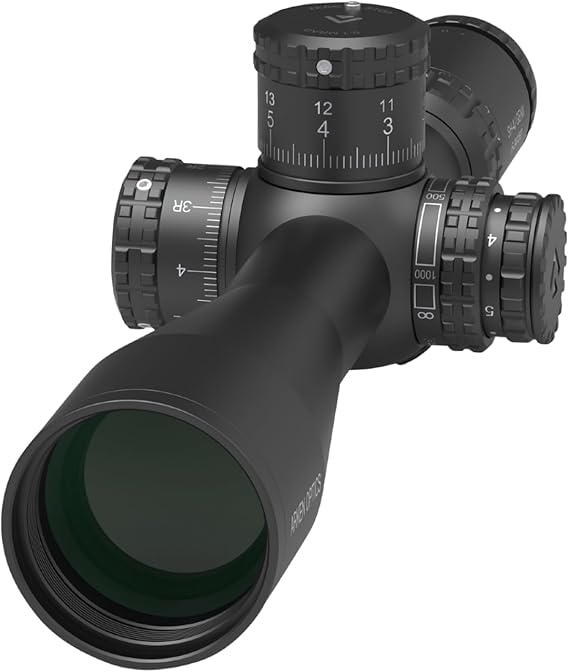 | Arken Optics SH4J GEN2 | Check Price |
Our Top Picks 3  | UUQ 6-24×50 AO Scope | Check Price |
Our Selected Top 10 Reticles for Long Range Shooting Worth Considering
This selection features detailed reviews of ten reticles designed for long-range shooting, highlighting their performance and suitability for different shooting styles. Each entry explains key strengths and potential drawbacks to help readers understand which reticle aligns best with their needs and shooting preferences.
1. SIG SAUER Tango-SPR Tactical Riflescope
Long-range shooting demands quick, reliable adjustments and clear optics to keep targets in sight at varying distances. Designed for tactical shooters and precision marksmen, the SIG SAUER Tango-SPR excels at making those fast, no-guess corrections.
Its standout feature is the locking zero-stop elevation turret that helps maintain zero without slowing you down.
Setting up is straightforward, thanks to the 30mm main tube and Picatinny mount compatibility. Day-to-day use is improved by the removable magnification throw lever, allowing smooth zooming between 6x and 24x. The side focus and low-profile turrets for windage and elevation keep you dialed in perfectly without constantly needing adjustments.
The clarity through its 5.2 cm objective lens strikes a good balance between brightness and field of view. Build quality feels solid with the rugged design suitable for tough conditions.
The exposed locking zero-stop elevation dial gets consistent praise for dependable shot corrections, while some find the magnification range a bit limited when seeking extremely long distances.
Many users value the exposed locking zero-stop elevation dial for reliable and repeatable adjustments, which helps maintain accuracy round after round. However, some find the top-end magnification at 24x limiting when pushing very long-range shooting boundaries, especially in open terrain.
Precision shooters looking for quick and exact shot corrections will appreciate this scope the most, especially in tactical settings. Shooters needing extremely high magnification for extreme distances might want to explore models with greater zoom ranges.
Pros
- Locking zero-stop elevation turret ensures accurate resets
- Removable magnification throw lever for quick zoom
- Clear optics balance brightness and ruggedness
- Dedicated side focus knob for precise adjustments
Cons
- Magnification max of 24x might limit extreme long-range use
- Windage turret low-profile design can be hard to adjust with gloves
| Specification | Details |
|---|---|
| Magnification Minimum | 6 x |
| Magnification Maximum | 24 x |
| Objective Lens Diameter | 5.2 centimeters |
| Reticle Type | MOA BDC-1 |
| Mounting Type | Picatinny Mount |
2. Arken Optics SH4J GEN2 Precision Rifle Scope
Offering a magnification range up to 24x and equipped with Japanese ELD glass, the Arken Optics SH4J GEN2 is tailored for long-range shooters needing sharp clarity and reliable precision. Its standout feature is the simple yet effective zero stop mechanism, making return-to-zero quick and dependable.
Setup involves attaching it to a rail mount, then adjusting the side knob parallax with visible range markings right in your shooting position. The fully multi-coated lenses deliver bright and clear images, especially in low-light conditions, and switching on the VPR reticle gives a practical aiming solution aimed at precision shooting demands.
Precision at range benefits from the zero stop system which eliminates guesswork during adjustments. Constructed with rugged materials, it holds zero well under rough use.
The clearest view through the ELD glass meets expectations, while the most frequent complaint centers on slightly bulky design compared to lighter alternatives.
Strong praise highlights the quality of the zero stop system, which users find fast and reliable for returning to zero. Most common complaints mention the scope’s bulk, which might feel heavy or cumbersome during extended carry or quick handling.
Long-range shooters who prioritize crystal-clear optics and quick zeroing will appreciate this scope’s features. Those requiring extremely lightweight gear or compact size might want to look for alternatives better suited to those specific needs.
Pros
- Japanese ELD glass ensures clear image quality
- Simple, rugged zero stop mechanism
- Side knob parallax with visible range numbers
- Fully multi-coated lenses aid low-light use
Cons
- Relatively bulky compared to some lighter scopes
- No mention of weight, possibly less ideal for ultralight builds
| Specification | Details |
|---|---|
| Magnification Maximum | 24 x |
| Objective Lens Diameter | 50 millimeters |
| Magnification Minimum | 6 x |
| Reticle Type | VPR |
| Field Of View | 20.88 feet |
3. UUQ 6-24×50 AO Rifle Scope with Illuminated Reticle
Shooters looking for a versatile long-range scope with clear visuals and adjustable power will appreciate the UUQ 6-24×50 AO Rifle Scope. Its biggest strength lies in the combination of wide magnification range and a bright, multi-coated lens, making it suitable for various shooting conditions and distances.
Setting up on any rifle or shotgun with Picatinny or Weaver mounts is straightforward. The adjustable magnification from 6 to 24 times lets you switch from scanning wide areas to zooming in on distant targets quickly. The illuminated rangefinder reticle helps with aiming at long ranges, while the 50mm objective lens allows for a good amount of light, keeping the image bright during early mornings or fading light.
The field of view covers 28 feet at 100 yards, which gives a decent visual area for tracking movement.
Performance highlights include sharp and clear optics attributed to the multi-coated blue/green lens. The scope delivers crisp images and accurate target acquisition with the 1/8 inch click adjustments at 100 yards supporting precise shot placement. Build quality feels solid enough for regular hunting use, although some users have noted that the illumination could be brighter for glaring daylight conditions.
The reticle’s clarity and the scope’s adaptability are often praised among the more critical points.
The scope is praised for its sharp, bright optics and easy magnification adjustments that make spotting long-range targets more reliable. The most common drawback mentioned is that the illuminated reticle can struggle to stand out under strong sunlight, which might hinder quick aiming in bright conditions.
Shooters who need a flexible magnification range and clear optics for various distances will find this scope suitable. Those regularly facing intense daylight or needing an ultra-bright reticle might want to consider other options with stronger illumination features.
Pros
- Adjustable magnification from 6x to 24x
- Bright and clear multi-coated blue/green lenses
- Compatible with both rifles and shotguns
- Precise 1/8 inch click adjustments at 100 yards
Cons
- Illumination not very bright in direct sunlight
- Field of view narrows significantly at higher magnifications
| Specification | Details |
|---|---|
| Magnification Maximum | 24 x |
| Objective Lens Diameter | 50 millimeters |
| Magnification Minimum | 6 x |
| Mounting Type | Picatinny/Weaver Mount |
| Field Of View | 28 feet |
| Reticle Type | Rangefinder |
4. Athlon Optics Argos BTR GEN2 First Focal Plane Riflescope

Designed for long-range precision, the Athlon Optics Argos BTR GEN2 stands out with its first focal plane reticle that scales perfectly with your zoom level. Ideal for shooters who rely on accurate holdovers and precise adjustments, its biggest advantage is how well the reticle stays accurate at any magnification.
Setting it up on a rifle involves mounting it via the dovetail system, which feels secure and straightforward. Day-to-day use benefits from the illuminated reticle that makes low-light shooting easier during dawn or dusk.
The fully multicoated lenses deliver a clear, bright image, while the reticle stays crisp thanks to being etched directly into the glass.
The riflescope performs admirably when ranging targets and making quick hold adjustments. Its build quality supports complex reticle designs without sacrificing durability.
Most users praise its bright optics and reticle visibility, but some note the limited maximum magnification of 4x as a downside for extreme long-distance shots.
Visibility and brightness of the reticle receive praise especially under low ambient light. The low maximum magnification, however, restricts the riflescope for users wanting reach beyond moderate long-range engagements.
Shooter focused on moderate long-range targets and quick reticle feedback will appreciate this scope. Those requiring very high magnification for extreme distances might look elsewhere.
Pros
- Reticle scales precisely with magnification changes
- Illuminated reticle helps in low light conditions
- Glass-etched reticle offers durability and sharpness
- Fully multicoated optics brighten the image
Cons
- Maximum magnification capped at 4x limits extreme distance use
- Some complexity in reticle may take time to master
| Specification | Details |
|---|---|
| Magnification Minimum | 6 x |
| Magnification Maximum | 4 x |
| Objective Lens Diameter | 50 millimeters |
| Reticle Type | MOA, Illuminated, First Focal Plane |
| Field Of View | 16.7 feet |
| Mounting Type | Dovetail Mount |
5. Bushnell Banner 2 Hunting Riflescope

Bushnell Banner 2 Hunting Riflescope stands out for its sharp clarity and excellent low-light performance, tailored for hunters who need reliability at dawn or dusk. Its DOA Quick Ballistic Reticle offers helpful aiming points perfect for long-range shooting, making it a solid pick for serious shooters who prioritize clear sight and precision.
Setting up is straightforward with the Weaver mount, which fits well on most rifles. The magnification range from 4x to 12x lets you adjust easily for different distances.
The 40-millimeter objective lens balances between good light gathering and manageable size for daily use. The scope feels sturdy without weighing down the rifle, making it comfortable for extended sessions in the field.
The sharp optics provide high contrast and excellent resolution in varying light conditions, especially useful when light is low but targets remain distant. The build quality is tough, designed to withstand rough handling. Praise focuses on its clarity and the improved dusk and dawn visibility.
Some users mention the field of view is a bit narrow at maximum magnification, which might take adjustment.
Users appreciate the clear optics and improved low-light performance, especially at dawn or dusk when accurate shots matter most. On the downside, the limited field of view at the highest magnification causes some difficulty in quick target acquisition.
Hunters who need reliable optics for early morning or late evening shooting will find this scope very effective. Shooters wanting a wider field of view while zoomed in might look toward different models better suited to fast target tracking.
Pros
- Excellent low-light clarity and contrast
- Durable construction built for hunting conditions
- Magnification range suits varied long-range shooting
- DOA Quick Ballistic Reticle aids precision aiming
Cons
- Field of view narrows considerably at 12x magnification
- Not the lightest scope for some rifle setups
| Specification | Details |
|---|---|
| Magnification Minimum | 4 x |
| Magnification Maximum | 12 x |
| Objective Lens Diameter | 40 millimeters |
| Reticle Type | DOA Quick Ballistic Reticle |
| Mounting Type | Weaver Mount |
| Field Of View | 27 feet |
6. SIG SAUER Buckmasters 3-9×50 Riflescope

Bright and clear, perfect for hunters needing reliability in varying light, this riflescope stands out with its versatile magnification and easy-to-use reticle. Suited for long-range shots, the Buckmasters 3-9×50 offers an excellent balance of power and clarity, helping you stay on target up to 500 yards.
Setup involves mounting on standard Picatinny rails, which is straightforward and stable. The magnification range between 3x and 9x covers most hunting scenarios, and the large 50mm objective lens helps with light gathering in low-light conditions.
The Buckmasters BDC reticle offers precise holdover points, making distance estimation and bullet drop compensation simple during field use.
Image sharpness is impressive across the zoom range thanks to low-dispersion glass, making targets crisp and details easy to distinguish. The build feels solid yet not bulky, suitable for carrying in various outdoor settings.
The main praise lies in its clear optics and practical reticle design, while the most frequent complaint is about limited illuminated reticle options for nighttime use.
The scope receives strong praise for its sharp optics and useful bullet drop compensation reticle that aids quick target acquisition over varying distances. Commonly noted is the lack of reticle illumination, which can be a drawback in low-light or nighttime scenarios.
Hunting enthusiasts who need a reliable, bright scope for typical long-range shooting will find this a solid choice. Those seeking very high magnification or illuminated reticles for night shooting might want to explore other options better suited to those specific needs.
Pros
- Clear images across all magnification levels
- Effective BDC reticle with 500-yard holdover dots
- Easy Picatinny mounting system
- Large 50mm lens for better low-light visibility
Cons
- Reticle illumination is limited for night use
- Magnification tops out at 9x, less for extreme long range
| Specification | Details |
|---|---|
| Magnification Minimum | 3 x |
| Magnification Maximum | 9 x |
| Objective Lens Diameter | 50 millimeters |
| Reticle Type | Bullet Drop Compensation |
| Mounting Type | Picatinny Mount |
| Compatible Devices | Cross Bow, Rifle, Shotgun |
7. Monstrum G3 First Focal Plane Rifle Scope

High magnification and a first focal plane MOA reticle make the Monstrum G3 suited for shooters focused on mid to long distance accuracy. Its biggest strength lies in the reticle, which stays accurate no matter the zoom level.
Setting up the scope is straightforward with the Picatinny mount, and adjusting the objective lens sharpens your target image while eliminating parallax. The inline dial controlling reticle illumination offers several brightness levels, helpful in low light situations.
The 6-24x magnification range covers distances well beyond 1000 yards, supporting both precision and adaptability in the field.
The scope performs as a tactical tool, with clear MOA holdover marks that help with range estimation quickly. The build feels solid with a focus on durability.
Brightness adjustments improve reticle visibility, though some may find the 30mm objective lens limiting in very low light. The most common praise highlights the reticle’s consistent accuracy regardless of zoom.
Users appreciate how the MOA reticle maintains consistent ranging information regardless of magnification, making holdover corrections faster. A frequent downside is the relatively small 30mm objective lens, which can restrict target brightness during very low light conditions.
Hunters and tactical shooters who need precise range estimation at varying zoom levels will like this scope. Those who prioritize larger lens diameter for low light performance might want to explore other options.
Pros
- MOA reticle stays accurate at all magnifications
- Adjustable objective lens removes parallax effectively
- Reticle illumination with multiple brightness settings
- Wide magnification range from 6x to 24x
Cons
- Objective lens size is only 30mm, limiting light intake
- Some may find illumination dial placement inconvenient
| Specification | Details |
|---|---|
| Magnification Maximum | 24 x |
| Magnification Minimum | 6 x |
| Objective Lens Diameter | 30 millimeters |
| Reticle Type | MOA |
| Mounting Type | Picatinny Mount |
| Field Of View | 100 yard |
8. DISCOVERYOPT HD GEN2 PRS FFP Rifle Scope

Built with a sturdy 34mm main tube, this rifle scope is made for shooters who need serious elevation and windage travel for extreme long-range precision. Its HD optical system is designed to deliver clear views at high magnifications, making it suitable for precision marksmen focused on detailed targeting.
Setting it up is straightforward thanks to the Picatinny mount compatibility. The magnification range from 5x to 30x allows for flexible use in various shooting conditions.
The fully multi-coated lenses improve light transmission, and using the Zero Stop turrets means you can dial for long shots and quickly return to zero without second-guessing, which helps during fast-paced sessions.
Performance-wise, this scope holds zero reliably and offers crystal-clear clarity across the entire field of view. The 0.1 MRAD click adjustments provide fine control, which is essential for accurate long-range shooting. The most common issue is its size and weight, which might feel bulky for shooters preferring lighter setups.
The solid construction feels strong and durable, built to withstand tough use in the field.
The scope’s strongest feature is its clear optics combined with reliable precision adjustments, allowing quick returns to zero after long-range shots. The most common downside mentioned is its bulkiness, which can be a drawback during extended carrying or for those preferring lighter systems.
Shooters focusing on precise long-range work who don’t mind extra weight will appreciate this scope. Users needing a more lightweight and compact setup might want to look at other options better suited for mobility and speed.
Pros
- High magnification range perfect for long distances
- Strong 34mm tube allows extensive adjustments
- Fully multi-coated lenses for excellent clarity
- Precision Zero Stop turrets for reliable zeroing
Cons
- Relatively large and heavy for some shooters
- May feel bulky on lighter rifle setups
| Specification | Details |
|---|---|
| Magnification Minimum | 5 x |
| Magnification Maximum | 30 x |
| Objective Lens Diameter | 5.6 centimeters |
| Reticle Type | Mrad Ffp (first Focal Plane) |
| Field Of View | 25 feet |
9. OSIGHT R Enclosed Red Dot Sight

A large field of view stands out right away with this enclosed red dot sight, perfect for shooters who need rapid target acquisition at close to medium distances. Its multi-reticle system suits those looking for versatility without sacrificing speed and clarity.
Setup feels familiar since it uses a Micro T1/T2 footprint for mounting, making it easy to fit on most platforms. Day-to-day use benefits from a clear 1.10 x 0.87 inch multi-coated optical window that reduces glare and reticle distortion, helping the eye stay on target. Switching between a 2 MOA dot, a 65 MOA circle, or their combo is straightforward, with brightness levels adapting well thanks to memory for your last setting.
Performance at 1x magnification means the reticle stays true to design, providing precise aiming points without zooming in. The build quality feels solid and practical, matching what you’d expect for a dependable red dot. Most praise highlights the sharp view and reticle options, while some mention the limited magnification may restrict some long-range use cases.
The most praised aspect is the expansive field of view combined with versatile reticle choices, which helps in quick transitions and precise aiming. Common complaints include occasional glare and that the fixed 1x magnification may not cover all long-range shooting needs.
Shooters who prioritize fast target acquisition and prefer simple magnification will be satisfied. Those seeking zoom or magnification adjustments should look at other optics geared specifically for long-range scopes.
Pros
- Large, clear multi-coated optical window
- Multiple reticle options for target diversity
- Brightness memory saves your preferred setting
- Compact size fits standard mounts easily
Cons
- Fixed 1x magnification limits zoom capabilities
- Some glare and distortion under certain lighting
| Specification | Details |
|---|---|
| Magnification Minimum | 1 x |
| Magnification Maximum | 1 x |
| Mounting Type | Micro T1/T2 Footprint |
| Reticle Type | Dot |
10. DISCOVERYOPT ED-PRS GEN II FFP Rifle Scope

Premium Japanese ED glass makes this scope stand out for shooters aiming at long distances. Tailored for extreme long-range and competition shooting, it offers clarity and precision that’s hard to beat at its price point.
Setting up on a Picatinny mount is straightforward, and the 34mm tube diameter feels solid on heavier rifles. Zooming between 5x and 25x is smooth. The Christmas Tree reticle suits dialing in wind and elevation.
It handles various light conditions well thanks to its multi-coated lenses and bright, sharp image.
Performance on long-range shots is impressive, helped by the massive 36 MRAD elevation adjustment that covers extreme distances comfortably. The build uses aircraft-grade aluminum, which holds up under tough conditions. Reviews mention excellent clarity but sometimes point out the weight, making it a bit hefty for lightweight setups.
The main strength lies in the exceptional light transmission and clarity from the Japanese ED glass, which aids quick target acquisition. The biggest common drawback is its weight and larger tube diameter, which may not suit lighter or more compact rifle setups.
Anyone focused on long-range competitive shooting or extreme distance shooting will appreciate the elevation travel and optical clarity. Shooters wanting a lighter, more compact scope for casual range use might want to consider alternatives.
Pros
- Exceptional clarity with Japanese ED glass
- Huge 36 MRAD elevation adjustment
- Durable aircraft-grade aluminum build
- Bright images in low-light conditions
Cons
- Heavier than some other long-range scopes
- Relatively bulky 34mm tube size
| Specification | Details |
|---|---|
| Magnification Maximum | 25 x |
| Objective Lens Diameter | 5.6 centimeters |
| Magnification Minimum | 5 x |
| Compatible Devices | Rifle |
| Mounting Type | Picatinny Mount |
| Reticle Type | Christmas Tree |
Best Reticles for Long Range Shooting Comparison
| Product | Magnification Range | Objective Lens Diameter | Mounting Type | Reticle Type |
|---|---|---|---|---|
| SIG SAUER Tango-SPR | 6x-24x | 5.2 cm | Picatinny Mount | MOA BDC-1 |
| Arken Optics SH4J GEN2 | 6x-24x | 50 mm | Rail Mount | VPR |
| UUQ 6-24×50 AO Scope | 6x-24x | 50 mm | Picatinny/Weaver Mount | Rangefinder |
| Athlon Argos BTR GEN2 | 6x-4x | 50 mm | Dovetail Mount | MOA, Illuminated, FFP |
| Bushnell Banner 2 | 4x-12x | 40 mm | Weaver Mount | DOA Quick Ballistic |
| SIG SAUER Buckmasters 3-9×50 | 3x-9x | 50 mm | Picatinny Mount | Bullet Drop Compensation |
| Monstrum G3 FFP Scope | 6x-24x | 30 mm | Picatinny Mount | MOA |
| DISCOVERYOPT HD GEN2 PRS | 5x-30x | 5.6 cm | Picatinny Mount | Mrad FFP |
| OSIGHT R Red Dot Sight | 1x-1x | – | Micro T1/T2 Footprint | Dot |
| DISCOVERYOPT ED-PRS GEN II | 5x-25x | 5.6 cm | Picatinny Mount | Christmas Tree |
- Magnification Range6x-24x
- Objective Lens Diameter5.2 cm
- Mounting TypePicatinny Mount
- Reticle TypeMOA BDC-1
- Magnification Range6x-24x
- Objective Lens Diameter50 mm
- Mounting TypeRail Mount
- Reticle TypeVPR
- Magnification Range6x-24x
- Objective Lens Diameter50 mm
- Mounting TypePicatinny/Weaver Mount
- Reticle TypeRangefinder
- Magnification Range6x-4x
- Objective Lens Diameter50 mm
- Mounting TypeDovetail Mount
- Reticle TypeMOA, Illuminated, FFP
- Magnification Range4x-12x
- Objective Lens Diameter40 mm
- Mounting TypeWeaver Mount
- Reticle TypeDOA Quick Ballistic
- Magnification Range3x-9x
- Objective Lens Diameter50 mm
- Mounting TypePicatinny Mount
- Reticle TypeBullet Drop Compensation
- Magnification Range6x-24x
- Objective Lens Diameter30 mm
- Mounting TypePicatinny Mount
- Reticle TypeMOA
- Magnification Range5x-30x
- Objective Lens Diameter5.6 cm
- Mounting TypePicatinny Mount
- Reticle TypeMrad FFP
- Magnification Range1x-1x
- Objective Lens Diameter–
- Mounting TypeMicro T1/T2 Footprint
- Reticle TypeDot
- Magnification Range5x-25x
- Objective Lens Diameter5.6 cm
- Mounting TypePicatinny Mount
- Reticle TypeChristmas Tree
How to Choose the Best Reticle for Long Range Shooting
Choosing the right reticle involves considering factors like clarity, range estimation, and windage adjustments to match your shooting style and conditions. Getting these features right ensures accurate targeting and reduces the need for costly upgrades or corrections later.
Reticle Type and Design
Switching between reticle types can make a big difference during long-range shooting sessions. Using a duplex reticle may suit shooters focusing on general hunting or tactical situations, as its simple crosshairs are easy to align quickly. Mildot reticles offer precise distance estimation with mil-based markings, which help calculate drops and windage without external tools.
BDC reticles provide quick holdover points, which can speed up shots at varying distances but might clutter the view.
Reticle thickness impacts visibility through turbid atmospheric conditions or against dark targets. A reticle that is too thick can block small targets at long distances.
Conversely, one too fine can be hard to see at dawn or dusk. A good range centers around 0.2 to 0.5 minutes of angle for the main crosshairs. Practical features like holdover marks and windage references allow faster adjustments in the field, saving time and improving accuracy under pressure.
Illumination Options
Using illumination in different lighting conditions changes shooting effectiveness dramatically. Bright daylight often requires turning off the reticle light or setting it to a low level so the reticle doesn’t blur or glow unnaturally. Early morning or twilight benefit from adjustable brightness with fine control to avoid eye strain.
Commonly, red and green illumination are popular because they improve contrast against natural backgrounds without being harsh on the eyes.
Battery life often varies by brightness setting and type of illumination. Look for systems offering at least 20 hours on medium setting with either replaceable batteries or rechargeable options. Convenient battery compartments that don’t require tools make swapping easier outdoors.
Some models have automatic shut-off after periods of inactivity, extending battery life during long range expeditions.
Durability and Build Quality
Shooting heavy calibers or operating in rugged terrain demands reticles built tough. Scopes with aluminum or aircraft-grade alloy housings handle recoil shock better than cheaper materials. Waterproofing is essential to keep optics clear in rain or snow, while fogproofing prevents internal moisture buildup during rapid temperature changes.
A shockproof reticle reduces the chance of shifts caused by abrupt impacts, preserving zero over time. Check for solid turret systems and secure internal mounts. Reticles prone to movement under recoil or bumps often require frequent re-zeroing, wasting valuable time in the field.
Consistency in construction translates to dependability in real shooting conditions.
Compatibility with Optics
Matching the reticle design to the intended magnification range ensures clear and relevant scaling for aiming points. Low magnification scopes work best with simple reticles, whereas complex mil-dot or BDC reticles perform optimally in higher power scopes where subtensions can be measured accurately.
Compatibility with your existing rifle setup means checking tube diameter and mounting options. Some reticles need certain scope brands or models for proper alignment and function. Also make sure the reticle plays well with accessories like rangefinders, night vision devices, or ballistic calculators that you plan to use regularly.
Adjustment and Calibration Features
Quick zeroing and adjustment are crucial during extended shooting sessions when conditions change or you switch ammo types. Click adjustments that are tactile and audible allow precise windage and elevation corrections without losing sight of the target.
Look for scopes offering 1/4 MOA or 0.1 mil increments depending on preference.
Reticles that include marks for common holdover distances save time compared to dialing turrets for every shot. Some allow for user customization of these markers, enabling fine tuning based on your specific ballistics and shooting style.
Being able to rapidly acquire targets at various ranges without fiddling with controls makes a noticeable difference in real scenarios.
Tips for Effectively Using Reticles in Long Range Shooting
Understanding the scale and spacing of your reticle marks is crucial for long-range accuracy. Most reticles designed for this purpose come with precise measurement intervals that help estimate distance, adjust for bullet drop, and correct for wind drift.
Before heading out, spend time at the range practicing how to align the reticle’s hash marks with known distances. This builds confidence in making quick adjustments in the field.
Keep these tips in mind:
- Use the reticle to measure target size and estimate range rather than relying solely on optics ranging tools.
- Practice wind holds using the horizontal marks to compensate without changing turret settings.
- Pair the reticle’s scale with your ballistics data to create a mental or written reference for common distances.
Consistent practice with your specific reticle style improves your ability to make faster and more accurate shots under different conditions.
Common Mistakes to Avoid When Choosing and Using Reticles
Many shooters pick reticles based on appearance or popularity instead of matching one to their shooting setup and conditions. This often leads to frustration when adjustments don’t correspond to expected bullet trajectories. Another frequent error is neglecting to zero properly with the reticle’s hash marks in mind, which results in missed shots at longer ranges.
Watch out for these common pitfalls:
- Choosing a reticle without confirming compatibility with your rifle’s caliber and ballistic performance.
- Overcomplicating holdover by trying to use every hash mark without understanding exact distances.
- Ignoring the need for consistent lighting since reticle visibility can vary, affecting precision.
Picking a reticle requires balancing personal preference with practical function, and maintaining proper zero and settings is necessary for it to be effective.
Comparing Mil-Dot, MOA, and BDC Reticles for Precision Shooting
Mil-Dot reticles use dots spaced in milliradians, which makes range estimation straightforward if you know the target size in meters. This system is popular for military and scout shooters due to its metric consistency. MOA reticles mark minutes of angle, suitable for shooters used to imperial units, and provide fine adjustments when paired with turrets calibrated in MOA.
BDC reticles have predetermined holdover points corresponding to bullet drop trajectories, offering quick reference without manual calculations.
Consider these differences:
- Mil-Dot is versatile for precise ranging but requires familiarity with milliradian math.
- MOA reticles align well with rifles zeroed in MOA increments, simplifying turret corrections.
- BDC reticles save time by presetting distances but may lack flexibility if bullet parameters change.
Picking between these options often comes down to comfort with the measurement system and how much manual adjustment versus preset aid is preferred during shooting.
People Also Asked
How Do I Properly Zero a Reticle for Long Range Shooting?
Adjust your scope so the point of impact matches the reticle’s center at a known distance. Start at 100 yards, then move to longer ranges to fine-tune elevation and windage. Use stable rest and consistent ammunition for best results.
What Reticle Size Is Ideal for Precision Long Distance Shots?
Reticles with thin lines and fine crosshairs provide better visibility of targets without obscuring details. Avoid overly thick or bold reticles since they can hide small targets at long distances. Reticles with hash marks or mil-dots help in estimating holdovers.
Can I Use Any Reticle with My Current Rifle Scope?
Most reticles fit their designed scope models, but not all reticles are compatible with every scope due to different mounting systems or tube diameters. Check your scope’s specifications and reticle options from the manufacturer. Switching reticles usually requires professional installation.
How Long Do Reticles Typically Last with Regular Outdoor Use?
Reticles generally last many years without noticeable wear, even with regular outdoor exposure. However, lens coatings or illumination features may degrade faster if not protected from harsh conditions. Store scopes in dry, clean cases to extend reticle life.
What Common Problems Should I Watch for with Reticles?
Watch for reticle fogging, shifting zero, or illumination failure on electronic reticles. Dirt or oil on lenses can also make aiming harder. Regular cleaning and proper scope mounting can prevent these issues and maintain accuracy.
Conclusion
Picking the best reticle for long range shooting comes down to clarity, ease of use, and how well it helps with holdover and windage corrections. A simple, clear reticle that doesn’t clutter your view will make aiming easier.
Also, consider whether it includes useful markers or hash marks that match your shooting needs.
Think about where you will shoot most often and what fits your budget. A reticle that works well in one setup might not suit another.
Take another look at the comparison table and the detailed descriptions above to find the reticle that matches your style and gear.