Top 13 Best Rain Jacket for Field Work That Actually Works
Working outdoors means dealing with rain that soaks through thin jackets or catches in awkward places. The best rain jacket for field work stands up to steady downpours without letting water in and stays comfortable for long hours.
A cheap or poorly made jacket often leads to soggy clothes, chafing, and even restricted movement, which slows down any outdoor task.
A reliable rain jacket for field work uses waterproof materials rated at least 10,000 mm for water resistance and features taped seams to block leaks. Fit matters; a jacket should allow full arm movement for tasks like lifting or reaching, so stretchy panels or articulated sleeves help. Breathability, measured around 5,000 g/m²/24h or higher, keeps moisture from sweat from building up inside.
Lastly, easy-to-clean fabrics save time after a muddy day.
Need a Quick Check?
| Image | Product | Price |
|---|---|---|
Our Top Picks 1  | JKSafety Hi Vis Jacket | Check Price |
Our Top Picks 2  | FREE SOLDIER Softshell | Check Price |
Our Top Picks 3 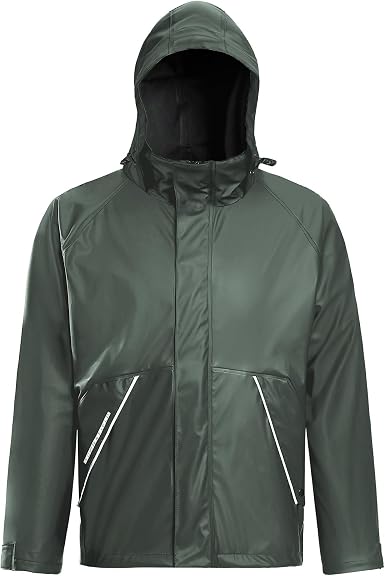 | PVC Waterproof Raincoat | Check Price |
Our Selected Top 13 Rain Jacket for Field Work Worth Your Money
This list features durable, weather-resistant rain jackets designed for outdoor field work. Each review highlights performance in various conditions, suitability for different tasks, and key strengths and limitations, helping readers find a practical jacket that meets their specific work needs.
1. JKSafety Hi Vis Rain Jacket
People working outdoors in rainy conditions will find the JKSafety Hi Vis Rain Jacket fits well for staying dry and visible. Its biggest strength lies in combining waterproof protection with high-visibility features suited for safety on the job.
Putting on the jacket is straightforward with an adjustable hood that keeps water off your head while allowing a snug fit. The polyester 150-D Oxford fabric feels sturdy and offers scratch resistance, making it reliable for regular field work.
An inner mesh layer adds comfort by preventing the jacket from sticking to your clothes during activity.
Water resistance performs reliably thanks to the coated fabric and sealed seams that block rain from seeping through. The build quality suits extended outdoor use with materials designed to resist pilling and wear. Positive remarks often highlight the effectiveness at keeping users dry while some mention the jacket could feel heavier than expected for all-day wear.
Most praise praises the jacket’s ability to keep wearers dry in wet conditions without sacrificing durability. The common complaint centers on it feeling heavier than some expect, which could affect comfort over long shifts.
Workers needing reliable rain protection and increased visibility in mild weather will appreciate this jacket. People who require extremely lightweight gear or protection in colder, harsher climates might want to consider other options.
Pros
- Durable outer fabric resists scratches and pilling
- Sealed seams block water effectively
- Adjustable hood provides good head coverage
- Inner mesh lining adds comfort during use
Cons
- Slightly heavy for all-day wear
- Only suited for mild weather conditions
| Specification | Details |
|---|---|
| Material | Polyester (150-D Oxford fabric) |
| Climate Suitability | Mild Weather |
| Sleeve Type | Long Sleeve |
| Fit Type | Regular |
| Collar Style | High-Standing, Hooded |
2. FREE SOLDIER Hooded Waterproof Softshell Jacket
Designed for cold, wet conditions, the FREE SOLDIER Hooded Waterproof Softshell Jacket fits close to the body and keeps you dry with its waterproof softshell material. It’s great for anyone doing outdoor fieldwork in winter who needs reliable protection without excess bulk.
Putting on the jacket is straightforward due to the fitted anorak style and band collar that blocks wind well. The hood stays on securely and the long sleeves offer full coverage, making it easy to move around in varying weather.
The black color hides dirt from fieldwork, and its solid construction means you don’t have to worry about wear during active use.
Waterproofing works well to keep out rain and snow while allowing breathability thanks to the softshell fabric. The jacket holds up nicely under tough conditions with a sturdy build, but some find the fitted cut restrictive over heavier layers. It performs strongly for staying warm and dry in the cold.
Many appreciate the jacket’s ability to keep them dry through heavy rains combined with cold winds thanks to its waterproof softshell fabric and snug fit. The most common concern is that the fitted design can feel restrictive when worn over thicker clothing layers or bulky gear.
Anyone who needs dependable rain protection in cold weather without packing on multiple layers will find this jacket suitable. Those looking for a roomier fit or more casual layering flexibility should consider a looser or less structured option instead.
Pros
- Waterproof softshell material
- Close, fitted fit reduces wind exposure
- Hood keeps rain off reliably
- Durable for active field use
Cons
- Fitted cut limits layering options
- Band collar may feel tight for some
| Specification | Details |
|---|---|
| Color | Black |
| Style | Hooded |
| Coat Silhouette Type | Anorak |
| Seasons | Winter |
| Fit Type | Fitted |
| Climate Suitability | Cold Weather |
3. Waterproof PVC Raincoat
Waterproof PVC Raincoat is a heavy-duty rain jacket designed specifically for those working outdoors in wet conditions. Its biggest strength lies in its ability to keep you completely dry while maintaining durability during all seasons.
Putting on this raincoat is straightforward thanks to its hooded collar and regular fit that don’t restrict movement during fieldwork. The long sleeves provide full arm coverage, while the solid green color helps with visibility outdoors.
It feels sturdy but flexible enough for everyday use, making it practical for unpredictable weather.
This raincoat delivers solid waterproof protection with its heavy-duty rubber material, effectively blocking out rain and wind. It holds up well against wear from consistent use. Most reviews mention its reliability in heavy rain, while some users note it can feel a bit stiff initially.
Strong waterproofing is its best feature, making it ideal for heavy rain and tough outdoor conditions. The most frequent drawback is the stiff feel of the rubber material, especially during initial wear.
Those needing durable, full-coverage rain protection for all seasons will appreciate this jacket. It may not suit anyone looking for a lightweight, packable option or greater breathability during strenuous activity.
Pros
- Heavy-duty rubber for reliable waterproofing
- Hooded design protects head during rain
- Regular fit for comfortable movement
- Long sleeves provide full arm coverage
Cons
- Material feels stiff when new
- Bulky compared to lighter rain jackets
| Specification | Details |
|---|---|
| Color | Green |
| Style | Waterproof Heavy Duty Rubber Rain Jacket |
| Sleeve Type | Long Sleeve |
| Fit Type | Regular |
| Collar Style | Hooded |
| Seasons | All |
4. Carhartt Monterey Jacket

Wearing the Carhartt Monterey Jacket feels like having a reliable shield against mild spring and summer weather while working outside. It fits loosely, making it a good choice for casual fieldwork where mobility and comfort are key.
Its biggest strength is the combination of lightweight design and practical coverage in a classic Carhartt Brown/Black look.
Putting it on is straightforward with its band collar and long sleeves, providing good arm coverage without feeling tight or restrictive. The anorak style keeps things simple and functional, with a loose fit that allows layering underneath. It’s easy to toss on for a day out in mild weather when you don’t want something heavy or overly technical but still want protection from light elements.
Rain protection feels adequate for mild wet conditions, though it’s not built for heavy storms or harsh environments. The jacket’s geometric pattern adds a bit of style while the build is solid enough to hold up against typical wear and tear in casual outdoor fieldwork. A common gripe is that it’s not suitable for colder climates or heavy rain, which makes it more of a seasonal pick than an all-weather option.
The jacket is praised for its comfortable loose fit and suitability for mild weather, making it practical for casual outdoor use. Its main downside is the limited protection during heavy rain or colder conditions, which restricts its usefulness to specific seasons.
Those working outdoors in spring or summer will find this jacket fits well with their needs. Anyone requiring gear for heavy rain or colder months should consider other options that offer more insulation and waterproofing.
Pros
- Lightweight enough for mild weather
- Loose fit allows easy layering
- Classic Carhartt Brown/Black color combination
- Durable material for casual fieldwork
Cons
- Not suitable for heavy rain
- Too light for cold weather
| Specification | Details |
|---|---|
| Color | Carhartt Brown/Black |
| Style | Monterey Jacket |
| Sleeve Type | Long Sleeve |
| Coat Silhouette Type | Anorak |
| Seasons | Spring/Summer |
| Fit Type | Loose |
5. Pioneer Hi Vis Rain Jacket

Bright yellow and black colors make the Pioneer Hi Vis Rain Jacket ideal for staying visible during cold, wet fieldwork. Its biggest strength is combining warmth with high visibility to keep you safe and comfortable in winter conditions.
Putting it on each morning is straightforward thanks to its classic fit and band collar that sits comfortably around the neck without being bulky. The fleece sleeves add extra warmth, making long days outside in chilly weather more bearable. The geometric pattern helps break up the solid colors, which can be useful on site to avoid blending into the surroundings.
Built for winter use, this jacket holds up well against cold and damp conditions, keeping the wearer insulated throughout. The aviator silhouette gives a solid structure without restricting movement. Its most praised feature is the warmth it provides, while the main drawback noted is the jacket’s weight, which some find heavier than expected for fieldwork.
Warmth stands out as the jacket’s strongest attribute while the weight is commonly seen as a limitation for longer or more active days. The bright colors make it really easy to spot in low-light conditions, which is a big safety plus on the job.
Anyone working outdoors in cold, wet climates who needs high visibility will find this jacket suited to their needs. Those seeking a lighter rain jacket for year-round use may want to look for something less bulky and designed for milder weather.
Pros
- High visibility yellow and black design
- Fleece sleeves for added warmth
- Classic fit allows good layering
- Band collar prevents drafts
Cons
- Heavier than typical rain jackets
- Limited to winter use only
| Specification | Details |
|---|---|
| Color | Yellow/Black |
| Sleeve Type | Fleece |
| Coat Silhouette Type | Aviator |
| Seasons | Winter |
| Fit Type | Classic |
| Climate Suitability | Cold Weather |
6. The North Face Antora Waterproof Jacket

Waterproof fabric combined with a windproof build makes this jacket ideal for mild fall weather. Suited for people working outdoors who need reliable protection from rain without sacrificing comfort.
Its adjustable three-piece hood stands out as a feature that keeps rain off without obstructing vision.
Putting on the jacket is straightforward thanks to a regular fit that feels neither too tight nor too loose. The long sleeves cover well, and the flat collar adds a neat finish while preventing water from seeping in.
Daily adjustments to the hood are simple, making it easy to tailor the jacket to different rain intensities and wind conditions in the field.
It holds up consistently against rain during fieldwork and cuts wind effectively while staying breathable enough for mild weather conditions. The solid black color adds a professional touch without standing out too much. Some reviews note that in heavier rain, water can eventually seep through, making it less suited for very wet or extreme environments.
The jacket earns praise for its adjustable hood and windproof qualities, which suit mild rainy days in the field well. Reports of water seepage during persistent heavy rain highlight its limits in more demanding weather. Day-to-day use works well for quick adjustments and regular outdoor activities.
Those working in mild, rainy fall environments will find the jacket reliable and comfortable. People needing gear for prolonged exposure to heavy rain or harsh weather would be better choosing a more fully waterproof option.
Pros
- Adjustable hood keeps rain out while maintaining visibility
- Windproof layer adds protection in breezy conditions
- Regular fit comfortable for active movement
- Flat collar prevents water seepage
Cons
- Not fully waterproof during heavy rain
- Best for mild weather, less suited for harsh conditions
| Specification | Details |
|---|---|
| Color | Tnf Black-npf |
| Style | Antora Waterproof Jacket (Standard & Big Size) |
| Features | Windproof & Waterproof, Adjustable 3-piece Hood |
| Sleeve Type | Long Sleeve |
| Climate Suitability | Mild Weather |
| Fit Type | Regular |
7. Ergodyne Hi Vis Bomber Jacket

Bright lime color grabs attention right away, making the jacket a solid choice for anyone working in cold, low-visibility conditions. Its biggest strength lies in combining visibility with warmth, ideal for outdoor winter work where safety and comfort are priorities.
Putting on the jacket is straightforward thanks to its regular fit and tab collar, which keeps the neck area cozy without feeling restrictive. The quilted silhouette provides an extra layer of insulation, making long hours outside less harsh. Long sleeves and the bomber style add to the coverage, helping to block out cold drafts during active field tasks.
Performance-wise, the jacket does a good job keeping out the cold, suited specifically for winter weather. Its build focuses on durability and safety, with high visibility being a key feature.
Many appreciate how warm and bright it stays in dark conditions. The main drawback noted is that it is somewhat heavier than other lightweight jackets, which can feel bulky over time.
Many reviewers highlight the jacket’s warmth and brightness in dark, cold conditions as its strongest points, making it stand out during winter field work. On the other hand, a common issue is the jacket’s weight, which can feel cumbersome during long wear or active movement.
This jacket suits those working outdoors in cold climates who need to remain visible and protected from the chill. Anyone needing a lightweight or year-round rain jacket might find it too bulky and limited to winter use.
Pros
- Highly visible lime color for safety
- Warm quilted design suitable for winter
- Regular fit comfortable for all-day wear
- Tab collar protects against cold winds
Cons
- Heavier than some other rain jackets
- Limited use to cold weather only
| Specification | Details |
|---|---|
| Color | Lime |
| Style | Hi Vis Bomber Safety Jacket |
| Coat Silhouette Type | Quilted |
| Seasons | Winter |
| Fit Type | Regular |
| Climate Suitability | Cold Weather |
8. Hi Vis Rain Coat

Bright orange with black accents, this raincoat stands out for its high visibility, making it ideal for anyone working outdoors in mild weather. Its regular fit comfortably suits various body types, and it offers reliable protection during spring, fall, and winter.
Visibility and practical wearability are its most noticeable advantages.
Putting it on is straightforward thanks to a long-sleeve design that covers well without being bulky. The regular fit strikes a good balance between comfort and ease of movement, so wearing it through a full workday doesn’t feel restrictive.
Its color ensures you stay seen in low-light or rainy conditions. It’s designed for mild climates, so layering may be necessary on colder or wetter days.
Water resistance works well for keeping light rain and dampness at bay, which suits typical fieldwork demands during milder seasons. The material feels durable enough to handle regular wear, though the coat is not intended for heavy downpours or snow. A strong point is its bright orange color that improves safety, while some might find it less suitable in harsher winter weather due to lack of insulation.
The bright orange color is consistently praised for increasing visibility, a key safety feature during fieldwork. A common downside noted is that the coat does not provide enough insulation or protection for colder, wetter weather scenarios, limiting its use to milder conditions.
Those who spend time outdoors in mild spring, fall, or winter conditions and need to be visible will appreciate the design and fit. It might not work well for anyone needing a heavier, insulated coat for harsh weather or intense cold exposure.
Pros
- High visibility for safety during outdoor work
- Comfortable regular fit for various body types
- Long sleeves provide good coverage
- Suitable for multiple seasons
Cons
- Not ideal for very cold or harsh winter conditions
- Limited insulation for heavy rain or snow
| Specification | Details |
|---|---|
| Color | Orange With Black |
| Style | Raincoat |
| Sleeve Type | Long Sleeve |
| Seasons | spring, fall, winter |
| Fit Type | Regular |
| Climate Suitability | Mild Weather |
9. Waterproof Rain Suit

Working outside in the rain calls for reliable protection that won’t quit on you. Designed for men who need a dependable waterproof layer, this black rain suit handles wet conditions well.
Its best feature is keeping you dry without getting heavy or cumbersome.
Putting it on is straightforward, with a classic raincoat style that’s familiar and practical. Wearing it during fieldwork means you stay covered from head to toe, with a solid pattern and solid color that won’t attract dirt easily. The rain suit fits decently, allowing movement without feeling too tight or too loose, which is key for long outdoor hours.
Waterproof performance stands out clearly, shielding you effectively from rain during extended use. Its build quality feels durable and straightforward, without extra frills or complicated adjustments.
Praise often highlights its straightforward protection, while some note the fit could be improved for more athletic builds.
Customers appreciate how the rain suit reliably keeps users dry in wet conditions, but many point out that the fit doesn’t accommodate more athletic figures as comfortably. Durability and waterproofing get solid marks, while customization in size or style is often missed.
The rain suit works well for those wanting simple, no-nonsense waterproof gear for outdoor fieldwork. People needing tailored fits or more style variety might look elsewhere for better options.
Pros
- Reliable waterproof protection for various weather
- Classic style fits many outdoor situations
- Solid black color hides dirt well
- Comfortable for long-term wear
Cons
- Fit may not suit athletic body types well
- Limited size and style options
| Specification | Details |
|---|---|
| Color | Black |
| Style | Mens Waterproof Rain Suits Classic Raincoats |
| Pattern | Solid |
| Occasion | Anniversary, Birthday, Christmas, Father’s Day, Grandparent’s Day |
| Holiday Type | Christmas, Father’s Day, New Year |
| Life Event | Anniversary |
10. Helly Hansen Raincoat

Water protection in mild weather stands out with this rain jacket, perfect for light outdoor tasks. The straight fit and long sleeves in army green suit those needing reliable coverage without too much bulk during field work.
Putting on the jacket is straightforward with its band collar and simple design. It fits true to size, allowing easy layering under it without feeling tight.
With a solid color and classic silhouette, it keeps a low profile while working outside, staying comfortable without weight getting in the way.
It handles rain adequately in typical mild conditions, though very heavy downpours might challenge it. Made from durable materials, the jacket resists wear from branches or tools. Reviewers praise its solid performance and sturdy feel while some mention the lack of extra features like ventilation as a drawback.
Reliable protection from gentle rain and toughness against field work stand out as key benefits. However, not having venting limits comfort during warmer or heavier activities. Many appreciate the straightforward design but note it can feel warm with no airflow.
People working outdoors in mild, damp conditions will find this jacket suits their needs well. Those needing heavy-duty rain protection or cooling features should look for alternatives better suited to harsher weather or intense activity.
Pros
- Good water resistance in light rain
- Straight fit allows easy layering
- Durable for outdoor use
- Simple design stays out of way
Cons
- Not ideal for heavy rain
- Lacks ventilation options
| Specification | Details |
|---|---|
| Color | 480 Army Green |
| Style | Rain Jacket |
| Sleeve Type | Long Sleeve |
| Fit Type | Straight |
| Climate Suitability | Mild Weather |
11. Helly Hansen Mandal PVC Rain Jacket

People working outdoors in mild fall weather will find the Helly Hansen Mandal PVC Rain Jacket made for tough conditions especially useful. It stands out by offering solid protection against rain while maintaining a relaxed fit that allows for comfortable movement during long hours in the field.
Slipping the jacket on is easy thanks to its wing collar and long sleeves that cover arms fully. The relaxed fit means layering underneath is simple without feeling cramped.
The army green color blends well in outdoor environments, making it suitable for workwear that needs to stay low-key and practical. The breathable design keeps things comfortable while you focus on the day’s tasks.
The jacket delivers reliable waterproof coverage, protecting from wet conditions common in fall. It’s built for durability with quality PVC materials that resist wear and tear from outdoor work.
Most find comfort in its roomy cut and weather suitability, though some mention it may feel heavier than lighter jackets. Safety gear compatibility works smoothly, yet mild weather is essential since it’s not meant for extreme cold.
The jacket earns praise for dependable rain protection while working outdoors, making it a trusted choice in mild weather. The main drawback mentioned is its weight, which can become tiring during extended wear. Comfort leans toward practical functionality rather than lightweight performance.
Those needing a sturdy, waterproof jacket for fall fieldwork will appreciate how it stands up to harsh rain and wear. Those working in colder conditions or seeking a lighter rain layer should look at other options tailored for those needs.
Pros
- Reliable waterproof PVC material
- Relaxed fit allows easy layering
- Long sleeves and wing collar offer decent coverage
- Army green color suited for outdoor work
Cons
- Heavier weight might feel cumbersome all day
- Not ideal for cold weather or winter use
| Specification | Details |
|---|---|
| Color | 480 Army Green |
| Style | Helly Hansen Workwear Mandal Rain Jacket |
| Sleeve Type | Long Sleeve |
| Fit Type | Relaxed |
| Climate Suitability | Mild Weather |
| Life Event | Working in harsh weather conditions |
12. FROGG TOGGS Ultra-lite2 Rain Jacket

Lightweight and breathable, the FROGG TOGGS Ultra-lite2 Rain Jacket stands out as a practical choice for field work in mild weather. Its loose fit and hooded design make it comfortable for casual, everyday use without feeling bulky or restrictive.
Putting it on is simple thanks to its long sleeves and roomy hood, which keeps you dry during unpredictable fall showers. The khaki color blends well outdoors, and its loose fit allows layering underneath without sacrificing freedom of movement.
The jacket is easy to pack and carry, making it suitable for those long working days outside.
Rain protection works well for mild conditions, staying waterproof without making you overheat thanks to the breathable fabric. Constructed as a straightforward rain coat, it handles light to moderate rain with ease.
Some users mention that durability is a bit lacking after heavy use, but many appreciate how lightweight and comfortable it is compared to heavier alternatives.
Many find the jacket’s breathable and lightweight nature perfect for mild fall weather, making it comfortable even during extended wear. A common issue is the jacket’s durability, especially after long or intense use in the field.
The jacket suits anyone needing a practical rain layer for casual or moderate outdoor work in mild conditions. Those needing protection against colder climates or heavy rain might want to look for something heavier duty.
Pros
- Lightweight and easy to carry all day
- Breathable fabric prevents overheating
- Loose fit allows for layering
- Hood provides solid head protection
Cons
- Less durable under heavy field use
- Not suited for harsh or cold weather
| Specification | Details |
|---|---|
| Color | Khaki |
| Style | Ultra-lite2 Waterproof Breathable Rain Jacket |
| Fit Type | Loose |
| Season | Fall |
| Collar Style | Hooded |
| Climate Suitability | Mild Weather |
13. Carhartt Rain Defender Jacket

Carhartt Rain Defender Jacket stands out as a reliable raincoat designed for mild spring and summer weather. Its relaxed fit and hood make it suitable for field workers who need a straightforward, no-fuss option that keeps rain at bay without feeling too bulky.
Wearing the jacket day to day is pretty simple. The relaxed fit allows for decent mobility and layering underneath on cooler days.
Pull the hood up when the rain starts, and you’re set. The black color stays practical for field use, hiding dirt well, and the long sleeves protect arms fully. It’s light enough not to overheat in mild climates, making it a solid choice during spring and summer work.
The main strength lies in its ability to protect against rain without adding weight or stiffness, allowing sustained outdoor activity without discomfort. Construction focuses on durability with a raincoat silhouette that’s straightforward, though some might find the relaxed fit a bit loose for more physically demanding tasks.
Most praise the water resistance and hood design, while the main complaint revolves around it being less suited for colder or heavy rain environments.
The jacket receives strong praise for its effective water resistance and comfortable hood design, making it dependable during mild rain. Common feedback mentions it feeling a bit loose when moving actively and less suited for colder conditions.
People working in mild spring or summer weather who want a straightforward raincoat will appreciate this jacket. Those needing something warmer or better for heavy downpours might want to consider other options.
Pros
- Relaxed fit allows easy layering
- Effective water resistance in mild rain
- Hood provides good head protection
- Black color hides dirt well
Cons
- Not ideal for cold or heavy rain
- Fit can feel loose during active work
| Specification | Details |
|---|---|
| Color | Black |
| Style | Rain Defender Relaxed Fit Jacket Relaxed Fit Jacket |
| Sleeve Type | Long Sleeve |
| Coat Silhouette Type | Rain Coat |
| Seasons | Spring/Summer |
| Fit Type | Relaxed |
| Collar Style | Hooded |
| Climate Suitability | Mild Weather |
Best Rain Jackets for Field Work Comparison Table
| Product | Climate Suitability | Style | Fit Type | Season |
|---|---|---|---|---|
| JKSafety Hi Vis Jacket | Mild Weather | Trench Coat | Regular | All |
| FREE SOLDIER Softshell | Cold Weather | Hooded | Fitted | Winter |
| PVC Waterproof Raincoat | – | Waterproof Heavy Duty | Regular | All |
| Carhartt Monterey Jacket | Mild Weather | Monterey Jacket | Loose | Spring/Summer |
| Pioneer Hi Vis Jacket | Cold Weather | Jacket | Classic | Winter |
| The North Face Antora | Mild Weather | Antora Waterproof Jacket | Regular | Fall |
| Ergodyne Hi Vis Bomber | Cold Weather | Hi Vis Bomber | Regular | Winter |
| Generic Hi Vis Raincoat | Mild Weather | Raincoat | Regular | Spring, Fall, Winter |
| Waterproof Rain Suit | – | Classic Raincoat | – | – |
| Helly Hansen Raincoat | Mild Weather | Rain Jacket | Straight | All |
| Helly Hansen Mandal Jacket | Mild Weather | Workwear Mandal Rain Jacket | Relaxed | Fall |
| FROGG TOGGS Ultra-lite2 | Mild Weather | Ultra-lite2 Waterproof | Loose | Fall |
| Carhartt Rain Defender | Mild Weather | Rain Defender | Relaxed | Spring/Summer |
- Climate SuitabilityMild Weather
- StyleTrench Coat
- Fit TypeRegular
- SeasonAll
- Climate SuitabilityCold Weather
- StyleHooded
- Fit TypeFitted
- SeasonWinter
- Climate Suitability–
- StyleWaterproof Heavy Duty
- Fit TypeRegular
- SeasonAll
- Climate SuitabilityMild Weather
- StyleMonterey Jacket
- Fit TypeLoose
- SeasonSpring/Summer
- Climate SuitabilityCold Weather
- StyleJacket
- Fit TypeClassic
- SeasonWinter
- Climate SuitabilityMild Weather
- StyleAntora Waterproof Jacket
- Fit TypeRegular
- SeasonFall
- Climate SuitabilityCold Weather
- StyleHi Vis Bomber
- Fit TypeRegular
- SeasonWinter
- Climate SuitabilityMild Weather
- StyleRaincoat
- Fit TypeRegular
- SeasonSpring, Fall, Winter
- Climate Suitability–
- StyleClassic Raincoat
- Fit Type–
- Season–
- Climate SuitabilityMild Weather
- StyleRain Jacket
- Fit TypeStraight
- SeasonAll
- Climate SuitabilityMild Weather
- StyleWorkwear Mandal Rain Jacket
- Fit TypeRelaxed
- SeasonFall
- Climate SuitabilityMild Weather
- StyleUltra-lite2 Waterproof
- Fit TypeLoose
- SeasonFall
- Climate SuitabilityMild Weather
- StyleRain Defender
- Fit TypeRelaxed
- SeasonSpring/Summer
How to Choose the Right Rain Jacket for Field Work
Durability, waterproofing, breathability, and comfort are key factors when selecting a rain jacket for field work. Choosing the right balance prevents wear and tear, keeps you dry and comfortable, and avoids frequent replacements, ultimately saving time, money, and hassle during outdoor tasks.
Waterproofing and Breathability
Some rain jackets feel completely waterproof during light showers but fail miserably in heavy downpours, leaving you soaked. A fabric with a waterproof rating around 10,000 mm or higher is key to keeping dry in storms. Breathability usually gets overlooked, yet it’s crucial; otherwise sweat builds up inside, making you cold and uncomfortable.
Materials with a breathability rating near 5,000 grams per square meter per day work well to vent moisture.
Look for sealed seams that prevent rain from leaking through stitching lines and zipper covers or waterproof zippers. Without these, even the best fabric can let water in where pieces join.
Over time, these features make a big difference during long, wet workdays.
Durability and Material Quality
Plain nylon jackets might feel fine at first but rip or snag quickly on branches or rough tools. A jacket that feels tougher and uses abrasion-resistant fabric really pays off. Think of materials like 70-denier nylon or something similar; they handle scrapes better.
Reinforcement on shoulders and elbows is a must since those areas get the most wear with heavy backpacks or leaning on surfaces.
Stretch resistance also matters. Softer fabrics that snap back after bending won’t sag or get misshaped after a few days in the field. These qualities keep the jacket looking and functioning well throughout many seasons.
Fit and Mobility
Feeling stiff or restricted while moving around can slow work and get frustrating fast. Jackets designed with a more athletic cut allow reaching, bending, and twisting without pulling fabric tight. Some have gusseted underarms or articulated sleeves which really improve range of motion.
Adjustable cuffs and hems help seal out wind or let air in, adjusting comfort based on conditions.
A hood that tightens well but moves with your head makes a big difference in keeping rain off and visibility clear. The right fit shouldn’t be baggy but still roomy enough over layers. That balance keeps you warm and agile during changing weather.
Weight and Packability
A heavy jacket adds unnecessary fatigue on long days carrying gear and trekking miles. Thinner, lighter fabrics around 200 grams or less allow you to pack one easily in a backpack without taking up much space. Some are designed to fold into a built-in pouch, which is convenient for sudden weather shifts.
Light doesn’t have to mean fragile. Many modern jackets balance decent weight with sturdy fabric construction that resists punctures and abrasions. This way, you don’t sacrifice protection just to save a few ounces.
Functional Features and Practicality
Daily tasks demand easy access to tools and small items. Having multiple pockets positioned on the chest and hips lets you store and retrieve essentials quickly without removing gloves or a backpack.
Some jackets include pit zips under the arms for extra ventilation on active days.
Visibility matters during low light or forested work areas. Reflective strips or bright color options help you stay seen by others. Adjustable hoods and front zippers that zip up smoothly give quick shelter when the weather turns, making these practical details valuable in the field.
Tips for Maximizing Comfort and Mobility During Extended Field Work
Choosing a rain jacket with good breathability is key to staying comfortable during long hours in the field. Without it, sweat buildup can make you feel wet from the inside out. Look for jackets constructed with waterproof yet breathable membranes such as Gore-Tex or eVent to balance protection and ventilation.
Adjustable cuffs and waist drawcords help seal out wind and rain without restricting movement. Jackets designed with articulated sleeves and a gusseted underarm area provide better arm mobility, especially when you need to reach or lift gear repeatedly.
Pocket placement also matters; having accessible storage without hindering movement keeps essentials close. Layering is another practical strategy, wear base layers that wick moisture, and avoid bulky mid-layers that can limit mobility inside the jacket.
Lightweight fabrics reduce fatigue, and reflective details improve safety when working in low light conditions.
How to Properly Maintain and Extend the Lifespan of Your Rain Jacket
Regular cleaning prevents dirt and sweat from damaging the waterproof coating on your rain jacket. Use a gentle, technical wash product designed for waterproof outerwear rather than regular detergent. Machine wash on a gentle cycle with cold water, then air dry or tumble dry on low heat if the care label allows.
Reapplying durable water repellent (DWR) treatments after several washes restores the jacket’s ability to shed water. Avoid fabric softeners or bleach, as these break down the fibers and reduce water repellency.
Store the jacket loosely folded or hung in a cool, dry place away from direct sunlight to prevent fabric degradation. Check seams and zippers periodically and repair any small tears or seam splits quickly with waterproof tape or patches. Doing this not only maintains waterproofness but also extends the jacket’s life, saving money over time.
Comparing Rain Jackets to Alternative Weather Protection Gear for Field Work
Rain jackets remain the most versatile option for field work when compared to ponchos or umbrellas. Ponchos offer quick coverage but often lack secure fit and can flap in the wind, restricting movement. Umbrellas shield from rain overhead but leave arms and lower body exposed and can be cumbersome when carrying tools or equipment.
Rain jackets provide consistent protection over the entire torso and arms with features like sealed seams and adjustable hoods. Unlike backpacks, which are vulnerable to water ingress, most rain jackets fit comfortably over gear via hoods and high collars. For extremely wet conditions, combining a rain jacket with waterproof pants creates a full barrier, something alternatives cannot offer.
Still, layering and choosing a jacket designed for your specific fieldwork activity ensures balance between protection, mobility, and comfort.
People Also Asked
How Do I Properly Size a Rain Jacket for Field Work?
Choose a size that allows for layering underneath without being too loose to catch the wind. Make sure sleeves and shoulders allow full motion; try moving arms around as you would in the field. A jacket that fits too tight will limit comfort and protection.
What Are Common Problems with Rain Jackets Used Outdoors?
Common issues include leaking at seams, zippers getting stuck, and fabric wearing thin in high-friction areas. Underarm sweat buildup is frequent, making break times uncomfortable. Inspect sealed seams regularly to avoid water getting through during heavy rain.
How Can I Care for My Rain Jacket to Last Longer?
Clean the jacket according to its label, typically with mild soap and cold water. Avoid fabric softeners as they reduce water repellency. Reapplying a durable water repellent spray after washing can help maintain waterproof properties.
Is This Rain Jacket Safe and Compatible with Field Gear?
Check that pockets and closures do not obstruct your usual tools or harnesses. The jacket should allow you to clip or access gear easily without causing damage. Simple features like a helmet-compatible hood can improve safety for fieldwork.
How Do I Use Ventilation Features on a Rain Jacket Correctly?
Open pit zips or mesh-lined vents when you’re working hard to prevent overheating and moisture buildup inside. Close them in heavy rain to keep dry. Adjust venting based on activity level and weather rather than leaving them fixed.
Conclusion
Durability, waterproofing, and breathability are the key factors when choosing a rain jacket for field work. The jacket needs to hold up against rough conditions, keep you dry during rain, and allow sweat to escape so you stay comfortable over long hours outside.
A good fit and sufficient pockets for gear also make a difference in day-to-day use.
Consider how much use the jacket will get and the kind of environment you’ll be in. Spending a bit more for a durable, well-fitting jacket can be worth it if you wear it often or in tough conditions.
Take another look at the comparison table and the detailed picks to find the option that aligns best with your needs and budget.