Top 13 Best Radio Scanner for Raleigh NC You Can’t Miss!
Many people in Raleigh NC end up stuck with a radio scanner that either misses important local transmissions or dies after a few hours in the field. The best radio scanner for Raleigh NC picks up a wide range of frequencies, including local police, fire, and weather bands, without dropping the signal. A common issue with cheaper scanners is their inability to handle the area’s varied signal conditions, which can leave users out of the loop when it matters most.
A reliable scanner should have strong receiver sensitivity, typically around 0.25 to 0.3 microvolts, to clear weaker signals in the area. Portability is another key factor; a compact, lightweight unit often weighs under 1.5 pounds, making it easier to carry during long hours outdoors.
Battery life also plays a big role, a scanner with at least 10 hours of operation on rechargeable batteries will last through most emergency situations without needing a charge.
Need a Quick Check?
| Image | Product | Price |
|---|---|---|
Our Top Picks 1  | Uniden Bearcat BC125AT | Check Price |
Our Top Picks 2  | Uniden SDS150 Scanner | Check Price |
Our Top Picks 3  | Uniden BC365CRS Alarm Clock Scanner | Check Price |
Our Selected Top 13 Radio Scanner for Raleigh Nc Worth Considering
This list features a variety of reliable radio scanners ideal for emergency alerts and general listening in the Raleigh area. Each review covers performance, suitability for different users, and highlights both strengths and weaknesses to help make an informed choice.
1. Uniden Bearcat BC125AT Handheld Scanner
People interested in monitoring a wide range of analog radio channels in Raleigh will find this handheld scanner a solid choice. Its single biggest strength is the Close Call RF capture technology, which quickly locks onto nearby signals, ideal for catching local transmissions without too much setup hassle.
Setting up involves loading channels easily into one of the 500 available spots. It runs on two AA batteries that last around 10 hours, so you can count on it to get through a day without frequent changes.
The digital display makes it easy to switch between channels, and the Do Not Disturb mode stops interruptions during ongoing transmissions.
The scanner handles tuning across a wide frequency range: VHF, UHF, and air bands between 25-512 MHz. The analog-only setup means it won’t pick up digital trunking transmissions used by some larger agencies in cities.
Most people praise its straightforward scanning and quick signal locks, while some note it doesn’t suit digital system monitoring. The body feels compact but isn’t water-resistant, so keep it dry.
Close Call RF capture technology is praised for instantly tuning nearby signals, making it fast to find broadcasts in the Raleigh area. The most frequent limitation mentioned is its inability to pick up digital radio systems used by some emergency services, restricting use to analog channels only.
Anyone focusing on analog public safety, aviation, and general channels within the specified frequency bands will appreciate this scanner’s capabilities. Those needing to monitor digital trunking or want weatherproof gear might want to look for alternative models better suited for these demands.
Pros
- Quick Close Call RF capture for easy local scans
- Compact design fits comfortably in hand
- 500 alpha-tagged channels for organized use
- Long battery life with common AA batteries
Cons
- Not compatible with digital trunking systems
- Not water-resistant, requires dry conditions
| Specification | Details |
|---|---|
| Number of Channels | 500 |
| Frequency Range | 25-54 MHz, 108-174 MHz, 225-380 MHz, 400-512 MHz (UHF) |
| Battery Average Life | 10 hours |
| Voltage | 3 volts |
| Number of Batteries | 2 AA batteries required (included) |
2. Uniden SDS150 Digital Radio Scanner
Uniden’s SDS150 stands out with its advanced digital features and built-in GPS, making it ideal for serious radio scanner users in Raleigh, NC. Its greatest strength lies in enhanced signal sensitivity, which helps catch even the faintest transmissions amid busy airwaves.
Setting up the scanner is straightforward thanks to its simplified interface and clear digital display. The device connects easily to smartphones via Bluetooth and supports the U/AWARE app for better tracking.
Long battery life and lightweight design make it comfortable for extended use, whether outdoors or on the go.
Signal reception and filtering are impressive, cutting down on background noise and interference during scans. The rugged build feels durable enough for daily use, but some note that the nonstandard battery can be inconvenient to replace.
It handles Raleigh’s varied radio bands well and stays reliable in different weather conditions.
Users appreciate the impressive sensitivity and ability to reduce interference during scans, allowing clearer reception in challenging signal environments. Still, the nonstandard battery is a frequent drawback, as replacements are not easily found everywhere.
People who need a durable, feature-rich scanner for varied radio types will find this one fitting well for Raleigh’s conditions. Those wanting simpler operation without specialized batteries might want to look at more basic models.
Pros
- Enhanced sensitivity for clearer signal reception
- Built-in GPS improves location tracking
- Long battery life supports extended field use
- Bluetooth connectivity pairs with smartphones easily
Cons
- Nonstandard battery can be tricky to replace
- Interface may take time to fully learn all functions
| Specification | Details |
|---|---|
| Connectivity Technology | Bluetooth |
| Power Source | Battery Powered |
| Radio Bands Supported | AM, NFM, FM, WFM, or FMB |
| Tuner Type | TrunkTracker X, APCO P25 Phase I & II, Motorola, EDACS, LTR DMR Tier III*, Hytera XPT*, Single-Channel DMR* NXDN 4800/9600*, EDACS ProVoice* |
| Additional Features | Weather Alert |
| Water Resistance Level | Water Resistant |
3. Uniden BC365CRS Scanner and Alarm Clock
Uniden BC365CRS offers a straightforward way to listen to police, fire, weather, and FM radio stations, combining a scanner with an alarm clock. It suits anyone living in Raleigh, NC, interested in staying informed about local emergency frequencies and enjoying preset FM stations, all in a single desktop device.
Its biggest strength lies in its 500 channel capacity with popular pre-sets ready to use.
Setting up is simple thanks to pre-loaded channels for local emergency services, marine, aircraft, and more. Day-to-day, the push-button controls make switching between scanner channels and FM radio quick and easy.
The ability to save 30 FM stations means tuning to favorite broadcasts happens instantly. Powered either by corded electric or three AA batteries keeps it running even in power interruptions, making it a reliable bedside companion.
The scanner effectively locks onto analog frequencies in multiple bands, doing a solid job picking up non-digital police and fire transmissions, which is its key role. The desktop design feels sturdy and practical, though some might find the audible noise level of 50 dB a bit loud at night. Most praise comes from its wide channel range and built-in alarm clock, while common complaints mention the reliance on alkaline batteries and the push-button control feeling a bit dated.
Strongest praise highlights its wide channel range and convenience as a multi-purpose device combining scanning, FM radio, and alarm clock. Common complaint revolves around the push-button controls feeling old-fashioned and the dependency on alkaline batteries which require regular replacement.
This product fits well for anyone looking for an affordable, multifunctional scanner that can easily access popular local frequencies. Users wanting digital signal support or more modern interface should consider other options.
Pros
- Supports 500 channels with popular pre-sets
- Includes FM radio with 30 presets
- Functions as an alarm clock too
- Operates with cord power or batteries
Cons
- Push-button controls feel outdated
- Uses three AA batteries which drain faster
| Specification | Details |
|---|---|
| Number of Channels | 500 |
| Power Source | Corded Electric |
| Battery Description | Alkaline |
| Number of Batteries Required | 3 AA batteries |
| Control Method | Push Button |
| Audible Noise | 50 dB |
4. Whistler WS1025 Analog Desktop Scanner
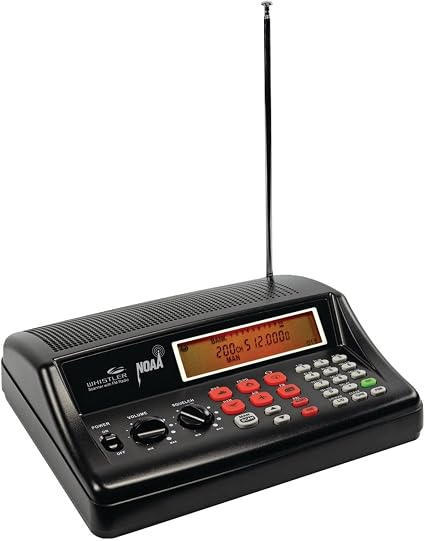
Feels like a serious tool for anyone who spends time scanning Raleigh’s airwaves and wants something more than a beginner’s gadget. Suits experienced desktop scanner users who appreciate fine-tuning channels and listening closely without missing important replies. Its biggest strength is how it manages channel priority and the scanning delay to catch conversations clearly.
Setup takes a bit of patience but rewarding once going. The priority channel feature lets you keep one frequency checked every couple of seconds, so nothing urgent gets skipped during scans.
The scan delay holds the channel for two seconds after each hit, helping catch responses without flipping too fast. Tuning lets you start from any frequency to discover new or hidden signals, which is handy when monitoring a busy radio environment like Raleigh.
Scan quality is solid, picking up a wide range of analog signals with minimal hassle. The hardware feels sturdy and built for desktop use rather than portability. The strongest praise people mention is how well it holds onto signals before jumping around.
A common complaint points to the complexity for newcomers, as it doesn’t hold your hand through setup or advanced use.
The scanner’s ability to hold onto signals with priority and scan delay makes listening more reliable, especially in busy or fading signal areas. Most found the learning curve steep, as the setup and operation expect some background knowledge and technical comfort.
Anyone comfortable with desktop scanners looking for detailed control and frequency tuning will appreciate this model. Those new to scanning or needing a simple, portable device should explore other options that focus on ease of use and mobility.
Pros
- Priority channel checks one channel every two seconds
- Scan delay lets you hear replies clearly
- Ability to tune and find new frequencies
- Bluetooth connection for added convenience
Cons
- Not suited for beginners due to complexity
- Designed mainly for desktop use, not portable
| Specification | Details |
|---|---|
| Scanner Type | Radio |
| Connection Type | Bluetooth |
| Resolution | 200 dpi |
| Standard Sheet Capacity | 300 |
| Optical Sensor Technology | CCD, CMOS |
| Light Source Type | LED |
5. Uniden SDS100 Digital Handheld Scanner

Uniden’s SDS100 Digital Handheld Scanner is ideal for anyone in Raleigh needing a scanner that handles digital and analog signals with ease. Its biggest strength lies in its True I/Q receiver, offering superior performance in weak or complicated signal environments.
Getting started involves simple zip code programming, which updates with the included HomePatrol Database that covers all US and Canada radio systems. Daily use is straightforward due to the customizable color display showing preferred info clearly.
Updates happen via Sentinel software, keeping the data current without much effort.
Performance excels in both simulcast and weak-signal scenarios thanks to its advanced receiver technology. Built solidly with a microSD card slot and USB connection, it feels dependable for handheld use.
Common praise highlights its digital clarity, while some users mention the interface can be a bit complex initially.
Users consistently praise the clarity and reliability of the digital scanning, even in difficult signal conditions. The main drawback is the initial learning curve due to the interface and programming complexity.
Those who want a reliable, feature-rich scanner with frequent database updates will appreciate this device. People seeking the simplest scanner with no setup challenges might want to consider other options.
Pros
- True I/Q receiver for improved digital performance
- Customizable color display
- Includes comprehensive HomePatrol Database
- Weekly database updates via Sentinel software
Cons
- Interface may take time to learn
- Programming can feel complicated initially
| Specification | Details |
|---|---|
| Scanner Type | Digital Handheld Scanner |
| Connection Type | USB |
| Resolution | 24 Bits |
| Color Depth | 24 |
| Media Type | MicroSD Card |
6. Uniden Bearcat BCD160DN Digital Scanner
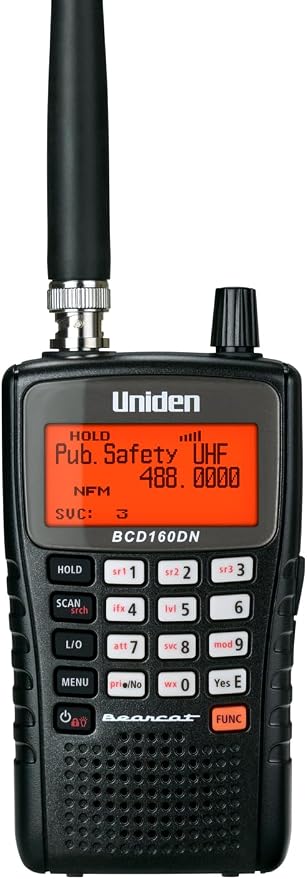
Durable plastic housing and thoughtful design make the Uniden Bearcat BCD160DN a solid choice for anyone serious about digital scanning in Raleigh, NC. Its biggest strength lies in decoding digital signals quickly and accurately, perfect for those tracking local law enforcement or emergency broadcasts without fuss.
Getting started hits the ground running thanks to the USB connection for easy updates and loading of channels. The Band Scope helps spot signals rapidly, while the Rapid Decode feature instantly shows the CTCSS tones and DCS codes. Simple menus let you tag systems and channels clearly, making day-to-day scanning straightforward without needing advanced tech skills.
The scanner picks up conventional digital systems well, covering DMR, NXDN, and with firmware updates, APCO P25 Phase 1 & 2. It’s built sturdy enough to withstand regular use but stays compact enough to carry around. Most praise centers on quick signal detection and decoding, while some users find the lack of trunking support limiting if they want to tap into trunked systems.
Signal detection speed and accurate decoding through Rapid Decode stand out as major advantages while limited trunking support often comes up as a drawback. The scanner handles conventional digital systems effectively but won’t work for encrypted or trunked transmissions.
People focused on monitoring local conventional digital radios will find this scanner a great fit. Those needing trunking or encrypted reception may want to look at other models designed for those capabilities.
Pros
- Quick digital and tone decoding
- Easy system and channel tagging
- USB connection for updates
- Supports multiple digital formats
Cons
- No trunking system support
- Cannot decode encrypted signals
| Specification | Details |
|---|---|
| Scanner Type | Radio Scanner |
| Connection Type | USB |
| Digital Decoding Support | DMR, NXDN, APCO P25 (with update) |
| Exclusive Features | Band Scope, Rapid Decode, System Tagging |
7. Whistler WS1065 Digital Trunking Desktop Scanner

Multi-Color LED alerts catch your attention immediately, making the Whistler WS1065 ideal for anyone wanting to stay aware of different transmissions at a glance. It suits those who need quick, clear notifications without fiddling with settings and shines in digital signal tracking as its strongest feature.
Setup involves connecting via Wi-Fi, which is straightforward for most home setups. Daily use benefits from the Automatic Adaptive Digital Tracking that constantly adjusts for signal shifts, so you don’t have to tweak anything manually.
Audible alarms and a customizable Alert LED allow you to prioritize alerts by color, helping you monitor multiple channels without confusion.
It performs well in decoding digital P25 signals, instantly fixing low audio levels and filtering out transmissions you don’t want through NAC support. Built as a desktop unit, it feels solid and reliable.
Most users appreciate its smooth digital tracking and alert customization. A common downside is the need for paper media if you want to print logs, which isn’t ideal for everyone.
The scanner’s standout feature is its smooth adaptive tracking of digital signals, which requires no manual adjustments. Meanwhile, having to use paper media might be a hassle for users who prefer digital output or minimal clutter. It handles complex scanning well but isn’t designed for portability.
People wanting reliable, on-the-desk scanning with clear alert customization will appreciate this unit. Anyone needing a compact, portable scanner or digital logging without paper might want to explore other options.
Pros
- Customizable multi-color Alert LED
- Wi-Fi connection for flexible placement
- Automatic digital signal tracking
- Digital AGC and NAC filter support
Cons
- Uses paper media, which can be inconvenient
- Desktop size takes up some desk space
| Specification | Details |
|---|---|
| Scanner Type | Radio |
| Connection Type | Wi-Fi |
| Resolution | 200 |
| Media Type | paper |
8. Uniden Bearcat SR30C Analog Handheld Scanner

Ideal for radio enthusiasts interested in a handheld scanner with plenty of channels, this device stands out with its extensive preset frequency banks. Its main strength lies in the ability to tune into over 32,000 frequencies across a range of popular services, perfect for staying informed around Raleigh, NC.
Setting up is straightforward, thanks to the included presets covering Police, Fire, NOAA Weather, Marine, and several other services. Using it day-to-day involves scrolling through these banks or running a Turbo Search to quickly find active channels nearby. USB and battery power options make it versatile for both stationary and portable use, while PC programming allows customizing your favorite channels easily.
The scanner performs well at picking up a wide variety of analog transmissions with decent sensitivity. It feels sturdy enough for regular use, though some mention the mono audio output lacks depth. Many praise the Close Call RF Capture feature for grabbing nearby signals automatically.
A common complaint is the unit’s limited to analog scanning, which may restrict listening to newer digital signals in some areas.
Strong points include many preset channels and easy programming, allowing quick access to common frequencies. Its main drawback is the analog-only scope, which limits reception of newer digital transmissions common in some emergency services.
Anyone wanting a budget-friendly, simple analog scanner for local listening will appreciate this model. Those needing digital frequency support or richer audio would be better off looking for a more advanced scanner.
Pros
- Includes preset frequencies for popular local services
- Supports PC programming for custom scanning
- Operates on AA batteries or USB power
- Close Call RF Capture detects nearby signals
Cons
- Only supports analog frequencies, no digital scanning
- Mono audio output lacks richness
| Specification | Details |
|---|---|
| Frequency | 32000 MHz |
| Radio Bands Supported | 1-Band |
| Power Source | USB, Battery-Powered |
| Number of Batteries | AA batteries required |
| Connectivity Technology | USB |
9. Uniden SDS200 TrunkTracker X Base/Mobile Scanner

Trying to keep track of Raleigh’s complex radio frequencies calls for a scanner that handles digital signals with ease. The Uniden SDS200 TrunkTracker X fits well for anyone wanting a powerful and user-friendly scanner that keeps updated on all active channels in the US and Canada. Its biggest strength lies in blending straightforward use with advanced scanning technology.
Getting it set up involves connecting via USB and loading the HomePatrol Database, which comes pre-installed for quick start. Daily use is straightforward thanks to the 3.5 color display that you can customize to show just the info you want. Navigating channels and listening to simulcast systems becomes much clearer with the True I/Q technology, especially around busy Raleigh signals.
The performance is strong when picking up both analog and digital transmissions, handling simulcast systems well for reliable clarity. It feels solid in build, though it’s mainly designed for desktop or mobile base use rather than handheld.
Common feedback appreciates the ease of database updates but notes the screen size could be bigger for extended scanning sessions.
The weekly updates of the HomePatrol Database keep the scanner current on radio systems across the US and Canada, which users find very convenient. Most notes mention the 3.5″ display could be larger, especially when monitoring multiple channels for extended periods.
People needing a scanner that works accurately in areas with complex simulcast transmissions will appreciate this model. Those wanting a handheld or larger screen option might want to look for alternatives better suited to portable use or longer viewing comfort.
Pros
- Easy-to-use customizable color display
- Accurate with challenging digital simulcast signals
- Includes regularly updated HomePatrol Database
- Supports USB connection for updates and control
Cons
- Screen size may feel small during long sessions
- Primarily suited for base or mobile, not handheld
| Specification | Details |
|---|---|
| Scanner Type | Radio Scanner |
| Connection Type | USB |
| Light Source Type | LED |
| Media Type | USB |
| Standard Sheet Capacity | 10 |
| Display Size | 3.5″ |
10. Uniden BC355N Base/Mobile Scanner

Close Call RF Capture Technology is the standout feature, ideal for anyone in Raleigh, NC wanting to pick up nearby analog radio signals quickly. It suits users who mainly tune into analog systems without the need for digital radio monitoring.
Setup involves plugging in the corded electric power source, with an LCD screen that makes scanning straightforward. The scanner covers the 800 MHz band, and the Close Call feature helps you easily find live nearby transmissions. USB connectivity can help with programming, but all tuning works through the built-in radio frequency interface.
It performs well in picking up analog signals, especially those nearby, thanks to Close Call RF Capture Technology. The build is practical but not flashy, designed more for function than style.
The biggest praise is for its ability to lock onto local transmissions quickly. Its main drawback is lacking any digital system support, which limits use in areas shifting to digital trunking.
The scanner quickly tunes into nearby analog transmissions thanks to Close Call RF Capture Technology, which users praise. However, many note its inability to handle digital radio systems, limiting effectiveness in areas switching to digital trunking.
It fits well for those who mainly need analog coverage in Raleigh area. Anyone requiring digital or trunked system monitoring should look at Uniden’s digital models instead.
Pros
- Instant tuning to nearby analog signals
- Simple LCD display for ease of use
- USB connectivity for programming
- Wide frequency and service bank support
Cons
- Not capable of digital radio system monitoring
- Requires specific batteries not included
| Specification | Details |
|---|---|
| Radio Bands Supported | 1-Band |
| Frequency | 800 MHz |
| Power Source | Corded Electric |
| Display Type | LCD |
| Connectivity Technology | USB |
| Additional Features | Close Call RF Capture Technology, Wide Frequency and Service Bank Support |
11. Whistler WS1010 Analog Handheld Scanner

People interested in local emergency frequency monitoring and weather updates around Raleigh, NC will find the Whistler WS1010 Analog Handheld Scanner quite useful. Its biggest strength lies in handling a broad range of channels with easy sorting, making it ideal for enthusiasts and safety-minded users alike.
Setting up the scanner involves loading frequencies into one of the 10 memory banks, which can hold up to 400 channels total. Daily use becomes straightforward with its preprogrammed service banks covering police, fire, marine, and weather bands. The Spectrum Sweeper quickly scans nearby frequency ranges, and the SAME weather alert function helps keep you informed on local weather emergencies for specific counties.
The scanner performs well in receiving analog signals across multiple bands and allows PC programming to maintain and update its databases. Its small size and light weight make it comfortable to carry around. A common compliment focuses on the accurate weather alerts and broad frequency coverage.
Some point out that reliance on AA batteries means occasional battery swaps are necessary.
Accurate weather alerts and a wide selection of frequencies to monitor are praised most often. The need to replace AA batteries regularly is the top drawback mentioned. PC programming improves usability but requires a separate cable and software that are not included.
Those wanting a compact scanner with strong weather and emergency monitoring will appreciate this unit. People preferring rechargeable options or simpler programming might look for alternatives better suited to their needs.
Pros
- Supports 400 channels in clear organization
- Includes preprogrammed emergency and weather bands
- Lightweight at just 7.7 ounces for portability
- Quick frequency sweep for active monitoring
Cons
- Requires frequent AA battery replacement
- PC programming needs additional cable and software
| Specification | Details |
|---|---|
| Product Dimensions | 1.56 x 2.37 x 5.68 inches |
| Item Weight | 7.7 ounces |
| Item Model Number | WS101 |
| Batteries Required | 4 AA batteries (included) |
| Memory Capacity | 400 Channel Memory in 10 banks |
12. Uniden BCD996P2 Digital Mobile Scanner

Known for its impressive channel capacity and advanced weather alerts, the Uniden BCD996P2 suits anyone in Raleigh, NC looking for reliable and detailed scanning. Its biggest strength lies in its ability to capture nearby radio transmissions instantly, making it perfect for staying informed about local emergencies and police activity.
Setting up the scanner involves connecting it to a 12-volt DC power source and syncing with your smartphone via IR for easier control. Daily use benefits from the TrunkTracker V technology, which follows trunked radio systems automatically, and Close Call RF Capture that grabs nearby signals without manual tuning.
Weather alerts through NOAA and S.A.M.E. keep you updated on severe conditions in your area, adding an essential layer of safety.
The scanner performs very well in picking up transmissions clearly across the 25 MHz frequency, managing up to 25,000 channels that cover most public safety and weather bands. Its build is solid but not water-resistant, so it’s best suited for indoor or vehicle use.
Reviews often praise the scanner’s wide coverage and accuracy, while a common complaint is the steep learning curve for beginners navigating all its features.
It receives praise for detailed and accurate reception across a wide range of channels, helping users stay well-informed. A frequent downside is the device’s challenging setup and operation, which requires time to master its many features.
People who want thorough local scanning with weather warnings will appreciate its capabilities, especially those comfortable with electronics. Those seeking a simpler scanner or needing outdoor use should consider other options.
Pros
- Captures up to 25,000 channels for extensive coverage
- Includes NOAA weather alerts with S.A.M.E. capability
- Close Call RF technology detects nearby transmissions quickly
- Supports smartphone compatibility for easier control
Cons
- Not water-resistant, limiting outdoor durability
- Complex interface can overwhelm new users
| Specification | Details |
|---|---|
| Additional Features | Close Call RF Capture Technology, TrunkTracker V technology, S.A.M.E. weather alert, Location Based Scanning |
| Connectivity Technology | IR |
| Power Source | 12 volts Direct Current (DC) |
| Radio Bands Supported | 1-Band |
| Frequency | 25 MHz |
| Audio Output Mode | Stereo |
13. Uniden BCD436HP HomePatrol Digital Handheld Scanner

Uniden BCD436HP HomePatrol Digital Handheld Scanner is designed for anyone wanting quick access to local police, fire, EMS, and weather channels in Raleigh, NC. Its biggest strength lies in simple setup with no programming required, just enter your zip code, and it tunes automatically.
Setting it up is straightforward since it uses TrunkTracker V to follow conversations based on your location. The large display is easy to read, and Close Call RF Capture helps you find nearby active frequencies.
Running on 3 AAA batteries, it offers about 8 hours of continuous use, making it reliable for daily scanning during commutes or outdoor activities.
Performance is solid across a broad frequency range, picking up emergency and military channels well. The build feels typical for a handheld scanner, not water-resistant but light enough to carry around easily. Users highlight how intuitive it is to operate.
One downside mentioned is the lack of water resistance, so care is needed in damp conditions.
Users praise the scanner’s ease of use and quick setup by simply entering a zip code. The biggest limitation is its lack of water resistance, which can be an issue in wet or rainy environments. Handling with care remains necessary to avoid damage.
The scanner suits those wanting straightforward access to local emergency channels without fuss or programming. People needing a weatherproof or longer-lasting battery device might want to consider other options better suited for rough outdoor use.
Pros
- No programming required; simple zip code setup
- Large, easy-to-read display
- Captures wide range of public safety and weather channels
- GPS connection improves scanning accuracy
Cons
- Not water resistant
- Requires frequent battery replacement with 3 AAAs
| Specification | Details |
|---|---|
| Number of Channels | 85 |
| Frequency Range | 25-512 MHz, 758-824 MHz, 849-869 MHz, 894-960 MHz, 1240-1300 MHz |
| Battery Average Life | 8 hours |
| Number of Batteries | 3 AAA batteries required |
| Connectivity Protocol | GPS |
Best Radio Scanners for Raleigh NC Comparison
| Product | Frequency Range | Battery Type | Connectivity | Additional Features |
|---|---|---|---|---|
| Uniden Bearcat BC125AT | 25-512 MHz | 2 AA batteries | – | Digital Display |
| Uniden SDS150 Scanner | – | Battery Powered | Bluetooth | Weather Alert |
| Uniden BC365CRS Alarm Clock Scanner | – | 3 AA batteries | – | Corded Electric Power |
| Whistler WS1025 Desktop Scanner | – | – | Bluetooth | – |
| Uniden SDS100 Handheld Scanner | – | – | USB | Digital Handheld Scanner |
| Uniden Bearcat BCD160DN | – | – | USB | – |
| Whistler WS1065 Trunking Scanner | – | – | Wi-Fi | – |
| Uniden Bearcat SR30C Handheld | 32000 MHz | USB, Battery | USB | Close Call RF Capture |
| Uniden SDS200 TrunkTracker X | – | – | USB | TrunkTracker X |
| Uniden BC355N Mobile Scanner | 800 MHz | Corded Electric | USB | Close Call RF Capture |
| Whistler WS1010 Handheld Scanner | – | 4 AA batteries | – | Handheld |
| Uniden BCD996P2 Mobile Scanner | 25 MHz | 12V DC | IR | Close Call RF Capture |
| Uniden BCD436HP HomePatrol | 25-1300 MHz | 3 AAA batteries | – | Weather Alert |
- Frequency Range25-512 MHz
- Battery Type2 AA batteries
- Connectivity–
- Additional FeaturesDigital Display
- Frequency Range–
- Battery TypeBattery Powered
- ConnectivityBluetooth
- Additional FeaturesWeather Alert
- Frequency Range–
- Battery Type3 AA batteries
- Connectivity–
- Additional FeaturesCorded Electric Power
- Frequency Range–
- Battery Type–
- ConnectivityBluetooth
- Additional Features–
- Frequency Range–
- Battery Type–
- ConnectivityUSB
- Additional FeaturesDigital Handheld Scanner
- Frequency Range–
- Battery Type–
- ConnectivityUSB
- Additional Features–
- Frequency Range–
- Battery Type–
- ConnectivityWi-Fi
- Additional Features–
- Frequency Range32000 MHz
- Battery TypeUSB, Battery
- ConnectivityUSB
- Additional FeaturesClose Call RF Capture
- Frequency Range–
- Battery Type–
- ConnectivityUSB
- Additional FeaturesTrunkTracker X
- Frequency Range800 MHz
- Battery TypeCorded Electric
- ConnectivityUSB
- Additional FeaturesClose Call RF Capture
- Frequency Range–
- Battery Type4 AA batteries
- Connectivity–
- Additional FeaturesHandheld
- Frequency Range25 MHz
- Battery Type12V DC
- ConnectivityIR
- Additional FeaturesClose Call RF Capture
- Frequency Range25-1300 MHz
- Battery Type3 AAA batteries
- Connectivity–
- Additional FeaturesWeather Alert
How to Choose the Best Radio Scanner
Choosing the right radio scanner depends on features like frequency range, scanning speed, and ease of use, which ensure clear signals and quick access to channels in Raleigh. Prioritizing these factors helps avoid frustration and additional costs from incompatible or inadequate devices.
Frequency Coverage
Many people in Raleigh find that scanning equipment which misses key emergency or weather frequencies quickly becomes frustrating or useless during important situations. Public safety agencies here use a mix of VHF and UHF bands, with analog and digital signals, plus some trunked systems.
Basic models often lack full support for these, blocking access to critical updates. Models covering at least 25 MHz to 512 MHz frequencies capture most local channels effectively. Strong support for APCO P25 digital and multi-mode reception helps when authorities shift to newer communication methods.
Missing these digital or trunked capabilities limits what you can hear, leading to missed messages or confusion. A scanner that handles both analog and digital, along with trunking, allows smoother and more complete monitoring of police, fire, EMS, and weather broadcasts common around Raleigh.
Scanning Features
Everyday use shows that scanning speed and flexibility matter a lot for quick updates. Units with programmable scanning let you customize which channels to check first, so important ones don’t get buried. Priority channel support means the scanner alerts on certain transmissions immediately.
Group scanning helps keep an eye on multiple agencies without wasting time.
Advanced features like close call scans or signal strength alerts prove useful near active transmissions, making it easier to spot and tune into relevant chatter amid background noise. These functions help eliminate deaf spots without manually hunting frequencies.
Portability and Power Options
Battery life reveals itself as a main factor in how reliable a scanner is outdoors or during emergencies. Quick battery drain can make carrying an expensive scanner useless when extended use is needed.
Rechargeable batteries are common, with many units providing 8 to 12 hours on a charge. USB power or AC adapter inputs add versatility for home or car use.
Compact, lightweight designs also matter here. Large, bulky scanners complicate transport and handling, particularly in crowded or active settings like events or patrols in Raleigh.
Smaller models weigh under a pound and fit comfortably in one hand or a jacket pocket.
User Interface and Ease of Use
A clear, bright display proves essential for quick channel recognition without squinting or toggling menus repeatedly. Screens with adjustable backlight and readable fonts speed up use during low-light conditions. An intuitive menu system keeps programming straightforward, since complex or poorly designed controls slow down frequency updates.
Scanners with PC or mobile app programming give real convenience, allowing you to update channel lists or adjust scanning profiles without touching the device directly. This saves time and reduces errors, especially when managing many frequencies or monitoring groups.
Durability and Build Quality
Daily handling exposes weaknesses in build quality fast. Models with solid plastic or metal cases resist drops and rough use better.
Features like rubberized edges improve shock absorption. Dust and moisture resistance ratings (like IP54) protect the scanner during outdoor activities or bad weather.
A reliable antenna and smooth, responsive controls also make a difference. Poor antenna quality limits range and weak controls frustrate quick channel changes or volume adjustments.
Quality parts ensure your scanner works dependably, even after repeated use in varied conditions around Raleigh.
Maximizing Signal Reception in Urban and Suburban Raleigh Areas
Raleigh’s mix of urban buildings and sprawling suburbs presents unique challenges for radio scanner reception. High-rise structures can block or reflect signals, causing dropouts.
Placing the scanner near a window or on a higher shelf often improves clarity by reducing obstructions. An external antenna designed for your specific frequency range can also make a noticeable difference. Keep in mind that weather conditions and nearby electronics affect signal quality as well. A scanner with adjustable squelch settings allows you to fine-tune reception to avoid static or missed transmissions.
Using a model with a wide frequency range covers more local emergency and public safety channels, which vary across Raleigh’s neighborhoods.
- Keep antennas clear of metal objects.
- Avoid placing scanners near Wi-Fi or Bluetooth devices to reduce interference.
- Regularly update scanner firmware if available, as this can help with signal decoding.
These practices contribute to clearer audio and more reliable scanning throughout Raleigh’s diverse environment.
Essential Maintenance Tips to Prolong Your Radio Scanner’s Lifespan
Routine cleaning and proper storage keep a radio scanner working well for years. Dust and grime can enter the speaker grills and buttons, affecting audio and functionality. Use a soft brush or compressed air to remove debris gently.
Avoid liquid cleaners directly on the scanner; instead, lightly dampened cloths with safe electronics cleaner work best. Battery contacts are another point to check regularly, especially with portable scanners. Corroded contacts reduce power flow and cause intermittent shutdowns.
Tighten any loose antenna connections to maintain consistent reception. When not in use for extended periods, remove batteries to prevent leakage damage.
Storing the scanner in a cool, dry place prevents moisture buildup, which can cause corrosion or short circuits. Following these simple steps can lengthen your scanner’s life and maintain its performance without expensive repairs.
Comparing Digital vs. Analog Scanners for Raleigh’s Emergency Frequencies
Raleigh emergency services use a mix of analog and digital transmissions, so choosing the right scanner depends on your listening goals. Analog scanners capture older police, fire, and EMS frequencies but can struggle with signal clarity in noisy environments. Digital scanners are designed to handle modern encrypted and trunked communication systems more effectively.
Digital models often provide better audio quality and access to a broader range of channels. On the downside, some encrypted transmissions might remain inaccessible due to legal restrictions, even with digital scanners. Analog units tend to be simpler to operate and more affordable for beginners.
- Digital scanners may require more frequent firmware updates.
- Hybrid models support both analog and digital scanning.
- Consider compatibility with Raleigh’s specific local systems before purchasing.
Choosing a scanner that fits the prevalent signal types in Raleigh ensures you catch all relevant communications without wasted features.
People Also Asked
How Do I Program a Radio Scanner for Raleigh NC Frequencies?
Program a radio scanner for Raleigh NC frequencies by entering local police, fire, and EMS frequencies manually or by downloading the pre-programmed frequency lists from scanner websites. Keep the frequency data updated regularly to avoid missing important transmissions as agencies sometimes change channels.
What Safety Precautions Should I Take When Using a Radio Scanner?
Always keep the volume at a reasonable level to avoid hearing damage and avoid unauthorized monitoring of encrypted or private channels. Being aware of your surroundings while scanning in public places can also help prevent distractions or accidents.
How Long Do Typical Radio Scanners Last with Regular Use?
Radio scanners typically last several years with regular use, but battery life and the durability of the case can be the limiting factors. Replacing batteries promptly and keeping the scanner dry can extend its practical lifespan substantially.
Are There Size Recommendations for Carrying a Radio Scanner Comfortably?
A compact size between 5 to 7 inches is usually comfortable for handheld use and easily fits in a coat or bag pocket. Choosing one with a belt clip or carrying case can make it more convenient to carry around Raleigh’s urban areas.
What Common Problems Occur with Radio Scanners in Raleigh NC?
Common problems in Raleigh include difficulty picking up weaker signals inside buildings and occasional interference from nearby electronic devices. Using an external antenna or moving to a higher location often improves reception significantly.
Conclusion
Choosing a radio scanner for Raleigh requires clear reception of local frequencies, easy programming for police and emergency channels, and solid battery life for field use. Portability and durability also matter since you might be outdoors or moving around a lot.
Consider how often you plan to use the scanner and where you’ll keep it, balancing features with your budget. Review the comparison table and detailed picks above to find the right match for your needs and daily listening habits.