Top 13 Best Police Scanner to Own That Will Blow Your Mind
Cheap police scanners often suffer from poor reception and unreliable frequency coverage, leaving users out of the loop when it matters most. The best police scanner to own cuts through static with consistent clarity and captures a wide range of emergency channels without delay. Frustrations like short battery life or complicated controls quickly become apparent with inferior models, especially during long stakeouts or when you need to stay alert for unpredictable events.
A reliable police scanner combines broad frequency range, usually covering VHF and UHF bands from about 25 MHz to 512 MHz, with solid build quality to withstand frequent outdoor use. Portability matters, so a model weighing under a pound with a clear, backlit display offers practical convenience.
Battery life of at least 8 hours on a full charge ensures it won’t die during critical moments. Simple interface design also makes it easier to program channels in the field without fumbling through complex menus under pressure.
Need a Quick Check?
| Image | Product | Price |
|---|---|---|
Our Top Picks 1 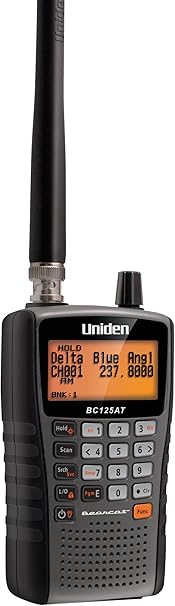 | Uniden Bearcat BC125AT | Check Price |
Our Top Picks 2  | Uniden BC365CRS Alarm Scanner | Check Price |
Our Top Picks 3  | Uniden BC355N Mobile Scanner | Check Price |
Our Selected Top 13 Police Scanner to Own Worth Buying
This list features a variety of reliable police scanners suited for different needs and experience levels. Each review covers performance, ideal user scenarios, as well as strengths and weaknesses, helping readers make an informed choice based on their preferences and requirements.
1. Uniden Bearcat BC125AT Analog Handheld Scanner
Compact and capable, the Uniden Bearcat BC125AT appeals to those focusing on analog communication with room for 500 channels. Its strongest feature lies in instant signal detection near you, helping you stay alerted without manual scanning interruptions.
Setting it up involves loading channels and using the alpha-tagging feature to keep track easily. Carrying it day-to-day feels natural thanks to its compact size.
You’ll appreciate the digital display for channel info and the Do Not Disturb mode that stops scans during transmissions, improving your listening experience without frequent distractions.
Performance-wise, it picks up analog transmissions clearly across a broad frequency range, though it won’t work with digital systems switching many agencies are adopting. The build suits handheld use well but lacks water resistance, so care is needed outdoors. Praise often points to the responsive Close Call RF capture, while a common downside is its inability to monitor digital signals.
Close Call RF capture technology frequently receives praise for swiftly tuning into nearby transmissions, enhancing real-time awareness. The primary limitation is its analog-only capability, leaving digital signals out of reach for monitoring newer systems.
Those focusing on analog communication channels will find it well suited to their needs. Users needing access to digital trunking systems should consider alternative scanners designed for digital reception.
Pros
- Captures analog signals from nearby transmitters quickly
- Compact, lightweight design for ease of carry
- Large channel capacity with alpha tagging
- Digital display clearly shows frequency and channel info
Cons
- Not compatible with digital radio systems
- Not water resistant, needs careful handling outdoors
| Specification | Details |
|---|---|
| Number of Channels | 500 |
| Frequency Range | 25-54 MHz, 108-174 MHz, 225-380 MHz, 400-512 MHz (UHF) |
| Battery Average Life | 10 hours |
| Voltage | 3 volts |
| Number of Batteries | 2 AA batteries required (included) |
2. Uniden BC365CRS Analog Scanner with Alarm Clock
Uniden BC365CRS delivers clear analog scanning with an easy-to-use desktop design. Suited for anyone wanting reliable access to police, fire, weather, and other conventional channels without digital complexity.
Its biggest strength lies in combining a scanner, FM radio, and alarm clock in one affordable package.
Setup takes just a few minutes using the pre-set channels for popular emergencies and services. Daily use involves tuning through up to 500 channels with push-button controls, saving favorite FM stations, and using the alarm clock feature. The corded electric power source means it stays plugged in, but it also holds backup power via 3 AA batteries for brief outages.
Performance on analog signals is solid, picking up a wide range of conventional channels clearly. Construction feels sturdy for a desktop unit, though some mention the push buttons can require a firm press.
The built-in FM radio is a handy bonus, but the unit lacks digital or trunked scanning capability, which some find limiting.
The scanner performs well with analog channels and offers a convenient mix of radio and alarm clock features in one desktop unit. Most users appreciate its simplicity and price, though some complain about the buttons needing a strong press for reliable operation.
Ideal for those focused on analog police, fire, and weather listening who want a basic, multifunction device. Not suited for people needing digital or trunked radio scanning capabilities, who should look at more advanced models instead.
Pros
- Includes alarm clock and FM radio
- Pre-set channels for quick start
- Supports 500 scanning channels
- Corded and battery backup power
Cons
- Push buttons require firm pressing
- No digital or trunked scanning support
| Specification | Details |
|---|---|
| Power Source | Corded Electric |
| Battery Description | Alkaline |
| Number of Batteries | 3 AA batteries required |
| Control Method | Push Button |
| Channel Capacity | 500 |
| Mounting Type | Tabletop Mount |
3. Uniden BC355N Base/Mobile Analog Scanner
Listening to local police, fire, and emergency channels feels straightforward with this scanner. It suits people living in areas with analog transmissions who want a simple device focused on nearby signals. Its biggest strength lies in instantly tuning to close radio signals thanks to the Close Call RF Capture Technology.
Setting it up involves plugging it into a power source and scanning the 800 MHz band. The LCD display makes reading channels easy, and the single-band focus keeps it uncomplicated. Day-to-day use centers around picking up analog frequencies quickly without battling through digital signals or complex menus, making it accessible for casual monitoring.
Reception quality for analog signals remains solid and dependable. The build is practical and corded, designed for base or mobile use rather than portability. Praise highlights fast tuning to nearby transmissions.
Some disappointment arises from its inability to handle any digital radio systems, such as Project 25 or DMR, limiting its scope in larger or modernized cities.
Close Call RF Capture Technology receives strong praise for identifying nearby transmissions instantly. A common complaint centers on its strict analog-only capability, which excludes monitoring many modern digital emergency channels. It performs well within its specified analog frequency range but cannot adapt to digital trunking systems.
Analog radio users living in areas without digital trunking systems will find this scanner reliable and straightforward. Those in large cities with digital emergency networks should look at a digital model for broader coverage and functionality.
Pros
- Quickly tunes to nearby analog signals
- Simple LCD screen for easy channel reading
- Powered by corded electric source for continuous use
- Supports wide frequency and service banks
Cons
- Not capable of digital radio system monitoring
- Limited to 800 MHz single band only
| Specification | Details |
|---|---|
| Connectivity Technology | USB |
| Tuner Type | Radio Frequency |
| Power Source | Corded Electric |
| Radio Bands Supported | 1-Band |
| Frequency | 800 MHz |
| Additional Features | Close Call RF Capture Technology, Wide Frequency and Service Bank Support |
4. Uniden BCD996P2 Digital Mobile TrunkTracker Scanner

Powerful and reliable, this scanner suits anyone serious about following police and emergency channels closely. It stands out for its extensive channel capacity and advanced trunk tracking that keeps you informed on multiple frequencies without missing a beat.
Getting it up and running requires connecting to a 12 volts DC power source, which makes it ideal for mobile use in vehicles. The included lithium-ion battery ensures you can use it on the go.
Features like Close Call RF Capture quietly scan nearby channels without interrupting your current listening, while the LCD display provides clear, easy reading of multiple signals and weather alerts.
It performs well when tracking powerful transmissions across 25,000 channels and keeps weather safety in check through S.A.M.E. alerts. Built for serious scanning, the hardware interface and TrunkTracker V technology keep reception precise. Most praise highlights how detailed and fast the trunk tracking is, though some find the lack of water resistance a drawback for outdoor use.
Close Call RF Capture and TrunkTracker V technology get high marks for quickly alerting to nearby transmissions without interrupting playback, which is critical for real-time updates. On the other hand, not being water resistant limits how and where it can be used, which some expect from a mobile scanner.
People needing detailed location-based emergency alerts and those who prefer mobile installation will find this scanner fits well. Users wanting more rugged, outdoor-friendly gear or multi-band scanning might look for alternatives better suited to those demands.
Pros
- Tracks up to 25,000 channels
- Includes Close Call RF Capture technology
- Supports NOAA weather and S.A.M.E. alerts
- Rechargeable lithium-ion battery included
Cons
- Not water resistant, limits outdoor use
- Uses only 1-band frequency support
| Specification | Details |
|---|---|
| Channels | 25,000 |
| Power Source | 12 volts Direct Current (DC) |
| Connectivity Technology | IR |
| Close Call RF Capture Technology | Yes |
| Audio Output Mode | Stereo |
| Weather Alert Type | S.A.M.E. |
5. Uniden Bearcat SR30C Analog Handheld Scanner

Compact and lightweight, the Uniden Bearcat SR30C is designed with portable use in mind, perfect for anyone wanting an affordable handheld scanner. Its biggest advantage lies in its extensive preset frequency banks, making it easy to tune into a wide variety of channels without fuss.
Setting it up involves simply powering it with AA batteries or USB, then choosing from preset options like Police, Fire, Weather, and more. The PC programming feature helps with more detailed customization when needed.
Day-to-day listening includes Turbo Search and Close Call RF Capture, which makes it easy to find active nearby signals quickly.
Performance focuses on hands-on scanning across 32,000 frequencies, covering everything from non-digital emergency channels to marine and ham radio bands. The build is solid for a compact radio, favoring portability over rugged durability. One strong point is the easy-to-use frequency presets, while a common downside is the mono audio output, which some find limiting for clearer sound.
A common praise is its straightforward setup and the convenience of preset frequency banks, which helps quickly access a wide range of channels without complicated tuning. The frequent complaint revolves around its mono audio output, which some users find less clear compared to stereo sound options.
Those looking for an entry-level, affordable handheld scanner with broad frequency coverage will appreciate this unit. It suits beginners or casual listeners who value portability. Anyone needing stereo audio or a more rugged build for heavy outdoor use should consider other models.
Pros
- Compact and lightweight for easy handling
- Preloaded with popular frequency presets
- Supports PC programming for customization
- Operates on both USB and AA batteries
Cons
- Mono audio output limits sound clarity
- Build prioritizes portability over ruggedness
| Specification | Details |
|---|---|
| Frequency | 32000 MHz |
| Number of Channels | 500 |
| Power Source | USB, Battery-Powered |
| Connectivity Technology | USB |
| Audio Output Mode | Mono |
| Additional Features | Close Call RF Capture, Turbo Search, PC Programming |
6. Uniden SDS150 Digital Radio Scanner

Lightweight and water resistant, the Uniden SDS150 Digital Radio Scanner fits well into daily use for anyone needing clear, digital audio in the field. It stands out for its enhanced sensitivity, capturing signals that many similar scanners struggle to pick up.
Great for professionals who require reliable and precise reception.
The setup is straightforward, and connecting to a smartphone via Bluetooth adds convenience when managing frequencies. Its built-in GPS helps with location tracking, while the digital display and simplified interface make navigating channels easy.
Battery life lasts long enough to cover extensive periods away from charging, and the charge cradle offers practical field use support.
Reception is strong due to the improved filtering that removes interference effectively, so performance generally stays clear in busy radio environments. Built to withstand regular professional use, it feels sturdy yet light.
On the downside, some users find the single battery limiting for extended sessions, and the digital controls can take a bit of adjustment for those used to traditional scanners.
Strong signal reception and reduced interference offer clear audio during scanning, praised frequently. Some find the single battery a drawback, as it restricts scanning duration without recharging or swapping batteries. The digital controls can feel unfamiliar at first compared to traditional scanners.
People needing reliable, field-ready scanning with GPS and smartphone support will appreciate this scanner’s features. Those requiring longer battery life or simpler operation might look at other models better suited for extended use or traditional controls.
Pros
- Improved signal reception and filtering
- Lightweight and rugged design
- Built-in GPS receiver
- Supports Bluetooth connectivity
Cons
- Single nonstandard battery limits long use
- Digital interface requires adjustment period
| Specification | Details |
|---|---|
| Connectivity Technology | Bluetooth |
| Tuner Type | TrunkTracker X, APCO P25 Phase I & II, Motorola, EDACS, LTR DMR Tier III*, Hytera XPT*, Single-Channel DMR* NXDN 4800/9600*, EDACS ProVoice* |
| Power Source | Battery Powered |
| Display Type | digital |
| Radio Bands Supported | AM, NFM, FM, WFM, or FMB |
| Water Resistance Level | Water Resistant |
7. Uniden SDS200 TrunkTracker X Digital Scanner

Perfect for those who want easy operation without losing power, the Uniden SDS200 combines a simple interface with advanced tech for tuning into digital and simulcast signals. Its biggest strength is handling complex radio systems efficiently, making it suitable for serious listening with minimal fuss.
Setting it up involves connecting via USB and updating the extensive HomePatrol database, covering all US and Canadian systems with weekly updates. The large 3.5 color display lets you customize what and how much information shows, so it’s straightforward to keep track of what matters most during daily use.
Performance is strong, especially with digital simulcast systems where many scanners struggle. The build quality feels solid and practical, with a bright LED display and reliable USB connection. Most praise highlights its advanced scanning abilities, while the main drawback is occasional complexity around the update software for some users.
Users appreciate the scanner’s ability to pick up challenging digital simulcast signals with clear information shown on the customizable color display. Frequent praise goes to its comprehensive and regularly updated database. At the same time, some find managing database updates through the Sentinel software a bit confusing at times.
Those wanting a scanner that handles a wide range of digital signals and offers easy-to-read data will find it a solid choice. Users less comfortable with software updates or needing higher capacity might want to consider other options.
Pros
- Large customizable 3.5″ color display
- Includes HomePatrol database for US and Canada
- Handles digital simulcast systems well
- Weekly database updates via Sentinel software
Cons
- Updating software can be tricky to manage
- Standard sheet capacity of 10 may be limited
| Specification | Details |
|---|---|
| Scanner Type | Radio Scanner |
| Connection Type | USB |
| Resolution | scanner |
| Standard Sheet Capacity | 10 |
| Light Source Type | LED |
| Media Type | USB |
8. Uniden BCD436HP HomePatrol Digital Handheld Scanner

Keeping up with local police, fire, and emergency channels can be a challenge without the right gear. Perfect for anyone wanting quick access to public safety communications without fiddling with programming, this scanner’s biggest strength is how easy it makes tuning into critical frequencies with minimal input.
Setup requires just entering your zip code, thanks to the built-in TrunkTracker V technology. You’ll find the large display straightforward to read, and switching between channels or modes is simple. It works well day-to-day for grabbing updates from police, EMS, weather alerts, and even aircraft, all without complicated programming steps.
The Close Call RF Capture feature helps pick up nearby signals you might otherwise miss.
Performance-wise, it scans up to 85 channels per second covering a broad frequency range mostly in UHF bands. The hardware feels solid though it’s not water resistant and relies on 3 AAA batteries lasting about 8 hours.
Strong points include excellent signal reception and quick scanning, but some users note the lack of water resistance as a downside in rough weather. The interface may be a little overwhelming to those new to scanners despite the ease of initial setup.
The scanner is easy to use, with setup needing just a zip code and giving you quick access to lots of channels. The common complaint focuses on the lack of water resistance, making it less suitable for wet environments or heavy outdoor use. Battery life is decent but suggests carrying spares for extended sessions.
Those who want straightforward listening without complex programming will appreciate this device, especially for home or car use. Anyone needing a rugged, weatherproof option or longer battery endurance might want to explore different models.
Pros
- Extremely simple setup with zip code input
- Fast scan speed of 85 channels per second
- Wide frequency range coverage
- Large, clear display
Cons
- Not water resistant, limits outdoor use
- Batteries last about 8 hours, needing frequent replacement
| Specification | Details |
|---|---|
| Number of Channels | 85 |
| Frequency Range | 25-512 MHz, 758-824 MHz, 849-869 MHz, 894-960 MHz, 1240-1300 MHz |
| Battery Average Life | 8 hours |
| Number of Batteries | 3 AAA batteries required |
| Connectivity Protocol | GPS |
| Scan Speed | 85 channels per second |
9. Whistler WS1025 Analog Desktop Scanner
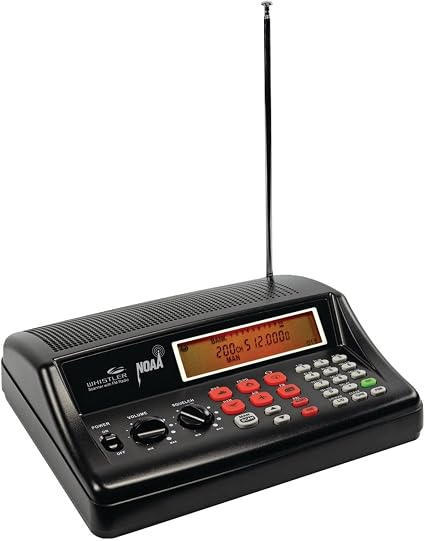
Checking priority channels every two seconds stands out on this scanner, great for experienced users wanting detailed control. It suits those who know their way around desktop scanners and need precise scanning options. Its best feature is the priority channel scanning that catches important transmissions fast.
Setting it up involves fine-tuning from a specific frequency to find new and unlisted ones, which is handy for discovering channels. The scan delay holds on a channel for two seconds before moving on, so you can hear replies clearly.
Connections through Bluetooth add some modern convenience even though it’s mainly an analog radio scanner.
This radio scanner performs well in catching analogue signals with solid responsiveness and quick scanning. The build feels sturdy and designed for desktop use, but some find it complex for casual users. Strong points focus on detailed scanning features, while the main complaint involves a learning curve for those less familiar with desktop scanners.
The strongest praise highlights how well the priority channel and scan delay features help catch important communications. Many note the complexity for those without experience as the most common drawback, making it less accessible to casual listeners.
People with experience using desktop scanners and looking for detailed control will appreciate this model. Those wanting simple, plug-and-play scanning should consider a different option more suited to beginners.
Pros
- Priority channel checks every two seconds
- Scan delay to catch replies clearly
- Tune function finds unlisted frequencies
- Bluetooth connection for added flexibility
Cons
- Not ideal for beginners
- Complex setup for casual users
| Specification | Details |
|---|---|
| Scanner Type | Radio |
| Connection Type | Bluetooth |
| Resolution | 200 dpi |
| Optical Sensor Technology | CCD, CMOS |
| Light Source Type | LED |
10. Uniden BCD325P2 Handheld TrunkTracker V Scanner

People who want to keep track of local police and emergency channels will find this scanner ideal. It’s small and portable, suited well for hobbyists or anyone needing quick access to multiple channels. Its biggest strength lies in Close Call RF Capture Technology that automatically finds the nearest signals.
Setting it up involves programming up to 25,000 channels, which can feel overwhelming but is made easier with 100 Quick-Key System Access buttons. These let you jump to your most used channels fast. GPS compatibility also helps keep your scan location relevant.
On a daily basis, it quickly tunes into live activity around you without much fiddling.
Performance is solid with good signal capture, especially on Project 25 Phase II systems popular in law enforcement. The build feels sturdy and practical though a bit bulky due to its 20-watt power.
Most praise goes to how well it automatically finds nearby transmissions while some users mention the screen resolution as below their expectations at 2400 dpi.
Many appreciate how automatically it captures the closest radio signals, making tracking active channels straightforward. However, a frequent drawback mentioned is the screen’s resolution not meeting some users’ preferences for clarity.
Those who want reliable and rapid access to many channels and use Project 25 systems will find it satisfying. People wanting a smaller device or higher-res display might look for different options.
Pros
- Close Call RF Capture finds nearby signals
- GPS compatibility keeps scanning location accurate
- Quick-Key system eases frequent channel access
- Supports latest APCO Project 25 Phase II systems
Cons
- Screen resolution lower than some expect
- Somewhat bulky compared to other handheld scanners
| Specification | Details |
|---|---|
| Scanner Type | Radio |
| Connection Type | gps |
| Scan Channels | 25,000 |
| Wattage | 20 watts |
| Resolution | 2400 dpi |
11. Uniden SDS100 True I/Q Digital Handheld Scanner

Uniquely designed for serious scanning enthusiasts, this digital handheld scanner stands out with its True I/Q receiver that significantly improves digital reception, especially in difficult signal conditions. Ideal for those who want reliable communication monitoring without hassle, its biggest strength is how it handles digital and weak signals better than most in its class.
Setup is straightforward and approachable thanks to the HomePatrol database, which covers all known US and Canadian radio systems and updates weekly. Just enter your zip code to start.
Daily use is easy, aided by a customizable color display that lets you see exactly the information you want quickly. Connections to software happen via USB, and storing data on a MicroSD card means you can keep your settings safe and portable.
Performance excels in both simulcast and signal-challenged environments, providing consistent clarity in digital and analog formats. The build feels solid and portable, perfect for handheld use. Most praise highlights its strong digital reception capabilities.
The main complaint revolves around handling the various features, which can feel complex for users without technical background.
Daily users praise its superior digital performance, especially in weak signal areas, making a significant difference in reception quality. The common hurdle lies in mastering the scanner’s features, which requires time and patience due to its technical depth.
People seeking reliable, high-quality digital reception and willing to invest time in learning will appreciate this scanner. Those wanting a simpler, more straightforward device might want to explore alternatives with fewer advanced functions.
Pros
- Advanced True I/Q digital receiver
- Easy setup via zip code entry
- Customizable color display
- Weekly database updates included
Cons
- Feature set can be complex to master
- Steeper learning curve for beginners
| Specification | Details |
|---|---|
| Scanner Type | Digital Handheld Scanner |
| Connection Type | USB |
| Resolution | 24 Bits |
| Color Depth | 24 |
| Media Type | MicroSD Card |
12. Whistler WS1065 Digital Trunking Desktop Scanner

Whistler WS1065 Digital Trunking Desktop Scanner stands out for tracking digital and trunked radio signals with minimal fuss. Perfect for anyone serious about keeping an ear on public safety or emergency broadcasts, its strength lies in adapting automatically to signal changes without manual tweaks.
Setup involves connecting the scanner via Wi-Fi, letting you customize alerts easily with a choice of up to 8 LED colors and programmable sounds. Everyday use benefits from its adaptive decoding that adjusts over 50 times per second, handling shifts in digital P25 signals smoothly, so you spend more time listening and less time fiddling with settings.
Performance delivers clear, strong reception with automatic gain control that manages low audio levels well and filters transmissions using network codes. It feels solid for desktop placement with a sturdy design, though some find the paper media type outdated compared to modern digital storage.
Most praise focuses on its reliable signal tracking, while the main complaint revolves around the somewhat bulky build.
Strong praise highlights how automatic adaptive tracking keeps signals clear through frequent adjustments, avoiding the need for manual tuning. The most frequent criticism notes the scanner’s physical size and the use of paper media, which feels outdated compared to newer digital options.
Anyone wanting a reliable, easy-to-use trunking scanner with customizable alerts will appreciate this model. Users looking for a smaller, more modern unit with digital storage should explore other choices better suited to compact or portable use.
Pros
- Automatic Adaptive Digital Tracking handles signal fading
- Customizable multi-color LED alert system
- Digital AGC adjusts for low audio levels
- Network Access Code filtering improves channel clarity
Cons
- Uses paper media type, less modern
- Some find the scanner bulky on desk
| Specification | Details |
|---|---|
| Scanner Type | Radio |
| Connection Type | Wi-Fi |
| Resolution | 200 |
| Media Type | paper |
13. Uniden BearTracker BCT15X Base/Mobile Scanner

Feels like having a dedicated police scanner that adapts to wherever you go, perfect for those who want reliable coverage on the move. Its biggest strength lies in tracking multiple communication systems and automatically switching channels based on location, making it ideal for road trips or daily patrol monitoring.
Setup involves connecting it in a vehicle or base station with the included mounting bracket and power cords. The GPS-based location scanning takes a lot of work off your hands by choosing local police and highway patrol frequencies automatically.
Managing channels is straightforward with the alpha tagging and individual volume controls for different channels, so you hear exactly what matters without fiddling too much.
Performance really shines when following Motorola, EDACS, or LTR trunked radio systems thanks to TrunkTracker III technology. Its dynamic memory system can handle up to 9,000 channels, giving you access to sprawling coverage from one device. Built tough for mobile use, though some find the size and setup requirements a bit complex compared to handheld models.
The most frequent praise is its range of features keeping you in the loop, while the common complaint involves the learning curve of programming and installation.
Many appreciate the scanner’s ability to automatically select relevant frequencies based on location and its compatibility with multiple trunked radio systems. However, the setup and programming process requires patience, which some find challenging without prior experience.
This model suits anyone needing extensive mobile monitoring across different agencies and locations, especially in vehicles or fixed bases. Those looking for compact, simple handheld scanners might want to explore other options more suited to portability and quick use.
Pros
- Tracks Motorola, EDACS, LTR systems with advanced technology
- 9,000 channels with dynamic memory system
- Automatic location-based scanning when GPS connected
- Includes all essential mounting and power accessories
Cons
- Programming and setup can be complicated and time-consuming
- Larger size may not suit those wanting a handheld scanner
| Specification | Details |
|---|---|
| Model Number | BCT15X |
| Channels | 9,000 |
| TrunkTracker Technology | TrunkTracker III |
| Included Accessories | AC Adapter, Vehicle Accessory Power Cord, Mounting Bracket, Antenna, Serial Programming Cable |
| Preprogrammed Channels | State-by-state for police, DOT, Highway Patrol |
| Warranty | 1 year manufacturer |
Best Police Scanners Comparison Table
| Product | Channels | Frequency Range | Power Source | Additional Features |
|---|---|---|---|---|
| Uniden Bearcat BC125AT | 500 | 25-512 MHz | 2 AA batteries | Digital Display |
| Uniden BC365CRS Alarm Scanner | – | – | 3 AA batteries | Ultrasonic Sensor |
| Uniden BC355N Mobile Scanner | 1-Band | 800 MHz | Corded Electric | Close Call RF |
| Uniden BCD996P2 TrunkTracker | 1-Band | 25 MHz | 12 volts DC | TrunkTracker V tech |
| Uniden Bearcat SR30C | 1-Band | 32000 MHz | USB, Battery | Turbo Search |
| Uniden SDS150 Digital Scanner | – | – | Battery Powered | Weather Alert |
| Uniden SDS200 TrunkTracker X | – | – | USB | TrunkTracker X |
| Uniden BCD436HP HomePatrol | 85 | 25-1300 MHz | 3 AAA batteries | Weather Alert |
| Whistler WS1025 Desktop Scanner | – | – | – | Bluetooth |
| Uniden BCD325P2 TrunkTracker V | – | – | GPS | 20 watts |
| Uniden SDS100 True IQ | – | – | USB | Digital Handheld |
| Whistler WS1065 Trunking Scanner | – | – | Wi-Fi | – |
| Uniden BearTracker BCT15X | – | – | AC Adapter, Vehicle | – |
- Channels500
- Frequency Range25-512 MHz
- Power Source2 AA batteries
- Additional FeaturesDigital Display
- Channels–
- Frequency Range–
- Power Source3 AA batteries
- Additional FeaturesUltrasonic Sensor
- Channels1-Band
- Frequency Range800 MHz
- Power SourceCorded Electric
- Additional FeaturesClose Call RF
- Channels1-Band
- Frequency Range25 MHz
- Power Source12 volts DC
- Additional FeaturesTrunkTracker V tech
- Channels1-Band
- Frequency Range32000 MHz
- Power SourceUSB, Battery
- Additional FeaturesTurbo Search
- Channels–
- Frequency Range–
- Power SourceBattery Powered
- Additional FeaturesWeather Alert
- Channels–
- Frequency Range–
- Power SourceUSB
- Additional FeaturesTrunkTracker X
- Channels85
- Frequency Range25-1300 MHz
- Power Source3 AAA batteries
- Additional FeaturesWeather Alert
- Channels–
- Frequency Range–
- Power Source–
- Additional FeaturesBluetooth
- Channels–
- Frequency Range–
- Power SourceGPS
- Additional Features20 watts
- Channels–
- Frequency Range–
- Power SourceUSB
- Additional FeaturesDigital Handheld
- Channels–
- Frequency Range–
- Power SourceWi-Fi
- Additional Features–
- Channels–
- Frequency Range–
- Power SourceAC Adapter, Vehicle
- Additional Features–
How to Choose the Best Police Scanner
Choosing a good police scanner depends on factors like frequency range, ease of use, and durability to ensure reliable performance. Prioritizing these features prevents compatibility issues and frequent replacements, saving both money and frustration over time.
Frequency Coverage
Many scanners barely cover basic police frequencies, which quickly becomes frustrating when you miss important transmissions. A good scanner should handle a broad spectrum of bands, not just police but also fire, EMS, and aviation.
This wide coverage preserves the scanner’s usefulness in different situations. The inclusion of both analog and digital signal support matters since many agencies have shifted to digital. Without it, the scanner won’t pick up newer transmissions.
Models that cover frequencies from around 25 MHz to 1300 MHz consistently offer good reception across most emergency services. Look for devices specifying digital standards like P25 or DMR compatibility. This way, you won’t lose signals as agencies update their systems.
Portability and Size
Carrying a bulky scanner during daily activities quickly gets old, especially if you want to stay mobile. The most practical units weigh less than a pound and fit comfortably in a jacket pocket or bag.
Handheld models dominate in convenience, while desktop versions suit fixed setups at home or work.
Durability plays a strong role too. Scanners built with sturdy plastics and rubberized edges hold up better after inevitable drops or rough handling outdoors.
Devices lacking this can break or malfunction faster, cutting short what should be reliable monitoring.
Ease of Use and Interface
Trying to program a scanner with a confusing interface can turn into a frustrating chore. Good scanners feature straightforward controls and a clear display that shows channels and frequencies without clutter. Preset channels and memory banks speed up scanning without needing constant manual input.
Backlit screens help when scanning in low light situations. Voice-activated scanning is a handy feature for hands-free use, letting you catch transmissions without pressing buttons constantly. These small conveniences add up during daily use.
Battery Life and Power Options
Short battery life can ruin a long listening session, especially during events where frequent recharging isn’t possible. Look for a battery life rated at least 8 hours of continuous use to ensure smooth operation. Rechargeable batteries usually come standard, reducing the need to carry multiples of disposable cells.
Built-in USB charging or external power options add flexibility. A scanner you can plug into a power bank or car USB port keeps running longer and fits diverse settings better than those limited to replaceable batteries only.
Audio Quality and Output
Background noise often drowns out critical transmissions if the speaker volume or quality is poor. Units with a clear, loud speaker output make it easier to understand calls even in noisy environments.
Adjustable volume and squelch controls let you reduce static and improve clarity.
Using headphones or connecting external speakers comes in handy if you want privacy or need louder sound. Most advanced scanners support these options, increasing the usefulness whether you’re indoors or out.
Optimizing Your Police Scanner for Maximum Signal Reception
Signal reception depends heavily on the antenna quality and placement. A scanner with a detachable antenna allows for upgrading to a higher-gain external antenna, which can significantly improve the range and clarity of received signals.
Position the antenna as high and clear from obstructions as possible, such as near a window. Avoid placing the scanner inside metal cabinets or near large electronic devices that might cause interference.
Another important step is to regularly update your scanner’s frequency database. New channels and changes happen frequently, especially in law enforcement communication. Many models connect to software or apps that help keep the channels current.
Key points to improve signal:
- Use an external antenna suited for the frequency range you want to monitor
- Place the antenna in a high, unobstructed location
- Keep software and firmware up to date for accurate channel tuning
- Reduce nearby electronic interference
Essential Maintenance Tips to Prolong the Life of Your Police Scanner
Routine care prevents hardware failures and ensures consistent scanner performance. Dust buildup in the vents and controls can cause overheating or poor button response. Use a soft brush or compressed air to clean these areas every few months.
Keep the scanner out of direct sunlight and avoid exposing it to moisture to prevent internal damage.
Battery maintenance is crucial for portable units. Recharge batteries fully before storing and avoid leaving the scanner on battery power when plugged in, to extend battery life. For models with replaceable batteries, use manufacturer-approved replacements.
Maintenance checklist:
- Regularly clean air vents and buttons
- Store in a dry, cool environment
- Properly care for batteries according to the scanner’s guidelines
- Inspect cables and antenna connections periodically for wear
Comparing Police Scanners with Software-Based Alternatives
Police scanners dedicated to radio signal reception offer straightforward control and immediate access to local frequencies without depending on an internet connection. Their hardware is optimized to pick up a wide variety of signals, including encrypted or specialized channels when accessible.
On the other hand, software-based alternatives rely on streaming feeds over the internet, which can be convenient for mobile use but are subject to network availability and restrictions.
Software options often provide advanced search, recording, and sharing features not built into basic scanners. However, they may lag behind real-time chatter or miss offline communications. Dedicated scanners require an upfront investment and some technical setup but deliver consistent reception within their range.
Comparison summary:
- Hardware scanners work independently of internet but limited by antenna location
- Software scanners depend on online streams and may exclude encrypted channels
- Software offers more digital features but can experience delays
- Choosing between the two depends on mobility needs and how much control you want over scanning
People Also Asked
How Do I Properly Maintain a Police Scanner for Long Use?
Regularly clean the scanner and keep it dry to avoid damage. Storage in a dust-free, cool place extends its life, and checking for firmware updates keeps it functioning efficiently.
What Size Police Scanner Is Ideal for Portable Use?
A small, lightweight scanner around 7 inches is best for portability. It fits easily in a bag or pocket and can be used discreetly while on the move.
Are Police Scanners Safe to Operate Around Other Electronics?
Operating a police scanner near other electronics is generally safe but keep it away from devices like microwaves or Wi-Fi routers to prevent interference. Avoid stacking devices too closely.
How Do I Ensure My Police Scanner Is Compatible with Local Frequencies?
Verify compatibility by checking if the scanner covers your area’s known police and emergency frequencies before purchase. Using a model with a frequency range covering VHF and UHF bands is a practical approach.
What Are Common Problems Users Face with Police Scanners?
Users often face issues like poor reception or difficulty programming frequencies. Signal dropouts can happen in heavy urban areas; manual rescans and antenna adjustments help improve performance.
Conclusion
Choosing a police scanner comes down to clear reception, ease of use, and the range of frequencies it covers. A scanner should quickly pick up the signals in your area and have controls that are straightforward. Battery life and durability also matter if you plan to use it outside or on the go.
Think about where you will use the scanner most and how much you want to spend. Matching those needs will help narrow the options.
Review the comparison table and picks above to find the one that fits your daily use and local signal conditions best.