Top 13 Best Patagonia Jacket for Skiing You Can’t Miss!
Trying to stay warm and dry on the slopes can turn frustrating fast without the proper gear. The best patagonia jacket for skiing keeps you comfortable despite changing weather and long hours exposed to wind and snow.
A cheap or ill-fitting jacket often leaves cold air creeping in at the cuffs or traps sweat inside, making cold patches that ruin concentration and enjoyment.
Key features to look for include waterproof fabrics with at least a 20,000mm rating to handle heavy snow and rain. Breathability is just as important to avoid overheating during intense runs, typically measured by a minimum 10,000 g/m²/24hr rating.
A good ski jacket also fits well around the chest and shoulders but gives enough room for layering and movement with adjustable cuffs and hems to keep snow out.
Need a Quick Check?
| Image | Product | Price |
|---|---|---|
Our Top Picks 1 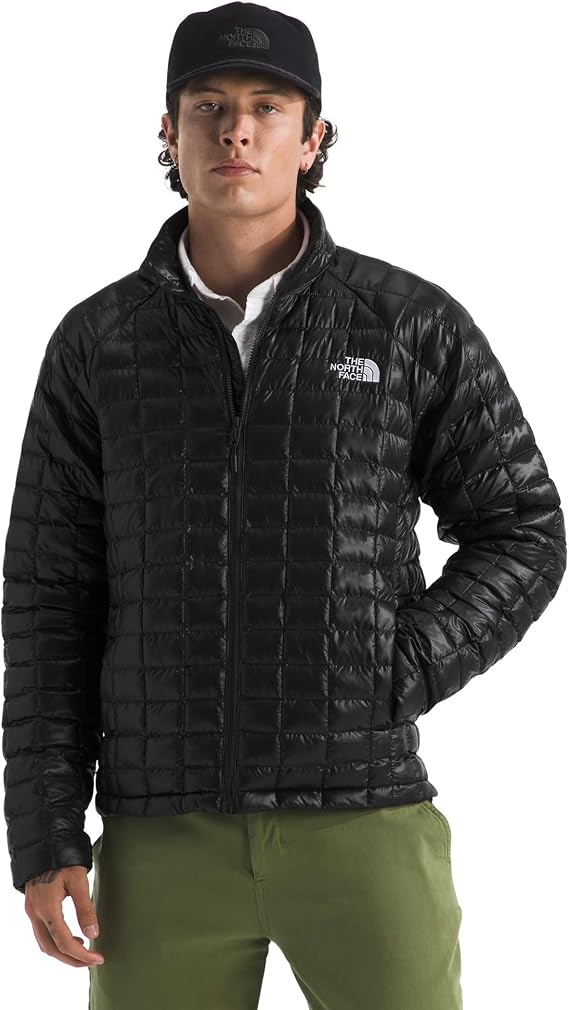 | The North Face Thermoball Insulated | Check Price |
Our Top Picks 2  | The North Face Thermoball | Check Price |
Our Top Picks 3  | Burton Reserve Shell | Check Price |
Our Selected Top 13 Patagonia Jacket for Skiing for Every Budget
This list features versatile jackets ideal for skiing, covering a range of budgets and needs. Each review explains how the jacket performs on the slopes, highlights its strengths and weaknesses, and describes which type of skier it best suits.
1. The North Face Thermoball Insulated Jacket
Lightweight synthetic insulation with recycled Thermoball fill keeps you warm on chilly ski days. Designed for cold weather and outdoor activities, it fits comfortably and resists wind and water, making it great for anyone needing reliable warmth and protection while skiing.
Putting on this jacket feels light and flexible, so you can easily layer underneath without bulk. The zip-up style with secure pockets holds your essentials safely during active use on the slopes.
The durable water-repellent finish means you won’t get soaked from snow or light rain. It packs down easily for carrying in backpacks to switch between runs.
The Thermoball insulation provides solid warmth without heaviness, holding up well against cold winds thanks to WindWall fabric. Quilted construction feels sturdy yet breathable.
People praise how warm it stays even when damp, though a few found the fit a bit roomy around the waist. It works well as an all-weather skiing jacket.
The jacket excels at maintaining warmth in damp or windy conditions, thanks to its synthetic Thermoball insulation and WindWall fabric. Common feedback notes the roomy waist, which may affect fit preferences depending on body shape. It holds up well during cold weather use with reliable water resistance.
People looking for a warm, lightweight layer that handles wind and light moisture will find this jacket suitable for skiing. Those needing a tighter fit or waterproof shell should consider alternatives made for specific heavy rain or tailored fits.
Pros
- Lightweight synthetic insulation keeps warmth even when wet
- WindWall fabric resists chilling winds effectively
- Durable water-repellent keeps moisture off the jacket surface
- Secure zip pockets protect belongings during active use
Cons
- Fit runs a bit roomy around the waist for some
- Not designed specifically for heavy rain conditions
| Specification | Details |
|---|---|
| Material | 100% recycled polyester with non-PFC durable water-repellent finish |
| Style | Thermoball Insulated Jacket (Standard and Big Size) |
| Fit Type | Regular |
| Sleeve Type | Long Sleeve |
| Coat Silhouette Type | Quilted |
| Climate Suitability | Cold Weather |
2. The North Face Thermoball Jacket
Perfect for anyone who needs a lightweight, warm jacket for cold weather, especially skiers looking for reliable insulation without bulk. Its biggest strength lies in the Thermoball insulation that keeps you warm and the wind- and water-resistant fabric that handles changing weather on the slopes.
Putting it on is straightforward thanks to the regular fit and hooded collar, which adds extra protection against wind. Zip pockets keep essentials secure, and the long sleeves provide full coverage.
It packs easily and feels light enough to wear all day without overheating, making it ideal for layering during fall skiing trips or brisk cold-weather outings.
Insulation holds up well to keep warmth in while staying breathable enough to avoid sweat buildup. The quilted design helps distribute the insulation evenly, improving comfort. Most users appreciate how light and flexible it feels, but the jacket’s water resistance might struggle in heavy rain, which some pointed out as a downside.
The jacket’s lightweight Thermoball insulation receives praise for warmth and comfort, but the water resistance often falls short under heavy precipitation, according to common feedback. It performs admirably in cold, windy conditions but lacks full waterproofing for more extreme weather.
Those who ski or venture out in cold but relatively dry fall weather will find this jacket well-suited to their needs. Anyone facing heavy rain or deep winter conditions might want to consider a more fully waterproof or insulated alternative.
Pros
- Lightweight yet warm insulation
- Secure zip pockets for valuables
- Wind and water resistant fabric
- Regular fit with hood for added warmth
Cons
- Water resistance may not hold up in heavy rain
- Only designed for fall season, not deep winter
| Specification | Details |
|---|---|
| Color | Mars Dust |
| Style | Thermoball Insulated Jacket (Standard & Plus Size) |
| Key Features | Lightweight Insulation, Secure Zip Pockets, Wind & Water Resistant |
| Fit Type | Regular |
| Collar Style | Hooded |
| Climate Suitability | Cold Weather |
3. Burton Reserve 2-Layer Shell Jacket
Burton Reserve 2-Layer Shell Jacket in Summit Taupe stands out for its durable yet lightweight design made for serious skiers who need reliable weather protection without extra bulk. Suited for men who demand solid performance on the slopes, its biggest strength lies in balancing weather resistance with breathability.
Setting up the shell is straightforward, with a fit that allows layering underneath while staying comfortable. The solid pattern and color make it easy to pair with other gear. Its 2-layer construction helps keep moisture out during snow or wind without making the jacket feel heavy or restrictive during movement.
The jacket excels at shedding snow and wind, offering dependable protection on cold days. The build quality holds up well against abrasion from ski equipment.
Reviews frequently highlight its toughness and weather resistance, while the most common complaint revolves around limited color options and sometimes needing additional insulation underneath in very cold weather.
The jacket receives strong praise for its toughness and ability to keep out wind and moisture during intensive skiing. Many note it performs well in harsh conditions on the mountain, but a common drawback is the necessity for additional layers to handle extreme cold comfortably.
Men seeking a practical, protective shell without extra weight will find this jacket a solid choice. Those who prefer more insulation built in or a wider range of colors might want to consider alternatives better suited for deep cold or personal style preferences.
Pros
- Durable shell resists snow and wind effectively
- Lightweight 2-layer design for easier movement
- Neutral solid color fits easily with gear
- Roomy fit allows for comfortable layering
Cons
- Limited color options available
- Needs extra insulation for very cold days
| Specification | Details |
|---|---|
| Color | Summit Taupe |
| Style | Men’s Reserve 2l Shell Jacket |
| Collection Name | Reserve |
| Pattern | Solid |
4. The North Face Womens Junction Insulated Jacket

North Face Womens Junction Insulated Jacket stands out for its balance of warmth and versatility, ideal for cold weather and casual use. It suits those looking for a reliable jacket that can handle both fall and winter seasons while maintaining a stylish, quilted look.
Day-to-day, it feels easy to wear thanks to a regular fit that layers well without bulk. The water-repellent finish helps keep light moisture off, and the 100g HEATSEEKER synthetic insulation keeps warmth steady without feeling heavy. Circular Design construction hints at thoughtful end-of-life recycling options, which adds an eco-friendly touch.
Performance-wise, the jacket’s blend of recycled materials provides enough warmth for cold weather without overheating. Its plain weave polyester fabric proves durable during regular outdoor activities.
Most praise highlights the cozy insulation and water-repellent surface, while the common downside is that it’s mainly suited for fall and mild winter, not extreme cold or heavy snow.
The jacket’s warmth and water repellency receive strong approval, matching well with everyday cold weather wear, especially in fall. A frequent drawback in reviews is its limited performance in severe winter climates or heavy snow, where heavier insulation becomes necessary.
This jacket will please anyone needing a versatile, eco-conscious winter layer that works best in moderate cold. Jackets with heavier insulation and extra technical features are a great choice for those needing top protection in extreme conditions.
Pros
- Lightweight but warm for cold weather
- Water-repellent finish resists light moisture
- Regular fit is comfortable for layering
- Uses recycled materials with recycling in mind
Cons
- Not insulated enough for harsh winter conditions
- Simpler design lacks extra technical features
| Specification | Details |
|---|---|
| Material | 100% recycled polyester plain weave with non-PFC durable water-repellent finish |
| Insulation | 70% recycled, 100g HEATSEEKER synthetic hollow-core |
| Fit Type | Regular |
| Coat Silhouette Type | Quilted |
| Climate Suitability | Cold Weather |
| Seasons | Fall |
5. Helly Hansen Crew Insulator Jacket 2.0

Lightweight and comfortable, this jacket suits anyone looking for reliable warmth without bulk during cold weather activities. It stands out with its breathable and water-repellent fabric that keeps moisture away while maintaining comfort throughout the day outdoors.
Wearing the jacket every day is comfortable thanks to its regular fit and classic marine design. The wind-resistant polyester fabric combined with PrimaLoft Black insulation ensures warmth without overheating.
Zip pockets hold essentials securely, and lined handwarmer pockets add extra comfort on chilly days. Its design works well for both active and casual wear.
Functionality is solid with effective wind resistance and water repellency that handle light weather conditions well. The build quality is durable, featuring YKK Vislon zippers that slide smoothly.
Most praise centers on the warmth to weight ratio, while some mention the jacket could be warmer in extremely cold conditions.
Warmth offered by the PrimaLoft Black insulation keeps you comfortable in cool to moderately cold conditions, but the jacket may fall short in harsher winter weather. Users praise its breathable, water-repellent fabric and durability, while recurrent feedback highlights the need for more substantial insulation in very cold climates.
Ideal for those who want a versatile, lightweight jacket that works well for fall and early winter activities or casual use. People needing heavy-duty insulation for skiing in very cold temperatures might look for something thicker or more insulated. The classic, simple design fits well with outdoor or urban wardrobes alike.
Pros
- Wind resistant and water repellent fabric
- Comfortable PrimaLoft Black insulation
- Regular fit suits layering
- Zip pockets with secure closures
Cons
- Not warm enough for extreme cold
- Limited color options, only black
| Specification | Details |
|---|---|
| Material | 100% Polyester |
| Insulation | PrimaLoft Black |
| Fit | Regular |
| Season | Fall |
| Features | Wind resistant, water repellent, YKK Vislon zippers |
6. Columbia Suttle Mountain Insulated Jacket

Great for cold fall days on the slopes, the Columbia Suttle Mountain Insulated Jacket offers solid warmth in a simple design. Suited for skiers who want a regular fit jacket that handles chilly weather without extra bulk.
Putting it on is easy thanks to the hooded collar that stays put when moving fast. The anorak style keeps snow out, and the long sleeves allow for layering underneath or wearing alone.
The black color pairs well with any gear, while the solid pattern makes it straightforward and practical.
It does a reliable job keeping cold air out but isn’t the lightest option around. The materials hold up well against wet snow and wind, keeping wearers comfortable.
The main praise revolves around its dependable insulation and hood design, although some mention that the fit feels a bit bulky for tight ski layers.
The reliable insulation and protective hood receive the most praise for keeping users warm and comfortable on chilly days. Common complaints focus on the fit feeling somewhat bulky, which can limit movement or layering options when skiing intensely. The jacket handles cold air and wind well but isn’t designed for deeper winter cold.
Anyone looking for a straightforward, warm jacket to wear in fall skiing conditions will find it fits the bill. Skiers who want a slimmer, more lightweight option or need protection in harsher winter climates should look for something more specialized.
Pros
- Warmth suited for cold weather skiing
- Hooded collar protects against wind
- Regular fit allows comfortable layering
- Solid black color matches most ski gear
Cons
- Slightly bulky fit limits tight layering
- Not suitable for winter beyond fall season
| Specification | Details |
|---|---|
| Color | Black |
| Style | Suttle Mountain Long Insulated Jacket |
| Sleeve Type | Long Sleeve |
| Coat Silhouette Type | Anorak |
| Seasons | Fall |
| Climate Suitability | Cold Weather |
7. Marmot Zeus Down Insulated Jacket

Quilted design paired with down insulation makes it a reliable choice for skiing in cold to mild weather. Suits those looking for regular fit with solid, straightforward style. Its main appeal lies in balancing warmth and comfort without bulk during spring and summer skiing adventures.
Putting it on is easy thanks to the regular fit and a band collar that sits comfortably without feeling restrictive. Long sleeves cover enough to keep warm, while the black color keeps it looking clean throughout every outing. Pack it along for variable spring or summer conditions, as it adapts well from mild to colder times on the slopes.
Core performance revolves around maintaining warmth via the down insulation, which works well under cold conditions but feels a bit heavy in warmer temperatures. The jacket is built solidly with a quilted silhouette that holds the insulation evenly.
Most praise centers on its warmth in chilly weather, while the usual complaint involves it being less suitable for intense physical activity due to its weight.
The jacket earns praise for keeping warmth effectively during cold spells, but many find it too heavy and warm when skiing hard or in milder conditions. Quilted stitching helps maintain insulation evenly, though the weight can be a factor for active skiers.
People who want a dependable, warm jacket for cooler spring and summer days will appreciate it. Those who spend a lot of time skiing in high intensity or winter months may want to explore lighter or more versatile options.
Pros
- Warmth from down insulation in cool to cold weather
- Simple band collar adds comfort
- Regular fit allows layering without bulk
- Solid black color hides dirt well
Cons
- Not ideal for heavy sweating activities
- Limited to spring and summer use, not all seasons
| Specification | Details |
|---|---|
| Color | Black – Latest Collection |
| Style | Zeus Down-insulated Jacket |
| Sleeve Type | Long Sleeve |
| Coat Silhouette Type | Quilted |
| Seasons | Spring/Summer |
| Fit Type | Regular |
8. Rab Microlight Alpine Down Jacket

Lightweight warmth stands out immediately in this jacket, designed for cold-weather skiing with a slim fit that keeps bulk to a minimum. It suits anyone looking for solid insulation without sacrificing mobility or adding extra weight on the slopes.
Putting it on, the long sleeves and band collar fit neatly, making layering underneath simple without restricting movement. The solid pattern and slim cut mean it doesn’t snag on gear or feel loose during activity. Color choice like Beluga avoids making dirt too obvious after a day outside.
Performance delivers steady warmth in winter climates, thanks to its Alpine down insulation. Quilted construction holds the filling evenly in place, maintaining insulation across all areas. Most reviews highlight how well it warms even on chilly days, though some note it can feel a bit snug around the shoulders for larger frames.
Warmth during cold weather is the strongest point, with the jacket holding insulation evenly because of its quilted design. Many mention the slim fit as a tight spot, especially around the shoulders, limiting comfort for larger sizes.
Anyone who prioritizes a close fit and lightweight warmth will appreciate the jacket. Skiers who want more room for thicker layers or broader builds might prefer a looser cut option.
Pros
- Lightweight and warm down insulation
- Slim fitting for easy layering
- Durable beluga color hides dirt well
- Band collar keeps neck warm
Cons
- May feel tight in shoulders for some
- Less roomy for bulky mid-layers
| Specification | Details |
|---|---|
| Color | Beluga |
| Style | Microlight Alpine Jacket |
| Sleeve Type | Long Sleeve |
| Coat Silhouette Type | Quilted |
| Seasons | Winter |
| Fit Type | Slim |
9. Columbia Benton Springs Full Zip
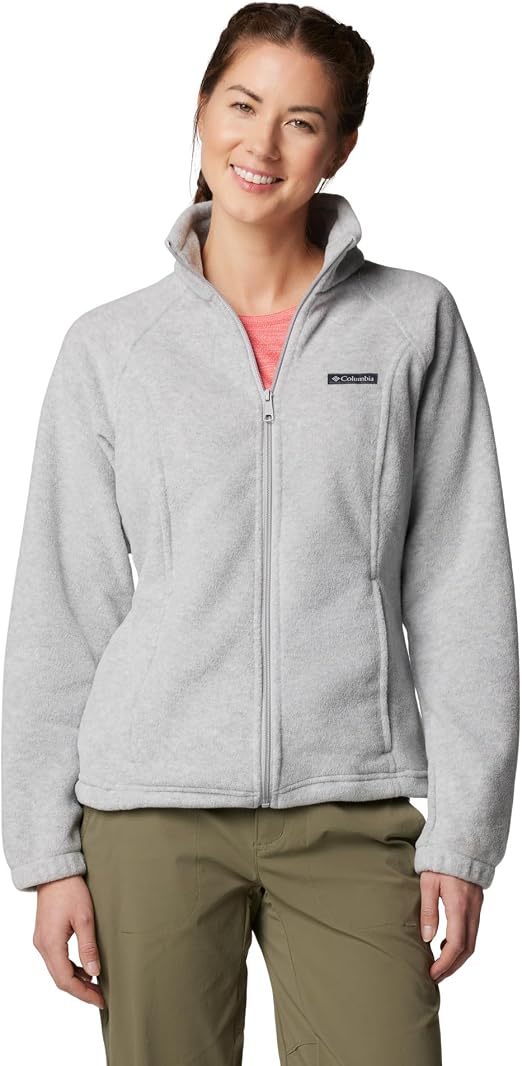
Cirrus Grey Heather color and a fitted anorak style make it ideal for cold weather days when casual wear is enough. Best suited for those who want a warm, comfortable jacket designed for fall but capable of handling chilly temperatures. Its main strength lies in providing reliable cold weather protection without bulk.
Setting it up involves a full zip that quickly adapts to changing temperatures throughout the day. The round collar and long sleeves help keep out cold drafts during daily outings or ski lodge downtime.
Lightweight enough to layer under heavier gear, it suits active use as well as casual wear, making it versatile for fall and early winter days.
Built for cold weather, the jacket holds up well against chilly conditions while maintaining a fitted look that avoids restricting movement. The strongest praise focuses on its warmth and comfortable fit. A common complaint points to its design being more for casual wear than intense skiing conditions, limiting its use in harsh weather.
Warmth and a fitted design are the strongest points, delivering comfortable cold weather protection during casual activities. The jacket’s biggest drawback is its casual focus, which means it doesn’t meet the needs of hardcore skiing or more challenging weather days.
Ideal for someone wanting warmth without heavy insulation or technical features, it fits well into cooler fall outings and light winter use. Those needing specialized ski gear with more advanced weather resistance might find this jacket lacking and should look elsewhere.
Pros
- Warm enough for typical cold days
- Fitted style avoids bulk
- Full zip allows easy ventilation
- Casual look suitable for everyday wear
Cons
- Not designed for intense skiing conditions
- Limited seasonal use, best for fall
| Specification | Details |
|---|---|
| Color | Cirrus Grey Heather |
| Style | Benton Springs Full Zip |
| Sleeve Type | Long Sleeve |
| Coat Silhouette Type | Anorak |
| Seasons | Fall |
| Climate Suitability | Cold Weather |
10. The North Face Mens Junction Insulated Jacket

Cold-weather skiing calls for reliable insulation without bulk, and the Mens Junction Insulated Jacket handles this well. Best suited for casual cold-weather use, its synthetic insulation and water-repellent finish provide solid protection against chilly conditions while keeping a clean, regular fit.
Putting it on is straightforward thanks to the band collar and secure zip hand pockets that keep essentials safe on the slopes or during breaks. The jacket’s quilted silhouette helps maintain warmth without feeling too heavy. Daily wear is simple because it balances warmth and mobility, making it a good pick for ski days and beyond.
Performance-wise, the jacket offers consistent insulation thanks to its synthetic fill, suitable for fall and cold weather. Build quality centers on a water-repellent finish that sheds light moisture, reducing wetness during skiing.
Most praise focuses on its effective warmth and pocket security, while the regular fit might feel a bit roomy for slimmer layers underneath.
The jacket is known for providing dependable warmth through its synthetic insulation and durable water repellent, praised for keeping heat in and moisture out. The primary complaint centers on the fit feeling a bit roomy when used with bulkier ski layers, which can affect comfort on the slopes.
Skiers seeking a warm, casual cold-weather jacket with weather resistance will find it suits their needs well. Those looking for a more tailored fit or heavier winter protection may want to look for alternatives designed specifically for intense winter skiing conditions.
Pros
- Warm synthetic insulation for cold weather
- Water repellent finish resists light moisture
- Secure zip hand pockets for essentials
- Quilted design offers consistent warmth
Cons
- Regular fit may feel loose with multiple layers
- Limited to fall season, not for extreme winter
| Specification | Details |
|---|---|
| Color | Tnf Black |
| Style | Junction Insulated Jacket | Winter Coat With Synthetic Insulation, Water Repellent Finish & Secure Zip Hand Pockets |
| Sleeve Type | Long Sleeve |
| Coat Silhouette Type | Quilted |
| Seasons | Fall |
| Fit Type | Regular |
11. The North Face Thermoball Eco Snow Triclimate Jacket

100% waterproof recycled polyester with a durable water-repellent finish makes it perfect for skiing in harsh weather. Designed for cold weather and outdoor activities, it suits anyone looking for a versatile jacket that adapts to changing mountain conditions.
The Thermoball Eco Snow Triclimate features a three-in-one layering system, allowing you to adjust insulation based on temperature. The waterproof shell keeps moisture out, while the synthetic insulation retains warmth without bulk.
The helmet-compatible hood and powder skirt help keep snow from sneaking in, making it practical for all-day use on the slopes.
Protection from snow and cold is solid with the DRYVENT 2L outer shell and two synthetic insulation layers inside. The jacket’s recycled materials contribute to eco-friendliness without sacrificing function. Most praise mentions how warm and breathable it is, but some users find the fit a bit boxy and less tailored for slim builds.
The jacket is praised for keeping users warm and dry while skiing. The waterproof shell combined with synthetic insulation performs well even in snowy conditions. The recurring complaint centers on the regular fit, which can feel bulky or less flattering for those seeking a sleeker silhouette.
Skiers prioritizing warmth, waterproofing, and eco-conscious materials will appreciate this jacket’s design and features. Those preferring a more tailored or lightweight jacket should look for alternatives better suited to slim fits or milder conditions.
Pros
- Fully waterproof and breathable shell
- Adjustable helmet-compatible hood
- Layering system for variable insulation
- Eco-friendly recycled materials
Cons
- Fit can feel boxy on slimmer frames
- Only available in fall season pattern
| Specification | Details |
|---|---|
| Material | 100% waterproof recycled polyester |
| Water-repellent Finish | Non-PFC durable water-repellent (non-PFC DWR) |
| Fit Type | Regular |
| Climate Suitability | Cold Weather |
| Season | Fall |
| Features | Helmet-compatible hood, snap-down powder skirt |
12. The North Face Aconcagua Hooded Jacket

Perfect for anyone who spends cold fall days outdoors, especially those into winter activities. It delivers warmth without weighing you down, making it a solid choice for staying comfortable on the slopes or around town. The jacket’s ability to maintain a cozy feel in chilly weather stands out the most.
Putting it on each morning means slipping into a regular fit that doesn’t restrict movement. The long sleeves and quilted design add a classic look while locking in heat. Its simple setup means no fussing with layers, ideal for quick outings or longer outdoor sessions.
The black color works well for everyday use.
This jacket excels when it comes to warmth in cold weather, thanks to its quilted silhouette that traps heat efficiently. Construction feels sturdy, suitable for outdoor activities during fall. Most appreciate how it keeps cold at bay, while some mention it’s more of a seasonal piece rather than a heavy-duty winter option.
Warmth is the key strength, appreciated for cold weather comfort during outdoor activities. Common feedback points out it’s not suited for heavy snow or harsh winter storms, limiting use in extreme conditions.
Those looking for a reliable, warm fall jacket for outdoor adventures will find it fitting well. Individuals expecting full winter protection or waterproofing might want to look at other options better tailored to severe winter climates.
Pros
- Keeps warmth well in chilly conditions
- Regular fit allows comfortable layering
- Classic black works with everything
- Durable quilted design for outdoor use
Cons
- Not ideal for extremely harsh winters
- Lacks waterproof features for wet snow
| Specification | Details |
|---|---|
| Color | Tnf Black |
| Style | Aconcagua Hooded Jacket |
| Sleeve Type | Long Sleeve |
| Coat Silhouette Type | Quilted |
| Climate Suitability | Cold Weather |
13. Helly Hansen Crew Midlayer Jacket 2.0

Grey Fog color and an anorak silhouette make it a versatile midlayer for mild weather activities. Well suited for anyone needing a reliable jacket that balances style and function during fall sports, outdoor trips, or casual wear. Its biggest strength lies in its regular fit that allows layering without bulk.
Putting it on is easy thanks to the band collar and long sleeves that offer full coverage without restricting movement. The regular fit provides enough room for a base layer underneath, keeping you comfortable without overheating.
It’s suitable for both urban settings and outdoor use, making it a flexible option for days when conditions are mild but unpredictable.
The anorak silhouette and solid pattern aid in wind protection during mild conditions, although it’s not designed for heavy winter weather. The jacket holds well against light mountain breezes and stays breathable during active use.
A common remark about the jacket is that it works best in fall but may not provide enough insulation as temperatures drop further.
The jacket delivers a comfortable fit with enough space to layer underneath, making it a good choice when the weather stays mild. Users appreciate its adaptability for outdoor and casual wear, though the main drawback is its limited warmth during colder or more extreme conditions.
People who spend time outside during early fall or require a lightweight midlayer for moderate activity will find it suits them well. Those planning skiing trips in cold or variable alpine environments would benefit from something with heavier insulation and weather protection.
Pros
- Comfortable regular fit for layering
- Good for mild weather conditions
- Versatile for sports and casual use
Cons
- Not warm enough for cold winter days
- Limited insulation for harsh weather
| Specification | Details |
|---|---|
| Color | 853 Grey Fog |
| Style | Crew Midlayer Jacket 2 |
| Sleeve Type | Long Sleeve |
| Coat Silhouette Type | Anorak |
| Climate Suitability | Mild Weather |
| Fit Type | Regular |
Best Patagonia Jackets for Skiing Comparison Table
| Product | Climate Suitability | Collar Style | Fit Type | Occasion |
|---|---|---|---|---|
| The North Face Thermoball Insulated | Cold Weather | Band | Regular | – |
| The North Face Thermoball | Cold Weather | Hooded | Regular | – |
| Burton Reserve Shell | – | – | – | – |
| The North Face Womens Junction | Cold Weather | – | Regular | Casual |
| Helly Hansen Crew Insulator 2.0 | Cold Weather | Band | Regular | Casual |
| Columbia Suttle Mountain | Cold Weather | Hooded | Regular | – |
| Marmot Zeus Down | Mild to Cold Weather | Band | Regular | – |
| Rab Microlight Alpine | Cold Weather | Band | Slim | – |
| Columbia Benton Springs | Cold Weather | Round | Fitted | Casual |
| The North Face Mens Junction | Cold Weather | Band | Regular | – |
| The North Face Thermoball Eco | Cold Weather | Hooded | Regular | Skiing, Snowboarding |
| The North Face Aconcagua Hooded | Cold Weather | – | Regular | Outdoor Activities |
| Helly Hansen Crew Midlayer 2.0 | Mild Weather | Band | Regular | Sports, Outdoor, Casual |
- Climate SuitabilityCold Weather
- Collar StyleBand
- Fit TypeRegular
- Occasion–
- Climate SuitabilityCold Weather
- Collar StyleHooded
- Fit TypeRegular
- Occasion–
- Climate Suitability–
- Collar Style–
- Fit Type–
- Occasion–
- Climate SuitabilityCold Weather
- Collar Style–
- Fit TypeRegular
- OccasionCasual
- Climate SuitabilityCold Weather
- Collar StyleBand
- Fit TypeRegular
- OccasionCasual
- Climate SuitabilityCold Weather
- Collar StyleHooded
- Fit TypeRegular
- Occasion–
- Climate SuitabilityMild to Cold Weather
- Collar StyleBand
- Fit TypeRegular
- Occasion–
- Climate SuitabilityCold Weather
- Collar StyleBand
- Fit TypeSlim
- Occasion–
- Climate SuitabilityCold Weather
- Collar StyleRound
- Fit TypeFitted
- OccasionCasual
- Climate SuitabilityCold Weather
- Collar StyleBand
- Fit TypeRegular
- Occasion–
- Climate SuitabilityCold Weather
- Collar StyleHooded
- Fit TypeRegular
- OccasionSkiing, Snowboarding
- Climate SuitabilityCold Weather
- Collar Style–
- Fit TypeRegular
- OccasionOutdoor Activities
- Climate SuitabilityMild Weather
- Collar StyleBand
- Fit TypeRegular
- OccasionSports, Outdoor, Casual
How to Choose the Best Patagonia Ski Jacket
Look for jackets that offer waterproofing, breathability, and insulation to stay comfortable in cold, wet conditions. Prioritizing durability and fit ensures better performance and longevity, helping you avoid frequent replacements and unnecessary expenses on gear that doesn’t meet your skiing needs.
Insulation and Warmth
One common issue while skiing is feeling too hot on easy trails and freezing on breaks. Insulation types play a big role here.
Synthetic insulation like PrimaLoft provides solid warmth without feeling bulky and dries faster when wet, unlike down, which offers a better warmth-to-weight ratio but loses insulation when damp. Jackets with a weight-to-warmth balance typically use around 60-100 grams of synthetic fill for active skiing. Breathability is key to avoid overheating during intense runs; materials rated around 10,000-15,000g/m²/24hr allow sweat to escape without chilling you.
Layering takes the guesswork out of variable weather. A jacket that fits well over a mid-layer or fleece provides versatility, letting you add or remove layers without restricting movement.
Thin but efficient insulation supports this approach, so you can adjust warmth according to slope conditions without carrying heavy outerwear.
Waterproofing and Wind Resistance
Skipping proper waterproofing can mean a soaked jacket and a miserable ski day. Membranes like Gore-Tex or Patagonia’s proprietary H2No offer reliable protection and breathable comfort, with waterproof ratings above 20,000mm typically suitable for consistent snow exposure. Having fully sealed seams and durable water-repellent (DWR) coatings prevents water from seeping through small gaps and reduces moisture buildup on the surface.
Wind resistance matters too, especially on windy ridges where cold air cuts through layers quickly. Jackets constructed from tightly woven fabrics with windproof membranes block gusts effectively, keeping core temperature stable. Adjustable storm flaps over zippers help avoid drafts as well.
Fit and Mobility
Rigidity in the shoulders or restricted sleeve movement can ruin a skiing day. Look for jackets designed with articulated sleeves and a slightly longer back hem to accommodate crouching and arm swings typical during skiing. A good fit includes enough room for layering without feeling bulky or tight.
Adjustable cuffs, a hood with toggles or elastic, and a drawcord hem help seal out snow and wind, maintaining warmth without constant readjustment. Sleeve length that covers wrist areas completely is important, especially to block cold air when gloves shift during descents.
Ventilation and Breathability
Overheating is a real problem on steep ascents or vigorous skiing. Jackets featuring pit zips or mesh-lined vents under arms let you dump excess heat quickly.
Placement here is critical; poor vent locations don’t provide airflow where sweat builds up most.
Materials that wick moisture such as polyester blends pull sweat away from skin, helping keep you dry and comfortable throughout extended sessions. Without proper breathability, dampness accumulates, leading to chilliness during rests or slower periods on the mountain.
Durability and Protection
Edges of skis and bindings deal harsh punishment, so durable panels on cuffs and shoulders can prevent tears and snags. Reinforced overlays made of Nylon Cordura or similar fabric withstand abrasion when you’re adjusting gear or leaning on rough surfaces.
The overall construction, including double stitching and solid zipper quality, defines how long a jacket holds up through seasons of repeated wear. Cheaper jackets may succumb to rips or zipper failure after a few outings, but those built for skiing tend to last longer under rugged conditions.
How to Layer Your Patagonia Jacket for Optimal Warmth on the Slopes
Layering is crucial to stay warm and dry while skiing, especially with a Patagonia jacket. Start with a moisture-wicking base layer to keep sweat off your skin.
A lightweight synthetic or merino wool shirt works well. The middle layer should provide insulation, think fleece or a lightweight down jacket. This traps heat without adding bulk.
Your Patagonia jacket acts as the outer shell, blocking wind and moisture to protect those insulating layers beneath.
Pay attention to fit. The jacket should have enough room to move comfortably without compressing insulation layers, which reduces their effectiveness.
Use adjustable cuffs and drawcords to limit drafts. Ventilation features, like pit zips, help regulate temperature when you’re active or riding lifts. Don’t forget a helmet-compatible hood to keep your head warm without restricting movement.
Essential Care and Maintenance Tips to Prolong Your Patagonia Ski Jacket
Maintaining a Patagonia ski jacket involves regular cleaning and proper storage. Dirt and grime can reduce water repellency, so wash your jacket after several uses or when visibly dirty. Use a mild detergent designed for technical fabrics, avoiding fabric softeners that can clog the jacket’s membrane.
After washing, tumble dry on low heat or use an iron with no steam on the DWR coating. This helps restore water repellency. Reapply a durable water repellent spray if you notice water no longer beads on the surface.
- Store in a cool, dry place away from direct sunlight.
- Hang the jacket to keep its shape instead of folding.
- Avoid prolonged contact with oils, sunscreens, and chemicals that degrade fabric performance.
Consistent care frees you from replacing your jacket prematurely and preserves its protective features.
Comparing Patagonia Ski Jackets to Other Leading Brands for Performance and Durability
Patagonia ski jackets hold up well in cold and wet conditions owing to their focus on technical fabrics and sustainability. The near-weight balance between warmth and breathability plays out differently compared to brands like The North Face or Arc’teryx.
Patagonia tends to use recycled materials without compromising durability.
While Arc’teryx sometimes offers more aggressive waterproofing and urban styling, Patagonia jackets often feel less heavy and more breathable during extended activity. The North Face might provide slightly wider sizing options and more colorways.
Durability is on par with other premium outdoor brands, thanks to reinforced seams and high-quality materials. Patagonia also offers transparent repair policies that extend a jacket’s life beyond average industry standards. For skiers prioritizing environmental responsibility alongside solid performance, Patagonia stands as a reliable choice.
People Also Asked
How Do I Size a Ski Jacket Correctly for Layering?
Choose a ski jacket size that allows room for a base layer and a mid-layer but isn’t so large that it restricts movement. Trying on jackets with the layers you plan to wear underneath gives a better sense of fit, especially around the shoulders and chest.
What Is the Best Way to Clean and Care for a Ski Jacket?
Clean your ski jacket by following the manufacturer’s instructions, normally a gentle wash with mild detergent and no fabric softener. Regularly washing the jacket after trips keeps the waterproof treatment effective, and reapplying a DWR spray when water stops beading helps maintain weather resistance.
Are Ski Jackets Safe and Waterproof in Extreme Weather Conditions?
Ski jackets designed for extreme weather have waterproof membranes and sealed seams to keep moisture out. Still, breathability varies. Wearing proper layers and venting inside zippers when active prevents overheating and moisture build-up inside the jacket.
How Long Does a Quality Ski Jacket Typically Last?
A well-made ski jacket can last several seasons with regular use and proper care. Avoiding unnecessary abrasion and repairing small tears promptly will extend the garment’s life. Occasionally refreshing the water-repellent coating also helps maintain performance.
What Common Problems Should I Watch for in Ski Jackets?
Watch for worn out or clogged zippers and damaged seam tape, which can compromise waterproofing. Fabric pilling or thinning in high-friction areas signals wear. Loose hood adjustments and broken internal components like powder skirts can reduce functionality over time.
Conclusion
Choosing the right Patagonia jacket for skiing mainly depends on how warm it needs to be, how waterproof or breathable the fabric is, and the fit you prefer for layering underneath. These factors will affect comfort and protection while on the slopes more than brand or style alone.
Consider how often you’ll ski and how much space you have to store the jacket when not in use. A heavier, bulkier jacket might be worth it for frequent use but less practical for occasional trips.
Check the comparison table above to find the jacket that fits your needs and budget best.