Top 12 Best Orthopedic Work Boots You Can’t Ignore
Working long hours on your feet takes its toll, especially with shoes that aren’t designed to support your build and activity. Poorly made footwear can cause foot pain, misalignment, and fatigue, making each step uncomfortable.
The best orthopedic work boots address these issues by offering proper arch support and cushioning that lasts through tough workdays.
Key features to look for include a sturdy sole with shock absorption, often measured by the hardness rating around 60-70 on the Shore scale, and enough room in the toe box to prevent pressure on sensitive areas. Materials that balance breathability and durability help keep feet dry, while a correct fit ensures the boot doesn’t slide or pinch, avoiding blisters and further discomfort.
Need a Quick Check?
| Image | Product | Price |
|---|---|---|
Our Top Picks 1  | Skechers Boswell Boot | Check Price |
Our Top Picks 2  | Orthofeet Granite Boots | Check Price |
Our Top Picks 3  | OrthoComfoot Wide Hiking | Check Price |
Our Selected Top 12 Orthopedic Work Boots Worth Buying
These top orthopedic work boots provide excellent support and comfort for long hours on your feet. Each review covers performance, suitability for different work environments, and highlights the main advantages and drawbacks to help you choose the best option for your needs.
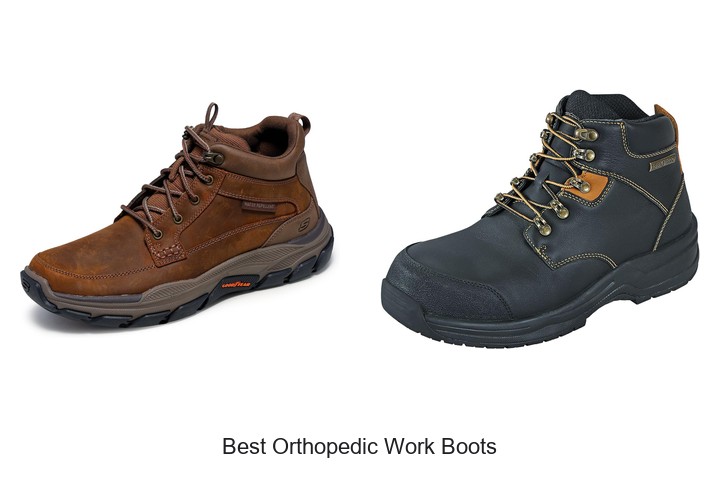
1. Skechers Respected Boswell Boot
Dark brown color and moc toe style suit casual outdoor use perfectly, making these boots ideal for fall adventures. Their greatest strength lies in the comfortable fit that supports wearers during prolonged periods on their feet.
Wearing them day-to-day feels natural thanks to the no heel design, which balances comfort and stability. The solid pattern avoids flashy looks, keeping things low-key for casual occasions like birthdays or outdoor activities.
The sport theme matches an active lifestyle without sacrificing a casual vibe.
Functionality focuses on providing support and comfort rather than heavy-duty construction. Build quality delivers a decent balance of durability and ease of wear, appealing to people who need practical footwear without extra bulk.
A common issue mentioned is limited formality, making them less suitable for dressier occasions.
The boots stand out for delivering comfort throughout long days, which is a top reason to choose them. However, their casual design limits occasions when they can be worn, with the biggest feedback focusing on this aspect.
Those seeking reliable, casual orthopedic boots for outdoor use during fall will appreciate these well. Anyone needing a dressier look or all-season wear should look elsewhere to meet their needs.
Pros
- Comfortable fit for extended wear
- Casual style fits outdoor settings
- Lightweight design without heel
- Solid dark brown color pairs well with many outfits
Cons
- Not suitable for formal occasions
- Limited season use mainly for fall
| Specification | Details |
|---|---|
| Color | Dark Brown |
| Heel Type | No Heel |
| Toe Style | Moc Toe |
| Style Name | Respected – Boswell Boot |
| Occasion Lifestyle | Outdoor |
| Seasons | Fall |
2. Orthofeet Granite Orthopedic Work Boots
People spending long hours on hard surfaces and needing strong foot support will like these sturdy, orthopedic work boots. Their standout feature is how well they accommodate sensitive feet while handling tough work conditions.
Ideal for those with foot pain or special orthopedic needs.
Putting them on is straightforward thanks to the round toe and solid build. Black color fits well with most workwear. Wearing them all day gives reliable comfort without a raised heel, which helps maintain natural foot positioning.
They hold up in all seasons without feeling too heavy or hot.
Build quality matches its focus on durability and support. The no-heel design helps with stability while the solid pattern keeps the boots from looking flashy or out of place at work. The biggest praise highlights comfort for orthopedic needs, but some mention that the fit may take a little time to get used to.
The boots receive strong praise for providing comfort tailored to orthopedic needs, making long workdays manageable. The most common issue reported is the need for a break-in period before the fit feels just right.
Anyone with persistent foot pain or sensitivity will find these boots a solid choice. Those looking for a more modern look or immediate perfect fit without break-in might explore other options.
Pros
- Supportive fit for orthopedic comfort
- Durable for all-season use
- Round toe allows natural foot movement
- No heel for improved stability
Cons
- Fit might require a break-in period
- Style is basic, lacks extra design features
| Specification | Details |
|---|---|
| Color | Black |
| Toe Style | Round Toe |
| Boot Form Type | Work Boot |
| Heel Type | No Heel |
| Seasons | All |
| Pattern | Solid |
3. OrthoComfoot Orthopedic Wide Waterproof Hiking Boots
OrthoComfoot Orthopedic Wide Waterproof Hiking Boots stand out for their wide fit, making them ideal for anyone dealing with foot pain or needing extra room. Their waterproof nature suits hikers and walkers who want reliable protection without sacrificing comfort on all kinds of trails and weather.
Putting on these boots feels straightforward thanks to their bootie form, which hugs the foot comfortably while staying roomy enough for wide feet. Wearing them on long walks or hiking trips, they hold up well across seasons, especially in fall and spring. The closed toe design keeps your feet safe from rough terrain, and the flat heel keeps every step grounded and stable.
Performance-wise, the boots excel at keeping feet dry and offering support where it counts. Build feels sturdy but not heavy, making these boots easy to wear for extended periods. Customers praise the wide fit and waterproof feature, while some mention the need to break them in a bit before full comfort is achieved.
Strongest praise highlights the wide fit and effective waterproofing, key for those needing extra comfort and dry feet on trails. The most common complaint is the initial break-in period, which some find lengthy before the boots feel fully comfortable.
Anyone with wider feet looking for durable, waterproof boots will appreciate these. Those seeking a quick, out-of-the-box comfort experience or wanting a wider color selection might look elsewhere.
Pros
- Wide fit accommodates wider feet comfortably
- Waterproof build keeps feet dry in wet conditions
- Flat heel offers steady footing on uneven ground
- Suitable for multiple seasons from spring to fall
Cons
- Requires breaking in before full comfort
- Color options limited to K2-brown Coffee
| Specification | Details |
|---|---|
| Color | K2-brown Coffee |
| Toe Style | Closed Toe |
| Boot Form Type | Bootie |
| Heel Type | Flat |
| Seasons | All, Fall, Spring, Summer |
| Style Name | Walking, hiking, trail |
4. Orthofeet Granite Orthopedic Work Boots

Orthofeet Granite Orthopedic Work Boots offer solid support and comfort for people who spend long hours on their feet. Ideal for workers needing reliable orthopedic features in a durable boot, these provide excellent foot protection while maintaining all-day wearability.
Putting on the boots, you notice the round toe shape allowing more room for toe movement, which helps prevent cramped feet. The absence of a heel keeps stability high and walking natural.
Brown solid color suits professional environments, and they perform well throughout all seasons, so changing boots based on weather is unnecessary. Fit is designed with orthopedic care in mind, making the daily grind more manageable.
Work boots built to handle demanding conditions, with orthopedic support as the main focus, keep feet comfortable even during long shifts. Strong stitching and tough materials mean they hold up to wear and tear. Reviews highlight how much the support helps reduce foot pain, but some users mention the boots can feel a bit heavy compared to regular work boots.
Comfort and foot support gain the highest praise, with many noting relief from foot pain during work. Common complaint mentions the weight feeling heavier than expected, which might affect mobility for some.
People who prioritize orthopedic comfort and work in various weather conditions will appreciate these boots. Those seeking lighter or more traditional heel styles might find better options elsewhere.
Pros
- Supports feet well during long work shifts
- Round toe allows comfortable toe space
- Designed for all-season wear
- Durable build resists heavy use
Cons
- Can feel heavier than standard work boots
- No heel may feel unusual to some wearers
| Specification | Details |
|---|---|
| Color | Brown |
| Toe Style | Round Toe |
| Boot Form Type | Work Boot |
| Heel Type | No Heel |
| Seasons | All |
| Pattern | Solid |
5. Orthopedic Anti-Puncture Waterproof Work Boots

Comfortable enough for long hours on your feet, these boots fit well and keep your feet dry no matter the conditions. Ideal for anyone in construction or outdoor work who needs solid protection without sacrificing comfort, their waterproof design and closed toe offer dependable coverage in tough environments.
Putting them on is straightforward, with a hiking boot form that feels familiar and supportive through the day. The flat heel helps maintain balance on uneven terrain, while the sand color hides dirt well.
Wearing them continuously through all seasons, the waterproof feature stands out, keeping feet dry through rain or mud.
Built to protect against punctures, the boots perform well on rough surfaces, providing a good barrier against sharp objects while maintaining flexibility. The materials hold up under stress and stay intact with regular use.
Some mention the boots feel a bit bulky at first, but most appreciate their durability. Occasional feedback points to the fit being slightly narrow for wider feet.
These boots provide solid waterproof protection and prevent punctures effectively, which makes them reliable on construction sites and outdoor jobs. Most users appreciate the comfort once broken in, but the narrower fit and initial bulkiness may require some adjustment or consideration for wider feet.
Anyone needing dependable safety features in a waterproof boot and who has average or narrow feet will be satisfied. Those who require more room or prefer a lighter, less bulky boot might look for alternatives better suited to their specific needs.
Pros
- Waterproof for all-weather protection
- Flat heel offers stability on rough terrain
- Closed toe guards well against impacts
- Neutral sand color hides dirt effectively
Cons
- Fit may be narrow for wider feet
- Can feel bulky during initial wear
| Specification | Details |
|---|---|
| Color | Sand |
| Toe Style | Closed Toe |
| Boot Form Type | Hiking Boot |
| Heel Type | Flat |
| Seasons | All |
| Pattern | Solid |
6. OrthoComfoot Orthopedic Wide Waterproof Hiking Boots

OrthoComfoot Orthopedic Wide Waterproof Hiking Boots suit anyone needing durable, supportive footwear for all seasons. Their biggest strength lies in the wide fit combined with waterproofing, making them ideal for those who want comfort without tightness and reliable protection from wet conditions.
They’re ready to go right out of the box with zero break-in time, fitting comfortably thanks to the wide design. Wearing them day-to-day, the flat heel supports long hours standing or walking while keeping feet stable. The closed toe means plenty of protection during work or hiking, and they handle mixed weather, from summer heat to winter rain, without trouble.
These boots deliver dependable orthopedic support suited for wider feet, crafted to last over time in outdoor and work settings. Reviews often highlight the comfort and waterproof quality as strong points. On the downside, some find them a bit bulky.
Materials feel solid and the casual style fits more than just hiking occasions.
Comfort and waterproof qualities stand out most in daily use, offering protection and fit that supports wider feet well. Common drawbacks include a perceived bulkiness that might not suit everyone’s taste or activities needing lighter footwear.
Those needing orthopedic support with wide, waterproof boots for frequent outdoor use will appreciate these. Anyone seeking a lighter, more streamlined boot or specific arch support should consider other options.
Pros
- Wide fit perfect for broader feet
- Waterproof for all weather use
- Flat heel offers stable footing
- Suitable across all seasons
Cons
- Some users find them bulky
- Lacks detailed arch support info
| Specification | Details |
|---|---|
| Color | Brown |
| Toe Style | Closed Toe |
| Boot Form Type | Hiking Boot |
| Heel Type | Flat, No Heel |
| Seasons | All, Fall, Spring, Summer, Winter |
| Style Name | Casual |
7. Orthopedic Trekking Hiking Boots

Crafted with a sturdy hiking boot design in navy green, these Orthopedic Trekking Hiking Boots suit anyone needing serious foot support during casual spring outings. Their biggest strength lies in combining orthopedic comfort with a practical closed toe and no heel setup for stability and protection.
Setting them up is straightforward with no extra hassle, just lace them up and go. The closed toe keeps your feet safe from bumps and rough terrain, while the no heel design helps keep balance without adding pressure.
Perfect for daily walks or outdoor activities in spring, they feel secure without being heavy or bulky.
Performance-wise, they deliver solid support and a comfortable fit thanks to their orthopedic focus, helping reduce foot strain throughout long wear. Built with a proper hiking boot form, they hold up well against wear and tear.
A common point of praise is their stability, though some mention they might not be ideal for winter use or heavier-duty hiking.
Comfort and stability stand out most, with the boots providing reliable foot support during casual use. The closed toe and no heel setup deliver safety and balance, but wearers noting complaints highlight its limits in harsher weather or more demanding terrains.
Anyone looking for a supportive, stable boot for spring walks or light hiking will find these well-suited. Those needing boots for winter months or tough heavy-duty hikes might want to explore alternatives better equipped for those challenges.
Pros
- Strong orthopedic support for foot comfort
- Closed toe offers reliable protection
- No heel adds to balance and stability
- Lightweight for spring use
Cons
- Not suited for winter or wet conditions
- Lacks cushioning for extended heavy hiking
| Specification | Details |
|---|---|
| Color | W2-navy Green |
| Toe Style | Closed Toe |
| Boot Form Type | Hiking Boot |
| Heel Type | No Heel |
| Seasons | Spring |
| Style Name | Casual |
8. Wolverine Overpass Composite Toe Work Boots

Durability stands out immediately with the Wolverine Overpass Composite Toe Work Boots, ideal for occupational professionals needing reliable protection and comfort. The composite toe and waterproof design make it particularly suited for tough fall conditions and demanding work environments where safety and comfort are priorities.
The boots come in a summer brown color with a closed toe and flat heel, which provides stable footing during long work hours. Wearing these daily means benefiting from waterproofing and a solid, yet comfortable fit that handles wet, cold conditions well. The 6 mid-height strikes a good balance between ankle support and flexibility, making them practical for various casual or work settings.
Construction focuses heavily on safety and durability. The composite toe offers good protection without the weight of steel, while the waterproof build keeps feet dry on damp job sites.
Reviews often praise the solid construction and comfort but sometimes mention the boots can feel a bit stiff at first. They manage wear and tear while providing essential support.
Many appreciate the waterproofing and solid construction, making these boots dependable in wet and rough conditions. The most frequent issue mentioned is the stiffness at first, requiring some break-in time before full comfort sets in.
Workers needing reliable foot protection in cooler, wetter fall seasons will find these boots suitable and hard-wearing. Those looking for more color variety or a softer feel right out of the box might want to explore other options.
Pros
- Waterproof design keeps feet dry in fall weather
- Composite toe for strong protection, lighter than steel
- 6-inch mid-height offers good ankle support
- Flat heel provides steady footing on various surfaces
Cons
- Boots can feel stiff during initial wear
- Limited color options with solid summer brown only
| Specification | Details |
|---|---|
| Color | Summer Brown |
| Toe Style | Closed Toe |
| Boot Form Type | Work Boot |
| Heel Type | Flat |
| Seasons | Fall |
| Style Name | Overpass 6″ Mid Composite Toe Waterproof Work Boot |
9. Orthofeet Hunter Orthopedic Hiking Boots

Orthofeet Hunter Orthopedic Hiking Boots suit anyone needing solid foot support during outdoor activities, especially in the fall. Their key strength lies in delivering orthopedic comfort paired with a classic hiking boot design, helping reduce foot pain on long walks or rough terrain.
Putting these boots on feels straightforward thanks to their round toe and no-heel profile, which gives ample room and stability. Wearing them throughout the day, the boots offer a snug but comfortable fit, without pressure points.
The brown solid color keeps the look outdoorsy yet simple, and the no-heel design helps you maintain balance on uneven surfaces.
Performance wise, the boots do well keeping feet supported and cushioned during hikes. They are built like typical hiking boots but prioritize orthopedic features, such as extra sole cushioning and footbed support.
The most admired aspect is the comfort on rough terrains, while the most frequent complaint is probably the boots being a bit stiff at first use.
These boots receive high marks for their orthopedic comfort and support during hikes, easing foot discomfort. The main drawback is that they can feel stiff initially, requiring some time to break in for full ease of movement.
People needing extra foot support for hiking or outdoor activities in cooler months will find these boots beneficial. Those looking for lightweight boots or all-season use might want to explore other options better suited to those needs.
Pros
- Comfortable orthopedic support for walking long distances
- Good stability with no-heel design
- Simple, solid brown color suits outdoor use
- Spacious round toe for foot comfort
Cons
- May feel stiff and require break-in time
- Limited to fall season wear only
| Specification | Details |
|---|---|
| Color | Brown |
| Toe Style | Round Toe |
| Boot Form Type | Hiking Boot |
| Heel Type | No Heel |
| Seasons | Fall |
| Pattern | Solid |
| Style Name | Hunter |
| Occasion | Hunter |
10. Orthofeet Dalton Orthopedic Hiking Boots

Working long hours on your feet demands footwear that supports and cushions every step. Ideal for those needing orthopedic comfort with a hiking boot style, these boots excel in providing reliable foot support and all-day cushioning. Their biggest strength lies in the way they address foot pain while still looking like regular hiking boots.
Putting these boots on feels natural thanks to their round toe design and no heel build that keeps your feet comfortable without restriction. The padding inside offers steady cushioning whether walking on hard floors or rough outdoor surfaces in fall weather. The solid grey color keeps the look simple and versatile, making them easy to pair with work or casual outfits without any fuss.
Designed specifically as orthopedic hiking boots, they provide firm arch support and shock absorption that helps reduce strain on the feet and joints. Manufactured with quality materials, they feel sturdy yet not overly heavy. Users praise the comfort and support, though some mention the fit runs a bit narrow, which may need consideration before purchase.
The boots receive praise for their supportive comfort which helps reduce foot pain during long wear. A frequent concern is the narrower fit, which can make them less suitable for those with wider feet. The sturdy build stands up well to daily activities, especially in cooler weather.
People seeking orthopedic support in a fall walking boot will likely appreciate these. Those needing a wider or more versatile year-round option might want to explore other models better suited for warm weather or broader feet.
Pros
- Strong orthotic support for foot pain relief
- Comfortable round toe design
- Solid construction suitable for fall use
- No heel to reduce ankle strain
Cons
- Fit may be narrow for wider feet
- Limited seasonal use focused on fall
| Specification | Details |
|---|---|
| Color | Grey |
| Toe Style | Round Toe |
| Boot Form Type | Hiking Boot |
| Heel Type | No Heel |
| Seasons | Fall |
| Pattern | Solid |
11. Orthofeet Graphite Slip on Work Boots

Black slip-on design combined with orthopedic comfort makes these ideal for someone on their feet in cold conditions. The Graphite is best suited for winter wear, offering a no-heel form that supports long hours without pressure points.
Putting them on each morning takes just seconds, thanks to the slip-on feature. The round toe gives enough room for toes to move comfortably, which matters during long shifts. Solid black color keeps the look simple and professional.
Wearing them day in and day out feels steady without any break-in pain or awkward fit issues.
Built specifically for winter and work settings, the boots hold up well under daily use on hard floors and rough surfaces. The orthopedic design helps reduce foot strain, which is often praised.
Some users, however, note that the lack of heel support can feel less protective on uneven terrain. The materials and construction get positive remarks for durability and comfort.
Most users find the boots comfortable for extended periods and appreciate the easy slip-on feature, but some mention the no-heel design offers less support when walking on rugged or uneven ground. These boots build a reliable winter work shoe focused on comfort rather than heavy-duty protection.
Anyone standing or walking during cold months will like the warmth and fit, especially if heel support is not crucial. Those needing more foot protection on rough terrain should look at boots with reinforced heels and extra stability features.
Pros
- Quick slip-on design
- Spacious round toe
- Orthopedic comfort for long wear
- Warm and suitable for winter
Cons
- Lack of heel support on uneven surfaces
- Only available in solid black color
| Specification | Details |
|---|---|
| Color | Black |
| Toe Style | Round Toe |
| Boot Form Type | Work Boot |
| Heel Type | No Heel |
| Seasons | Winter |
| Pattern | Solid |
12. WalkHero Heavy Duty Orthopedic Insoles

People weighing over 220 pounds who spend long hours on their feet will find these heavy-duty orthopedic insoles suited to their needs. The standout feature is the strong rigid arch support that helps relieve pain linked to plantar fasciitis, flat feet, and other foot conditions.
Setting up the insoles is straightforward, and once placed in your work boots, they provide noticeable cushioning throughout the day. The lightweight and durable materials make standing or walking for extended periods less tiring, with shock absorption evenly balancing pressure across the forefoot and heel to reduce discomfort.
Performance-wise, the insoles effectively support high arches and ease symptoms related to foot illnesses and back pain. The orthopedic arch nylon sheet is strong yet light, ensuring durability without adding weight.
Most praise focuses on the pain relief and solid arch support. Some mention that the fit can feel a bit firm initially.
The insoles provide significant pain relief and sturdy arch support that helps with standing and walking for long periods. Users commonly mention they feel firm at first but tend to get used to the support over time. The cushioning and shock absorption balance foot pressure efficiently.
Those with weights over 220 pounds and high arches who need targeted orthopedic support will appreciate these insoles. People with different arch types or looking for softer cushioning might want to explore other options before deciding.
Pros
- Strong rigid arch support for stability
- Advanced shock absorption reduces foot strain
- Lightweight and durable for all-day wear
- Helps relieve various foot and back pains
Cons
- Initial firmness may feel uncomfortable
- Specifically designed for high arches only
| Specification | Details |
|---|---|
| Target Use Body Part | Foot |
| Product Benefits | Plantar Fasciitis |
| Arch Type | High Arch |
| Other Special Features | Arch Support, Shock Absorption, Cushioning, Lightweight, Durable |
| Insole Type | Orthotic Insole |
Best Orthopedic Work Boots Comparison Table
| Product | Color | Toe Style | Boot Form Type | Heel Type |
|---|---|---|---|---|
| Skechers Boswell Boot | Dark Brown | Moc Toe | – | No Heel |
| Orthofeet Granite Boots | Black | Round Toe | Work Boot | No Heel |
| OrthoComfoot Wide Hiking | K2-brown Coffee | Closed Toe | Bootie | Flat |
| Orthofeet Granite Work | Brown | Round Toe | Work Boot | No Heel |
| Waterproof Orthopedic Boots | Sand | Closed Toe | Hiking Boot | Flat |
| OrthoComfoot Waterproof Hiking | Brown | Closed Toe | Hiking Boot | Flat, No Heel |
| Orthopedic Trekking Boots | W2-navy Green | Closed Toe | Hiking Boot | No Heel |
| Wolverine Overpass Boots | Summer Brown | Closed Toe | Work Boot | Flat |
| Orthofeet Hunter Hiking | Brown | Round Toe | Hiking Boot | No Heel |
| Orthofeet Dalton Hiking | Grey | Round Toe | Hiking Boot | No Heel |
| Orthofeet Graphite Slip-On | Black | Round Toe | Work Boot | No Heel |
| WalkHero Orthopedic Insoles | – | – | Orthotic Insole | – |
- ColorDark Brown
- Toe StyleMoc Toe
- Boot Form Type–
- Heel TypeNo Heel
- ColorBlack
- Toe StyleRound Toe
- Boot Form TypeWork Boot
- Heel TypeNo Heel
- ColorK2-brown Coffee
- Toe StyleClosed Toe
- Boot Form TypeBootie
- Heel TypeFlat
- ColorBrown
- Toe StyleRound Toe
- Boot Form TypeWork Boot
- Heel TypeNo Heel
- ColorSand
- Toe StyleClosed Toe
- Boot Form TypeHiking Boot
- Heel TypeFlat
- ColorBrown
- Toe StyleClosed Toe
- Boot Form TypeHiking Boot
- Heel TypeFlat, No Heel
- ColorW2-navy Green
- Toe StyleClosed Toe
- Boot Form TypeHiking Boot
- Heel TypeNo Heel
- ColorSummer Brown
- Toe StyleClosed Toe
- Boot Form TypeWork Boot
- Heel TypeFlat
- ColorBrown
- Toe StyleRound Toe
- Boot Form TypeHiking Boot
- Heel TypeNo Heel
- ColorGrey
- Toe StyleRound Toe
- Boot Form TypeHiking Boot
- Heel TypeNo Heel
- ColorBlack
- Toe StyleRound Toe
- Boot Form TypeWork Boot
- Heel TypeNo Heel
- Color–
- Toe Style–
- Boot Form TypeOrthotic Insole
- Heel Type–
How to Choose the Right Orthopedic Work Boots
Selecting the right orthopedic work boots involves focusing on comfort, support, and durability to protect your feet throughout long workdays. Proper fit and quality materials reduce pain and injury risk, ultimately saving money on medical bills and replacement footwear.
Arch Support and Cushioning
After spending hours on hard concrete floors, feet tend to ache and tire quickly if a boot lacks proper support. Contoured insoles that follow the natural arch of the foot help reduce fatigue by evenly distributing pressure. Materials like EVA foam and gel inserts absorb shock during each step, lessening the impact on joints and muscles.
Removable insoles add another layer of benefit since you can replace them with custom orthotics or fresh cushioning after prolonged wear. This means your boots stay comfortable for a longer time, not one-size-fits-all but adaptable to changing needs over months of use.
Fit and Sizing
Tight toe boxes cause cramping and blisters which worsen over a long shift. Boots that allow ample room for toes to spread out without sacrificing midfoot support create a more comfortable experience.
Manufacturers offering different width options help address varied foot shapes beyond the standard medium size.
Adjustable features such as laces, straps, or buckles play a big role in keeping the foot secure while accommodating swelling or thick socks. This stability prevents unnecessary movement inside the boot, which can lead to friction and early wear.
Durability and Materials
Leather uppers often last longer because they resist abrasions and mold to foot contours after breaking in. Some synthetic materials also provide durability but with added water resistance and lighter weight.
Breathable, moisture-wicking linings prevent sweat accumulation, which otherwise leads to discomfort and odor.
Soles made from rubber or polyurethane strike a balance between being tough enough to handle rough terrain and flexible enough to allow natural foot movements. Overly stiff soles tire the feet quickly, while weak ones wear down fast, compromising traction and support.
Safety Features
Impact protection is critical, achieved through steel or composite toe caps. Steel toes hold up well under heavy loads but add weight, whereas composite alternatives offer similar protection with less burden.
Slip-resistant outsoles reduce accidents in wet or oily conditions, an essential safety feature for many workplaces.
Electrical hazard resistance is often overlooked but vital for those working near live circuits. Puncture-proof midsoles safeguard against sharp debris that can penetrate the sole. Each of these features can be checked through industry-standard ratings to ensure compliance with safety regulations.
Weight and Flexibility
Long shifts demand boots that don’t weigh down the wearer. Lightweight construction cuts down on fatigue by making every step feel easier.
However, too much flexibility can leave feet unsupported, increasing stress on muscles and ligaments.
A well-designed sole offers a balance between flexibility and sturdiness, allowing natural foot movement without losing structure. This balance prevents strain and contributes to sustained comfort in demanding work environments.
Orthopedic Work Boots in Different Work Environments
Choosing orthopedic work boots depends heavily on the specific demands of your work environment. Construction sites typically require boots with strong ankle support and slip-resistant soles due to uneven and potentially slippery surfaces.
For warehouse or factory settings, lighter designs with cushioned insoles help reduce fatigue during long hours spent standing or walking on hard concrete floors. Outdoor jobs, such as landscaping or farming, benefit from waterproof materials alongside orthopedic arch support to manage wet conditions and uneven terrain.
Key features to match with work settings include:
- Shock absorption for repetitive impact activities
- Breathable uppers in hot environments
- Steel or composite toes for protection where heavy objects may fall
- Insulation and waterproofing for cold or wet conditions
The most practical orthopedic work boots balance protection, comfort, and support based on these environmental factors. Different industries require different features, so it’s important to consider the daily conditions and hazards when selecting a pair.
Proper Maintenance Techniques for Longevity of Orthopedic Boots
Keeping orthopedic work boots in good condition extends their lifespan and maintains their support properties. Regular cleaning is important; dirt and debris can degrade materials and affect traction.
Use a soft brush or damp cloth to remove mud after each use, avoiding harsh chemicals that weaken leather or synthetic fabrics.
Maintenance routines should include:
- Applying conditioner or waterproofing treatments appropriate for the boot material
- Rotating between two pairs to allow proper drying and reduce wear
- Checking insoles periodically and replacing them if they lose cushioning or shape
- Inspecting stitching and soles for early signs of damage
Proper storage in a dry, ventilated place also prevents molding or deformation. Investing time in routine care preserves the orthopedic features that reduce foot stress during long shifts.
Common Mistakes When Choosing Orthopedic Work Boots and How to Avoid Them
A common mistake is selecting orthopedic work boots based only on style or price, ignoring fit and support needs. Boots that are too tight or too loose can cause blisters, foot pain, and reduce effectiveness of the orthopedic design. Taking accurate foot measurements and trying boots with the socks you usually wear helps avoid fit issues.
Other pitfalls include:
- Overlooking the importance of arch support tailored to your foot shape
- Neglecting to check the boot’s weight, which can add strain if too heavy
- Ignoring workplace safety standards like toe protection or slip resistance
- Assuming all orthopedic boots offer the same level of comfort without testing them on hard surfaces
Carefully matching boots to both foot structure and workplace demands prevents discomfort and injury, ensuring the orthopedic benefits are realized fully.
People Also Asked
How Do I Properly Size Orthopedic Work Boots for Wide Feet?
Choose boots that specifically come in wide sizes or offer removable insoles to create extra room. Trying them on in the afternoon helps since feet tend to swell during the day. Make sure there’s enough space to wiggle toes without feeling compressed.
What Safety Features Should I Look for in Orthopedic Work Boots?
Steel or composite toe caps, slip-resistant soles, and electrical hazard protection are key. Padding around the ankle and shock absorption also add comfort during long shifts. Look for boots meeting ASTM safety standards for reliable protection.
How Long Do Orthopedic Work Boots Typically Last with Regular Use?
Orthopedic work boots last about 9 to 12 months under daily use, depending on the work environment and intensity. Regular cleaning and proper drying extend their life. Worn-out soles or reduced arch support signal it’s time for a replacement.
Can Orthopedic Work Boots Be Used with Custom Insoles or Orthotics?
Yes, most orthopedic work boots accommodate custom insoles or orthotics. Removing the factory insole often makes room without compromising fit. Try the boots with your orthotics before buying to ensure proper support and comfort levels.
What Are Common Problems People Face with Orthopedic Work Boots?
Common problems include boots feeling too narrow or stiff, causing discomfort or blisters. Many people have difficulty finding styles that offer both orthopedic support and durability. Break-in periods vary; tightness may reduce after several wears but can be frustrating initially.
Conclusion
Support, comfort, and durability are the core factors to consider when choosing orthopedic work boots. Proper arch support prevents foot fatigue, while enough cushioning protects against hard surfaces. Durability is important since work boots need to handle tough conditions day after day without falling apart.
Match your choice to the type of work environment and how often you will wear the boots. A daily heavy-duty job needs different features than occasional use. Review the comparison table and earlier details to find the pair that fits your needs and budget best.